
Official Twitter of The Hellenistic Age Podcast, a show covering the history of Eurasia & North Africa from Alexander the Great to Cleopatra VII.

 This inscription lists the achievements of Ptolemy III in the Third Syrian/Laodicean War (246-241) against the rival Seleucid Empire, in which Ptolemy managed to march as far as Mesopotamia and lay siege to Babylon. No other Ptolemaic king had as much success.
 Located ~20 kilometers west of Thessaloniki, the village of Agios Athanasios is your typical sleepy rural town. What is unique are two large mounds, one of them covered in pine trees and foliage. In 1994, a farmer discovered that they contained ancient tombs.

 The Fergana Valley is a region nestled in the heart of Central Asia in modern Uzbekistan. Surrounded by the Tian Shen mountains to the north and the Pamir to the south, the valley's depression brought freshwater and enabled lush grasslands to grow in abundance (2/15)
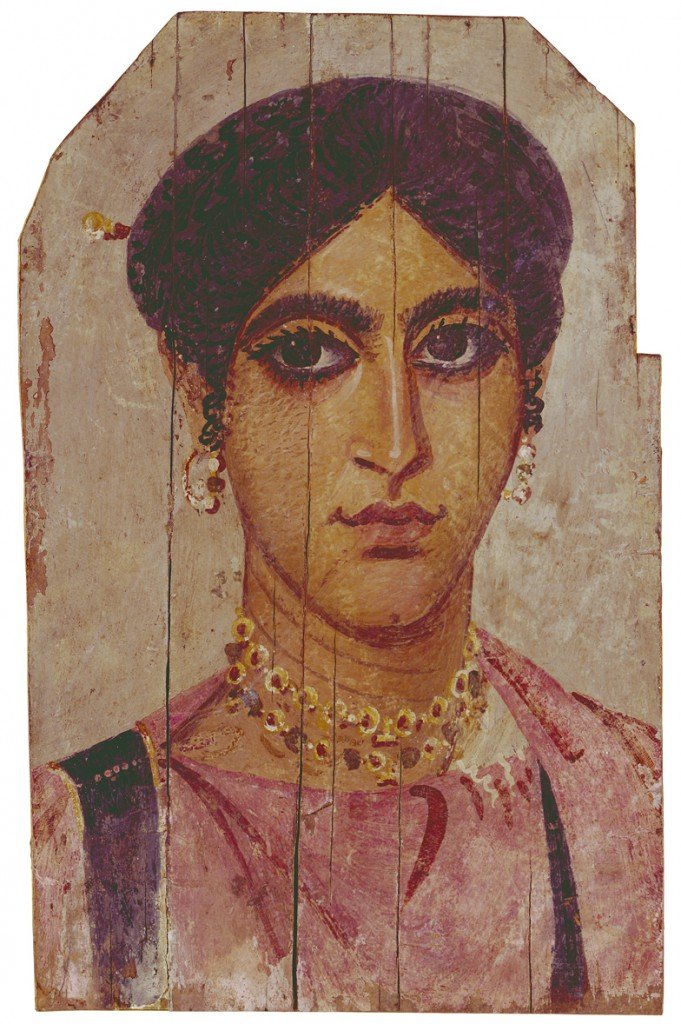 Upon her marriage, she took the notably Greek name Apollonia, which she used in all her legal and financial documents. This reflects the hierarchical nature of Hellenistic Egypt, and the legal and political favoritism for those presenting themselves as Greek (2/7)