IntegralAnswers Profile picture
Science & medicine communicator. Exposing the misinformation that harms health—and the evidence that protects it.
Jun 27 5 tweets 3 min read
HPV-related health problems are falling — but why?

Some antivaccine voices insist the vaccine deserves little credit, and claim changing sexual behavior explains the trend instead.

This short thread looks at the evidence in probabilistic terms:
• direct vaccine effects
• herd immunity
• behavioral change

The pattern is not random — and it strongly favors vaccination as the primary driver.Image 1/ Some antivaccine accounts are now arguing:
“HPV-related health problems are falling, but it’s not the vaccine. It’s changing sexual behavior.”
That explanation is possible in a weak, partial sense.
But as the main explanation?
It fails several basic causal tests.
The HPV vaccine explanation fits the evidence far better because the declines are:
• strongest for vaccine-covered HPV types
• strongest in vaccinated birth cohorts
• larger where vaccine coverage is higher
• seen first in HPV infection and genital warts
• later seen in cervical precancer and cervical cancer
• also seen indirectly in some unvaccinated groups, consistent with herd effects
That is not the fingerprint of generic behavior change.
That is the fingerprint of vaccination.Image
Jun 25 7 tweets 4 min read
1/ A Substack is circulating the claim that a Norwegian study shows “74% of new myocarditis cases were related to COVID-19 vaccination, while only 4.2% were related to infection.”

That is not what the study shows.

The paper is important because it validates that vaccine-associated myocarditis is real, rare, and concentrated in young males.

But the Substack turns a post-vaccination myocarditis validation study into a population-wide causal claim about all myocarditis in Norway.

That is a denominator error.Image 2/ What did the Norwegian study actually find?

Researchers reviewed suspected myocarditis cases occurring after COVID-19 mRNA vaccination in Norway.

Out of 4.1 million vaccinated people, they identified 177 cases where vaccination was considered the most likely cause.

That equals about 4.5 cases per 100,000 vaccinated individuals.

That is clinically meaningful.

It is not “nothing.”

But it is also not evidence that vaccines caused 74% of Norway’s myocarditis burden.

The study question was not:

“Among all myocarditis cases in Norway, what percentage was caused by vaccines vs infection?”

The study question was closer to:

“Among reported post-vaccination myocarditis cases, how many are clinically validated and likely vaccine-associated?”Image
Jun 10 10 tweets 5 min read
1/ For centuries, the debate focused on a question we now know the answer to:

Did Vikings reach North America before Columbus?

Yes.

Not only did Norse sailors reach North America nearly 500 years earlier, archaeological evidence now suggests they may have returned repeatedly for generations.

The more interesting question is no longer whether they came.

It is why so little of their presence appears to have survived.

Recent work from archaeology, dendrochronology, and population genetics points toward one of the most unusual episodes in human migration history:

A sustained trans-Atlantic connection that left remarkably little biological legacy.Image 2/ The story begins in Greenland.

When Erik the Red established Norse settlements there around 985 CE, the colonists faced an ecological problem that threatened their survival.

Greenland had grazing land.

It had fjords.

It had walrus ivory.

What it did not have was timber.

And timber was the strategic resource of Viking civilization.

Ships, homes, churches, tools, furniture, agricultural equipment—everything depended on wood.

Yet Greenland possessed almost no forests capable of supporting shipbuilding.

The question becomes unavoidable:

How did a maritime civilization survive for centuries in a place with almost no trees?Image
Jun 7 15 tweets 10 min read
For decades, cortisol has been portrayed as the villain of modern health.

The hormone that makes us gain weight.
The hormone that causes anxiety.
The hormone that destroys sleep.

But that story is incomplete.

Cortisol is one of the body’s most important survival signals. It helps regulate energy, immunity, metabolism, cardiovascular function, behavior, and recovery. Without it, life is not possible.

The real question isn’t whether cortisol is “good” or “bad.”

The question is:

What is the body trying to accomplish when cortisol rises?

In this thread, we’ll move beyond the outdated “stress hormone” narrative and explore cortisol through the lens of modern neuroscience, predictive processing, allostasis, metabolism, exercise, obesity, food noise, depression, Long COVID, and aging.

Because cortisol isn’t simply a stress hormone.

It’s a resource-allocation hormone helping the body navigate uncertainty.Image 1/ Cortisol’s Original Job

Cortisol did not evolve to make people anxious, gain weight, or struggle with sleep.

Its original purpose was survival.

For most of human history, threats were tangible: hunger, injury, infection, predators, cold, and uncertainty about where the next meal would come from. When the brain detected those challenges, cortisol helped mobilize energy, maintain blood pressure, sharpen attention, and prioritize immediate survival.

The problem is that modern humans still possess the same biological alarm system.

Today, the “predator” may be financial stress, job insecurity, relationship conflict, social isolation, or constant digital stimulation. Yet the nervous system often responds as though survival itself is at stake.

Cortisol is not a design flaw. It is an ancient adaptation trying to solve modern problems.Image
Jun 6 5 tweets 4 min read
GLP-1 drugs may be the most consequential medications of the last decade.

Originally developed for diabetes, they are now showing effects on appetite, cardiovascular disease, inflammation, fatty liver disease, kidney health, sleep apnea, and even behaviors linked to addiction and reward.

But the deeper scientists look, the stranger the story becomes.

What exactly are these drugs doing—and what do they reveal about hunger, metabolism, and human desire itself?

A short 🧵

@IntegralAnswersImage 1/ One of the most striking ideas from Ezra Klein’s conversation with Julia Belluz is that GLP-1 drugs may be teaching us something profound about obesity:

Hunger is not simply a stomach problem. It is a brain process.

Many people describe living with constant “food noise”—persistent thoughts about food, cravings, and the mental effort required to resist them. When GLP-1 drugs work, that noise often becomes dramatically quieter.

For some patients, the experience is revelatory. The issue was never a lack of character or willpower. The biological drive itself has changed.

That observation challenges decades of cultural assumptions about obesity. If a medication can make resisting food feel effortless for one person while another must fight cravings every waking hour, then physiology may play a much larger role than society has been willing to acknowledge.

As Belluz notes, genetics, neurobiology, environment, sleep, stress, and food availability all interact to shape behavior.

The implication is uncomfortable but important:

Many people judged for lacking discipline may actually be fighting biological forces that others never experience.Image
Jun 3 11 tweets 5 min read
Most people read a study the same way:

Read the abstract.

Skim the conclusion.

Accept the authors’ interpretation.

Move on.

The problem is that scientific papers contain far more than conclusions. They contain assumptions, methodological choices, statistical decisions, limitations, competing explanations, and uncertainties that may dramatically affect how the findings should be interpreted.

Over the years I’ve found that many disagreements about science don’t arise because people are looking at different data. They arise because they’re evaluating the same paper through very different lenses.

To improve the quality of my own reviews, I began using a structured evidence-review framework inspired by principles of evidence-based medicine, peer review, critical appraisal, and scientific skepticism.

The objective is not to prove a study right.

The objective is not to prove a study wrong.

The objective is to determine what the evidence can legitimately support.

This framework forces me to separate:

• What was studied
• What was claimed
• What the methods can support
• What the results actually show
• What remains uncertain

The process also helps guard against some of the most common errors in science communication:

• Narrative over numbers
• Claim inflation
• Correlation presented as causation
• Ignoring alternative explanations
• Overgeneralization beyond the study population
• Confusing statistical significance with clinical significance

The following visual cards outline the exact framework I use when reviewing medical studies, preprints, essays, Substack articles, and scientific claims before creating public-facing content.

Strong conclusions require strong evidence.

And perhaps the most important question in all of science remains:

“What observation would convince you that your hypothesis is wrong?”

🧵Image 1/ Phase 1: Structural Extraction Image
May 22 15 tweets 9 min read
1/15

LONG COVID TREATMENTS:
Evidence, Management, and Uncertainty

Long COVID is not one disease with one treatment.

It is a heterogeneous, multi-system condition likely involving overlapping biological processes including immune dysregulation, autonomic dysfunction, viral persistence, endothelial injury, metabolic impairment, and neuroinflammation.

That complexity explains why:
• no universal cure exists
• responses vary dramatically
• many therapies remain investigational

What does appear increasingly clear:

The best outcomes usually come from individualized, multi-system, symptom-guided care rather than one-size-fits-all protocols.

This thread explores:
• what appears clinically useful
• what remains uncertain
• what is promising but still speculativeImage 2/15

WHY IS TREATMENT SO DIFFICULT?

Long COVID is biologically complex and highly variable between patients.

Major challenges include:
• no validated diagnostic biomarker
• fluctuating symptoms
• multiple overlapping mechanisms
• phenotype/endotype variability
• different organ systems involved simultaneously

Two patients may both have “Long COVID” while sharing very little biologically.

This creates enormous difficulty for:
• clinical trials
• patient stratification
• treatment matching
• outcome measurement

What we do know:
• PEM (post-exertional malaise) is real and clinically important
• autonomic dysfunction is common
• multi-system involvement is frequent
• symptom burden can be disabling
• individualized care matters

The future likely depends on identifying biologic subtypes and matching therapies accordingly.Image
May 16 6 tweets 3 min read
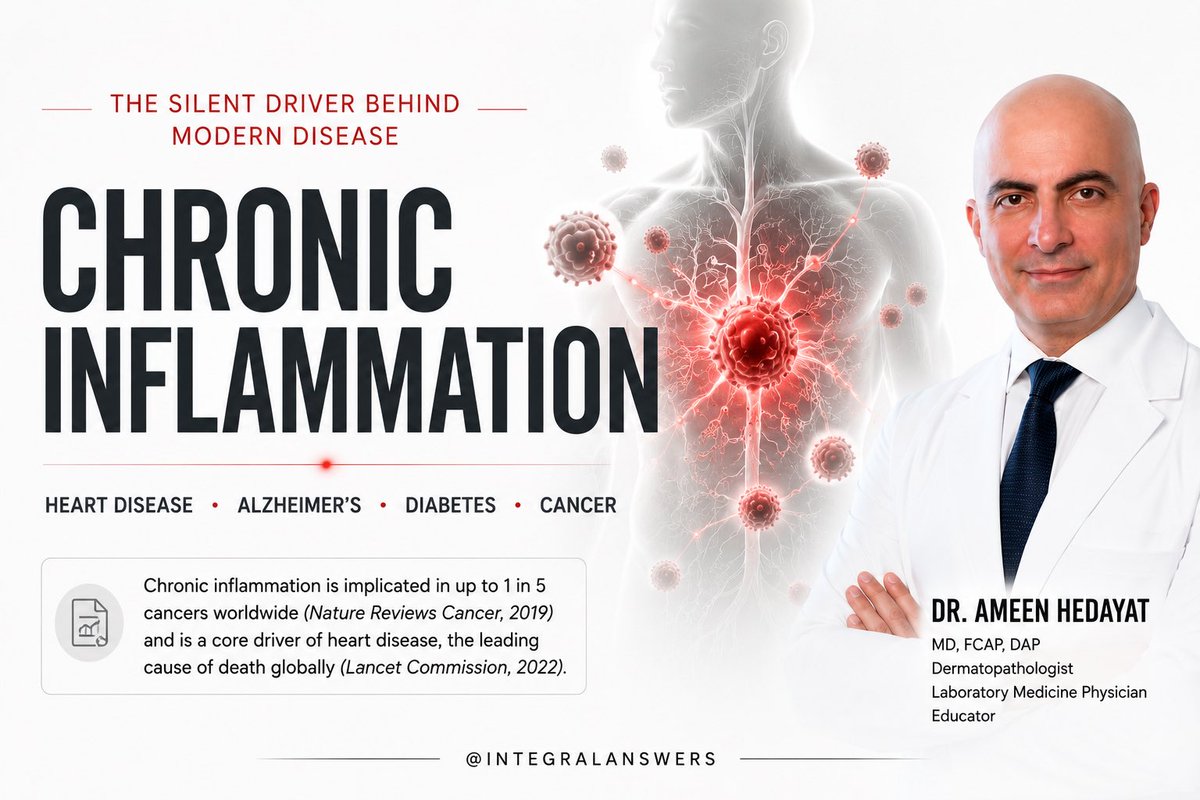
What if one silent biological process was quietly increasing the risk of heart disease, Alzheimer’s, diabetes, autoimmune disease — and even some cancers?

Not years from now.

Right now.

A thread on chronic inflammation and why it matters more than most people realize.
@IntegralAnswersImage 1/ Chronic inflammation may be one of the most important hidden drivers of modern disease.
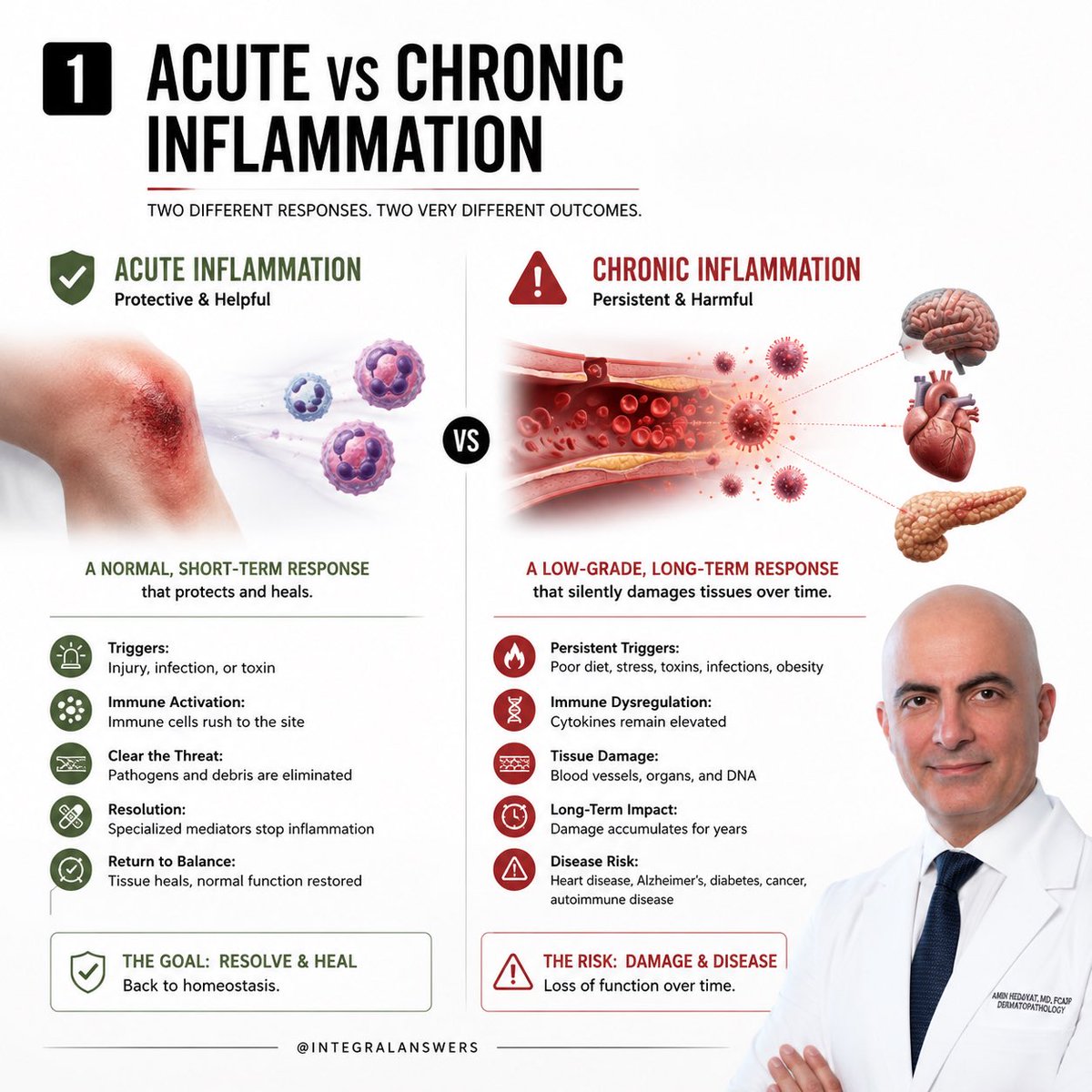
Not the inflammation you feel after an injury.

The silent kind that damages blood vessels, metabolism, DNA, and organs for years before symptoms appear.

Based on a lecture by Dr. Ameen Hedayat.Image
May 9 8 tweets 3 min read
1/ A new BMJ systematic review examined human evidence on aluminium adjuvants in vaccines.

This was not a narrative opinion piece. The authors used:
• PRISMA 2020
• PROSPERO registration
• RoB 2.0 / ROBINS-I
• GRADE assessment

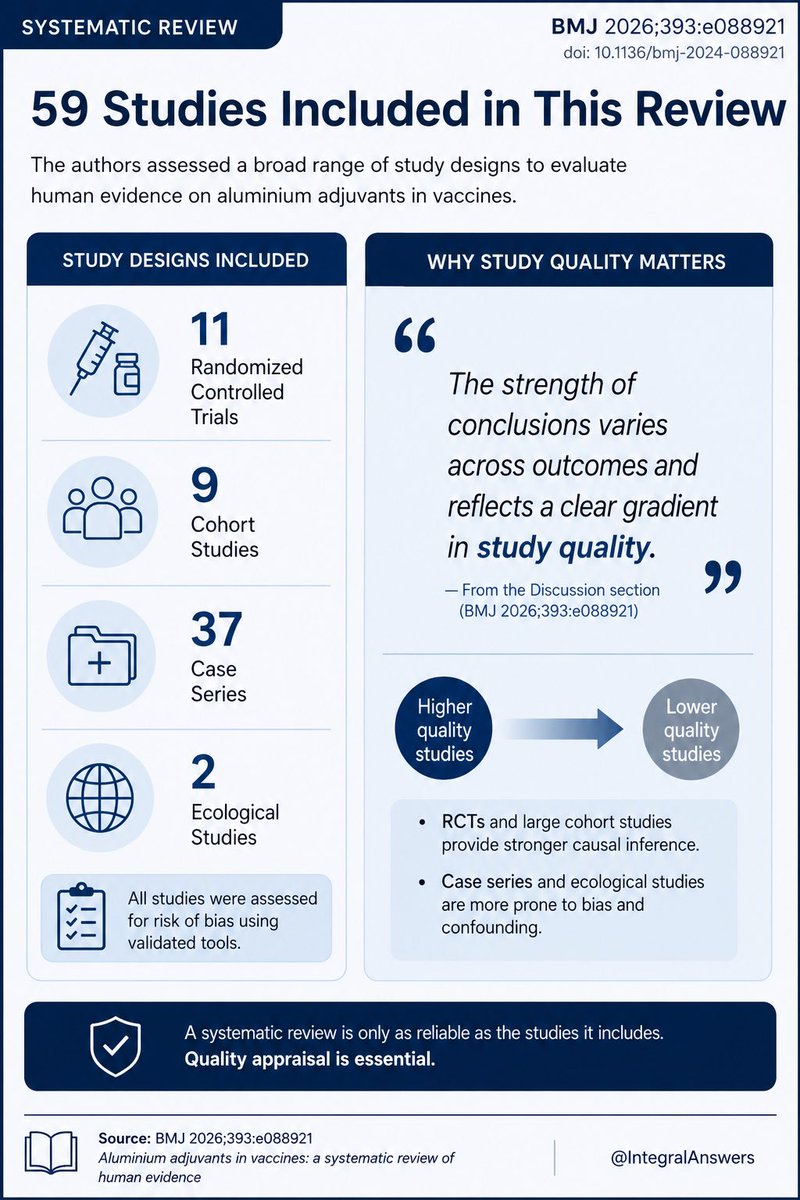
BMJ 2026;393:e088921 Image 2/ The review included:
• 11 randomized controlled trials
• 9 cohort studies
• 37 case series
• 2 ecological studies
The authors repeatedly emphasized that study quality matters when interpreting safety claims. Image
May 4 10 tweets 3 min read
1/ Public health isn’t collapsing because the science failed.

It’s collapsing because we stopped trusting the system designed to interpret that science.

A conversation with Dr. Paul Offit ↓ Image 2/ We’ve shifted from expert guidance → individual decision-making.
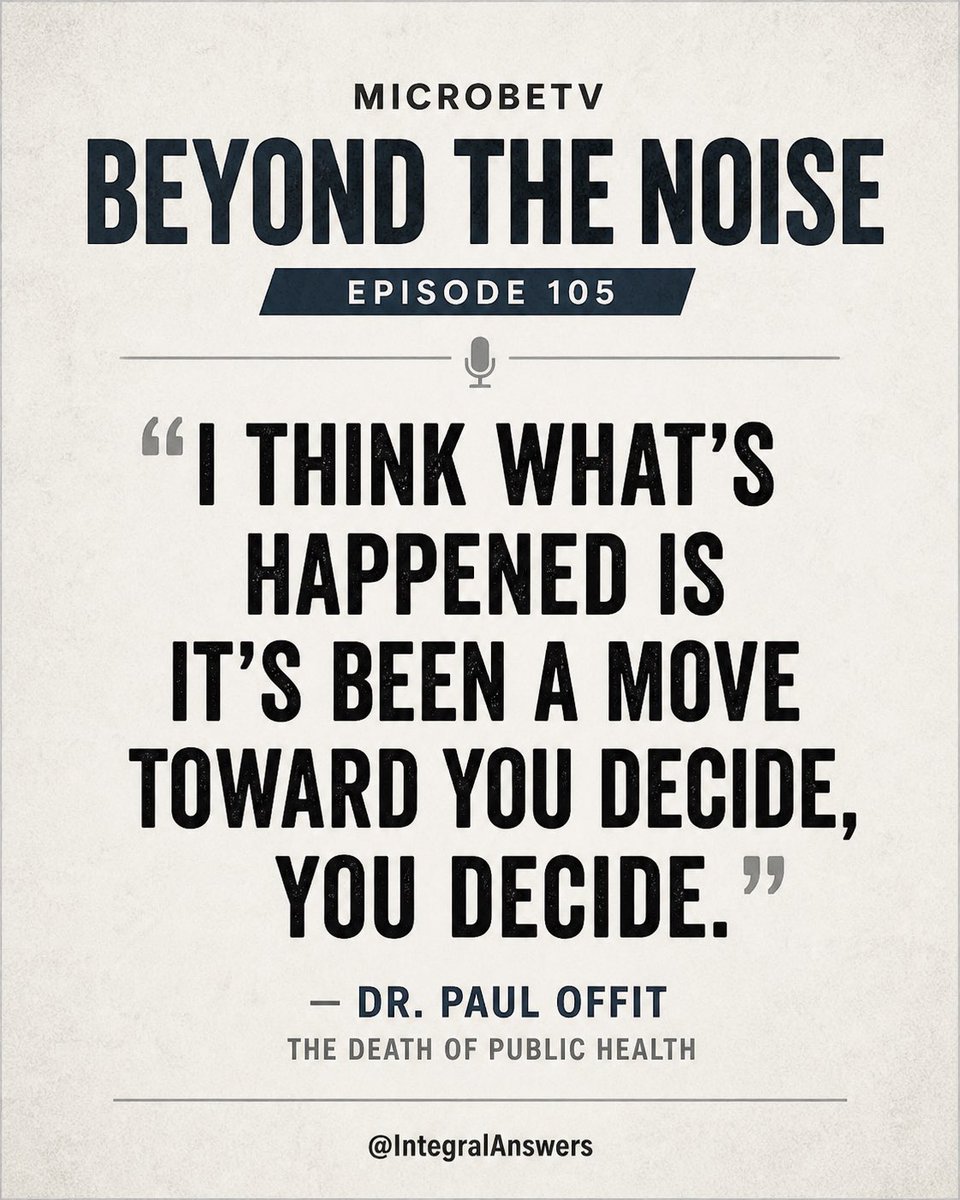
That sounds empowering.

But it fundamentally changes how public health works. Image
May 3 10 tweets 4 min read
1/ 🚨 Mail-in blood smear tests claiming to detect “amyloid” or “microclots” are gaining traction.

They look scientific.
They sound advanced.

But are they clinically valid?

Let’s break it down. 🧵 Image 2/ The Protocol

The protocol:

• Finger-prick your blood
• Smear on glass
• Let it dry
• Mail internationally

This is NOT how clinical pathology or hematology is performed.

No controlled collection. No standardization. Image
May 1 15 tweets 5 min read
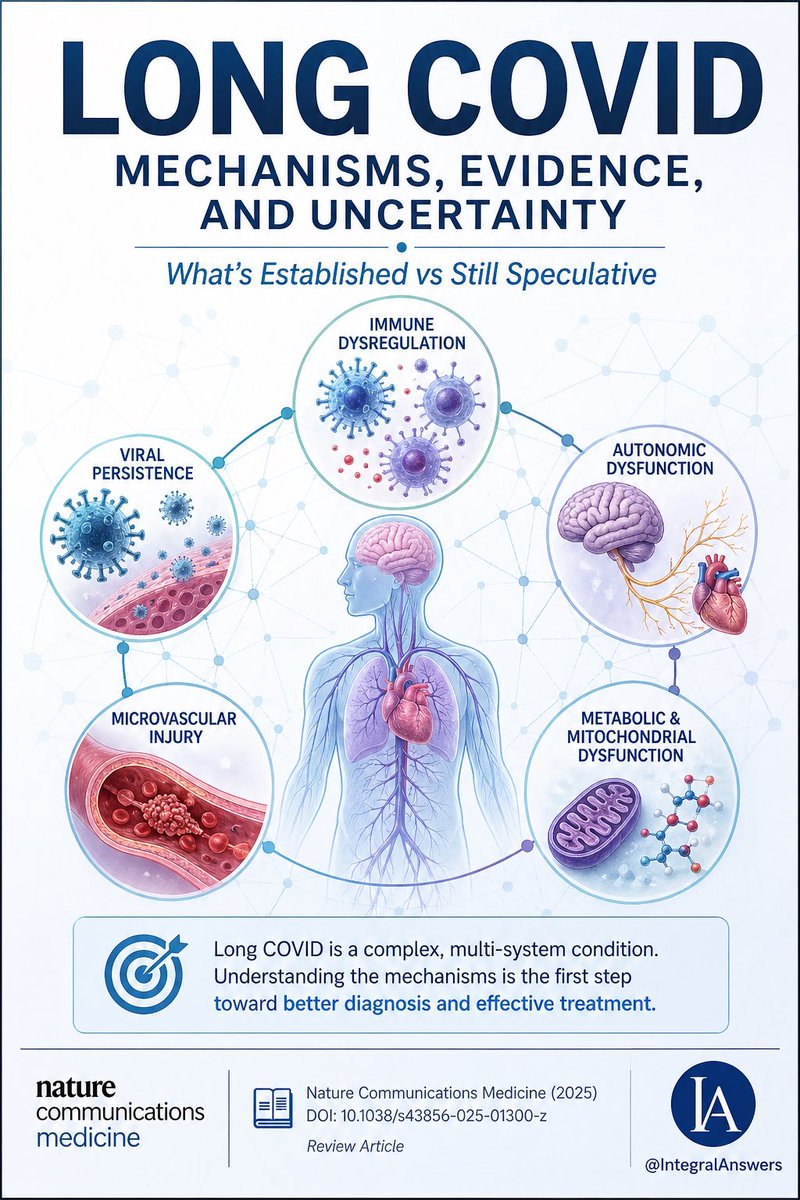
1/ Long COVID is one of the most complex post-infectious syndromes ever studied.

A new review in Nature Communications Medicine attempts to unify the biology.

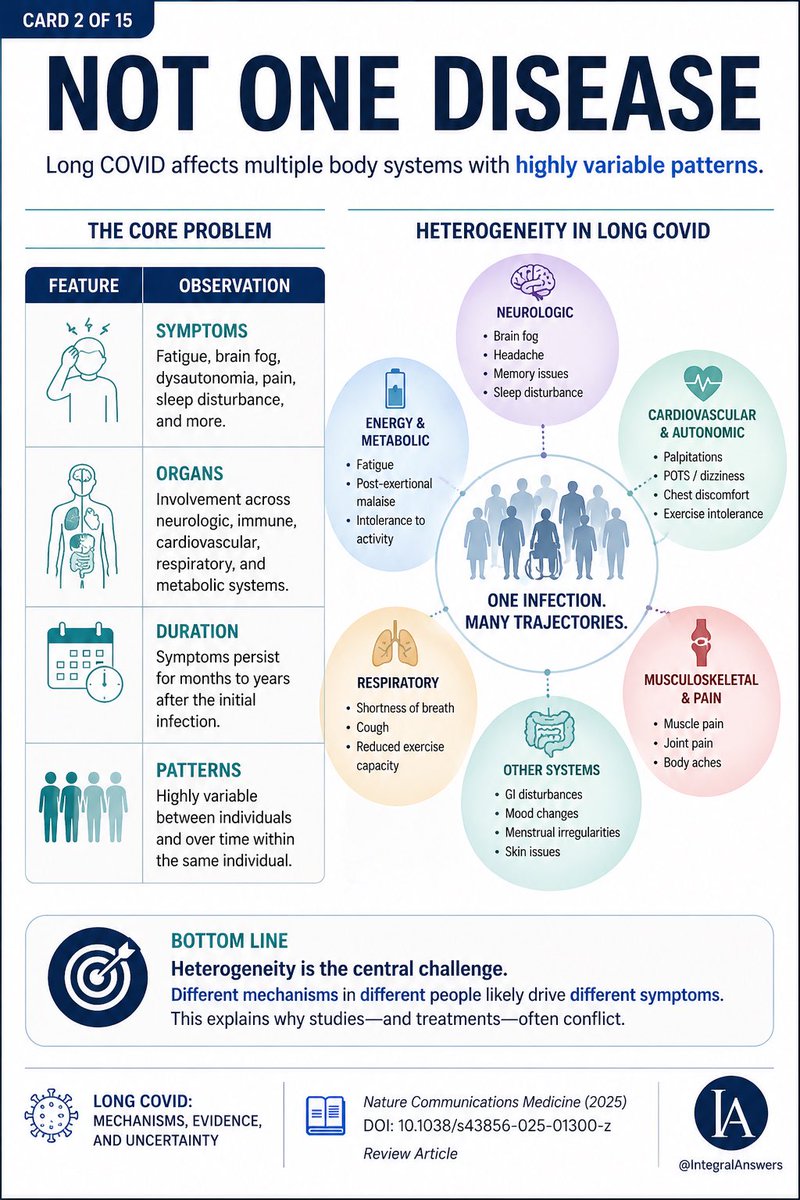
Here’s what’s established, what’s emerging, and what’s still speculative. 🧵 Image 2/ The biggest mistake?

Treating Long COVID as a single disease.

The evidence suggests:
→ Multiple overlapping syndromes
→ Different mechanisms in different patients

This explains why studies—and treatments—often conflict. Image
Apr 28 8 tweets 3 min read
This isn’t about a single controversial claim.

According to NewsGuard, 118 provably false narratives have been promoted by Robert F. Kennedy Jr. and Children’s Health Defense since 2016.

This is a pattern. 🧵 Image 2/ The Pattern

This isn’t about a single controversial claim.

It’s a systematic pattern across domains:
• Vaccines
• COVID-19
• HIV/AIDS
• Public health policy
• Food & environment

When false claims span everything, it’s not just skepticism—it reflects a broader pattern. Image
Apr 25 10 tweets 2 min read
1/ In debates about vaccine history, people often point out that deaths from infectious diseases were falling long before vaccines arrived.

This is a FACT. But it’s not a "gotcha" against vaccines—it’s a triumph of engineering and infrastructure. Let’s dive in. ⬇️ Image 2/ If we look at the first half of the 20th century, mortality (death) plummeted.

Why? Because we stopped living in "filth" conditions.

The biggest hero wasn't a pill or a needle; it was the civil engineer. 🛠️🏙️
Apr 25 6 tweets 2 min read
1/ RFK Jr. often tells Congress that medical measures (vaccines/antibiotics) only caused 3.5% of the mortality decline since 1900, citing McKinlay (1977).

It sounds like a "gotcha," but it relies on a massive misunderstanding of public health. Image 2/ McKinlay’s study measured MORTALITY (death). By 1960, deaths from diseases like measles had dropped because of better supportive care and nutrition.

But death isn't the only metric for a "successful" society. What about the suffering in between?
Apr 25 5 tweets 1 min read
1/ RFK Jr. claimed before Congress that the Guyer study (2000) proves vaccines had “almost no” role in reducing mortality. He called it a “CDC study.” This is misinformation. The truth is much more complex—and supportive of vaccines. ⬇️ Image 2/ First, Guyer et al. (2000) wasn't a "CDC study." It was published in Pediatrics by academic researchers, though it used national statistics. The researchers' actual conclusions were the opposite of what Kennedy claimed.
Apr 25 11 tweets 2 min read
1/ In recent testimony, RFK Jr. cited studies by Guyer (2000) and McKinlay (1977) to claim vaccines didn't save us. The claims sound academic, but the interpretation is a masterclass in cherry-picking. Let’s look at the actual data. ⬇️ Image 2/ RFK Jr. claims a "CDC study" shows vaccines had no role in reducing mortality, referring to Guyer et al. (2000). While sanitation/nutrition helped early on, Kennedy ignores what the authors actually concluded about the modern era.
Apr 19 11 tweets 4 min read
A promised cause.
A year of shifting claims.

In 2025, RFK Jr. said we’d soon know what causes autism.
That answer never arrived.

Here’s what the evidence actually shows. 🧵 Image 1/ In 2025, a definitive “cause” of autism was promised on a political timeline.

Biology doesn’t resolve that way.

Complex neurodevelopmental conditions do not yield single-cause answers on demand.
#EvidenceBasedMedicine Image
Apr 15 9 tweets 3 min read
THE PLAYERS

“Disinformation has a supply chain.” Image 1/ Disinformation doesn’t spread itself.

It has a supply chain. Image
Apr 15 9 tweets 3 min read
THE PROBLEM

“This isn’t random. It’s a system.” Image 1/ We talk about misinformation like it’s random.

It’s not.

It’s structured.

And it works because incentives are aligned. Image
Apr 12 9 tweets 3 min read
1/ They just turned Ozempic into a pill.

No injections. No friction. Just take it daily and lose weight.

Sounds like a breakthrough.

But there’s a biological tradeoff almost nobody is explaining—and it matters. Image 2/ GLP-1 drugs don’t directly “burn fat.”

They suppress appetite.

Eat less → weight drops.

But your body doesn’t care about aesthetics. It cares about survival.

And survival changes what tissue gets sacrificed. Image