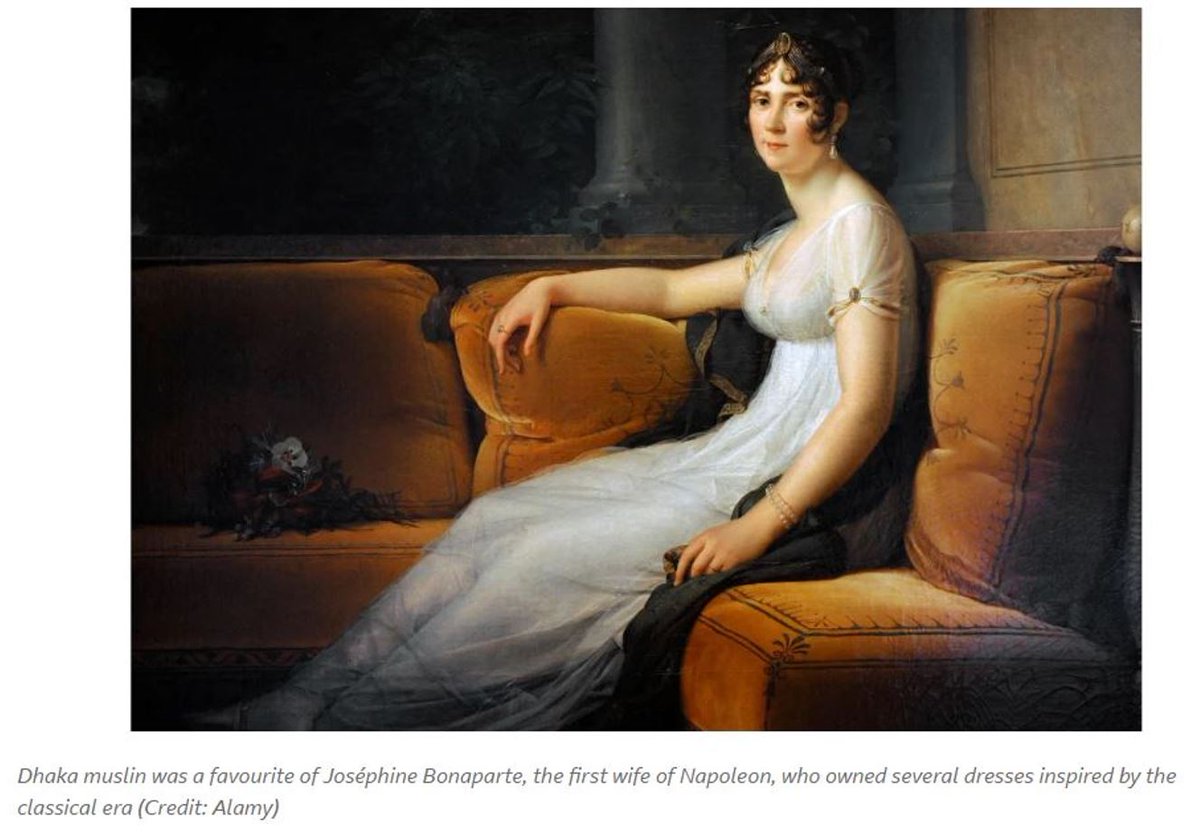
 "The culprit was Dhaka Muslin, a precious fabric imported from Dhaka, now in Bangladesh, then in Bengal. It was not like the Muslims of today. Made via an elaborate, 16-step process with a rare cotton that only grew along the banks of the holy Meghna river, the cloth was..."
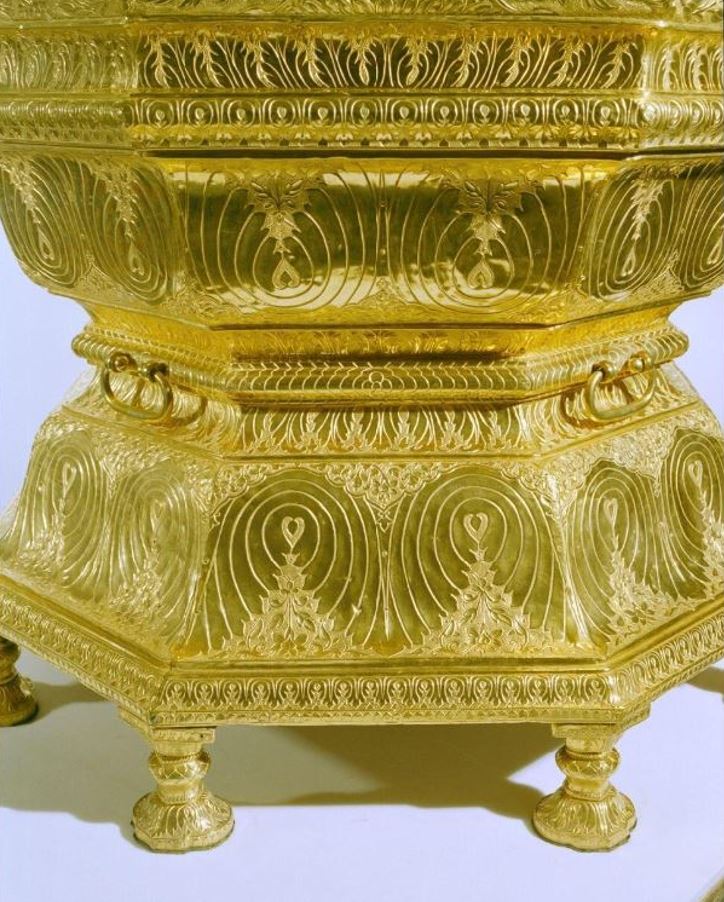
 "...In Europe, royal furniture is usually simply gilded, which creates the effect of gold without incurring the cost. This throne is covered in thick sheet gold, heavily ornamented. The distinctive cusped base is composed of 2 tiers of lotus petals. The lotus is a symbol..."
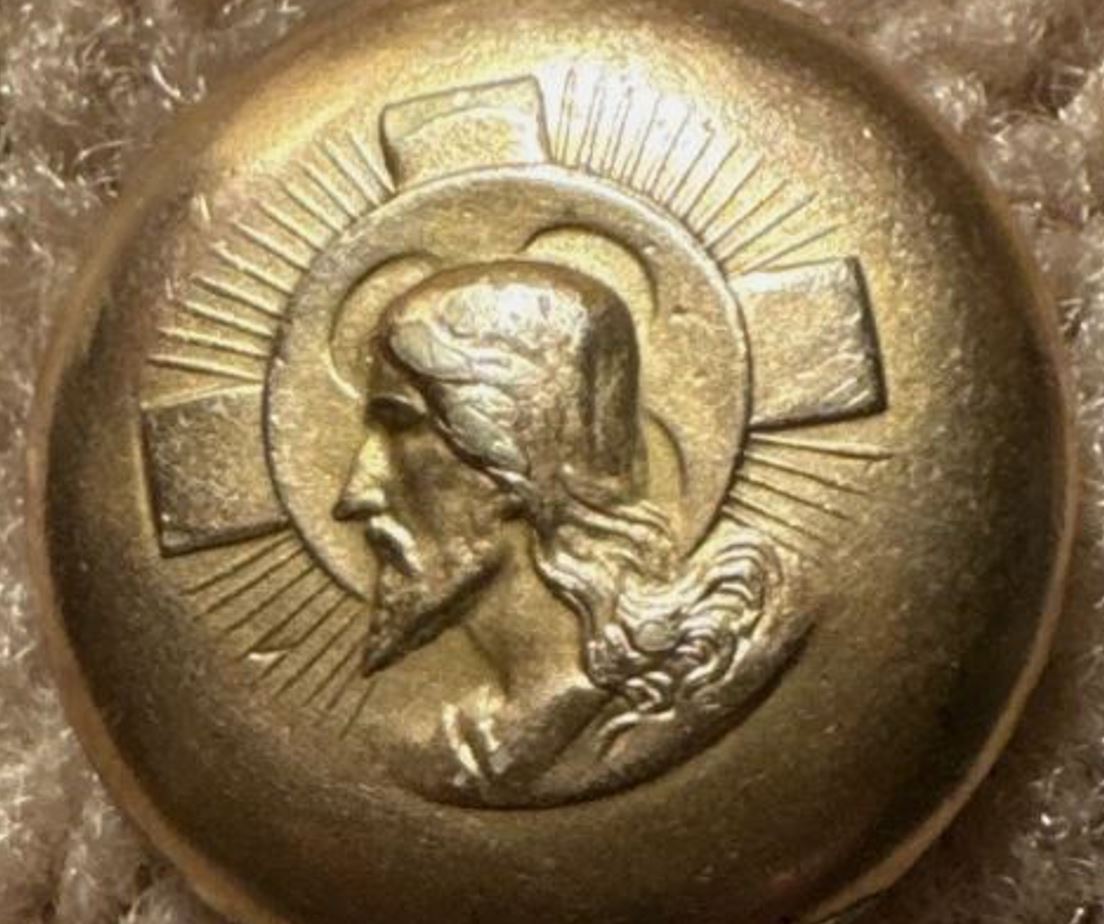
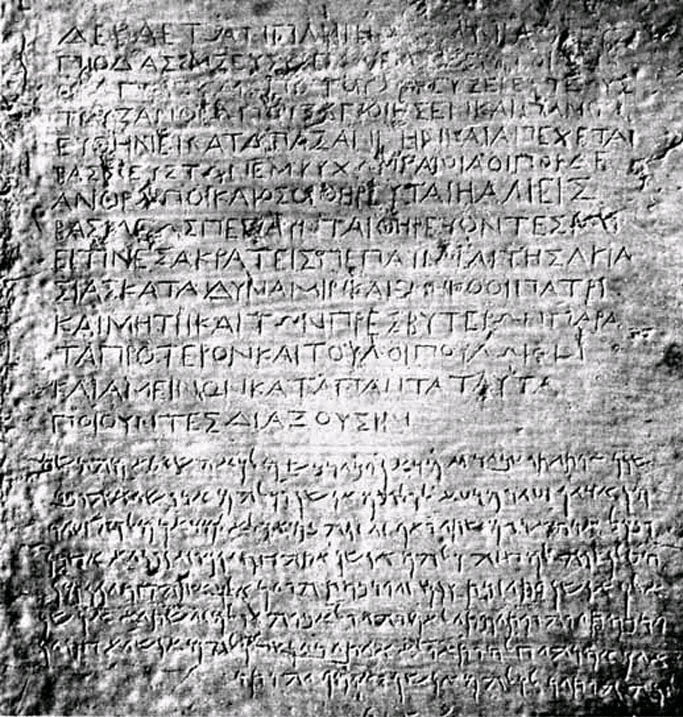 The Buddha (c.563-c.483, or c.480-c.400), see: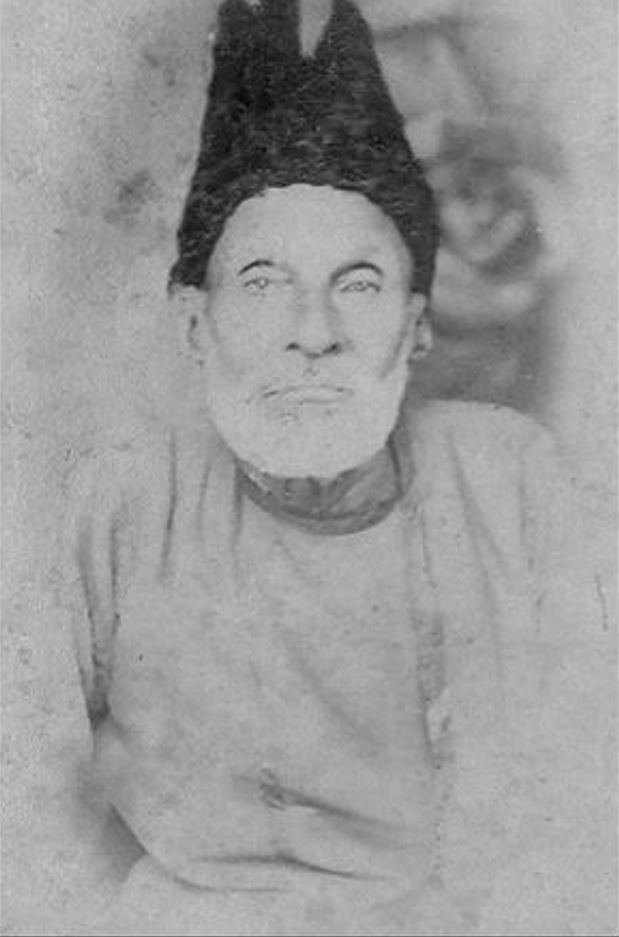

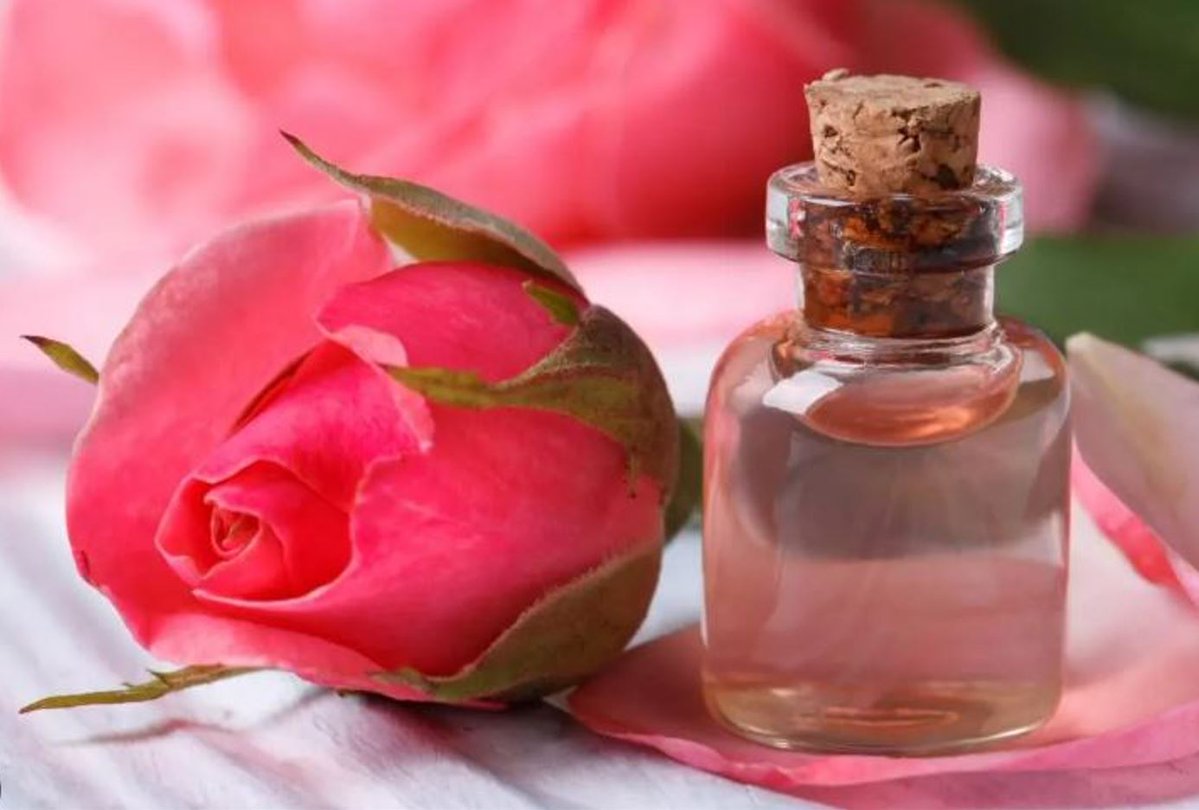 "...to soften the spirit's edges. He often drank this concoction in the evenings with kebabs."
 Genome-wide analysis indicates that Parsis are genetically closer to Neolithic Iranians (from the Zagros Mountains) and contemporary populations from the Caucasus/Iran, rather than their South Asian neighbors.
  Ancient Ancestral South Indians (AASI): This is the truly indigenous lineage of South Asia, descended from hunter-gatherers who arrived roughly 50,000–70,000 years ago. It is most prominent in South Indian tribal groups (e.g., Paniya and Irula)
 "Krishna’s brother Balarama stands in readiness behind him. Among the large retinue of armed soldiers are the five Pandava brothers seen behind Balarama, while their foes, the Kaurava brothers, are seen with Bhishma at lower centre."
 @sanjayuvacha @ranjithoskote @DanHusain @hemantsarin @atalbrave @barbarikon @swativashishtha @RachelMJDwyer @ambrin_hayat @WhiteMughalsFan Indian music
