
ℂℍ ≅ Cl(3) ≅ M₂₂(ℂ) ≅ SU(2) ⊕ SU(2)i. 4D geometry enthusiast. Physics programmer: https://t.co/0Cfon7p87D
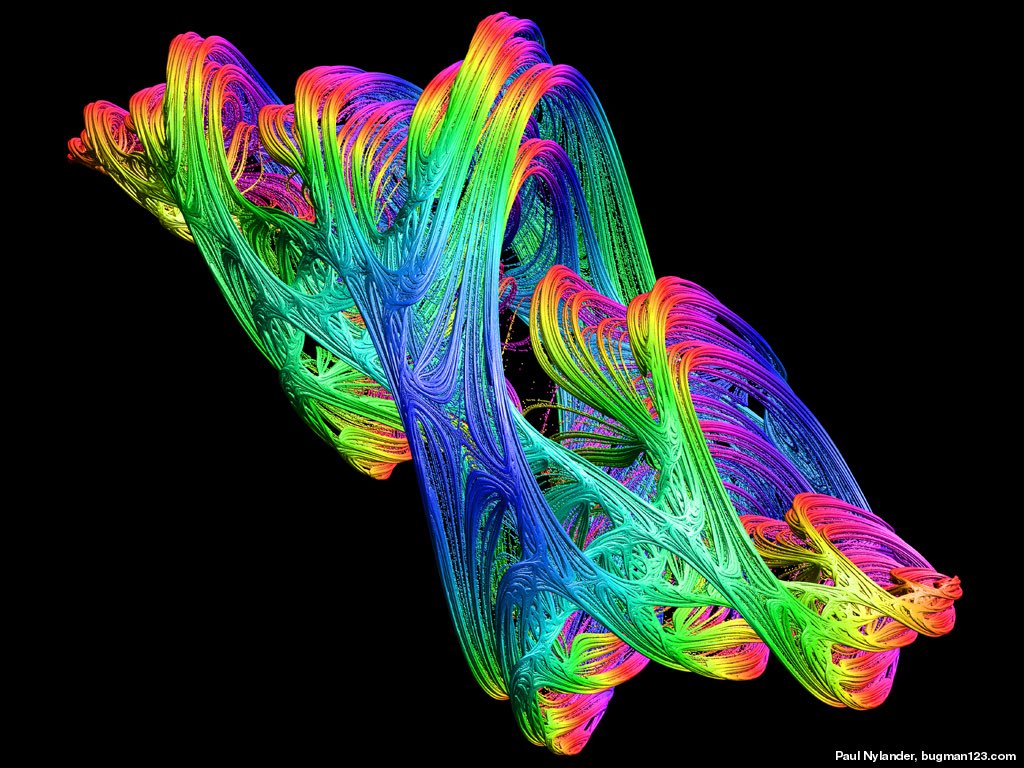 This seems like a job for Lie algebras, which use the exponential map to turn a discrete transform into a geodesic direction to follow for a unit of distance - this distance can then be scaled. Take the log of a transform, scale the resulting tangent, then re-exponentiate. (2/3)
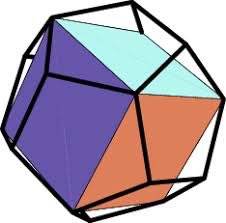
 In searching for geometry representing the space of octonions we quickly encounter the fano plane and its group of 168 automorphisms. This looks like a hyperbolic 2D tiling of 24 heptagons, which seems suggestive. Do 7 copies of the 24-cell weave together to form an 8D polytope?


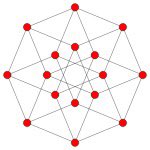
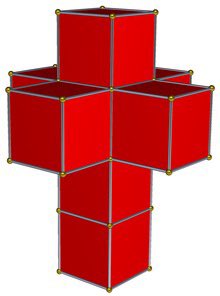
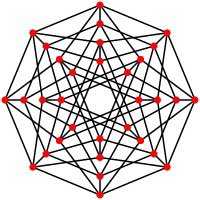
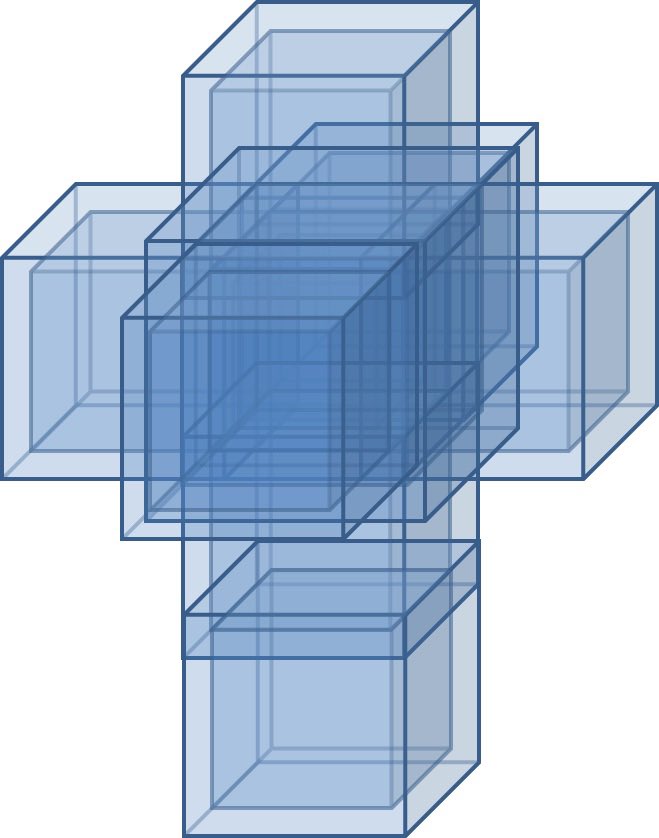 Let’s look at an analogous problem: understanding a 4D hypercube surface in 2D. Is there a way we can make a 2D structure to represent our 8 cubic cells and the connections each has at its boundary to six adjacent neighboring cells? Maybe! (2/17)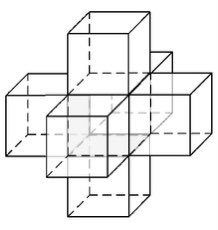
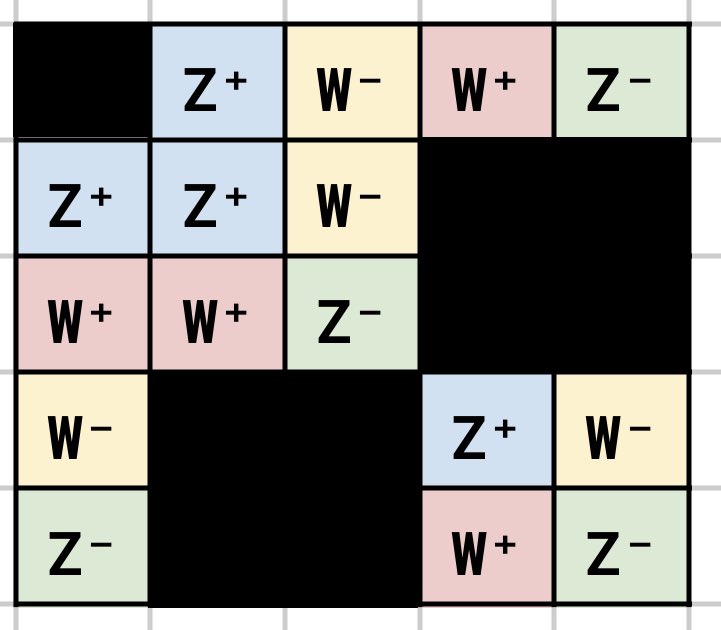
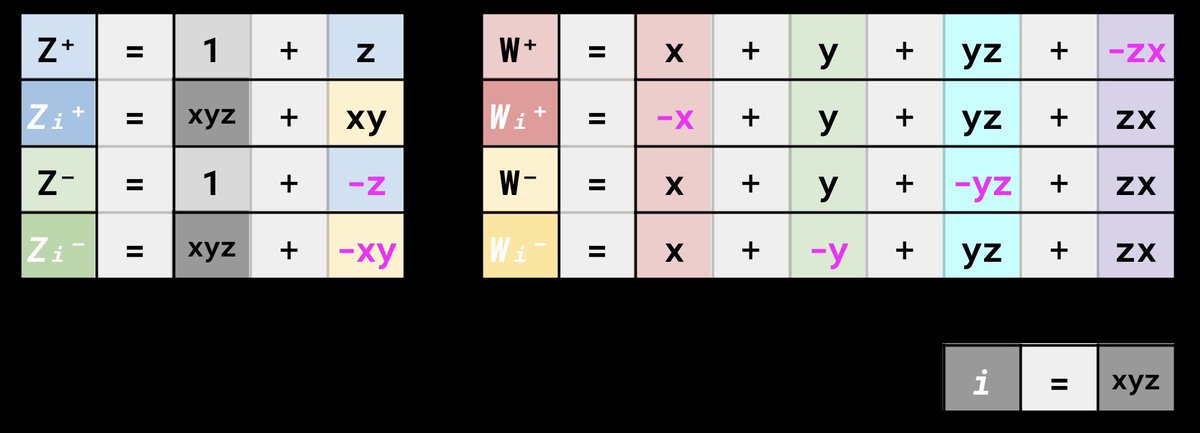
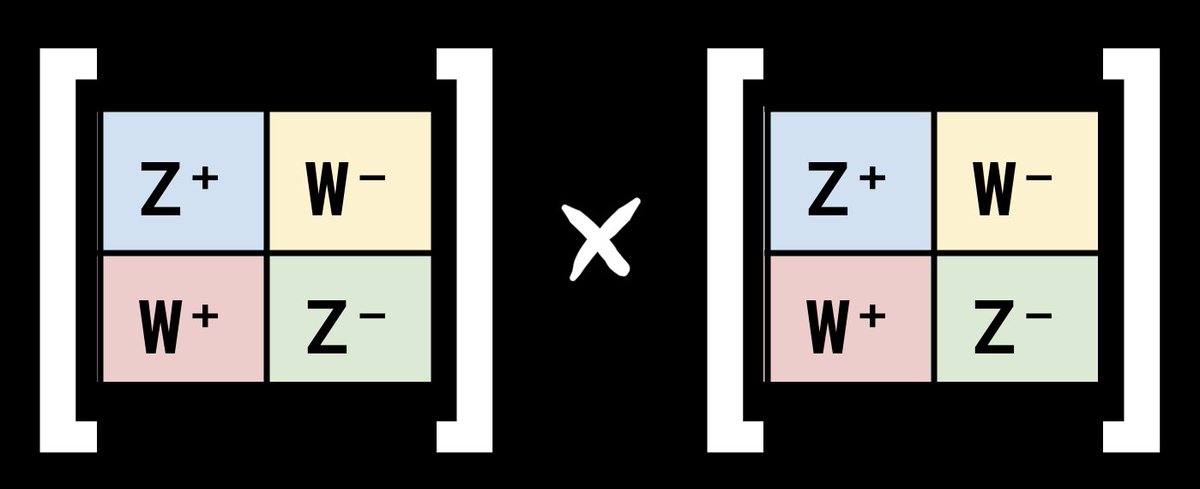 The 2x2 matrix is a place to measure spin up and spin down as your two orthogonal basis elements, and your choice of axis determines which direction D lands on the main diagonal as (1+D)/2 and (1-D)/2 whilst the orthogonal components get mixed into the off diagonal elements.