Joel Cressman Profile picture
PE teacher & coach. Author of Seoul Ambition. I write about talent development, culture, and coaching.
Jan 13 12 tweets 2 min read
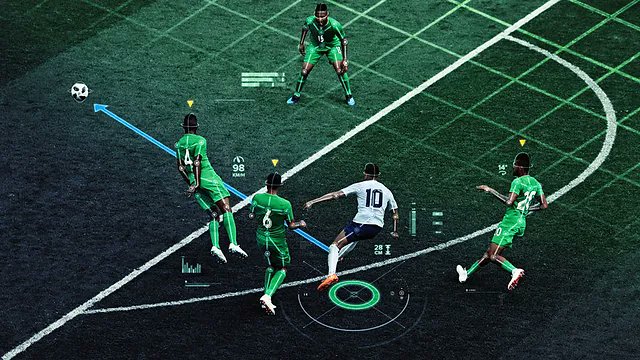
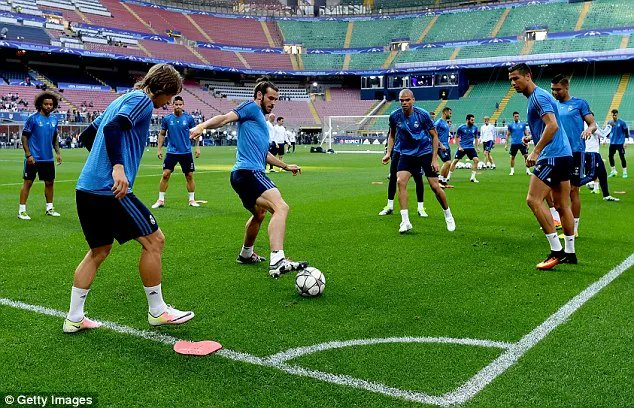
Sports scientists analyzed the effect of small-sided games vs. 11-on-11 training

On the creativity of pro soccer players.

Here’s what they found: Image Researchers analyzed 24 professional players.

They looked at training videos of 5, 6, 7, and 11-aside games.

Here are their conclusions:
Jun 11, 2025 12 tweets 2 min read
Coaches have misunderstood creativity for years.

Here’s what we get wrong and how to fix it: Image 1) Misconception: Creativity in sports is a passive process.
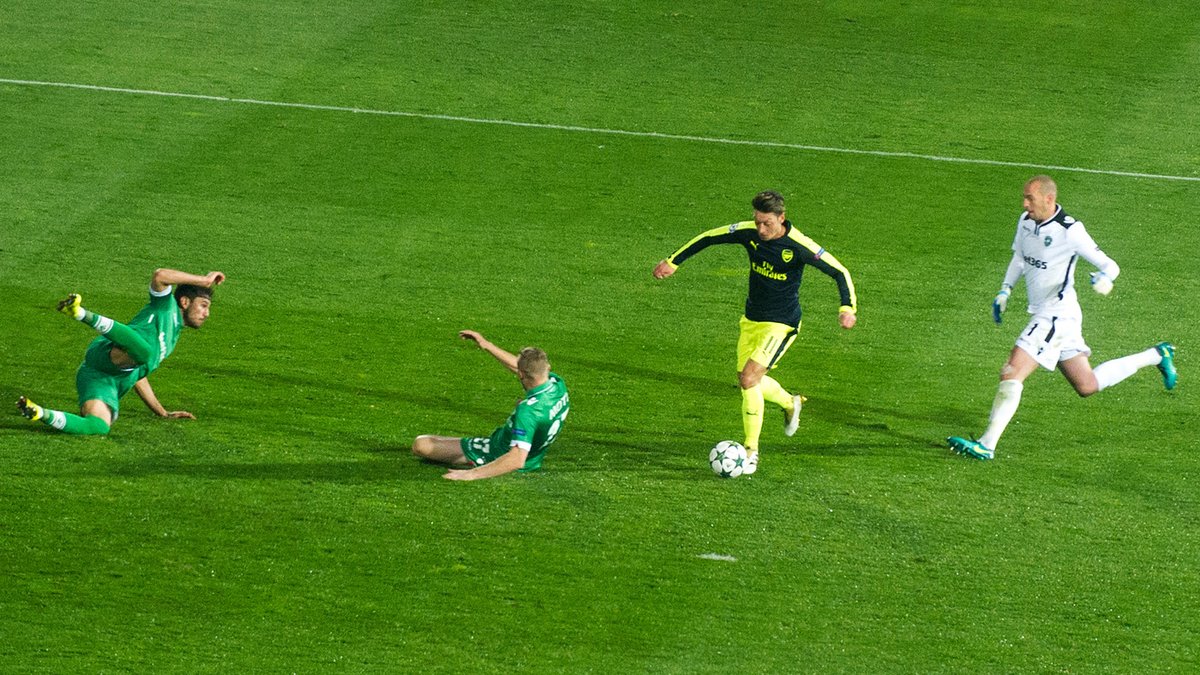
Creativity is viewed similar to a painter:
-idea
-sent to the body
-predetermined action executed
May 13, 2025 11 tweets 2 min read
Creative players are diamonds in the developmental rough.

Do they have a head start from cognitive advantages?

Here’s what the science says: Image Creativity is:

• Solving problems in a new yet appropriate way
• A result of divergent thinking, a cognitive process that provides a large range of problem-solving
• The opposite of convergent thinking, which gives one optimal solution
Mar 26, 2025 14 tweets 3 min read
Soccer is the most studied and analyzed sport in the world.

But there is a knowledge gap in understanding how teams learn through practice.

Here are 9 lessons to bridge that gap: Image 1. Outcomes are easy to track, processes are hard

Time of possession, expected goals, and # of passes only tell part of the story.

The process of how to increase those numbers through training is less clear.
Mar 18, 2025 12 tweets 2 min read
The future of player development lies in one key concept:

Placing players in highly-specific environments instead of repeating techniques.

How is this done? Let’s take a look. Image 1. Players do not repeat the same movements.

There is a false assumption that elite players repeat familiar movements.

This idea leads coaches to try to teach the same techniques to get to the same outcomes.
Feb 4, 2025 14 tweets 2 min read
Erling Haaland grew up in the small town of Bryne, Norway.

When he was 6, he joined a team that would produce more pros than dropouts.

Here’s the amazing story of his outlier cohort: Image 1) Haaland was part of the Bryne 99 group.
Out of the 40 players in the program, 6 became professional.

But more importantly: only 5 dropped out from the program.
Jan 21, 2025 11 tweets 2 min read
Becoming an innovative coach takes time and a scientist’s mindset.

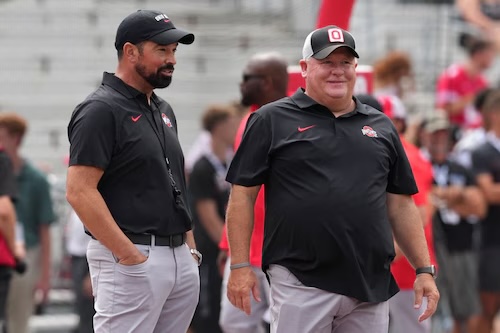
Ohio State’s Chip Kelly is the ultimate case study for this.

Here are 8 lessons from his career: Image 1) Innovative coaching takes years of experimentation:
“He was like a mad scientist,” a former player said of Kelly. Kelly used the football field like a science lab.

He disguised plays, pushed high speed, and put more players in motion.

All while others questioned the legitimacy of his ideas.
Sep 1, 2024 13 tweets 3 min read
For the past year, I’ve been researching the world’s most creative athletes.

Creative players are unicorns. And are becoming more rare.

Here are 9 principles on how creative elite athletes are made: My research has focused on Invasion Games.

I’m interested in what creates gifted offensive players in soccer, basketball, and hockey.

Here’s what the research says about creative unicorns:
Aug 18, 2024 11 tweets 2 min read
I’ve spent the last 5+ years researching athlete development.

After reading 100+ research papers and books,

These are the most important lessons I’ve found: 1) It’s not all about practice

Deliberate practice explains 18% of performance in sports.

But only 1% of performance at the elite level.

The “10,000 hour rule” used to be the way, but it’s more difficult than that.
Aug 11, 2024 8 tweets 2 min read
You can train athletes to be creative.

But creative thinking stagnates after the age of 13.

Here are the six “D” principles for developing creative playmakers: Image 1) Deliberate Play

Unstructured play, away from coaches and parents, leads to more experimentation without repercussions.

Takeaway: Let them play and get out of the way.
Jul 28, 2024 11 tweets 3 min read
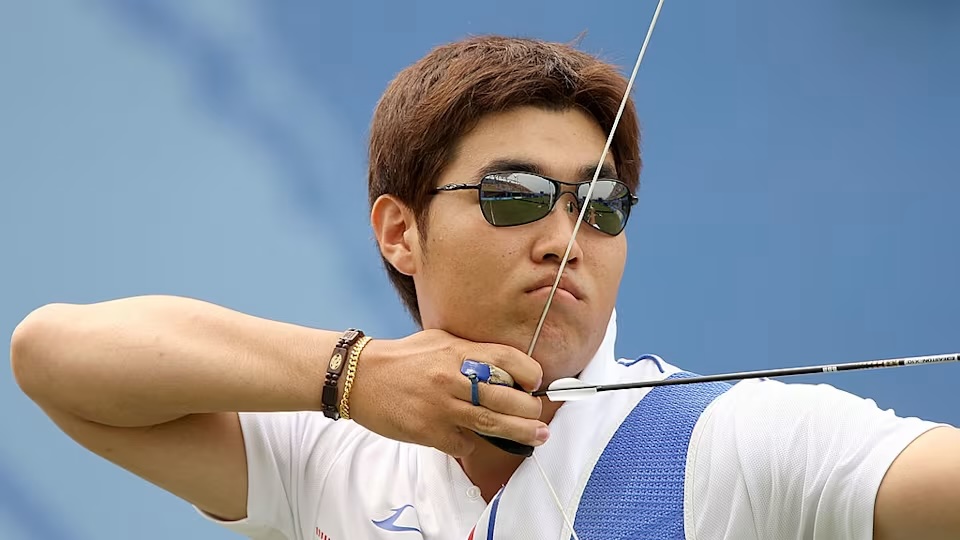
Archer Im Dong-hyun is the world’s most improbable world record holder.

Im set the record despite one setback: He is legally blind.

How did he do it? He’s from the most dominant Olympic program ever.

Here are 7 reasons why Korea's dominated archery for generations: Image Korea’s rule in Olympic archery is insane.

Since 1984, Korean women have won every gold medal but one.

Of 19 available Olympic records, Koreans hold 16.

Here’s the story of the world’s most unknown dynasty:
Mar 26, 2024 5 tweets 1 min read
In a study of elite U16 football players from seven countries,

Average hours per year during childhood was:
• Competition = 28.9 hours
• Soccer-specific practice = 185.7 hours
• Soccer-specific play = 186 hours

Country comparisons had unexpected results... The countries analyzed were: Brazil, England, France, Ghana, Mexico, Portugal, and Sweden.

Soccer-specific practice was significantly greater in Mexico and Sweden, compared to talent hotbeds of Brazil and France.
Mar 18, 2024 11 tweets 3 min read
Erling Haaland is a generational talent.

He was the product of an outlier youth program in Norway.

Researchers investigate his team cohort, this is what they found: Image Bryne FC 99 (players born in 1999) was unique for several reasons:
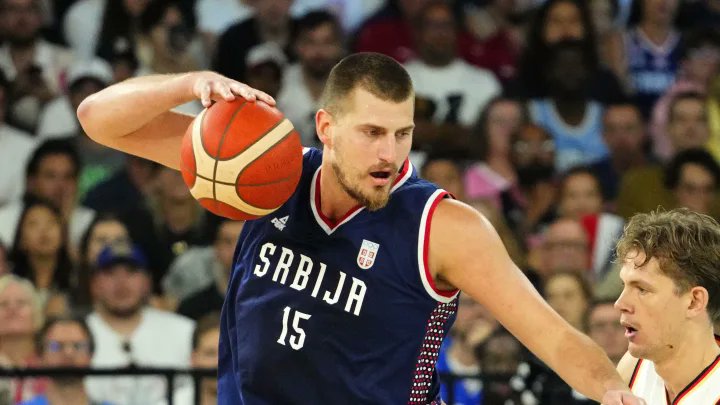
• 6 of the 40 players became professionals
• 35 of 40 players kept playing into adulthood
• Grassroots-focus with no cuts or selections

Here’s how they did it:
Mar 10, 2024 9 tweets 2 min read
Brazil develops the world’s most skilled soccer players.

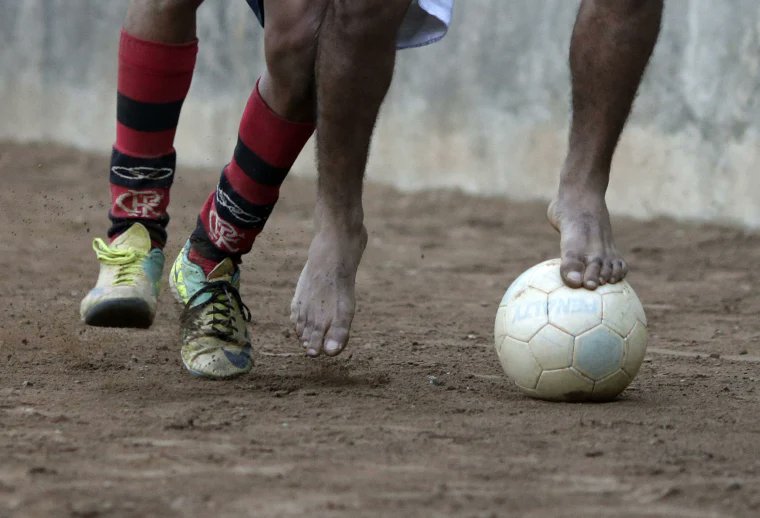
The development culture revolves around “Pelada” or informal games.

Researchers interviewed top coaches, here’s why Pelada is so valuable: Image 1) It encourages ball control.

Literally translated to “nude” because play happens on bare surfaces,

Players learn to play on uneven ground.

“We played all bare foot. This makes you kick the ball in a different way, to protect yourself. Until we learned, we lost a lot off the tips of our toes.”