
Jesus Freak ✝️ | Archaeologist | History buff | Eagle Scout | Backup account: @KSArchbackup | proud homeschool kid | 1st Corinthians 13:1-3
 Clyde Cessna was born on December 5th, 1879 in Montgomery County, Iowa. When he was only two years old his family moved to Rago, Kansas in Kingman County west of Wichita. When he was an adult, he moved to Enid, Oklahoma and worked at a car dealership there. He moved to New York to work at the Queen Aeroplane Company after attending an air show in Kansas which gave him a new passion for flight and airplanes. In 1911 he constructed a plane called “Silverwing” which after multiple failed attempts had a successful 5 mile flight at the Great Salt Plains in Alfalfa County, Oklahoma. This was the first airplane built and flown on the Great Plains. He continued developing airplanes through the 1910s including “The Comet” with which he set a new national airspeed record of 124.6mph on July 5th, 1917 as well as a new national distance record on the same flight of 76 miles between Blackwell, OK and Wichita, KS. With the start of World War I his income ground to a halt causing him to leave the field of aviation for nearly 8 years.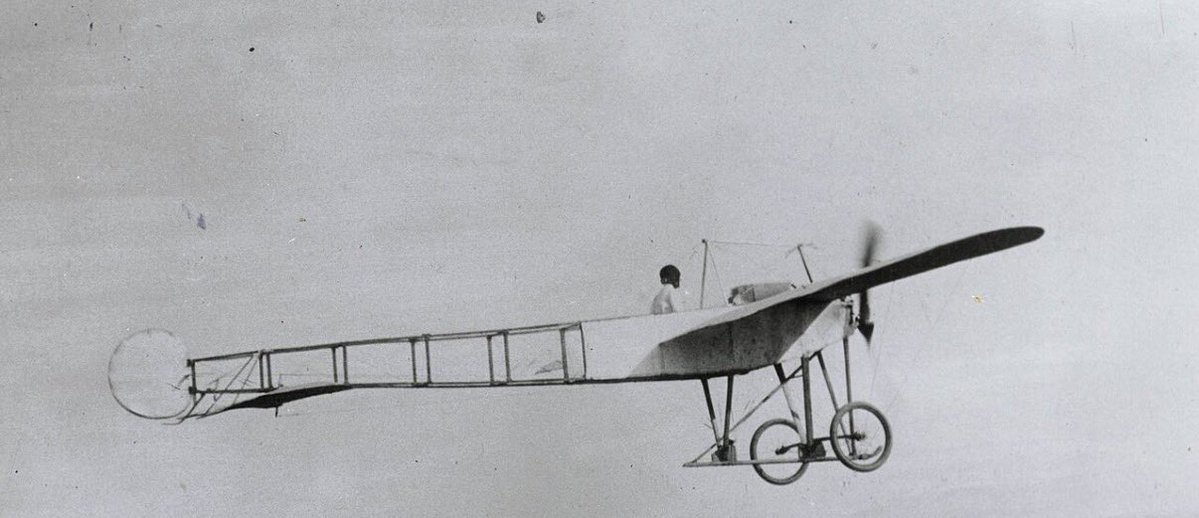


 William Cody was born on February 26th, 1846 in Le Claire, Iowa just east of Davenport. After the family moved to Ontario for a few years, his father Isaac Cody then brought them all to Fort Leavenworth, Kansas Territory. Isaac was staunchly against slavery, and was stabbed while giving a speech at the local trading post. He would eventually succumb to these injuries in 1857 leaving William to be the man of the house at only 11 years old. He picked up jobs as a messenger on wagon trains and later as a rider on the Pony Express, a mail service that consisted of a network of horse riders that stretched from Missouri to California. He also was a scout for Johnston’s Army which went to fight in the “Utah War” against the Mormon settlers in the Great Salt Lake region.

 Lalawethika (which translates to “noise maker”) was a member of the Shawnee Native American tribe born in 1775 along the Mad River in Ohio. His father was killed in Virginia during a conflict between the Shawnee and Mingo tribes against the Virginia Colony, and he was one of eight children in the family which included his older brother, Tecumseh (but more on him in a moment). In 1794 during the Northwest Indian War against the United States, he fought at the Battle of Fallen Timbers in northwest Ohio to attempt to halt American expansion into the region, a battle that the Northwestern Confederacy of tribes would lose which opened a large portion of the territory for settlement. He was not recognized as a warrior despite his participation at the battle so he began apprenticing as a medicine man. After failing in that field he sank into a deep depression and isolated himself along the White River where he turned to alcoholism.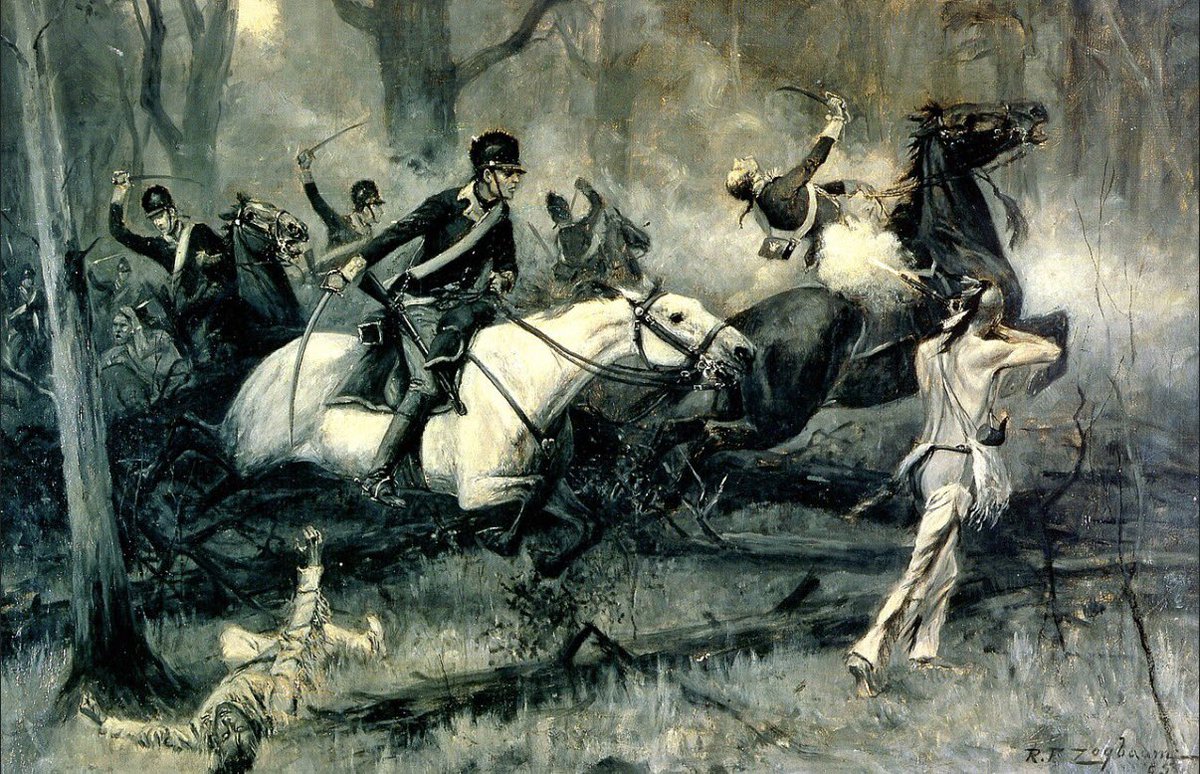
 Following the creation of the Kansas Territory in 1854, and especially following the election of the new territorial legislature in March of 1855, the need arose for a capital city and capital building for the government to meet at. In April of 1855 Territorial Governor Andrew Reeder called for the legislature to meet at the town of Pawnee near present day Junction City and Fort Riley. The construction of a two story stone building was ordered and was hastily built at the site (and the floorboards were not even nailed down by the start of the session on July 2nd). One issue with the location of Pawnee is that it is over 100 miles from Missouri, where the majority of the “bogus legislature” was from and so after only 3 days of meeting at the building they passed a bill to move the capitol to Shawnee Mission in the Kansas City area overriding Governor Reeder’s veto. They departed from the site on July 6th for Kansas City.


 The crew briefly docked at the city of Leavenworth, Kansas to restock on water and food prepared by their support team before making their way into the Kansas City area. As of the time of this writing the 4 man crew paddling the canoe has just passed Malta Bend, Missouri and have traveled a total of 2,030 miles and have been at it for 22 days, 17hrs, and 45 minutes. They are scheduled to arrive at their destination on the Illinois side of the Mississippi River early Saturday morning. If you’d like to keep track of the final leg of their journey as they cross the State of Missouri, check out this live map showing their progress (click live map once the site loads) and their social media pages on Facebook and Instagram which I will link further in the thread: rivermeter.app/?fbclid=IwdGRl…


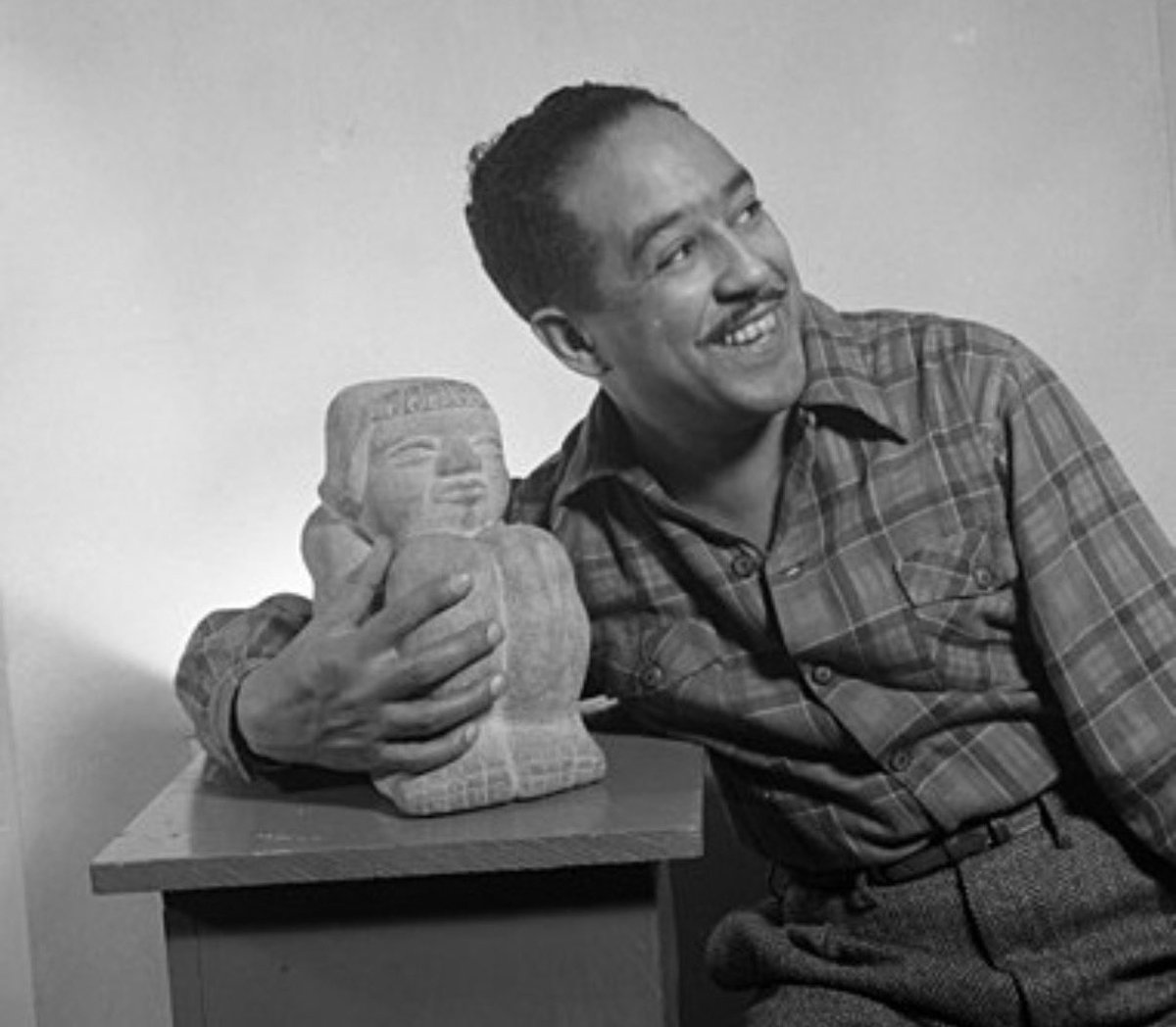 The opening photograph in this post was taken by another famous Kansan Gordon Parks! Check out Kansas history post 45 on him if you haven’t already.
 Prior to Spanish entrance into the modern day southwestern United States, the Pueblo Native Americans and other associated tribes lived for hundreds if not thousands of years in villages made of clay and dirt packed around wood beams and stone to make pueblos. These buildings could be relatively in the open like the Chaco Canyon pueblo in New Mexico or built into enormous rock shelters like Mesa Verde’s Cliff Palace in Colorado. In 1540 Francisco Vásquez de Coronado led an expedition that made contact with (and briefly fought against) the Pueblo people and other associated tribes like the Tiwas and Zuni in the region.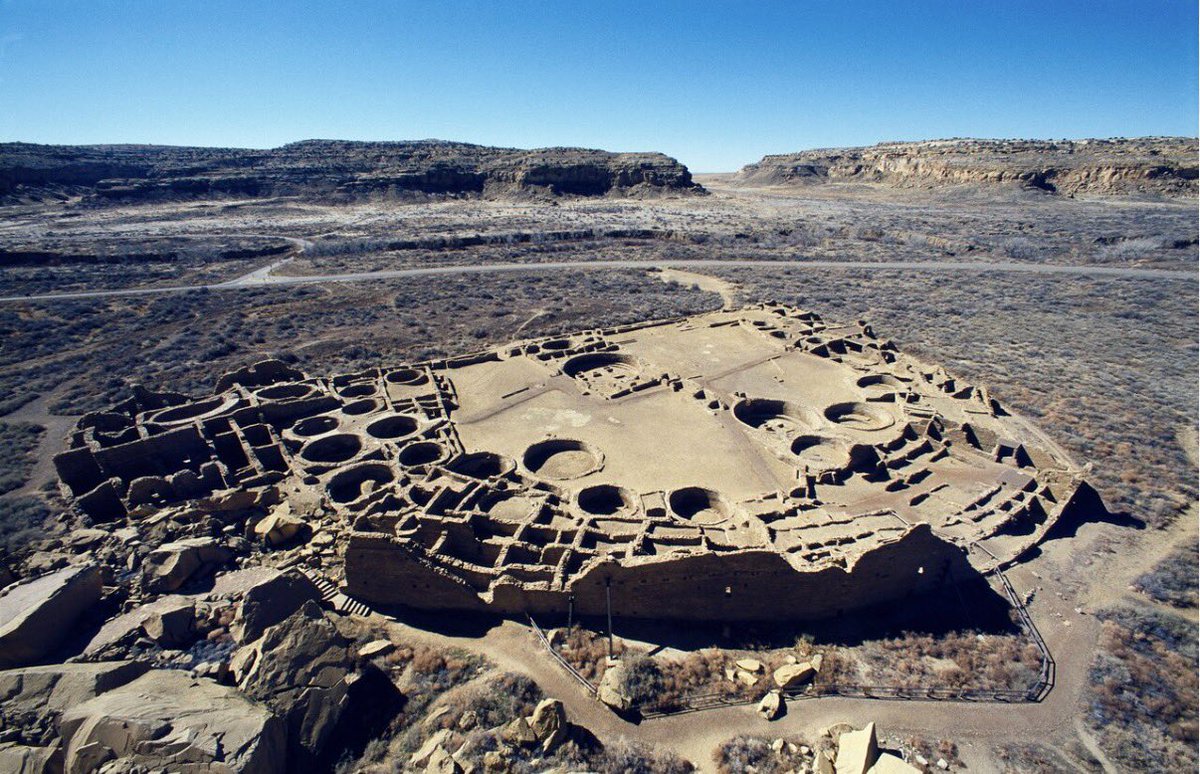

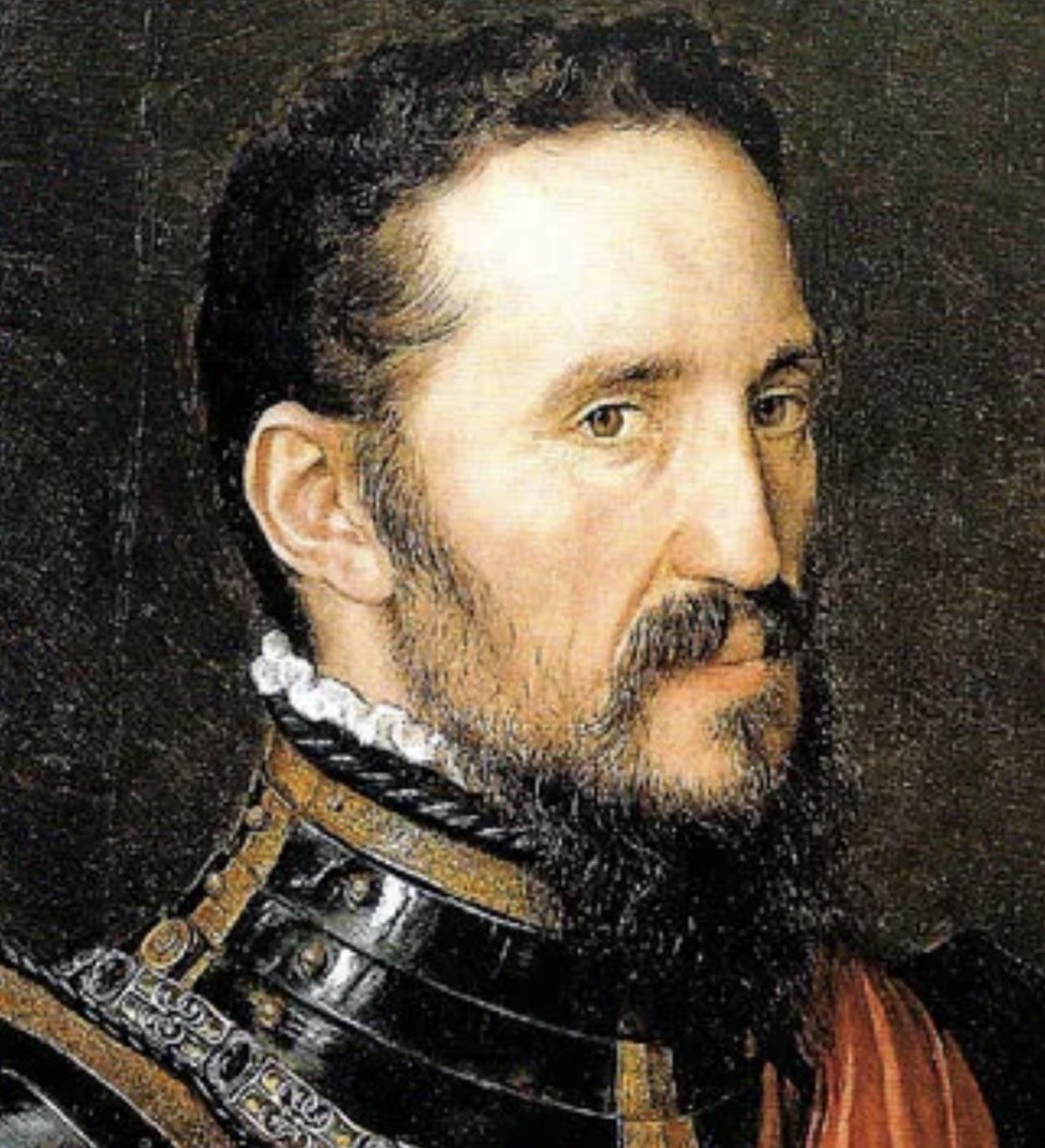
 Gordon Parks was born on November 30th, 1912 in Fort Scott, Kansas. He attended a segregated school and because of his race he was barred from sports or other activities. When he was 11 some boys threw him into the Marmaton River that runs through town because they thought he couldn’t swim but he survived. Following the death of his mother in 1928 he moved to live with his sister in Minnesota. He held multiple jobs while there and then left for Chicago in 1929.
 Tomorrow morning: A special edition Kansas history post on our very own cryptid! You won’t want to miss it! I was rolling on the floor with laughter when I discovered part of the story🤣
 Myles Keogh was born on March 25th, 1840 in Leighlinbridge, Ireland. In 1860 he enlisted in the Papal Army and went to Italy to defend Pope Pius IX against the Piedmontese Invasion by the Kingdom of Sardinia. He was made a 2nd Lieutenant in the Battalion of St. Patrick where he served at the Port of Ancona in Central Italy. On September 18th, 1860 the Papal Army was defeated at the Battle of Castelfidarado and Keogh was taken prisoner and held in Genoa. After his release in a prisoner exchange he served in the Vatican Guard. As the Civil War began in America, representatives of the Union were sent to Italy to recruit experienced veterans of the Papal War to serve as officers in the Civil War. Keogh and some of his men took the offer and arrived in Washington DC in April 1863. He was then given the rank of Captain and served under Brigadier General James Shields and Major General George McClellan.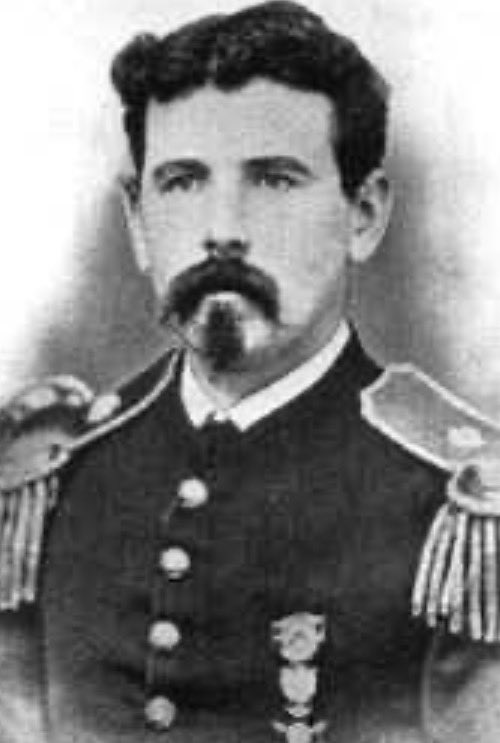


 Part one of Explorers of Kansas!
 Francisco Vázquez de Coronado was a Spanish Conquistador and was born in 1510 in Salamanca, Spain. He was born into a wealthy family, and when he was 25 he moved across the Atlantic Ocean to New Spain (now known as Mexico). By 1539 he had become the Governor of New Galacia and learned that to the north where he had sent a small exploratory force there was supposedly a golden city that was called “Cíbola”. On February 23rd, 1540 he along with his force of over 2000 Spanish and Mexican Indians along with 4 Franciscan friars set out on their journey to find Cíbola. On this journey they would become the first Europeans to see the Grand Canyon in Arizona, and after fighting the Zuni tribe he learned from a Native American called “The Turk” (who was either Pawnee or Wichita) that there was a wealthy nation far to the northeast called “Quivira”.


 A few months ago as I was looking at maps for my “Pike’s Peak, KS” story, I noticed in the center of Woodson County was a town named “Nicaragua”. I had never heard of the community before so I dug in and wasn’t able to find much on the town itself meaning it was likely a “paper town”, a community that was plotted but never actually settled. But why was a town in Kansas named after a country 1,800 miles away in Central America? Well buckle up because I found it.
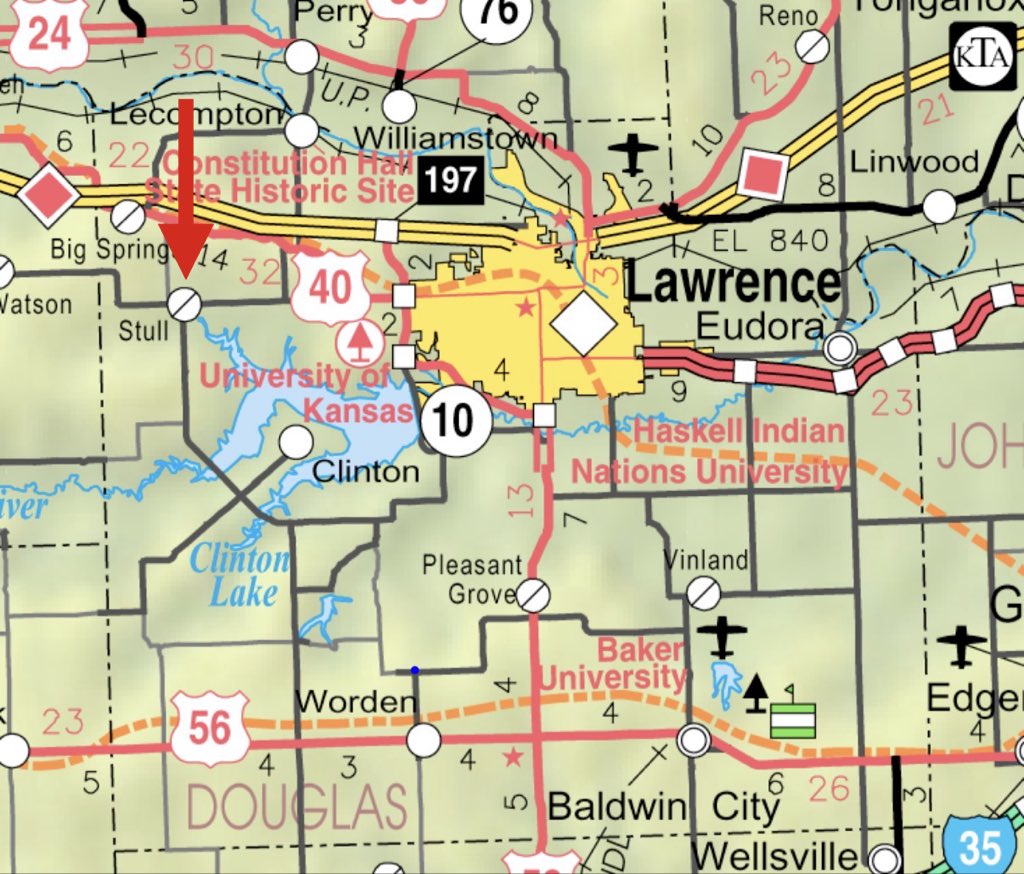 The community of Stull was established in 1857 by Pennsylvania Dutch settlers in the region. Originally it was called Deer Creek (which flows about 1/2 mile to the south) but was later changed to Stull after its postmaster Sylvester Stull (1863-1931) who is buried in Santa Ana,
