
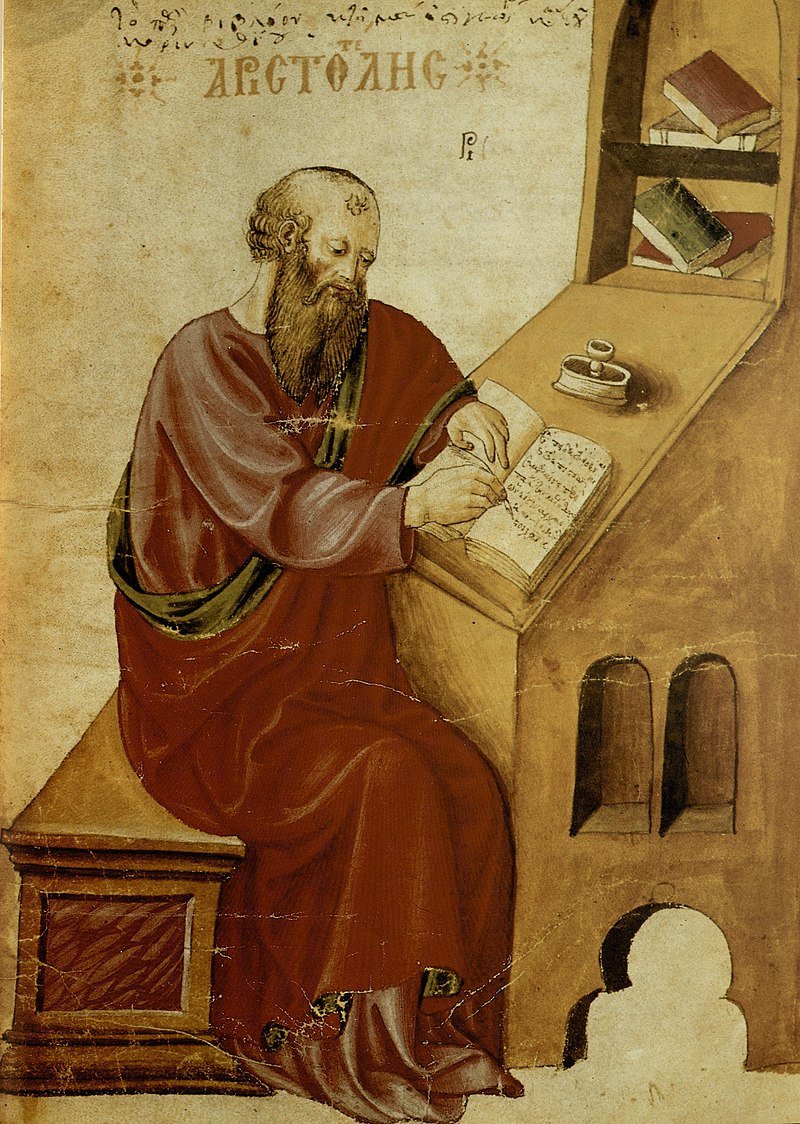
 Born in Stagira in 384 BC, Aristotle arrived in Athens at the age of seventeen to study at the Academy of the legendary Athenian philosopher, Plato. Here he would remain for twenty years, first as a student and then as a teacher himself.
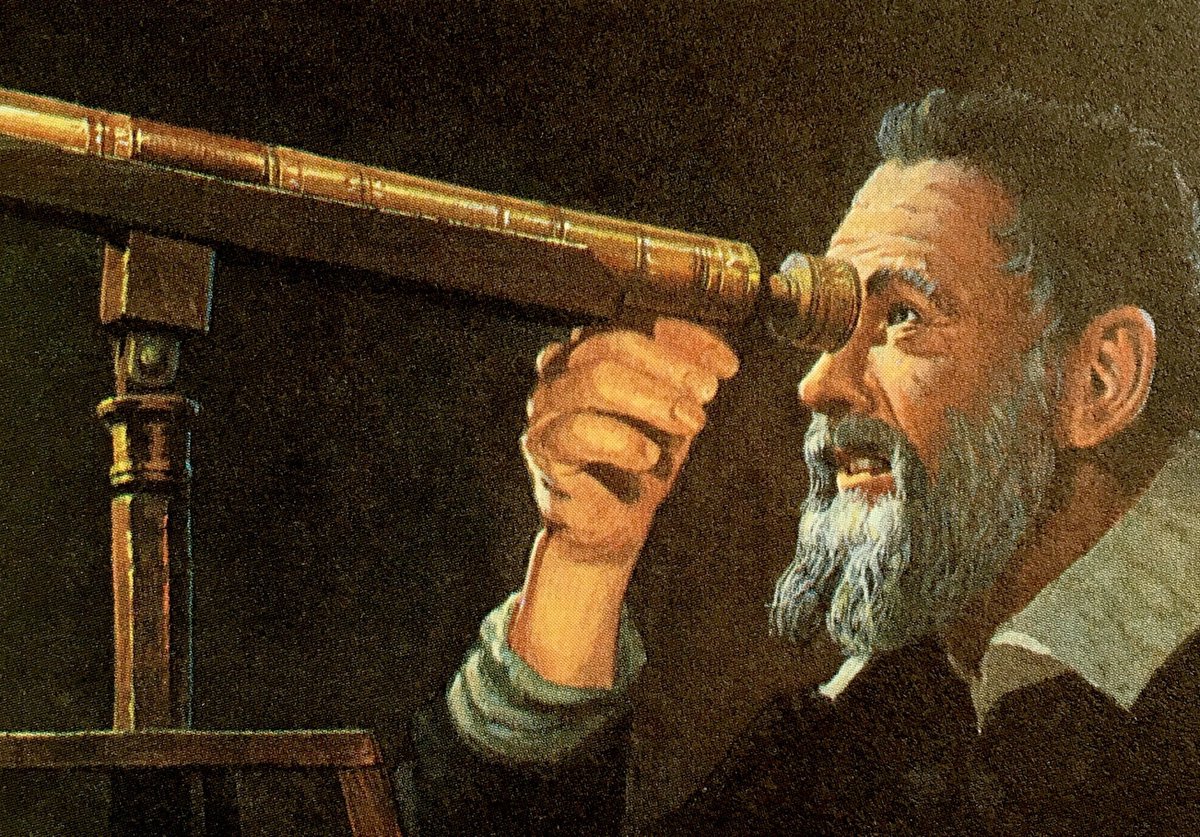 Galileo was born in 1564 in Pisa, Italy. Brilliant, caustic, and prone to argument, he spent his youth sparring with his professors on mathematics and astronomy.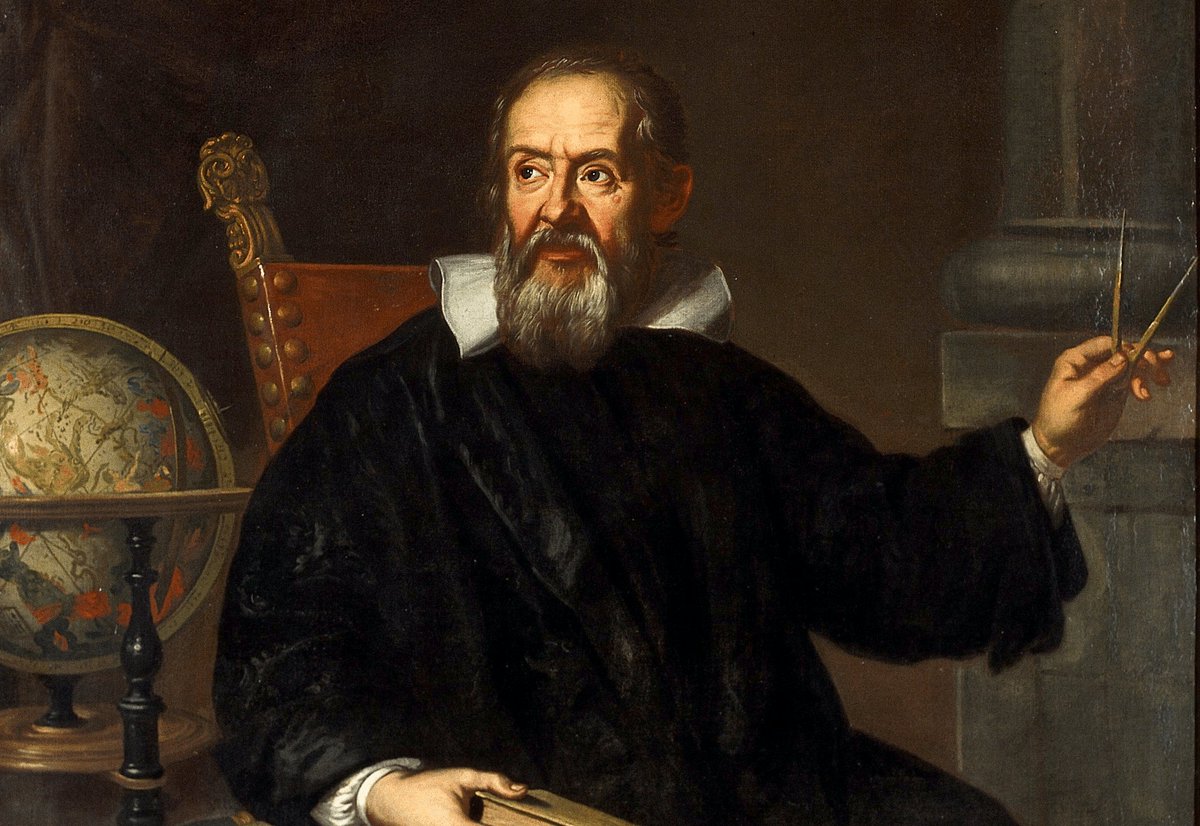
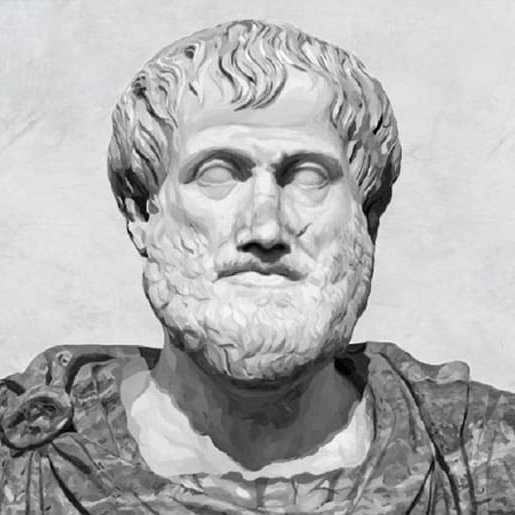 1. The purpose of life is eudaimonia.
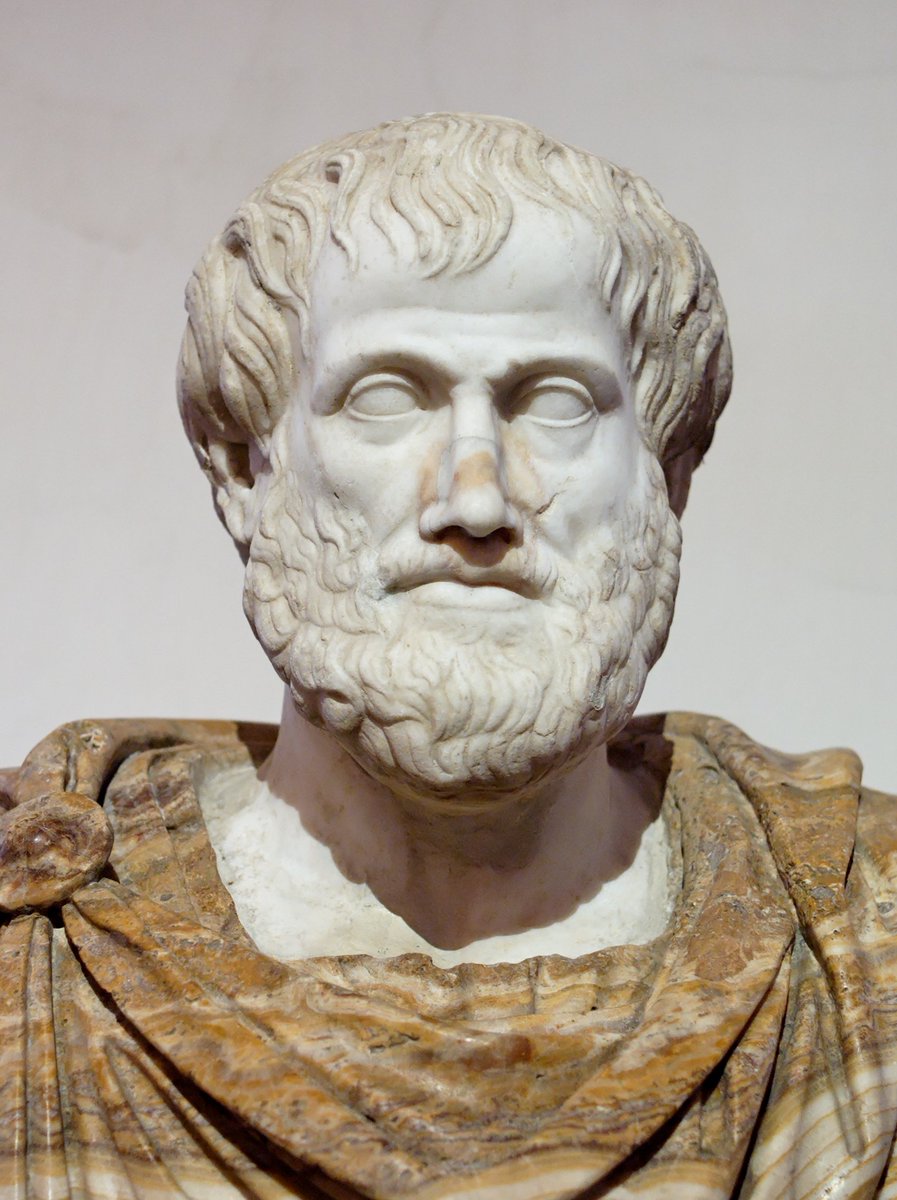 In 343 BC, King Philip of Macedon summoned Aristotle to tutor his teenage son, Alexander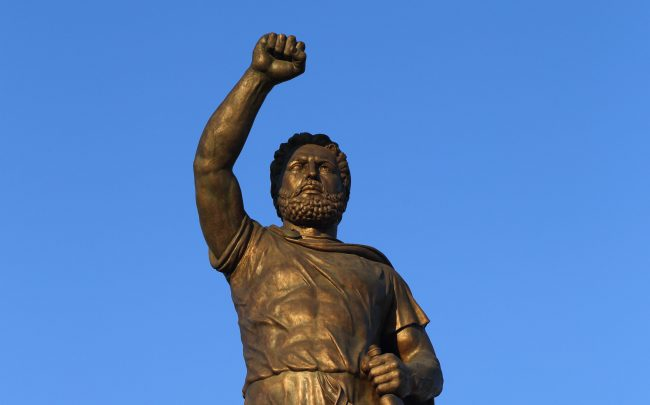
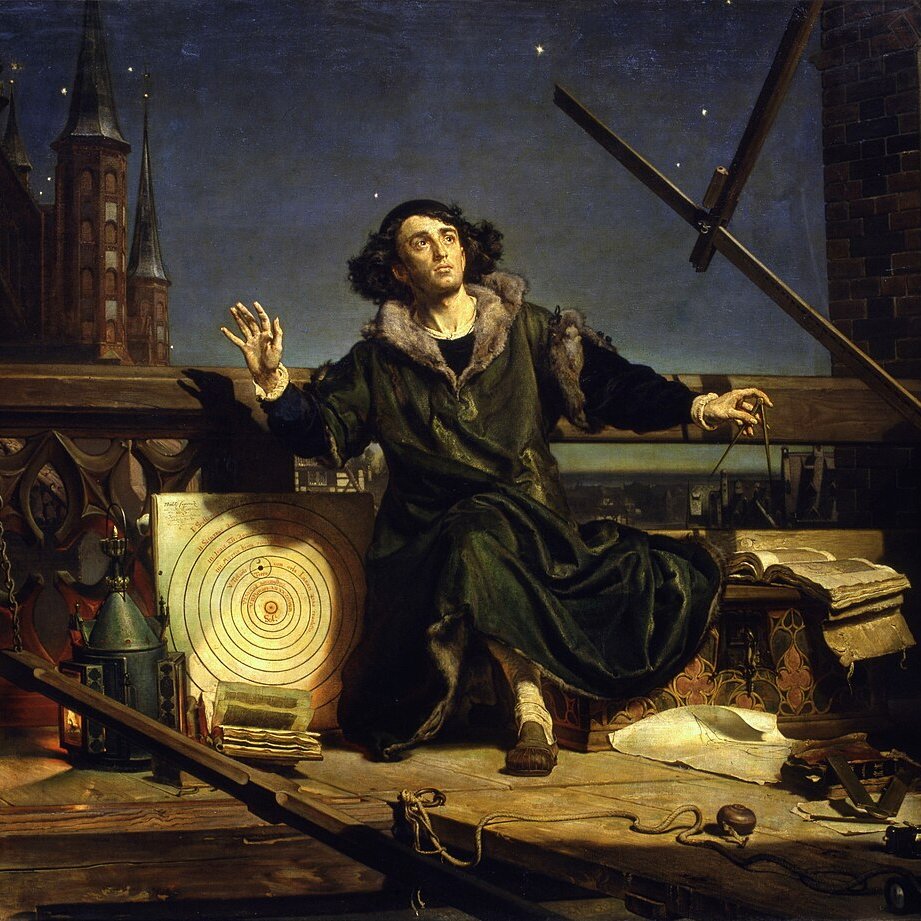 Born in 1473 in the city of Toruń, in Royal Prussia, Copernicus never set out to overturn the established cosmological order.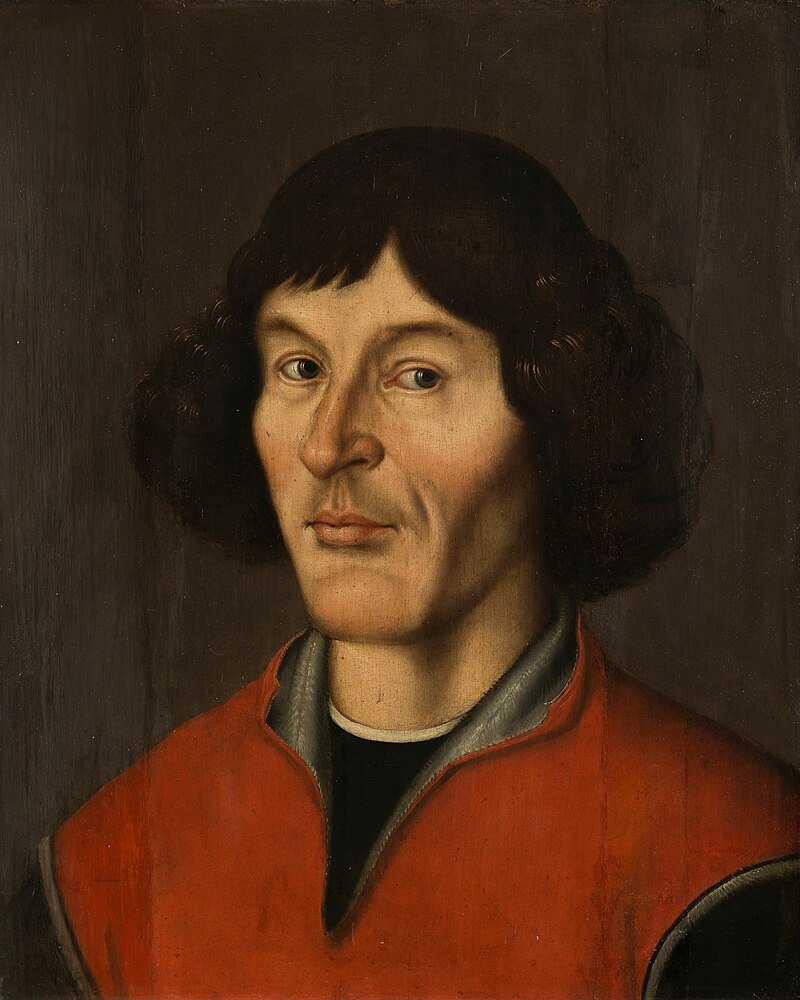

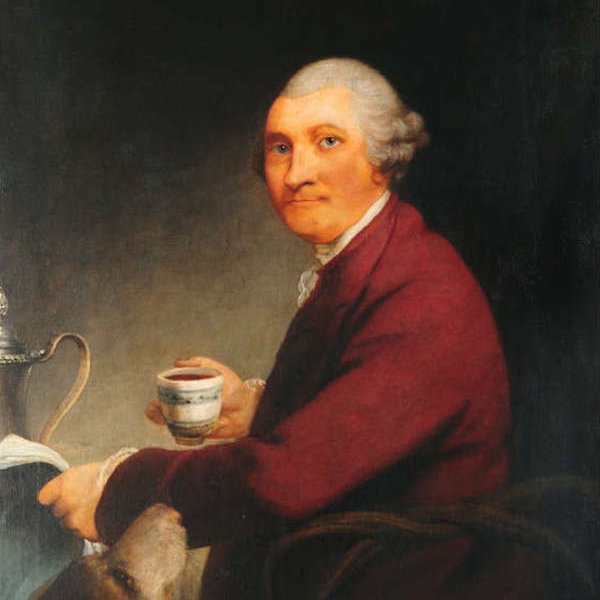 It’s fair to say that when Western merchants traversing Ottoman lands in the 17th century encountered the drink the locals called “Coffa” they weren’t impressed.
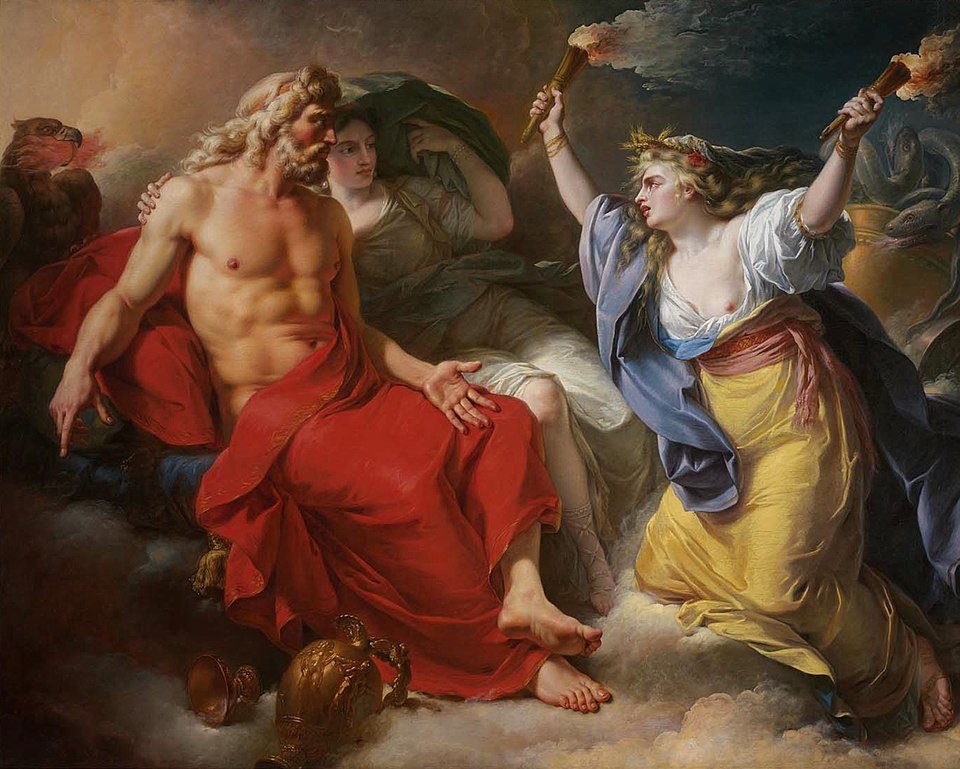 Rather than just accept that gods were responsible for shaping the natural world, there were some ancient Greek thinkers who began to ask questions like: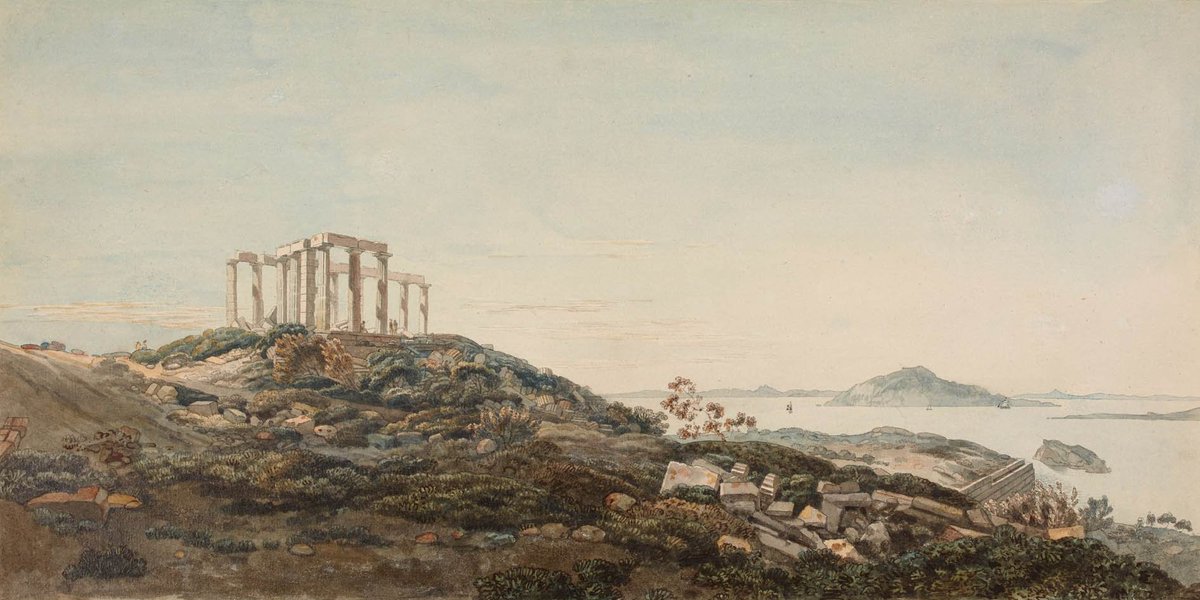
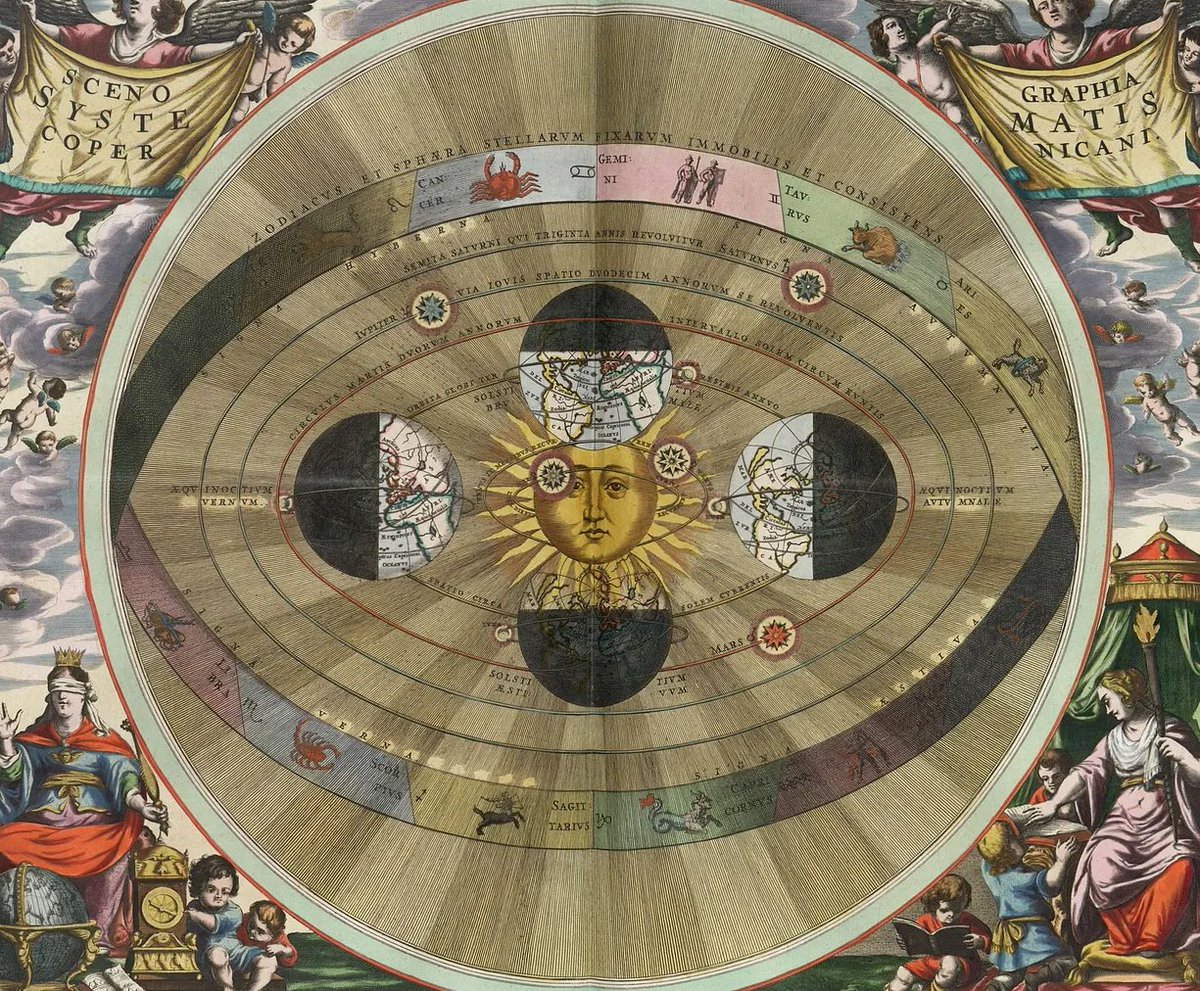 For over a thousand years, the universe was understood through a synthesis of ancient Greek philosophy and Christian theology.
 Baruch Spinoza was a 17th Century Dutch philosopher who attempted a total re-conceptualisation of God as a means to reconcile religion with the emerging scientific worldview.

 1/ Learn to persuade others who don’t share your values, rather than compromise them
 1/ You don’t need genius to achieve great things
 Schopenhauer, who was significantly influenced by Eastern religious teachings, believed all existence to be defined by a ceaseless and inescapable striving that is the root of all pain and suffering in the world.


 "The pursuit of freedom makes it increasingly normal for fathers and sons to swap places: fathers are afraid of their sons, and sons no longer feel shame before their parents or stand in awe of them."
 "Society is... a partnership not only between those who are living, but between those who are dead, and those who are to be born."
 (If you’re not familiar with Plato's Republic then you can read my summary of it here!)
 I. TEMPERANCE
 Before getting into Aristotle’s political thought, we must first understand something about his ethics, in particular the idea of telos, which we can think of as the ultimate purpose or function of a thing.
 Perhaps the most famous theoretical use of myth is in the concept of the “Oedipus Complex”, Sigmund Freud’s attempt to locate the origins of human neuroses in the unconscious mind.
 Written in the 5th century BC by the Athenian tragedian Sophocles, Oedipus Tyrannus (its Greek title; "Rex" is the more familiar Latin title) is the first in a series of three plays featuring the ill-fated King of Thebes (the others being Oedipus at Colonus and Antigone).