
Retrieving from oblivion the antiquities of the old kingdom, where the sun sets and the divine awakens. Personal account: @FCMart1n

 Yes, of course you can find plenty of Roman sources mentioning Gallaecia/Gallaeci, alongside Callaecia/Callaeci. So how do we know which is the original?
 Mothers are usually more important for language transfer than fathers. Pre-IE societies were also usually less patriarchal than Indo-Europeans.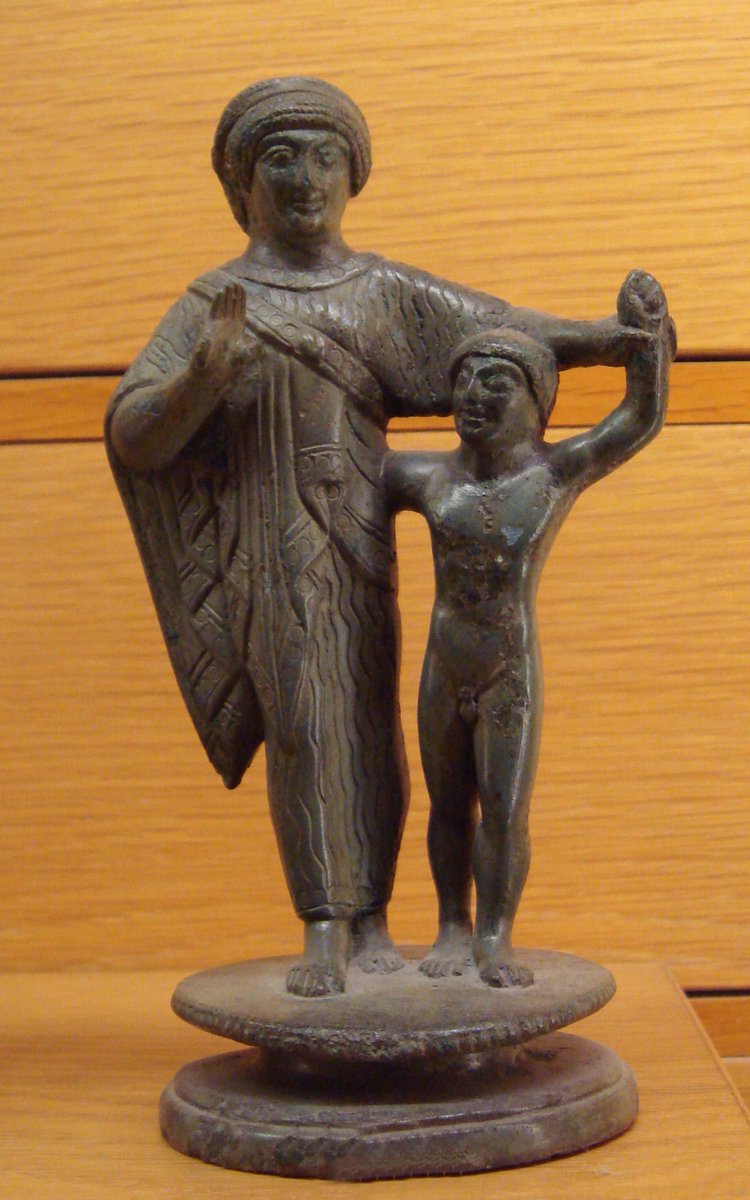
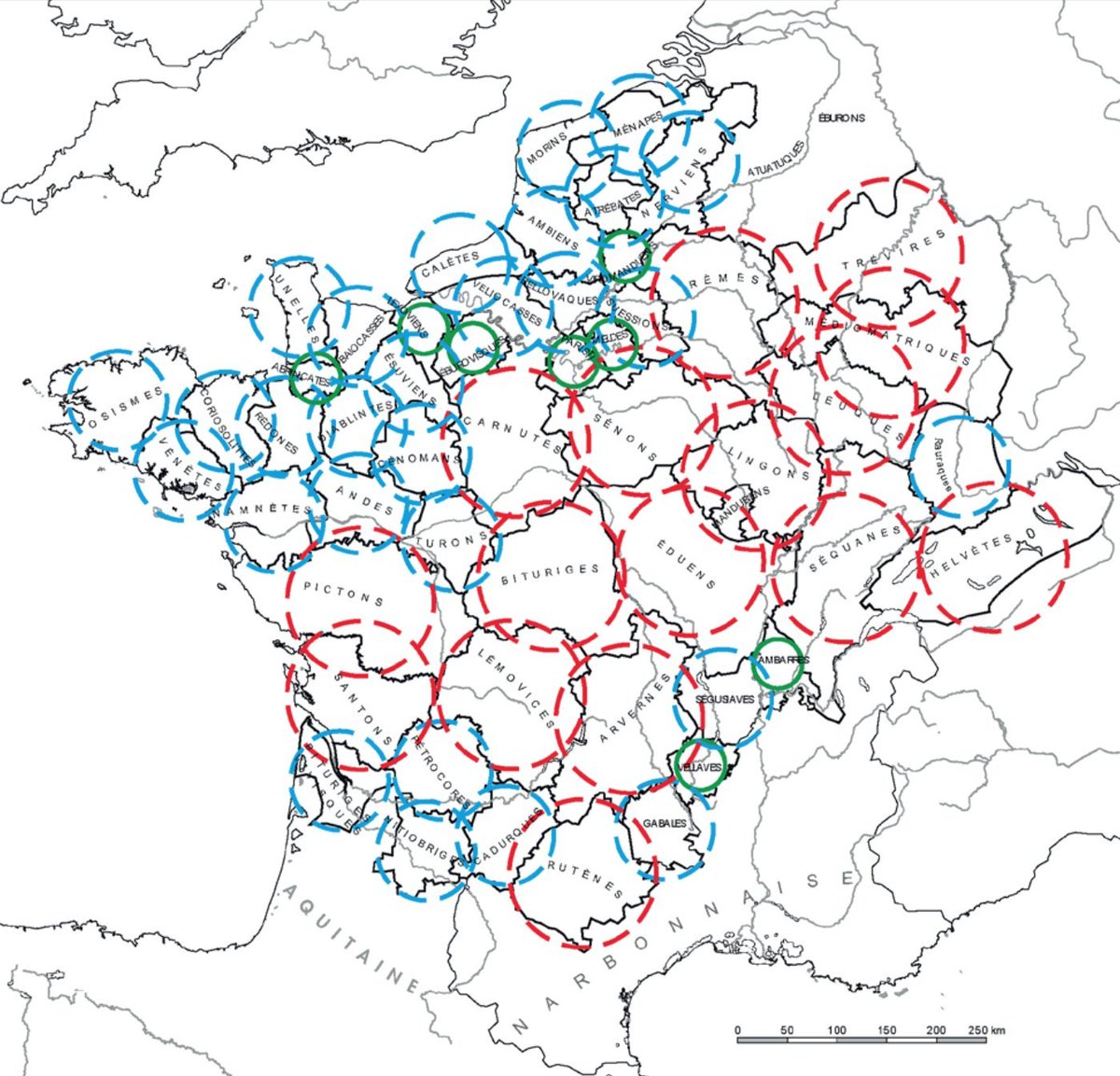 Elites grew stronger. Towns (oppida) expanded. Political systems solidified, evolving from tribes into nascent republics. Former tribes were subordinated to their hegemons and gradually aggregated into powerful polities.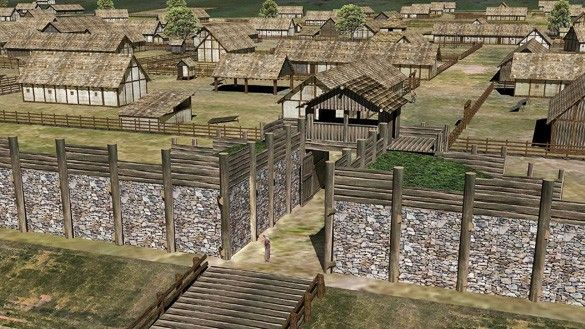
 2⃣ In the early Iron Age, Celtic groups in Iberia became isolated from mainland Europe. Pre-Celtic substrata re-emerged: pre-Indo-European in the south and east, Pre-Celtic IE in the west. Celts entrenched in the highlands south of the Ebro valley—future Celtiberia…➡️