
🇺🇦 AFU veteran • Artillery scout
Disabled(20+ fractures)
Father of 3 sons 🇨🇦
Ukrainian in Canada
Support my family🙏
👉 PayPal: veteran54brigade@gmail.com
 We really need money for groceries, gasoline and cat food! Our PayPal: veteran54brigade@gmail.com
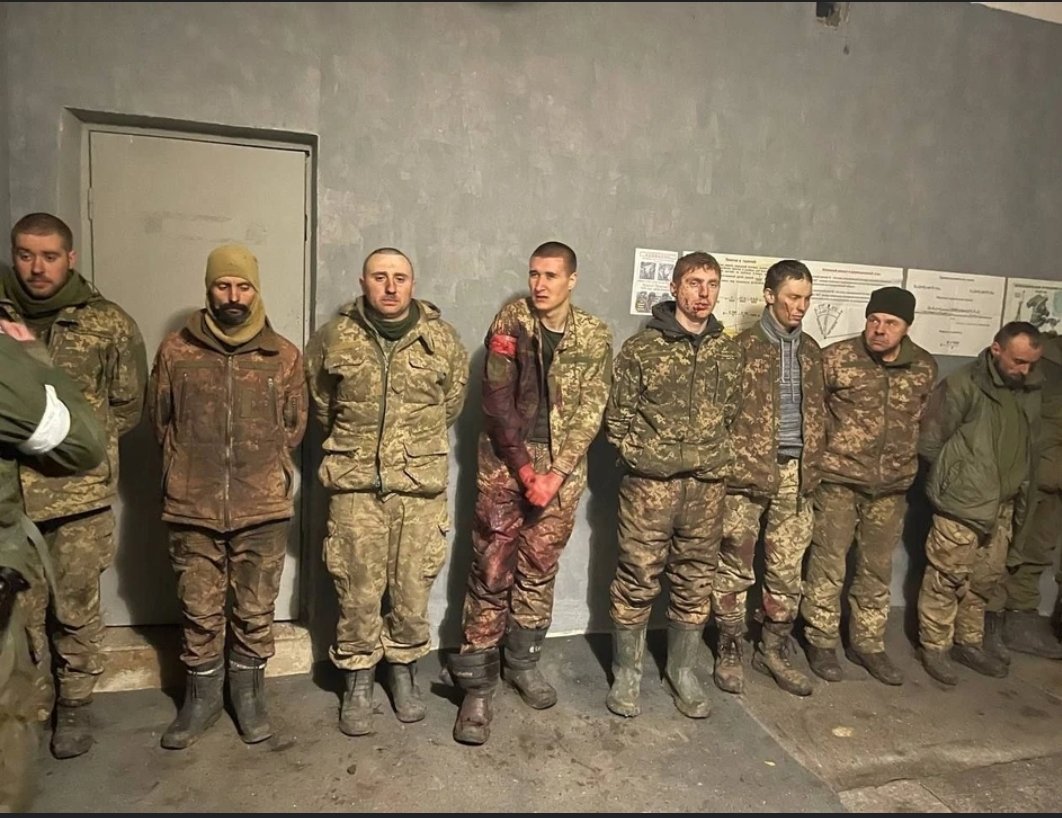 2/ .The vast majority of military personnel say that immediately after being captured, Ukrainian soldiers are beaten, interrogated with physical violence, and kept in a basement, pit, or temporary prisoner-of-war camp for several days. After that, the prisoners are taken to places of permanent detention — to pre-trial detention centers or colonies. They are transported in overcrowded trucks, blindfolded, without food or water, and are often subjected to physical violence. Moving from the truck to the cells in the place of detention is called acceptance by prisoners. This process is the same everywhere. The prisoners are taken out of their cars, near which they are waiting for a line of Russian special forces in full combat readiness — with batons and stun guns. Passing by them, prisoners of war are subjected to crushing, powerful and massive blows from the Russian military, who hit them on various parts of the body using batons and stun guns. Most often they hit you on the back and legs.Even prisoners with serious injuries, combat medics and prisoners with amputations go through the brutal admission procedure, regardless of age, gender or health status. After that, fingerprints and DNA samples are taken from all military personnel who were captured in the Russian Federation. They are also photographed. Sometimes they do a blood test. Subsequently, they are given prison uniforms, their personal belongings are taken away and taken to their cells.The conditions of detention depend on the institution where prisoners of war are placed. Pre — trial detention centers are a classic prison with heavy metal doors, barred windows, iron bunks and a toilet inside. The cell accommodates from 2 to 20 people. Additional bunks are often added. Those who do not have enough space in the cell are sent to the punishment cell — a solitary cell located in the basement of the institution, where Russians often hold up to four prisoners. In correctional colonies, the Ukrainian military is placed in barracks, where prisoners live in large rooms designed for 10-50 people. Sometimes there can be about 100 people in such a room, former prisoners compare them to military barracks. There, people have a little more freedom of movement than in the pre-trial detention center, because they are taken to the dining room for a meal, and each barrack has its own courtyard. Colonies also have penal isolation cells-the same cells as in pre-trial detention centers.
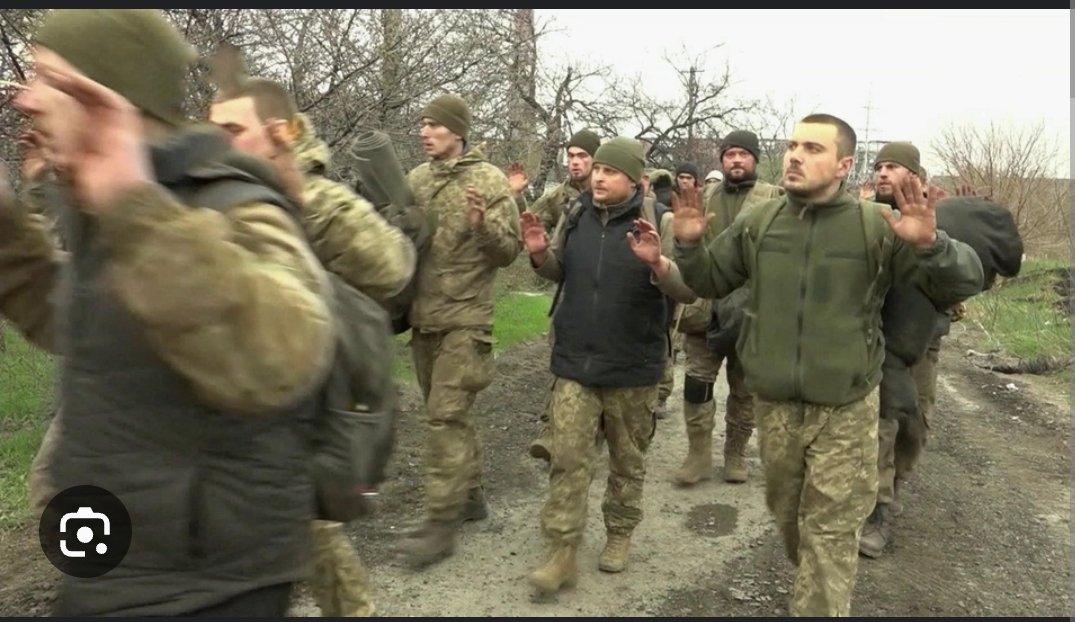 2/ .During one of these checks, the Middle peasant was asked if he had a girlfriend. He replied "Yes", to which the security guard said: "Give us her Instagram, we know that all the girls are there. Now we'll text her or take a picture of you and send it to her." To protect the girl, Artyom lied that she did not have an account in this social network. He was beaten again.