‘Prehistoric AlUla and Khaybar Excavation Project’ (PAKEP), conducting archaeological work in AlUla & Khaybar. Previously AAKSA Project. Supported by @RCU_SA.
 There has been a lot of discussion in both Saudi Arabian and foreign papers about the origins of these tombs. But the only way to address how they developed was to excavate the tombs and date the remains inside. So since 2019, we started excavating tombs. Lots of tombs! 2/
 These 40 radiocarbon dates allow us to begin to chart how the thousands upon thousands of tombs in NW Saudi Arabia developed. Starting off as small ‘infilled ringed cairns’ around 2900 BCE and developing into true, architectural masterpieces like the ‘segmented wedge’ tomb. 2/

 The tombs are what we call 'Pendant Tombs'. A Pendant Tomb consists of a head (usually a cairn/tower surrounded by a ring wall) with a tail structure. This term was published by Prof. David Kennedy in 2009 in Aramco Magazine. He used 'pendant' because it looks like jewellery! 2/
 This paper presents the results of 7 mustatil from #AlUla. It was led by @PAKEP_KSA co-director Melissa Kennedy (@Meluhha_K), who for the last several years has excavated and studied the mustatil. So, what is a Mustatil? 2/
 @jane_cmcmahon There are two types of Standing Stone Circles (or SSC). Single SSC are 4-8m in diameter, with a large central stone, and a doorway. Multi-SSC are much bigger and have lots of orthostat stones inside. You can see both types of structure in this image and a multi in the second.2/10

 When you fly over the region, or look at satellite imagery, the tombs and mustatil are clear. This is because they are massive and regularly sit on slopes or the tops of mountains. But the domestic structures are visible too... you just need to know what you are looking for. 2/13
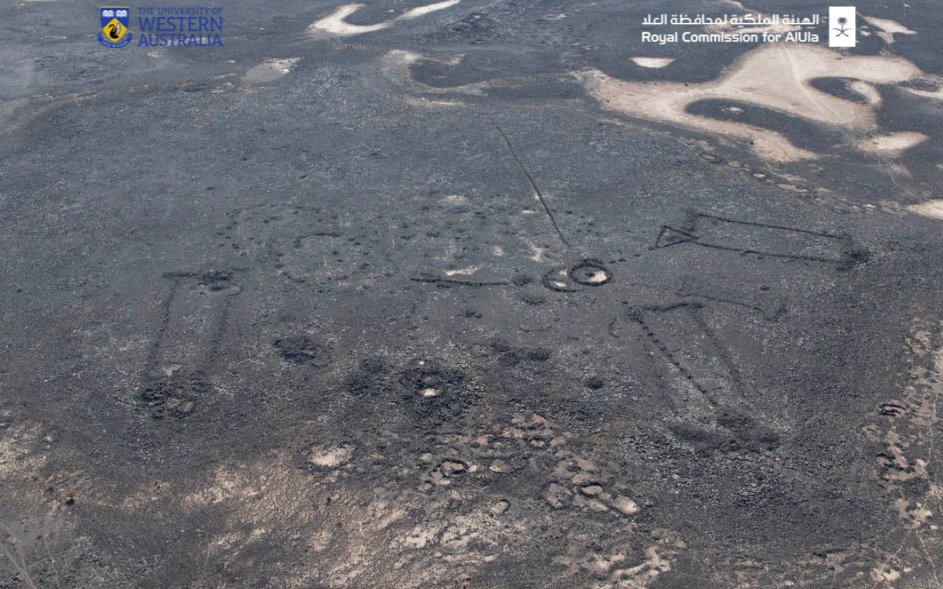 Mustatil- these large structures are generally rectangular(ish) in shape and consist of two thick platforms at either end connected by 2-5 long walls. These are ritual structures dating to the #Neolithic i.e 7000 years ago. #MustatilMonday.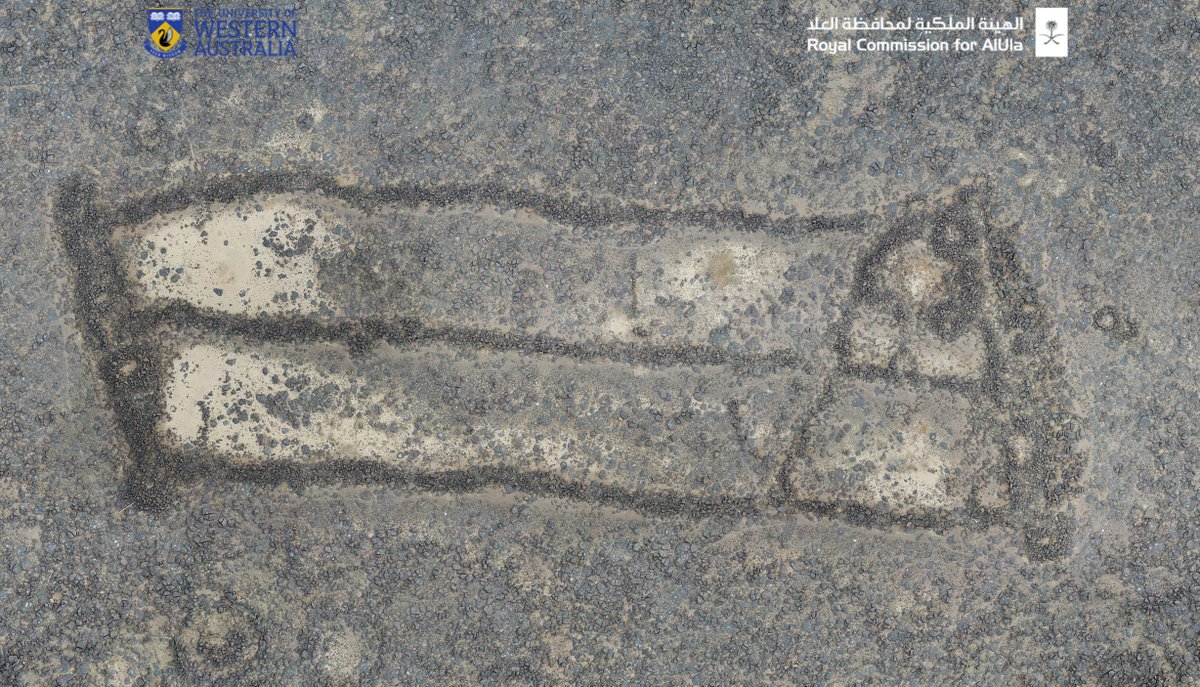
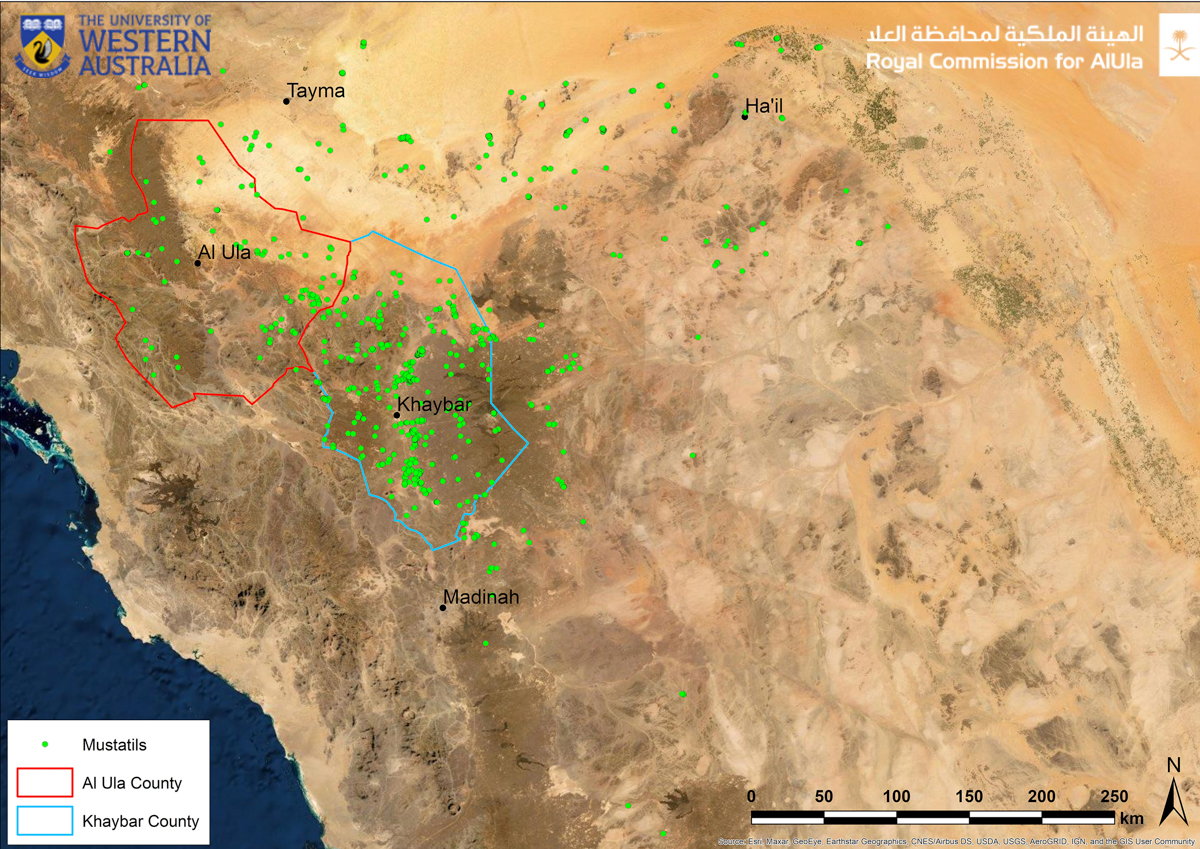
 2/ We have recorded over 1000 of these structures, covering an area of 200,000km². This is remarkable when we consider these Neolithic structures are 7000 years old! So, what is a mustatil?