🙏🏻 Become a better physiotherapist with online education from world-leading experts ⬇️
 1) It’s important to get things right from the beginning. Not sure where to start or feeling overwhelmed?
 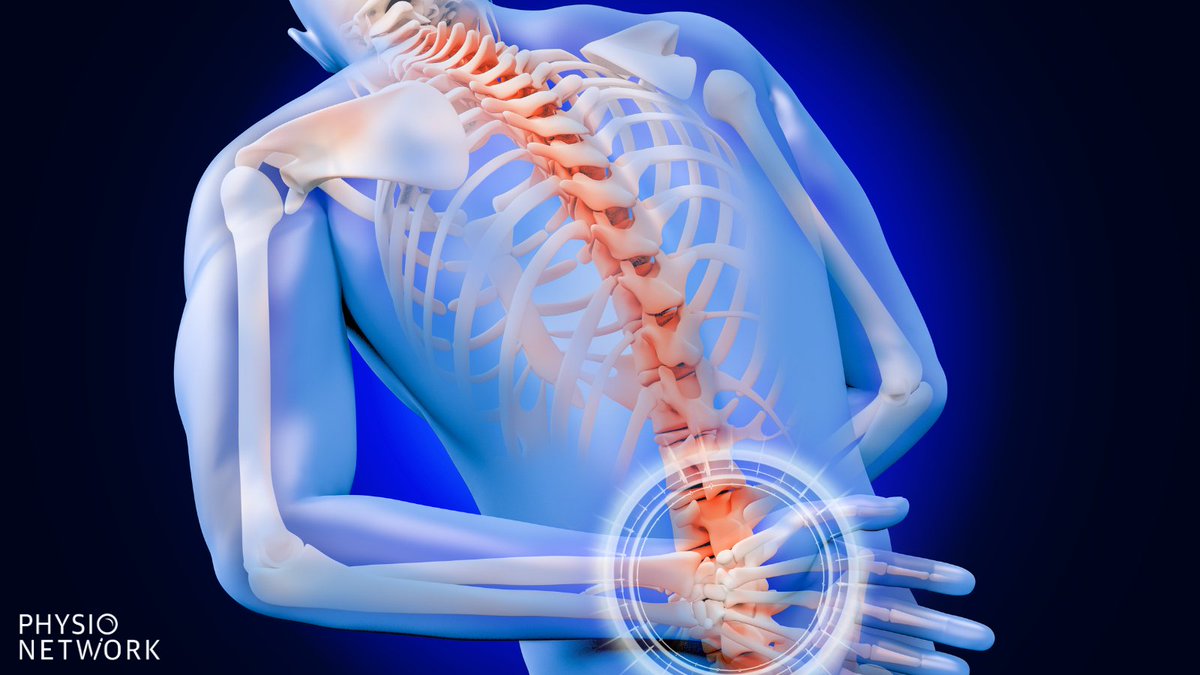 1) Low back pain (LBP) is a top musculoskeletal complaint worldwide, but athletic LBP requires specialized assessment due to its unique features. Keep reading if you want to learn what to screen for in this population.
 1️⃣ Clinical reasoning at the heart of our practice. This distinguishes us from a mere “technician”, enables us to assess our patients correctly and allows us to make an individually tailored treatment plan.
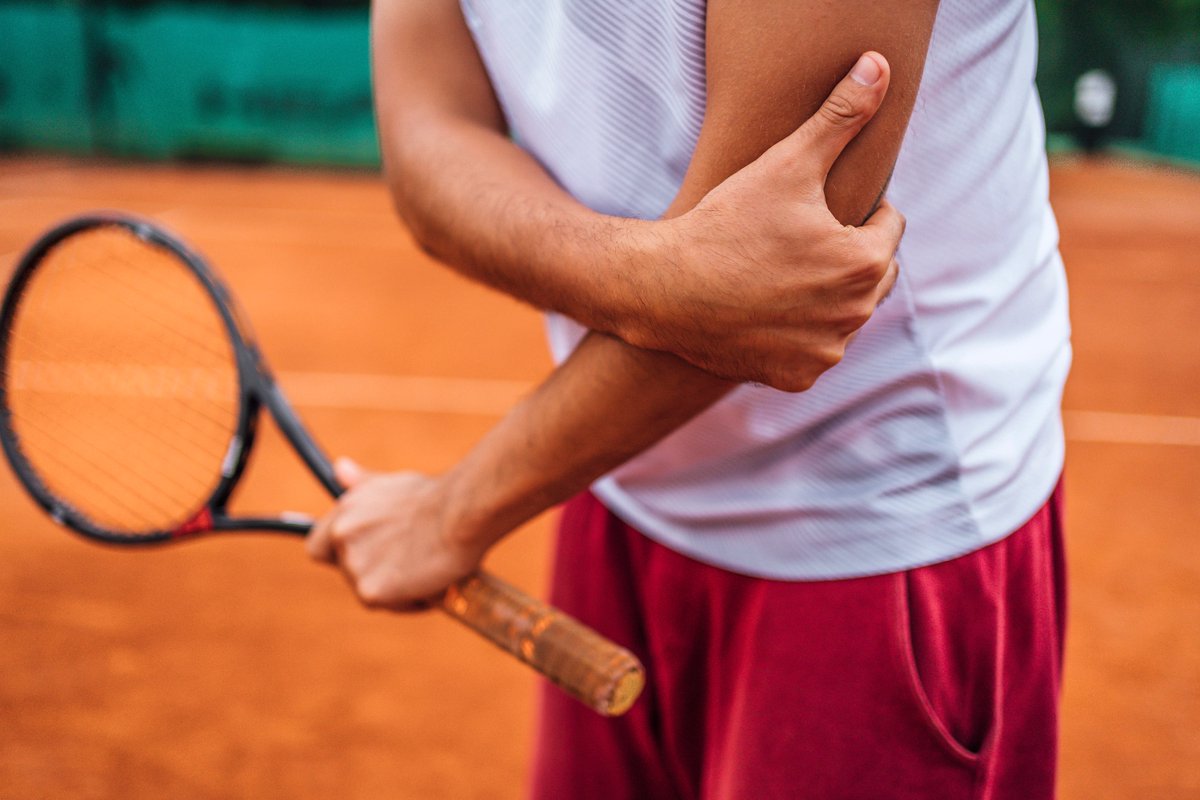 1) Lateral elbow tendinopathy (aka tennis elbow) is a common overuse injury. This RCT compared the effectiveness of heavy slow resistance training (HSR) with placebo injection, HSR combined with corticosteroid injection (CSI) and HSR combined with tendon needling.
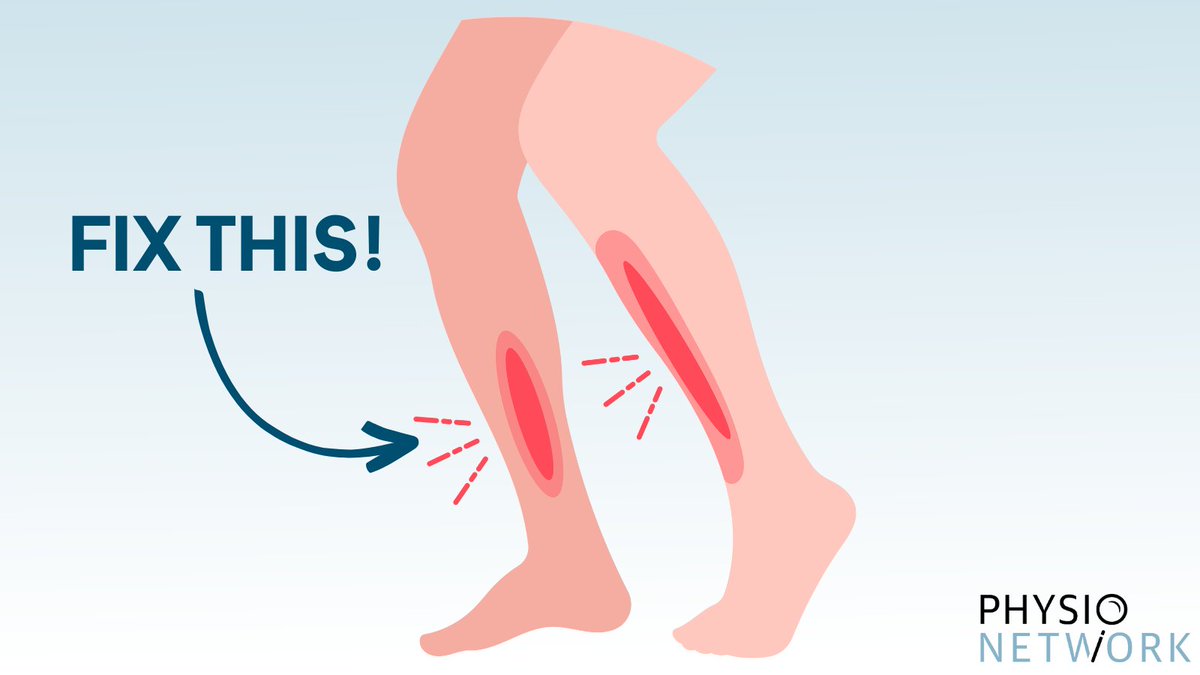 1) Way too often in rehab, people talk about strengthening x, y and z, improving movement control etc. but never what it really means. This thread covers an exercise program used for someone with MTSS and the reasoning behind it.
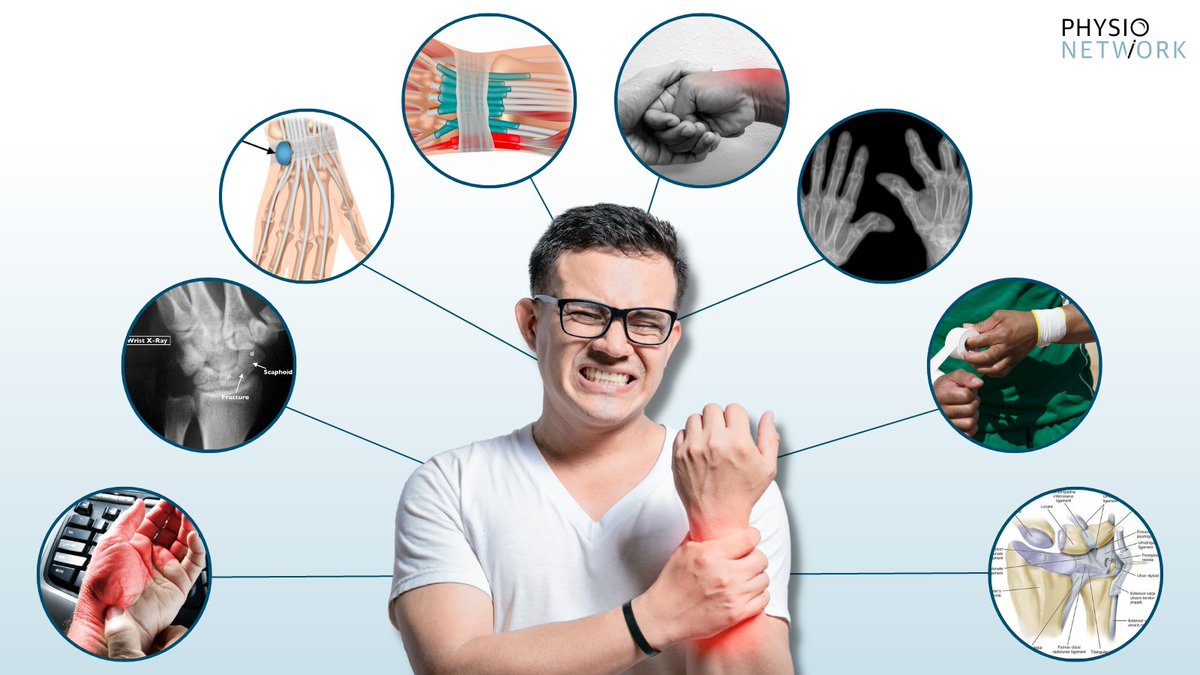 Wrist pain is a common complaint in physiotherapy practice. Accurate assessment of underlying causes is crucial for effective management. Here are eight common causes of wrist pain and key assessment considerations for physiotherapists:
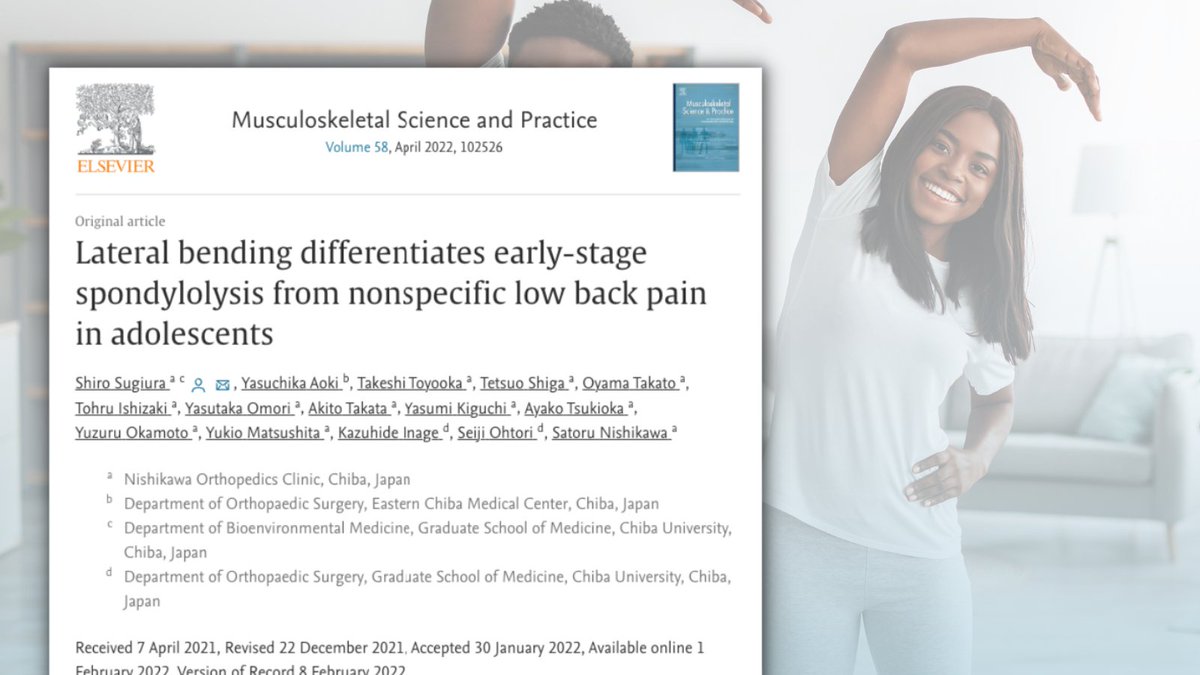 1) Spondylolysis in adolescents involved in sports is 3-4 times higher than in the general population. Differentiating it from non-specific low back pain (LBP) is important so that appropriate interventions can be delivered.
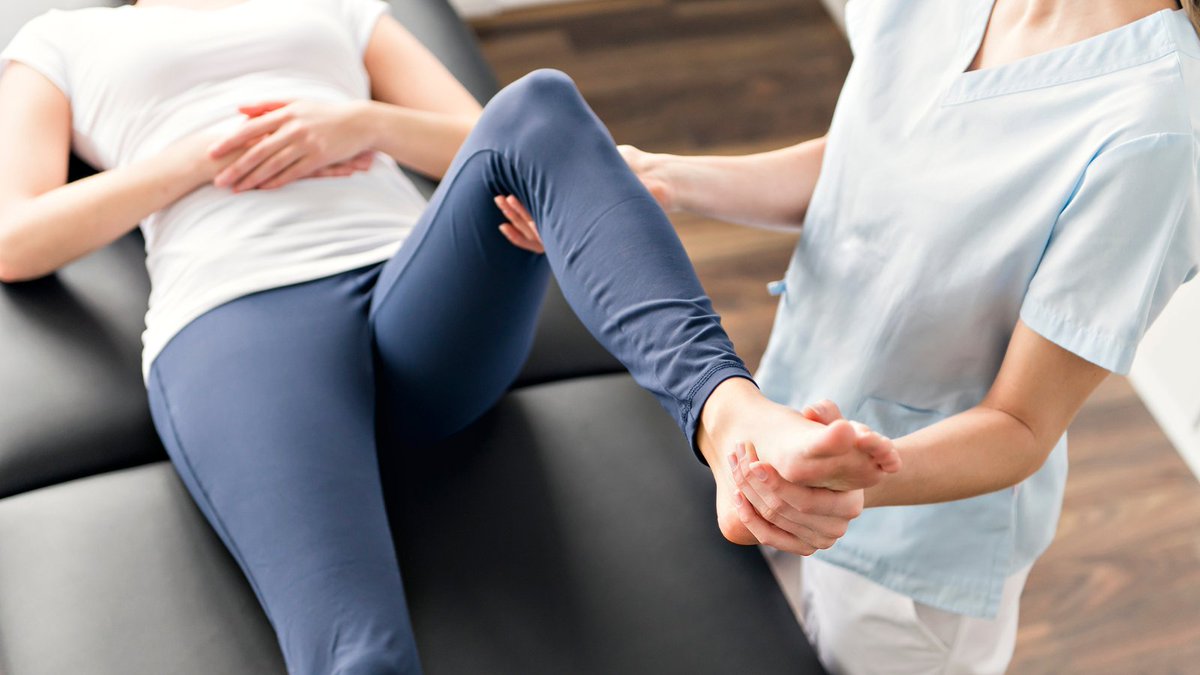 1) FADDIR test. This should be the “go to” test for hip and groin assessment. When it’s negative, the pain is definitely not coming from the hip. A positive test could mean a lot of things, including FAI, labral pathology, osteoarthritis, avascular necrosis etc.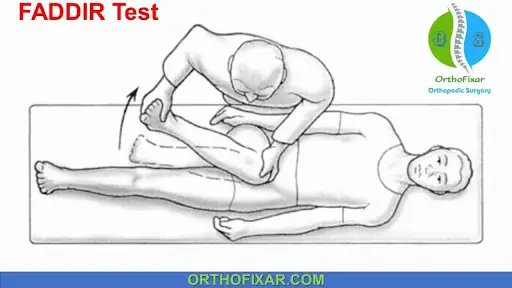
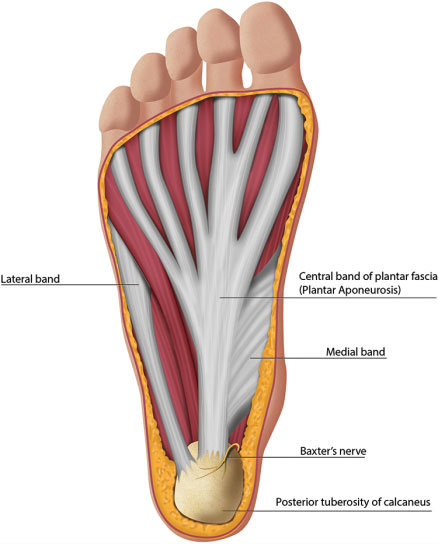 Plantar fasciitis (PF) is the most common overuse issue affecting the foot. It presents as pain on the heel and throughout the sole of the foot and is typically more painful with initial steps in the morning and weight bearing after a period of rest.
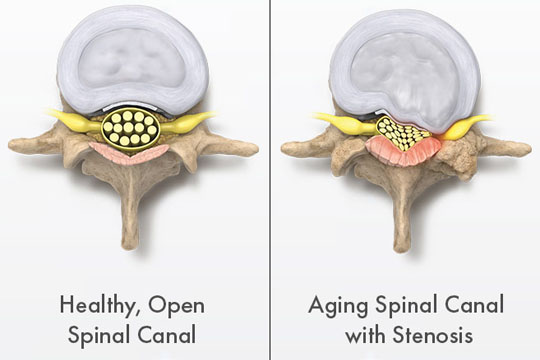 1) LSS is an age-related condition caused by anatomical changes in the lumbar spine. One of the main features is neurogenic claudication. A reduced cross-sectional area of the spinal column compresses neurovascular structures and causes symptoms that are aggravated in extension.
 (1) Subacromial Impingement Syndrome is being challenged far and wide as a valid diagnosis of shoulder pain. Orthopaedic surgeon, Charles Neer, invented the anterior acromioplasty procedure 50 years ago due to the belief impingement led to the vast majority of rotator cuff tears.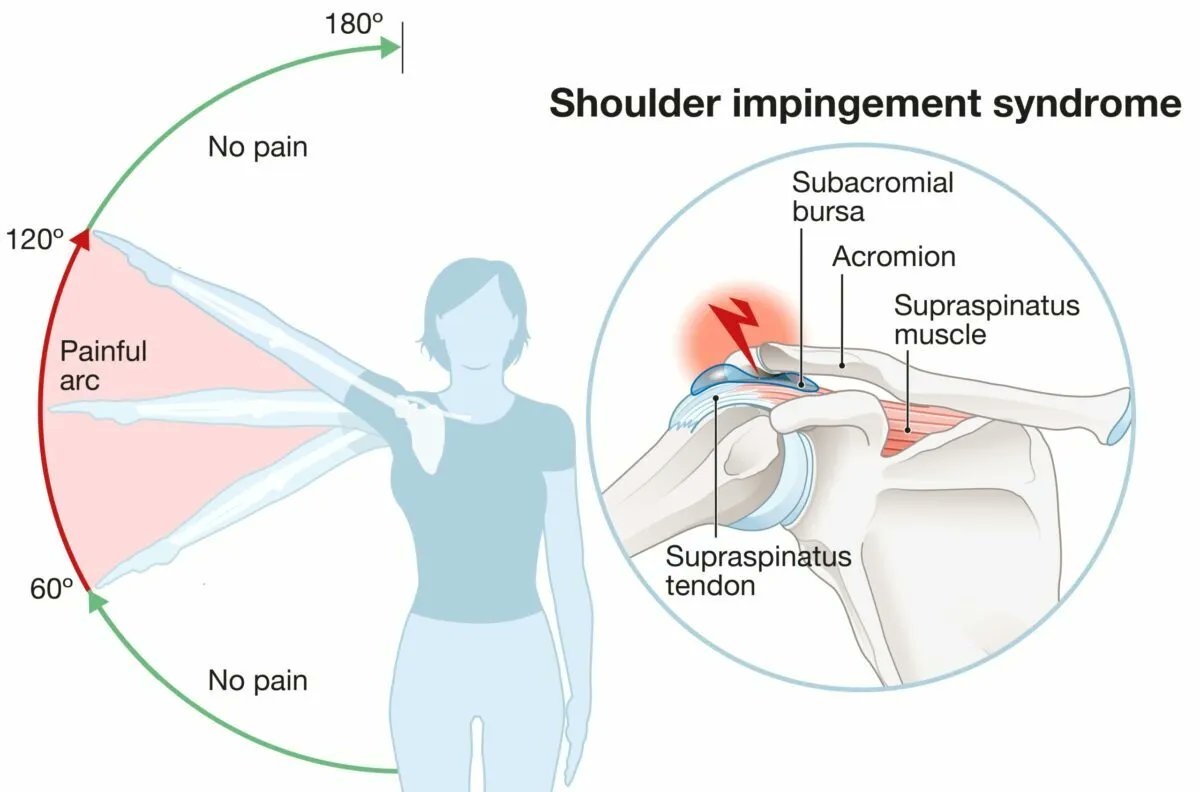
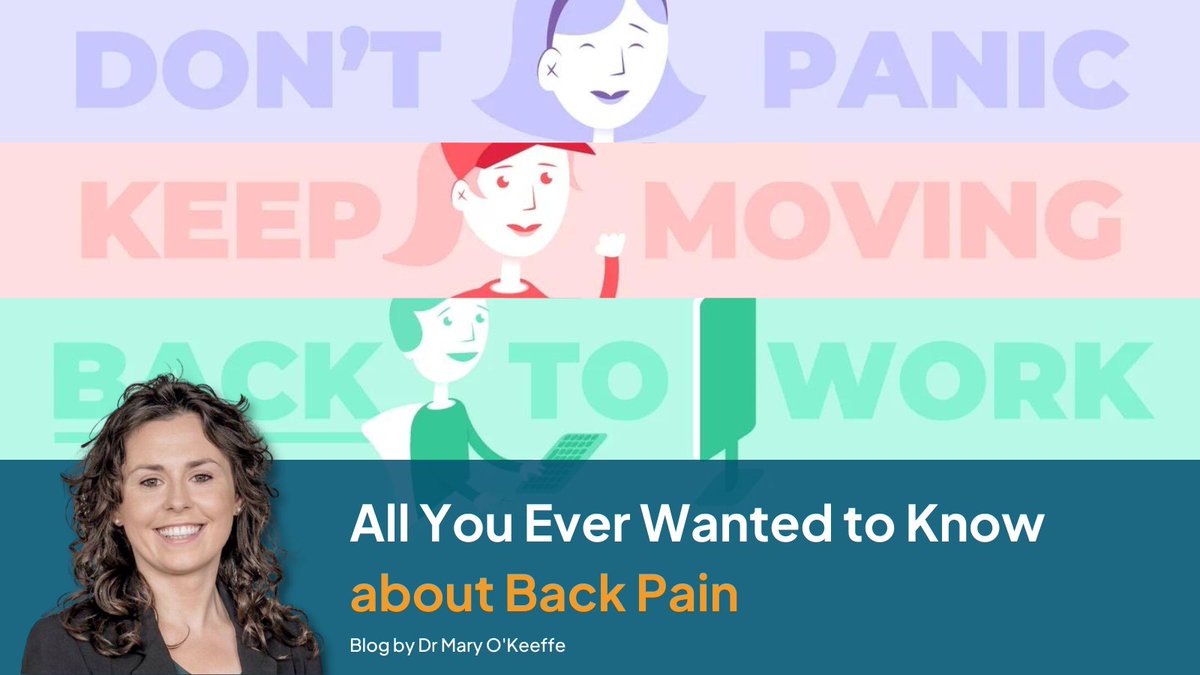 1) Don’t panic if you get back pain, even on a few different occasions. Low back pain is part of everyday life, just like getting tired or getting a cold. Though it can be frightening and severe, most people recover within 6-8 weeks and often don’t even need treatment!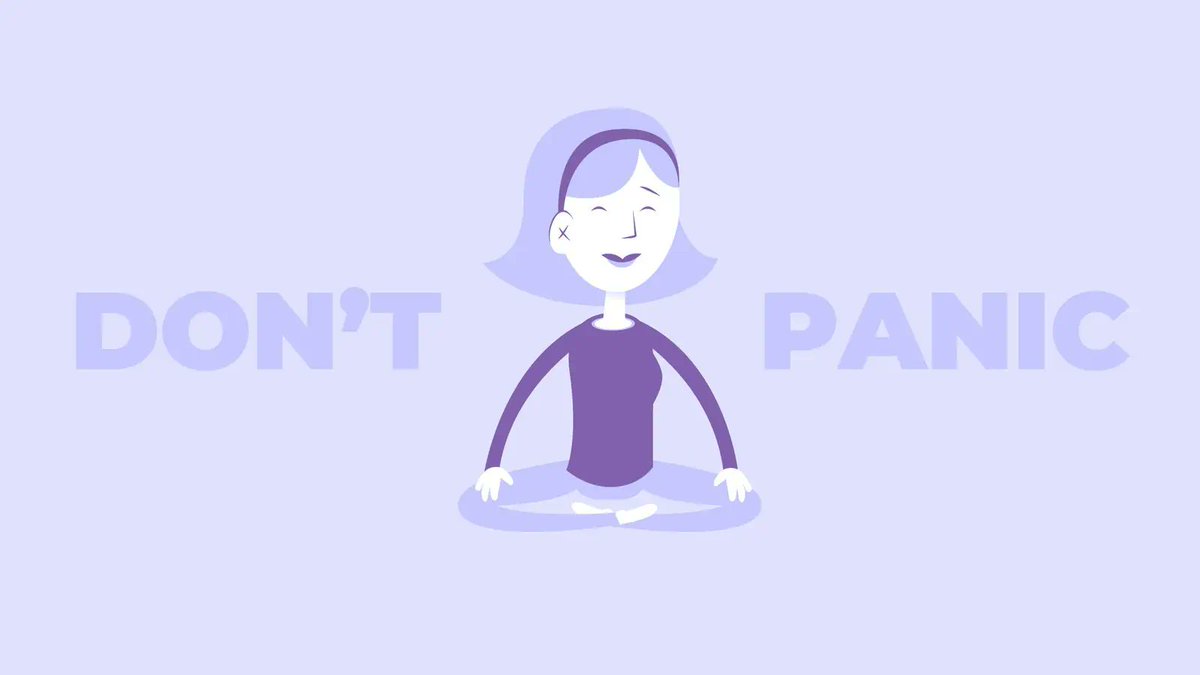
 1️⃣ You need to have a certain body type. Though there is a difference in body type between the elite and non-elite runner, anyone can do it. Better runners do tend to be shorter, lighter and have lower bodyfat but in the end, how you train is just as important.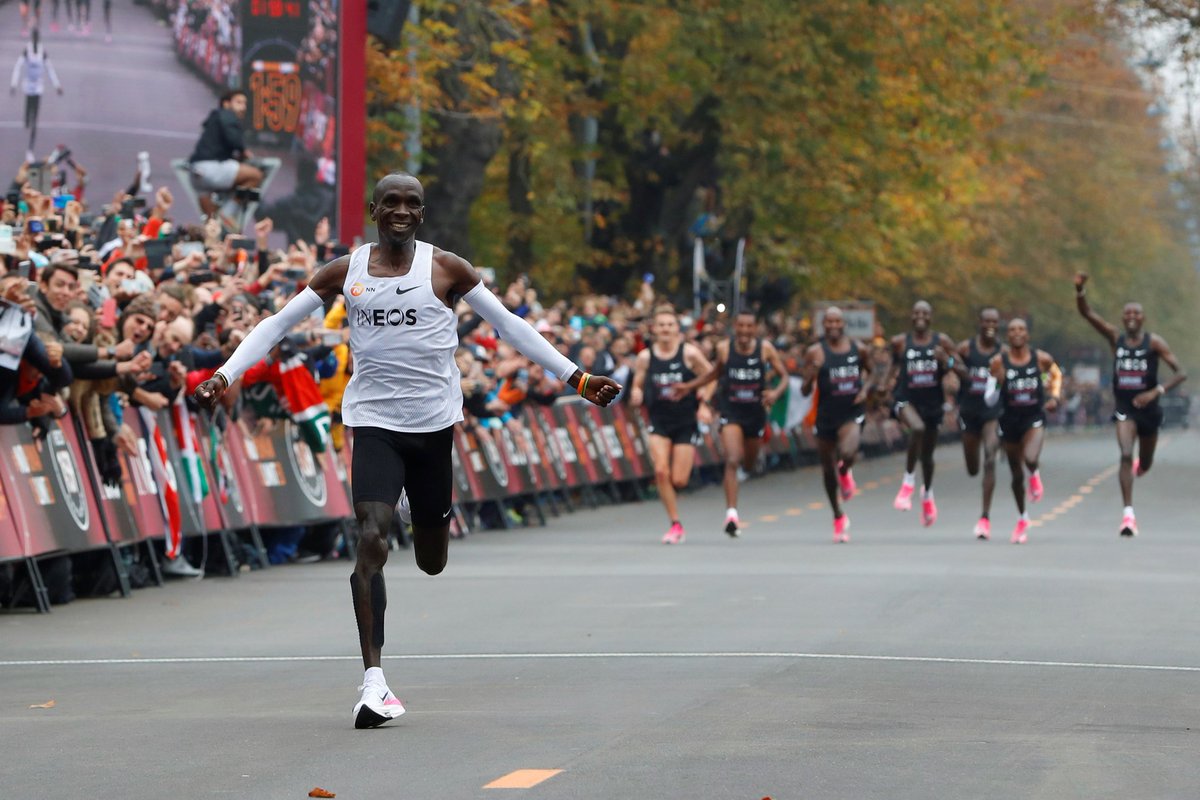
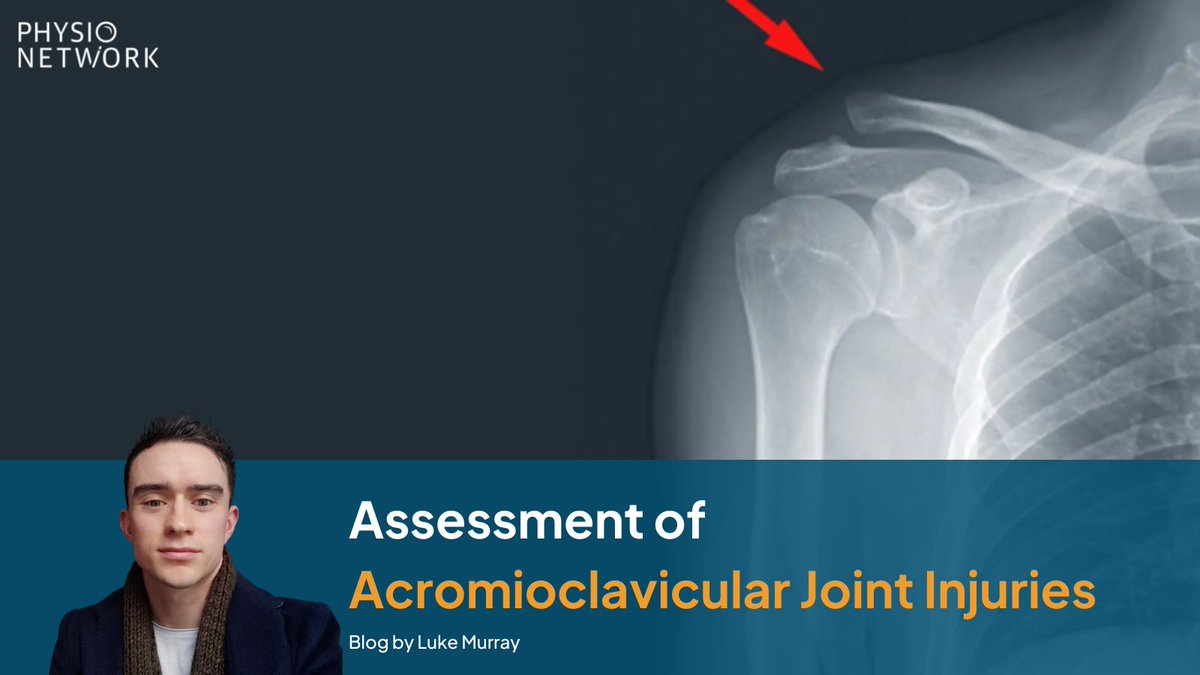 2) Acromioclavicular joint (ACJ) injuries account for 10% of all shoulder injuries that seek medical attention, and 40-50% of shoulder injuries in the athletic population. They are common in overhead sports, as well as collision sports like rugby and affect men more than women.
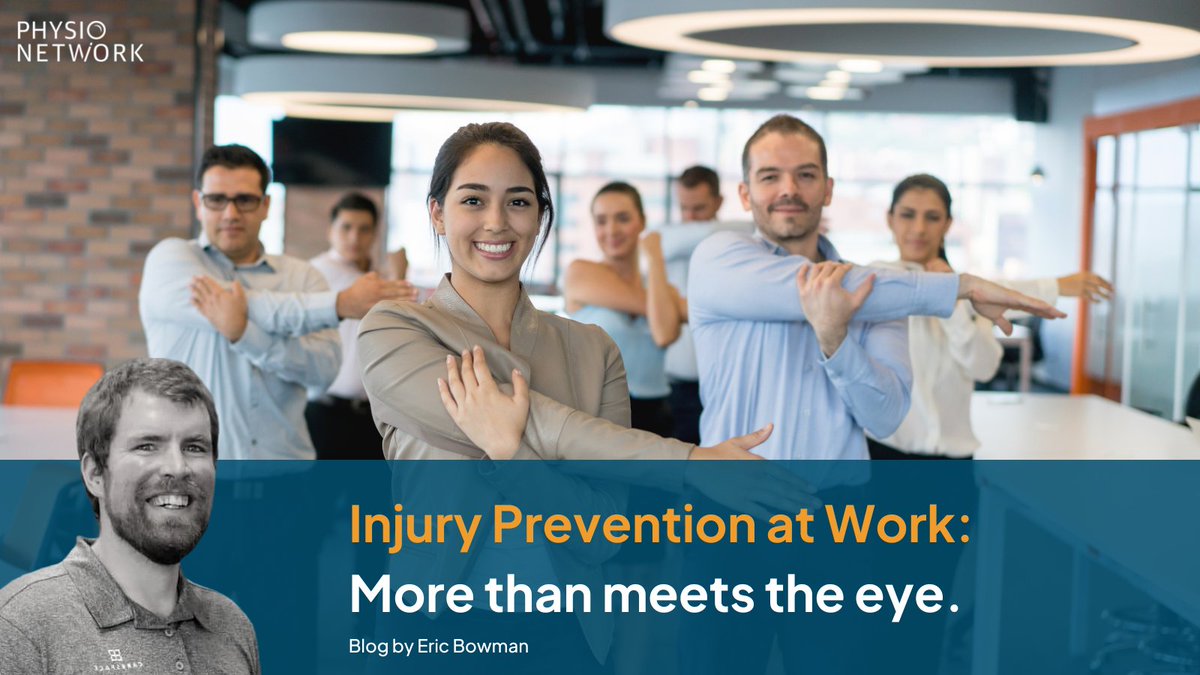 2) Injury prevention at work is usually about proper sitting postures and lifting techniques. But that might be a bit old-fashioned. We’ll discuss the common pitfalls of ergonomic education, how it can be improved and where it fits within the biopsychosocial model of pain.
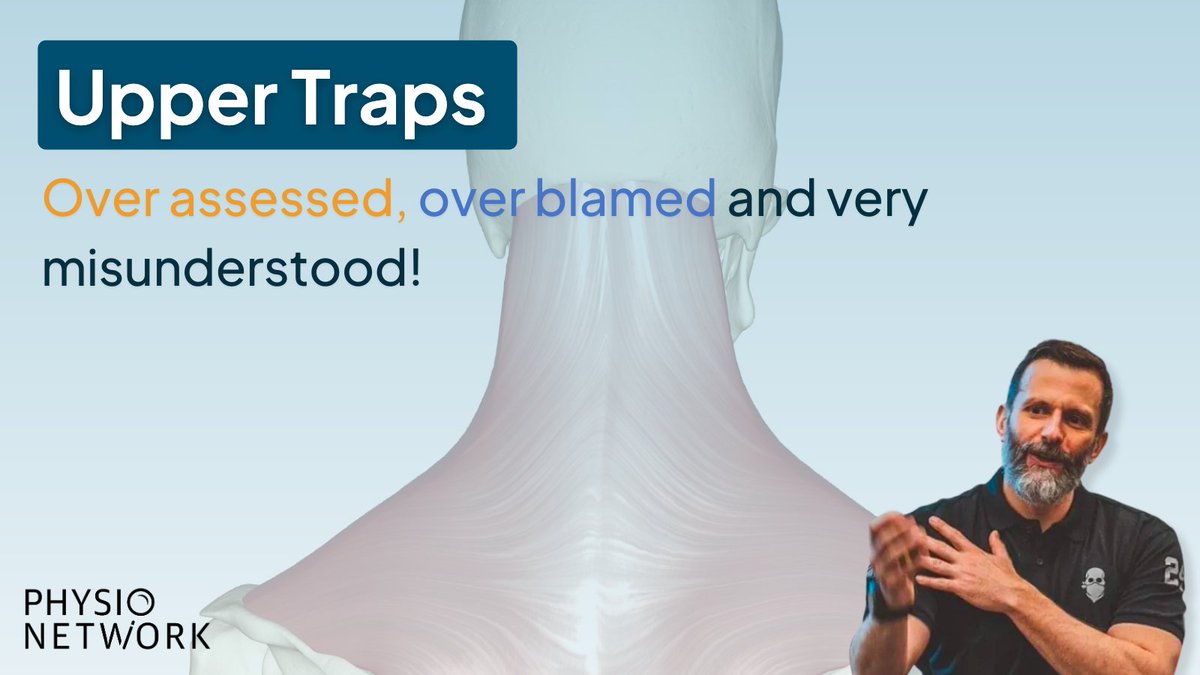 1) Upper Trapezius if often blamed for neck & shoulder problems. It’s said to be too tight, tense or over-active and needs to be stretched/loosened. Exercises that encourage upper trap activity are supposedly bad & should be avoided. But what if the problem is the exact opposite?
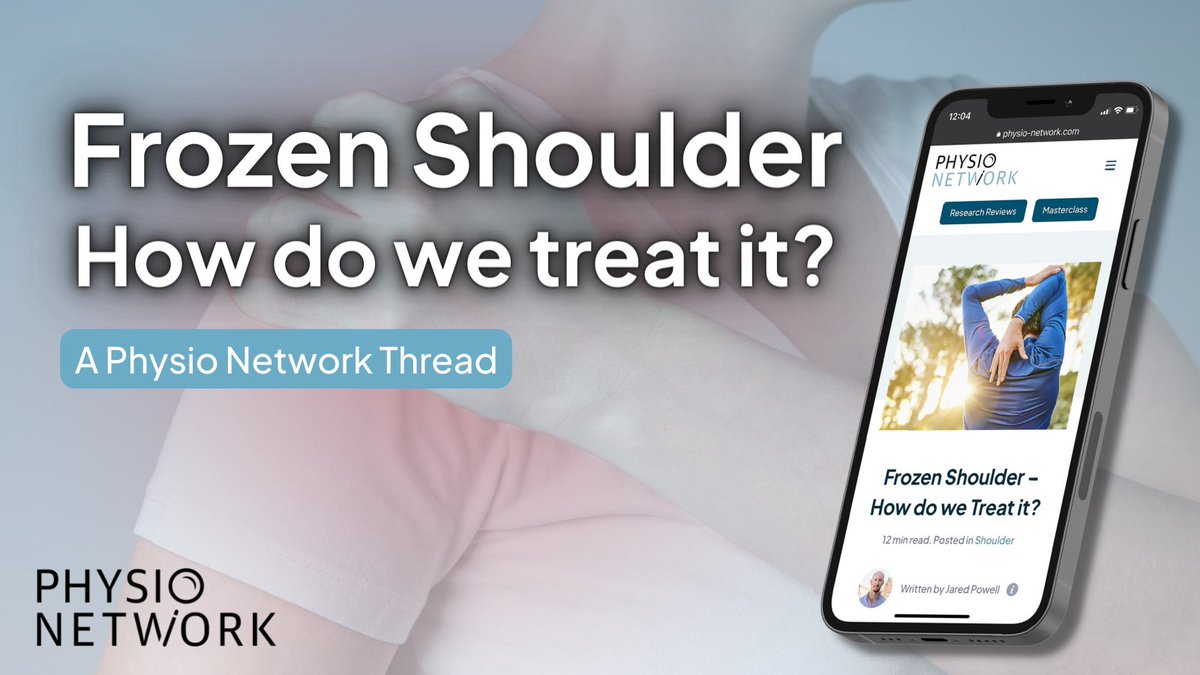 2) The treatment of frozen shoulder remains a challenge to many. Research studies provide conflicting evidence, which makes treatment even trickier. This thread will discuss the evidence behind physical therapy and injection therapy.
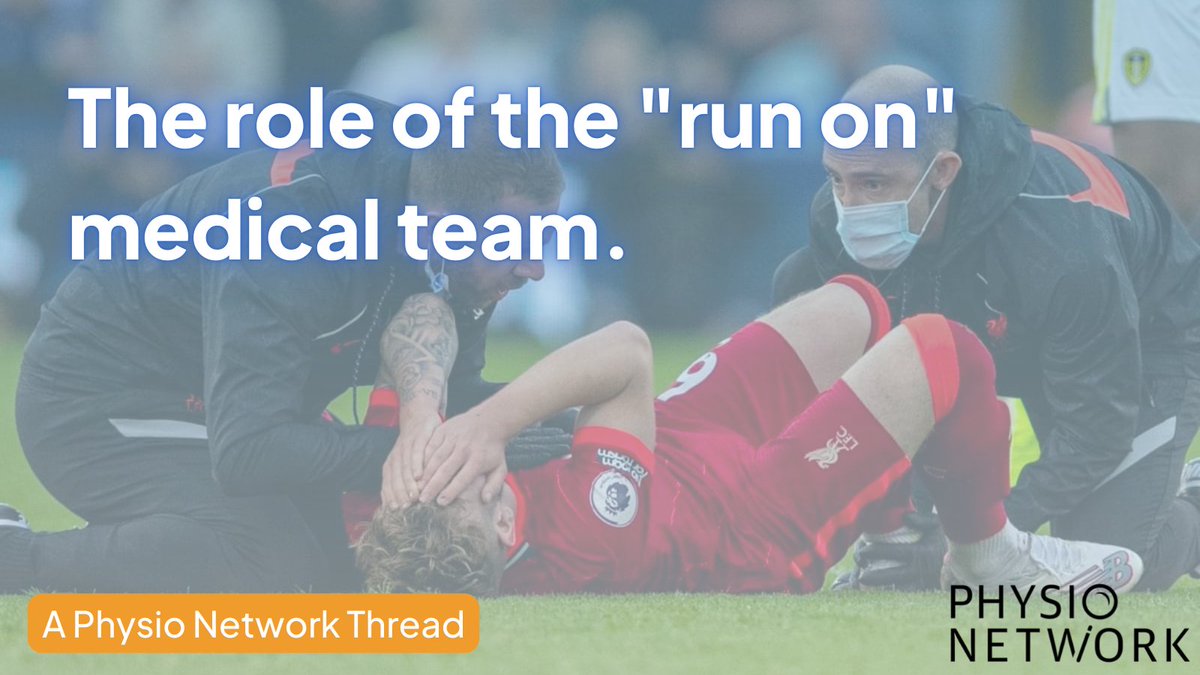 2) The “run on” (wo)man is the person who assesses injured athletes on the field. This role is often played down but in reality it takes a lot of experience to do it well. If you want to learn more about the run-on’s responsibilities in football, keep on reading.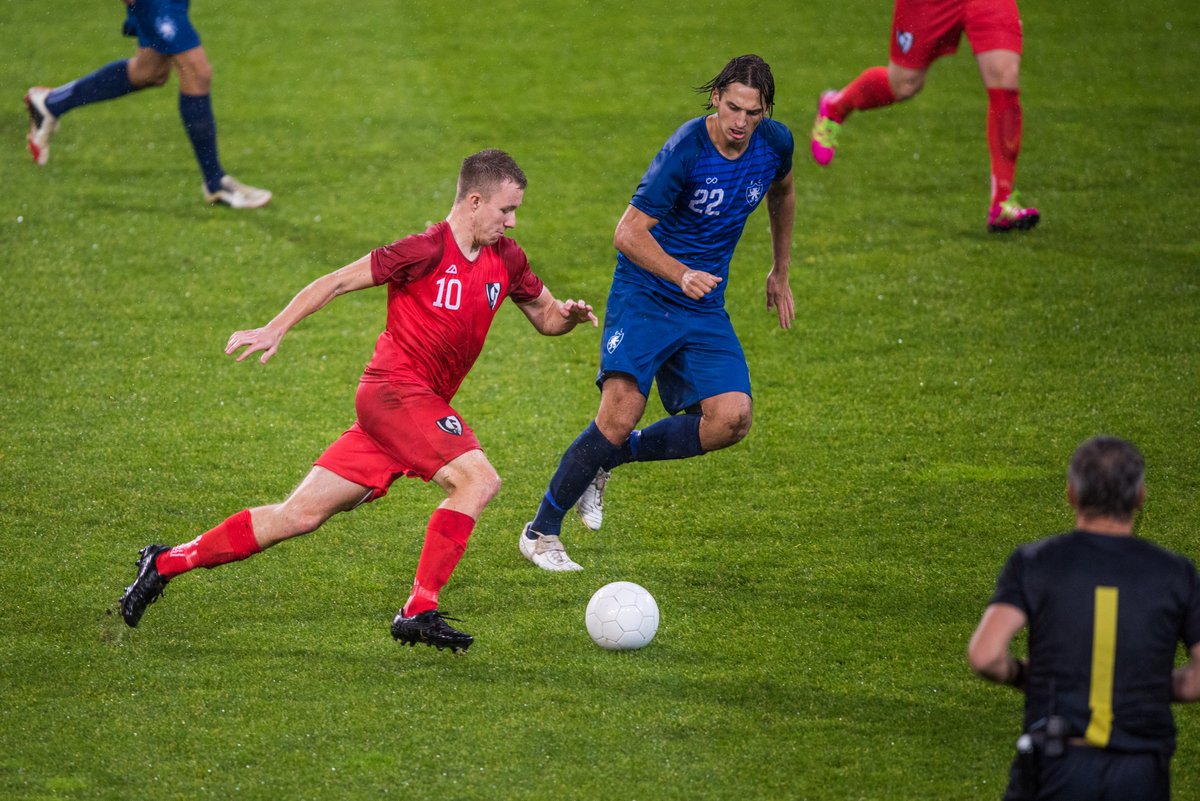
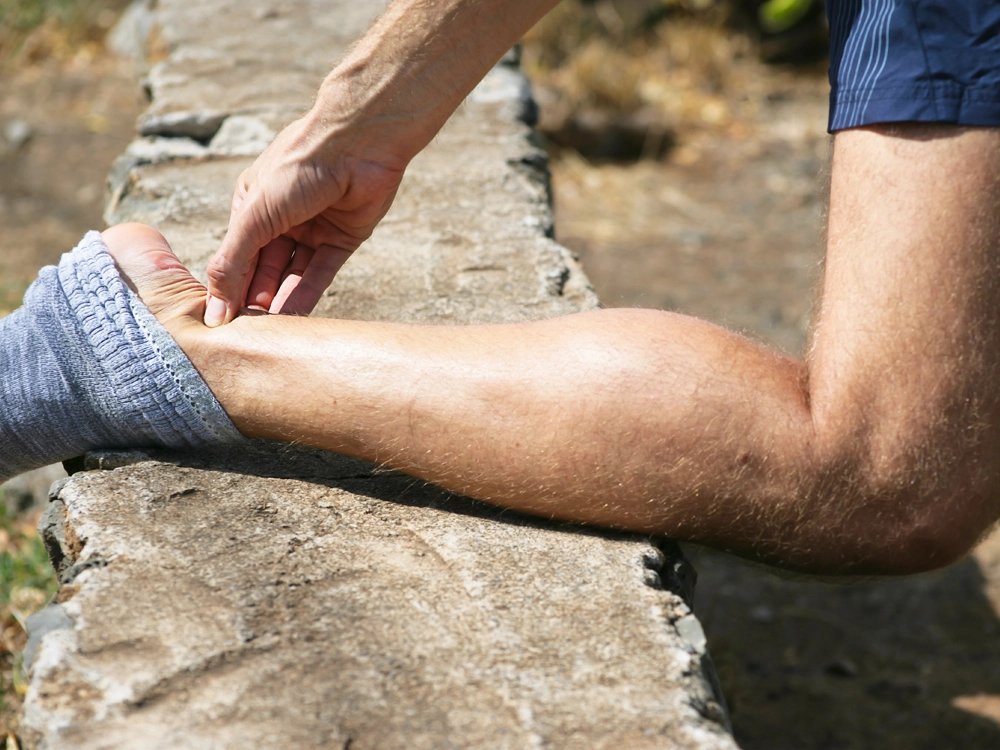 1) Tendinopathy does not improve with rest – the pain may settle but returning to activity is often painful again because rest does nothing to increase the tolerance of the tendon to load.
 2) Subacromial pain syndrome (SAPS) is a common shoulder condition often characterized by rotator cuff muscle weakness and pain reported from, or worsened by, repetitive overhead activities.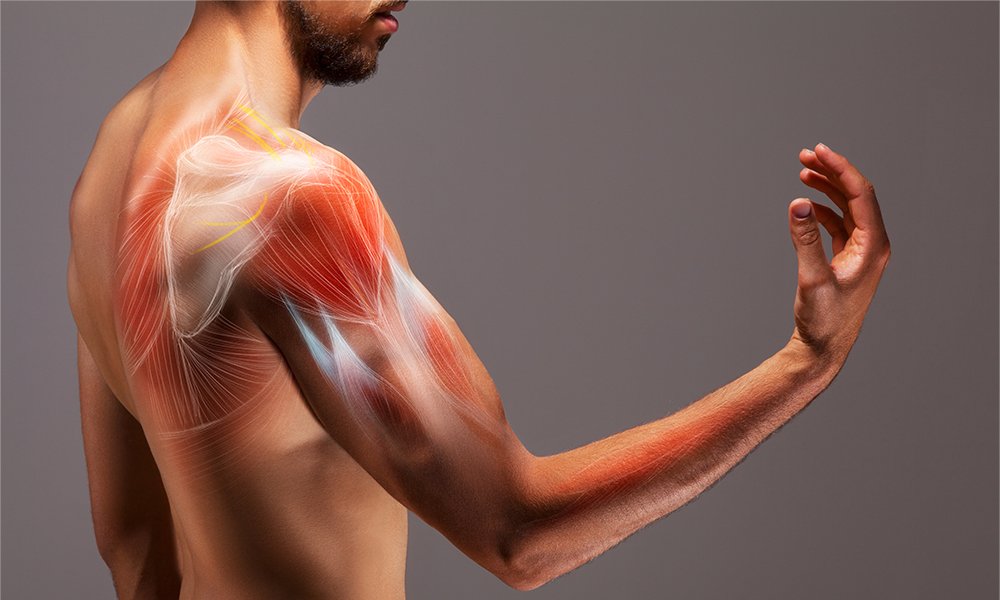
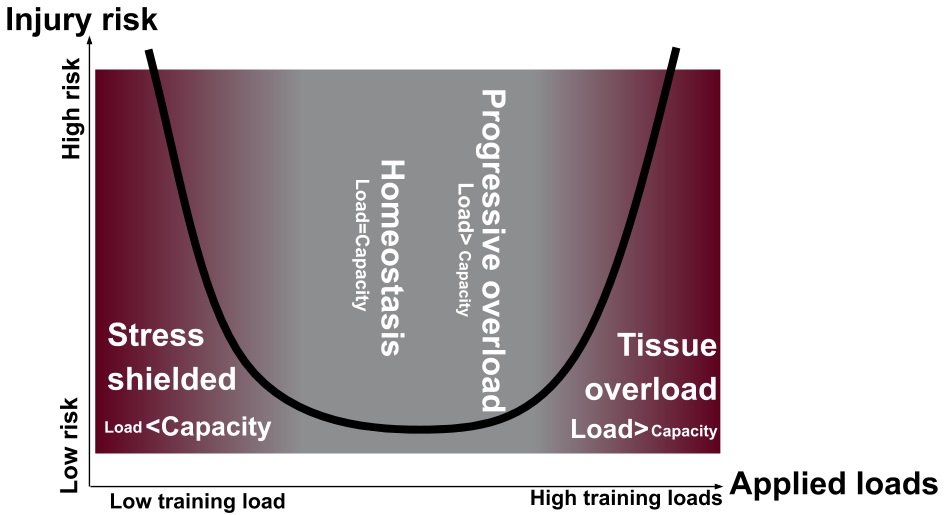
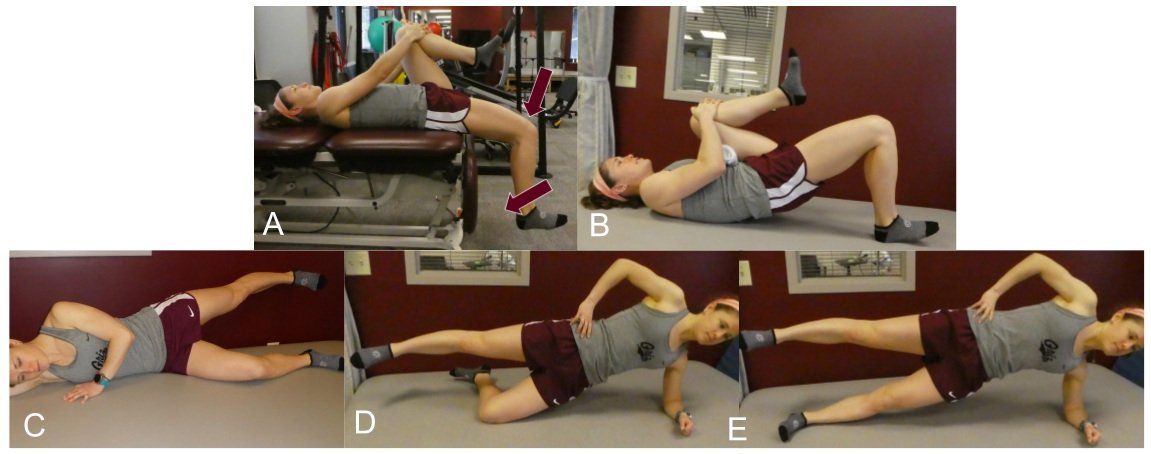 2) Well-designed rehabilitation programs for ITB pain aim to progressively overload the injured runner and the ITB to restore tolerance running-specific loads. The loads are not so excessive that the injured ITB is further irritated by extending into tissue overload.