Robert A. Pape Profile picture
Professor of Political Science, University of Chicago, specializing in security affairs. Founding Director, Chicago Project on Security & Threats (CPOST).
Apr 1 9 tweets 2 min read
Many are asking what Trump might say about NATO tonight.

The real issue isn’t whether the U.S. formally leaves NATO.

It’s this:

NATO is already dead
We are now just writing its obituary Most people misunderstand what NATO actually is

It is not just a political alliance

NATO is an integrated military command structure—where a U.S. general (SACEUR) can direct allied forces in wartime

That only works if allies trust U.S. leadership
Mar 25 5 tweets 1 min read
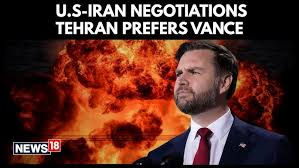
Iran isn’t just negotiating with the U.S.
It’s choosing which America to negotiate with
And that tells you more about where this war is going than anything Trump has saidImage Weak states don’t fight strong states head-on.
They do something smarter:
They exploit divisions inside them.
That’s how you offset power you can’t match.
Mar 15 5 tweets 2 min read
Three major misunderstandings are distorting the Iran War
These three represent lingering hopes for a quick victory
But hoping Iran will bail us out is not a strategy
This war is entering a long strategic game—and we need to see how it actually works Misunderstanding #1: “The war is mainly about Iran’s military capabilities”
No. The war right now is a race
A race between the rising global price of oil and Iran’s shrinking supply of drones
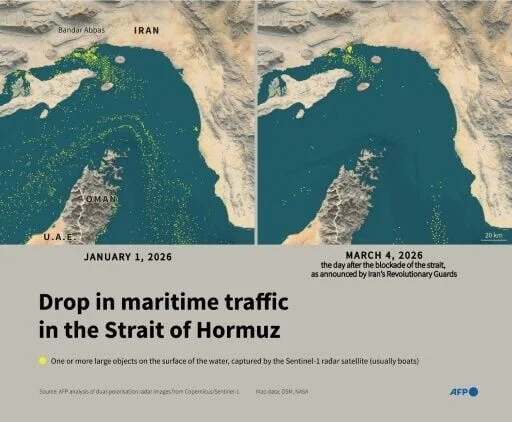
The U.S. can destroy drones, but fast enough to head off months of $120 p/b oil?
If oil prices rise faster than Iran’s drone arsenal falls, Iran wins the race
That’s Iran’s leverage
Mar 13 6 tweets 1 min read
A hard truth about the Iran war is becoming clear:
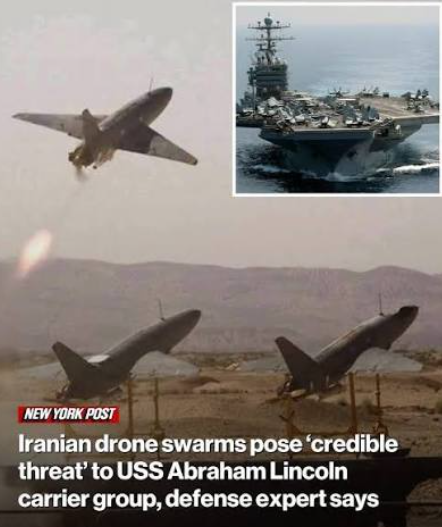
The U.S. still has no reliable way to stop Iran’s drone warfare
That operational gap is not just tactical
It’s the mechanism allowing the conflict to spread beyond Iran itself Drones are cheap, scalable, and difficult to intercept.
That allows Iran to expand pressure horizontally — across shipping, energy infrastructure, and regional partners
The conflict spreads without requiring conventional battlefield victories
Mar 10 8 tweets 2 min read
The Iran war is already following a pattern seen in many modern conflicts.

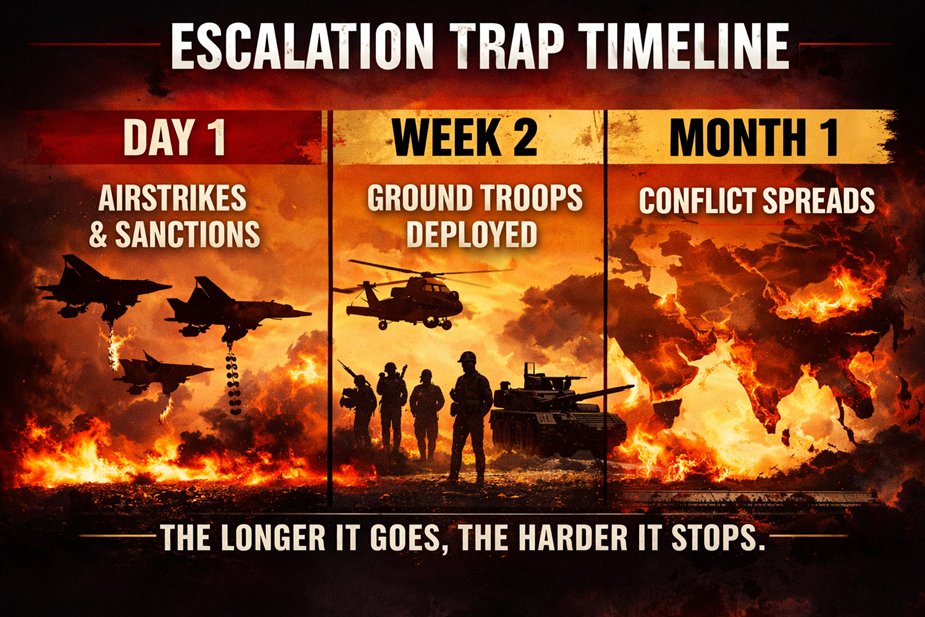
Early military success. Then escalation. Then a widening war no one originally planned.

Across history, the same strategic mechanics keep appearing.

Here are five concepts that explain how wars like this expand. 1. The Escalation Trap

Wars often begin with tactical success.

Targets are destroyed. Leaders killed. Infrastructure damaged.

But the opponent does not concede politically.

Instead of reconsidering strategy, leaders escalate.

The result:

tactical success → strategic failure → expanded war.
Mar 9 7 tweets 2 min read
Iran’s new Supreme Leader may make this war more dangerous than the one he replaces.

History shows that when leaders are killed at the start of conflicts, their successors often escalate to prove authority.

It’s a pattern I call the Harder Successor Problem.

A thread. When an enemy kills a leader, the successor inherits a problem:

They must prove they are strong enough to rule.

Backing down early can look like weakness inside the regime and to rivals watching closely.

So escalation often becomes politically necessary.
Mar 3 7 tweets 2 min read
The Air Power Illusion

Full essay: "Why Bombs Break Buildings, Not Regimes": escalationtrap.substack.com/p/the-air-powe…

Across more than a century of war, one pattern stands out:

No regime in modern history has fallen solely because it was bombed from the air.

Cities burn. Infrastructure collapses. Leaders are targeted. But political power survives.

Bombs break buildings. They do not, by themselves, break regimes. This thread explains why Air power has always carried a seductive promise:

Strike leadership → cripple infrastructure → paralyze command → trigger political collapse.

The machinery evolves. The faith remains. The record tells a harder story.

Strategic bombing has destroyed armies and shattered cities. It has not, by itself, toppled functioning regimes. Let's go deeper
Mar 2 6 tweets 2 min read
Air power has a place in war. But in the Iran campaign, it is being misapplied as a strategy for regime change.
That’s the core conclusion from my deep dive with @IanProud on the Trump Tangled in the Smart Bomb Trap podcast. We agree: history is clear — air power can kill infrastructure and leaders, but it has never produced reliable strategic regime change on its own. Not in Libya. Not in Iraq. Not in Vietnam.
The U.S. experience with unilateral aerial coercion simply doesn’t support the idea that bombs alone restructure societies.
Mar 2 10 tweets 2 min read
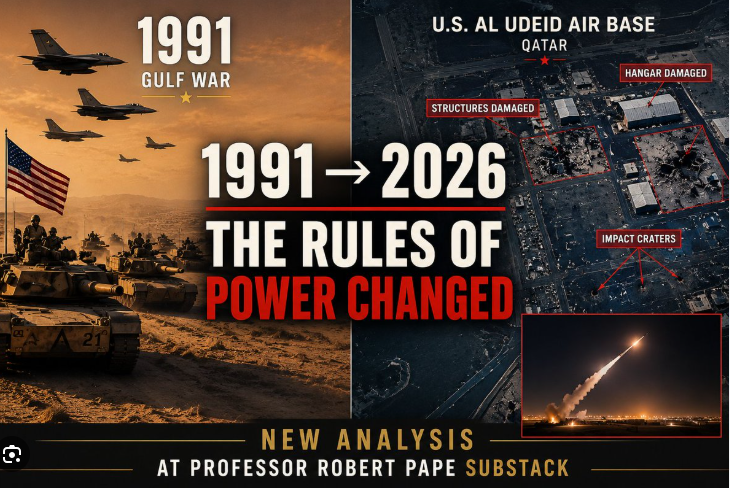
Operation Epic Fury is now the most intense sustained air campaign since Desert Storm vs Iraq in 1991.

~1,000 sorties per day.

But scale alone does not determine strategic outcome.

The real question is structure of escalation. This thread is The Escalation Ledger -- Iran, Day 3 Epic Fury is not calibrated coercion.

It is industrial-scale precision destruction.

Command nodes. Air bases. Missile launchers. Naval facilities. Visible damage everywhere.

But air campaigns succeed only when destruction compounds against systems that cannot adapt.
Feb 28 8 tweets 3 min read
This morning I was asked on Boston radio about the US–Israel strikes on Iran.

Here is the strategic reality most people are missing:

Airpower alone has never produced positive regime change.

I don’t mean rarely.

I mean NEVER. For over a century, leaders have believed bombing can fracture regimes from the sky.

Strike leadership. Shock the system. Trigger collapse.

History says otherwise.

What usually happens?

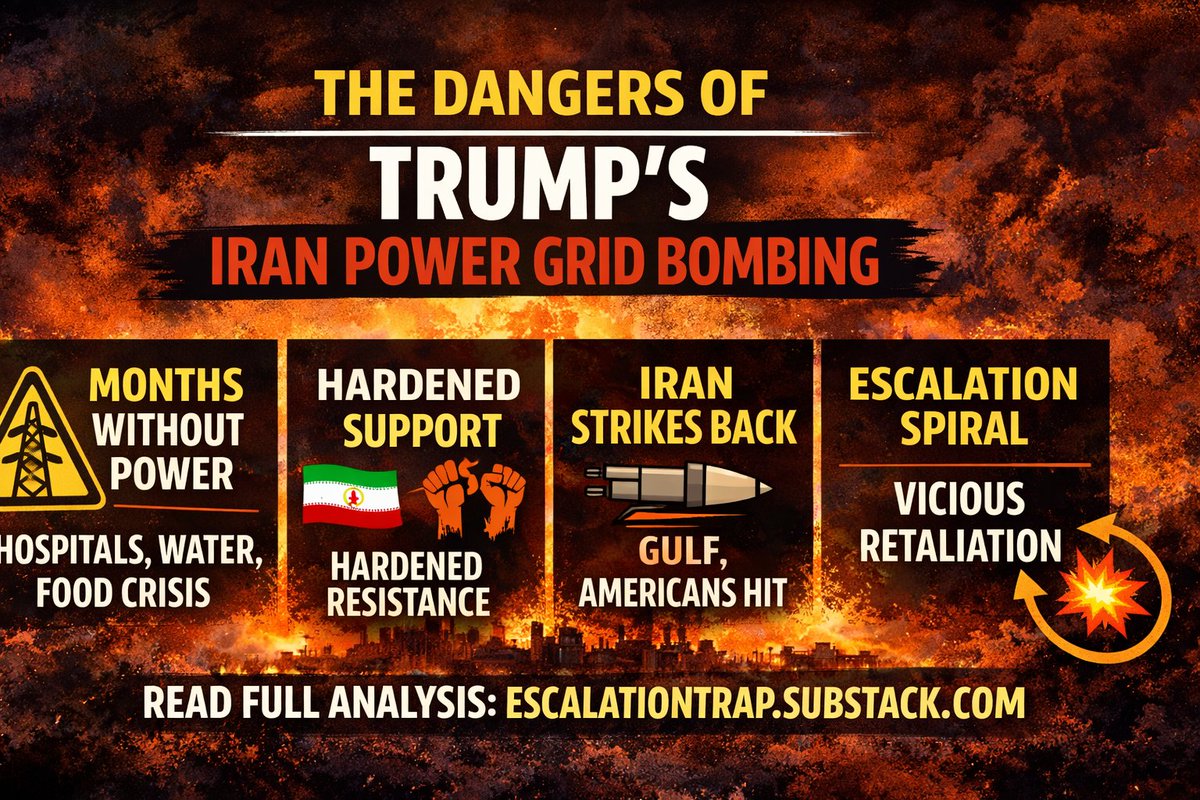
The regime hardens.
Nationalism rises.
Retaliation brews.
Feb 28 5 tweets 1 min read
Three historical lessons about bombing campaigns and regime change: Lesson 1: Air power rarely produces friendly regime change.
Since WWI, dozens of bombing campaigns have tried to coerce governments from the air. None installed leaders more cooperative with the attacker. Bombing can destroy targets. It does not reliably reshape politics.