Razia Aliani Profile picture
#3 most influential LinkedIn voice in AI for research | Epidemiologist | Systematic Reviewer | Biostatistician | 125K+ LinkedIn https://t.co/R18oaezmh5
Jan 11 8 tweets 3 min read
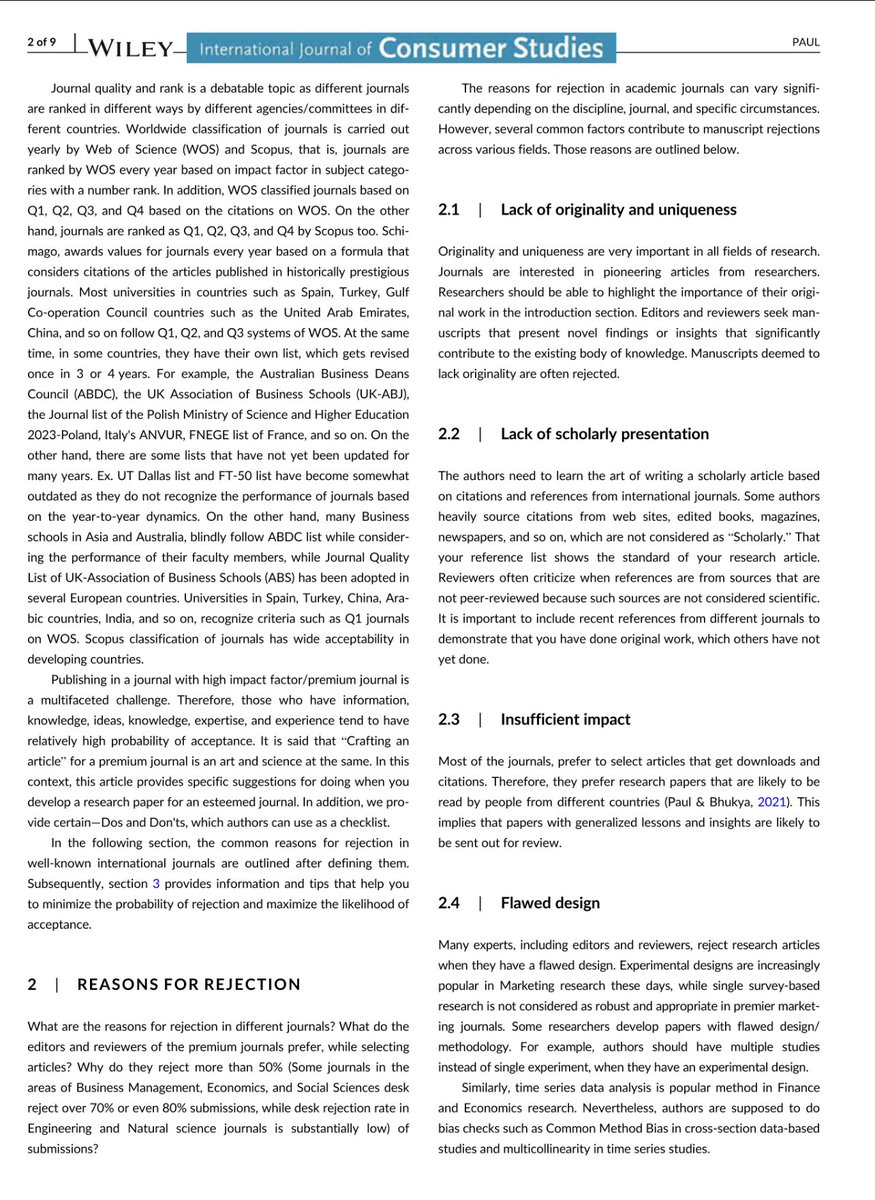
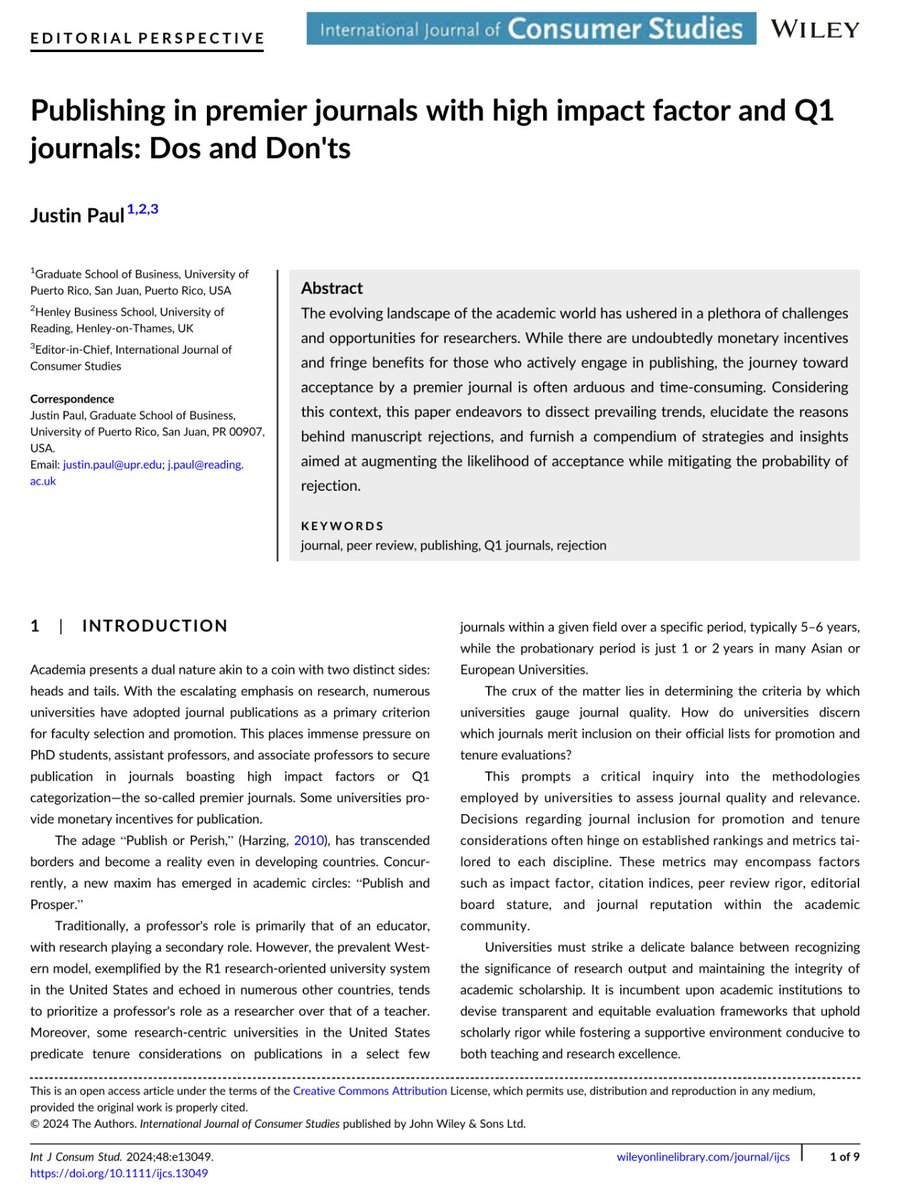
Your paper isn't getting rejected because your research is bad.
Here's what actually gets papers rejected ⤵️

Your literature review is outdated
Copying and paraphrasing old reviews? Editors spot this instantly.
They want fresh citations from the last 2-3 years.

You're working on exhausted topics
When 1000+ papers already exist on your topic, your work needs something genuinely new.
First movers get published. Fast followers get cited.

Your sample is too small or convenient
Student samples? Snowball sampling? Convenient sampling?
Desk rejection.
Premier journals demand robust methodology.

No theoretical contribution
Data without theory = rejection.
Your findings need to advance how we understand the phenomenon.

You're defending instead of revising
Getting a revise-and-resubmit is rare (5-7% of submissions).
Treat reviewer comments like gold.
Implement them. Don't defend.

The 3 things that changed my acceptance rate:
→ Mixed methods over single studies
→ Multiple experiments in one paper
→ Including co-authors with complementary expertise

Publishing isn't about being perfect.
It's about being strategic!

What's been your biggest publishing challenge?

1/6Image 2/6 Image
Nov 12, 2025 5 tweets 2 min read
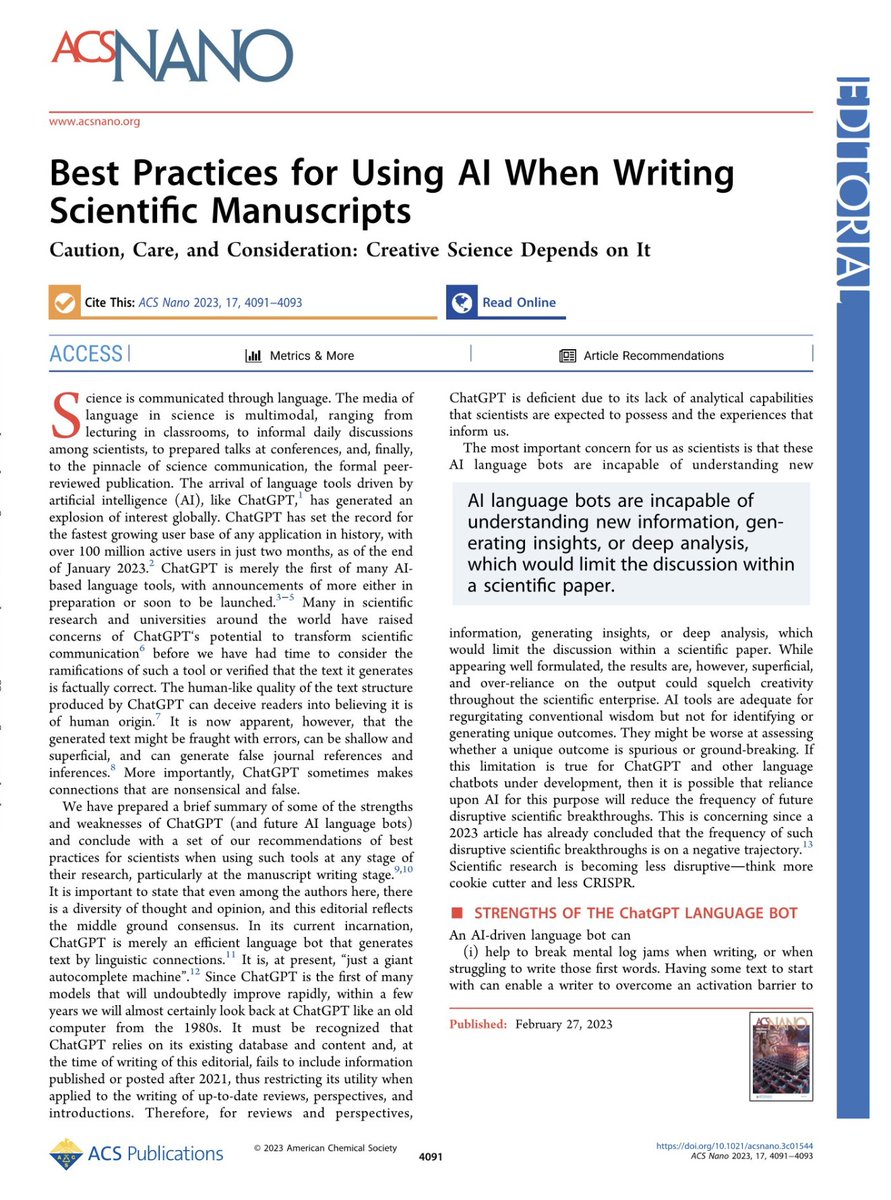
Are AI Tools Replacing Scientific Writing?
Here's what some leading scientists have to say ⤵
Repost & Save (with 𝘤𝘭𝘪𝘱𝘱𝘦.𝘮𝘦)

— Tools like ChatGPT are good helpers
(but poor creators)
— AI can speed up writing
(but it's not ready to take over scientific thinking).
— The real question isn't if we should use AI...
... but how to use it wisely!

𝐊𝐞𝐲 𝐁𝐞𝐧𝐞𝐟𝐢𝐭𝐬 𝐨𝐟 𝐀𝐈 𝐢𝐧 𝐒𝐜𝐢𝐞𝐧𝐭𝐢𝐟𝐢𝐜 𝐖𝐫𝐢𝐭𝐢𝐧𝐠 ⤵

𝗪𝗿𝗶𝘁𝗶𝗻𝗴 𝗔𝘀𝘀𝗶𝘀𝘁𝗮𝗻𝗰𝗲
— Helps break through writer's block
— Makes helpful suggestions for titles & abstracts
— Supports non-native English speakers with clear writing

𝗦𝘁𝗿𝘂𝗰𝘁𝘂𝗿𝗲 & 𝗥𝗲𝗳𝗲𝗿𝗲𝗻𝗰𝗲𝘀
— Breaks complex topics into manageable pieces
— Spots relevant papers you might have missed
— Helps organize thoughts & arguments

𝐌𝐚𝐣𝐨𝐫 𝐂𝐨𝐧𝐜𝐞𝐫𝐧𝐬

— AI can't do deep analysis or generate true insights
— Risk of shallow, cookie-cutter science writing
— Tools might generate false references or incorrect info
— Over-reliance could hurt students' learning

Page 1/3Image Page 2/3 Image
Nov 8, 2025 4 tweets 3 min read
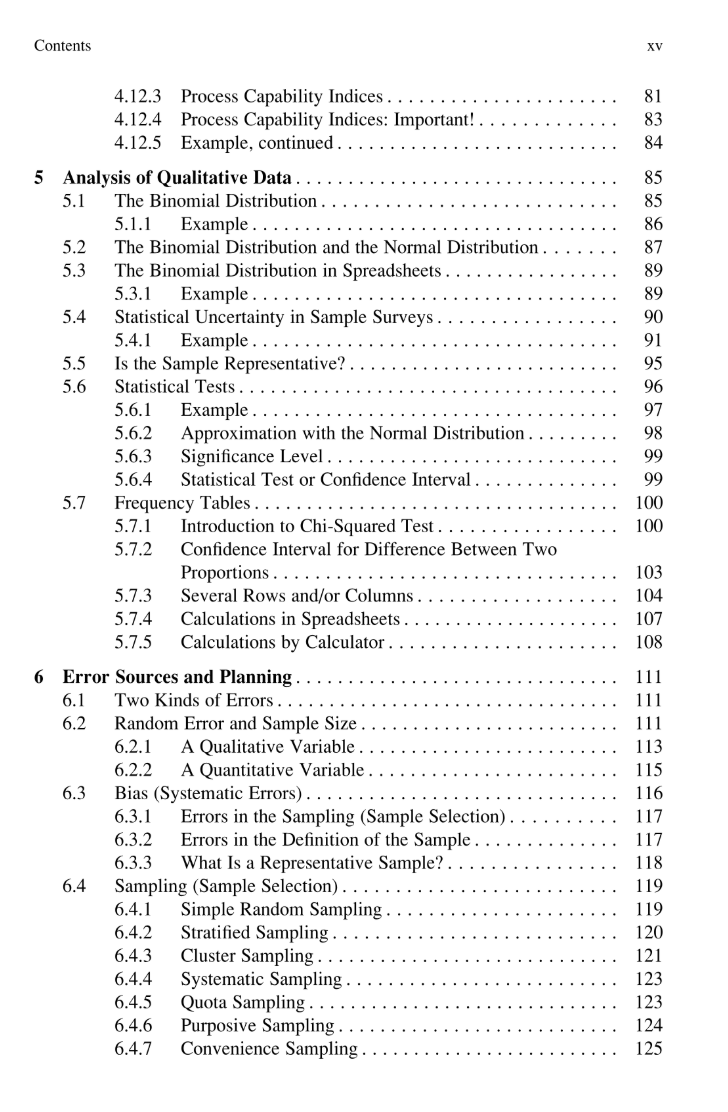
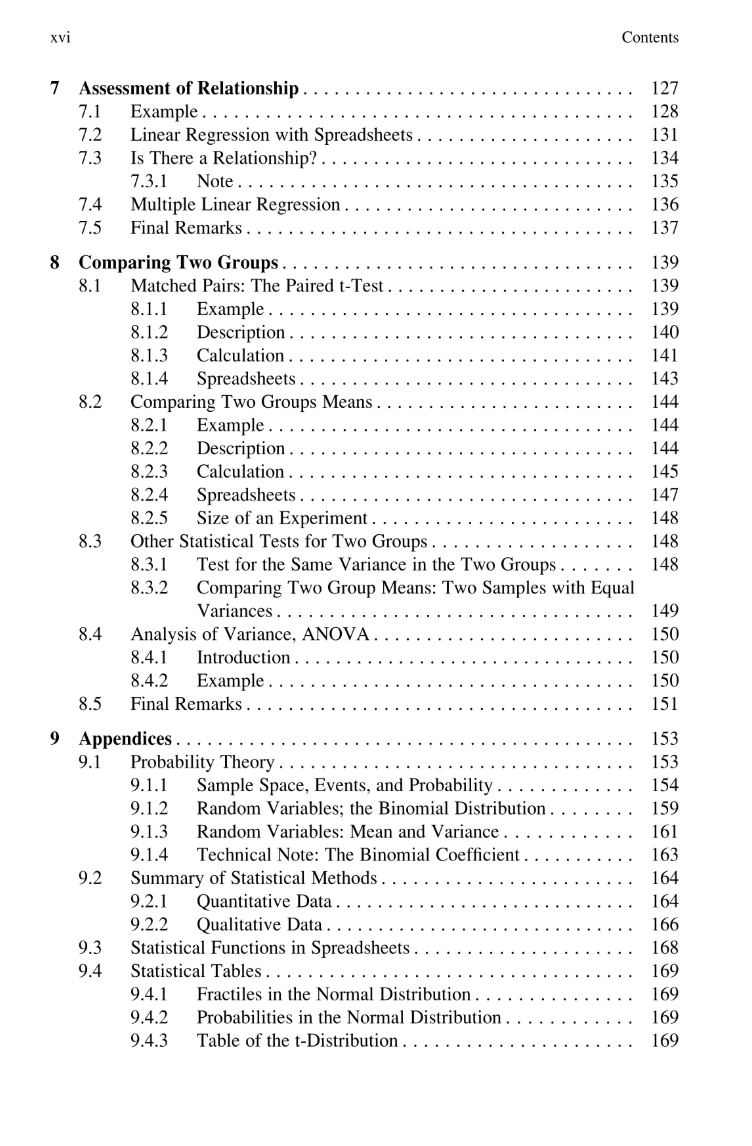
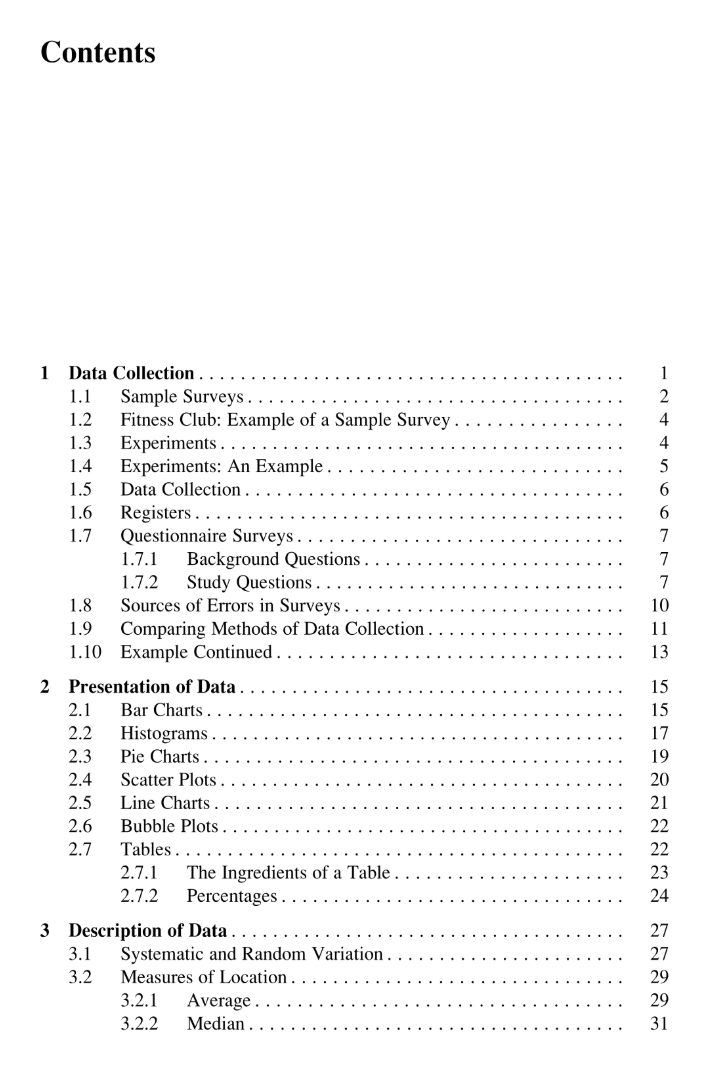
I've met tons of researchers who hate stats!
If you're one of these, this book is for you ⤵️
Save (with 𝘤𝘭𝘪𝘱𝘱𝘦.𝘮𝘦) & Repost

The author says it perfectly:
"The most important concepts of statistics can be explained, so that ordinary people can understand it."

— No complex formulas.
— No expensive software needed.
— Just spreadsheets & clear thinking.

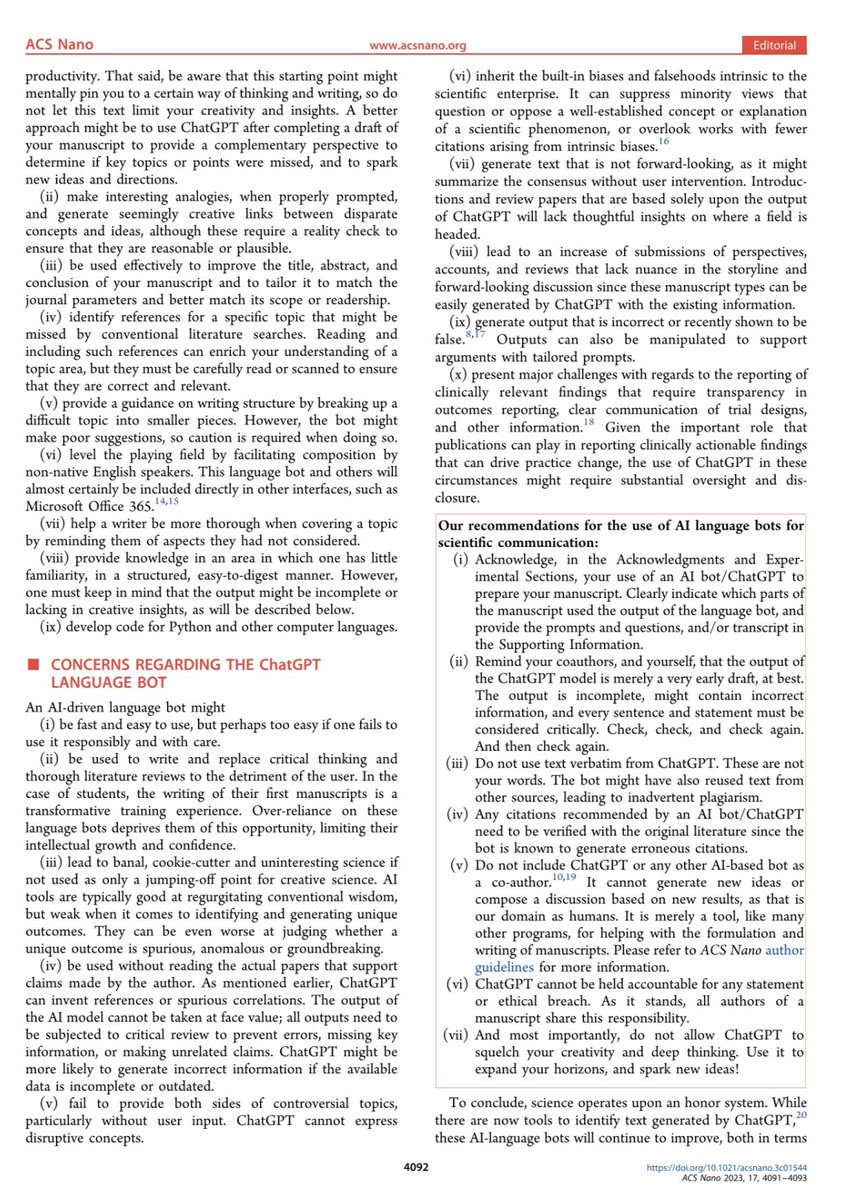
The book covers:
— Sample surveys
— Data presentation
— Confidence intervals
— Statistical tests

Written for people who need to collect data.
— Analyze results.
— Present findings.
But don't want to become mathematicians.

Real examples throughout.
— Like the Fitness Club survey with 30 kids.

Shows you exactly how to spot bias.
When to use different tests.
How to avoid common mistakes.

Perfect for public health researchers.
Statistics doesn't have to be scary.
(𝘢𝘵𝘭𝘦𝘢𝘴𝘵 𝘪𝘯 𝘵𝘩𝘦 𝘣𝘦𝘨𝘪𝘯𝘯𝘪𝘯𝘨)

💬 Comment if you'd like a link to download this book!Image Here's the table of contents of the book ⤵️ Image
Image
Image
Image
Oct 25, 2025 4 tweets 2 min read
Read this paper to know how to 'actually' read a paper!
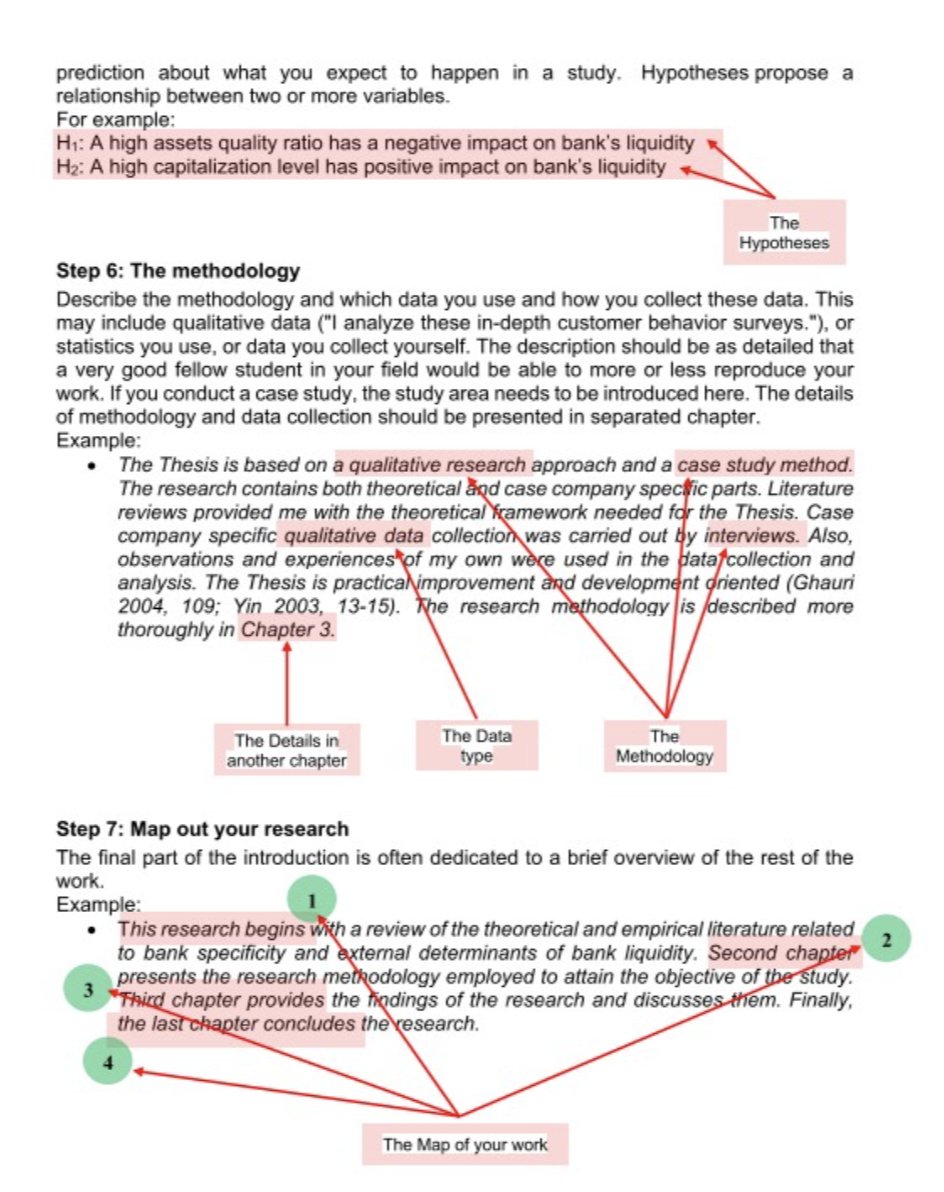
I've highlighted the key points -> now this 10 min read of 3-pass apprach will change your paper reading technique for good!

𝗞𝗲𝘆 𝘁𝗮𝗸𝗲𝗮𝘄𝗮𝘆𝘀:

— First Pass (5-10 minutes)
Quick scan for bird's-eye view

— Second Pass (up to 1 hour)
Read with greater care

—>> Third Pass below ⬇️

💬 𝗛𝗼𝘄 𝗱𝗼 𝘆𝗼𝘂 𝗮𝗽𝗽𝗿𝗼𝗮𝗰𝗵 𝗿𝗲𝗮𝗱𝗶𝗻𝗴 𝗽𝗮𝗽𝗲𝗿𝘀?

1/2Image 📌 Want help choosing the best AI tools (and LLMs) for your #research?

Get my 7-hour course (20+ chapters) + bonuses

🔗 masterclass.razia-aliani.com
Oct 18, 2025 4 tweets 2 min read
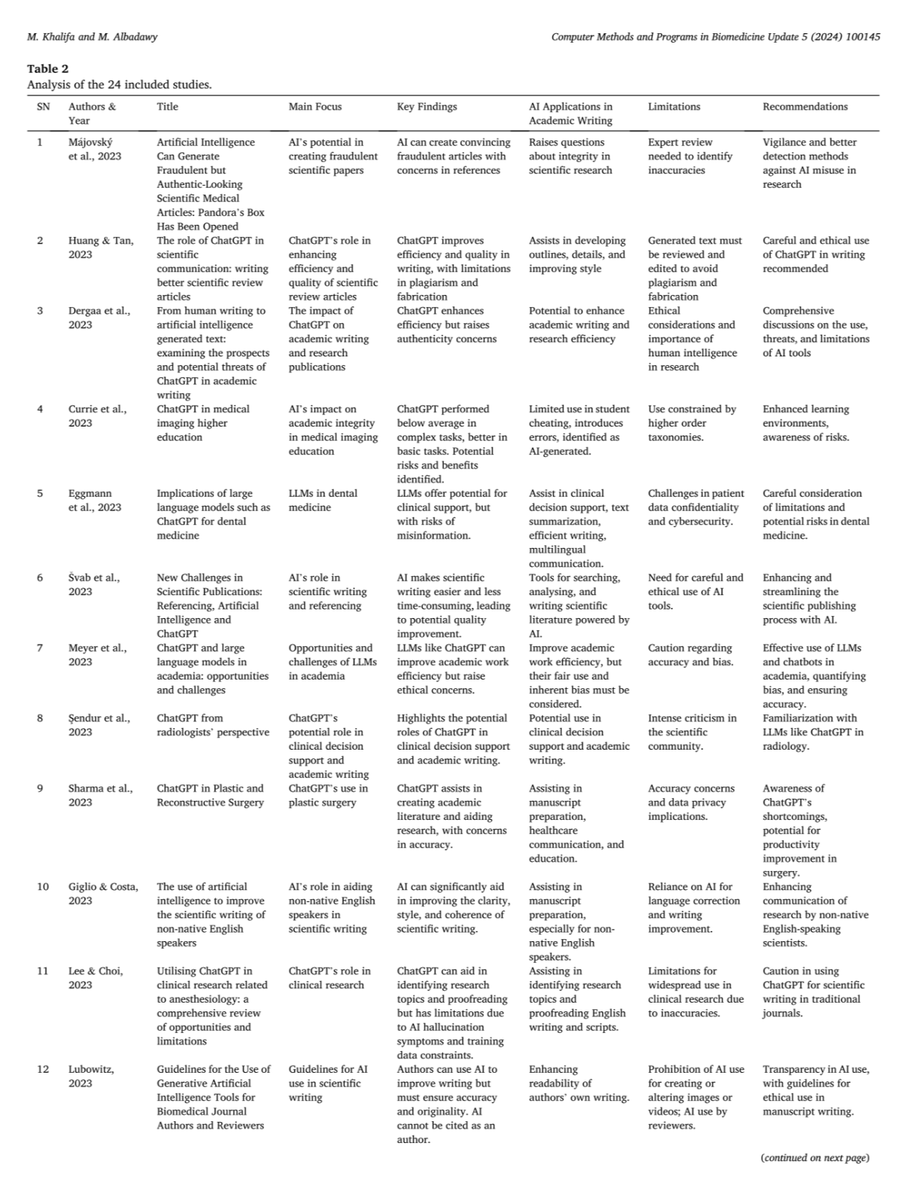
Is AI the Future of Literature Reviews?
Here are the findings from 24 published papers ⤵

— AI is changing how we do literature reviews.
(It's fast and thorough).

— AI speeds up literature reviews.
(It can quickly search through tons of papers).

— AI helps spot patterns humans might miss
(like having a super-smart research buddy).

— Researchers and AI are working together.
(This team-up leads to better insights).

𝗖𝗵𝗮𝗹𝗹𝗲𝗻𝗴𝗲𝘀

— Some worry AI might miss nuances.
(Human insight is still crucial).

— AI needs lots of well-organized data.
(Not all fields have this yet).

— There are concerns about bias in AI tools.
(We need to keep an eye on this).

𝗪𝗵𝘆 𝗜𝘁 𝗠𝗮𝘁𝘁𝗲𝗿𝘀

— Lit reviews are getting bigger and tougher.
(AI can help manage this).

— It's not just future talk.
Researchers are using AI tools RIGHT NOW!

𝗪𝗿𝗮𝗽-𝘂𝗽
AI won't replace human researchers.
But will certainly replace those not using any AIImage Analysis of 24 included studies Image
Oct 13, 2025 4 tweets 3 min read
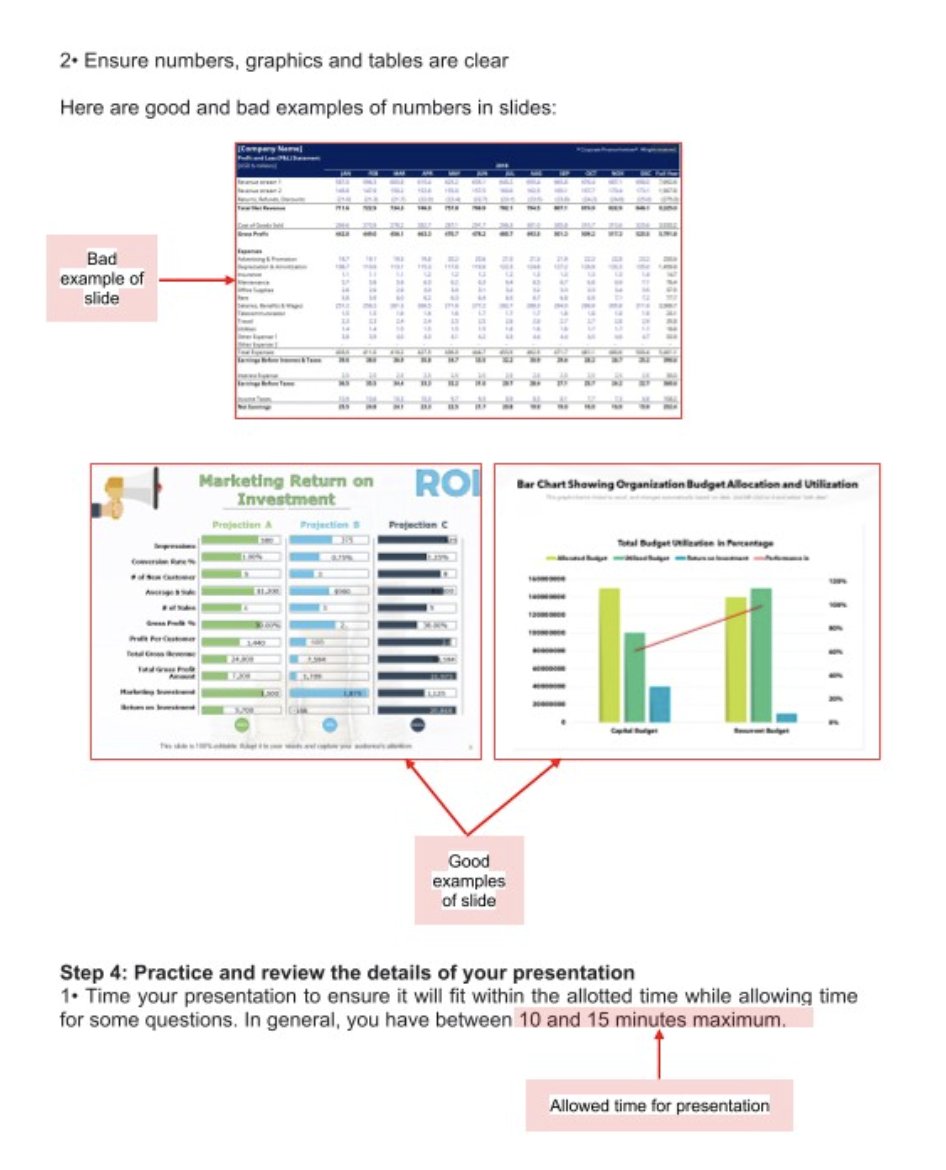
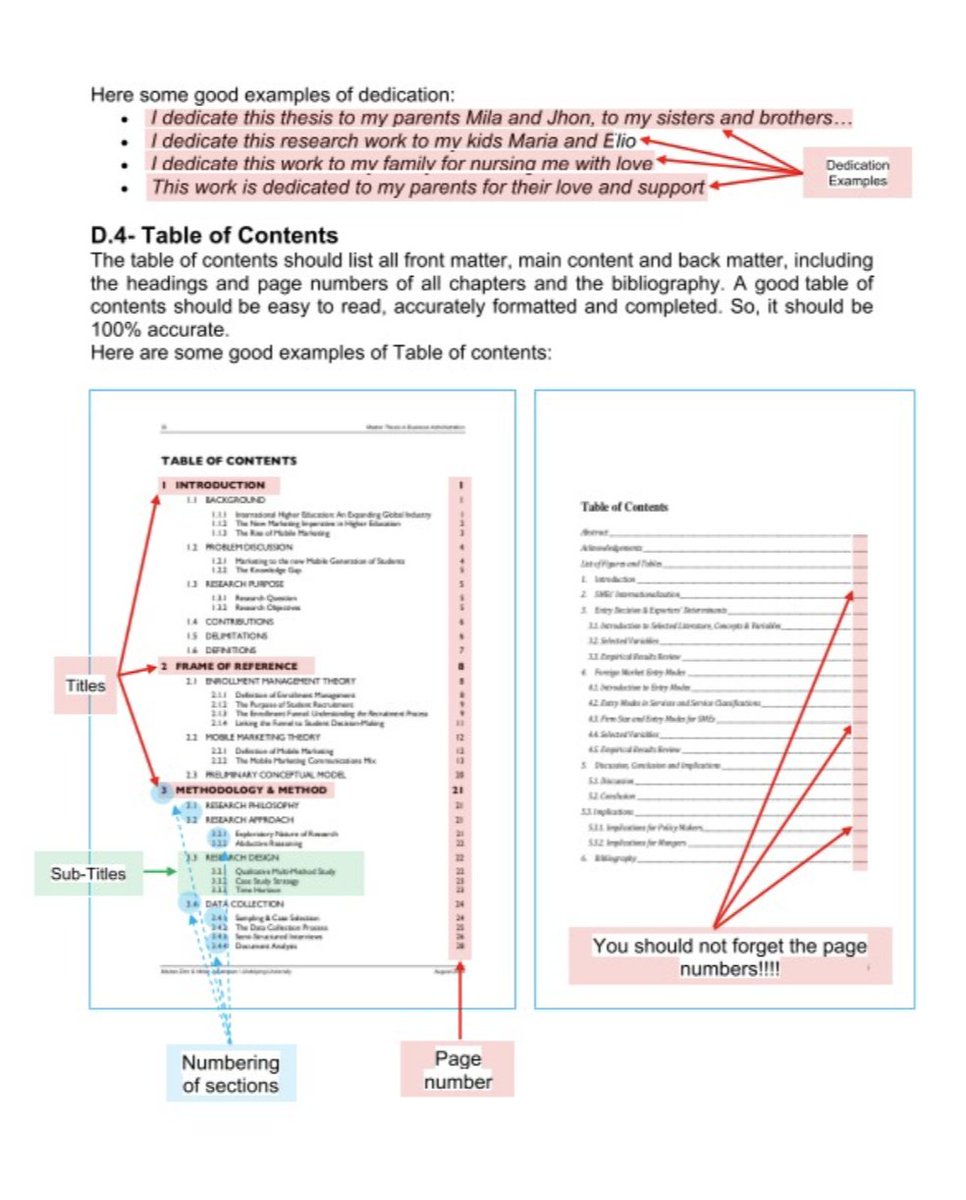
This thesis writing handbook taught me how rigorous research actually works. Here are my 5 key takeaways ⤵️

1️⃣ Your research question needs 5 qualities:
Clear, Focused, Concise, Complex, Arguable.

2️⃣ There are 3 types of research data:
(some mix all 3 without citing which type they're using).

— Primary: Experiments, interviews you conduct
— Secondary: Journal articles, published studies
— Territory: Handbooks, compiled statistics

3️⃣ Plagiarism isn't just copy-paste:
Even poor paraphrasing counts.

Original: "X frequently overuse direct quotation"
Plagiarized: "X often use too many direct quotations"

Same structure = plagiarism.
— You need to completely restructure the idea.

4️⃣ Your oral defense = 12 slides max
— Years of work presented in 10-15 minutes.
— Committee gets 10 days minimum to review your thesis beforehand

5️⃣ Abstract = 300 words. That's it.
— Must include: purpose, study design, findings, conclusions.
— Your entire thesis distilled to one paragraph.

💬 Have a tip from your experience to share?
Comment if you'd like a link to download this book!Image This handbook includes very practical step by step guide ⤵️
------------------
𝐅𝐨𝐮𝐧𝐝 𝐢𝐭 𝐮𝐬𝐞𝐟𝐮𝐥?

1. Save the post with 𝘤𝘭𝘪𝘱𝘱𝘦.𝘮𝘦
2. 🔄 Retweet to help your network
3. Follow @RaziaAliani to get useful Research content (no clickbait stuff!) in your feed. Image
Image
Image
Jun 16, 2025 7 tweets 3 min read
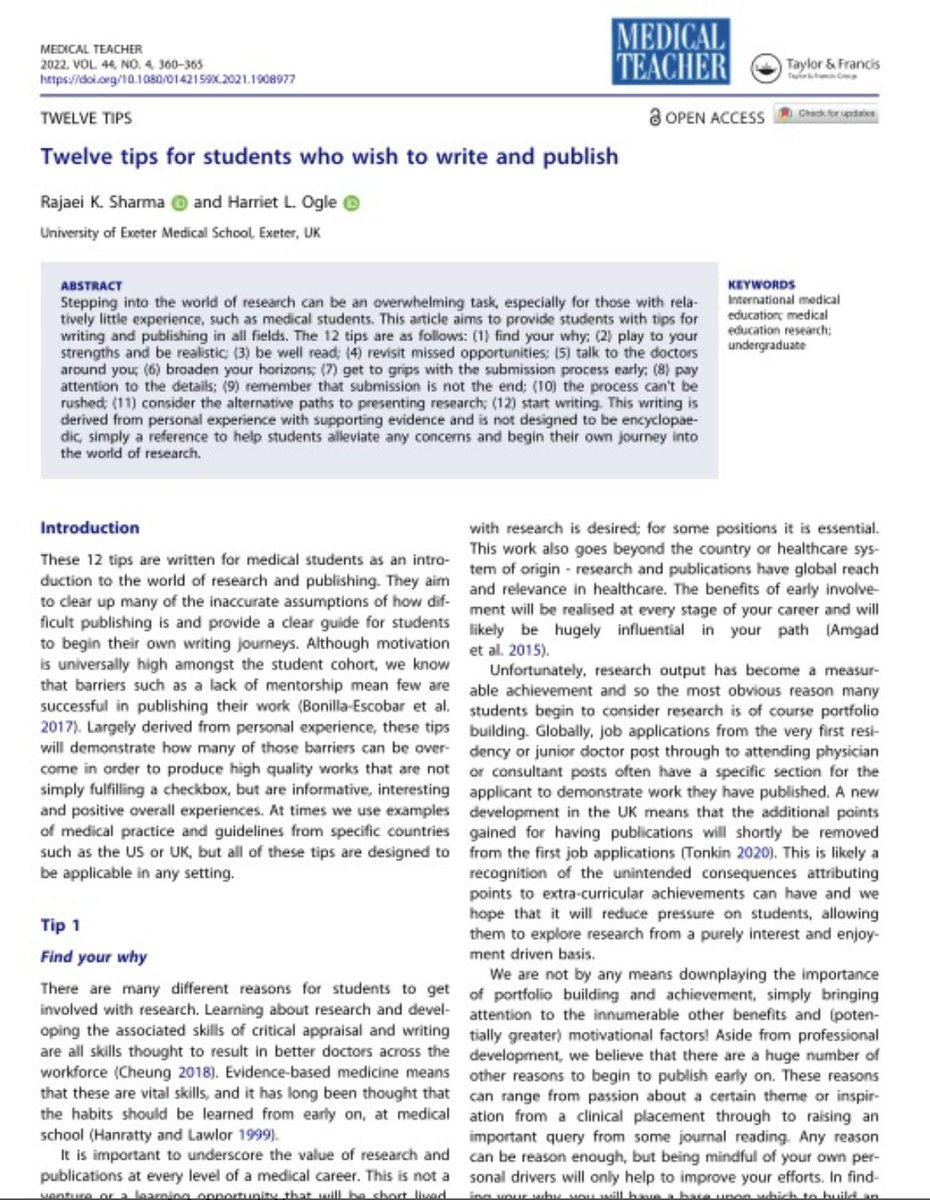
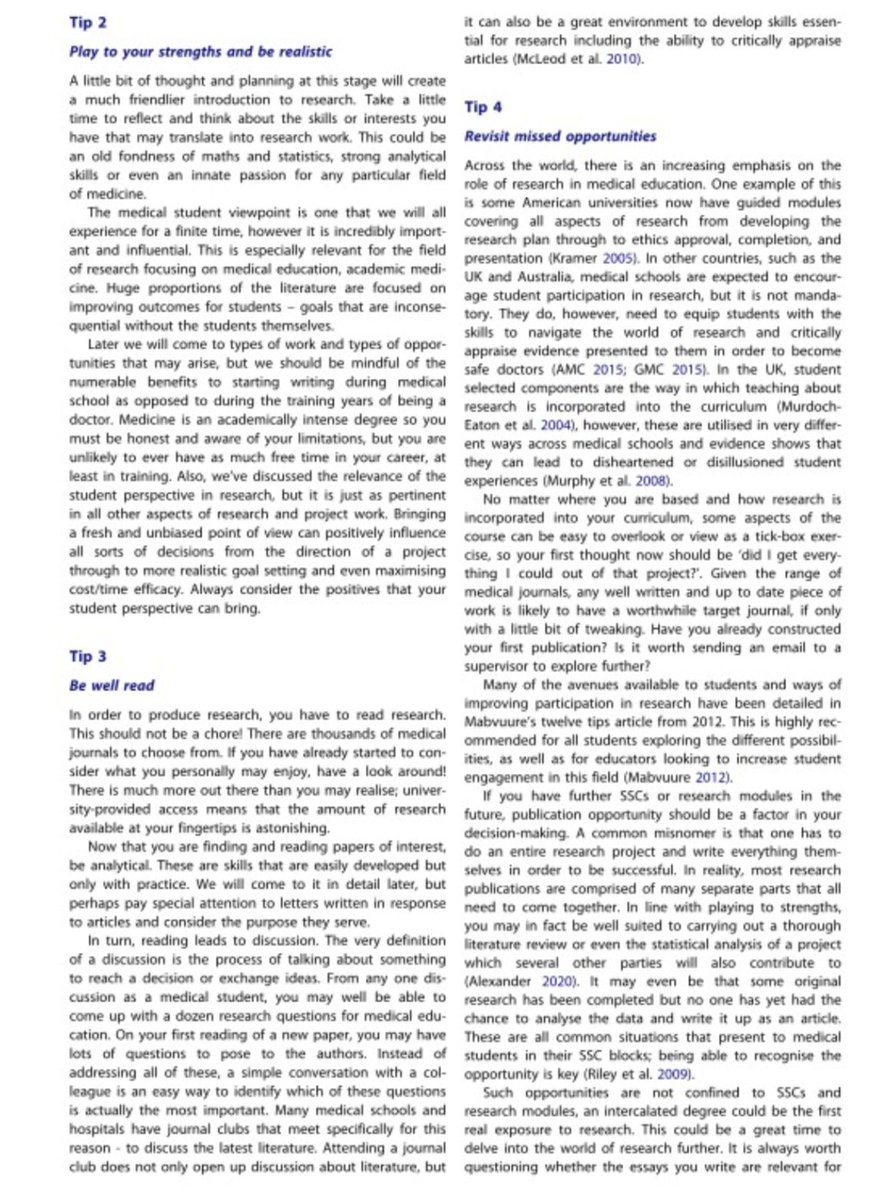
New to writing papers? This article makes it easier!
12 quick tips that actually work ⤵️
𝑺𝒂𝒗𝒆 𝘸𝘪𝘵𝘩 𝘤𝘭𝘪𝘱𝘱𝘦.𝘮𝘦 & 𝑹𝒆tweet 𝘵𝘰 𝘩𝘦𝘭𝘱 𝘺𝘰𝘶𝘳 𝘯𝘦𝘵𝘸𝘰𝘳𝘬!

1/5
— Start with your "why" -> Don't write for your CV.
Write because something genuinely interests you.
That passion will carry you through rejections.

💬 Have you published as a student? What was your biggest hurdle?

---------------------
If you find it useful:

🔄 Retweet (& like)
Save with clippe(dot)me

Follow @RaziaAliani to get more useful AI in Research content (no clickbait stuff!) in your feed.Image 2/5

— Play to your strengths -> Love stats? Focus on data analysis sections. Great writer? Handle the discussion. You don't need to do everything alone.

— Read like a researcher -> Before writing, read 50 papers in your area. Notice patterns. See what questions haven't been asked yet.

— Mine your past work -> That SSC project gathering dust? It might already be 80% of a publication with minor tweaks.Image
Apr 23, 2025 6 tweets 2 min read
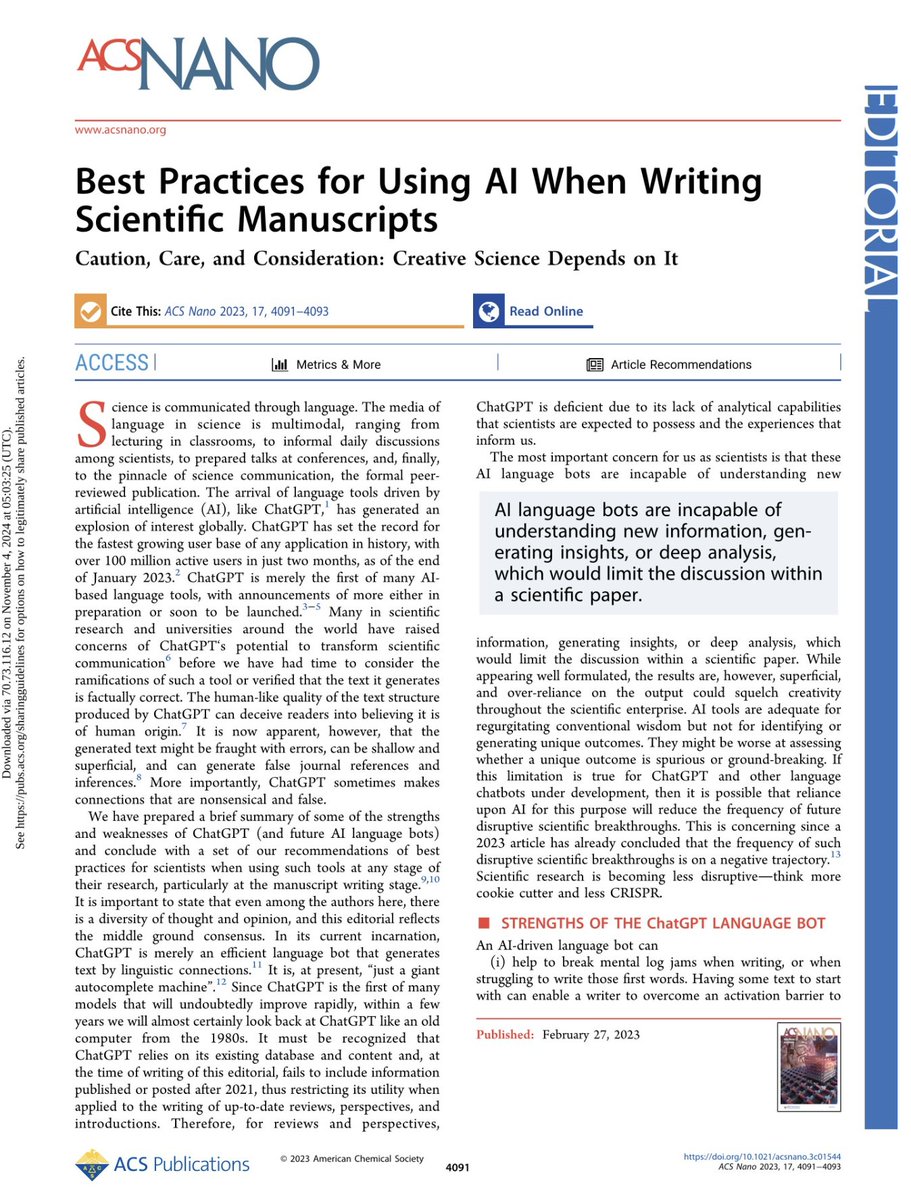
Are AI Tools Replacing Scientific Writing?
Here's what some leading scientists have to say ⤵
Repost & Save (with 𝘤𝘭𝘪𝘱𝘱𝘦.𝘮𝘦)

— Tools like ChatGPT are good helpers
(but poor creators)

— AI can speed up writing
(but it's not ready to take over scientific thinking).

— The real question isn't if we should use AI...
... but how to use it wisely!

𝐊𝐞𝐲 𝐁𝐞𝐧𝐞𝐟𝐢𝐭𝐬 𝐨𝐟 𝐀𝐈 𝐢𝐧 𝐒𝐜𝐢𝐞𝐧𝐭𝐢𝐟𝐢𝐜 𝐖𝐫𝐢𝐭𝐢𝐧𝐠 ⤵

𝗪𝗿𝗶𝘁𝗶𝗻𝗴 𝗔𝘀𝘀𝗶𝘀𝘁𝗮𝗻𝗰𝗲
— Helps break through writer's block
— Makes helpful suggestions for titles & abstracts
— Supports non-native English speakers with clear writing

𝗦𝘁𝗿𝘂𝗰𝘁𝘂𝗿𝗲 & 𝗥𝗲𝗳𝗲𝗿𝗲𝗻𝗰𝗲𝘀
— Breaks complex topics into manageable pieces
— Spots relevant papers you might have missed
— Helps organize thoughts & arguments

𝐌𝐚𝐣𝐨𝐫 𝐂𝐨𝐧𝐜𝐞𝐫𝐧𝐬

— AI can't do deep analysis or generate true insights
— Risk of shallow, cookie-cutter science writing
— Tools might generate false references or incorrect info
— Over-reliance could hurt students' learning

Page 1/3Image Want FREE tips on using AI in research?
↳ Join 13K+ researchers here ⬇️
newsletter.razia-aliani.com
Dec 2, 2024 7 tweets 4 min read
Imagine you're starting a research topic that's entirely new to you. Before you dive in, you already:

(1) see how concepts connects
(2) know exactly what to look for
(3) have key data at your fingertips.

I made it possible with this AI agent (Claude 3.5 Sonnet)
It turns information overload into actionable insights.

----------------------------------------------------
📌 Learn more in depth workflows in my 7-hour course
And this is the BEST time of the year to get it!

⤴️ my BIGGEST discount ever for my masterclass expires tomorrow!

Use the code BF30 at checkout for 30% black Friday off
🔗 in thread
----------------------------------------------------

Here's how it works ⤵

📎 Attach your papers. It will:
1️⃣ identify key concepts
2️⃣ visualize relationships across concepts
3️⃣ suggest what information to extract from the papers
4️⃣ extract the relevant data from the papers

This AI doesn't just summarize. It gives you a:

— roadmap for deeper understanding
— bird's-eye view of your research topic before you start it.

Check out this thread to learn how to do this step by step ⤵️

#aiinresearch #Claude #artifacts Get my 20+ chapter course + workbooks to learn an entire literature review workflow & the best tool for each step

Code BF30 for 30% expires tomorrow!

🔗 masterclass.razia-aliani.com
Jun 16, 2024 4 tweets 2 min read
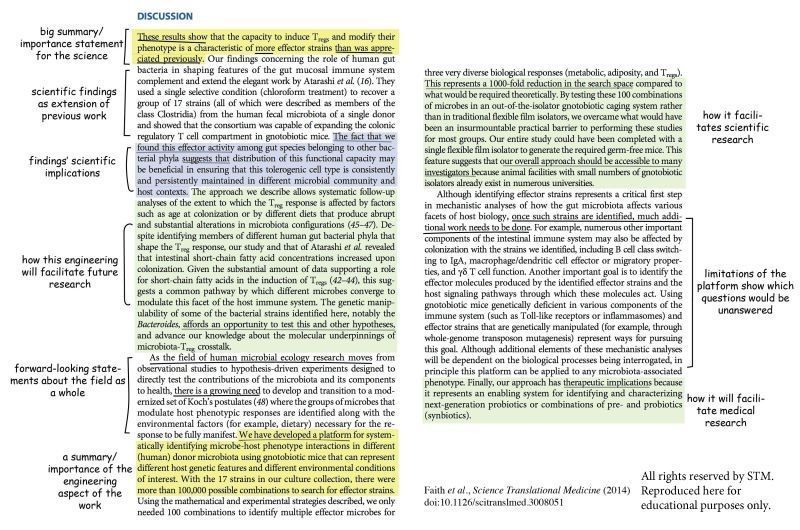
#1 critical writing section most students struggle with: Discussion

Follow this template (𝘸𝘪𝘵𝘩 𝘦𝘹𝘢𝘮𝘱𝘭𝘦𝘴) to make your life easier ⤵

🔹 Start with a Big Summary/ Importance Statement:

"𝘖𝘶𝘳 𝘳𝘦𝘴𝘶𝘭𝘵𝘴 𝘥𝘦𝘮𝘰𝘯𝘴𝘵𝘳𝘢𝘵𝘦 𝘢 𝘯𝘰𝘷𝘦𝘭 𝘮𝘦𝘤𝘩𝘢𝘯𝘪𝘴𝘮 𝘣𝘺 𝘸𝘩𝘪𝘤𝘩 𝘟 𝘪𝘯𝘧𝘭𝘶𝘦𝘯𝘤𝘦𝘴 𝘠, 𝘰𝘧𝘧𝘦𝘳𝘪𝘯𝘨 𝘯𝘦𝘸 𝘪𝘯𝘴𝘪𝘨𝘩𝘵𝘴 𝘪𝘯𝘵𝘰 𝘡."

🔹 Link Findings to Previous Work:

"𝘜𝘯𝘭𝘪𝘬𝘦 𝘱𝘳𝘦𝘷𝘪𝘰𝘶𝘴 𝘴𝘵𝘶𝘥𝘪𝘦𝘴 𝘵𝘩𝘢𝘵 𝘴𝘶𝘨𝘨𝘦𝘴𝘵𝘦𝘥 𝘈, 𝘰𝘶𝘳 𝘧𝘪𝘯𝘥𝘪𝘯𝘨𝘴 𝘪𝘯𝘥𝘪𝘤𝘢𝘵𝘦 𝘉, 𝘩𝘪𝘨𝘩𝘭𝘪𝘨𝘩𝘵𝘪𝘯𝘨 𝘵𝘩𝘦 𝘳𝘰𝘭𝘦 𝘰𝘧 𝘊."

🔹 Discuss the Scientific Implications:

"𝘛𝘩𝘦𝘴𝘦 𝘧𝘪𝘯𝘥𝘪𝘯𝘨𝘴 𝘴𝘶𝘨𝘨𝘦𝘴𝘵 𝘵𝘩𝘢𝘵 𝘮𝘢𝘪𝘯𝘵𝘢𝘪𝘯𝘪𝘯𝘨 𝘋 𝘤𝘰𝘶𝘭𝘥 𝘣𝘦 𝘤𝘳𝘶𝘤𝘪𝘢𝘭 𝘧𝘰𝘳 𝘌, 𝘱𝘳𝘰𝘷𝘪𝘥𝘪𝘯𝘨 𝘢 𝘯𝘦𝘸 𝘱𝘦𝘳𝘴𝘱𝘦𝘤𝘵𝘪𝘷𝘦 𝘰𝘯 𝘍."

#manuscript #publication #phd #academiaImage 🔹 Highlight Future Research Directions:

"𝘍𝘶𝘵𝘶𝘳𝘦 𝘴𝘵𝘶𝘥𝘪𝘦𝘴 𝘴𝘩𝘰𝘶𝘭𝘥 𝘦𝘹𝘱𝘭𝘰𝘳𝘦 𝘵𝘩𝘦 𝘪𝘮𝘱𝘢𝘤𝘵 𝘰𝘧 𝘎 𝘰𝘯 𝘏, 𝘱𝘢𝘳𝘵𝘪𝘤𝘶𝘭𝘢𝘳𝘭𝘺 𝘪𝘯 𝘤𝘰𝘯𝘥𝘪𝘵𝘪𝘰𝘯𝘴 𝘰𝘧 𝘐."

🔹 Make Forward-Looking Statements:

"𝘛𝘩𝘪𝘴 𝘳𝘦𝘴𝘦𝘢𝘳𝘤𝘩 𝘱𝘢𝘷𝘦𝘴 𝘵𝘩𝘦 𝘸𝘢𝘺 𝘧𝘰𝘳 𝘥𝘦𝘷𝘦𝘭𝘰𝘱𝘪𝘯𝘨 𝘑, 𝘸𝘩𝘪𝘤𝘩 𝘤𝘰𝘶𝘭𝘥 𝘳𝘦𝘷𝘰𝘭𝘶𝘵𝘪𝘰𝘯𝘪𝘻𝘦 𝘒."

🔹 Summarize the Methodological Significance:

"𝘖𝘶𝘳 𝘪𝘯𝘵𝘦𝘨𝘳𝘢𝘵𝘪𝘷𝘦 𝘱𝘭𝘢𝘵𝘧𝘰𝘳𝘮 𝘢𝘭𝘭𝘰𝘸𝘴 𝘧𝘰𝘳 𝘦𝘧𝘧𝘪𝘤𝘪𝘦𝘯𝘵 𝘴𝘤𝘳𝘦𝘦𝘯𝘪𝘯𝘨 𝘰𝘧 𝘓, 𝘴𝘪𝘨𝘯𝘪𝘧𝘪𝘤𝘢𝘯𝘵𝘭𝘺 𝘳𝘦𝘥𝘶𝘤𝘪𝘯𝘨 𝘵𝘩𝘦 𝘵𝘪𝘮𝘦 𝘢𝘯𝘥 𝘳𝘦𝘴𝘰𝘶𝘳𝘤𝘦𝘴 𝘯𝘦𝘦𝘥𝘦𝘥."
May 19, 2024 5 tweets 2 min read
It's 2024.. if you're still not using AI in your research, you're falling behind!

AI is like having a team of free research assistants working 24/7

For the past 5+ years (yes, that's way before ChatGPT), I've been:

-- Extensively testing AI tools (for my thesis)
-- Experimenting with ethical AI integration in research
-- Completing tons of research projects using AI successfully

And now, I'm ready to share my secrets with you!

Here's what I'll cover (check the video) ⤵

And you get my paid Chatgpt ebook + tool selection workbook for FREE (worth $40+)
--> check out this Twitter thread for the sneak peak

𝗘𝗮𝗿𝗹𝘆 𝗯𝗶𝗿𝗱 𝗲𝗻𝗱𝘀 𝗶𝗻 3 𝗵𝗼𝘂𝗿𝘀. Bonus 1: Interactive Workbook

It includes ⤵️

--> Research Project AI Feasibility Assessment.

--> Framework to Identify the Right Literature Review Tools

--> Personalizing Your Literature Review Toolkit
Jan 29, 2024 9 tweets 4 min read
Don't hate ChatGPT
Hate the prompts you are using!

Here's a formula to use #chatgpt for #research ⤵

Check out the whole thread to 𝘨𝘦𝘵 𝘮𝘺 100 𝘧𝘪𝘦𝘭𝘥 𝘵𝘦𝘴𝘵𝘦𝘥 𝘱𝘳𝘰𝘮𝘱𝘵𝘴 𝘧𝘰𝘳 𝘍𝘙𝘌𝘌!Image Role + Context + Task + Example + Doc Format + Tone
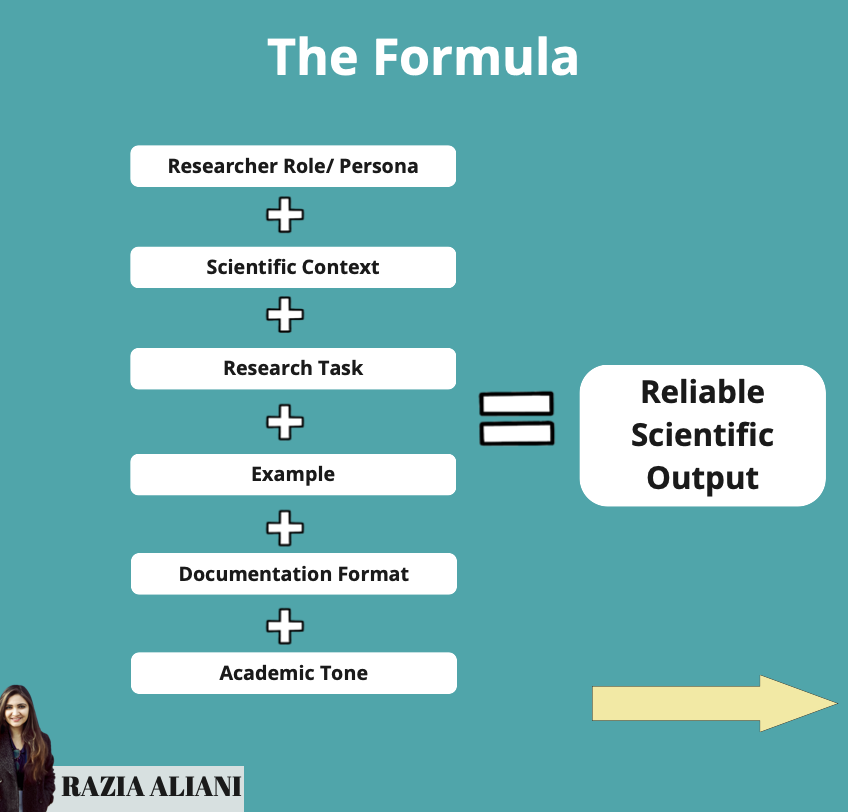
= Reliable Scientific Output Image
Jan 11, 2024 9 tweets 4 min read
ConsensusGPT is ranked #1 in the world!

But 95% researchers don't know how to use it properly!

Here's a comprehensive tutorial of its use cases ⤵️
(prompts included)

1⃣ 𝐃𝐞𝐛𝐚𝐭𝐢𝐧𝐠 𝐏𝐞𝐫𝐬𝐩𝐞𝐜𝐭𝐢𝐯𝐞𝐬

Query ConsensusGPT for an author's perspective & subsequently request a science-based critique, all sourced from a vast academic repository.

For example:

"Provide Dr. Sylvia Earlie's perspectives on the impace of climate change on world oceans, then science based critique on her work from academic sources"

@ConsensusNLP @airesearchtools #aiinresearch #chatgpt #customgpts #academia #ai #literaturereview #scientificresearch 2⃣ 𝐄𝐱𝐩𝐚𝐧𝐝𝐢𝐧𝐠 𝐋𝐢𝐭𝐞𝐫𝐚𝐭𝐮𝐫𝐞 𝐑𝐞𝐯𝐢𝐞𝐰𝐬

Enter your research abstract & have it scour 200M+ academic papers to bring forth diverse methodologies & applications relevant to your field.

For example:

"Identify papers that take a different methodological approach or apply this topic in another context. Please provide links of the research papers too."

PS. ConsensusGPT was previously known as ResearchGPT
Jan 7, 2024 11 tweets 3 min read
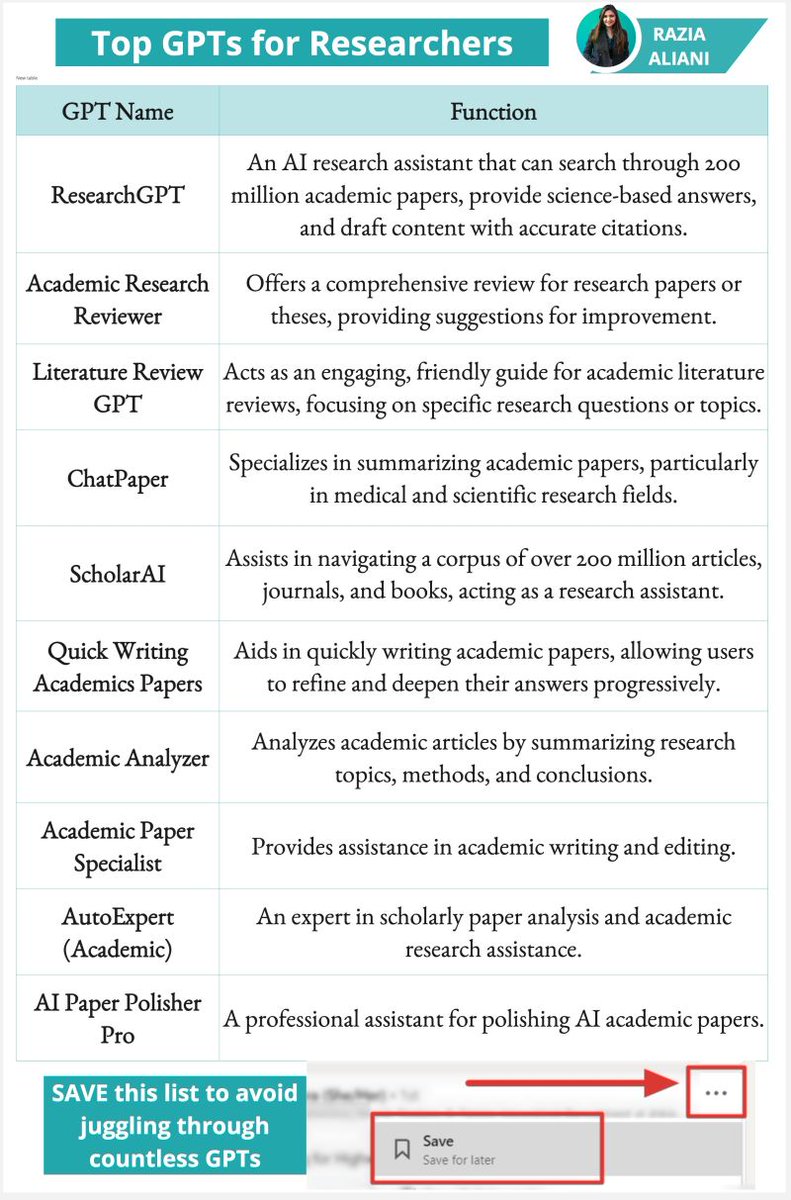
Don’t juggle through gazillions of GPTs to find “the one.”

Here's a curated list of 𝐓𝐨𝐩 𝐆𝐏𝐓𝐬 𝐟𝐨𝐫 𝐑𝐞𝐬𝐞𝐚𝐫𝐜𝐡𝐞𝐫𝐬.

Check out the links below 👇

#research #academicwriting #phdlife #academia Image 1️⃣ ResearchGPT
AI assistant for academic paper search and chat.openai.com/g/g-bo0FiWLY7-…