
Applied Sport Scientist | High Performance Leader | Performance Consultant | Researcher | Maximising Human Performance 🥇
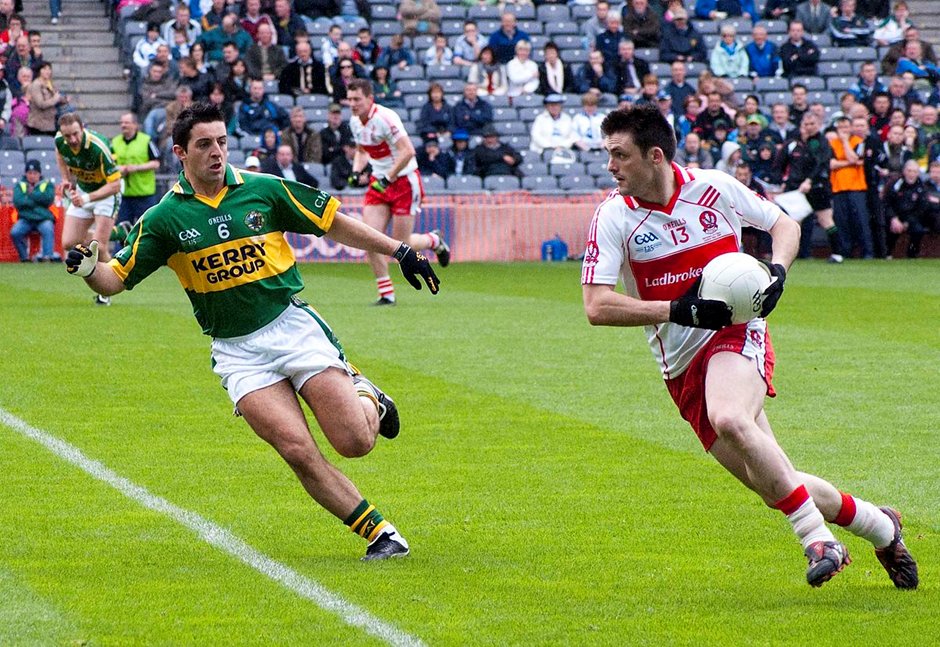 2/ Building on work in muscle fibre typology 💪—e.g. Type I dominance ➡️ faster recovery (@eline_lievens et al. 2020) & overreaching risks in Type II profiles (@Phil_Bellinger et al. 2020)—their work links variability in training dose-response (D-R) to physiological profiles 🧬
 2/ Before diving in, it's essential that all training, including interval training, first addresses the critical performance determinants of the sport & event; underpinned by first principles understanding of the unique requirements 🧑🔬👇
 2/ Races of similar durations should stress the body similarly, right? Not exactly. Rates of force development, cadence, and duty cycles differ significantly across sports, shaping muscle recruitment & fatigue development. This changes everything 🏃♂️🏊♂️🚴♂️
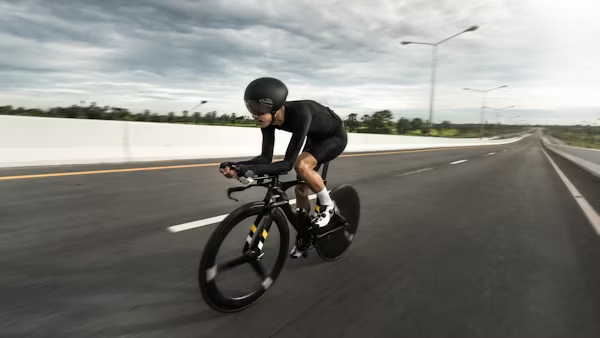 Higher cadences recruit MORE fast-twitch (Type II) muscle fibres 🦵 than lower cadences. These fibres are less oxidative, more glycolytic, and less efficient, increasing energy costs and anaerobic metabolism - not reducing muscular involvement 📉