سامي العريان
University Professor.
Son of 1948 expelled Palestinian refugees.
Targeted by US for his activism: See USA vs Al-Arian https://t.co/KmbFLACtik
Jun 15 • 10 tweets • 3 min read
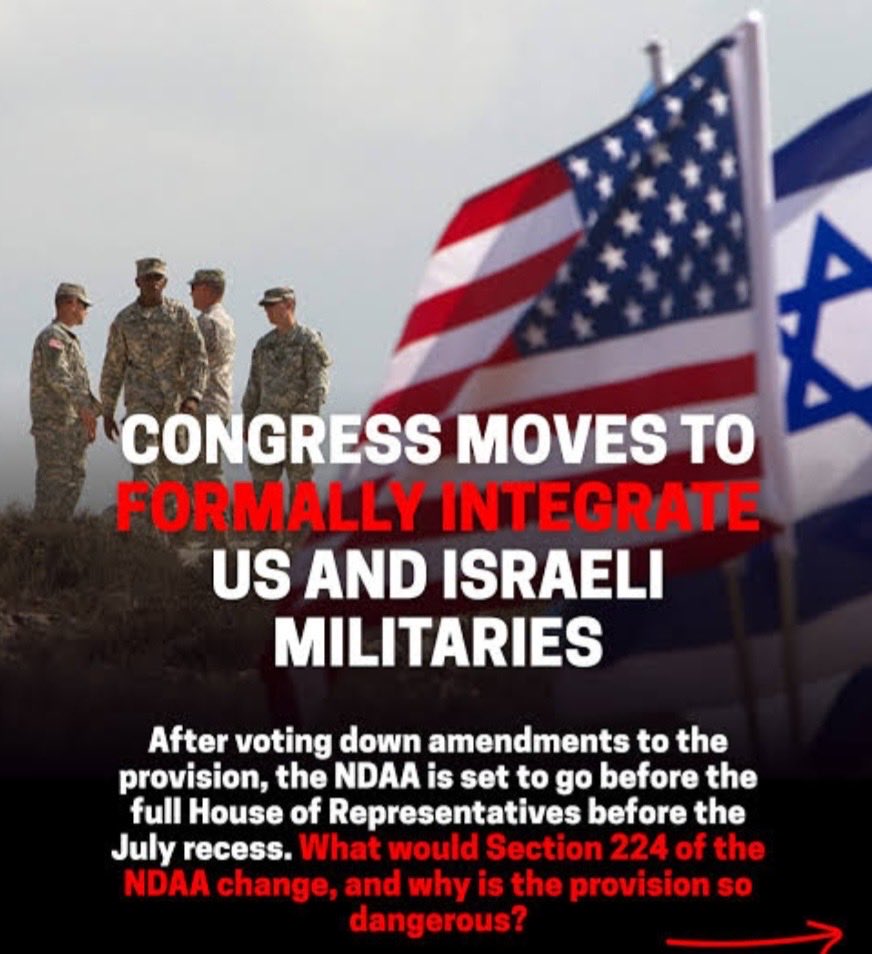
Thread: National Security Alert: Israel's firsters at work in Congress
(10 part thread).
What Congress is actually doing on U.S.–Israel policy (and why it matters)
1/10
Three measures are being pushed in Washington right now—backed by AIPAC and powerful lobbying networks and moving with unusual speed.
Individually, they look technical.
Together, they represent a structural shift—away from public accountability and toward permanent integration.
Here’s what they are:
2/10
The Stutzman Resolution (H.Res. 1339)
Marketed as “ending aid.” That’s misleading.
It doesn’t end support—it repackages it.
Instead of direct, visible military aid, it pushes:
– Joint defense development
– Co-investment in military tech
– “Equal partnership” frameworks
Translation:
Move support out of transparent budget lines and into integrated systems that are harder to track, debate, or challenge.
Mar 13 • 4 tweets • 7 min read
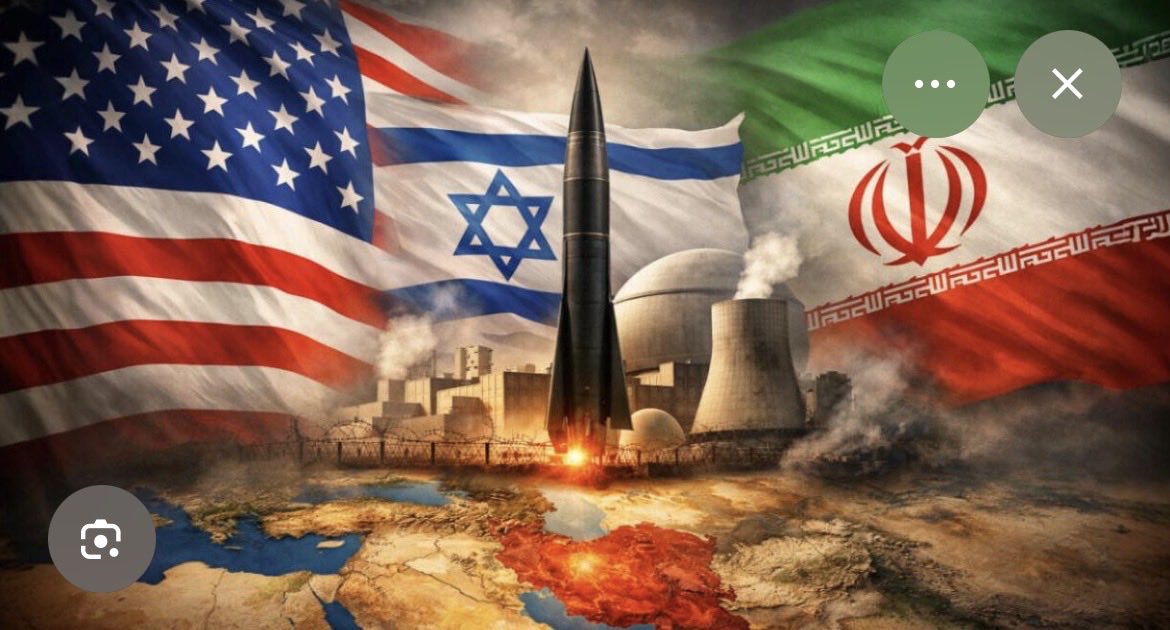
Why the U.S.–Israeli War on Iran Cannot Succeed (see thread- 16 parts)
1. War Objectives – U.S./Israel
The war aims to impose Zionist supremacy and reshape the regional order by forcing Iran’s surrender. The political goals are clear: regime change, regime collapse through internal chaos and demonstrations, or fragmentation of the Iranian state. In essence, the war seeks to eliminate Iran as the central pillar of resistance to Israeli hegemony.
2. Assessment of These Objectives
Despite massive bombing, assassinations, and attacks on infrastructure, none of these objectives have been achieved. Military punishment has inflicted damage but has not produced political submission, regime collapse, or strategic surrender.
3. Iran’s Objectives
Iran’s objective is simpler and therefore more attainable: survival of the state and defeat of the enemy’s political goals. If the regime survives, preserves its military capabilities, and maintains its regional alliances, Iran will have achieved its strategic objective regardless of the destruction inflicted.
4. U.S.–Israeli Strategy
Washington and Tel Aviv rely on vertical escalation: overwhelming airpower, overwhelming strikes, decapitation operations, and attacks on strategic infrastructure. The assumption is that sufficient pain will force Iran to capitulate or trigger internal collapse.
5. Iranian Strategy
Iran relies on asymmetric warfare and horizontal escalation. Instead of matching U.S. airpower, it expands the battlefield: missile strikes on Israeli cities and infrastructure, attacks on U.S. bases and interests, pressure on American allies, disruption of energy routes, and threats to the Strait of Hormuz. The goal is to transform the war into a regional crisis that the United States cannot control.
6. The Role of the Axis of Resistance
Iran does not fight alone. Its strategic depth includes the broader axis of resistance. Hezbollah in Lebanon, resistance groups in Iraq, the Houthis in Yemen, and Palestinian resistance in Gaza collectively expand the battlefield beyond Iran’s borders. This network ensures that the war cannot remain confined to a single front and imposes continuous pressure on Israel and its allies across the region.
7. The Lebanese Front
The Lebanese front will likely transform the rules of engagement that existed before the war. Sustained confrontation along the northern front will impose heavy military and economic pressure on Israel, forcing it to fight on multiple fronts simultaneously and exposing its vulnerability to prolonged conflict.
8. Gaza and the Palestinian Front
Gaza remains central to the conflict. Continued resistance amid Israeli occupation there prevents Israel from concentrating its full military capacity on other fronts and reinforces the reality that this war is tied to the unresolved Palestinian question. The outcome of this war will directly shape the future of Gaza and the broader Palestinian struggle.9. Potential Expansion of the War
If regional Arab allies directly join the conflict, the Houthis in Yemen will almost certainly expand their engagement. This would threaten shipping lanes, energy infrastructure, and global trade routes, thus widen the war and raise its economic costs for the United States and its allies.
10. Trump’s Strategic Dilemma
Trump faces a classic imperial trap. Escalation risks a wider regional war that could further disrupt the global economy, spike energy prices, and endanger U.S. forces across the Middle East. Withdrawal, however, would expose the failure of the war and leave the Zionist regime facing Iran and its regional network alone. This dilemma explains the contradictory signals: threats of escalation combined with quiet attempts to find mediators.
11. Israel’s Strategic Problem
Israel depends on rapid and decisive wars. It cannot sustain prolonged strategic attrition. A small and highly concentrated state, with nearly half its population in the Tel Aviv metropolitan area, is extremely vulnerable to sustained missile attacks on infrastructure and economic centers.
12. The Asymmetry of the Battlefield
Iran is a vast country with strategic depth, a large population, and decades of experience surviving sanctions and war. Israel, by contrast, is geographically small and economically exposed. What Israel seeks is a quick victory. What Iran seeks is time.
13. The Real Question of the War
The decisive issue is not who can inflict more destruction. The real question is who can endure longer and whose political objectives are achievable. In other words, who can withstand the threshold of pain imposed by this war. On this question, Iran holds the strategic advantage.
14. Why Iran Is Positioned to Win
The U.S.–Israeli coalition must achieve extremely ambitious goals: surrender, regime change, or collapse of the Iranian state. Iran needs only one outcome: survival. As long as Iran remains intact and capable of retaliation, the central political objective of the war will have failed.
15. Strategic Outlook
If the war continues along its current trajectory, the most likely outcome is the defeat of the U.S.–Israeli political objectives. Iran will survive, the axis of resistance will remain intact, Israel will absorb unprecedented costs, and the regional balance of power will shift further against Israeli hegemony.
16. Implications for Trump and the Global Order
A failure to defeat Iran would carry major consequences for Trump’s agenda and for the international system. It would expose the limits of American military power, weaken U.S. credibility among regional allies, and accelerate the erosion of the American-led order. A prolonged war that disrupts energy markets and global trade could trigger economic shocks that undermine Trump’s domestic priorities. At the regional level, the survival of Iran and the strengthening of the axis of resistance would mark a decisive shift in the balance of power, further weakening Israeli hegemony and opening the door to a new and more contested regional order.