Sandy Petersen 🪔 Profile picture
Game Designer and Father of Lovecraftian gaming. CEO of Petersen Games. Also Doom, Age of Empires, etc. Subscribe for exclusive game insights & history!
Jul 3 • 4 tweets • 3 min read
Often when I reminisce about my time at id Software, John Romero helpfully chimes in with corrections.

I appreciate his thoughts. I don’t want anyone to think that he and I are having a “feud”.

Memories from that era naturally vary depending on our roles and the passage of time—mine from the later Doom/Quake days, his from the foundational Wolf3D/early Doom period.

It’s great to see these stories still entertain new generations of designers and players.
1/3Image You may wonder “how does Sandy get things wrong? Wasn’t he there?”

Well, yes I was there. But there are two factors here.

First, my “errors” aren’t usually that large. Doom WAS banned from university networks, as both John and I said. So any perceived dispute is perhaps a matter of perspective.

First, id Software was not great at in-house communication, as I’m sure John will agree. At least about non-game things.

I often got told things that were incomplete or incorrect. For instance I was absolutely told about the shyster programmer about the time we were doing our own network code, and I distinctly remember John Carmack complaining about doing it. John Romero is the guy who told me about the con-man so really I think it’s reasonable to blame him for my getting the timing of the events wrong. Ha ha.

To be fair, none of these “historical” miscommunications affected the game. We were really good at synching up for stuff that actually mattered.
2/3Image
Jul 2 • 9 tweets • 7 min read
The house doesn't always win. Four anecdotes in which "I was there" when game companies got fleeced. Thrice by individuals, once by their own publisher.

First, id Software and our non-network code. John Carmack told me that while our game worked great on a network, they had hired a guy to do the code over dial-up internet. He lived out-of-state (IIRC, California). I was told that he was a brilliant programmer, and that his current boss knew he was coding for id as a side gig. AND that when he finished his current project, he'd leave his company and come work for id Software.
1/8 Well. It wasn't true. At least not from the contractor's end. A few weeks before we were ready to launch, we called to see how the dial-up code was going.

I wasn't present on the call of course, but John Romero told me, smiling ruefully, that we'd contacted the contractor's boss, who laughed at us. The only thing true about the contractor was that he WAS a genius programmer. So genius that his boss kept him even though he was practically a pathological liar. He had done zero work on our dial-up code, and never planned to leave his current employment, since he was well aware anyone else would fire him in a flash.

John Carmack used DWANGO to instigate dial-up, but our network code had some issues that caused us to get banned at universities all over America until we fixed it, as I recall about a month after. Probably hurt us in that first month or so.

The contractor? He just pocketed the money and did nothing. We didn't go after him. I guess the Johns felt that him not getting hired by id Software after he saw Doom's success was punishment enough. I guess it was.
2/8Image
Jun 29 • 10 tweets • 8 min read
Graphics sell games and keep players entertained. Gameplay keeps players coming back for decades. Which actually matters more?

In 1991, I attended a Game Developer Conference in 1991. A year or so earlier, Wing Commander by Chris Roberts had come out, as well as the expanded version of Balance of Power by Chris Crawford.

The two Chris' got in a shouting argument in a hallway over video game graphics. Chris Roberts’ argued that that graphics are core to the game experience. Chris Crawford took the rather extreme stance that graphics actually hurt gameplay. I think both of them, in their anger, overstated their position.
1/9Image
Image
Clearly in early games, the graphics sucked so hard that we had to rely on pure gameplay. Think about Pong or Asteroids, early Atari games, or even text adventures. I mean, even Duck Hunt was seen as a huge step forward.

By the early 90s, 3-D appeared with polygons, then high-res textures. Graphics started become a selling point.
2/9Image
Image
Jun 25 • 7 tweets • 6 min read
How MicroSoft murdered Ensemble.

In a side note, Elon Musk himself dropped in on my Quake thread from a night ago. Sir - with respect, what are you doing commenting on my puny thread? Go take humanity to Mars!

Anyway, Microsoft's purchase of Ensemble (as described yesterday) was great for us. Our worthless Ensemble stock became valuable MicroSoft stock. I paid off my house. And MicroSoft's ownership didn't change much because they were already our publisher and we already had spent time working with their idiot marketers.

MicroSoft had learned lessons. When they bought FASA, they moved the company to Redmond, broken it up in different teams (different buildings even) and then FASA basically never did much again. When they bought Bungie, they moved them to Redmond, but kept them all in the same building working together. It took Bungie 6 months before they were able to produce. So when they bought us, they just left us in situe, in Dallas, figuring we'd become an awesome cash cow. Which we did.
1/6 We created Age of Mythology (our worst seller - still sold over a million copies in its first four months). We created Age of Empires 3, which sold more than 4 million copies. I created the War Chief expansion which sold a colossal amount (sorry don't have a hard number). And then we went two directions.

One team began to build a science fiction RTS game for the X-Box (MicroSoft was desperate for us to make an X-Box game). This eventually morphed into Halo Wars. The other, much larger, team was creating a science fiction MMO code-named Titan. It was set in the age of the Forerunners, many millenia before Halo. You actually got to play the Forerunners or, of course, the ancestors of the Covenant. My job was to create the lore and backstory for the entire universe which was pretty sweet for a roleplaying old-timer like me.
2/6Image
Image
Jun 24 • 6 tweets • 5 min read
How Ensemble Studios got bought by MicroSoft.

Ensemble Studios was amazingly successful. We produced only one game that sold less than 2 million copies, and THAT one sold a million so was no failure. Even the expansions (which I led) sold a million copies or more.

In 2000, MicroSoft needed to sign a new contract with us for our upcoming games. The contract sucked. It was literally equal to or worse than the contracts offered to their other partners. We balked. The problem was that MicroSoft is so huge, that it is divided into different satrapies that don't answer to each other. The contract-signing division get rewarded, basically, for handing out sucky contracts that benefit only MicroSoft. But the game publishing division was rewarded for selling great games, and Ensemble Studios was a rock star.
1/5 The contract-signers didn't care. Ensemble Studios earning a million billion dollars for the game publishers wouldn't affect THEM - their bosses only gave them bonuses for screwing us over. And since our games were earning tens of millions for MicroSoft, every extra percentage point they could shortchange us was gravy for them. They did not understand the principle that keeping Ensemble Studios happy would mean MicroSoft would make VASTLY more money in the long term, Or even the short term.

But because the contract guys were monsters of selfishness, they couldn't see this.
2/5Image
Jun 24 • 4 tweets • 3 min read
How Quake ruined id Software.

There has been a lot of praise of Quake of late, with its 30th anniversary, and it's deserved. Quake is an amazing feat of art, programming, and design. I worked on it, and everything came together almost perfectly from all of us. We ended up with a free-wheeling, frenetic action game with enough of a visible world to grip the imagination.

All the team did a brilliant job, fulfilling tasks just right. But at a grim cost. We worked long and hard, and I think it broke us spiritually.
1/3 Here is the toll it took. Within a couple years of finishing Quake, the following men left id Software:

John Romero(!), Shawn Green, Dave Taylor, Mike Abrash, and American McGee. (Oh yes, and me.) Some of us were forced out, some left eagerly. But here's the thing - look at we who left. EVERY ONE of us went on to an incredible career in game development, so plainly we didn't depart because of some kind of talent issue. The idea is ridiculous. We were all highly competent, just a little burnt out after the labor of Quake. And if my naysayers want to say, "Well Sandy, YOU should have clearly been ousted because you suck." Okay, but even John Romero was gone. Michael Abrash!! Id's workhorse, Dave Taylor. American! It wasn't just me. You don't think id Software suffered by losing John frigging Romero?!

Id Software was never the same aftger. In my opinion (only an opinion), the only other truly great game that id produced was Quake 3, and it was not at the level of the pre-Quake games.
2/3
Jun 19 • 4 tweets • 1 min read
This is a really good rule.

Try it out on Loki, Draco Malfoy, Hannibal Lecter, and Killmonger. You'll see how totally correct the DeVito rule is. Image For women, we can call it the Roseann Barr rule. Would guys still crush on Harley Quinn or Queen Akasha or Maleficent if they were played by Barr? (The answer is no.) Image
Jun 17 • 5 tweets • 4 min read
What do giant game companies do for us?

They have four main functions.

First: they buy smaller companies and then destroy them. Where is Westwood? Pandemic? Lionhead? Visceral Games? Tango Gameworks? Bullfrog? Origin Systems? Maxis? These were not minor developers. They made some of our best loved games ever.

Think back about these amazing companies and how they were killed. And I'm not even mentioning Ensemble Studios.
1/4Image Second: the big company, who owns the IP, takes it away from the original team and gives it to another, cheaper or better-connected politically team and let them ruin it.

Remember Spyro the Dragon? Crash Bandicoot? Halo? Metal Gear Solid? Mass Effect? Dead Space? Fallout? Banjo-Kazooie? Prince of Persia? Star Wars: Battlefront? Sonic the Hedgehog had it happen multiple times.

ALL THESE were successful great games. ALL had the IP ripped away and given to timer-serving incompetents. Search your feelings. You know it to be true.

I spoke to the woman who was one of the chief level-creators for Spyro at GDC. She was so enthusiastic about the clever things she'd done to make it work. I guarantee her replacement did it by the numbers, which is why Enter The Dragonfly was a soulless waste of time. Plus it was full of bugs.

Below is a shot from Mass Effect: Andromeda, the retarded stepchild of a game stolen from the original Bioware team.
2/4Image
May 27 • 5 tweets • 5 min read
Where did Call of Cthulhu's Sanity System come from?

In 1980 I got the job of writing The Call of Cthulhu roleplaying game. Even back then, my goal was always for my games to reflect the game's theme as much as possible. I wanted players to feel like they were in a ghost story or a horror movie. I guess I didn't, and still don't, look on my games as just games - but as fun experiences, that you control instead of an author.

Anyway, one feature of Lovecraft's tales is that the hero often freaks out, goes insane, or faints dead away. So I wanted this in the game. The monsters would be so shocking that the hero would swoon or go into hysterics.

To reflect this, I created the Sanity system. I gave each player an amount of Sanity, and as they learned more about the Cthulhu Mythos, or saw monsters, or read terrible arcane books, their Sanity would seep away.
1/4Image Now, my idea for the monsters was that this would just be one more tool that the monsters would have at their disposal. They could claw or tentacle you, they could cast spells, AND they could blast your Sanity with their horror.
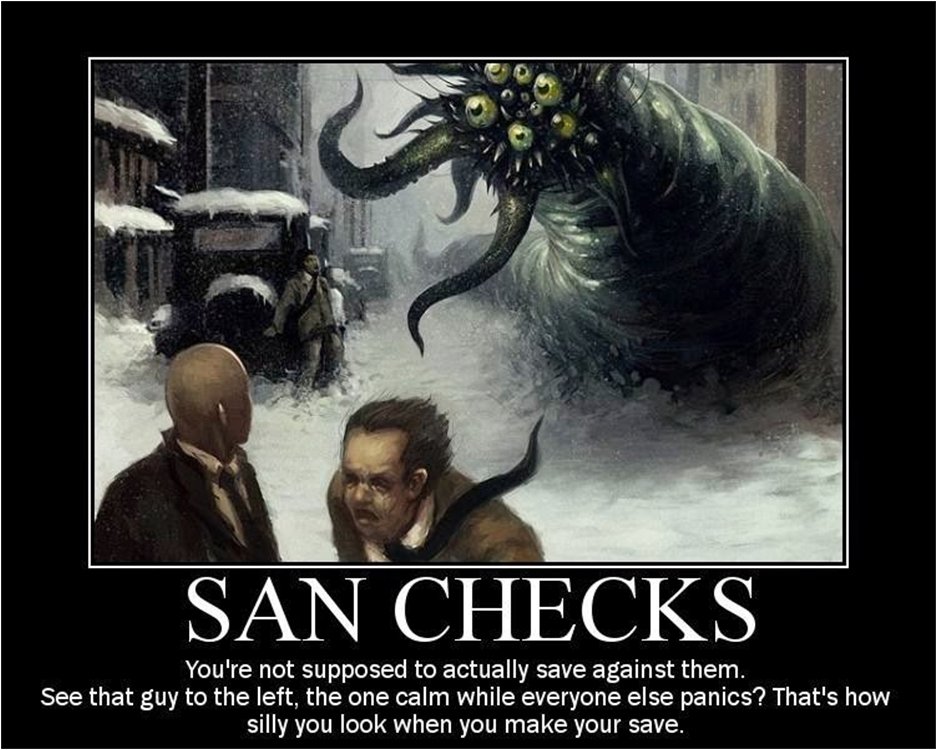
The first time I tested Sanity was in Davis California. The players were alerted to how Sanity worked. They were playing the scenario The Haunted House (still available). They'd found a creepy old book and found a spell in it which they were going to cast. I told them it was "Summon Malignity From Beyond" but they weren't discouraged. They collected the components and cast it. I tried to make it all theatrical - "You hear a weird rasping noise in the air. A blue-lit portal opens! A talon claws forth!"

And here I was astounded. One player said, "I'm covering my eyes." Another said, "I run upstairs." A third said, "I'm turning my face to the corner." Wow! This would NEVER happen in D&D, or any other RPG. Knowledge is power! Why would you not want to look?

Well of course it was because the monster was scary. I hadn't realized this would actually make the players act as if their characters were frightened! I'm not saying the PLAYERS were scared, but they acted that way.
2/4Image
May 25 • 5 tweets • 5 min read
It's Memorial Day, and so I want to remember some of my family that fought for their country.

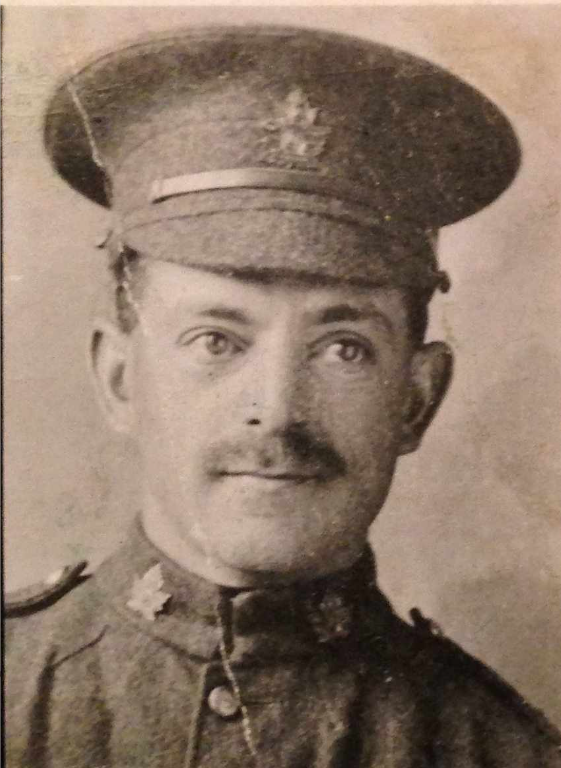
My grandfather, Jack Ousey, emigrated to Canada from Wales, and joined the Canadian Army around 1915. His one and only battle in WW1 was the Somme! He got shot in his arm and leg and lay in a mud puddle for three days. The German Red Cross found him and saved his life. He spent the rest of the war in a prison camp, working on a farm during the summer, and at a lumber camp in the winter.

When he got home, his wife was living with another man. Yes, she knew he was alive - the Red Cross sent letters. So remember, military members. Josey is always waiting, in every time, every age. Eventually they split and he went to Chicago where he found my grandmother. He was an incredible man with many more parts to his story, but today I wanted to focus on just his military career. Also may Douglas Haig rot in the lowest circle of Hell for his arrogance, incompetence, and condemning so many good men to death and crippling. My grandpa did manage to survive his ineptitude, but so many did not.
1/4Image My wife's father served in Germany in the 103rd Infantry during World War 2. He was actually part of a so-called tank destroyer battery. I say "so-called" because his unit only ever had towed guns. When they first landed in France they had 37mm and they knew these were worthless. They got upgraded to 57mm pretty quick. Not a lot better. Granddad wasn't on a gun crew though. He carried a rifle and stayed in foxholes.

His unit fought through the Vosges, stormed both the Maginot and the Siegfried Lines, and eventually liberated one of the Dachau camps. As far as I know his unit never encountered a German tank, though they saw StuGs and trucks.

One of his stories was about going through the famous Dragon's Teeth of the Siegfried Line. He said as he was walking, he heard a voice cry out, "Duck!" and he jumped behind a "tooth" just as machine-gun fire spattered the place he stood. No one else was around so he attributed it to heaven warning him.

In another story, they were taking mortar fire so he and a friend jumped under a truck for cover. When the bombardment ended, they crawled out from under the truck, and looked at it. It was an ammunition truck! Worst cover ever.

He said as they advanced, sometimes instead of digging their own, they got to occupy a German foxhole. He said German holes were the best - neatly dug, with shelves for storage cut into the walls. Much better than American foxholes.
2/4Image
May 22 • 5 tweets • 3 min read
What was “Titan”? Ensemble Studios last planned project?

Many of us loved World of Warcraft. (In our defense, this was back in 2007-8, when it was still fun.) We decided to do our own MMO based on our years of experience in MMOs, and our chops in game creation.

We decided to use MicroSoft’s favorite license - Halo.
1/4Image But not in the current Halo universe. If you know Halo lore, you know the galaxy’s sentients were wiped out by the Halos tens of thousands of years ago. We set our game BEFORE the Halos fired.

You could play the Forerunners - a mostly-human faction, or the Covenant; a confederation of aliens who opposed the Forerunners because the latter had built a wall to keep out the Flood. And the Covenant was on the wrong side of the line.

We had extra races, such as the Mimics. Our idea was that many Covenant races were wiped by the Halos and only a few were preserved somehow.
2/4Image
May 19 • 5 tweets • 4 min read
How I kill players' characters in my roleplaying games (yes, even Call of Cthulhu).

The rule is that I always give them three chances. First, I warn that there IS a threat. I adjust the warning by threat level.

For instance, in the case of a danger the party can readily handle, a local might say, "You know, not everyone who enters the woods during the Teddy Bear's Picnic comes out again."

But if it's something really serious that I want to alert them to, the locals might say, "No one has EVER returned from the Devil's Playground. Not EVER."

Both these examples are from my Runequest campaign. The Teddy Bear Picnic warning discouraged them enough to make better preparations. But they headed right into the Devil's Playground anyway. But that's okay because the goal isn't to warn them away, but to make them aware that there IS peril.
1/4Image The players get their second chance once they are at or in the area of the danger. At this point, instead of just a warning, they see actual physical evidence.

Example: "The gnawed corpse of a Pit Fiend is in the clearing. It can't be more than a few hours old."

Or: "Yes, the last person to spend the night in the Falvey house is in this cell." (They see a twisted, scarred ruin of a woman rocking back and forth, obviously insane.)

The idea here is the players know a little more about what they're getting into. They can prep more, find out more information, or bull ahead. It's up to them.
(art Philippe D'Amours)
2/4Image
May 5 • 5 tweets • 5 min read
Like anyone else, game companies can be cheated, and I witnessed this several times. In 1993, we at id Software played Doom together over our internal network. Now, you have to realize that at the time, we thought few people would want to play by modem or over the nascent internet. But we wanted that functionality, because it was super fun and we liked it.

Now, John Carmack didn't want to program the internet code. We hired a guy who lived in (IIRC) California to do the code remotely. The deal, as it was explained to me, was that he was finishing a project for his current company, and doing our code in his spare time, with his boss's knowledge. When his project was finished, he'd join us in Texas.

Well, when we were ready for our internet code, we called his company in California and got the guy's boss. He laughed hard at us. He told us, "This guy is a good programmer, but he is a compulsive liar. He knows he can never hold a job anywhere else, and I get he hasn't done a lick of work on your connectivity stuff. He just took your money." Well ... the boss was right. We'd been swindled.

Worse, we didn't have that code. So John Carmack spent 2 weeks quickly hammering together something that mostly worked, and then we released Doom. There was some kind of issue with the way we did it, that if Doom was being played with a lot of people on the same net, even if they weren't playing each other, it multiplied the information packets hugely and crashed the system. Within a month Doom was banned on basically every college campus in the country.

So we hired someone to give us new, robust, code and in a month or two Doom was all it could be. Of course John Carmack's not to blame - his strength was in 3-D, not connectivity. Plus he had only 2 weeks to throw it together. That dude in California was the villain and he can rot.
1/4Image In 1999, I made friends with a couple who'd just moved into our church congregation. The husband turned out to be an artist. He was pretty good, and Ensemble was looking for new artists, so I got him an interview. He was hired, and given a $5000 signing bonus.
TWO WEEKS LATER he moved to California, where he had a totally different job waiting for him. He took the job with Ensemble solely to pocket the signing bonus.

I was furious because not only had I recommended him, but the dude was from my church and it reflected on both me and my faith. I don't blame the other Ensemble leads for feeling I should have known, and that was a dark day for me.
2/4Image
Apr 23 • 6 tweets • 7 min read
Let's talk about horror game & adventure design! As the guy who introduced the game world to Lovecraft & Cthulhu, and helped develop Arkham Horror, Doom, Doom 2, (Cthulhu Wars & Planet Apocalypse), here are four lessons I've learned in the last 46 years.
1/6
#CallofCthulhu #GameDesign First rule: build dread through the unknown. Jump scares can work in movies, but they do NOT work in games. You need to keep the players unaware of a monster's full potentiality.

Think of the first Alien movie - part of the reason the creature was so fearsome is you literally didn't know what it was doing. It kept changing behavior and shape. In the escape pod it seemed almost passive - Ripley had to stimulate it into action. It seemed to be sealing itself in with mucus, like it had to go on with its life cycle.

In Call of Cthulhu, while I had to stat out the monsters for game purposes, I tried to leave a lot of open-ended material for keepers to work with. For example, in one scenario (The Monster of Macapa), the players discover that the mi-go have developed a form of their fungal nature which is actually able to infect humans like a disease. In another scenario, the players were holding up in an old apartment building, knowing that Dimensional Shamblers were trying to get them. I had frost appear on the windows of the building - etching patterns suddenly, then the frost began moving inside. Neither of these facets of those creatures are spelled out in the game, but never did a player complain about it. I think in part because I wanted the monsters to be mysterious always. (Compare to a D&D game where I heard players arguing loudly whether a Nilbog can cancel out a Power Word Kill as the DM frantically thumbed through the monster book.)

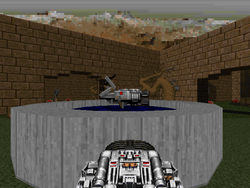
As another example, one of my signature tricks in Doom was to present the player with an empty room. In the center is a pedestal with some useful item on top (BFG, soulsphere, etc.). I may even have a spotlight shining on it. The player KNOWS that if he grabs the goody all hell will literally break loose. He feels trepidation and fear at the unknown. But he grabs it anyway, so all is well from my point of view.

In a game you can't be quite as mysterious and "unknown" as in a book or film, but you can pull it off fairly well.
2/6Image
Mar 24 • 4 tweets • 4 min read
Black slavery in the USA was not a product of capitalism. In the United States, the NORTH was capitalist. The South was pre-capitalist, and their economy was very different.

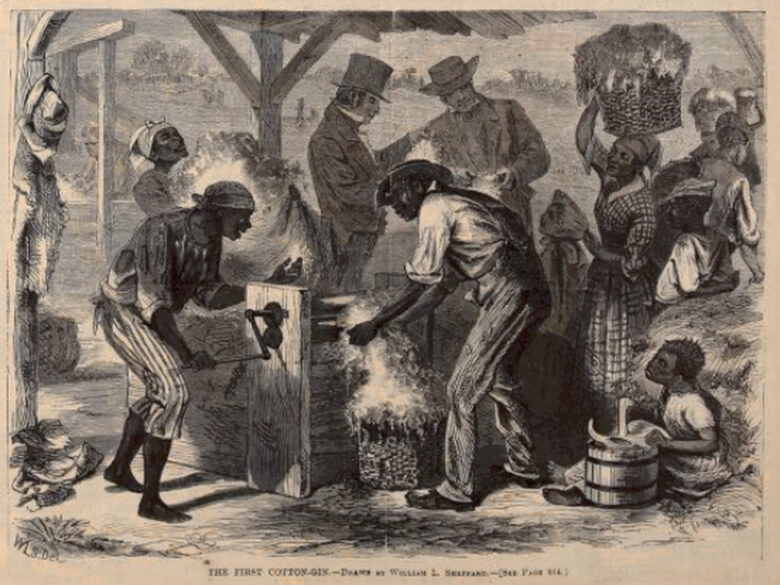
For example, in the antebellum South, if you owned a cloth factory, you yourself were a tailor. Your workers were your apprentices, indentured workers, or slaves. They could not leave your employ to go elsewhere. No one would hire them, and you could legally beat them if they tried to leave.

In the North, what you needed to own a cloth factory was money - capital. You invested your money in a factory, then you hired competent workers to man it. They could leave your employ whenever they wanted.

A northern worker would leave you if he could get a better salary elsewhere, so you had to pay your people enough to keep them around. This is how capitalism benefits the workers - with freedom of labor.
1/3Image Of course, business owners hate the "freedom of labor" and "freedom of competition" aspects of capitalism, and they are always looking for ways to lock in their workers so we can't leave. This is where NDAs, signing contracts, not-yet-vested stock options, etc. all come from. Even worse things happened - company towns, strikebreakers, and monopolies, all of which are in fact attempts to stifle capitalism in the business owner's favor.
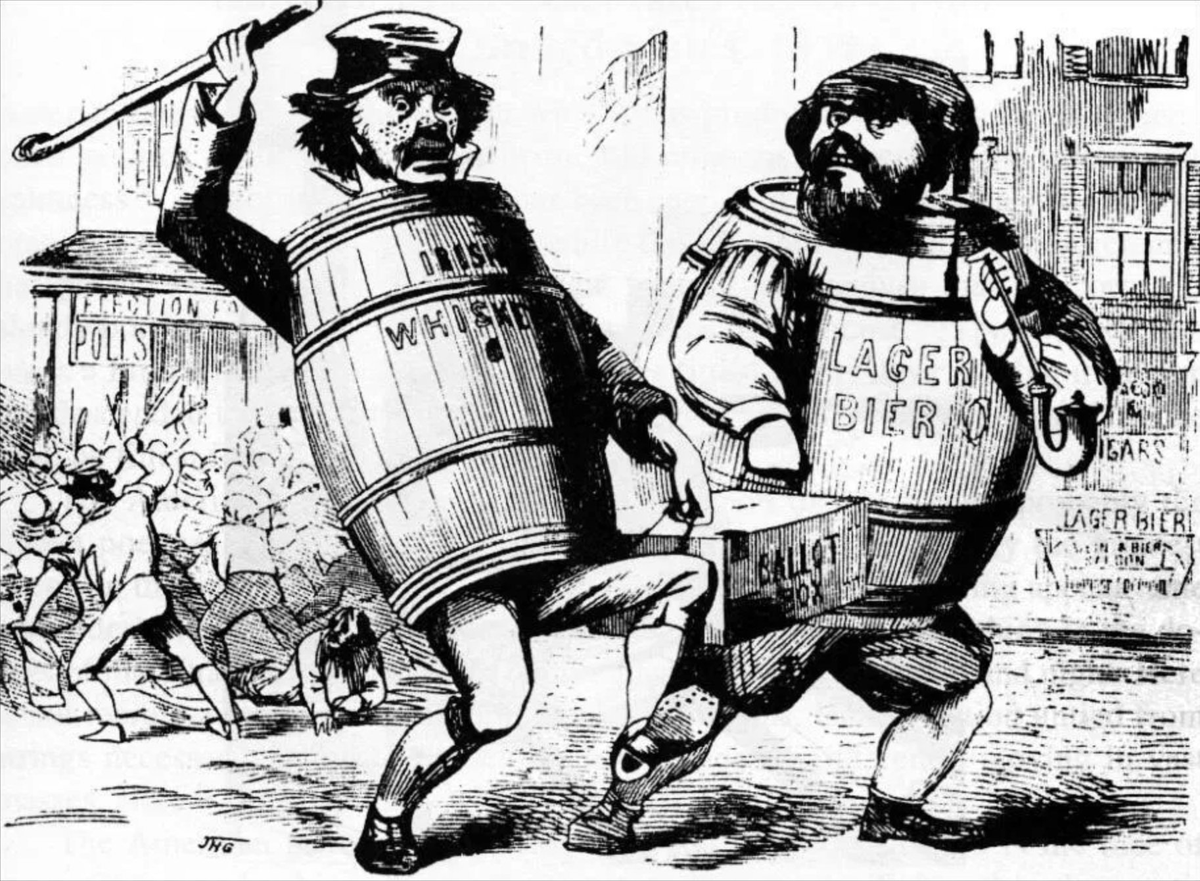
But back when Capitalism was brand-new just before the American Civil War, it worked pretty good, and here were the results:

in 1860, the average northerner was WORTH only half as much as the average southerner. The southerner owned stuff - he owned land, he owned a house, he owned slaves.

The northern factory worker didn't own land, he lived in a flat or townhouse, he had no slaves. So if the northerner was to cash in his wealth, he would seem much poorer than a southerner.

HOWEVER, the average northern had an income about 3 times as much as the average southerner. This was partly because slaves weren't paid much (most masters gave them a pittance), but also because wages were massively depressed because you literally couldn't change jobs, so why should your boss pay you more?
2/3Image
Nov 29, 2025 • 5 tweets • 4 min read
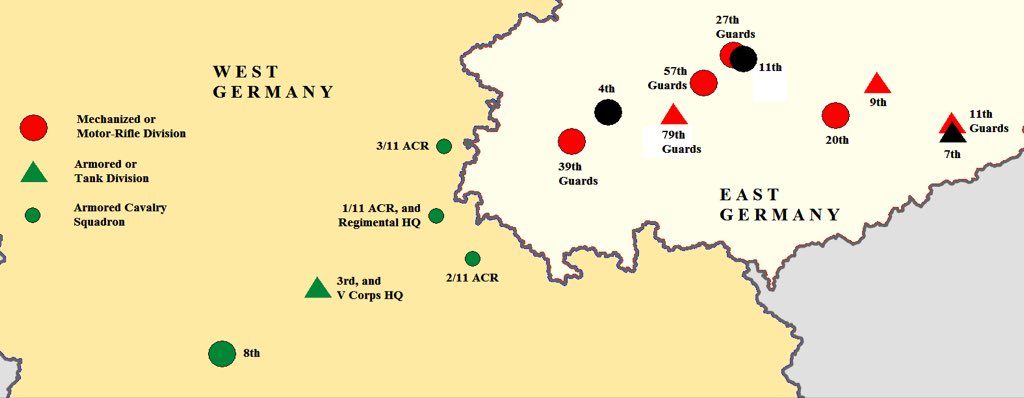
When I was at MicroProse, Sid Meier ran an after hours game that worked like this. We all stayed in our offices, which had terrific intercoms. Sid & a pal were the referees. The rest of us were officers in either NATO or the Warsaw Pact in a division- level action in the Fulda Gap.

Higher commanders had to use the com to tell their underlings what to do. The underlings actually did things, and the refs gave them results or information.
1/Image So I would order my cavalry squadron LTC to check out a hill I saw on the map, and then Sid told the squadron what they saw, and the LTC would get back to me with something like, “There’s a whole regiment of T-80s! We’re taking heavy fire, 4 Bradleys KOed, pulling back!” Then I’d have to figure my next action.
Meanwhile the Soviet player with the tank regiment was alerted he’d been spotted by ground units.

You may ask, “what about air recon?” Well, the opening of the battle was about a thousand Scuds hitting our airfields (props to the Russian player for thinking of this).

We still had helicopters but they were busy elsewhere. Also the Scud strike at least meant the Pact didn’t have any more to hit our command posts.
2/
Oct 21, 2025 • 4 tweets • 4 min read
I've posted this before, but why not again?

In 1997, I was the lead designer of Ensemble's next cool IP - "Sorceress", which was a magic-based real time strategy game. We'd moved quite a way along it. We had elves being produced from tree groves, wraiths created by transforming corpses, and so forth. It was rapidly becoming a whole game. But Age of Empires 2 was happening at the same time, and Ensemble Studios wasn't that big.

So every week, the management would come to me and say something like, "We need Don to switch over to Age 2. That's okay, right?" Well I'm a team player so sure take Don. But the hits kept coming. By January or February, ALL BUT TWO members of my team had been poached for Age 2. All I had left was me, a top programmer, and a top artist.

So I went to the company's suits, and said, "There's no way I can create an entire new RTS with three people. But I have a suggestion. When I was working on roleplaying games back at Chaosium, we found that each expansion sold something like 25%-35% as many copies as the original. If that holds true for RTS games, we could put together an expansion for Age of Empires on the cheap, taking only a few months, and a tiny team. If the expansion sold even 10% as well as Age, we'd make a mint."
1/Image The management agreed - unlike many company "suits" they were smart, game-savvy, and forward-thinking. I then presented my core idea for the expansion: "After the ancient times, Rome took over. Rome's cool and pretty sexy. Let's base the expansion on Rome. We'll add Rome and three other civilizations, all enemies of Rome, like Carthage for example. We can also fix little balance problems that have come up since Age was published. Everyone will want the expansion for the new civs at a minimum."
Now my bosses were pretty excited. When they presented the idea to MicroSoft, the morons in Redmond poured ice water.

"Our experience has shown that game expansions don't sell."

But Ensemble's management already had fallen in love with Rise of Rome, and as I'd pointed out, it was a cheap experiment. So we went ahead without MicroSoft's approval (at this time, they hadn't yet bought Ensemble). Also, I think the goons at MicroSoft thought the expansion would just be a bunch of campaigns and scenarios. While scenarios would definitely be included, my vision was that it would contain something for everybody. New units, new technologies, AND new civs.

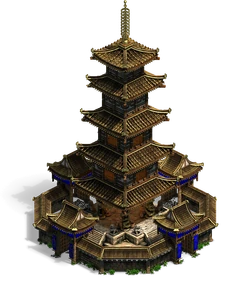
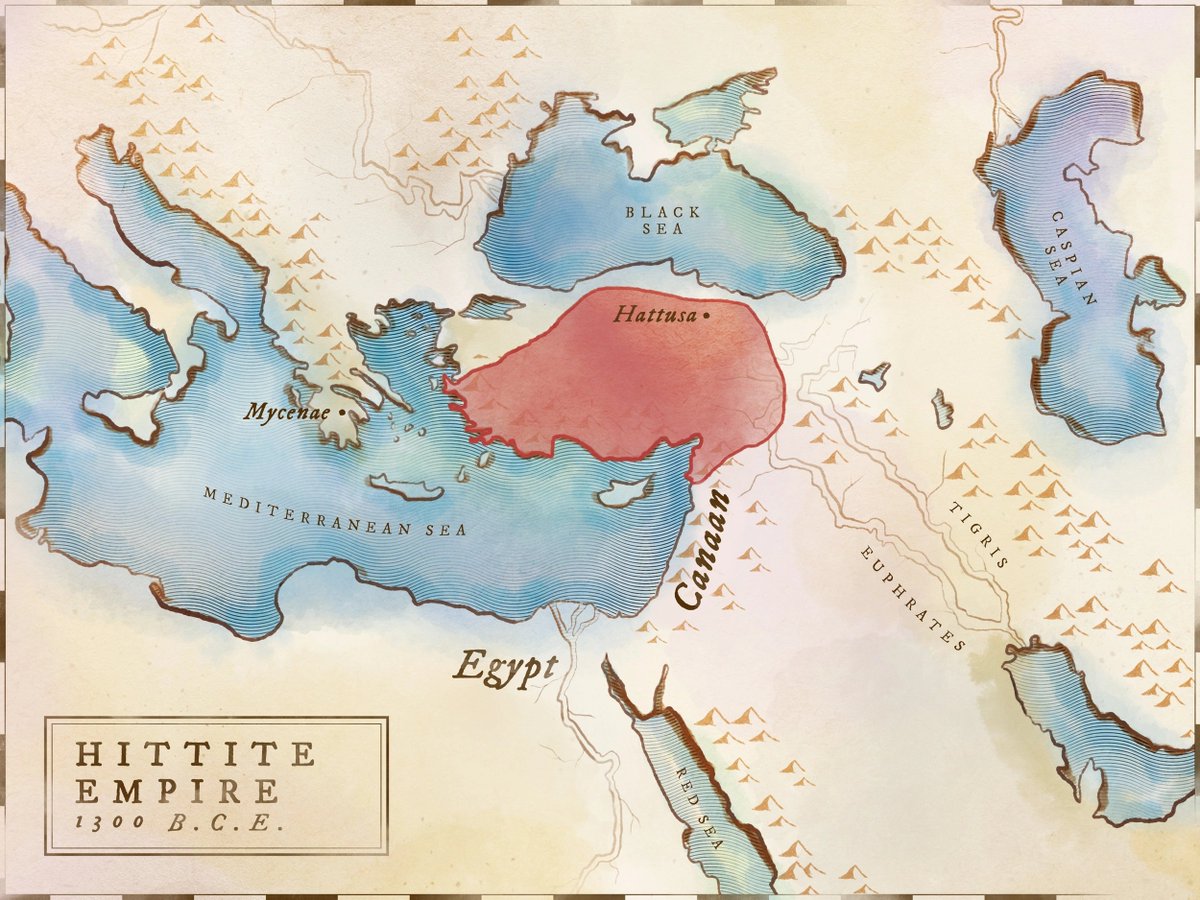
Even if you only ever wanted to play Hittites, say, you'd want Rise of Rome because it adds Slingers, Camel Riders, Fire Galleys, Scythe Chariots, Logistics, Martyrdom, Medicine, and the Tower Shield to your civ. The Tower Shield is particularly useful because Hittites rely heavily on archers.

And if you wanted to experiment with some of the new civs ... well then, the world was your oyster.
2/Image
Oct 20, 2025 • 4 tweets • 5 min read
Why make orcs? What is the advantage? It's not just because they're evil - Sauron can get all the evil humans he wants. Here are the reasons I've parsed by reading LotR and making logical biological deductions from this.

Humans breed extremely slowly. Elves and dwarfs are even worse. We know that orcs "multiply" over a course of only a decade or two, so what's happening? Well, we know orcs are smaller than humans. Chimps, which I think are comparable in size to orcs, have a gestation period 5 weeks shorter than humans, and orcs might be shorter - a deer is even larger, and has a gestation period 3 months shorter, so it's not size that matters. Since orcs are specifically and magically bred for war, my guess is they are even shorter. In fact, let's take a page from the Hildebrandt brothers and assume that orcs breed and grow similarly to pigs.

If this is the case, orcs have a gestation of about 3 months, and grow to 120 lbs (a typical size) in another 3-4 months. Orcs might grow faster than pigs, because they are more carnivorous, and thus are getting more protein & fat in their diet. Now, not everything about the orc-pig comparison is in the orc's favor. Adult hogs are MUCH bigger than orcs, so they can give birth to litters. I imagine most orc births are to a single child - which is then taken to warrens of multiple orc-spawn raised by a few caretakers. I do not believe orcs have any kind of family life or even a nuclear family.

So - an orc mother gets pregnant, has a kid 3 months later, nurses it for 3-6 weeks, then abandons it. It reaches adult size in another 3-6 months, gets some military training and it's off to the war. That is a FAST-breeding creature. No wonder they felt that the Age of Men was over!
1/Image And it's even worse from the human viewpoint, because of the numbers of orcs that can fight. In a human society, typically no more than 10-11% are in the military. In a modern society it's even less. The grossly over-militarized society of Imperial Japan had less than 5% of the population in arms. Now, in older barbaric societies, such as gauls or vikings, there was a higher percentage, but it still isn't amazingly more than 30% or so. Children don't fight till they're 15 years old or more. The elderly don't fight. With vanishingly few exceptions, women don't fight. Essential workers don't fight except in extremis - it's a loser's mentality to send farmers & miners & tailors to war, because it eats your seed corn (so to speak).

But orcs? They're only children for a few months. If they even HAVE elderly, they are probably few in number, and act as caretakers of the young. I believe orc females look exactly like the males - the same size, the same look. They are as flat-chested as chimps or gorillas. Similar voices. They dress the same. I suppose if you pulled off their trews you could tell which was which but yuck.

So basically 80-90% of an orc population is able to fight. If you have a population of humans equal in size to a group of orcs, then the orc fighters will outnumber the human warriors 3, 4, or even 8 to 1. Just like we see at Helm's Deep, where the fortress is full of the old, the crippled, the women, and the children, with a much smaller part being warriors.
/2
Aug 24, 2025 • 4 tweets • 4 min read
Naysayers and party-poopers are always trying to explain to me why giant bugs can't exist. "Well akshually" they say. Well, I've spent a LOT of time studying insects and I WANT GIANT BUGS. Don't you?

So let's talk about how to make this happen. First off, giant arthropods have existed before. The best-known are Arthropleura (land) and eurypterids (sea), both of which got to about 10 feet long. But they're not elephant sized yet, so let's keep hammering at it.
1/Image One of the most common reasons is because insects breathe via spiracles, which rely partly on tissue diffusion, which only is useful up to about 3 inches, which limits a spiracle-reliant creature to a width of about 6 inches.

However, there are arthropods which use lungs - scorpions & spiders. And ocean-dwellers don't use spiracles (they use gills). But even if we only discuss insects, these creatures have shown incredible adaptive powers. I am sure they could evolve an enhancement for their spiracles if they needed it. Perhaps a pump system to move air deeper for the spiracles. They already have it to an extent - many larger insects use muscle movements to aid breathing - look at how a grasshopper or wasp pulsate.

We still need another auxiliary system for a huge insect. But since insects have evolved cast systems, metamorphosis, hyperparasitism, and flight, I think they could figure this one out.
2/Image
Jul 25, 2025 • 4 tweets • 4 min read
How to balance unbalanced factions in a game.

I cut my teeth making Age of Empires' factions asymmetrical yet balanced. The most fun I ever had was developing Age of Empires III: The Warchiefs, which were also the very most unbalanced factions we'd ever created. I carried this love for asymmetry on after Ensemble Studios went kaput.

My game Cthulhu Wars is famously asymmetrical. (It's available on shop dot petersengames dot com, Noble Knight, and elsewhere.) The factions have different abilities, spellbooks, ways to win, and even monsters. Cthulhu has shoggoths, starspawn, & deep ones. Black Goat has dark young, mi-go, and ghouls. They don't even get Elder Signs the same way.

This gives the game a lot more replayability, because if you've mastered the tactics & strategy of, say, Cthulhu, but now ecide to play he Crawling Chaos

1/Image The first step (for me) is to sketch out how the factions differ. In Cthulhu Wars, Cthulhu is the apex predator. Black Goat works more like a fungus infection - it can't really deliver a knockout blow, but it's really hard to eradicate. Crawling Chaos is a vulture - it preys on the vulnerable, strikes from surprise, and exploits every weakness mercilessly. And so forth.
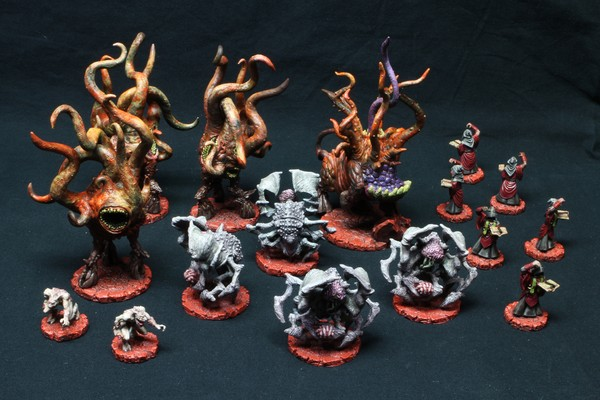
So I gave Cthulhu units that help maximize battle power. Crawling Chaos got units that help him avoid the consequences of his actions - the hunting horrors fly out of nowhere to bolster his troops when ambushed. The flying polyps let him choose a unit to keep out of a fight. The nightgaunts let him abduct an enemy unit, removing it from the battle.

And the spellbook requirements also support this by encouraging the faction to do what he does best. Cthulhu wants to go into battle. Black Goat wants to spread out across the map. Yellow Sign wants to wander on his crazy pilgrimage around the world. And so forth.

This of course doesn't help balance the factions, but it gives me a sound basis for knowing WHAT I want the factions to do, and supporting that. I don't want to lose sight of the faction's vision.
[pic from Viktor Eikman] 2/Image
Jul 7, 2025 • 4 tweets • 6 min read
In 1999, my task at Ensemble Studios was lead designer for an expansion pack to Age of Empires 2. The previous expansion had been Rise of Rome, which made sense, because Rome followed the various older nations featured in Age of Empires 1. But there wasn’t any obvious super-nation after the middle ages, so we went with the generic “The Conquerors” as our theme. So naturally we wanted conqueror civs. Rise of Rome had 4 civs, so that’s how many we wanted - I chose the Huns, the Spanish, the Mayans and the Aztecs. I was super-excited to finally get Aztecs into a game. (And I don’t need any of you whippersnapper mansplaining to me that the Aztecs were bad guys. Buddy, I put them in the game BECAUSE they were bad guys.)

Anyway, The Conquerors project went super-smooth. Five weeks AHEAD of schedule, we were almost complete – almost unheard of in a software project. I was proud. The whole team was excited because now we’d be moving onto Age of Mythology or Age of Empires 3. So non-stop gaming development.

Then Microsoft called.
1/Image Over the phone, in a big conference call in the company bar (yes we had one), the Microsoft goons said, “We need you to add Koreans to the Conquerors.”
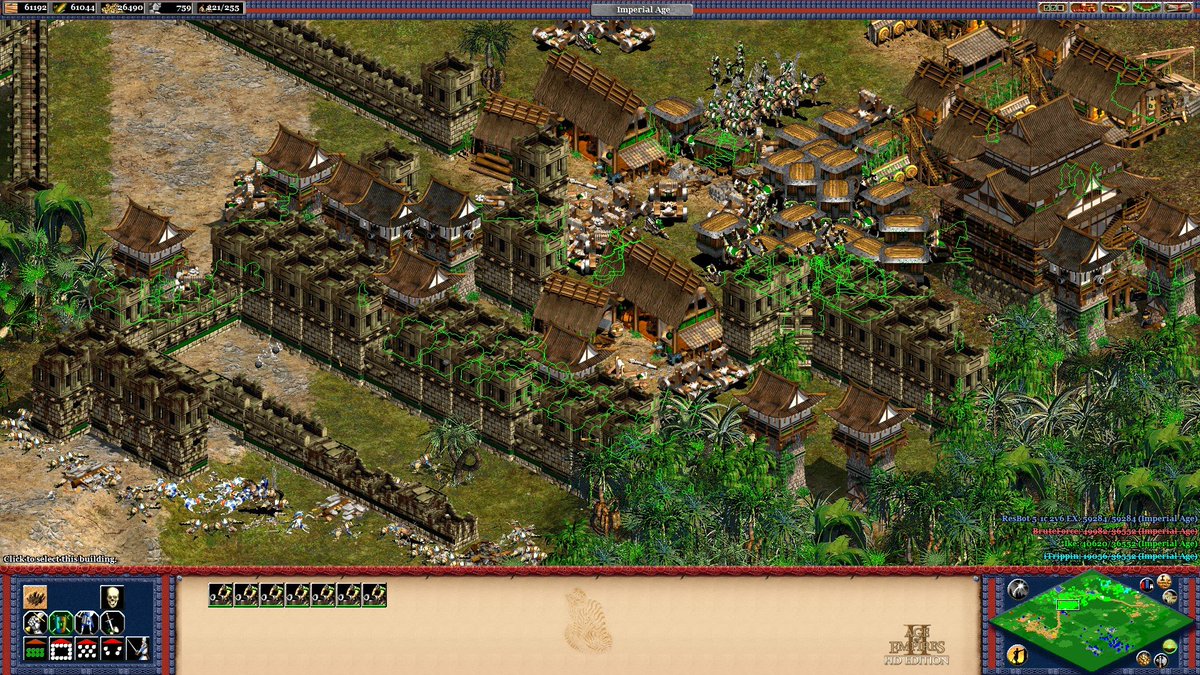
Me; “Koreans, to their credit, didn’t conquer their neighbors. Nothing wrong with them, but they don’t fit the theme of The Conquerors.”

Microsoft goons (I don’t know why it took a whole team of them to talk over the conference call, but it did): “Starcraft sold 3 million copies in Korea.”

Me: “Starcraft doesn’t have Koreans, so that’s not why.”

Microsoft: “But Starcraft sold 3 MILLION copies in Korea.”

So yeah. I thought my counter-argument was pretty good, but when someone simply repeats a previous argument, they are no longer functioning on logic or intelligence. That’s a Pro Tip by the way – if you’re having a discussion and they repeat themselves you’re done. I knew MS would keep pushing this no matter what. To make my life easier, I agreed right away. I asked if we could have extra time to add a WHOLE NEW CIVILIZATION. “What? Of course not.” On the other hand I felt an obligation to try to get it done ASAP for my team, who were itching for a new project.
2/Image