
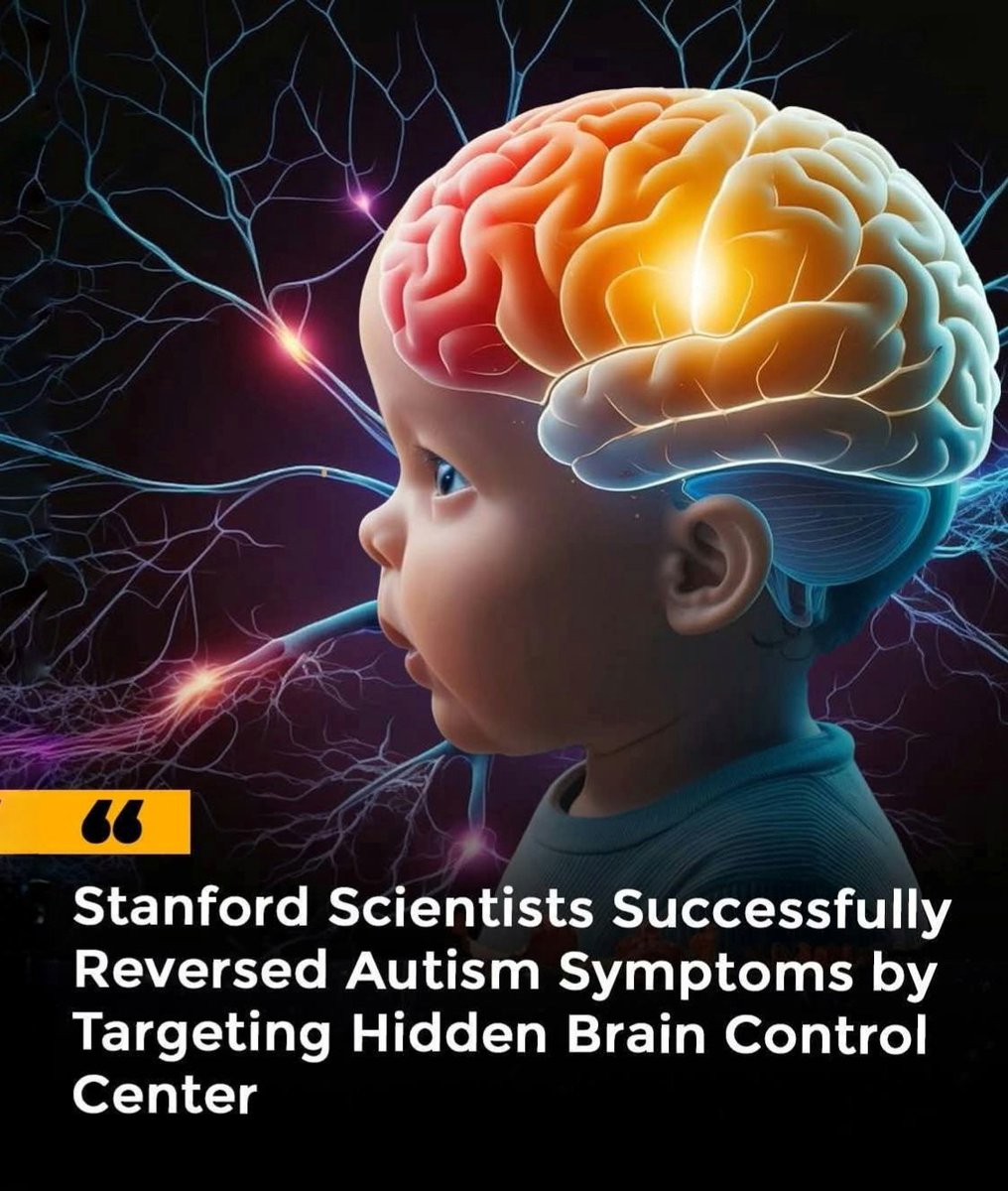
 Stanford Medicine researchers have uncovered a key mechanism underlying autism-like behaviors in mice by studying the reticular thalamic nucleus (RT) — a small but crucial brain region that acts as a sensory “gatekeeper” between the thalamus and the cortex. Using mice lacking the Cntnap2 gene, a well-established model for autism spectrum disorder (ASD), the team found that neurons in the RT showed excessive electrical activity, including elevated burst firing, increased T-type calcium currents, and over-responsiveness to sensory inputs such as light or touch. Behaviorally, these mice displayed traits mirroring human ASD symptoms — hyperactivity, repetitive grooming, social withdrawal, and increased seizure susceptibility.
 Most of what shapes our brain may begin before we’re even born.