
Programme Coordinator @Cornerstone_CPT | MA Creative Writing @UCT_news | Chairperson: https://t.co/wFbRrj54rn | he/him/his
 But she was pardoned by the Governor-General of Batavia, who commuted her sentence to life banishment to the Cape of Good Hope. He ruled that her killing of Claes was committed in self-defence. On 21 February 1657, she arrived at the Cape, after a journey of near 3 months. (2/7)
 Benjamin is rarely mentioned in the pantheon of South African jazz artists. For some she was not “African” enough to be marketable, and for others too different to be taken seriously as a great jazz vocalist. (2/7)
 Gomas joined the African National Congress in 1918 – the first “Coloured” man to do so. In 1928, after a protest against the killing of a Black man who had no pass, in Paarl, Gomas served 3 months in jail. In 1928, he was elected Vice President of the Western Cape ANC. (2/5)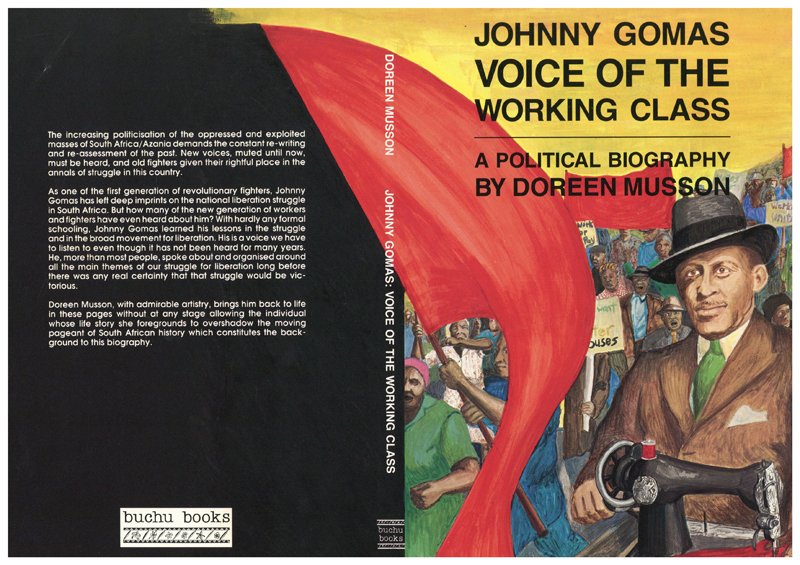
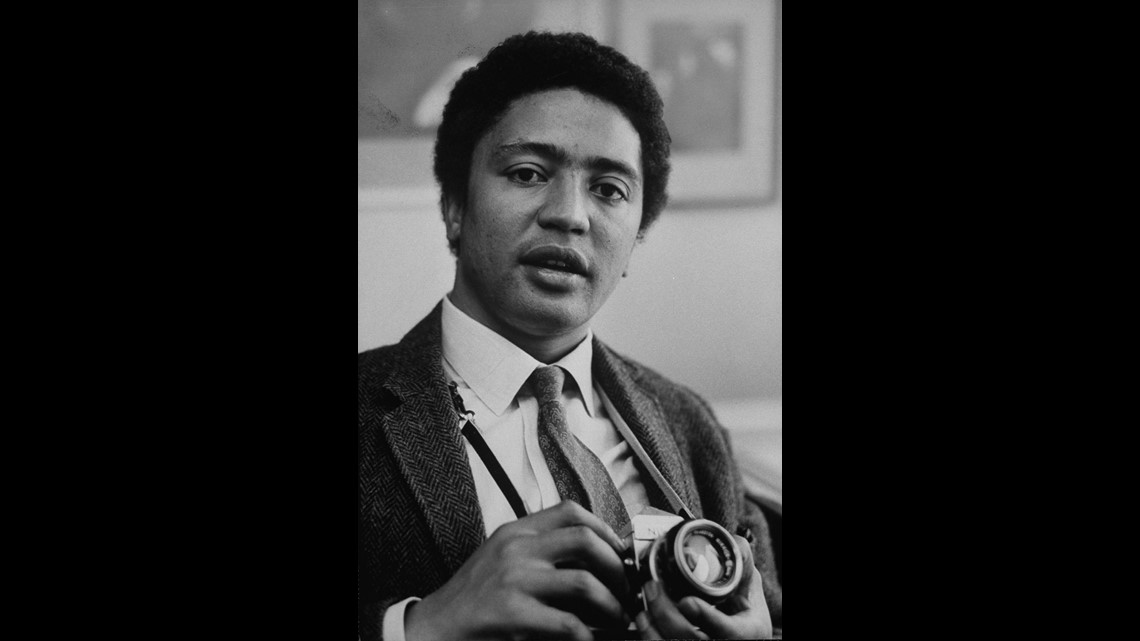 On 24 February 1962, Louw was found guilty and sentenced to 6 months in jail. After his release, he left South Africa for Tanzania. Shortly afterward he was awarded a scholarship to the USA. He graduated from Columbia University in 1967. (2/6)
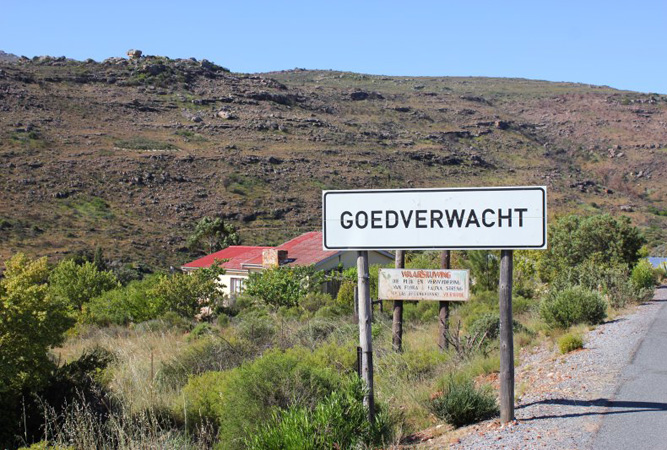 Before the emancipation of slaves in 1838, Burger asked Maniesa and her children to stay on the farm to look after him until his death. He bequeathed the farm to Maniesa and her children. With his death, his own children contested the will. (2/4)
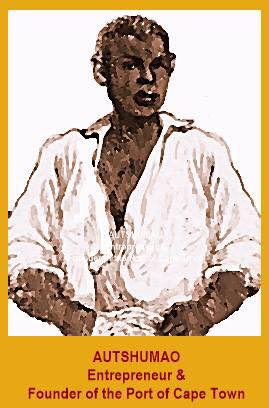 On 6 April 1652, Jan van Riebeeck was received at the Cape by the Autshumao and his people. In the 8 months after van Riebeeck’s arrival, he built a fort on top of Autshumao’s settlement. (2/10)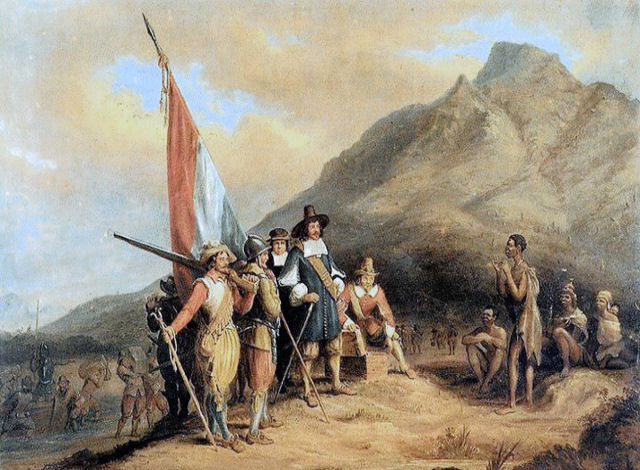
 Together with Neville Alexander, Fikile Bam, Marcus Solomon, and others, she formed a study group known as the Yu Chi Chan Club. Yu Chi Chan Club was disbanded at the end of 1962, to be replaced by the National Liberation Front (NLF). (2/6)
 Her father was given his freedom in 1659; the first male slave to be freed. He bought her and her mother’s freedom in 1671. He had been granted a plot of land, where he lived and ran a garden. (2/6)
 Hassan Howa was born in 1922 in Cape Town to a Christian Coloured mother and a Muslim Indian father. He matriculated from Trafalgar High School. He was an amateur cricketer and was a founder of the SA Cricket Board of Control (SACBOC). (2/5)
 Peter was born on 2 June 1929 in Simon’s Town. His mother was a domestic worker; his father was a dockyard worker. Though they didn’t earn much, his parents supplied him with pencils, crayons and paper on which to practise his art. (2/5)
 He resisted colonial rule as indigenous people were dispossessed of their land and forced to work on farms. He also opposed the conscription of the Khoi into militias that were created to defend the colony and to attack San and amaXhosa. (2/7)
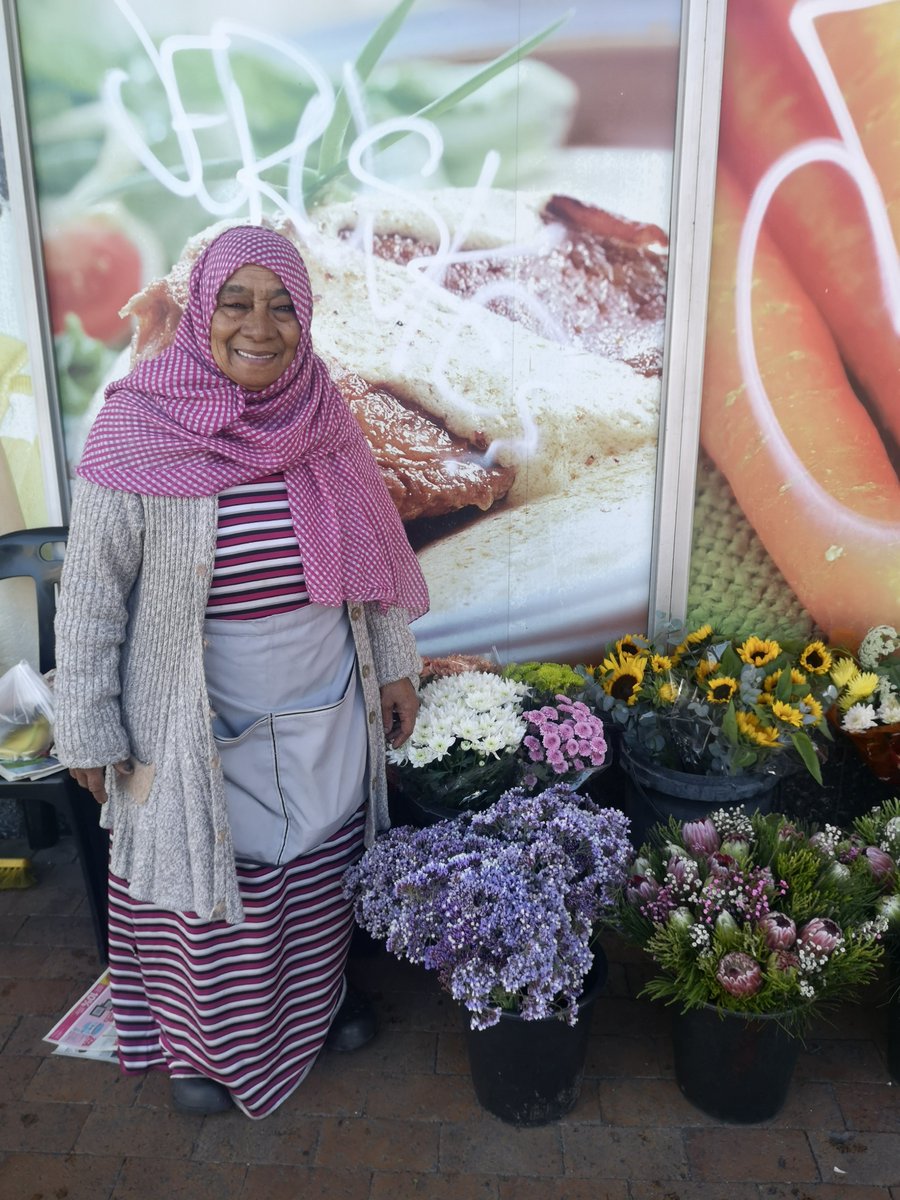 Her family owned a small farm in #Constantia at the top of Ladies Mile Road. On the farm, they grew vegetables and #flowers. Her mother sold the flowers that were grown on the farm. Tohira started helping her mother with the selling of flowers. (2/14)