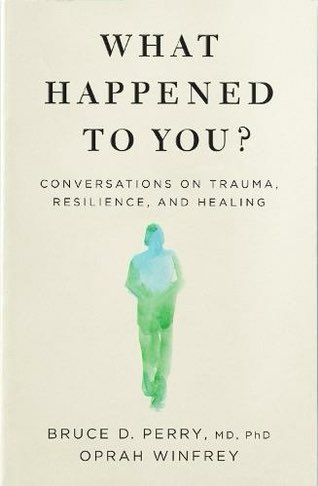
Here’s a breakdown of some of the most measurable markers of ME/CFS, focusing on those with objective testing, that - given a little research - @amolrajan could have raised with Suzanne O’Sullivan when it comes to what’s “In the head”:
1. Orthostatic Intolerance (diagnostic criterion)
- Measurable via: Head-up tilt-table test (gold standard), NASA 10-minute lean/stand test, or standing test with continuous BP/HR monitoring. Advanced versions use extracranial Doppler ultrasound to quantify cerebral blood flow reduction (e.g., average 26% drop in ME/CFS patients vs. ~7% in healthy controls during tilt).
- What it shows: Abnormal autonomic responses (e.g., POTS-like tachycardia, hypotension, or reduced cerebral/cardiac output) that worsen upright and improve supine. These are physiological, not subjective.
- Why it counters “in the head”/FND: Demonstrates autonomic/vascular dysfunction; reproducible and correlates with daily symptoms like dizziness/brain fog. Not seen in pure psychological conditions or typical FND.
2. Reduced Hand-Grip Strength – physical dysfunction marker
- Measurable via: Handheld dynamometer (simple, repeatable test; often done repeatedly to assess fatiguability).
- What it shows: Markedly lower strength in ME/CFS (especially severe cases) vs. controls; correlates strongly with overall disease severity and disability.
- Why it counters “in the head”/FND: Objective physical measure of muscle/endurance impairment; used in studies as a biomarker of functional decline. Recent data (including post-COVID ME/CFS) confirm it tracks key symptoms independently of psychological factors.
Apr 8, 2022 • 11 tweets • 3 min read
A metaphor for PTSD, C-PTSD and other trauma based states of being. We sometimes view life as an hourglass⏳. At the bottom is past experience. At the top is future experience (but the top part isn’t visible: we don’t know how much we have.) The middle is the ‘present moment’. 1/
Common advice is to “live in the moment” - the middle part, where the sand is flowing, in the here and now. But with PTSD, C-PTSD and other trauma-based conditions, there isn’t just one hourglass. There can be many, but in only one is the sand still flowing.
⏳ ⏳ ⏳ ⏳ ⏳ ⏳ /2