
Political editor at TVP World. Polish and CEE politics. Commentary, analysis & opinion. Warsaw-based. Views strictly my own.
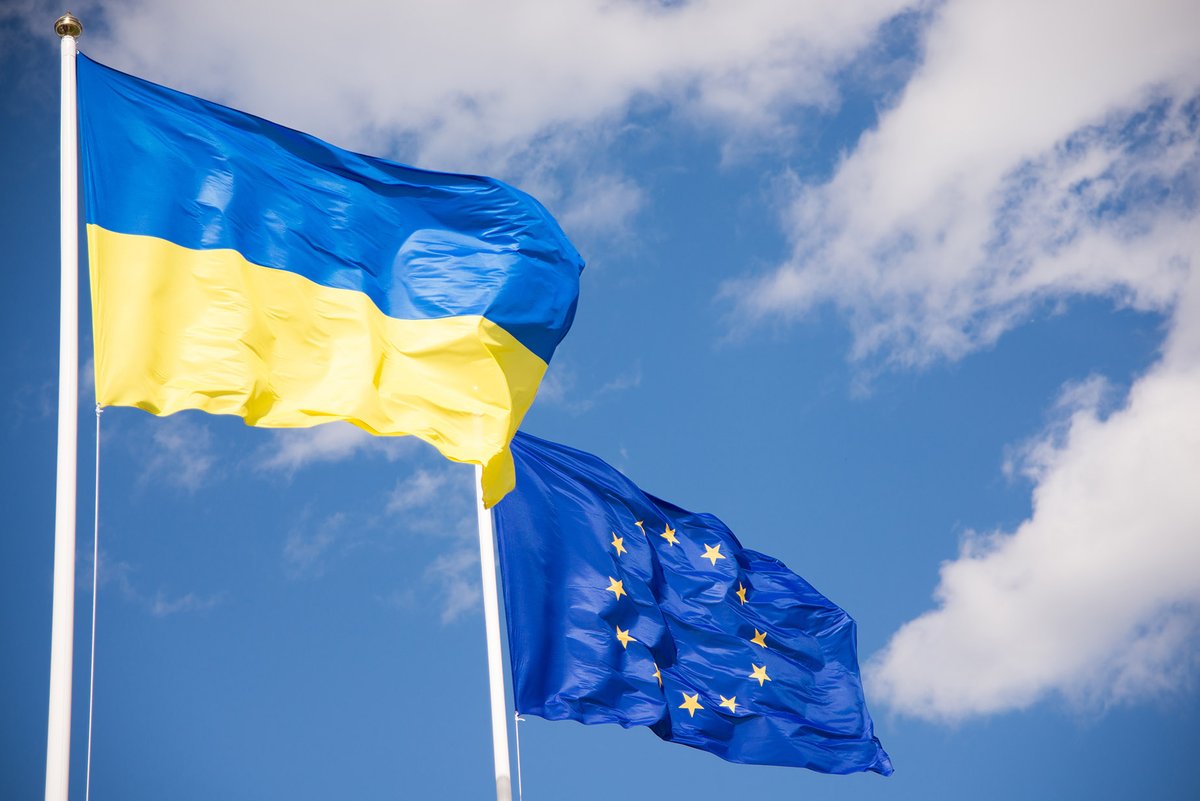 At the informal European Council in Cyprus last week, European Council President António Costa and Commission President Ursula von der Leyen called for Ukraine's accession clusters to open without delay. 2/
 Some frame it as a debate over social spending. Others invoke historical grievances. But the message is the same. Being tough on Ukrainians is now a political advantage in Poland. 2/
 A recent poll found that 52.9% of Poles support Poland acquiring nuclear weapons. Once dismissed as fantasy, the idea is gaining traction. But developing a nuclear arsenal isn't just about willpower—it requires infrastructure, expertise, and diplomatic maneuvering.
 Poland has invested billions in its military, bought American weapons, hosted US troops, and exceeded NATO spending targets. It has done everything possible to prove its worth. But when asked whether US forces would stay permanently, Hegseth dodged the question. 2/
 2/ Rose built his career attacking liberal bias in US universities, defending Israel’s hardline security policies, and pushing for a foreign policy that prioritises sovereignty over alliances. Now, he’s Washington’s top man in Warsaw.
 On 1 April 2024, Israeli forces bombed a World Central Kitchen convoy in Deir al-Balah, Gaza. Seven people died, including Soból and citizens of Australia, the UK, and the US 2/
 Weeks after liberation, the Soviets established three camps at Auschwitz. One held German POWs, another housed civilians—mostly Poles—and the third was infamous for its cruelty, run first by the NKVD and later by Poland’s secret police. (2/)
 The Sword of Saint Peter, believed to have been gifted to Poland in the 10th century by the Pope, now resides in Poznań's Archdiocesan Museum. Few know about it, yet it may be one of Poland’s most significant Christian relics.
 Opened on December 1, 1942, in the Polish city of Łódź, renamed Litzmannstadt by the Nazis, the camp was intended to isolate Polish children arrested for petty crimes or orphaned by war. A ‘ghetto within a ghetto,’ it became a site of unimaginable cruelty.
 During WW2, the Nazis kidnapped up to 200,000 Polish children deemed “racially suitable” and sent them to Germany. Most were raised as Germans, their identities erased. Dziekan’s mother, Halina, was one of them.
 This rare and valuable book is housed in the Diocesan Museum in Pelplin, a small town in northern Poland. The museum is part of the Pelplin Abbey complex. 2/17
 Published by Baedeker, a prestigious travel guide publisher, the book lured German tourists to visit lands where atrocities were being committed. (2/20)