Stuart Turville Profile picture
Associate Professor in Virology
2 subscribers
Dec 31, 2025 16 tweets 4 min read
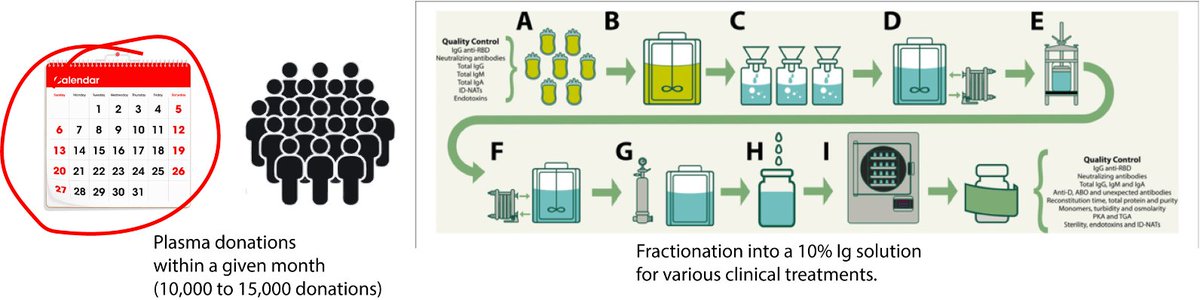
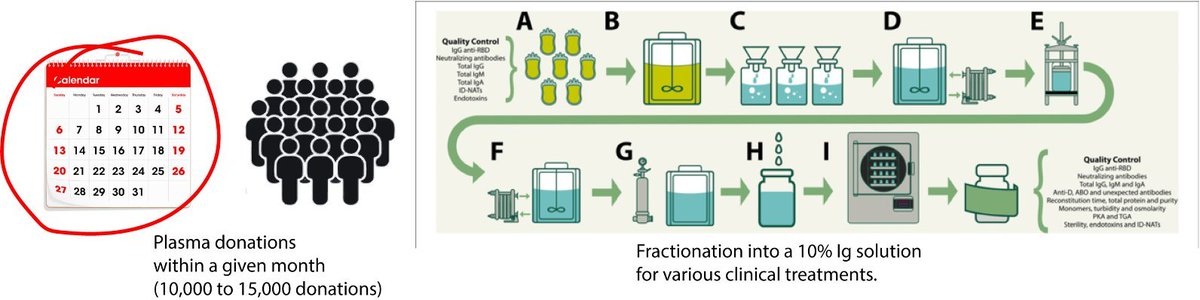
@Tuliodna 1. Individual vs population immunity. How can we look at that? Single donors from blood banks gives you one option to look at individual responses. How can you look at thousands of responses across a population? Thats where pooled antibodies do a great job. How can we do that? @Tuliodna 2. We've been looking at this approach in depth for a while. The trajectory across the first 4 to 5 years of the pandemic is the best example of how to look this with what is termed Intravenous Immunoglobulins. See in depth discussion here:
Aug 20, 2025 4 tweets 1 min read
Star date 20th of August 2025… SARS CoV-2 Swab of the day.

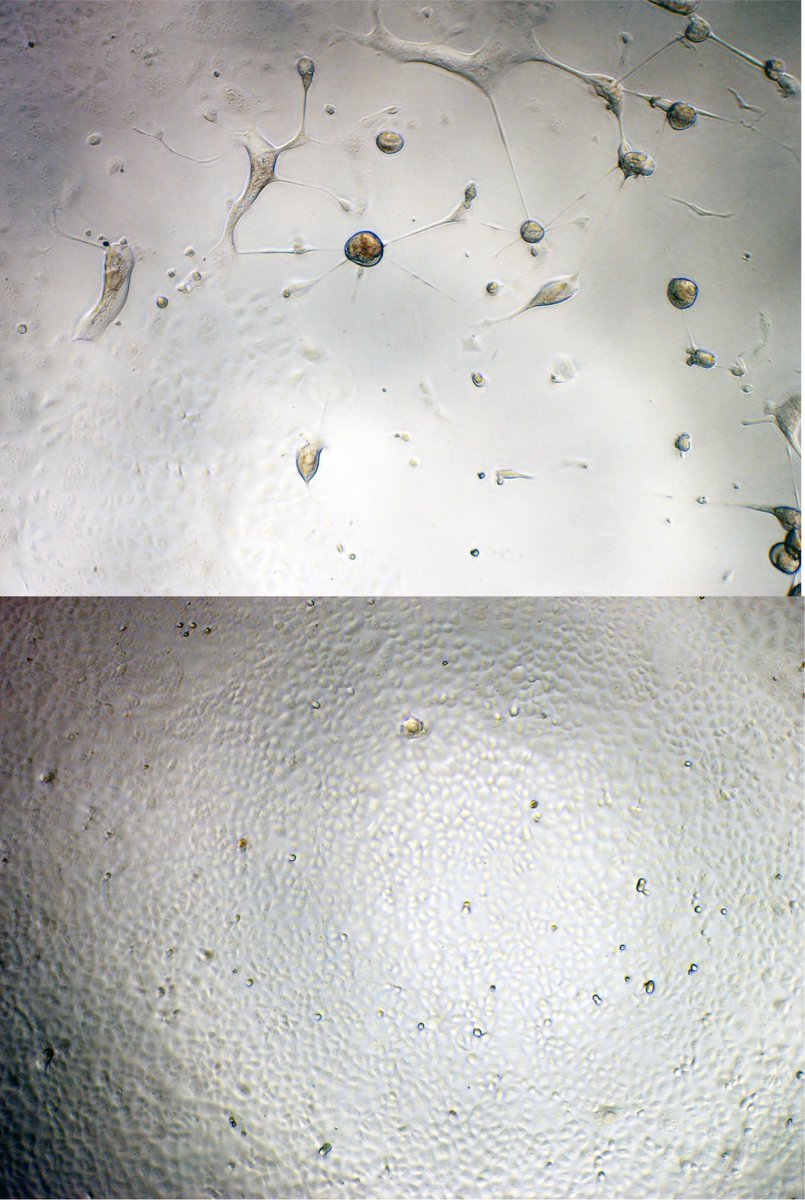
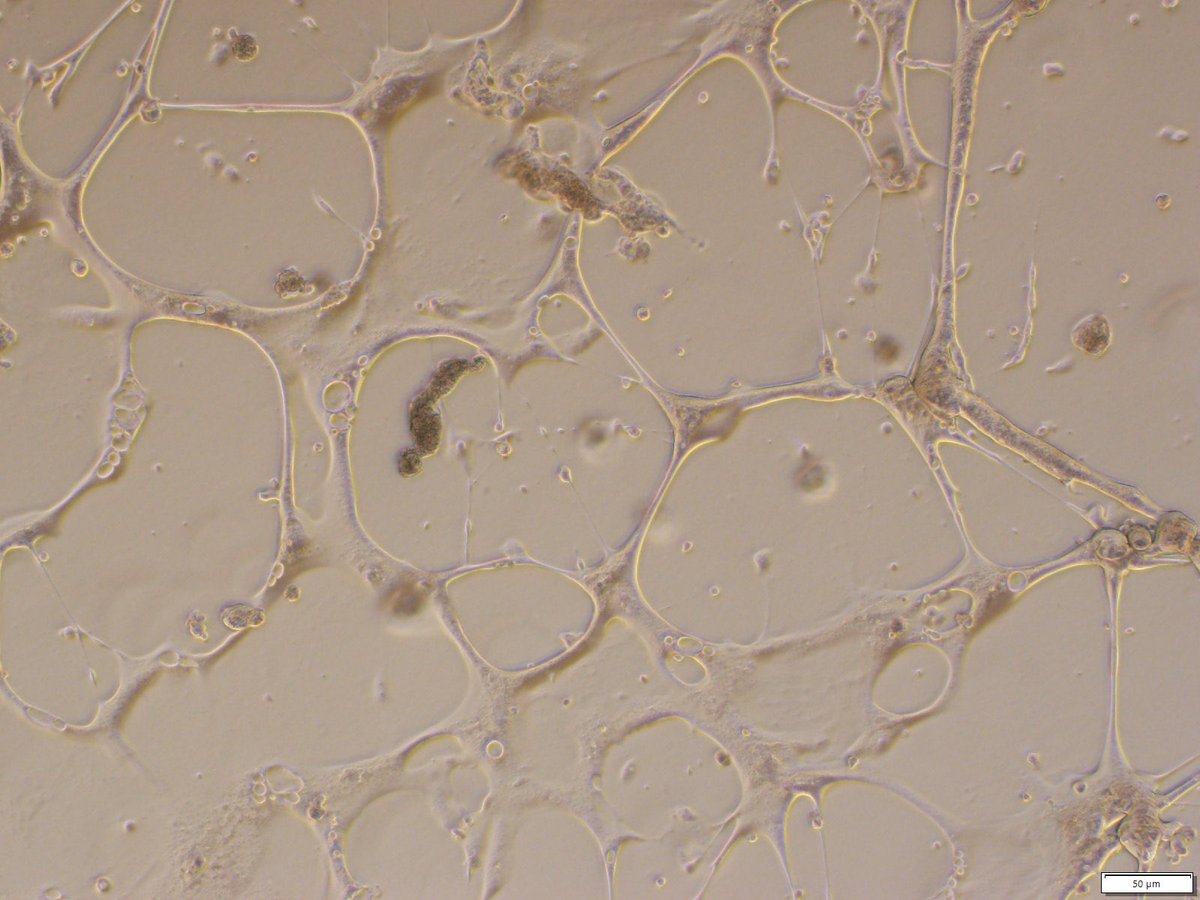
We saw this in the era of KP.3. What are we seeing here? Two entry factors in action…. One tethers.. ACE2… the other melts… TMPRSS2. End result. 1. High ACE2 affinity to spike makes cells “sticky”. Image 2- Tmprss2 & spike melts membranes. Alas the “chewing gum” proceeds with cells melting together and collapsing into a central mass. The “strings” then form as the high affinity with spike and ACE2 makes some areas with cells that don’t want to let go.
Jul 9, 2025 28 tweets 7 min read
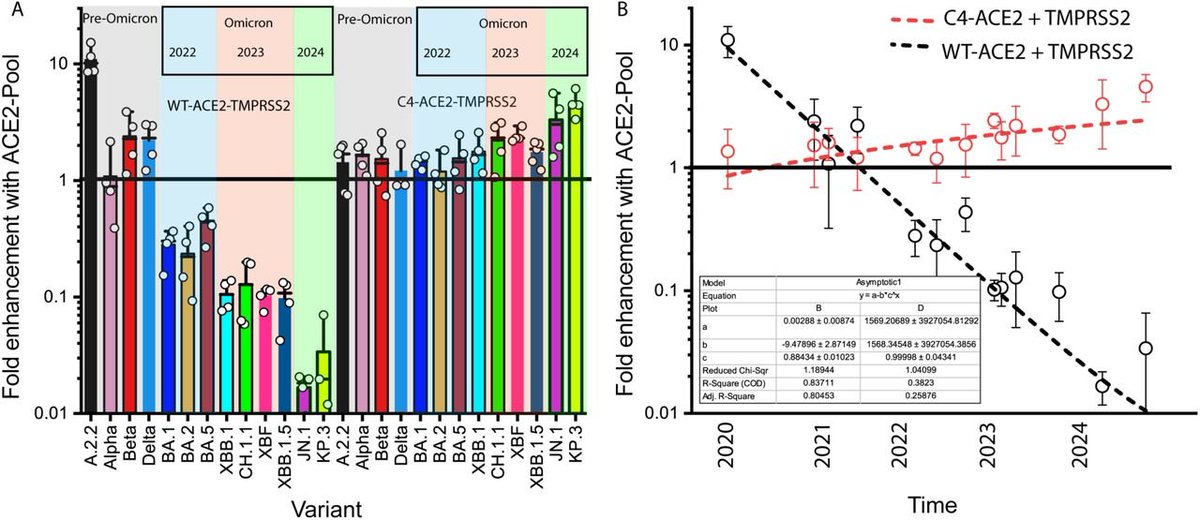
I haven't posted in a while as we've been scratching our heads for the last year trying to understand a virus that spreads amongst. For us it was to understand how a virus that caused our most recent pandemic changed. It was also crucial to resolve for continued surveillance. So here is a thread on what I term the Omicron Paradox. 1. What do I mean by that? We know SARS-CoV-2 uses ACE2 and TMPRSS2. That's clear. BUT if you co-express them alone they make early pre-Omicron variants "excited" and Omicrons fade over time.
Nov 17, 2024 18 tweets 4 min read
I've covered most of this when our pre-print was up here: x.com/StuartTurville…
The final work is now published at sciencedirect.com/science/articl…
There were a few shifts in what we were seeing during that time and I'll cover the main aspects of this work in a 🧵 below. 1- The work was enabled by many important partnerships. CSL Behring enabled my team to look at immunity at the population level with over 700K donors. The NSW Ministry of Health linked us in real-time to large diagnostic units and the ICPMR Genomics Surveillance team.
Apr 21, 2024 24 tweets 5 min read
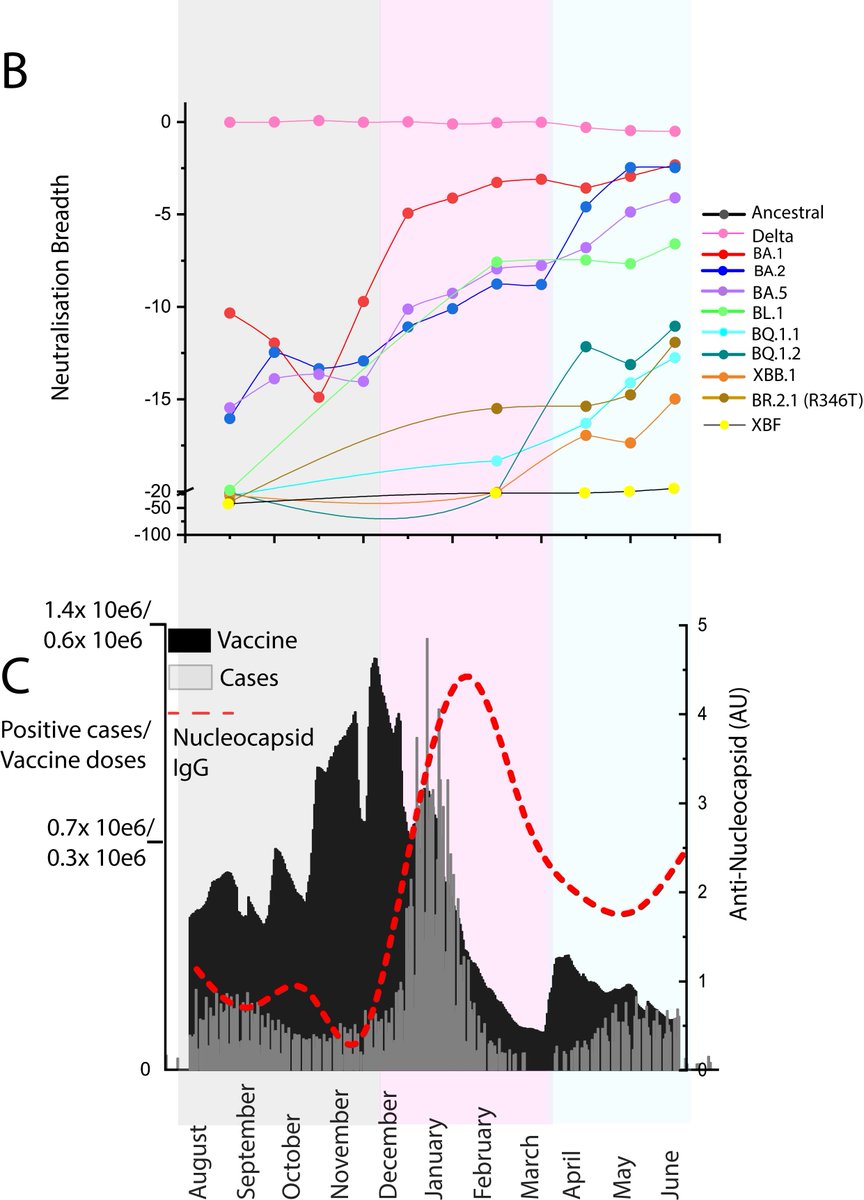
Neutralisation antibody trajectory throughout the pandemic. A 🧵 1- In 2020 one of there were two therapeutics that were rapidly developed and tested. The first was convalescent plasma from those who recovered from infection and then there was a concentrated version called IVIG. 2- Intravenous immunoglobulin (IVIG) is pooled antibody and used to manage various immunodeficiency states and a plethora of other conditions. In 2020 the plasma alliance was formed to develop this as a Covid-19 therapeutic.
Sep 23, 2023 11 tweets 3 min read
Images of SARS-CoV-2 cultures often tell us a thousand words. Here we have the Omicron lineage XBB.1.5 growing in two engineered cells. Both equally express ACE2 and TMPRSS2. Visually this sums up our journey into the complicated entry pathway of Omicron lineages......1/ Image 2/ To cut a long story very short, the difference in the two cell types and why one looks like a Delta infection (but is XBB.1.5) is the pool of ACE2 that is present in the cell with obvious replication revealed by cell-cell fusion. This pool of ACE2 is resistant TMPRSS2 action
Feb 22, 2023 9 tweets 6 min read
@Globalbiosec @BigBadDenis 1- The conversation here has many complexities and I will do my best to cover this in a thread.
Many of us globally are studying antibody responses that block the virus (neutralising antibodies). They come after vaccination and/or infection. Generous participants help here. @Globalbiosec @BigBadDenis 2- Each country has had a different experience throughout the pandemic. Case incidence in countries alongside when vaccines were available and distributed plays a role in shaping immunity at the population level. Initially the globe shared similar variants..... not so recently
Jan 5, 2023 7 tweets 2 min read
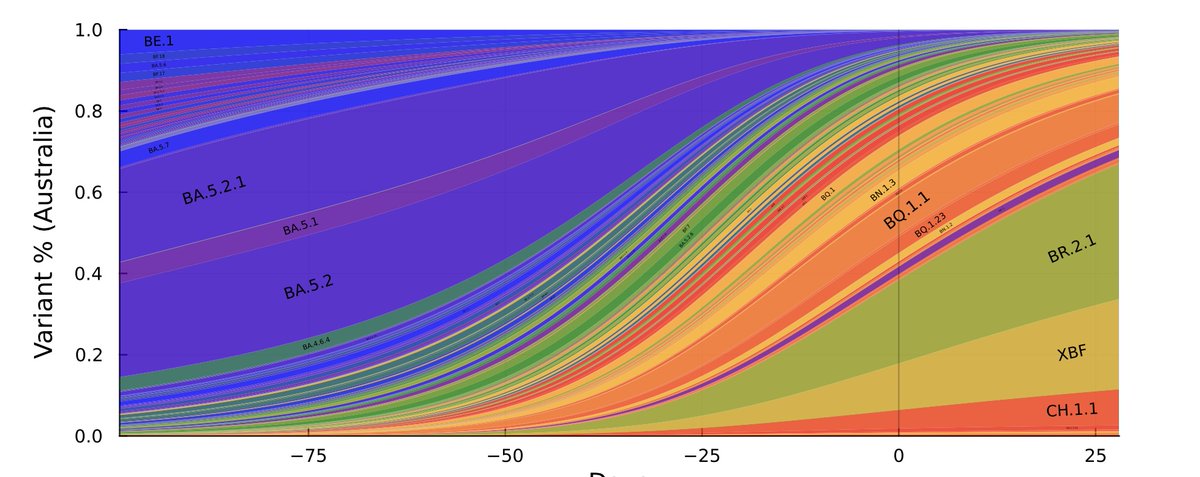
1- 2022 was a confusing year for tracking variants. Soup or swarm, but for us each week it was alphabet spaghetti. Rather than drill down on one we followed them as clusters. The BQ clan and the BA.2.75s (of which XBB.1 is part of...well a good recombinant chunk). 2- Pooled IgGs from over 420,000 donors from the US taught us a lot about the emerging variants and to a certain extent a trajectory of antibody based immunity. In the spaghetti, the variants clustered. There were layers of evasiveness. BQs/XXB/XBF/BR2.1 won the day. Image
Oct 16, 2022 6 tweets 5 min read
@JPWeiland @CorneliusRoemer @Mike_Honey_ 1- Often when you give a virus what it’s needs to enter and strip away the internal restrictions, cell-cell fusion will take place. For this cell clone it does it so well we use it for rapid high content screens. See nature.com/articles/s4156… @JPWeiland @CorneliusRoemer @Mike_Honey_ 2- So what are we seeing now during the Omicron waves. In primary swabs BA.1 and BA.2 cell- cell fusion was poor. So they were either attenuated or they like something else at the membrane. Looking at primary cultures it wasn’t attenuation but a tropism shift.
Jun 6, 2021 5 tweets 4 min read
@DrZoeHyde @1_purple11 SARS CoV2 is an enveloped virus and albeit very infectious per particle has not changed in terms of its stablility in the environment. Variants are more “fit” due to subtle changes in the Spike. This has increased infectivity to particle ratios….what is that then? @DrZoeHyde @1_purple11 1. Particles . Below is how we count them. Take a small volume of virus, an RNA fluorescent dye and the take a sensitive microscope to count them. They look like stars Image