Mostly reading books around the issue of national decline, cultural rot, loss of traditions and the British Old New Left, while unpicking Whig history.
 Here she is with her husband. Her name was Majbritt Morrison, and he was Raymond Morrison.
 OK, so in common with almost all books on British race relations and immigration, the book is written by a foreigner. In this case, an American protestant marries to an Indian Hindu woman. It seem like the book is based on two studies of the Sikhs of Gravesend and a study in the Punjab of the area they came from. The first study was 1970-71, and the second was in 1983 by which time the community had changed substantially and the book was substantially rewritten. I've ordered the first edition to try and get his uncontaminated earlier impressions.
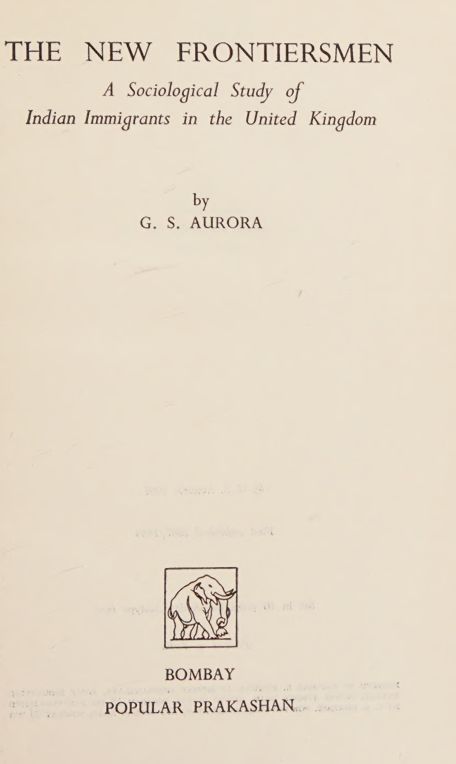 The book conceals the name of the community being looked at behind the name 'Greenend'. It is really though focused on the Sikhs of Southall, the neighbouring area to Greenford.
 The actual invitation of the Windrush Generation...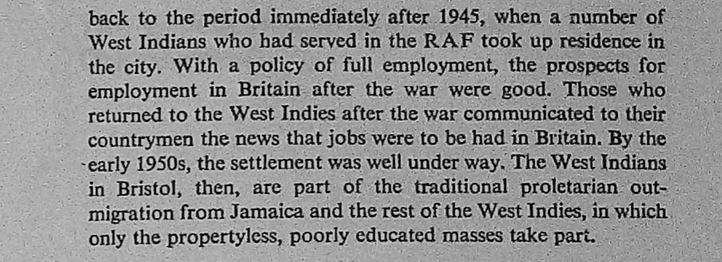
 I quite liked thismap of where West Indians were located in 1960. You have the settlement around Notting Hill north of the Thames, and Brixton to the south.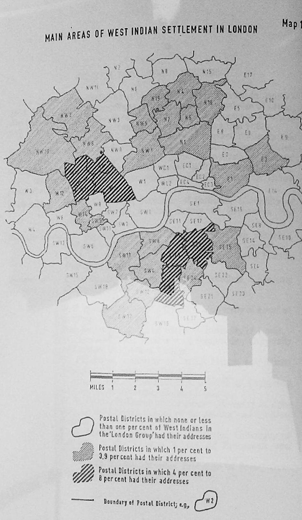
 Unsurprisingly, the book opens with the Windrush Scandal, and the conventional story of "is" having brought "them" here, and hence owing them some kind of moral duty in return.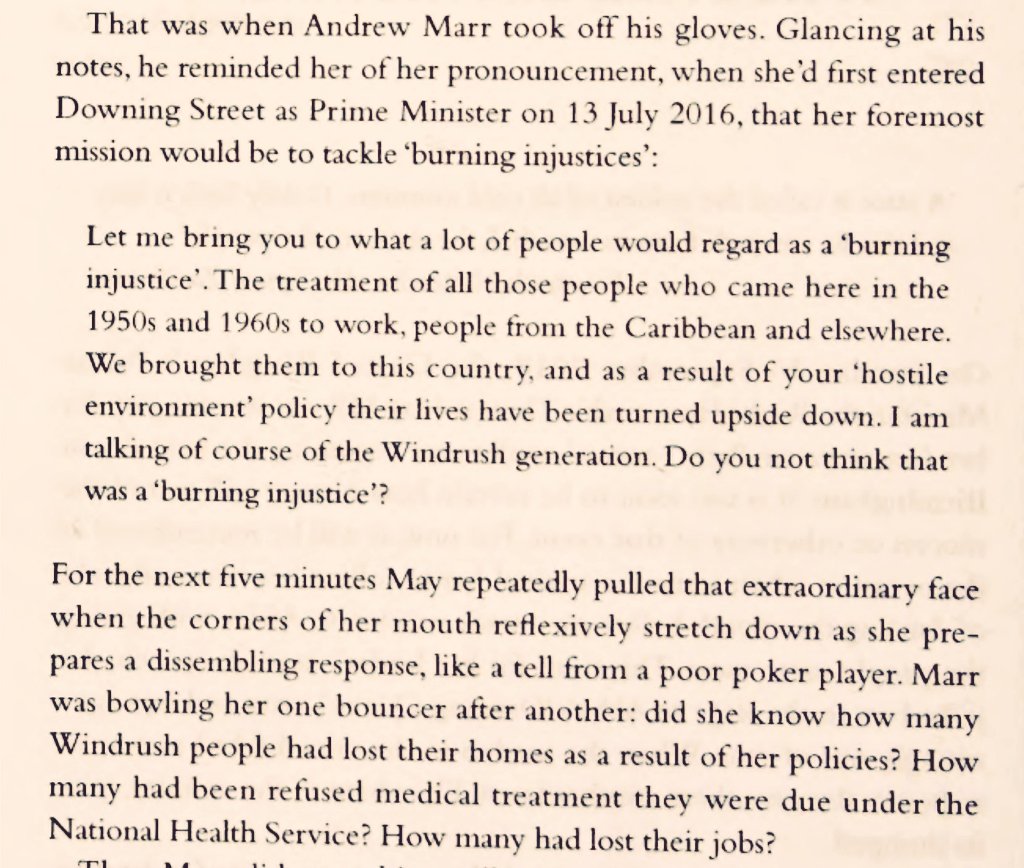
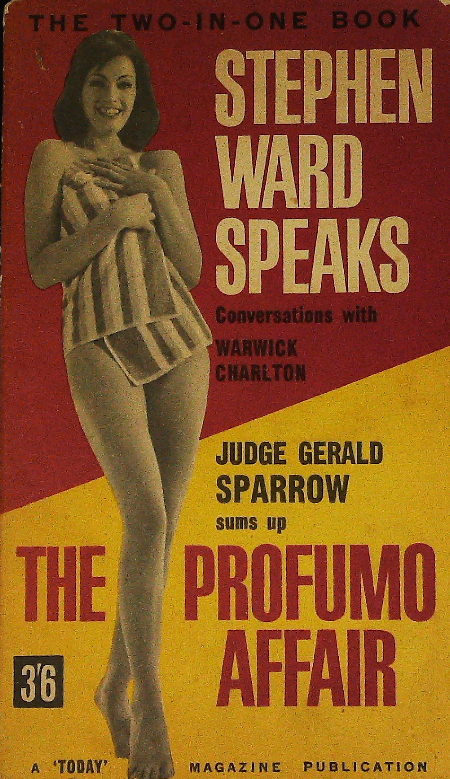 The osteopath-about-town at the centre of the Profumo scandal.
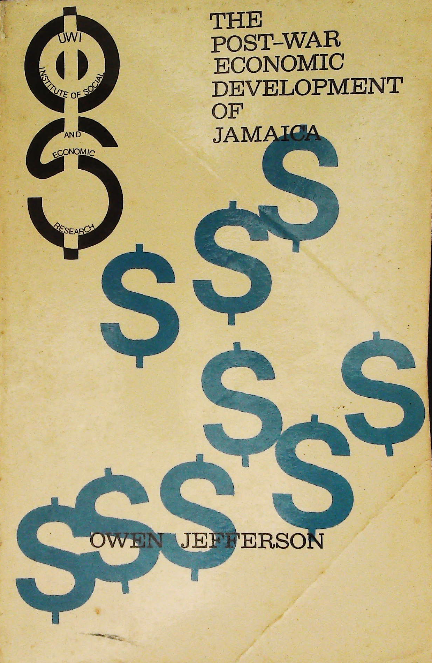 The book is from 1972 and is falling apart. It's by this Jamaican academic. I had it shipped over from Jamaica last year. What I noticed at the time was that it didn't seem to talk about emigration half as much as you'd think, so I put it to the bottom of the pile. What it does mention though, and looks interesting to me, is that an American bauxite mining company was buying people's land in Jamaica in the 50s. Reynolds Metal Company.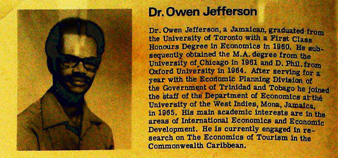
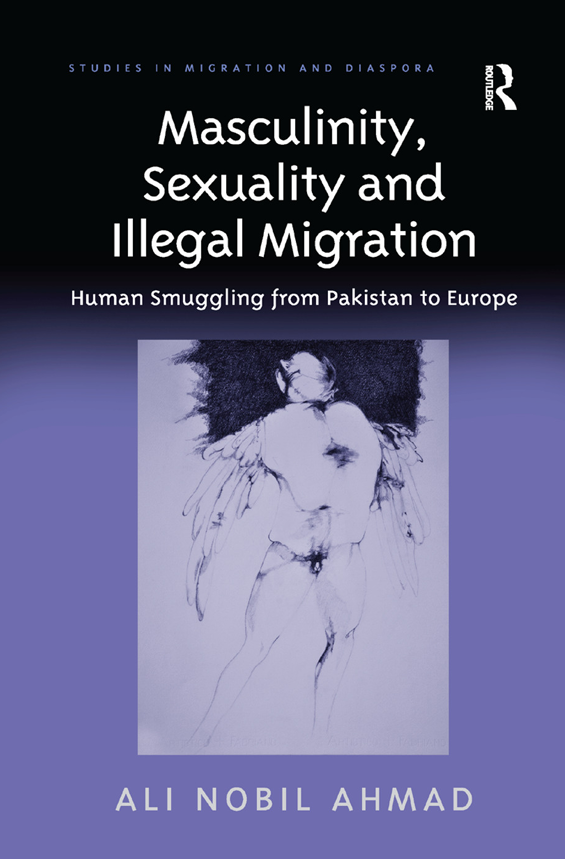 Wow! First paragraph of the introduction, and this is already the most reactionary academic book on immigration I have ever read.🧵
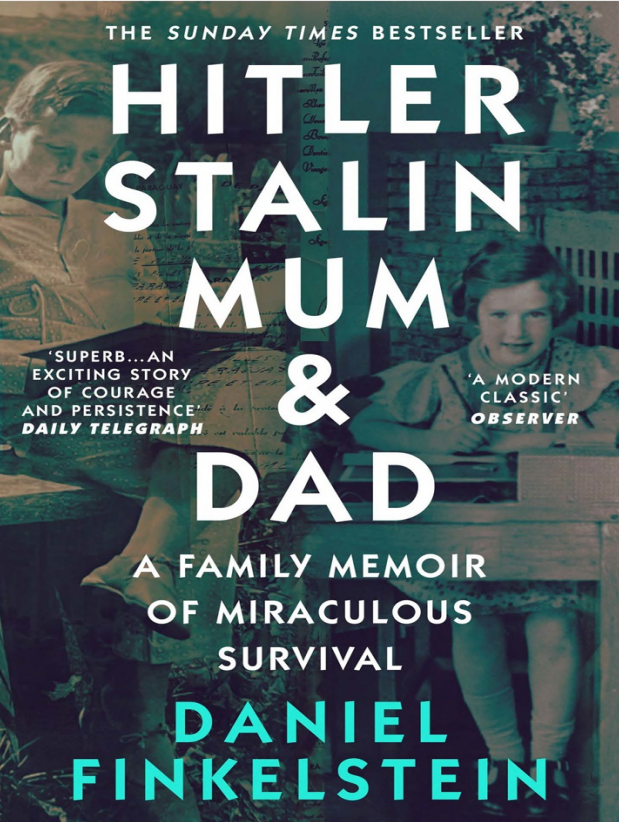 Finkelstein talking about his mother, who apparently played down her experiences in a concentration camp because "it's not a competition". Supposedly, she had seen Ann Frank in Belsen.
 In his introduction, Dershowitz does as you would expect & is careful to start things in 1948 with the UN dividing the land between different groups with different claims that the Muslims refuse to accept because they are religious radicals intent on taking over the region.🧵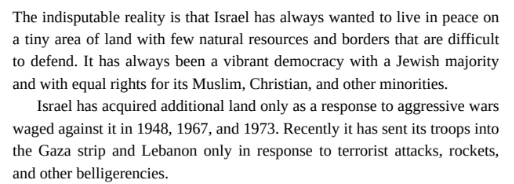
 The book opens with an attempt to define the working class that blows me away. Very much like Richard Hoggart, the working class are a historically contingent lived thing made up of diverse elements that are united within the lives of real people. To talk about the working class in isolation is meaningless. They exist in their relationship to other classes.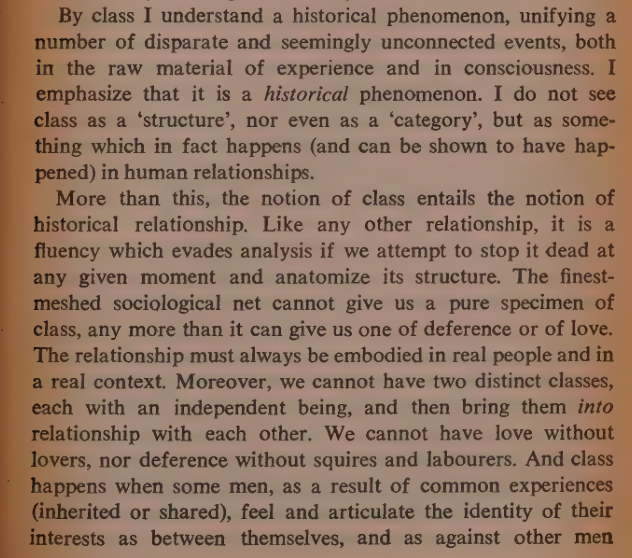
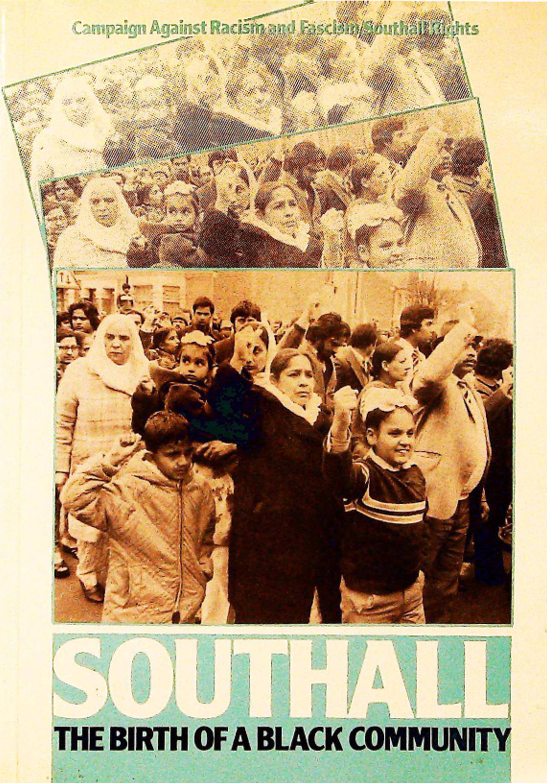 I thought this was rather illustrative of what I object to. It's a celebration of the resilience and strength of the Punjabis in forging a community in the face of prejudice. The thing is, there was a community there before them that waves of non-English speaking Punjabis on forged passports flooded into and then that previous community was broken and gone.🧵
 He begins with a quote from Disraeli. I strongly suspect Disraeli's views on race were wildly more problematic, if taken seriously, than those of Griffiths, with all Disraeli's talk of pure bloodlines in novels like Coningsby. 🧵