TimOnPoint Profile picture
Cold, wet and sandy… as God intended. 🇺🇸
Jul 22 6 tweets 7 min read
Pickaxe Mountain – aka Kūh-e Kolang Gaz Lā – is a hell of a thought experiment for those of us who game out hard problems. (Thread)

• Deep in Iranian territory.
• A vast underground labyrinth of tunnels, blast doors, and storage vaults.
• No reliable map of the full layout.
• Critical areas likely beyond the reach of even our largest penetrators.
• Heavily protected against any conventional ground assault.

This is the kind of target that traditionally gets filed under “no f’n way.” But old problems have a tendency to solve themselves over time.

Using this mission challenge as the goal, we now have the knowledge and the capability to execute this mission – we only lack the capacity. Solving for this specific problem redesigns almost all land warfare, and goes a long way to redesigning naval warfare.

Autonomous Combined Arms...

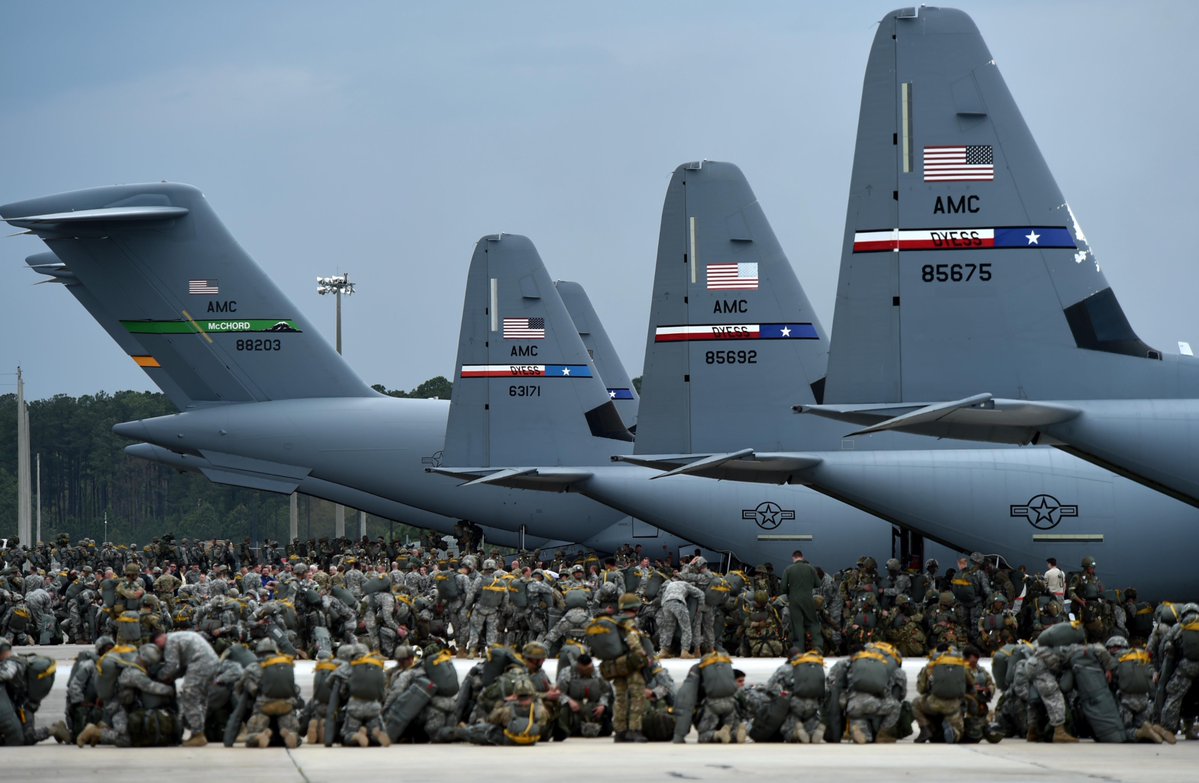
1/Image What if you could flood the area with a battalion or two of autonomous weapons? Sort of an autonomous Ranger Battalion.
* A massive initial drop of air, ground, anti-air, ISR, comms relays, and disposable sensor nets. Followed by waves of specialized drones purpose-built to solve each level of the tunnel problem – breachers, crawlers, mappers, and deniers.

The Drone Economy rewards a military force in five important ways.

The first four we talk about constantly: the massive cost differential versus manned systems, the ability to handle dangerous/mundane/fatiguing tasks, rapid upgrade cycles driven by commercial tech, and persistent presence over the battlespace.

The fifth is the one we rarely discuss, but may prove most important over the long term.

With a highly flexible, attritable autonomous force, warfighters and planners can now seriously consider missions that have sat in the "no f’n way" file for decades.

2/Image
Jul 9 12 tweets 7 min read
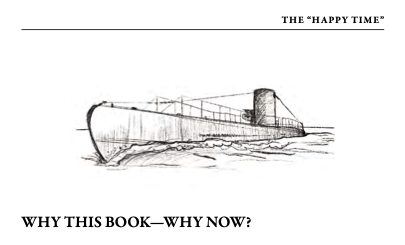
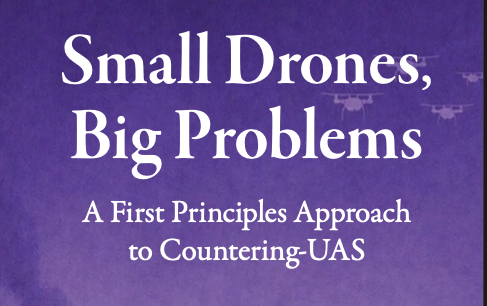
A new document just dropped from Joint Interagency Task Force 401: Small Drones, Big Problems: A First Principles Approach to Countering-UAS (18 June 2026).

It’s an accessible primer aimed at Soldiers, federal agents, and local law enforcement. It tries to give people a clear mental model for dealing with the small drone threat instead of just chasing silver-bullet tech.

Worth reading — but the “first principles” framing deserves a closer look. 1/Image What the document gets right

It opens with a strong historical analogy: the German U-boat “Happy Time” in WWII, before the Allies adapted with convoys, escort tactics, sonar, and radar. The point is clear — drones are having their own “Happy Time” right now, and we need to close the gap fast.

The core frameworks are genuinely useful:

- The 4 Ps of drone threats (Person/Operator, Platform, Process/Control, Payload/Purpose)
- The 5 Ds of protection (Detect early, Deny the goal, Disrupt the attempt, Defeat as last resort, Discipline under uncertainty)

These are simple, memorable, and push readers toward layered thinking instead of pure kinetic solutions. 2/Image
Jun 22 11 tweets 8 min read
Modern military readiness systems have a category error at their core.

They measure preparedness — how well forces align with expected missions and anticipated conditions. But history shows assumptions fail. Wars, technological shocks, and strategic surprises routinely expose the gap between what was measured and what actually worked.

This thread mirrors a draft paper that proposes a different foundation: Readiness is the ability to generate effective capability regardless of conditions. It is not a condition to be measured (yet). It is an outcome generated by two organizational properties:

- Generative Capacity (A) — the ability to create new capability.
- Adaptation Velocity (Δ) — the speed at which potential becomes capability.

Together they form the Catalytic Layer that converts resources into all real military power.

Thread on rethinking readiness from first principles. 1/11Image
Image
Image
Image
Military organizations have always sought readiness. JP-1 defines it as the ability of military forces to fight and meet the demands of assigned missions.
Yet we repeatedly see the same pattern: forces assessed as ready struggle when reality diverges from planning assumptions. The problem is not poor measurement. It is that we have been measuring the wrong thing. Current systems primarily assess preparedness — alignment with expected conditions.

* Preparedness and readiness are not synonymous.

A force can meet every standard, complete every certification, and satisfy every readiness report while remaining unable to generate effective responses when assumptions collapse.

The central claim: readiness is best understood not as an inventory of existing capability, but as the ability to generate effective capability regardless of conditions.
2/11Image
Jan 26, 2025 4 tweets 1 min read
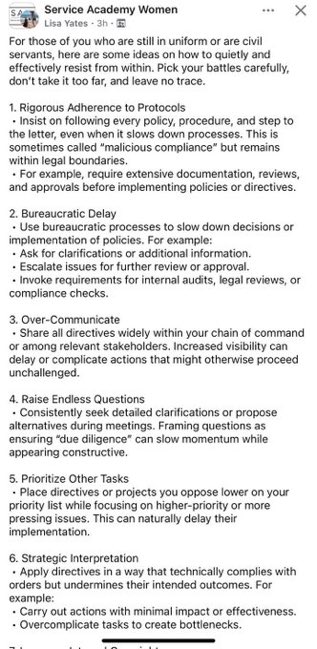
Hey Lisa Yates, you do realize that you left your name up there at the top, right? Image Excellent tradecraft…😉
Jun 29, 2024 5 tweets 3 min read
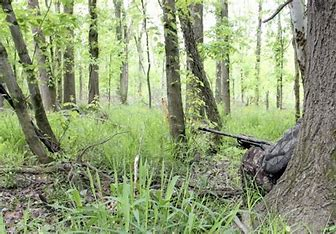
Fieldcraft Friday - Learn the woods.

People know their back yard. They know the birds, the squirrels, the plants, the bugs, etc. How did they learn their back yard? By being in it of course. Even when you're not paying attention, your brain is earmarking bits of information.The Southern Illinoisan What happens when you're dropped into an area that you're unfamiliar with? How do you learn years' worth of local knowledge quickly? I'm going to teach you how to tune to the bush.
First, let's talk about the 24-hour cycle in the wild. I'm not going to dive too deep here - not discussing phases of the moon and weather effects. There are two basic variables at play, light and temperature. Critters, plants, and people all have their preferred range. For example, anyone who has by taught to patrol in the military knows that everyone on the team is silent and on watch 30-60 before sunrise/sunset to 30-60 minutes after sunrise/sunset. Why? Because people like to get where they need to be at dusk and daybreak.

Animals are the same, there's a day shift and a night shift. There's also a twilight shift where the two groups cross paths. We're basically talking about four shifts, two long shifts (day and night) and two short shifts (dusk and dawn). All have their unique mix of movement, sounds, and smells - a rhythm. You need to learn each one.
Jun 21, 2024 9 tweets 4 min read
Fieldcraft Friday - Show me your boots.

Fact: most of you don't know how to walk.

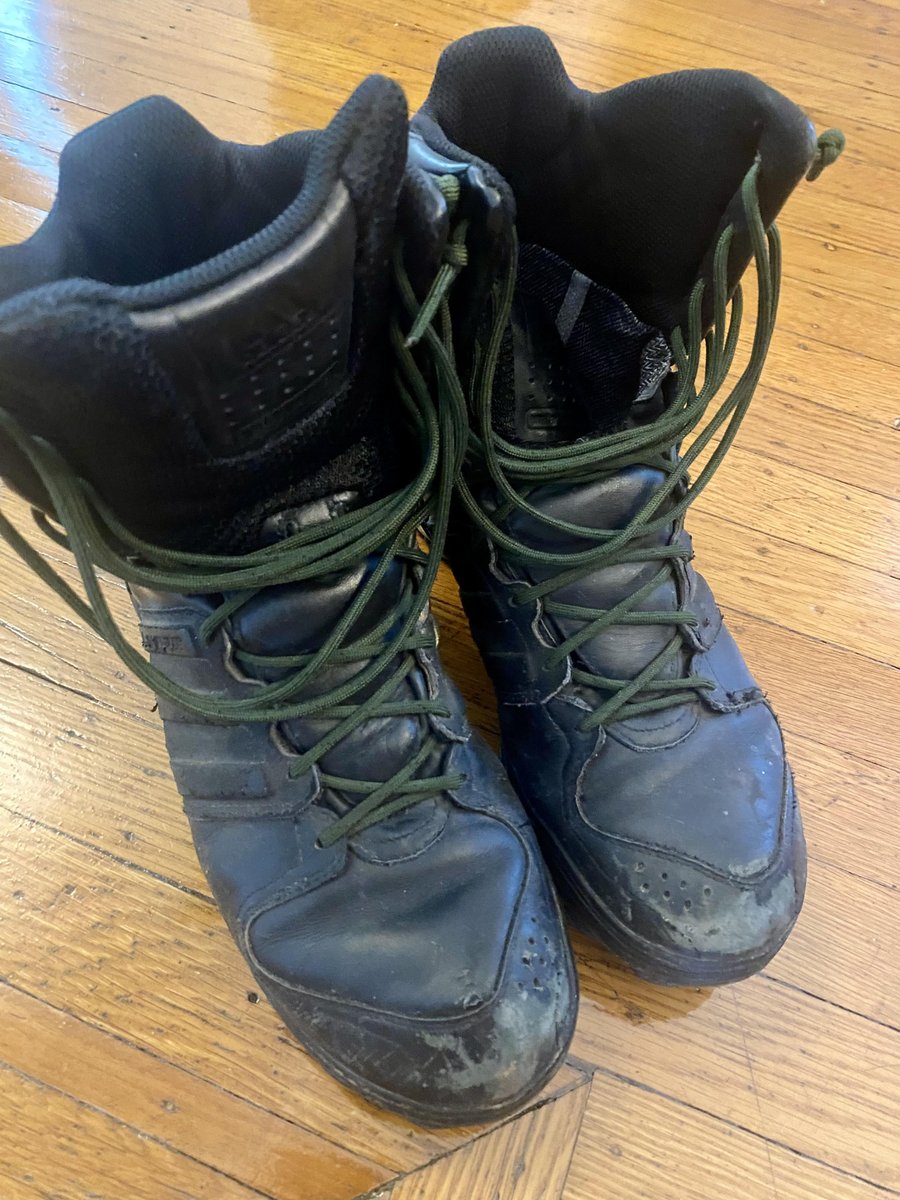
When I checked into my first team in 1997, I didn't know how to walk either - I was eventually fixed by my brothers. First, go find your oldest pair of boots and look at the soles. I have several old pairs around (wife calls me a hoarder), but let's look at these old GSG9 boots - the first combat boots with a sneaker sole, revolutionary when they first came out ~35 years ago. These are about 20 years old. I semi-retired them after Soloman entered the market.Image Let's look at the tread - no bald spots. The old, untrained me would have left damaged heels and bald areas under the ball of the foot - two separate problems:

1. My step landed while my foot was still moving forward (heel abuse), resulting in lots of noise and my center of gravity being in front of my body (resulting in slips).

2. My foot dragged as it moved forward (bald spots under ball of foot), resulting in even more noise as my foot scuffed forward and trips.

*People who trip a lot don't walk correctly. People who walk correctly get a lot of mileage out of their boots.Image
Jun 29, 2023 4 tweets 2 min read
Expanding on the realities of a gunfight, point by point. 🧵 1) EXPECT no information, just a direction (maybe) – who, what, how, where… these are the questions that we’re trying to answer, but you may not get anything answered except that there’s a threat.

A combat engagement, especially your first combat engagement, will often begin… twitter.com/i/web/status/1…
Feb 22, 2023 7 tweets 2 min read
I’ve been somewhat combative today, so I’d like to leave you with some beautiful words from Chesterton tonight. I love this passage for the fullness it leaves in my heart and the strange fit that it has to our current national dilemmas.

The Riddle: Love and Hate for the World Image “It will be said that a rational person accepts the world as mixed of good and evil with a decent satisfaction and a decent endurance. But this is exactly the attitude which I maintain to be defective.