
Ex-scouting/data @SacRepublicFC, @TampaBayRowdies. Cohost @theUSLshow. Contributor @Backheeled.


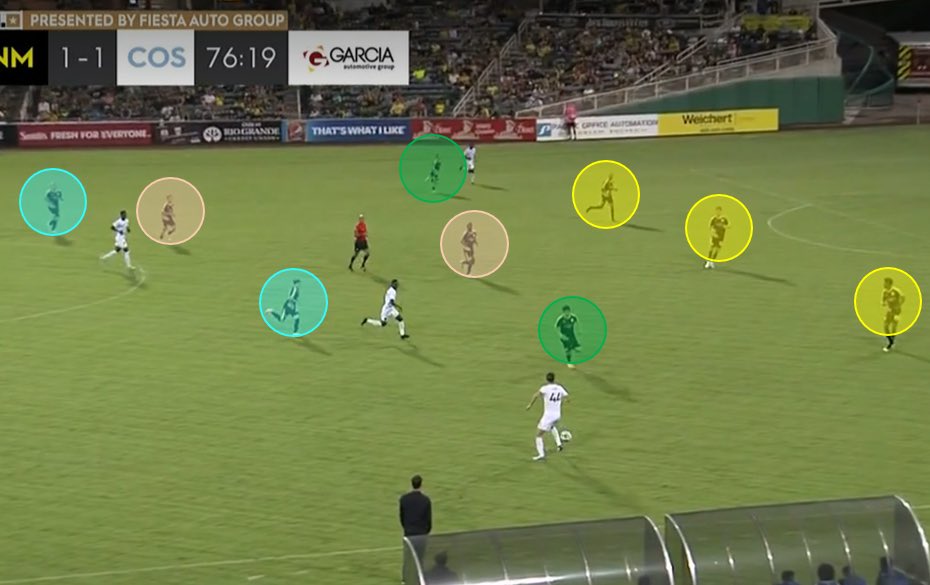
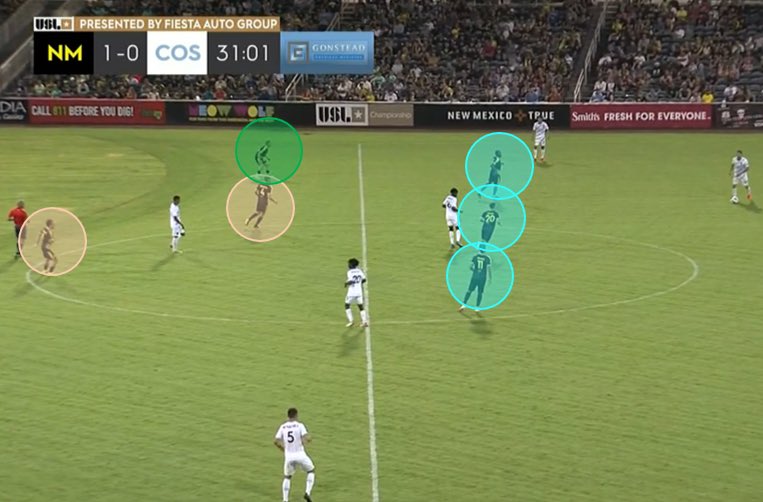
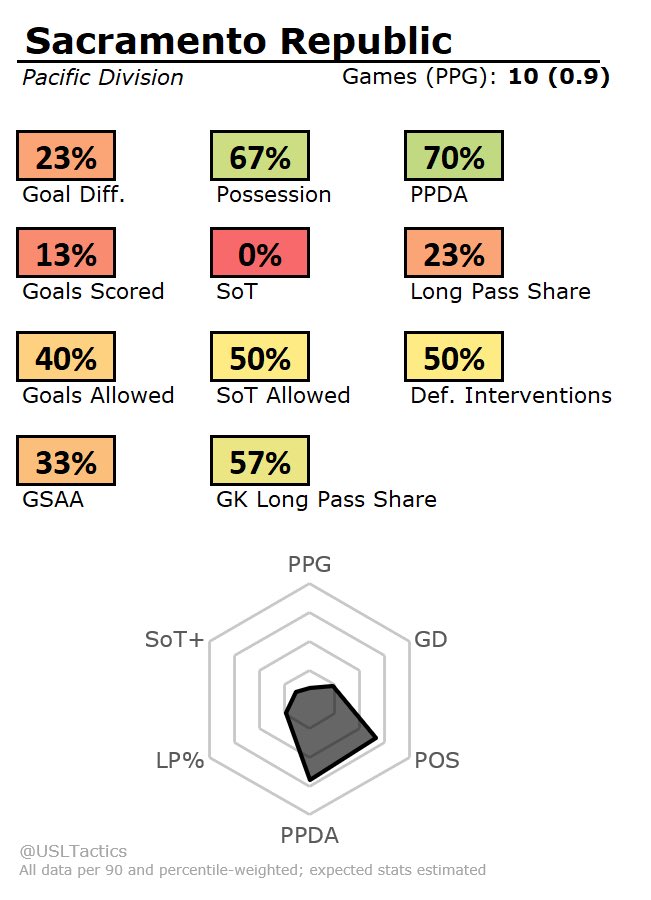 In each of the sequences below, SAC is drawn out by overzealous closing, sloppy positioning, or a general failure to pick up runners. These multitudinous failures were unexpected for a generally strong defensive side.

 Miami nominally lined up in a 4-3-3, but their shape involves plenty of interchange and sneakiness from that attacking tandem. This tactic dually put pressure on the Rowdies midfield and tempted their back three out of shape.
 It all starts with the tried and true CB trio at the back, seen here. The Hamilton/Yearwood/Ryden axis can sustain itself in buildup, and it’s excellent in sweeping up the channels defensively. The chemistry is great.
 Here are three examples. In the first, he pursues the big CB gap well with a curling move. The second sees Iwasa note Bone’s position and slide in, freeing the gap for his teammate. In the third, he makes a consummate back-shoulder run to earn a pen. It’s all really smart.

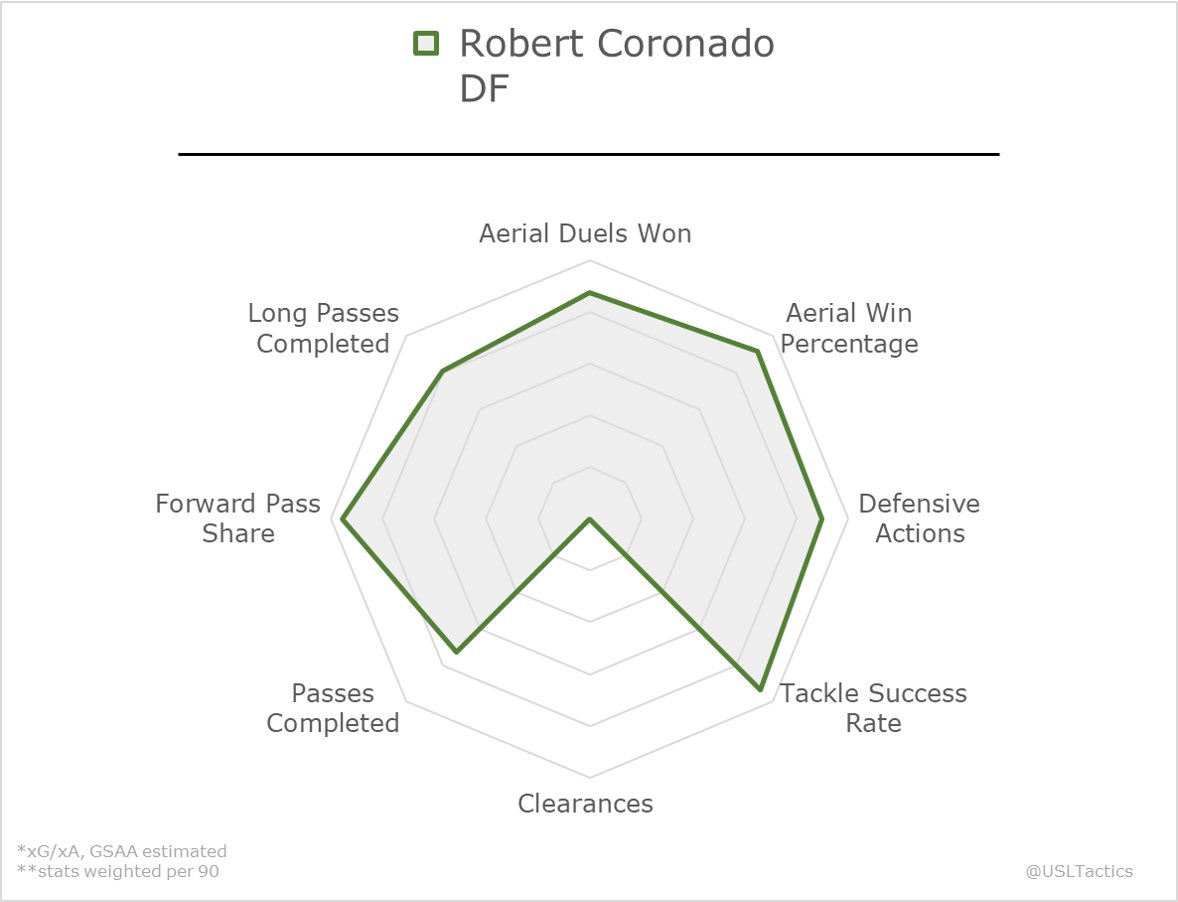 The best Energy attacks came when Daniels tucked into the central midfield within OKC’s 4-4-2. This pulled Moon inside for Indy and let Coronado run rampant down the flank. You can get a sense of the basic tactic below.