Ehren Yee Profile picture
Daily threads about history
Feb 6, 2024 4 tweets 2 min read
Three Kingdoms Period🧵

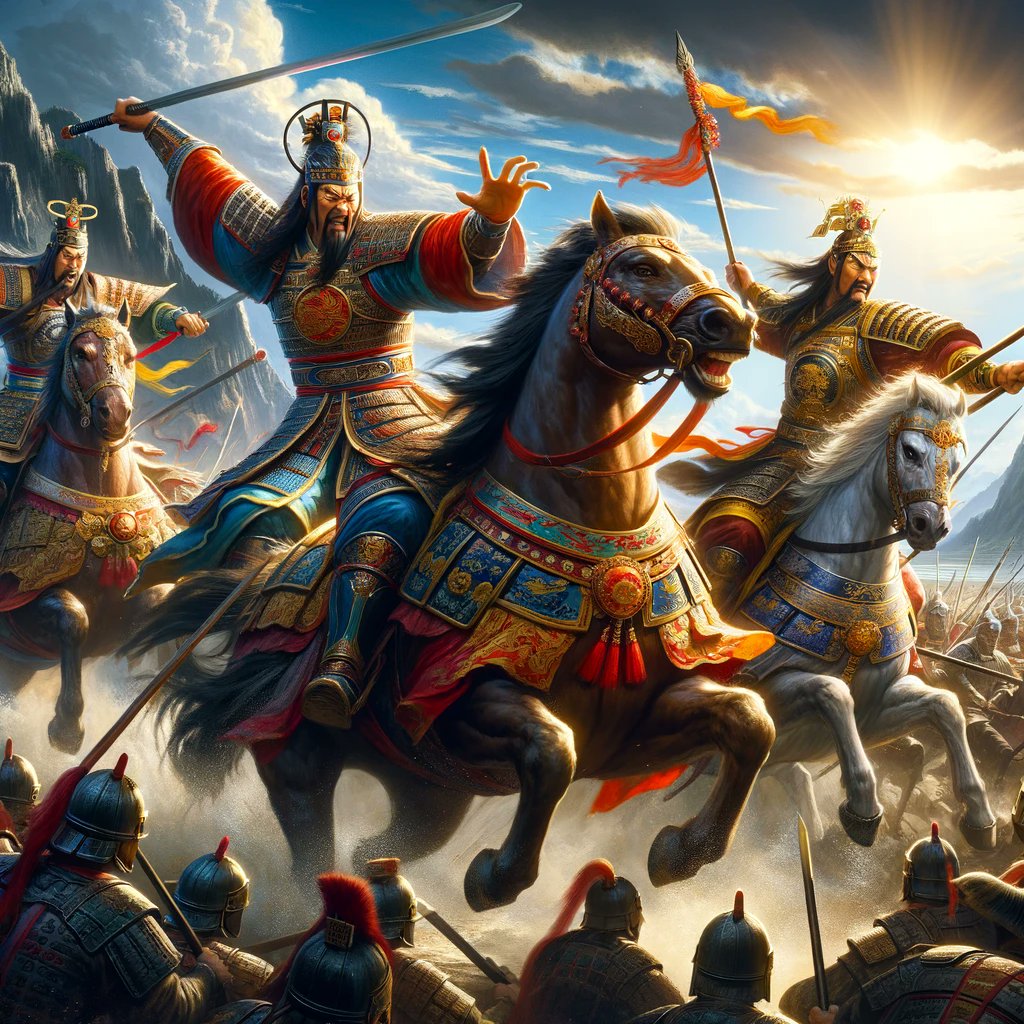
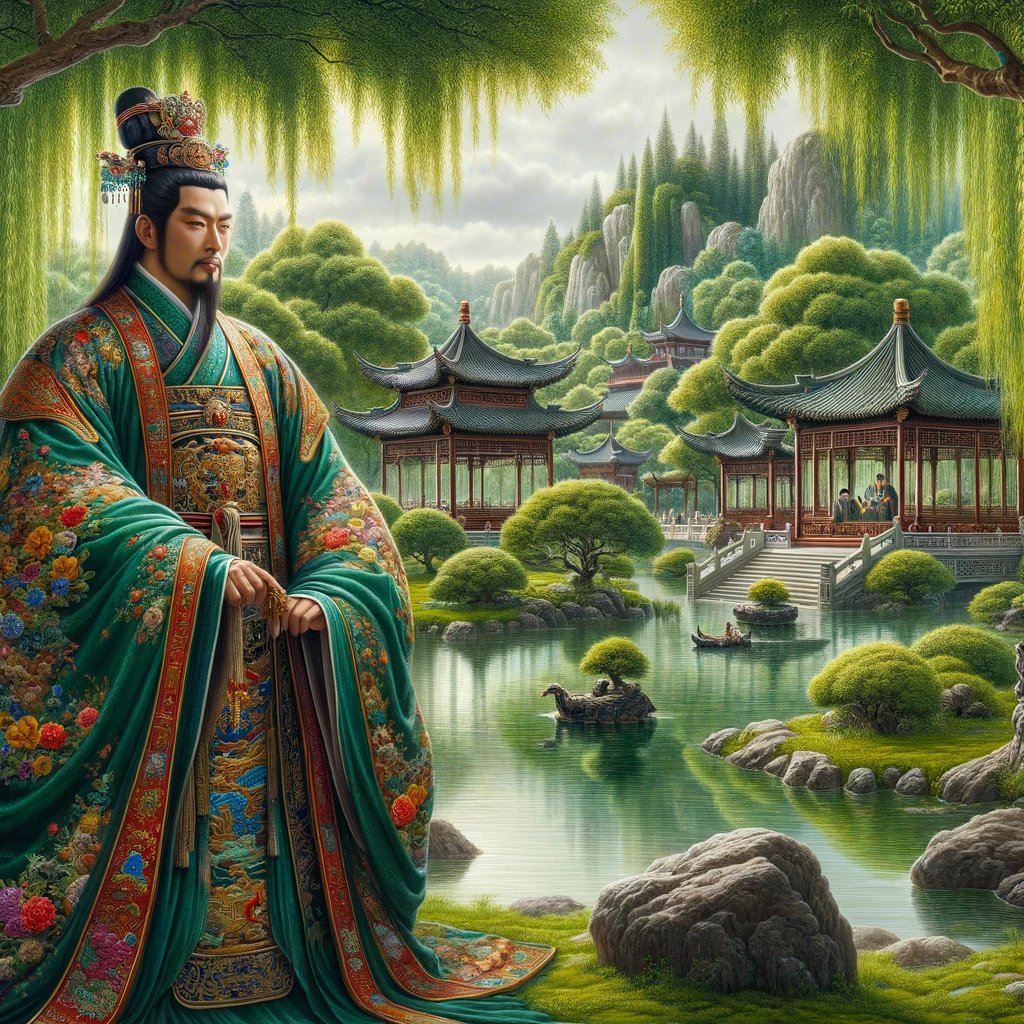
The The 3 Kingdoms period (~220-280AD) was a tumultuous period that resulted from the fall of the Han Dynasty. Though brief, it ended up having a profound impact of Chinese culture, literature, and philosophy.

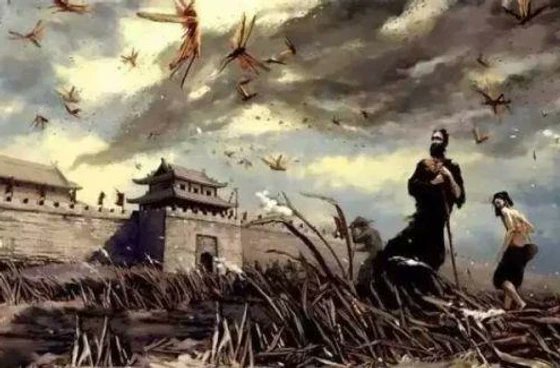
Here's how it played out▶️ Image The Han Dynasty, which had ruled China since 206 BC, though once prolific, began to crumble due to internal corruption, power struggles, and the burden of repeated natural disasters and famines.
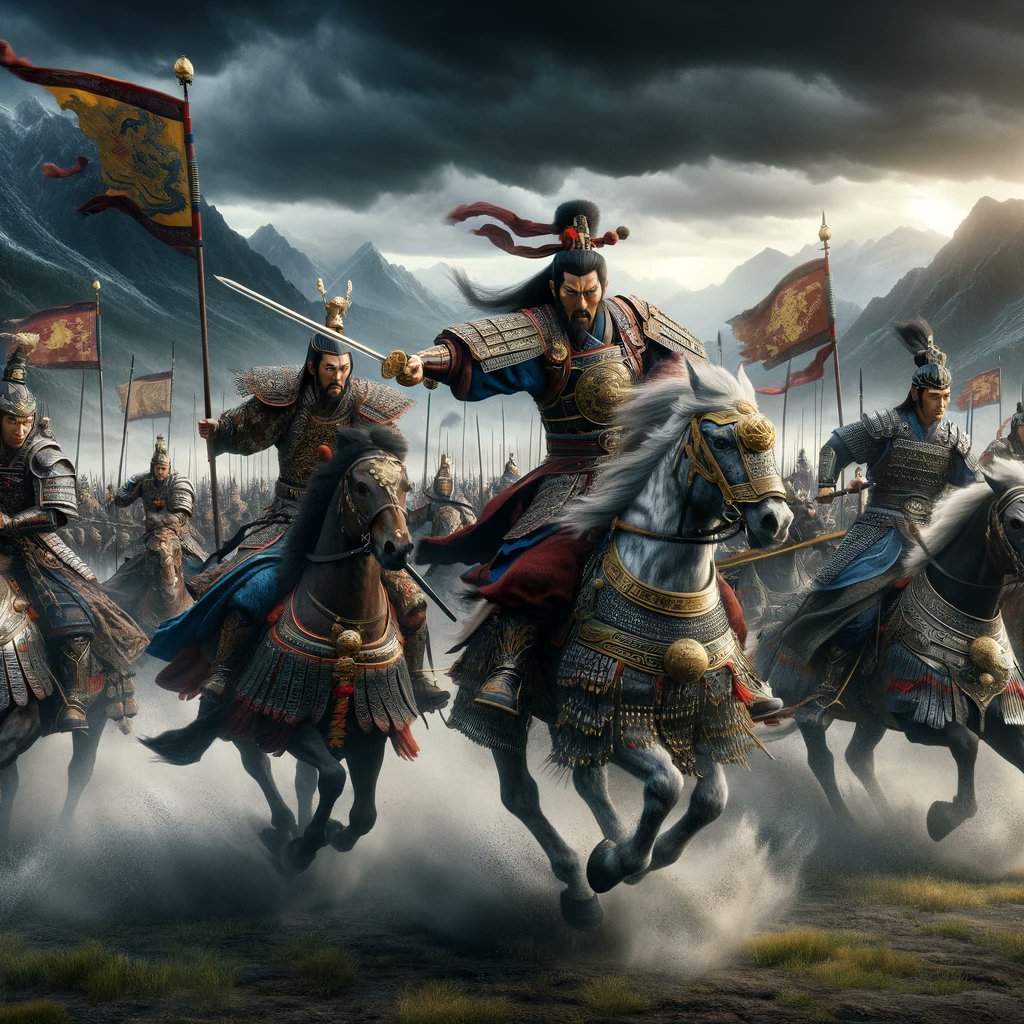
Amidst this turmoil, from about 184AD, various warlords began to informally control various regions of China.

During this time, three powerful leaders established themselves within their territories.Image
Jan 29, 2024 5 tweets 3 min read
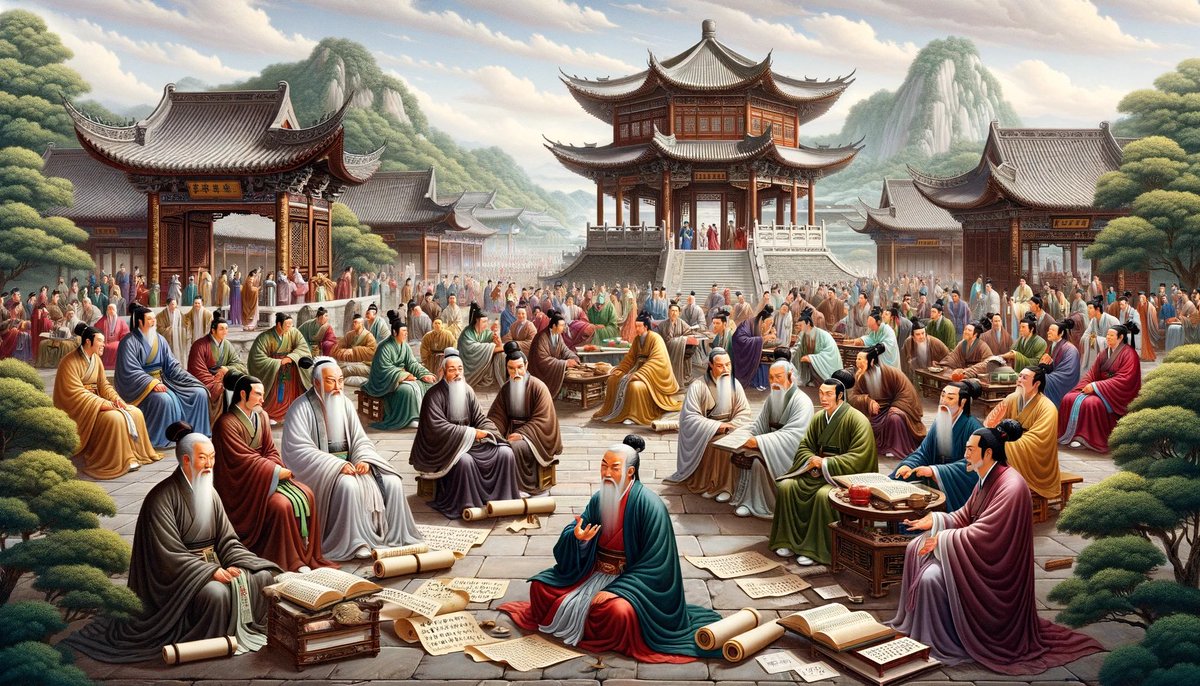
The Hundred Schools Of Thought🧵

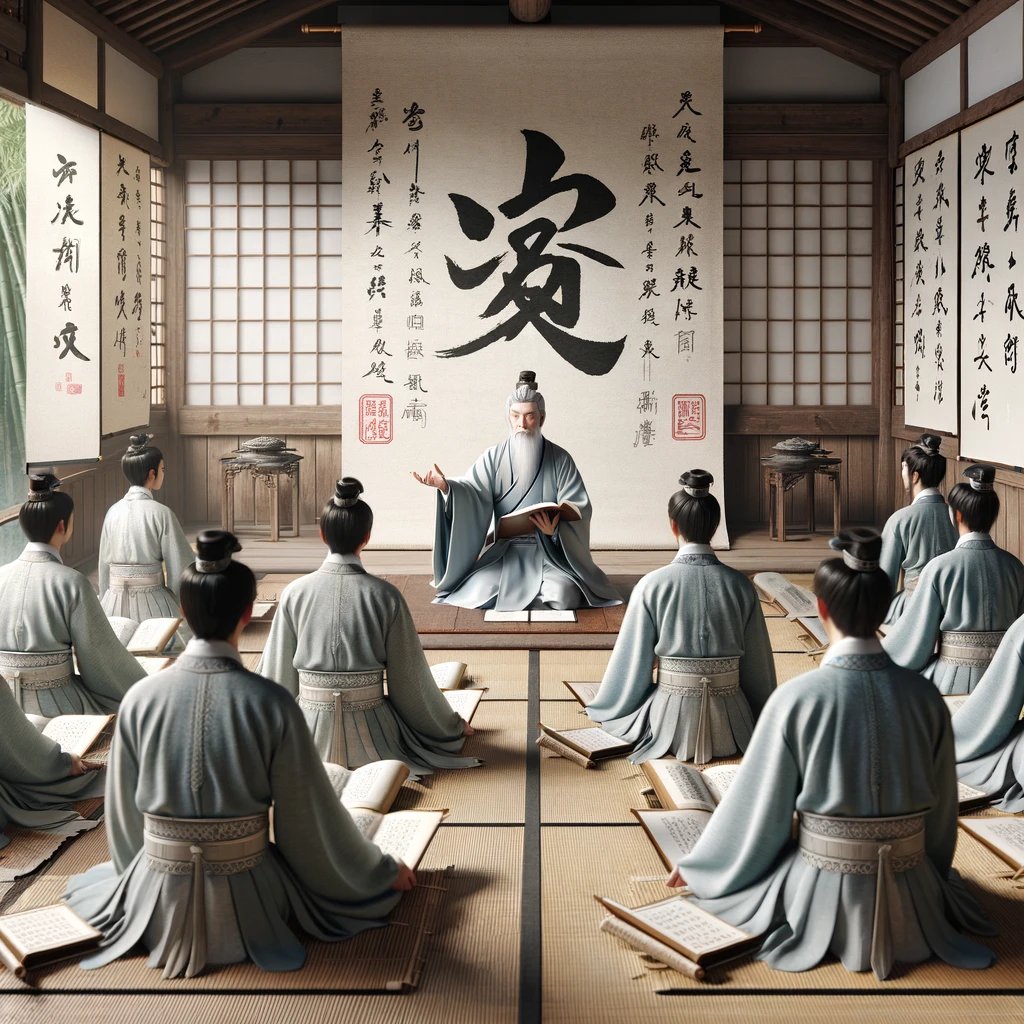
This period, spanning from the late Spring and Autumn Period (771 to 476 BC) to the Warring States Period (475-221 BC), saw the emergence and development of various philosophical schools and thinkers.

This era is remarkable for its profound impact on Chinese thought, culture, and politics.▶️Image The Hundred Schools of Thought emerged during a time of significant political fragmentation and social upheaval in ancient China.
The decline of the Zhou dynasty's (~1046BCE-256BCE) power led to the rise of various independent states, often at war with each other, known as the Warring States period.

This period of chaos and conflict spurred thinkers and philosophers to seek solutions to restore social order and political stability. Intellectuals were often employed by various state rulers to develop strategies for governance, warfare, and diplomacy.
Jan 23, 2024 4 tweets 2 min read
The 3 Greatest Emperors Of The Tang Dynasty🧵

The Tang Dynasty was a golden age in Chinese history, and was led by several remarkable leaders.

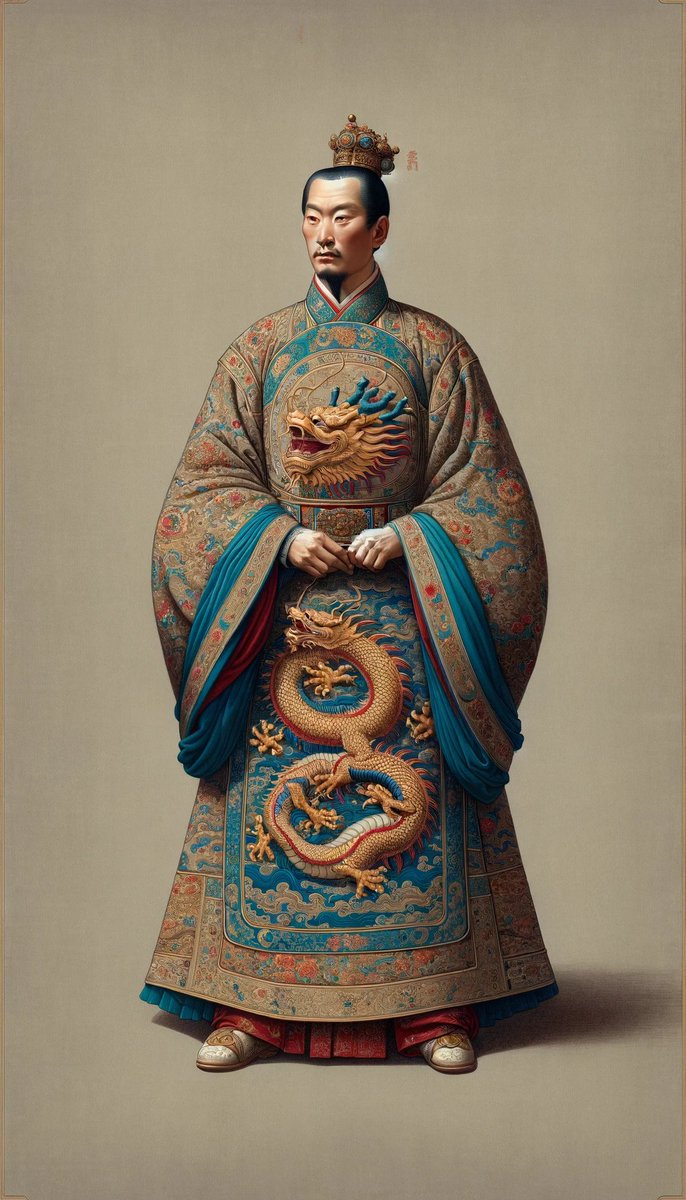
Here's a list of my top three most impactful emperors and what they accomplished▶️ Image #1

Emperor Taizong (Li Shimin, reigned 626-649 AD) is revered as one of China's greatest rulers of all time.

His reign stabilized the empire after the Sui Dynasty's fall, emphasizing meritocracy and effective governance. He expanded China's borders and established the Silk Road as a major trade artery.

Taizong's era was marked by economic growth and cultural richness.

His foreign policy and military campaigns extended Tang influence, while his domestic policies fostered an environment where arts and science flourished, setting a high bar for his successors.Image
Jan 2, 2024 8 tweets 3 min read
A🧵 History Of Steel Production In Ancient China

Steel first emerged in China during the Zhou Dynasty, around 1046 BCE.

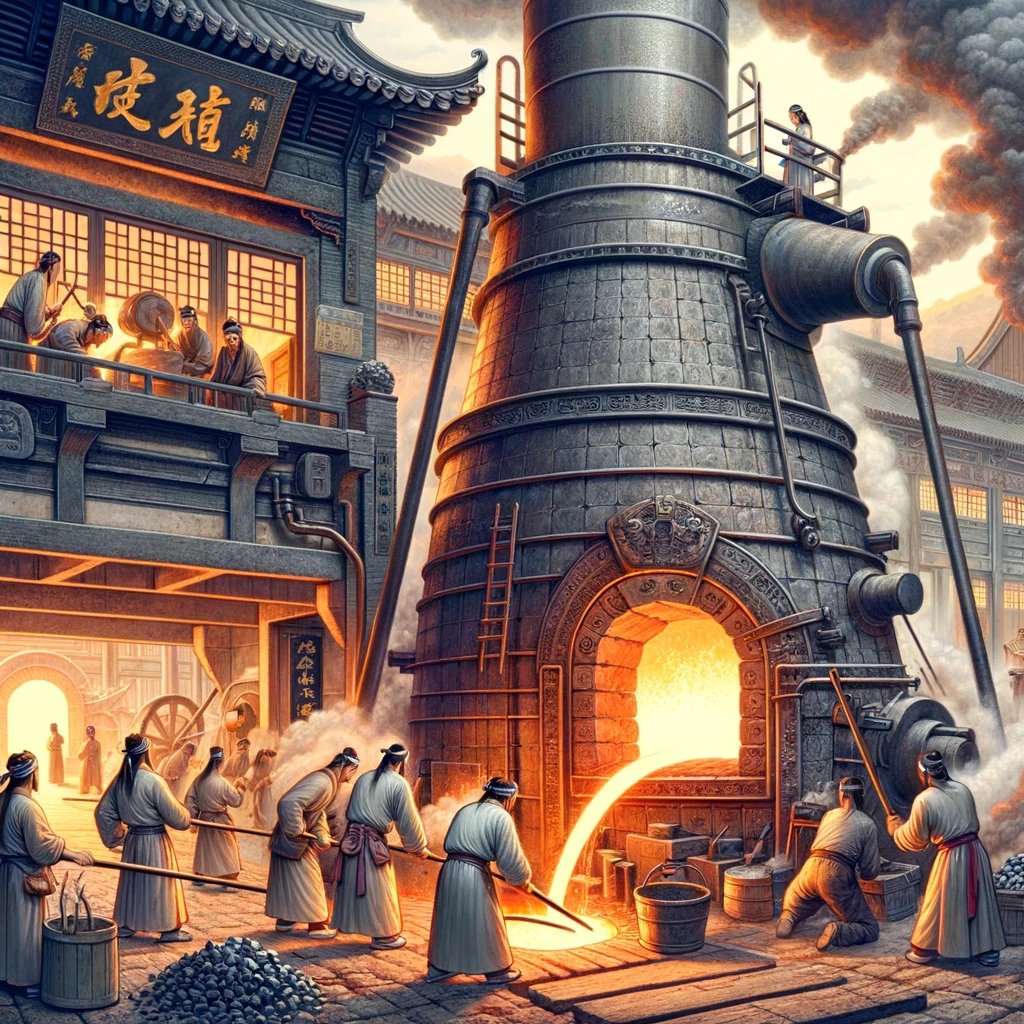
This basic steel was likely created by increasing the carbon content of wrought iron, a process that wouldn't be adopted in Europe for nearly 2 millennia. Image The basic process for making steel involved heating wrought iron in a carbon-rich environment, a technique known as carburization.
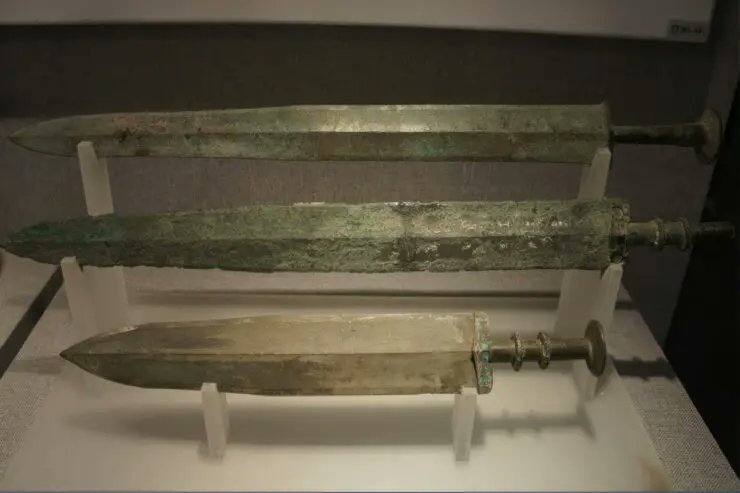
This increased the carbon content in the iron, transforming it into a stronger and more durable material, which we recognize today as steel. Image
Dec 23, 2023 7 tweets 2 min read
A 🧵On The History Of Paper Currency In China

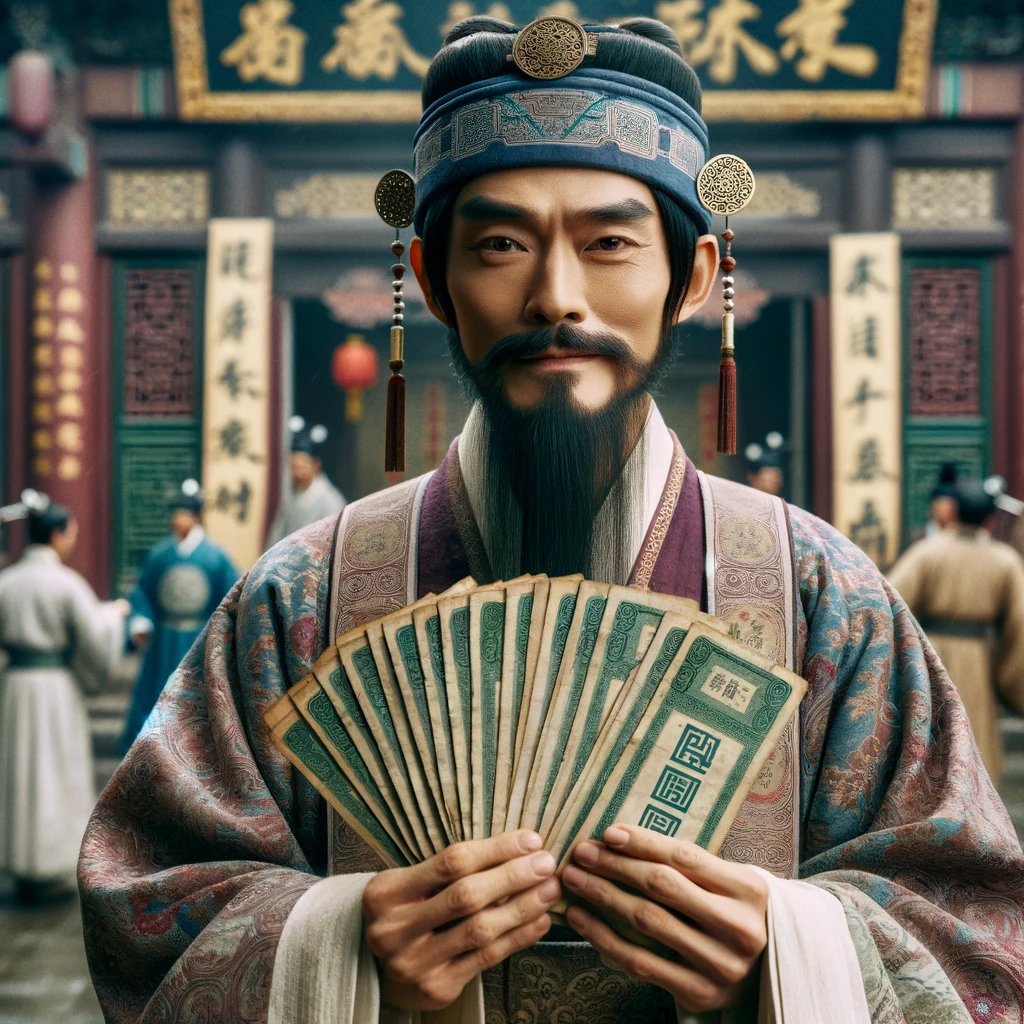
China's history with paper currency traces back to the 7th century during the Tang Dynasty.

China was the first society to engineer and manufacture paper on a mass scale, and they quickly found applications for financial use. ▶️ Image Merchants in Sichuan and Chengdu during the heyday of the Silk Road pioneered the use of promissory notes, offering a more convenient alternative to cumbersome heavy metal coins for trade.
Dec 17, 2023 9 tweets 3 min read
Home Office 213/926

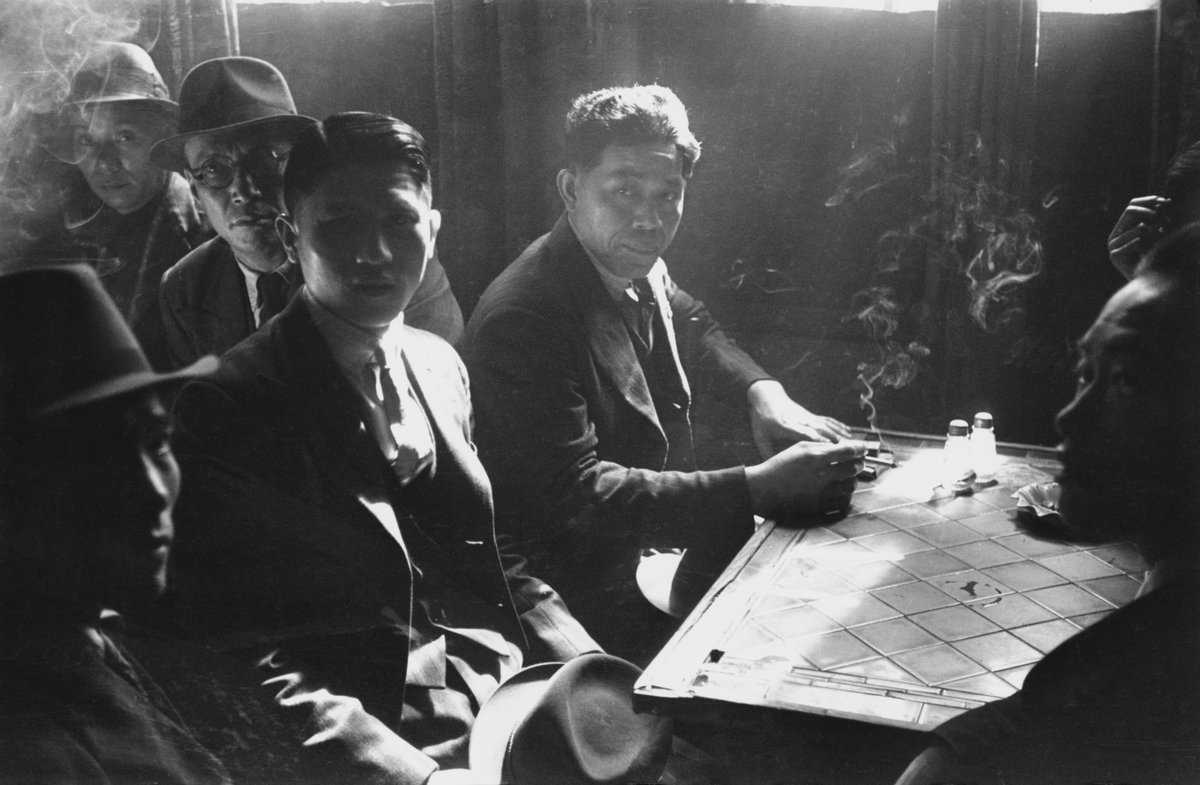
In the aftermath of WWII, a secret British government operation, documented in Home Office file 213/926, forcibly "repatriated" hundreds of Chinese sailors from Liverpool.

Here's a🧵that explains this sad, racist event ▶️ Image During WWII, around 20k Chinese sailors served in the British Merchant Navy, mostly in Liverpool. About 300 formed families with local women. Despite providing immense help during the war, they faced discrimination and after demanding equal pay in 1942 Image
Dec 12, 2023 11 tweets 3 min read
Japanese Southern Expansion Doctrine "Nanshin-ron"

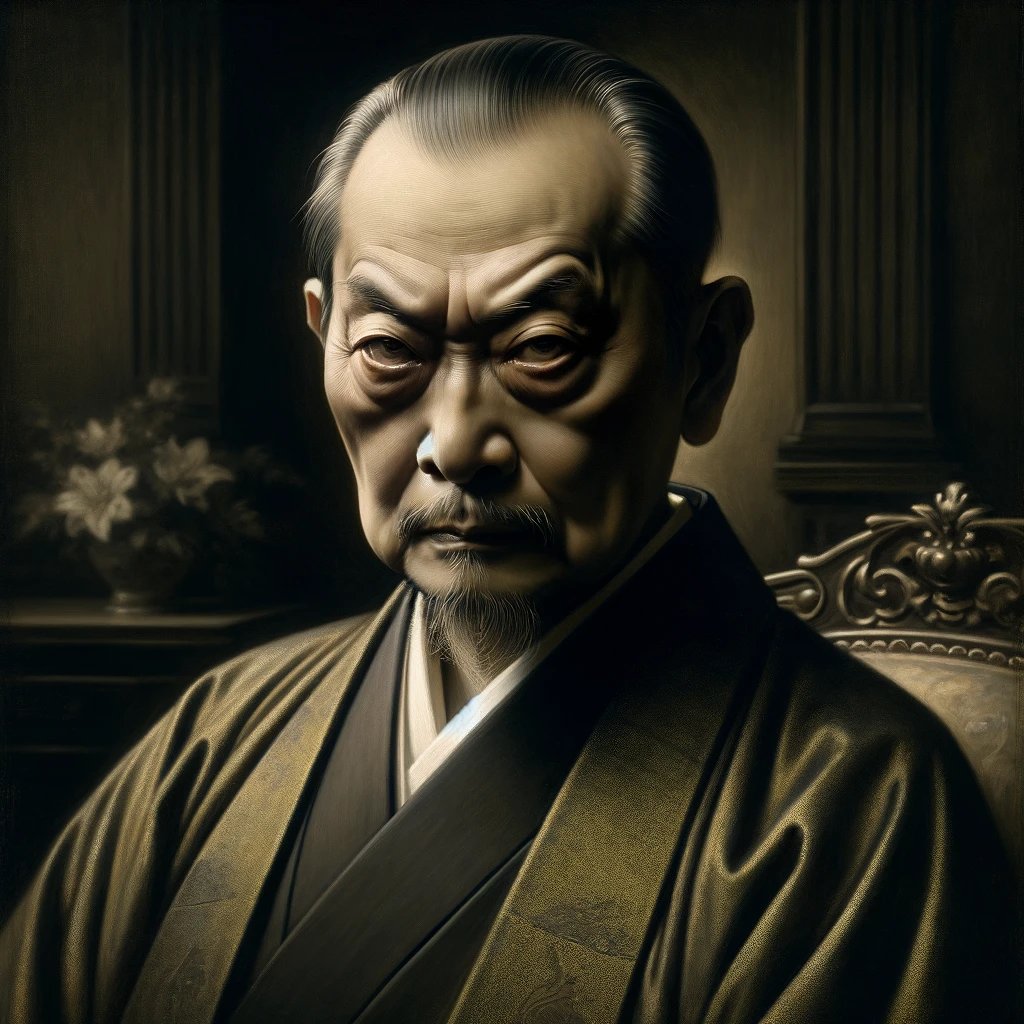
The Japanese Southern Expansion Doctrine unfolded as a set of military and political strategies by the Empire of Japan. It aimed at expanding control in Southeast Asia and the Pacific.

Here's a long 🧵 that explains it▶️ Image In the late Edo period, Japan was inspired by European imperialism and pursued the Meiji Restoration (1868). They aimed for Western parity, focusing on imperialism as European influence neared Japan. The Meiji era's nanshin-ron policy targeted the south for trade and emigration. Image
Nov 22, 2023 11 tweets 2 min read
Confucianism Explained

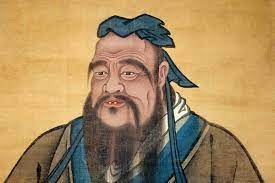
A long 🧵on Confucianism. This ancient philosophy is constantly mentioned these days as a cornerstone of Asian societal values & ethics. But what is it really about? Here's a list of Confucian principles▶️ Image Confucianism centers around Ren (仁) - Benevolence.
It values compassion and kindness, urging people to treat each other with empathy, lend a helping hand, and embody humanity in their actions.
Nov 9, 2023 9 tweets 3 min read
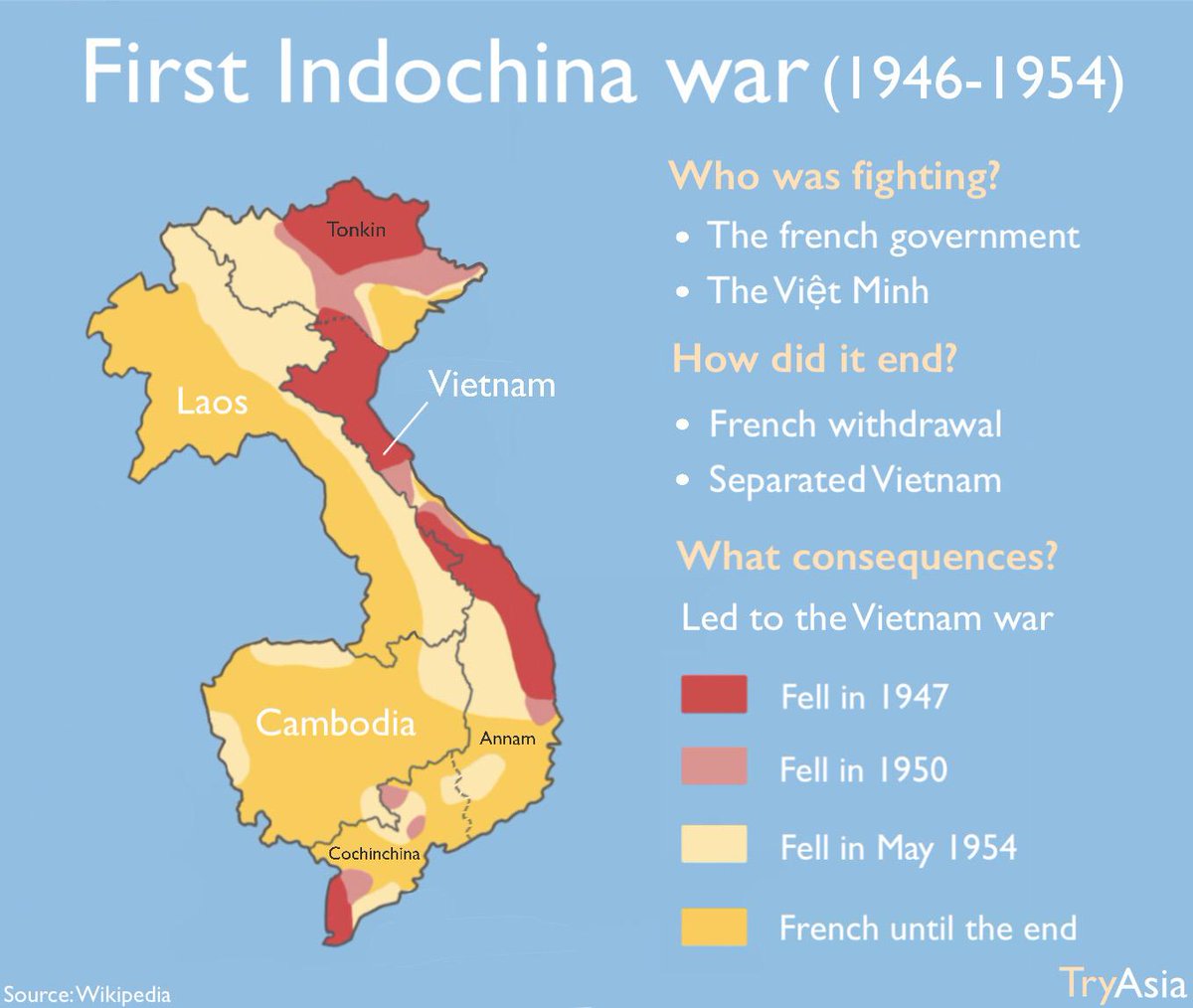
The First Indochina War

In the post-WWII era, the French tried to retake Vietnam, clashing with the Viet Minh, who had declared Vietnam's independence in 1945, seeking self-rule.
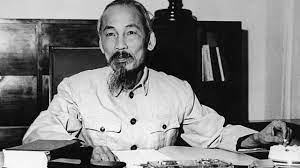
🧵 Image The Viet Minh, led by Ho Chi Minh, sought a Vietnam free from foreign control. The war began on December 19, 1946, when the Viet Minh launched attacks against French forces in Hanoi. Image
Oct 26, 2023 11 tweets 3 min read
The Ming Dynasty's Collapse

The Ming Dynasty (1368-1644) was a beacon of culture and power in its prime, but an array of factors led to its downfall, and the establishment of the Manchu-led Qing Dynasty. Here's summary▶️
🧵 Image Central to the Ming's economic issues was a silver shortage. Much of the silver, crucial for tax payments, came from the Americas via European traders. By the late 16th century, global silver flows slowed, straining the Ming economy. Image
Oct 18, 2023 10 tweets 3 min read
The Xinhai Revolution

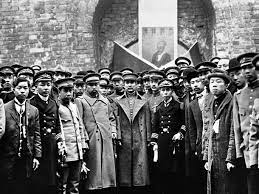
On October 10, 1911, the Xinhai Revolution, initiated by the Wuchang Uprising, marked the decline of the Qing Dynasty and the birth of the Republic of China. Here's a summary▶️
🧵/10 Image 2/10

The Qing Dynasty, led by the Manchu ethnic group, was marred by corruption. The dynasty's inability to fend off foreign aggression (Opium Wars, Boxer Rebellion, European Concessions, 8 Nation Alliance) exacerbated public discontent.
Oct 2, 2023 10 tweets 3 min read
What is Confucianism?

Confucianism, rooted in the teachings of Confucius (Kong Fuzi or Kongzi, 551-479 BCE), is a philosophical and ethical framework that has profoundly influenced Chinese society. Here is a summary of its core principles and history▶️

🧵 Image At the heart of Confucianism are key tenets:
- Ren (仁): Benevolence and compassion.
- Yi (义): Righteousness; moral disposition.
- Li (礼): Ritual propriety; appropriate conduct.
- Zhi (智): Wisdom.
- Xin (信): Honesty.
Sep 23, 2023 10 tweets 3 min read
The Incredible Life Of Qian Xuesen

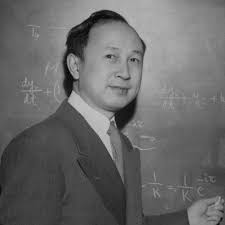
Qian Xuesen (1911–2009) is known as the "Father of Chinese Rocketry," instrumental in establishing China's missile and space program. His journey from MIT and Caltech to China during the Cold War is both inspiring and complex.

🧵 Image Born in Hangzhou, Qian Xuesen attended Shanghai Jiao Tong University before winning a scholarship to MIT in 1935. There he studied aeronautics, later joining the faculty at Caltech, one of the world's top aeronautics institutions.
Aug 18, 2023 9 tweets 3 min read
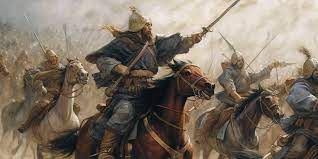
Mongol Battlefield Dominance

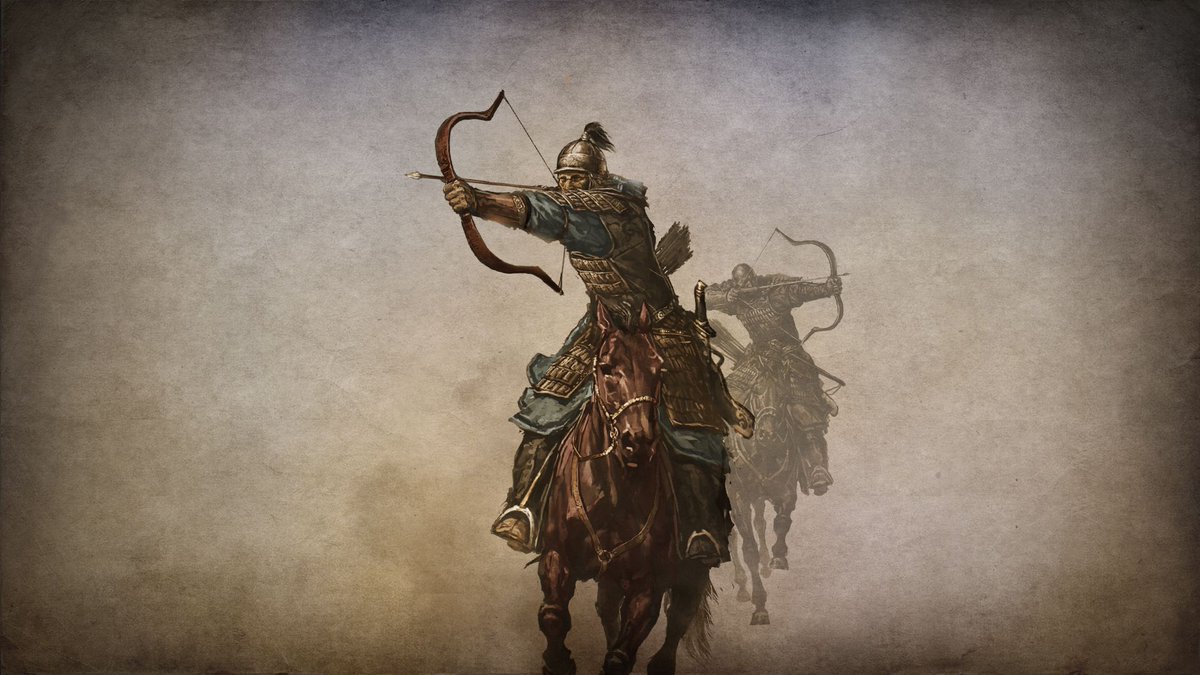
The Mongols, under the leadership of Genghis Khan successors, revolutionized cavalry warfare and employed a range of tactics, weapons, and archery. They reshaped warfare and built one of the largest empires in history because of it.

🧵1/9 Image 2/9

Mobility was the cornerstone of Mongol warfare. They were masterful horse archers, capable of firing arrows with deadly accuracy while riding at breakneck speeds, a technique referred to as the "Parthian shot." Image
Aug 11, 2023 5 tweets 2 min read
The Merchant Guilds Who Supplied Europe

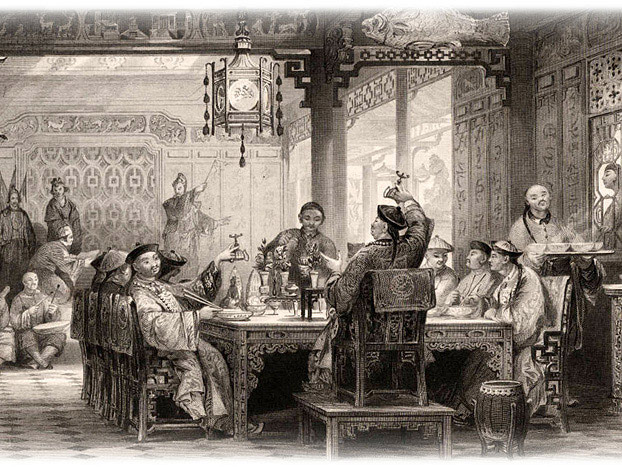
The Chinese Cohong (Gonghang) was a guild of merchants that held a monopoly on foreign trade in Canton (Guangzhou) from 1760 to 1842, during the late Qing era. They were like mega Amazon sellers who were controlled by government.

1/5🧵 Image 2/5

In 1760, the Qianlong Emperor sanctioned this guild to create a controlled environment for efficient trade with the West. Limited to around 13 families, the Cohong guild was composed of merchants, known as "hong merchants," who were licensed to trade with foreign merchants.