
Scholar of Fortune @DependencyBonn. Everything you wanted to know about 'The Fall of Rome' but were afraid to ask. Italophile.
@drdragases.bsky.social
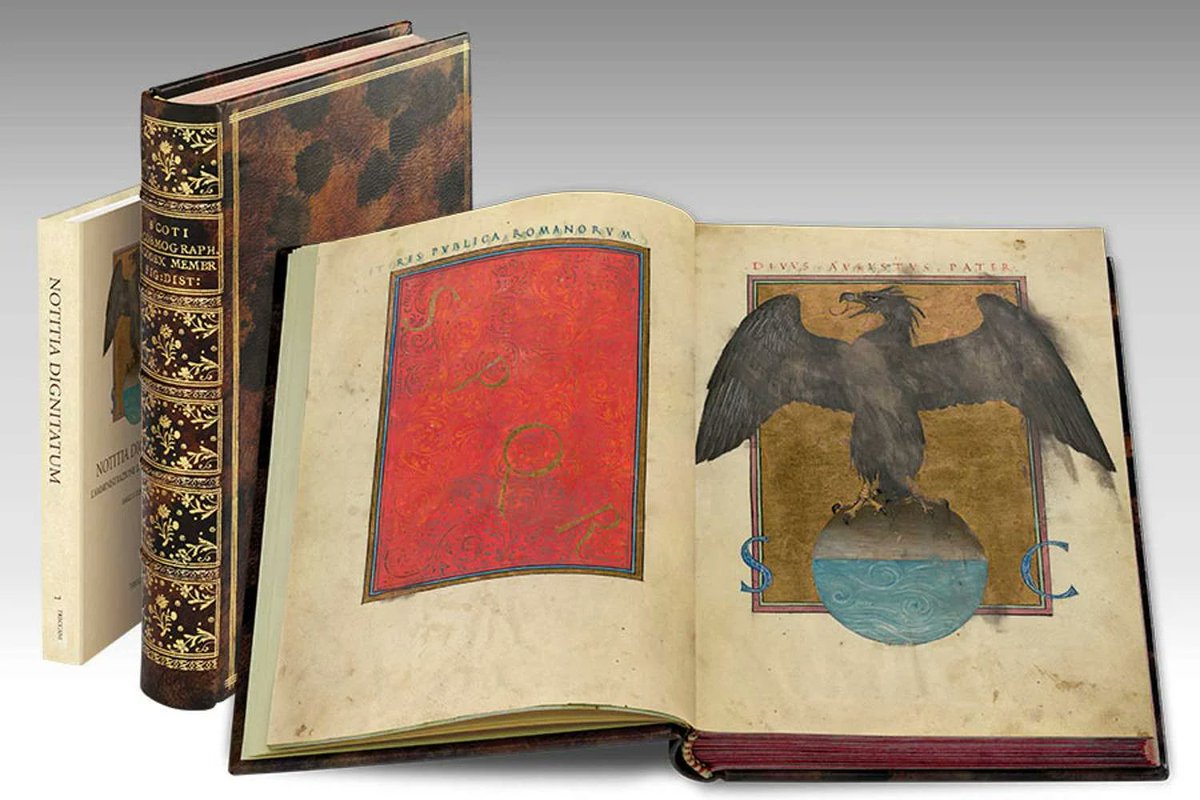


 2. Bret and I agree that already during the Roman Republic non-citizen soldiers played a crucial role in Rome's military. This is a staple throughout Roman history, from beginnings to end (= Byzantium). Scholarly consensus galore. Musk's original tweet was a racist dog whistle.


 2.
2. 

 2. Ancient/Modern comparisons almost never work, even though they're fun to play and think with. Especially the 'fall of Rome' (more on that soon) has proven highly popular to explain major problems of our time. I've written about this in Dutch here:
  2. First things first: plenty of textbooks and studies still refer to him as the 'Vandal', 'Half-Vandal', or - horresco referens - 'German' Stilicho. These labels are incorrect/partially correct/rubbish. Often unmentioned, but most important label of all: he's a Roman. Why?
 2. We don't know exactly what drove tribes of Greutungi and Tervingi to request crossing the Danube in 376. A combination of inter-tribal wars and the first tidings of the Huns in the steppe lands north of the Black Sea, may have motivated their leaders to request reallocation.

 2. First: why can't we call this the end of the Roman Empire? Well, there was still a Roman emperor in Constantinople, who ruled the entire Eastern Mediterranean and Southeastern Balkans. Since the end of the third century, Imperial rule had ceased being centered on Italy.
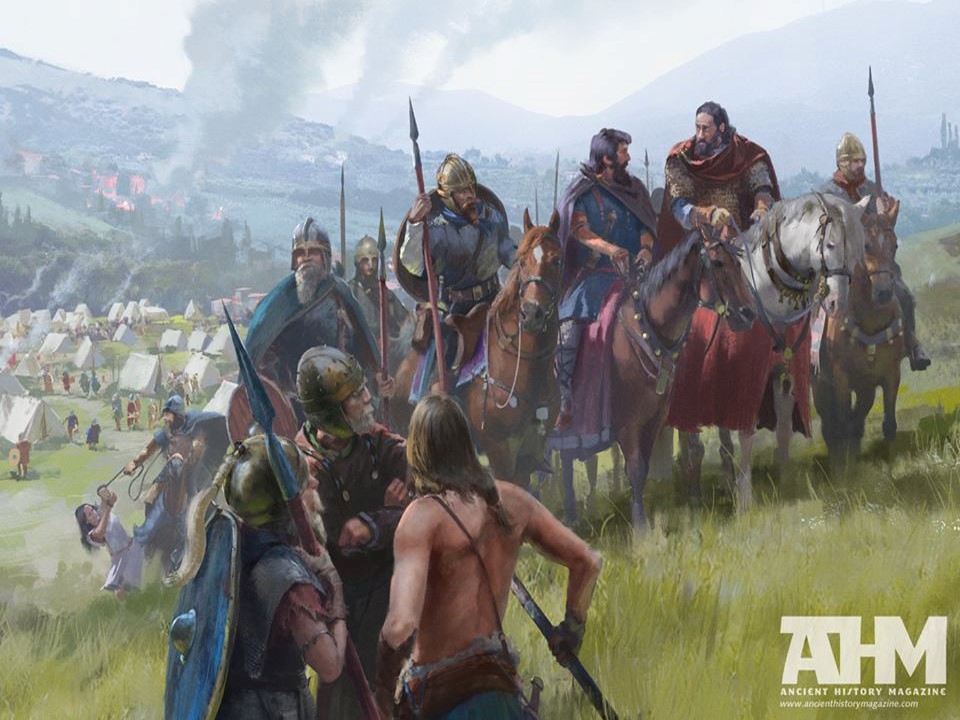 2. The man who gave the orders was Alaric, who had had a chequered career as commander in the Imperial army. Looting Rome was the last thing he wanted: he had first arrived with his men near the Urbs in late 408. At any point in the next 18 months he could have taken the city.