Andrew Bates Profile picture
Spokesperson for @POTUS. Dad. Views are my own.
Apr 26 6 tweets 8 min read
🧵 [1/5] Have you ever wondered why “apostates” from the radical Left and other totalitarian regimes treated like traitors who deserve destruction, the same way radical Islamists treat anyone who leaves their faith?

Both ideologies have a death sentence for dissenters.

It’s not a bug.
It’s the feature.
History has lessons for us.

In this thread 🧵, we dive deep into this.

Communism has always crushed “ideological deviation” with the same brutality radical Islamists reserve for "riddah" (apostasy).

Let's look at the Red (radical Left/Communism) first.

Remember the Stalin’s Great Purge (1936–38)? Stalin executed the old Bolsheviks themselves. Lifelong revolutionaries such as Bukharin, Zinoviev, and Kamenev were shot or gulaged for the crime of “deviating” from the party line.

Leon Trotsky, founder of the Red Army, was hunted across continents and murdered in Mexico in 1940 with an ice pick.

Mao’s Cultural Revolution turned children into execution squads against teachers, parents, and party veterans guilty of “bourgeois” or “revisionist” thoughts.

Today, ex-leftists who break ranks face doxxing, career annihilation, and social exile.

“Cancel culture” is the Western gulag.

Now let’s turn to the Green (Radical Islamism).

Apostasy is explicitly a capital crime in classical Islamic jurisprudence, backed by hadiths: “Whoever changes his religion, kill him.”

The Ridda Wars after Muhammad’s death slaughtered tribes trying to leave Islam.

Today, 13 countries still prescribe death for leaving the faith. In nations such as Pakistan, the Islamic Republic of Iran, and others, the punishment for apostasy is death, and thousands have been executed or killed under these laws and proxy charges like blasphemy and “enmity against God.”

Ex-Muslims live under fatwas, in hiding, or are murdered (think Rushdie or honour killings).

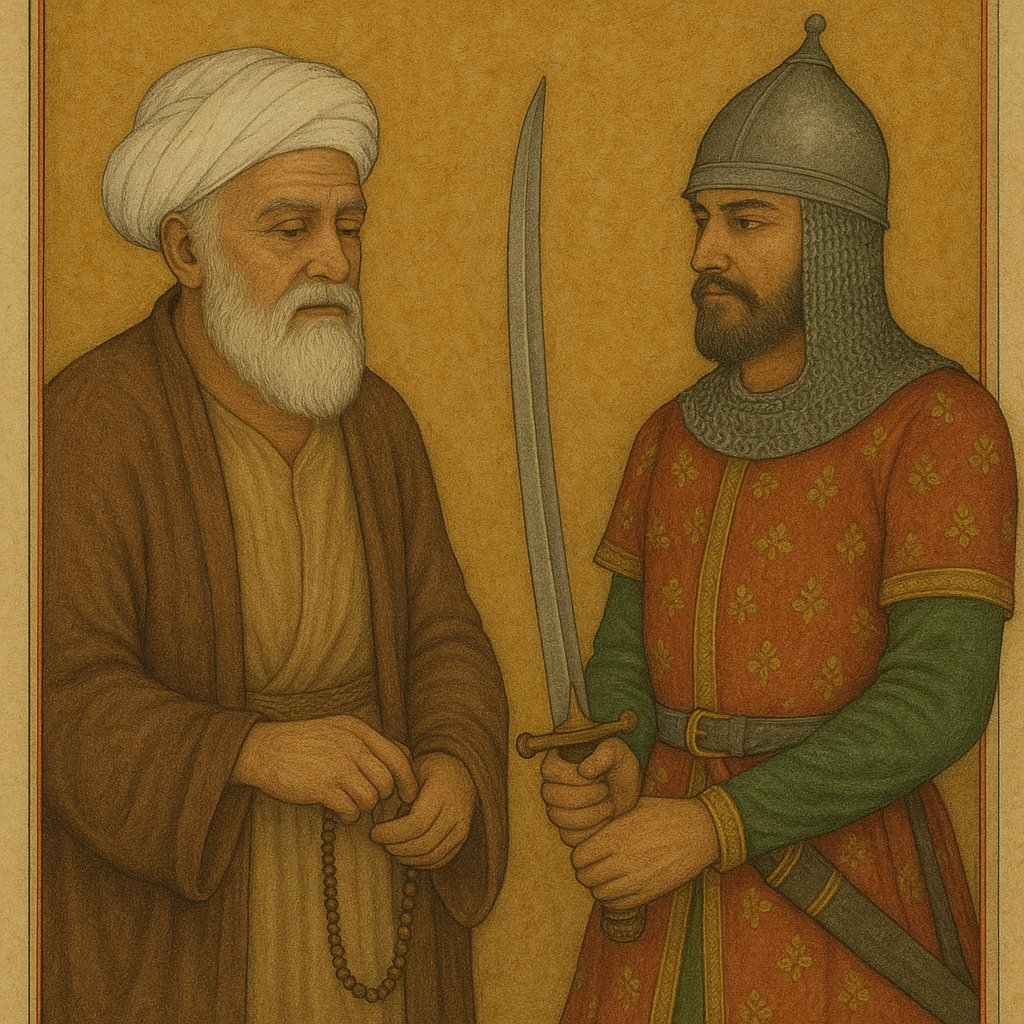
Note: The attached image is the cover of the book Icon of Evil: Hitler’s Mufti and the Rise of Radical Islam by David G. Dalin and John F. Rothmann, showing Grand Mufti Haj Amin al-Husseini in private conversation with Adolf Hitler, a chilling historical snapshot of the alliances that still echo in today’s Red-Green axis.The attached image is the cover of the book Icon of Evil: Hitler’s Mufti and the Rise of Radical Islam by David G. Dalin and John F. Rothmann, showing Grand Mufti Haj Amin al-Husseini in private conversation with Adolf Hitler, a chilling historical snapshot of the alliances that still echo in today’s Red-Green axis. 🧵 [2/5] Red and Green are married: a toxic alliance of convenience.
They march together, share platforms, fund causes, and scream “solidarity” against the West, Israel, and liberal democracy.

The radical Left defends Islamist grievances and imports Islamist voters while ignoring Sharia’s stance on apostasy, gays, and women.

Islamists adopt leftist “oppression” language as camouflage.

This isn’t new.

History is littered with Red-Green pacts, tactical marriages of sworn enemies against a common foe.

Let's start with the 1920 Baku Congress.

Soviet leaders (Zinoviev and others) summoned Muslim delegates to a “true people’s holy war” against British imperialism, an explicit early attempt to fuse communist revolution with jihad.

Then there’s the Grand Mufti of Jerusalem’s Nazi ties and enduring legacy. Haj Amin al-Husseini forged a direct alliance with Nazi Germany.

Contacts began in 1933 when he praised Hitler’s anti-Jewish policies. In 1941, after backing the pro-Axis coup in Iraq that sparked the Farhud pogrom against Baghdad’s Jews, he fled to Berlin as Hitler’s honored guest.

On November 28, 1941, he met the Führer and declared that Arabs and Nazis shared the same enemies: the English, the Jews, and the Communists.

He broadcast vicious anti-Jewish and anti-Allied propaganda across the Arab world via Radio Berlin, recruited thousands of Bosnian Muslims into the Waffen-SS “Handschar” division, and lobbied relentlessly to block Jewish emigration from Europe to Palestine.

His influence extended far beyond 1945.

The Mufti escaped to Egypt (via French protection) and continued shaping Palestinian rejectionism from exile in Cairo.

He opposed the 1947 UN Partition Plan, formed the Army of the Holy War militia, and in September 1948 presided over the short-lived All-Palestine Government in Egyptian-ruled Gaza, a symbolic rejectionist entity he led as president.

The government relocated to Cairo as a government-in-exile in late October 1948.

In the 1950s, from his villa in Heliopolis, Cairo, the Mufti directed the increasingly fragmented Arab Higher Committee, issued anti-Israel statements, supported "fedayeen guerrilla" activities against the Jewish state, and rallied Arab opposition to any compromise or peace with Israel.

By the 1960s, after leaving Egypt for Beirut in 1959, his once-dominant Cairo-based influence had sharply declined under Nasser’s secular pan-Arab regime and the rise of newer Palestinian leadership. He was increasingly sidelined and discredited after the 1948 defeat, yet he remained a vocal symbolic figure of uncompromising rejectionism, issuing statements against Israel and any negotiated settlement until his death in 1974.

Though his direct political power waned, his uncompromising fusion of Islamist anti-Semitism, Arab nationalism, and total rejection of Jewish sovereignty shaped the Palestinian cause for generations.

Not to also forget the Mufti’s influence on Arafat. Yasser Arafat, his distant relative and “spiritual godson”, explicitly carried forward this legacy. Arafat was the founding member of the Fatah political party which he led from 1959 until 2004, chairman of the Palestine Liberation Organization from 1969 to 2004, President of Palestine from 1989 to 2004, and President of the Palestinian Authority from 1994 to 2004.

Arafat, who mourned the Mufti as chief mourner at his 1974 Beirut funeral, inherited the PLO leadership and the core rejectionist stance.

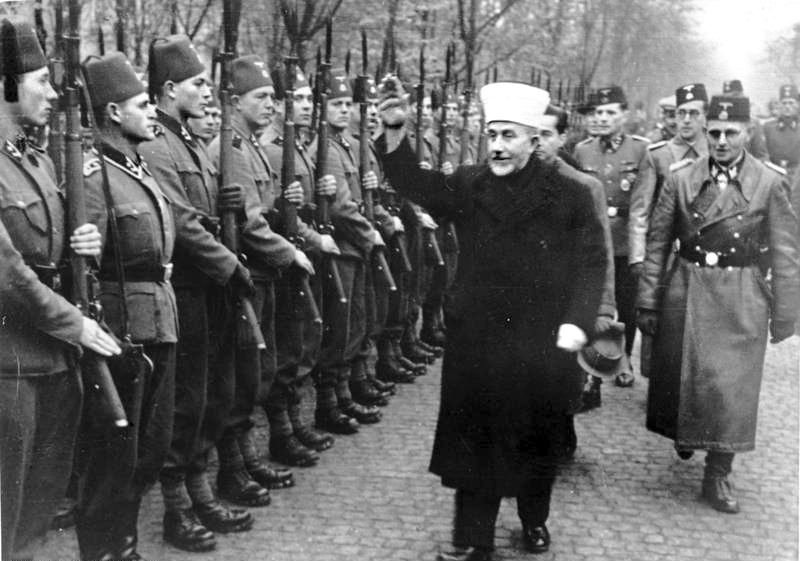
Note: This image is from November 1943: Grand Mufti Haj Amin al-Husseini greeting Bosnian Muslim volunteers of the Waffen-SS “Handschar” division with a Nazi salute. At right is SS General Karl-Gustav Sauberzweig, chilling proof of the Mufti’s direct role in recruiting thousands of Muslims into Hitler’s elite SS units as part of the Nazi-Islamist alliance.Note: This image is from November 1943: Grand Mufti Haj Amin al-Husseini greeting Bosnian Muslim volunteers of the Waffen-SS “Handschar” division with a Nazi salute. At right is SS General Karl-Gustav Sauberzweig, chilling proof of the Mufti’s direct role in recruiting thousands of Muslims into Hitler’s elite SS units as part of the Nazi-Islamist alliance.
Apr 25 4 tweets 5 min read
Has the Red and Green Alliance ruined West Bengal? How did she move from being an Industrial Powerhouse to a State in Decline?

In January, I visited Kolkata after many years, revisiting the places that once defined my memories of the city. It was a flood of nostalgia mixed with deep sadness.

I walked through Thakurbari (Rabindranath Tagore's birthplace), Victoria Memorial, Burrabazar, the iconic Coffee House, College Street, and the Planetarium – spots I had last explored with my family so long ago.

Those visits brought back waves of warmth. But Kolkata has stagnated. The lack of infrastructure and the frail, crumbling buildings were disheartening enough.

What truly broke my heart was going from bookstore to bookstore, unable to find even a single compilation of Tagore’s complete works.

Individual titles were scattered on the shelves, but no collected editions. In stark contrast, massive compilations of Marx, Lenin, and every other left-leaning authors proudly adorned the frontages and display tables.

It was a deeply sad thing to witness – a quiet symbol of how the soul of Bengal has been overshadowed.

For over five decades, West Bengal has been governed by the Red and Green Alliance – first the CPI(M)-led Left Front (Red) under Jyoti Basu (1977-2000, and the Front until 2011), then Mamata Banerjee’s Trinamool Congress (with its Green appeasement politics) since 2011.

What was once India’s third-largest economy and an industrial engine of the East has been reduced to stagnation, demographic upheaval, and rising insecurity.

The facts are stark, drawn from official data and published reports. This isn’t rhetoric – it’s the record of ideology over development, appeasement over security, and neglect over progress.

Firstly, economically speaking, from Top 3 to Near the Bottom
In 1960-61, West Bengal contributed 10.5% of India’s GDP – ranking 3rd nationally – with per capita income at 127.5% of the national average.

By 2023-24, its GDP share has plummeted to just 5.6%, and per capita income has fallen to 83.7% of the national average (ranking around 24th). This consistent slide, documented in the Prime Minister’s Economic Advisory Council (EAC-PM) working paper (2024), began under militant unionism and anti-capitalist policies during the Red Front era.

Jyoti Basu famously told struggling industrialists that “capitalists are class enemies” and they should expect “no sympathy.” Factories fled, investment dried up, and the state’s share of registered factory production collapsed from nearly 30% at Independence to under 6% by the early 1990s.

The decline didn’t reverse under the Green phase of the Alliance – it continued, with thousands of industries shuttered and youth forced to migrate for jobs.

Secondly, vis a vis demographics, West Bengal is witnessing a rapid, unchecked shift. Official Census data paints a clear picture of transformation. In 1951, Hindus formed ~78.9% of West Bengal’s population and Muslims 19.85%.

By the 2011 Census (the latest comprehensive official religious data), Hindus were down to 70.54% while Muslims rose to 27.01% (24.65 million out of 91.28 million total). The Muslim population grew by 381.7% between 1951-2011, compared to 210.2% for Hindus – a divergence official Census tables attribute to differential growth rates.

Districts flipped. Murshidabad went from 55.2% Muslim (1951) to 66.27% (2011); Malda from 37.4% to 51.27%; Uttar Dinajpur neared 50%. These are not abstract numbers – they reflect real shifts in social fabric, voting patterns, and local governance in a state with porous borders. (Sources: Census of India 1951 & 2011, as compiled in official tables and Pew Research Center’s 2021 analysis of state religious demography).

Thirdly, growing Islamic radicalisation and appeasement politics that fuels extremism pose a grave danger. Under the Red and Green Alliance, policies perceived as minority appeasement have coincided with rising radicalisation threats, especially in border districts.

The Bangladesh-based Jamaat-ul-Mujahideen Bangladesh (JMB) has repeatedly used madrasas in Murshidabad, Burdwan, and Malda for radicalisation and recruitment of Indian youth, according to the Union Home Ministry and National Investigation Agency (NIA) probes.

Multiple modules have been busted, with arrests linking JMB to terror plots, bomb-making camps, and cross-border networks.

SATP (South Asia Terrorism Portal) records document ongoing terrorism-related incidents tied to these groups in West Bengal from 2007 onward. Intelligence reports highlight exploitation of porous borders, madrasa networks, and soft policing – a pattern that intensified in the Green phase post-2011.

When ideology trumps security, vulnerable youth become cannon fodder and communal tensions rise.

West Bengal’s story is a cautionary tale: decades of Red and Green Alliance governance - rigid socialism under Basu, followed by populist appeasement under Banerjee - have hollowed out industry, altered demographics through unchecked growth and migration pressures, and allowed radical elements to gain footholds.

Once a beacon of culture, education, and enterprise, Bengal now exports its youth and imports instability.

The data doesn’t lie.

The people of West Bengal deserve better – development, security, and equal opportunity, not ideological experiments of the Red and Green Alliance.

It’s time to confront these facts before the “Red-Green Zones” become the new normal and the state’s decline becomes irreversible.

May 4 may be the turning point we are all waiting for.
Towards "Amar Sonar Bangla".

Share if you believe Bengal needs a real change.
Facts over fear.
Development over decline.

FACTS >>> NARRATIVES

Note: Links to data and evidence used are provided in next tweet.

#BengalElections #assemblyelections2026 #WestBengalLegislativeAssemblyelection2026 #AmarSonarBanglaImage For data discussed above, and further reading, here are some resources:

1. Census of India (1951, 2011) via censusindia.gov.in

2. EAC-PM Working Paper on Relative Economic Performance of States (2024) eacpm.gov.in/wp-content/upl…

3. Pew Research Center: Religious Demography of Indian States (2021) pewresearch.org/religion/2021/…

4. NIA/Home Ministry alerts & SATP terrorism database satp.org
Apr 21 6 tweets 5 min read
Consider this.

Imagine going back to the 1980s and ’90s.

Flip on the BBC and you’d catch a panel discussion - politicians, journalists, academics - where voices rose and fell but never quite shattered.

Questions were sharp, replies were pointed, yet everyone waited their turn.

No one shouted “gotcha” before the other had finished a sentence.

Switch to Doordarshan, India’s state broadcaster, and the same quiet gravity prevailed: anchors moderated with measured courtesy.

Guests from opposing camps addressed one another with courtesy, and even heated disagreements ended with a nod of acknowledgment rather than a smirk of triumph.

Or step into a school or college auditorium. A debate competition wasn’t theatre for the cameras; it was a ritual.

You stood, stated your proposition, listened to the rebuttal, then replied without once descending into name-calling or caricature.

The adjudicator’s verdict rested on logic, evidence, and delivery - not on who could trigger the loudest applause from the partisan gallery.

Good faith was simply the air everyone breathed.

So where did that air go?

We traded slow, deliberate exchange for the “dopamine hit of instant reaction”.

The screen that once carried a calm BBC studio or a Doordarshan roundtable now streams a thousand simultaneous shouting matches, each engineered to keep you scrolling.

Nuance became a liability.

Charity became weakness.

And somewhere along the way, we stopped wondering aloud together and started declaring at one another.

The question lingers, quiet but insistent. When did we decide that winning the argument mattered more than understanding the person across the table?

Don’t we witness or experience this on social media/spaces?

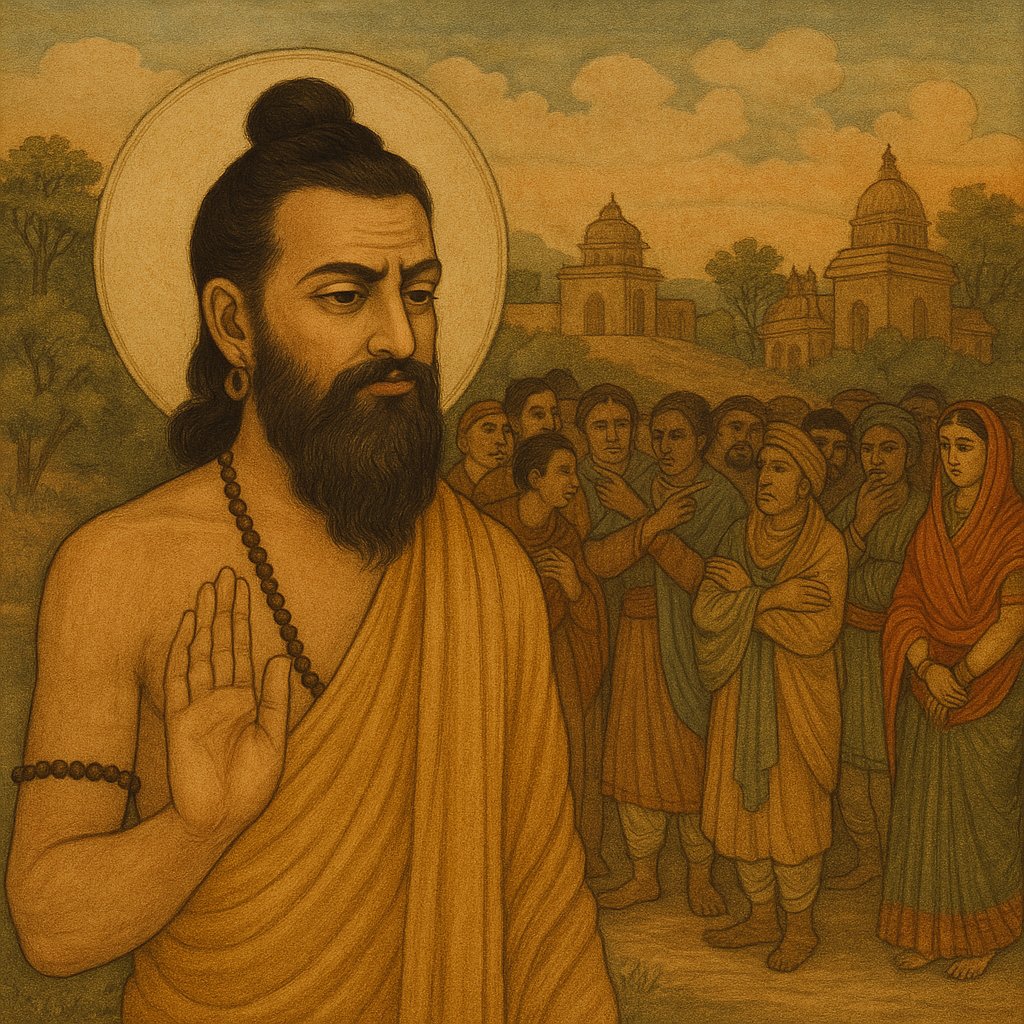
And more importantly, are we brave enough to choose the older, slower, kinder way again?Image Ancient Jewish and Hindu theologies offer timeless models for exactly this kind of wisdom.

They converge on a powerful truth: genuine dialogue is a spiritual practice.

They emphasise debate not as a battle for ego or victory, but as a sacred path to truth, conducted with humility, respect, and good faith.

Let's dive deep into these two traditions.
Apr 9 6 tweets 3 min read
[1/5] Supremacists and bullies often speak the loudest.

But what if that noise is not strength - just a signal of insecurity?

Let’s take a closer look. 🧵

A thread worth your attention, because beneath the noise lie patterns that science has been quietly decoding.Image [2/5]

A substantial body of social and behavioural science suggests that dominance-driven hostility frequently emerges from fragile self-concepts.

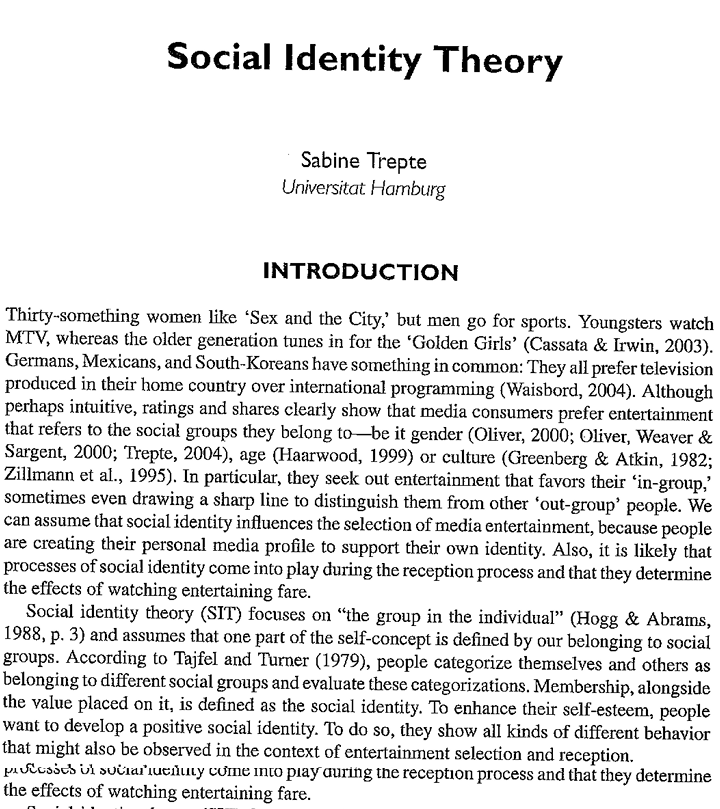
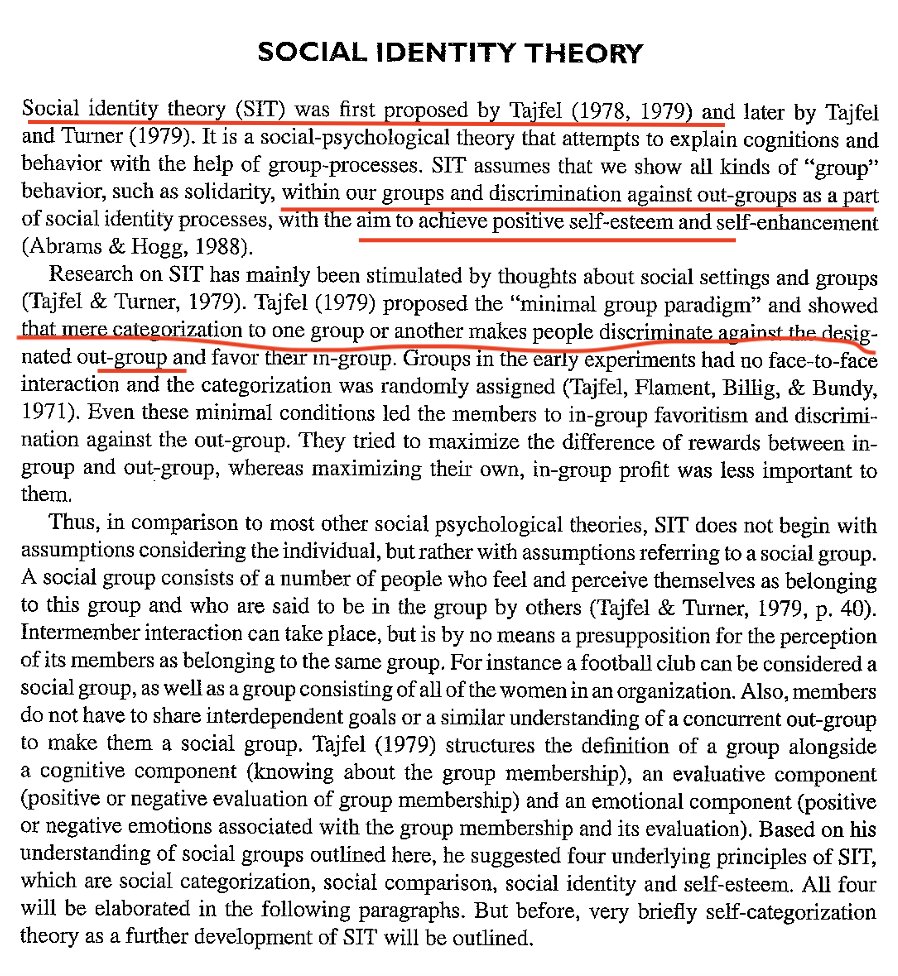
Individuals who feel uncertain about their own worth seek validation by elevating their in-group while demeaning others (suggest reading about Social Identity Theory (?)).

Similarly, the concept of "compensatory narcissism" describes how exaggerated displays of superiority can mask underlying vulnerability, self-doubt, or perceived inadequacy.

In this light, bullying is less about power and more about overcompensation.

Reference:
a. Social Identity Theory In Psychology (Tajfel & Turner, 1979)
b. Trepte S. Social Identity Theory researchgate.net/profile/Sabine…Image
Image
Mar 31 11 tweets 5 min read
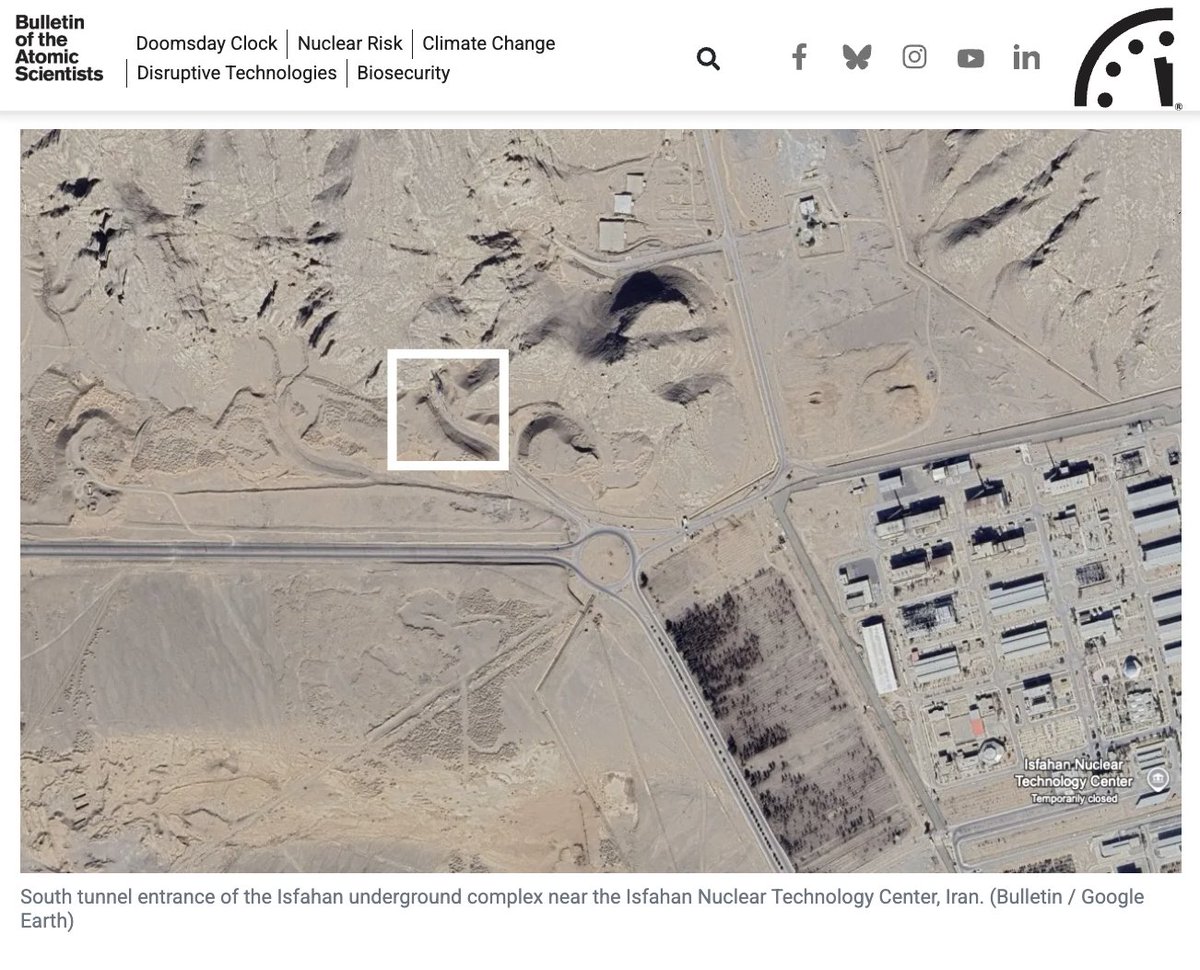
🚨 BREAKING: New satellite analysis suggests Iran may have moved a large portion, possibly all, of its highly enriched uranium (HEU) to a fortified underground site in Isfahan just before strikes in 2025.

This is revealed in an analysis published in Bulletin of the Atomic Scientists @BulletinAtomic authored by François Diaz-Maurin on March 29, 2026.
[Link at the end of the thread]

If confirmed, this changes the strategic picture entirely.

Image: High-resolution satellite image of a truck with containers at Isfahan tunnel entrance.

1/10 🧵Image 2/10

The imagery shows a heavy transport truck carrying 18 shielded containers, consistent with nuclear material transport systems.

Experts assess the cargo could include hundreds of kilograms of enriched uranium - enough to alter nuclear timelines.

Image: Annotated satellite image highlighting containers and tunnel entrance.Image
Feb 24 16 tweets 7 min read
1/15

In a time when fault lines within a segment of the community seem louder than ever - sect vs sect, ritual vs reform - a question arises:

Have we forgotten the giants who healed these fractures before us?

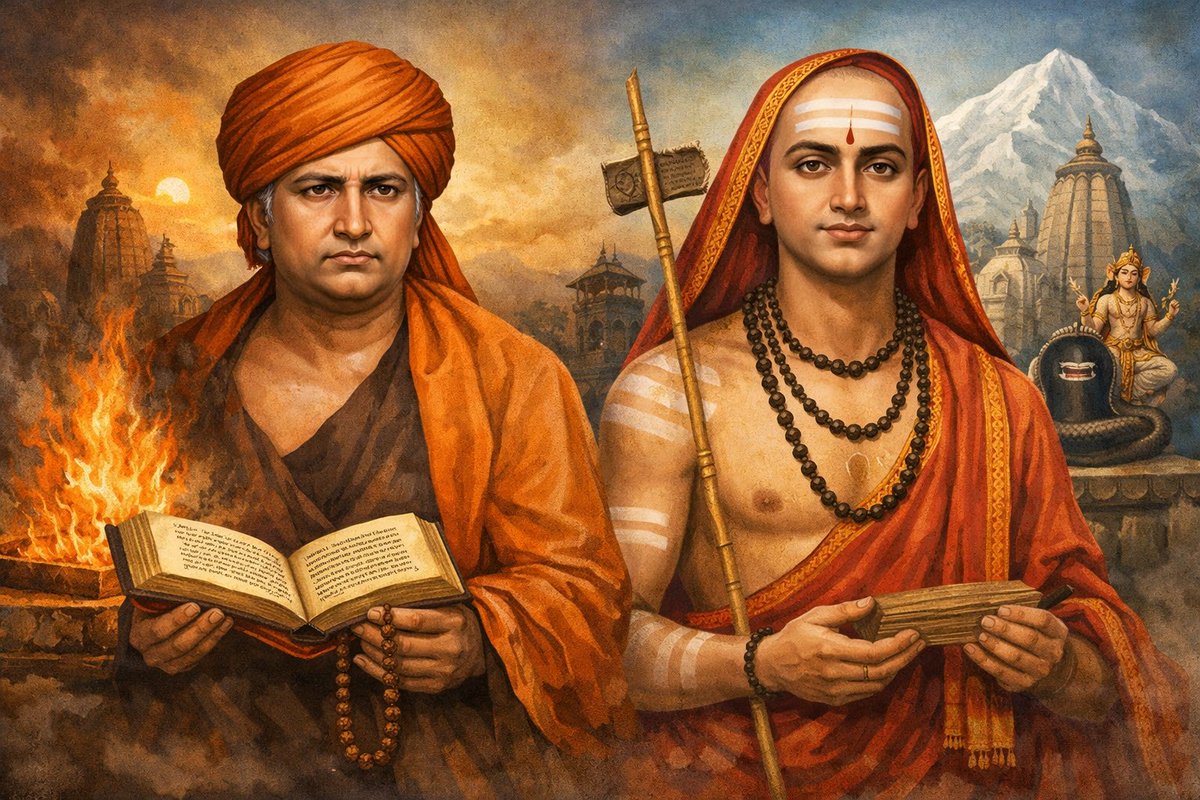
Let’s revisit two such figures.

A thread 🧵that journeys into our spiritual legacy to illuminate the questions of our present.

Here's a deep dive.Image 2/15

In the 8th century, Bharat 🇮🇳was intellectually vibrant; yet fragmented.

Shaiva.
Vaishnava.
Shakta.
Ganapatya.
Smartas.

Each fiercely devoted. Each convinced of exclusive truth.

Into this climate stepped Adi Shankaracharya.

Not to destroy traditions. But to harmonize them.Image
Feb 24 11 tweets 11 min read
🧵 1/10

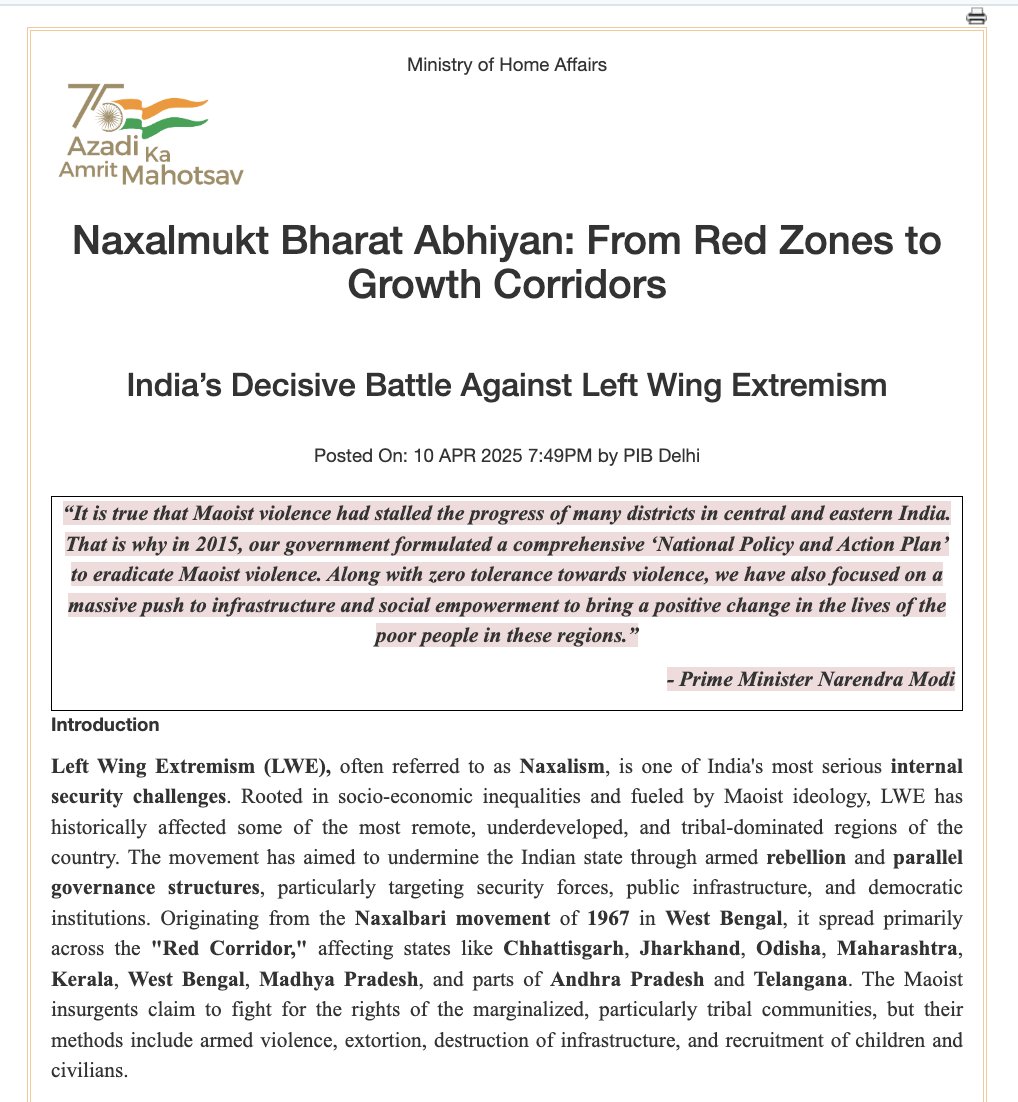
How did India go from “Maoism is our biggest internal security threat” to “only a handful of districts remain”?

And here’s the real question: was it only about guns and operations—or about roads, rights, and the state finally showing up?

Left Wing Extremism (LWE) didn’t start in 2014.

Its roots go back to the Naxalbari uprising of 1967 and the later consolidation of CPI (Maoist) in 2004.

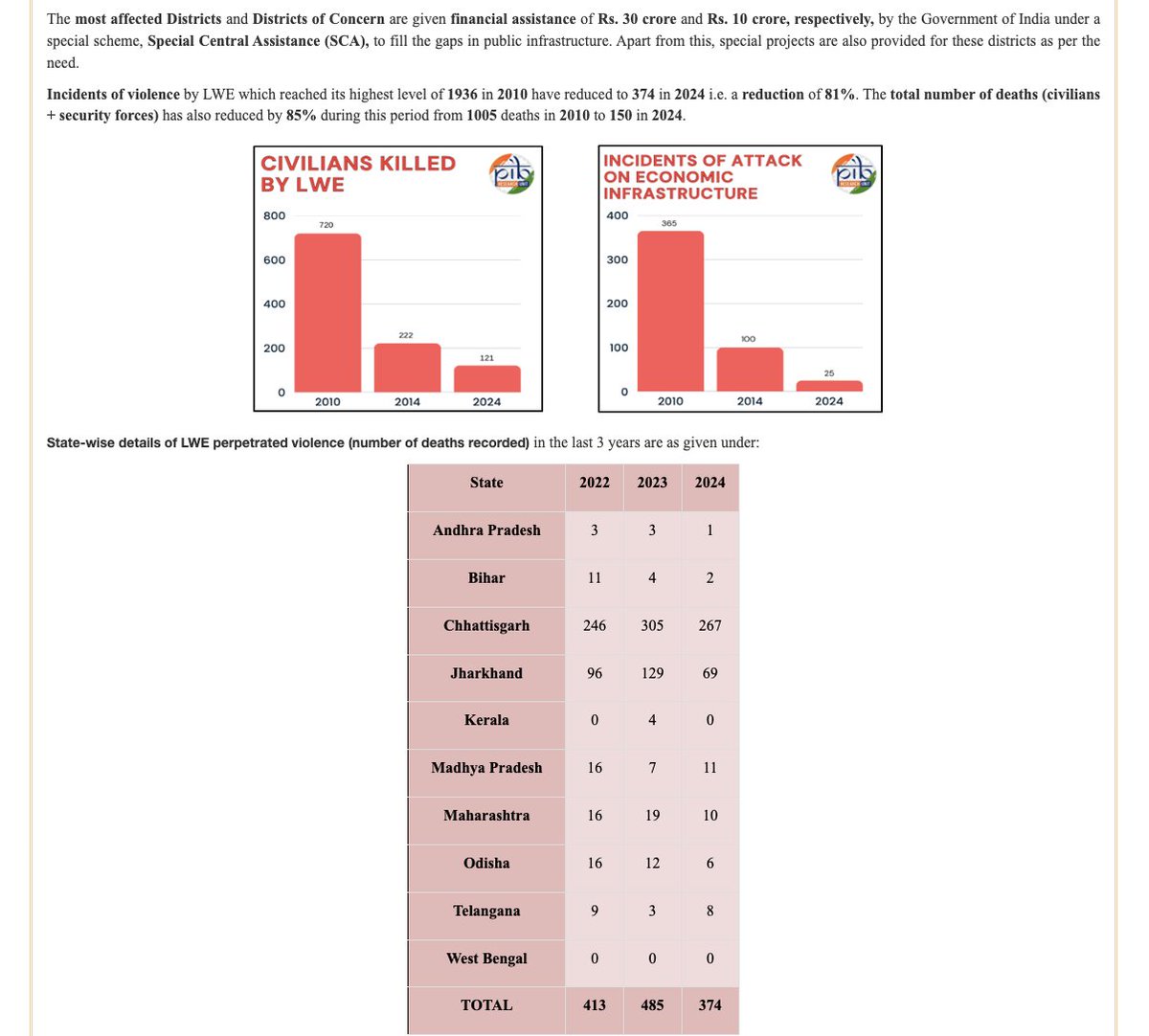
By 2010, violence had peaked: 1,936 incidents and 1,005 deaths (civilians + security forces).

So when people say “Modi eliminated Maoism,” the accurate claim is: the Modi years oversaw a steep, systematic roll-back of LWE’s geography, funding, and operational space, while pairing security pressure with development delivery.

But let’s unpack how that happened - step by step -because the method matters.

What changed on the ground?
What changed in incentives?
And what changed in state capacity?

This thread you can't miss! 🧵

Further reading:

PIB (2025): Naxalmukt Bharat Abhiyan: From Red Zones to Growth Corridors pib.gov.in/PressReleasePa…

PIB (2024) National Policy To Combat Left Wing Extremism pib.gov.in/PressReleasePa…Image
Image
2/10

First, the scale. Left-Wing Extremism (LWE) wasn’t merely an ideology; it was parallel control:

extortion,
“taxation,”
intimidation of tribals,
capture of forests and worksites,
disruption of schools,
roads, and elections.

The most revealing metric isn’t speeches; it’s the shrinking map.

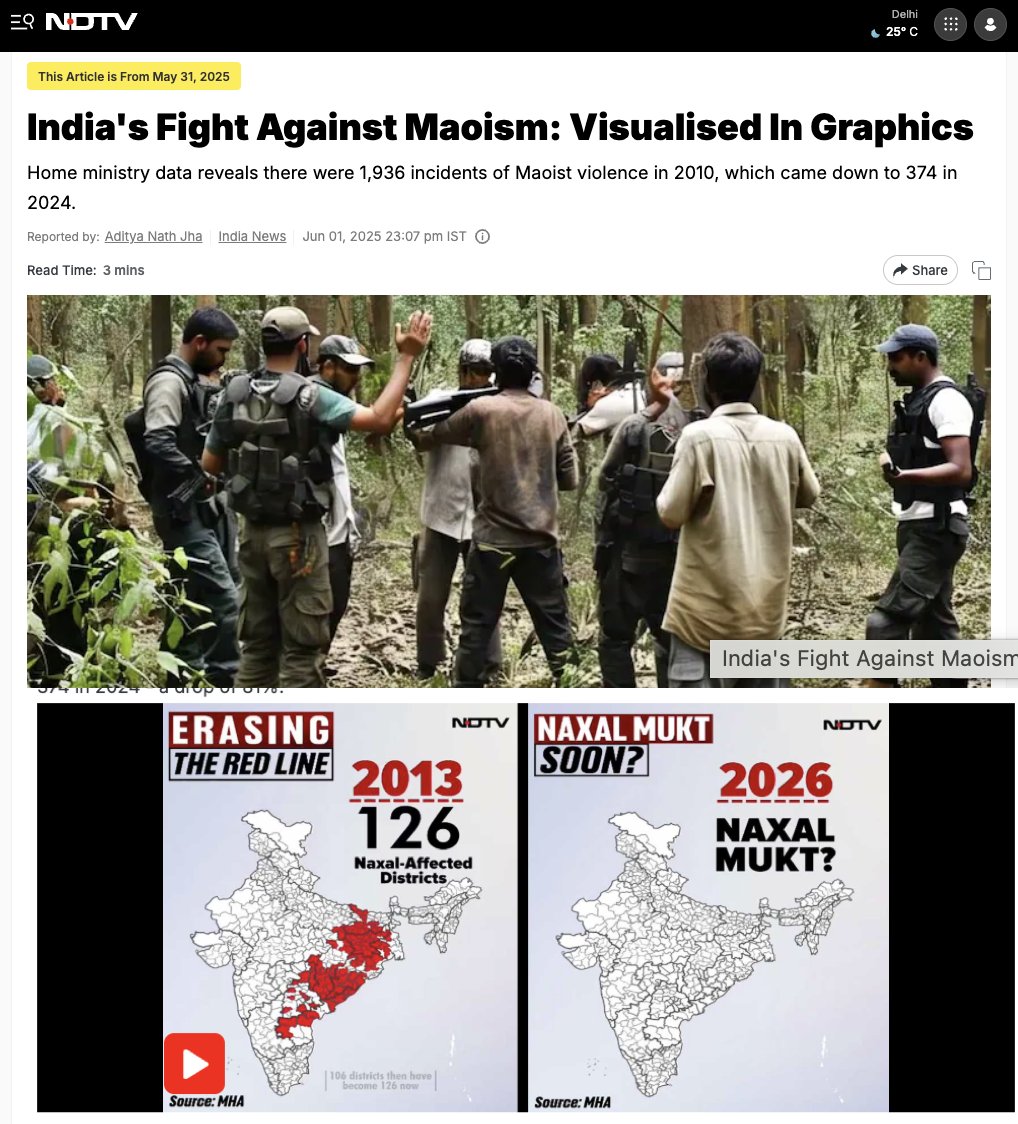
In an official Parliament reply, the Government reported that LWE-affected districts fell from

126 → 90 (2018) → 70 (2021) → 38 (Apr 2024) → 18 (Apr 2025) → 11 (Oct 2025),

with only 3 categorised as “most affected.”

And the violence curve is even sharper:
from the 2010 peak to 374 incidents in 2024 (Govt summary) and deaths down to 150 in 2024.

Ask yourself: movements don’t lose territory like that unless something breaks - money, mobility, recruitment, or legitimacy.

So what exactly was targeted?

Not just cadres. The ecosystem.

Further reading: India's Fight Against Maoism (2025; NDTV) ndtv.com/india-news/ind…Image
Feb 20 16 tweets 9 min read
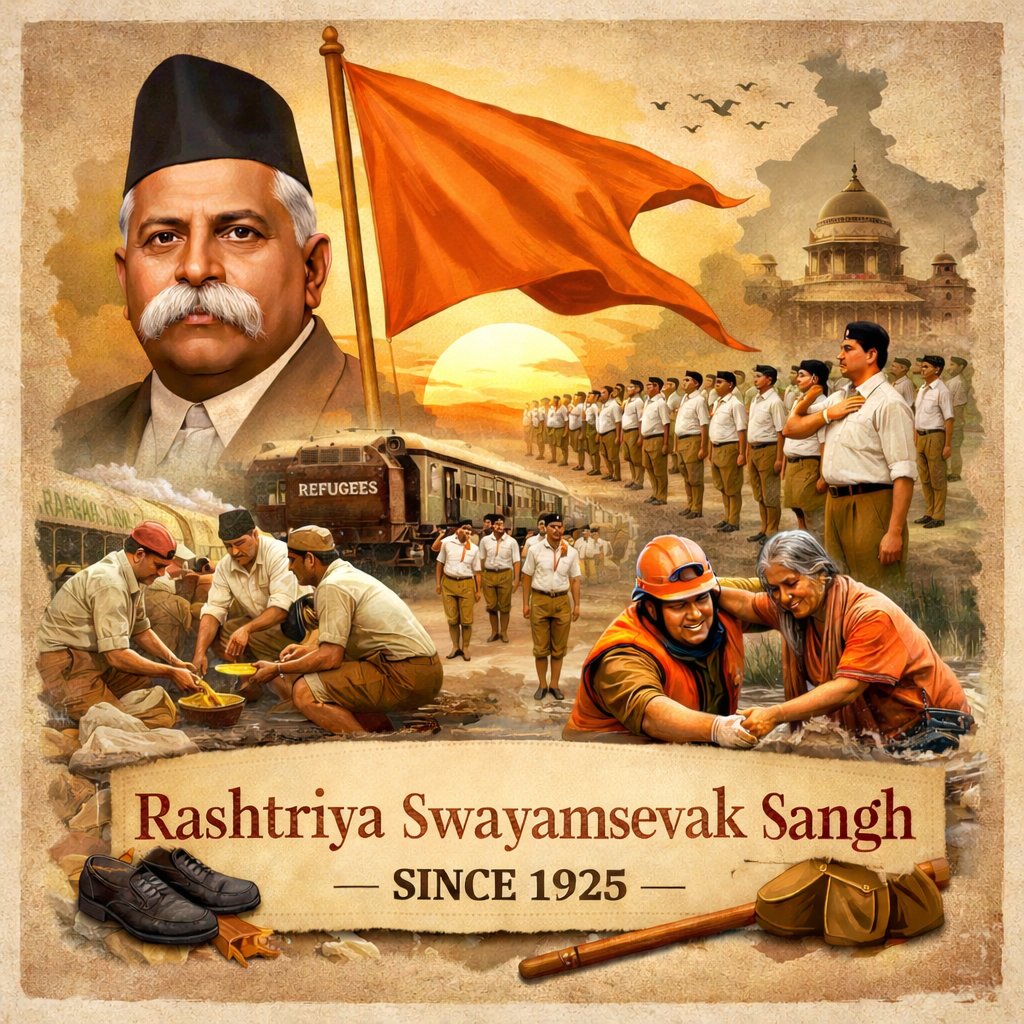
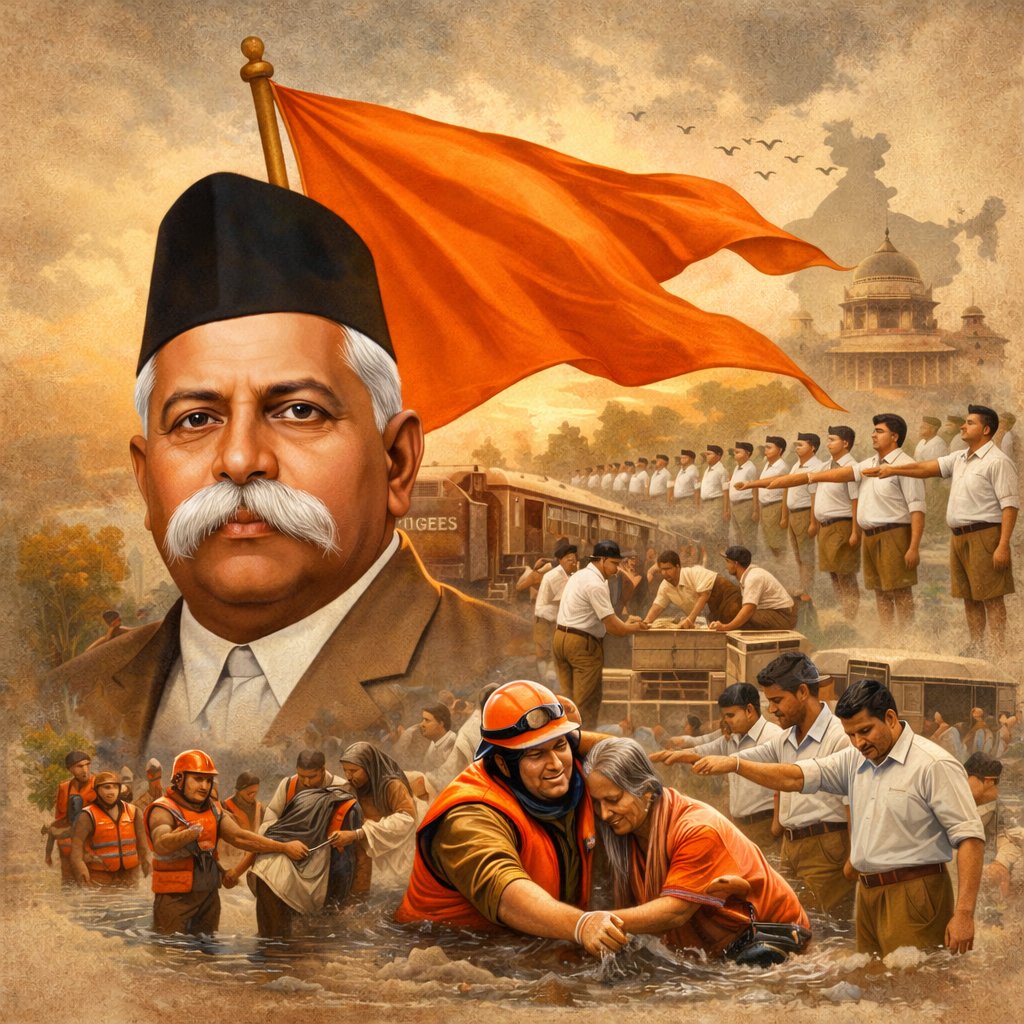
Thread 🧵 | RSS: इतिहास, सेवा और संगठन

1/15 👇🛕🕉️🪷

क्या कोई संगठन बिना सत्ता, बिना सरकारी अनुदान और बिना चुनावी राजनीति के - लगभग 100 वर्ष तक टिक सकता है?

Rashtriya Swayamsevak Sangh (RSS), जिसकी स्थापना 1925 में नागपुर में हुई, स्वयं को एक सांस्कृतिक-सामाजिक संगठन के रूप में परिभाषित करता है।

लगभग एक सदी के दौरान इसने शाखा-आधारित अनुशासन, स्वयंसेवा और संगठन के माध्यम से अपना विस्तार किया।

यह थ्रेड 🧵भावनात्मक विमर्श नहीं, बल्कि ऐतिहासिक तथ्यों, सार्वजनिक अभिलेखों और प्रलेखित घटनाओं पर आधारित एक व्यापक परिचय है।Image 2/15

RSS ke संस्थापक: Dr K. B. Hedgewar।

Dr. Hedgewar एक भारतीय चिकित्सक और राष्ट्रवादी चिंतक थे, जिन्होंने 1925 में राष्ट्रीय स्वयंसेवक संघ की स्थापना समाज में अनुशासन, संगठन और सांस्कृतिक आत्मबोध के निर्माण के उद्देश्य से की।

1920 के दशक का भारत: औपनिवेशिक शासन, सांप्रदायिक तनाव, और सामाजिक विखंडन।

हेडगेवार का विचार था कि “संगठित समाज” ही दीर्घकालीन राष्ट्रीय शक्ति का आधार बनेगा।

RSS ने शाखा मॉडल अपनाया: दैनिक मिलन, शारीरिक प्रशिक्षण, बौद्धिक चर्चा और अनुशासन।

यह मॉडल राजनीतिक रैलियों से भिन्न था; इसका उद्देश्य दीर्घकालिक चरित्र निर्माण बताया गया।

Further info: Khabargaon [100 Years of RSS: Origin, History & Ambition] Youtube - youtube.com/watch?v=N1pCFp…Image
Sep 6, 2025 5 tweets 2 min read
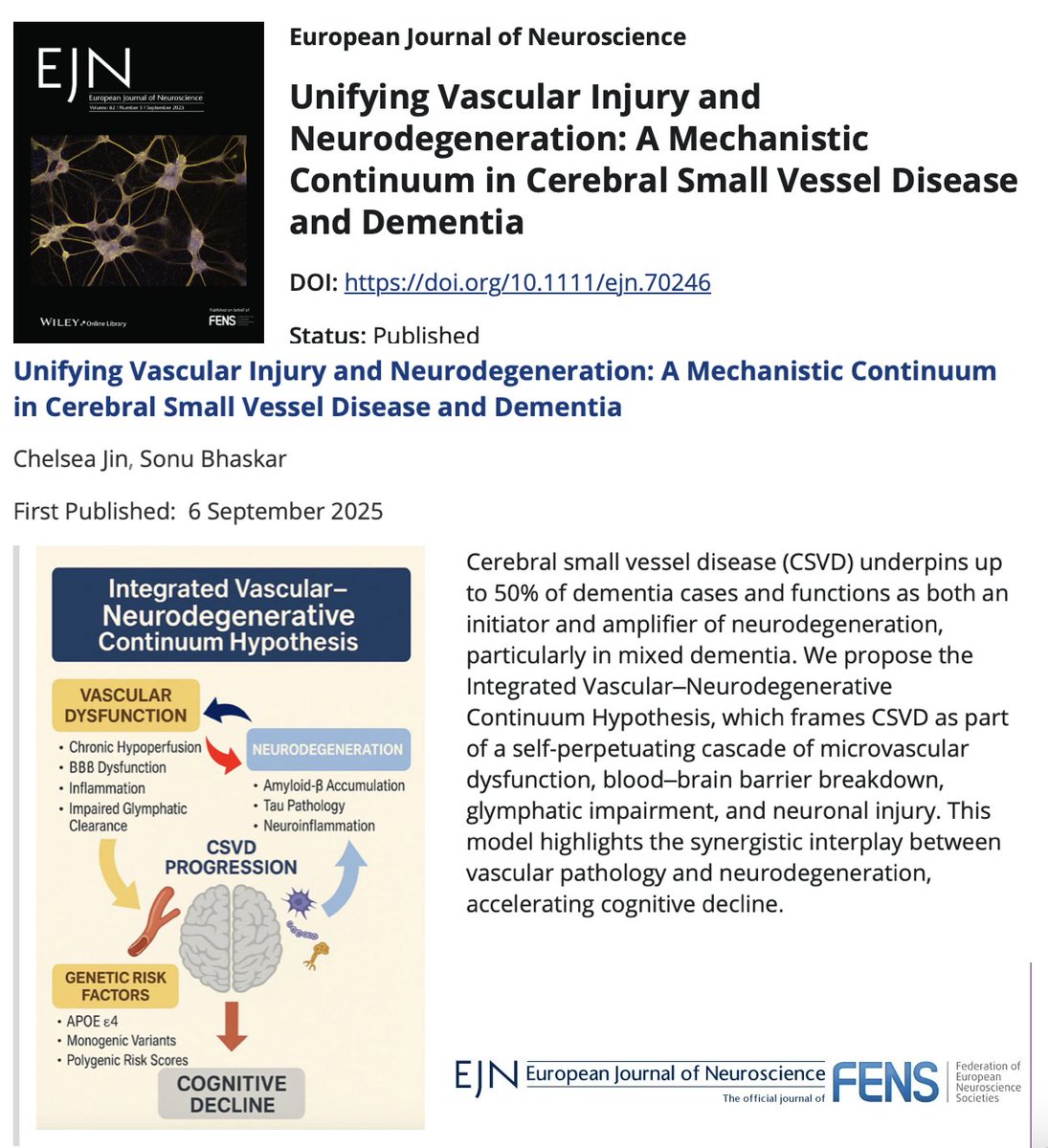
What if the tiny blood vessels in our brain, the ones we rarely think about, hold the key to understanding dementia? 🧠❓

Excited to share our latest publication in the European Journal of Neuroscience from the NEUROGEN-SVD study.

A big shout-out to the rising star of my team, Chelsea Jin!

A THREAD 🧵

1/5Image For decades, scientists treated vascular brain disease & Alzheimer’s as separate.
👉 Our study proposes a new model: small vessel disease (SVD) isn’t just a bystander - It actively drives & accelerates neurodegeneration.

2/5
Aug 28, 2025 6 tweets 3 min read
1/5

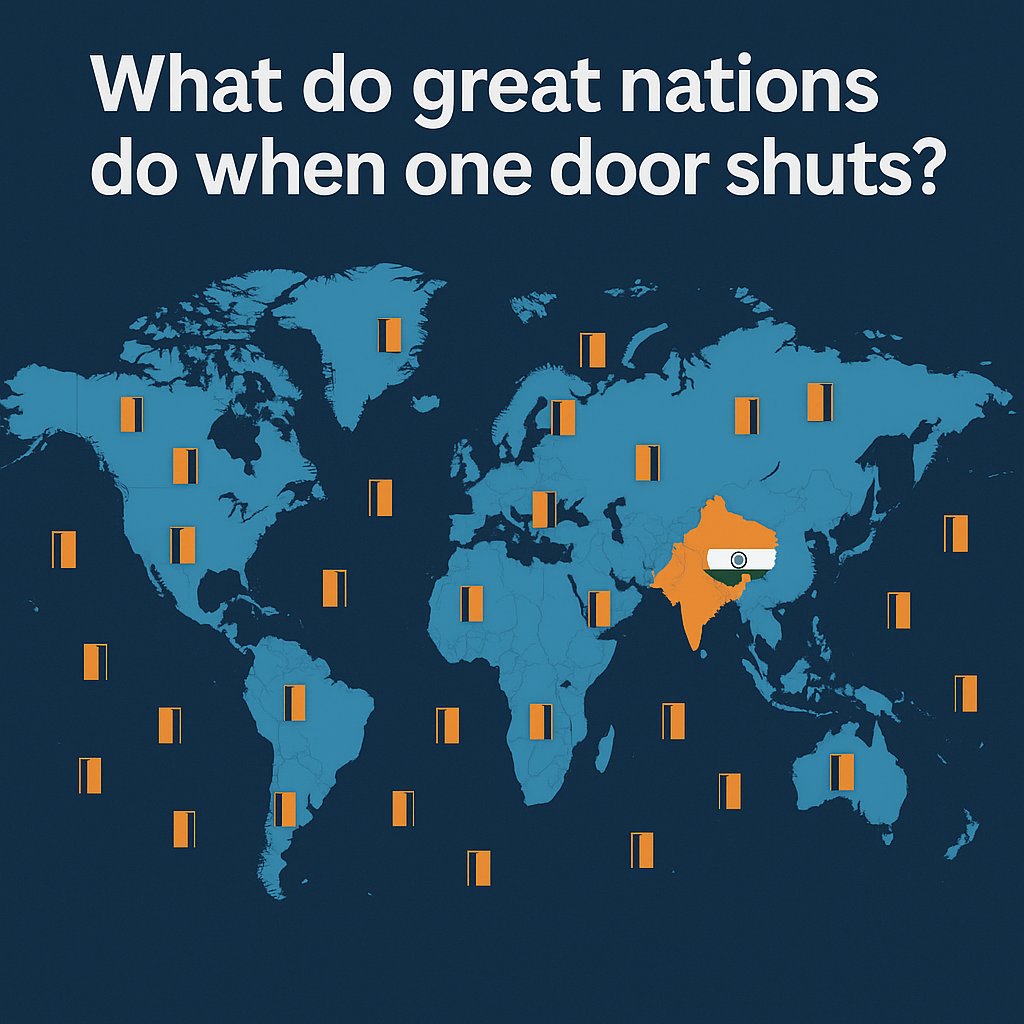
What do great nations do when one door is slammed shut?

Amid the India–US tariff war, India is not sulking: it is strategising.

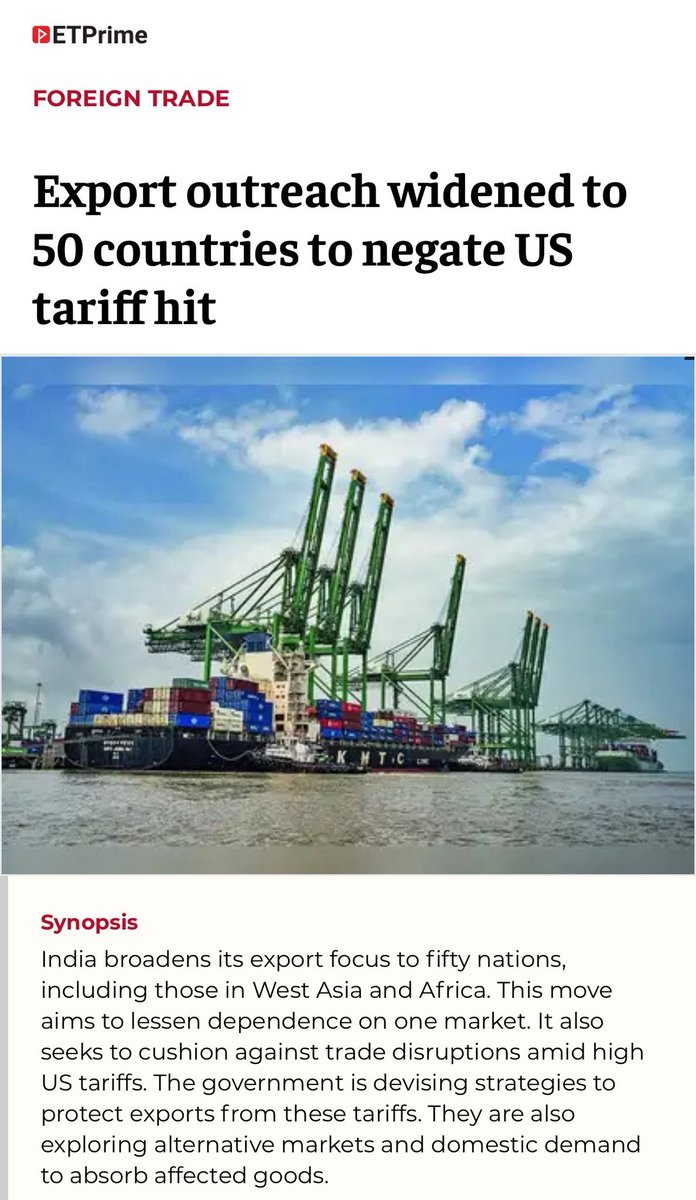
The Economic Times (via Reuters) reports that India has drawn up a new export strategy covering nearly 50 countries.

Yes, 50 nations! 🌏🇮🇳

A thread 🧵Image 2/5

This isn’t just a reaction; it’s realignment.

Outreach is widening to China, the Middle East, and Africa.

Free trade agreements with Iceland, Liechtenstein, Norway, and Switzerland take effect on October 1.

The UK deal comes into force next April. Talks with Oman, Chile, Peru, Australia, New Zealand, and the EU are already finalised.Image
Aug 25, 2025 11 tweets 6 min read
1/10🧵

What happens when faith cloaks politics?

It’s time to challenge the myth of “tolerant Sufism” with a critical examination, and yes, with receipts.

Sufism, often romanticised as “poetry, peace, and love" or “mystical Islam,” was not always just poetry & whirling dervishes.

Behind the music and mysticism, history shows Sufi orders often acted as Trojan horses - embedding Islam into non-Muslim societies through culture, settlement, and shrines.

It wasn’t just about devotion; it was about expansion.

As J.S. Trimingham (The Sufi Orders in Islam, 1971) explains, Sufi brotherhoods were not just mystical circles but mass organisations with military, political, and economic clout, crucial in the Islamisation of Africa, Anatolia, and Asia.

They offered a “velvet glove” for the iron fist of conquest.

A thread you don't want to miss! 🧵Image 2/10 🧵

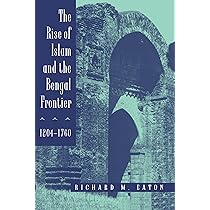
Take Bengal. Richard M. Eaton’s The Rise of Islam and the Bengal Frontier, 1204–1760 (1993) is the landmark study here.

He shows how Sufi pirs spearheaded Islamisation by clearing forests, cultivating land, and founding shrines.

Conversion wasn’t sudden or forced - it was a slow transformation tied to settlement.

People entered the economic orbit of the Sufi lodge (khanqah), and gradually, Islam became embedded.

Eaton concludes: Sufis were the “frontier agents” of Islamisation, expanding Muslim presence without armies, but with ploughs and mosques.Image
Jul 23, 2025 12 tweets 5 min read
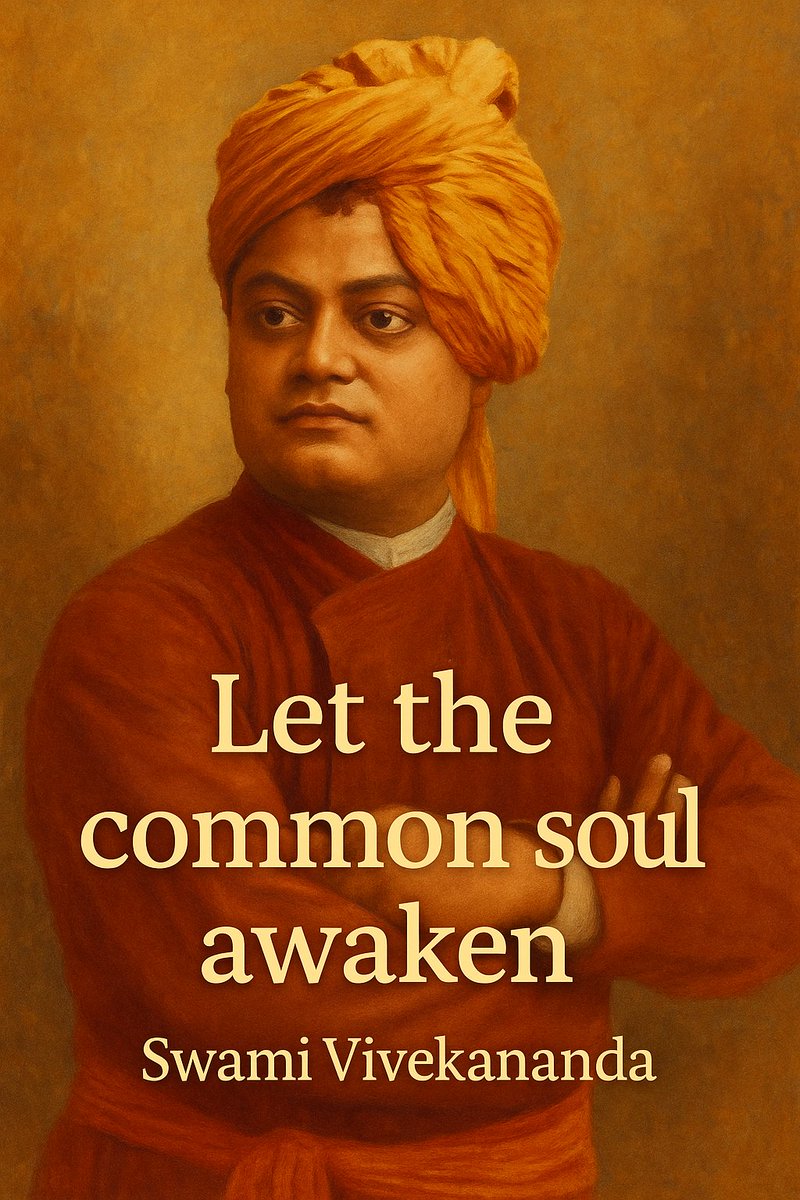
🧵 Who was Swami Vivekananda 🪷, and why does his voice still echo across continents, generations, and civilisations?

A young monk from India🇮🇳stunned the West, reawakened the East, and redefined the soul of India.

His words still burn like fire.

Here’s his story. 👇

A thread.Image 1/

Born in 1863 as Narendranath Datta, he was brilliant, rebellious, and deeply spiritual.

He mastered Western philosophy and devoured the Vedas but remained spiritually restless, until he met Sri Ramakrishna, the saint who didn’t preach God; he lived Him.

“Ramakrishna Paramahamsa is the latest and the most perfect incarnation the world has yet seen.”
(The Complete Works of Swami Vivekananda - CWSV, Vol. 3)

Renouncing all, he wandered barefoot across India.

He saw a country crushed by poverty but lit by potential.

“Let the common soul awaken,” he believed—not through rituals, but realisation.

He was not content with his own salvation.
His vow: to raise humanity through Vedanta, service, and fearlessness.Image
Jul 23, 2025 12 tweets 8 min read
🧵 Why is Erdogan furious at Israel’s strikes in Syria?

It’s not just about Gaza.
It’s about power, Islamism, and the collapse of Turkey’s covert influence.

Let's do a deep dive!

A 10-part thread. 👇

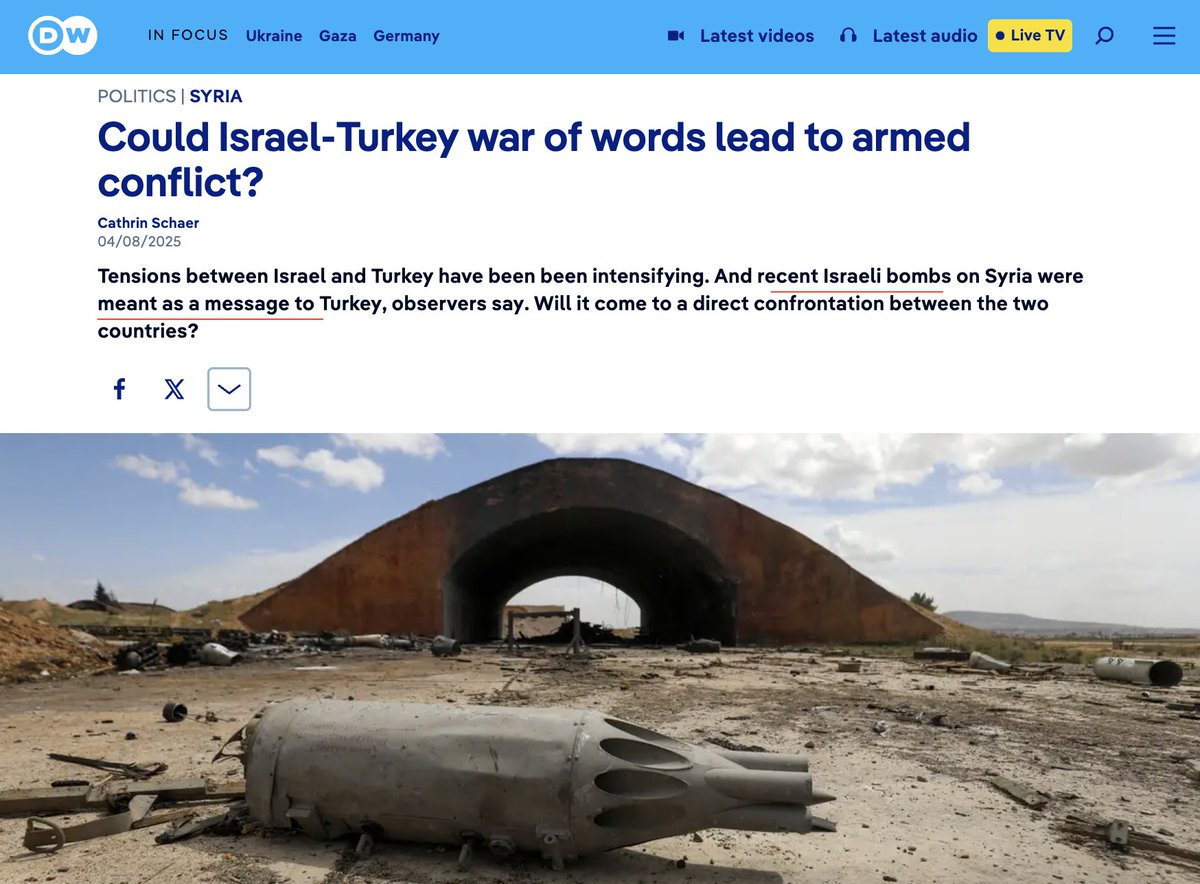
Further reading: Cathrin Schaer (DW, 2025) dw.com/en/israel-turk…Image 1/10

Over the past week, Israel expanded its air campaign beyond Gaza and Lebanon: targeting key sites in Syria, including Suwayda, Hama, and the T4 airbase in Homs.

Israel stated the strikes were in response to threats against the Druze minority and to eliminate extremist factions planning cross-border attacks.

But according to Israeli officials, they were also a clear message to Turkey, which has been quietly embedding itself in Syria militarily and ideologically.

Source: Reuters (2025) reuters.com/world/middle-e…Image
Jul 18, 2025 12 tweets 6 min read
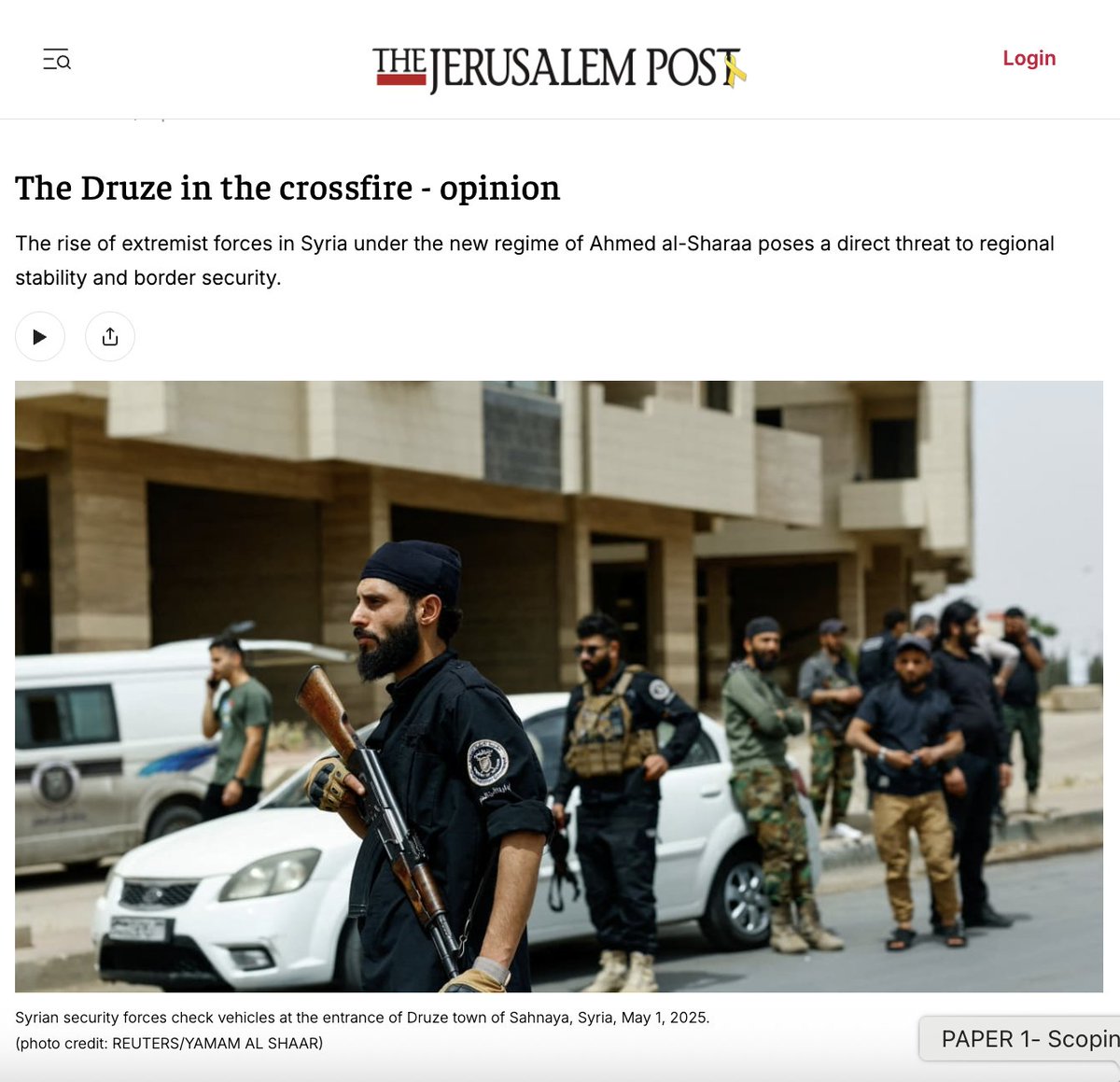
1. What’s happening in Syria—and why is the Druze community in danger?

A humanitarian emergency is unfolding. Syria’s Druze minority, along with Coptic Christians and Shia communities, is under siege.

The culprits?

Islamist extremists, specifically Hay'at Tahrir al-Sham (HTS), led by Jolani, a former Al-Qaeda commander.

A 🧵

Source: jpost.com/opinion/articl…Image 2. Who is Abu Muhammad al-Jolani?
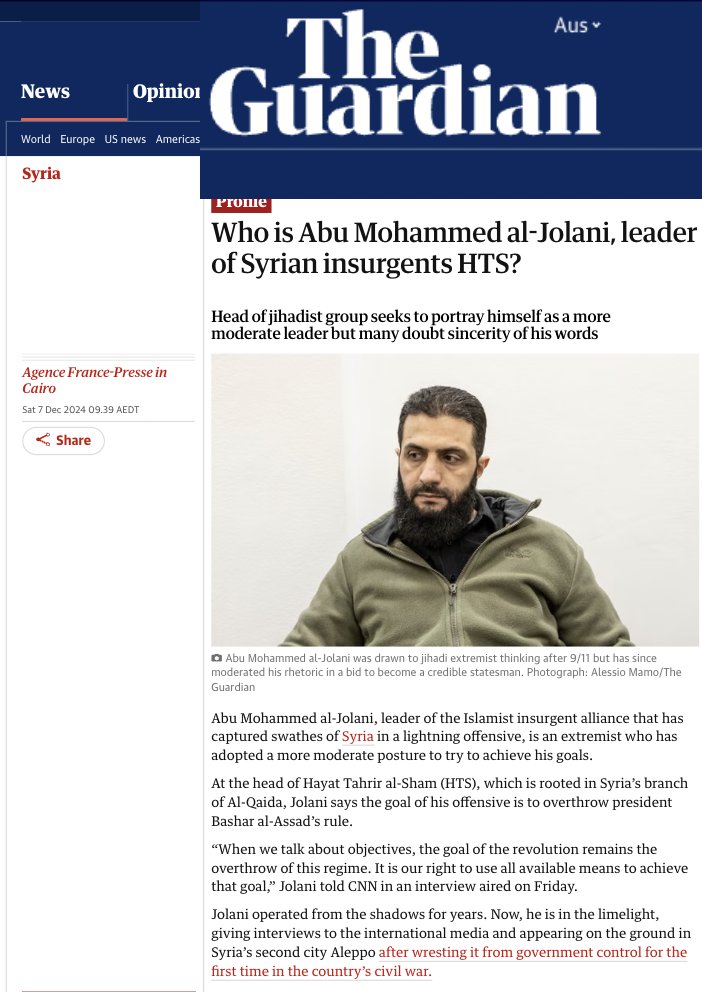
Why does he matter?

Jolani was the head of Jabhat al-Nusra, Al-Qaeda’s Syrian branch.

Today, he leads HTS, a jihadi faction that still enforces hardline Islamist rule, despite efforts to rebrand.

His group governs parts of northwest Syria and has a history of persecuting minorities.

Source: Guardian (2024) theguardian.com/world/2024/dec…Image
Jul 18, 2025 14 tweets 6 min read
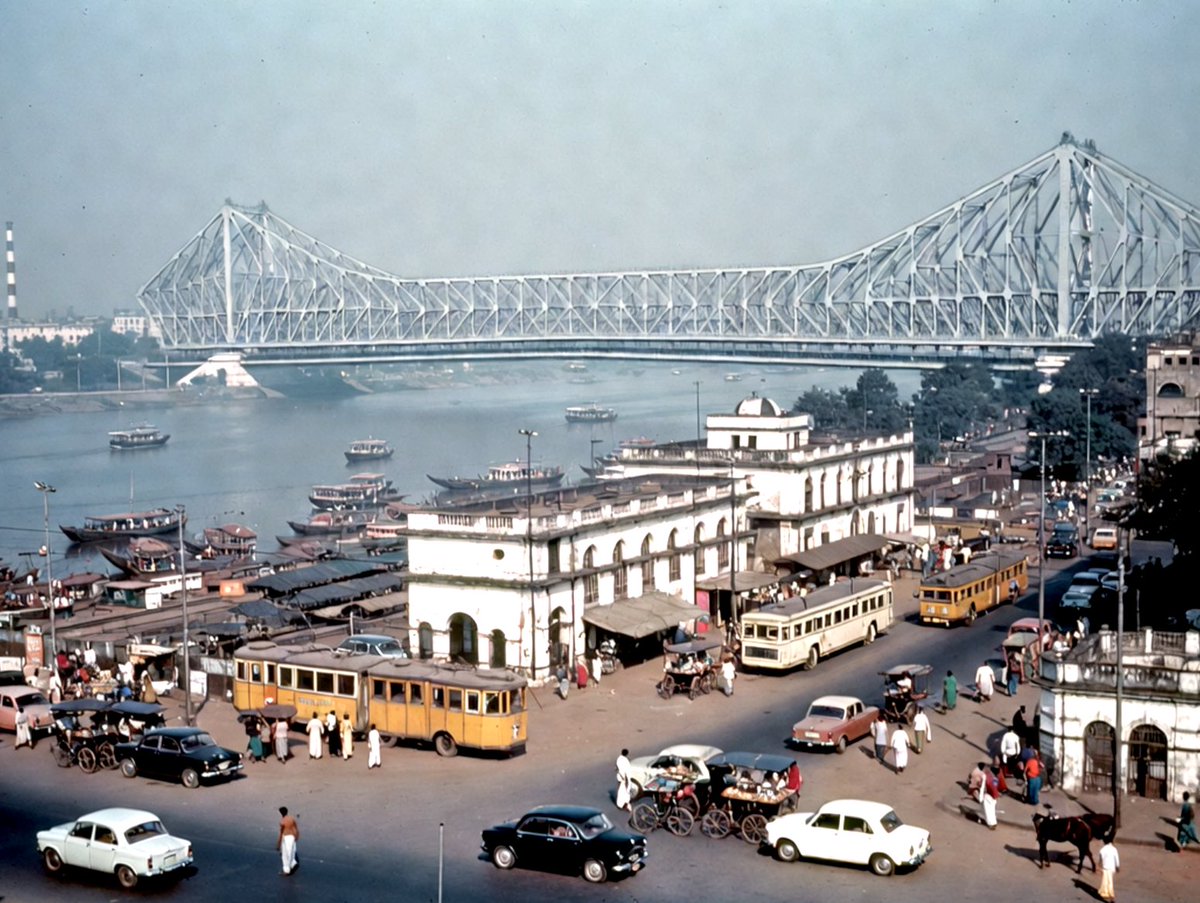
🧵 Did the Indus Valley Civilisation descend from migrants—or were its people native to South Asia all along?

A new chapter in Indian school textbooks just shifted the narrative, with ancient DNA from Rakhigarhi offering compelling answers.

Here's why it matters.👇

Shinde et al “An Ancient Harappan Genome Lacks Ancestry from Steppe Pastoralists or Iranian Farmers.” Cell vol. 179,3 (2019)

1/Image The Indus Valley Civilization (also called Harappan Civilization) was one of the world's earliest urban societies, contemporary with Mesopotamia and Egbetween ~2600 and ypt.
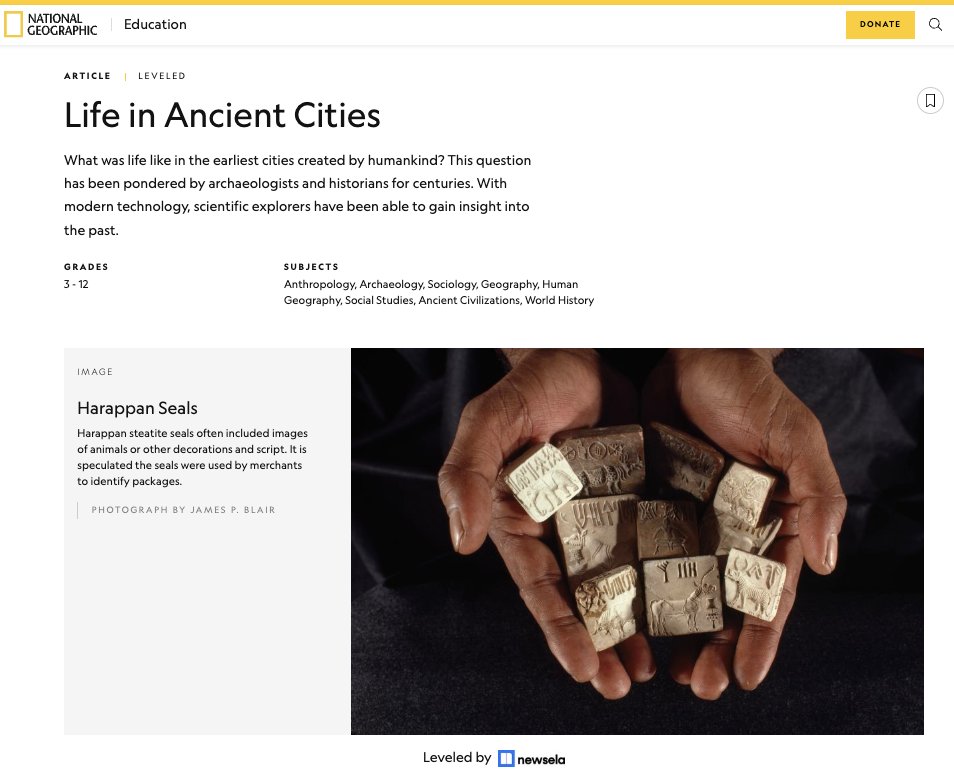
It flourished in the Indian subcontinent ~2600–1900 BCE, with advanced cities like Mohenjo-Daro, Harappa, and now Rakhigarhi.

2/

education.nationalgeographic.org/resource/life-…Image
Jul 14, 2025 9 tweets 3 min read
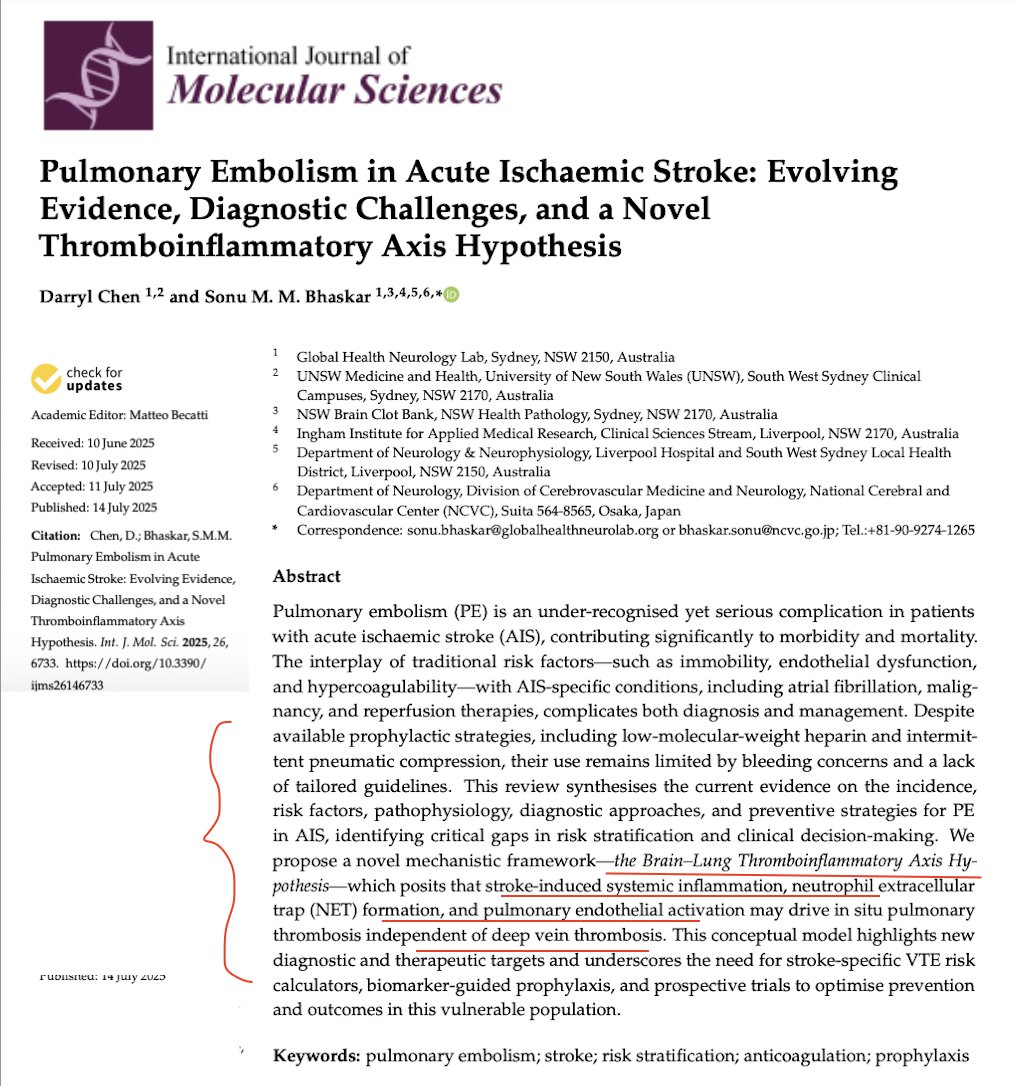
Can a stroke trigger a blood clot in your lungs, even without a leg DVT?

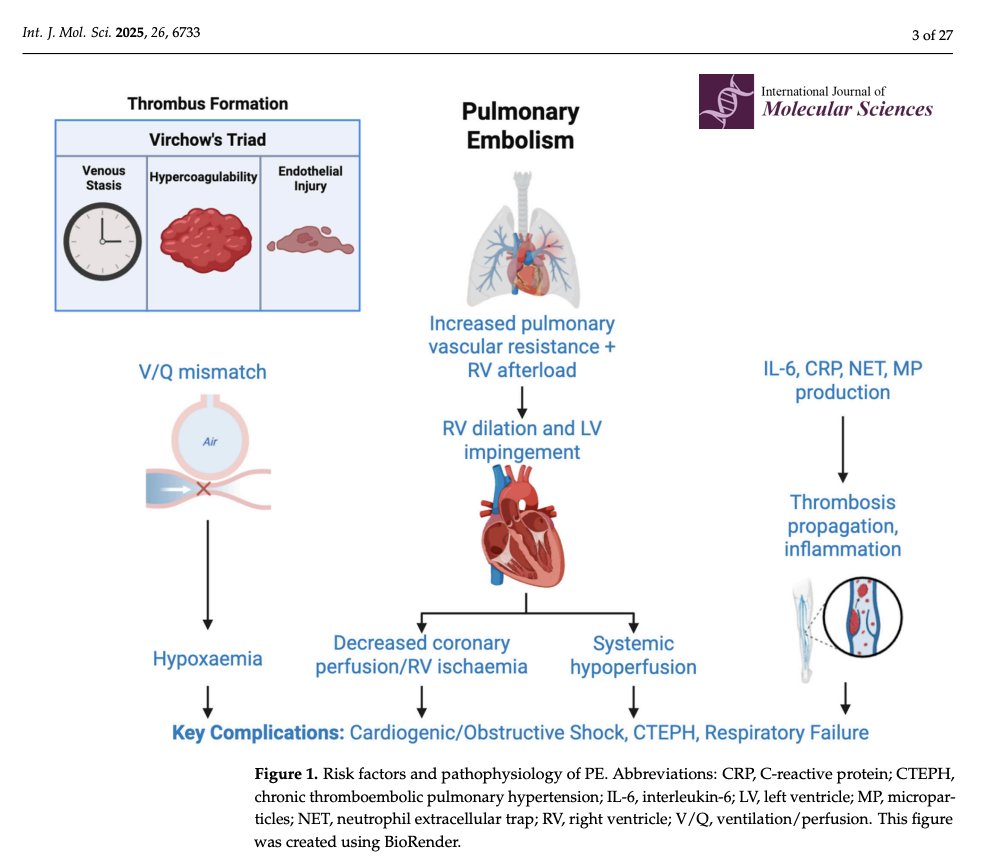
As Principal Investigator of the PEARL-AIS (Pulmonary Embolism Assessment and Risk-stratified Learning in Acute Ischaemic Stroke) project, I’m chuffed to share the latest publication from our team @GlobalNeuroLab, which investigates a critical yet often overlooked frontier:

Pulmonary Embolism (PE) in Acute Ischaemic Stroke (AIS)

A Deadly Intersection with profound clinical implications.

A big shout-out to a brilliant member of our team, Darryl Chen!

🧠💥🫁🧠💥🫁

A thread 🧵

1/

Full publication: 🔗 mdpi.com/1422-0067/26/1…

#PEARL_AIS #StrokeCareImage 2/

Pulmonary Embolism (PE) is the 3rd leading cause of cardiovascular death worldwide.

In stroke patients, it’s often missed.

🧬Up to 50% of deaths in AIS patients may involve undiagnosed PE.

But traditional tools fall short.

Why?

Because stroke changes everything.Image
Jul 13, 2025 12 tweets 4 min read
What Happened on 13th July – Batt Loot Day?
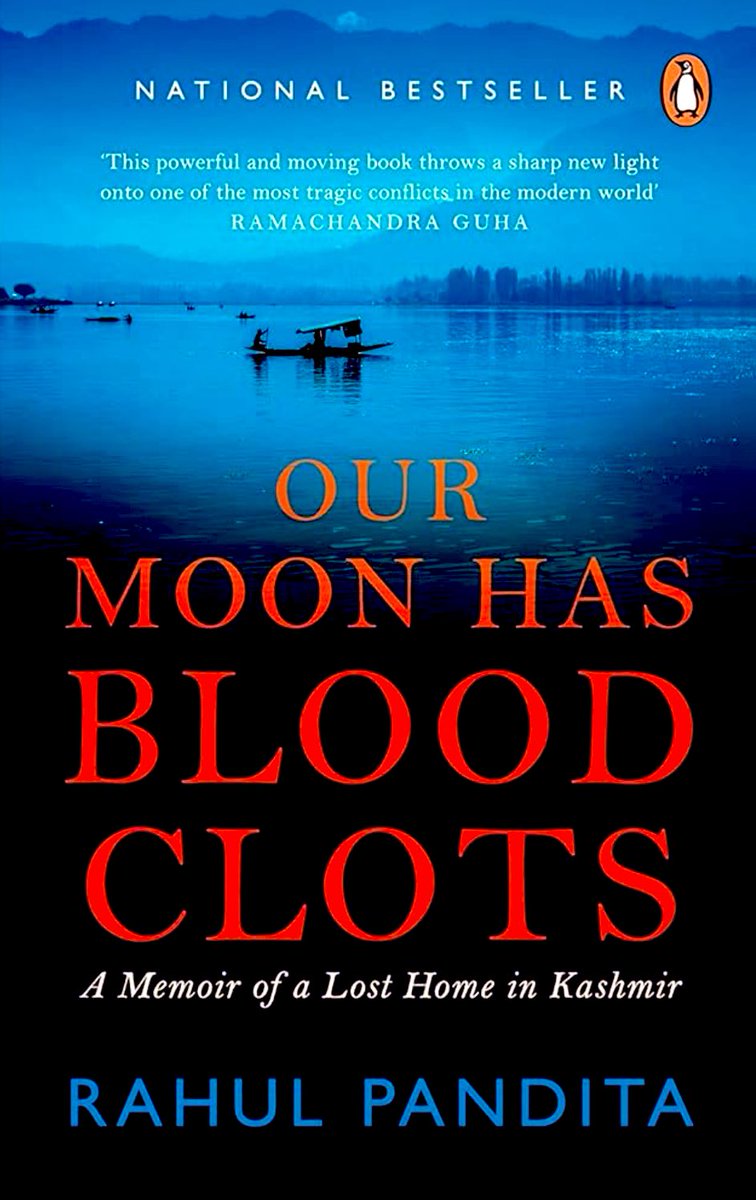
A Forgotten Tragedy of Kashmir’s Hindus

A thread 🧵 you must read!

1/

What happens when the majority stays silent while their neighbours burn?

On 13th July 1931, something broke in Kashmir (India 🇮🇳)—a silence that led to destruction, exile, and cultural erasure.

Let’s remember #BattLootDay.

🕯️ A thread 🧵👇Image 2/

It began with a protest outside Srinagar Central Jail, where Abdul Qadeer was on trial.

But by evening, it had turned into orchestrated violence against the Hindu community:

👣 Homes looted
🛕 Temples desecrated
💈 Shops destroyedImage
Jul 13, 2025 18 tweets 6 min read
🧵Why do some forget Dharma in the name of defending it?

A thread on civilizational memory, insecurity, and the quiet strength of Sanatana Dharma.

👇Image 1/

It’s worth reflecting that India 🇮🇳🪷has always been more than a political entity.

India (Bharata) is a civilizational continuum, held together not by sameness, but by a sacred plurality.Image
Jul 9, 2025 6 tweets 5 min read
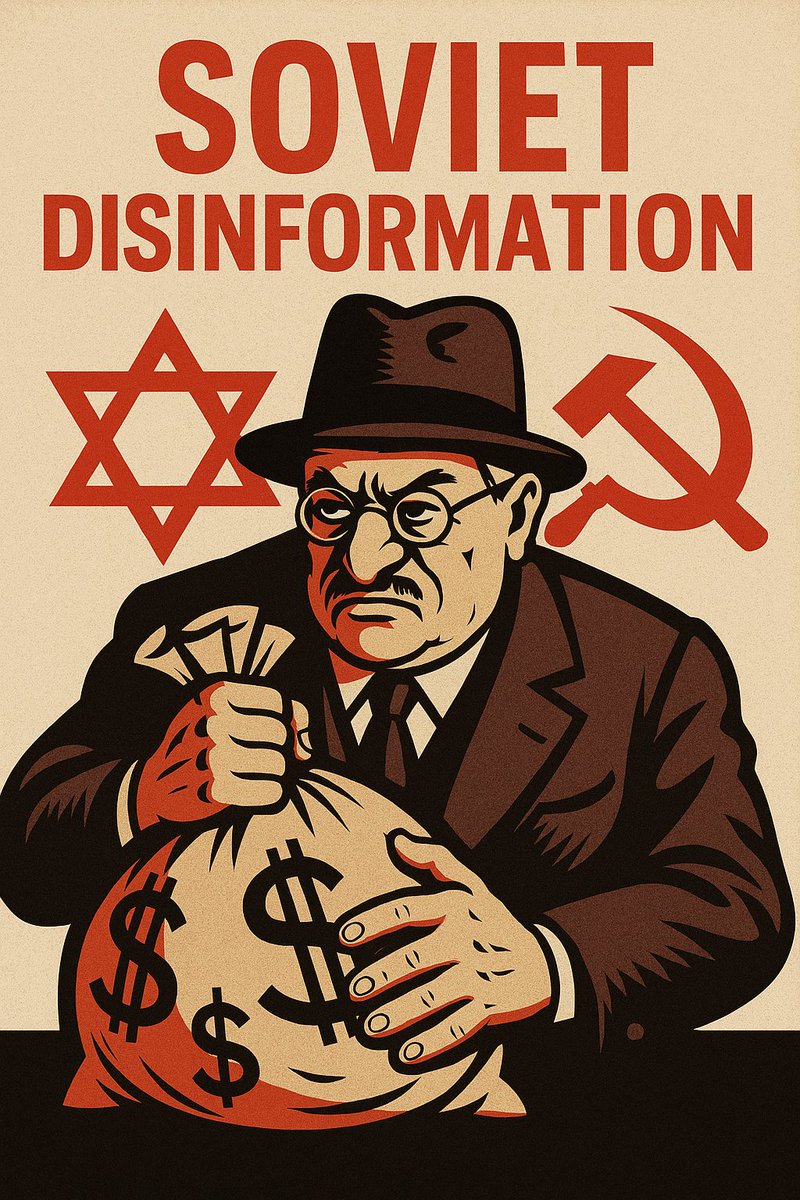
[1/5] 🧵How Soviet propaganda fuelled global hatred against Israel and the Jewish community and lives on today in the Red-Green Alliance?

What began as Cold War disinformation has morphed into 21st-century ideology.

Let’s trace the roots.

In 1948, the Soviet Union recognized Israel and funneled arms via Czechoslovakia.

Why? They saw Israel as a potential socialist beachhead in the Middle East.

But the romance didn’t last. Stalin’s antisemitic paranoia changed everything. 👇

Have you heard of the “Doctors’ Plot” (1952–53)?

Jewish doctors were falsely accused of conspiring to kill Soviet leaders.

It was state-orchestrated antisemitism.

This marked the shift: from Jewish ally to Jewish enemy, internally and globally.

Around the Mid-1950s, the Soviets pivoted to the Arab world.

✅ Armed Egypt
✅ Backed Syria
✅ Sought Arab oil and strategic influence

The Soviets now started projecting Israel as a pawn, reframed as a “Western imperialist outpost.”

#Israel #SovietPropaganda #Antisemitism #RedGreenAlliance #ZionismImage [2/5]

Let's dig a little deeper.
x.com/clairlemon/sta…
The 1960s–70s saw the rise of Soviet disinformation warfare:

Operation SIG (run by the KGB) spread lies tying Zionism to racism, colonialism and even Nazism.

Ring bells?

The aim: make hating Israel feel morally righteous.

🎯 1975: Soviet-aligned nations passed UN Resolution 3379 —
“Zionism is a form of racism.”

It wasn’t just anti-Israel—it was coded antisemitism, dressed in Cold War politics.

It stood until 1991.

Soviet media—Pravda, Radio Moscow—amplified this line:
→ Jews = capitalists, conspirators, warmongers
→ Israel = aggressor state

They revived old antisemitic tropes, then laundered them as “anti-Zionism”.

The Soviets also distributed the Protocols of the Elders of Zion across the Arab world and the Global South.
A forged text.
A Tsarist relic.

Now reborn in the Soviet toolkit to fuel antisemitism under the cover of the so-called “revolutionary solidarity”.
Jun 27, 2025 12 tweets 6 min read
What if I told you there’s a region in India (Bharat🇮🇳) where poetry meets philosophy, where art is sacred, and where Goddess Sita herself was born?

Welcome to Mithilanchal, a forgotten cultural powerhouse.

Let’s explore the land of sages, scholars, and soul.

My latest thread 🧵Image 1/

Wonder where Mithilanchal is? 📍

Stretching across North Bihar and parts of Nepal’s Terai, Mithilanchal is more than a region.

It’s a civilization.

The ancient kingdom of Mithila finds mention in the Ramayana, the Vedas, and Buddhist texts.

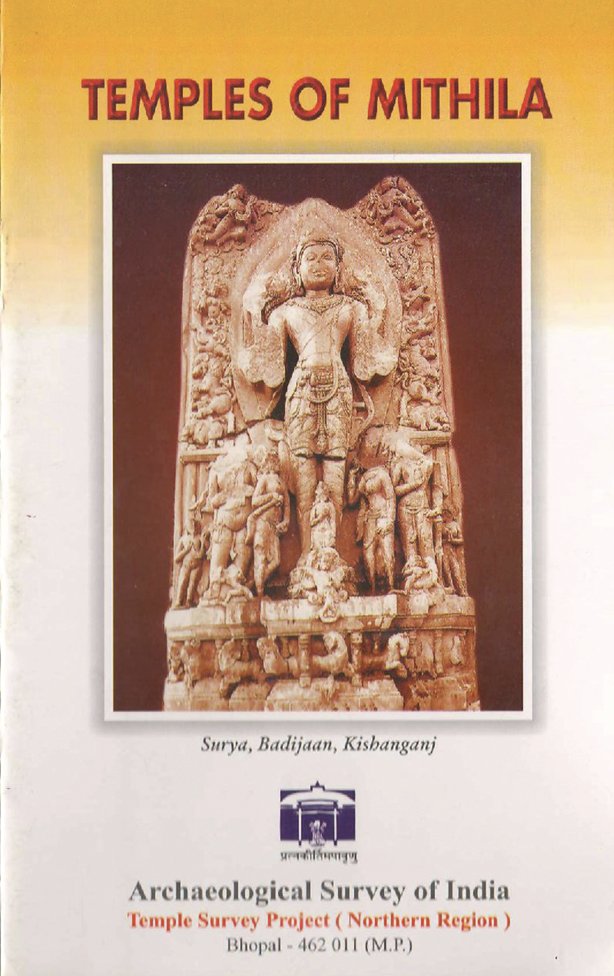
Further reading: Temples of Mithila (Archeological Survey of India)

tspasibhopal.nic.in/assets/pdf/pub…Image
Jun 21, 2025 12 tweets 5 min read
Will the Iran-Israel war escalate, and how long will it last?

If there’s one thread you must read, this is it! 🧵
A deep dive!

1/11

This is THE thread to understand the Iran-Israel war, raging since June 13, 2025.

Could it spiral into a regional catastrophe, and how long will it last?

Packed with data, military analysis, and heuristic modeling, let’s break it down.

Please share to learn and help disseminate!

#IranIsraelConflict

Further reading:
cfr.org/global-conflic…Image 2/11 What’s Happening?

Israel’s “Operation Rising Lion” hit Iran’s nuclear sites (Natanz, Fordow), missile bases, and IRGC leadership, killing Hossein Salami and Mohammad Bagheri.

Iran’s firing back with 39+ ballistic missiles on Tel Aviv and Haifa.

Casualties: 224+ in Iran, 24 in Israel. 💥Image