Award-Winning Chef & Culinary Lecturer | #Freelancer | Made in Newcastle | #MasterChefUK Semi-Finalist 2018 | Recipes at https://t.co/Wo8mYvWYfP
2 subscribers
 First, scrub the baby potatoes - about 500g of them - and place them into your pot. Now we're going to add...60g of flaky sea salt. That's an enormous amount of salt. When people say pasta water should be salty as the sea, they can never be serious. Rest-assured the potatoes won't absorb all of this salt - most will be drained away - but this amount of salt will quickly draw liquid from the potato to produce a buttery, intensely flavourful, truffle-like result. Add 350ml of water - it won't seem like a lot, but it'll be enough to steam any potatoes that poke out. Place it onto boil.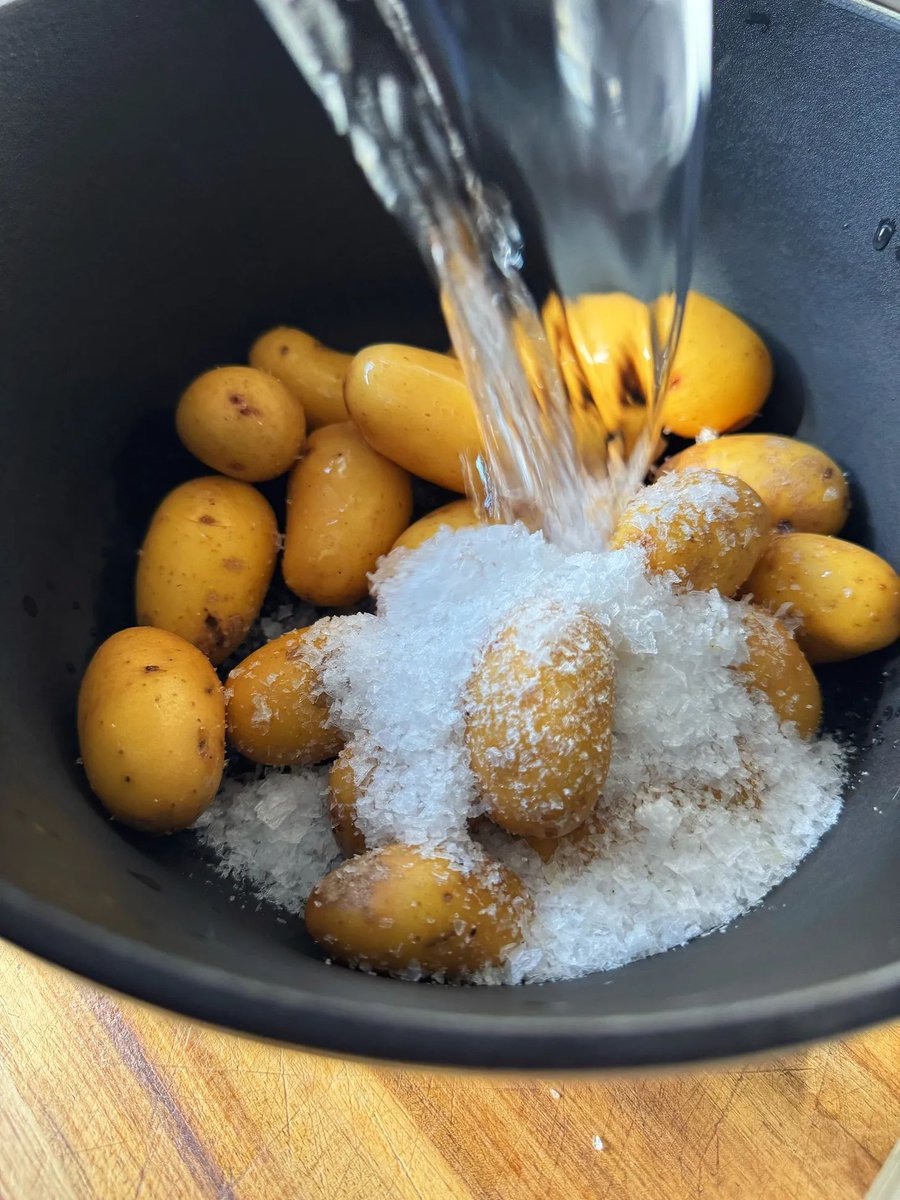
 The regional cheeses return. You may remember I did a feature on these least year. Let me break them down for you. Tilsit originally comes from Prussia and is made with an emmental method, but the local bacteria gives a different flavour. Steely and cool. Like winter frost on your tongue. The küstenkäse is a coastal cheese, a Nordic style that’s matured on spruce wood. Very creamy and nice with fruit (apples, pears, quince). I’d be delicious with a fruit cheese. In a sandwich with a spiced apple chutney - to die for. Or with apple strudel. The Wilstermarschkäse is a fun cheese. Full of little holes and very mild - a ‘snacking cheese’. Perfect for breakfast or sandwiches. Not so great for trypophobia. These are very similar to butterkäse cheeses, also extremely popular in Wisconsin through German immigrants. Great, melty cheeses perfect for cheeseburgers and mac & cheese. I mean they’re all perfect for rye bread too. 🇩🇪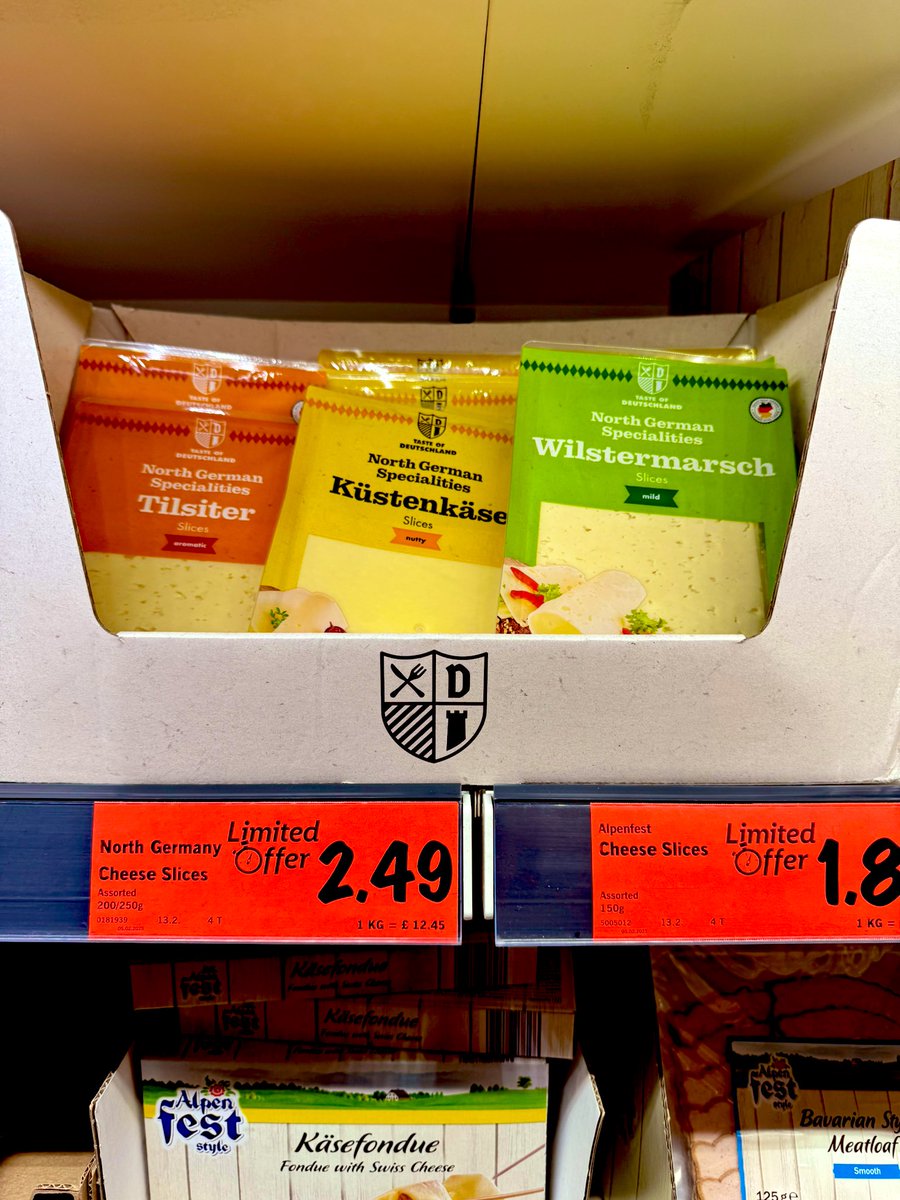
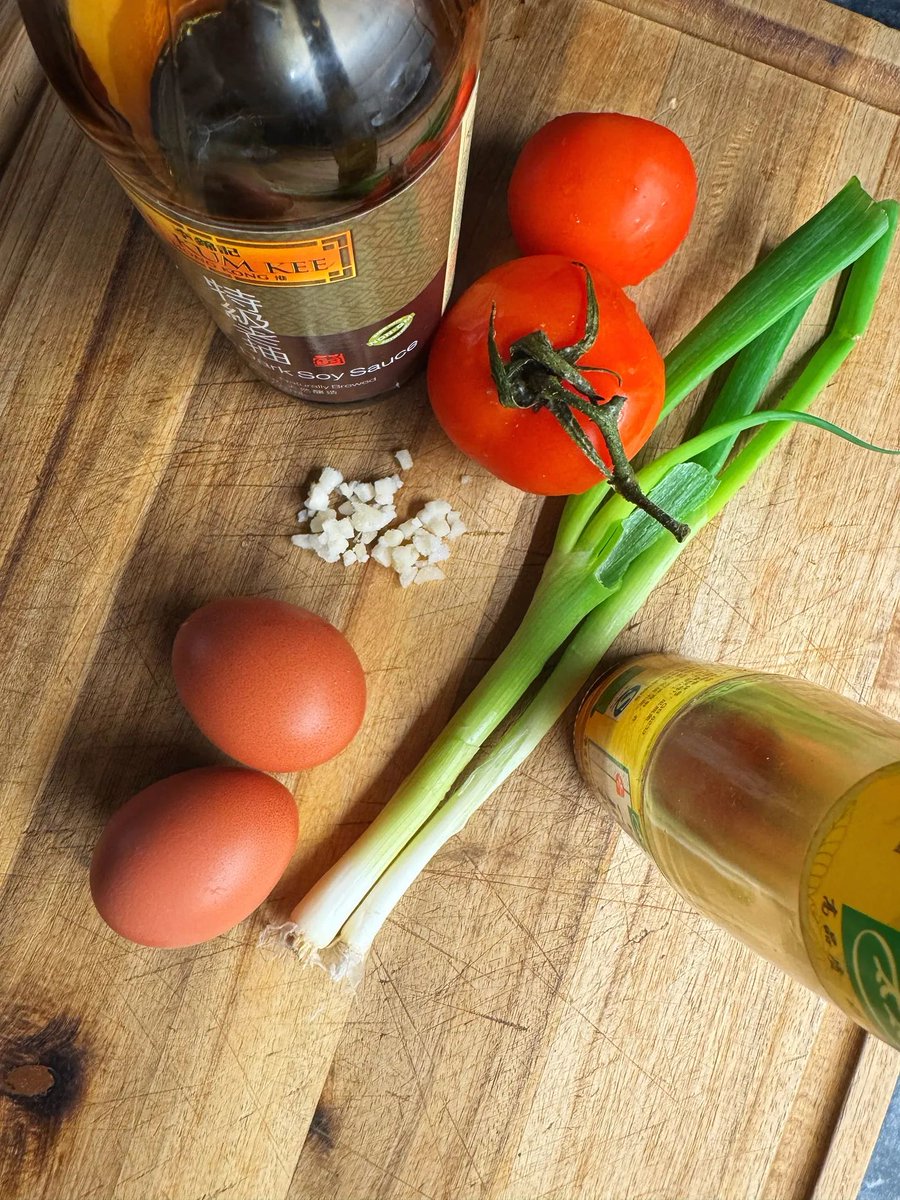 You need one tomato for every egg. I have two eggs and two tomatoes. The eggs are beaten with a pinch of salt, and often the Chinese will add a teaspoon or two of Shaoxing wine for aroma. Set these aside.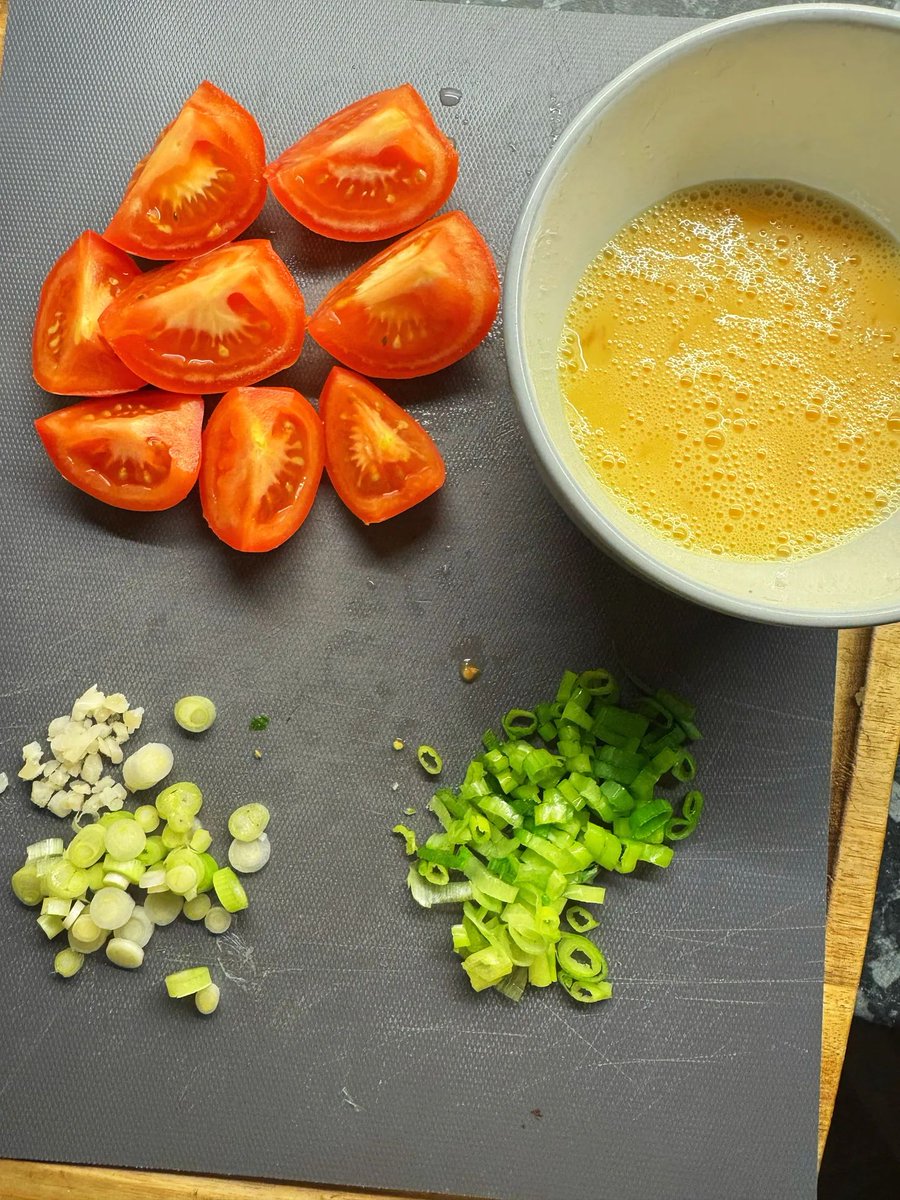
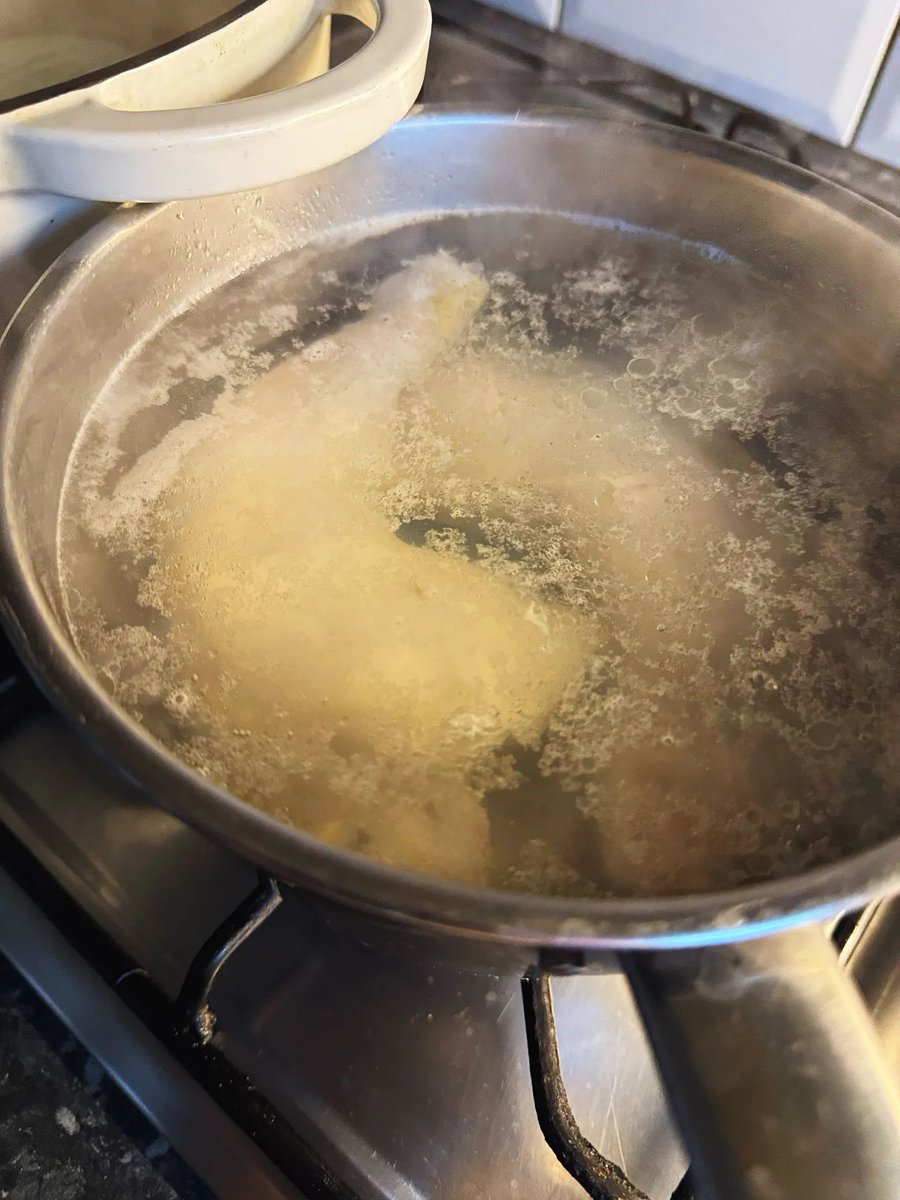
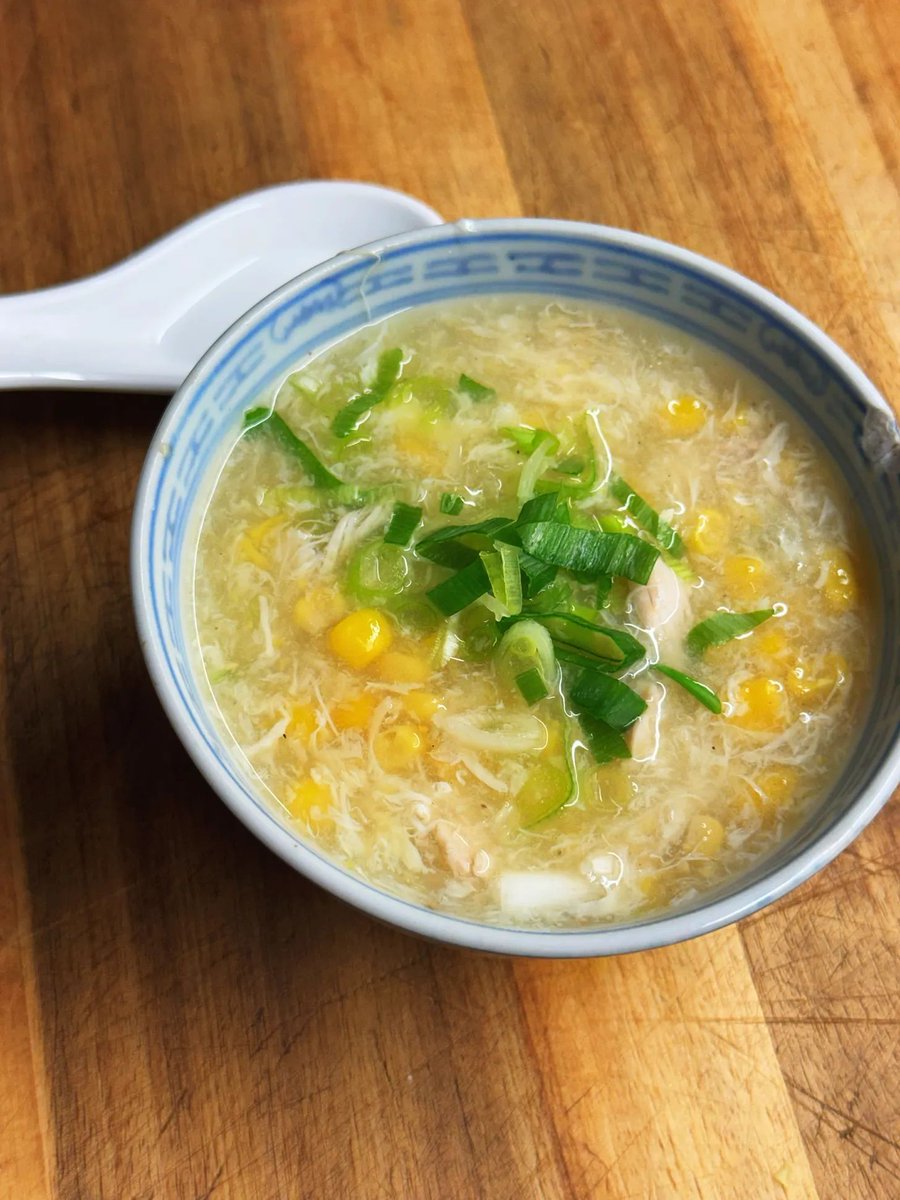 Most Chinese takeaway restaurants will use a cheap chicken stock powder thickened with cornflour, and a poached, shredded chicken breast. Nothing wrong with that, but this is the proper way: a light, nutritious stock made with chicken legs. Add 2x chicken legs, with the skin removed. I highly recommend first giving them a 5 minute boil in a separate pan of boiling water. This is an old-fashioned trick that I've seen in lots of cultures. You may think it's faff, but this initial 'blanch' removes most of the chicken's soft fat, along with any flimsy protein or 'impurities'. It also means you won't have to skim the stock *once*, and helps to keep it clear. It's worth it. Once blanched, transfer them to the main pot with 1.5L of simmering water.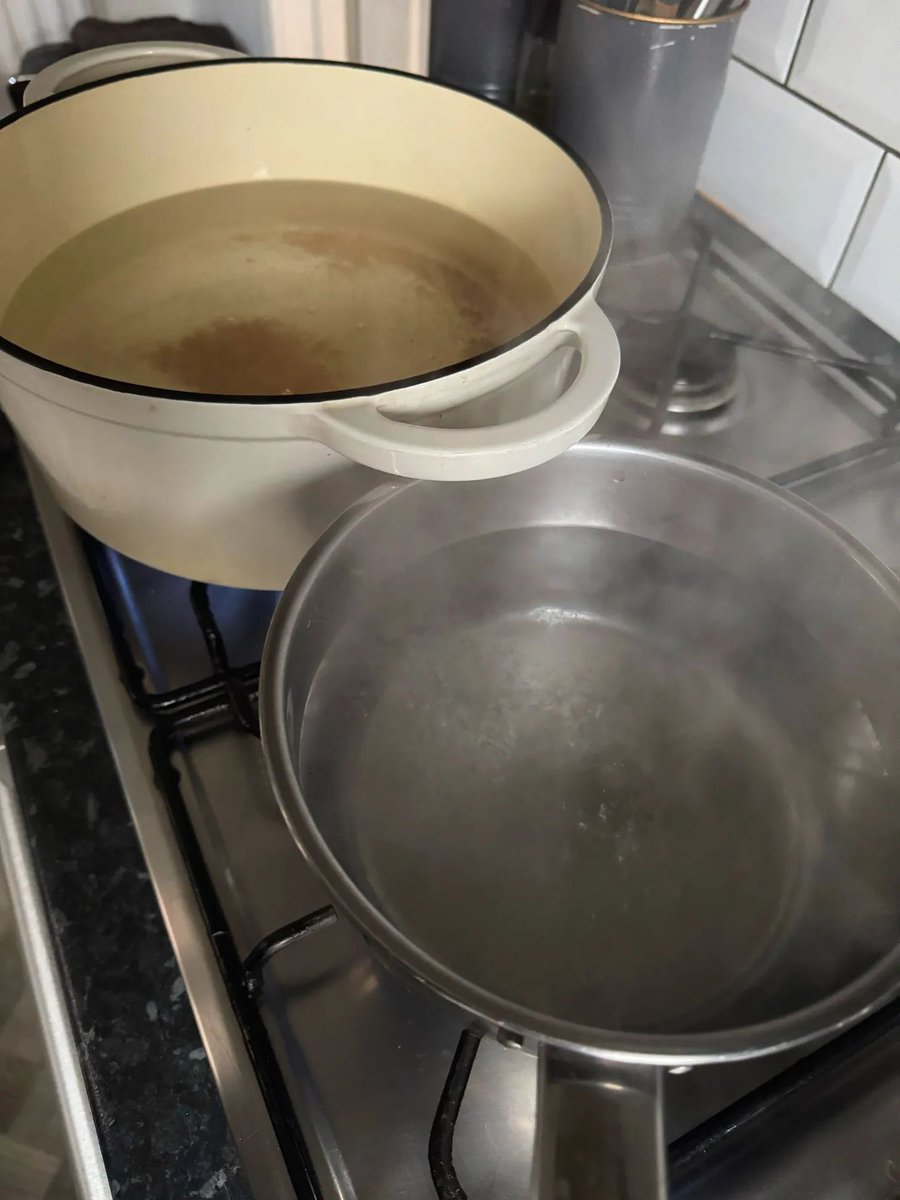
 First, get decent oats. The best oats you’ll find are Irish or Scottish, where the soil is rich and wet. I recommend a brand called Flahavan’s which is widely available. Then there’s the kind of ‘chop’: you’ll often see ‘steel-cut’/‘pinhead’ oatmeal or ‘rolled’ oats. ‘Steel-cut’ and ‘pinhead’ oats are the same thing - the whole oat piece (the groat) is chopped into roughly thirds. They’re quite hard and require a long cook time - about half an hour - but arguably the best-tasting oat. Next is rolled oats; it’s the fast-cooking option. The oat groat is simply steamrolled flat so it cooks faster. The nutritional differences are virtually negligible. So the real difference to make up for is the flavour - that’s where I come in.
 Most people who’ve had bol de chocolat have suffered a weak, watery powder mix. Not here. The proper version comes down to just two ingredients: milk and chocolate. The milk should ideally be full-fat (or ‘full-cream’ in the US), which will help the chocolate emulsify better. Even better, ‘gold-top’ milk (5% fat) is a real delight. Place it onto a medium-low heat and heat until steaming hot, but not boiling.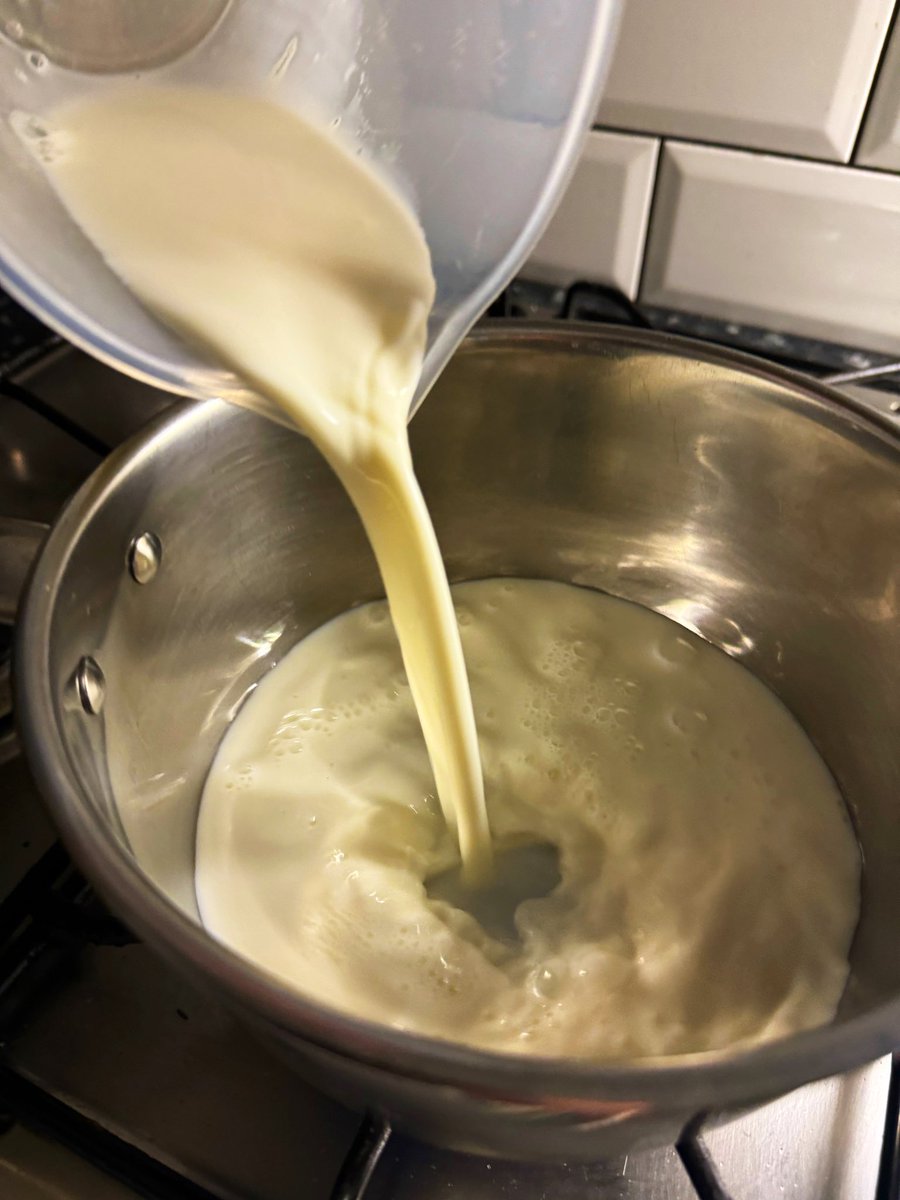
 There’s a reason why onions and garlic are often omitted from some Indian/South Asian dishes. Some desis follow Ayurvedic practice, which is a traditional medicine/philosophy that connects food to health. I won’t go into too much detail, but it’s believed that onions and garlic create heat and passion in the body, which in some circumstances isn’t appropriate, such as menstruation, seasonal changes or…being a widow. To get around this, many people use this spice: asafoetida (also called ‘hing’). It has a very strong, pungent alium taste, and is used in very small amounts.

 The dressing is sweet, sour, savoury and hot all in one. Kecup manis (Indonesian sweet soy sauce), tamarind concentrate and a blob of belacan paste. You’ll find belacan in every Asian supermarket. It’s made of pounded chillies and dried shrimp, and it can be bought as a ready-to-use paste or as a block (usually labelled ‘Indonesian style’).
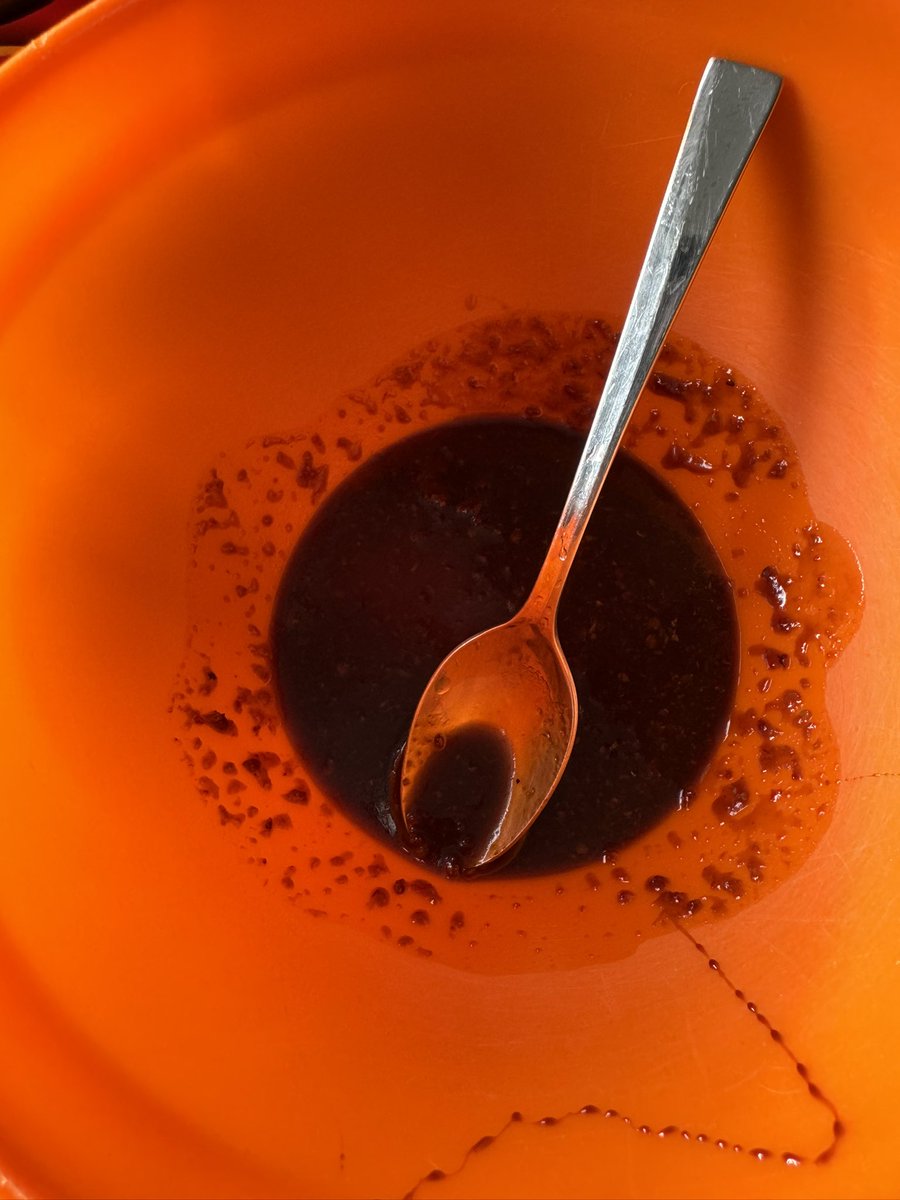
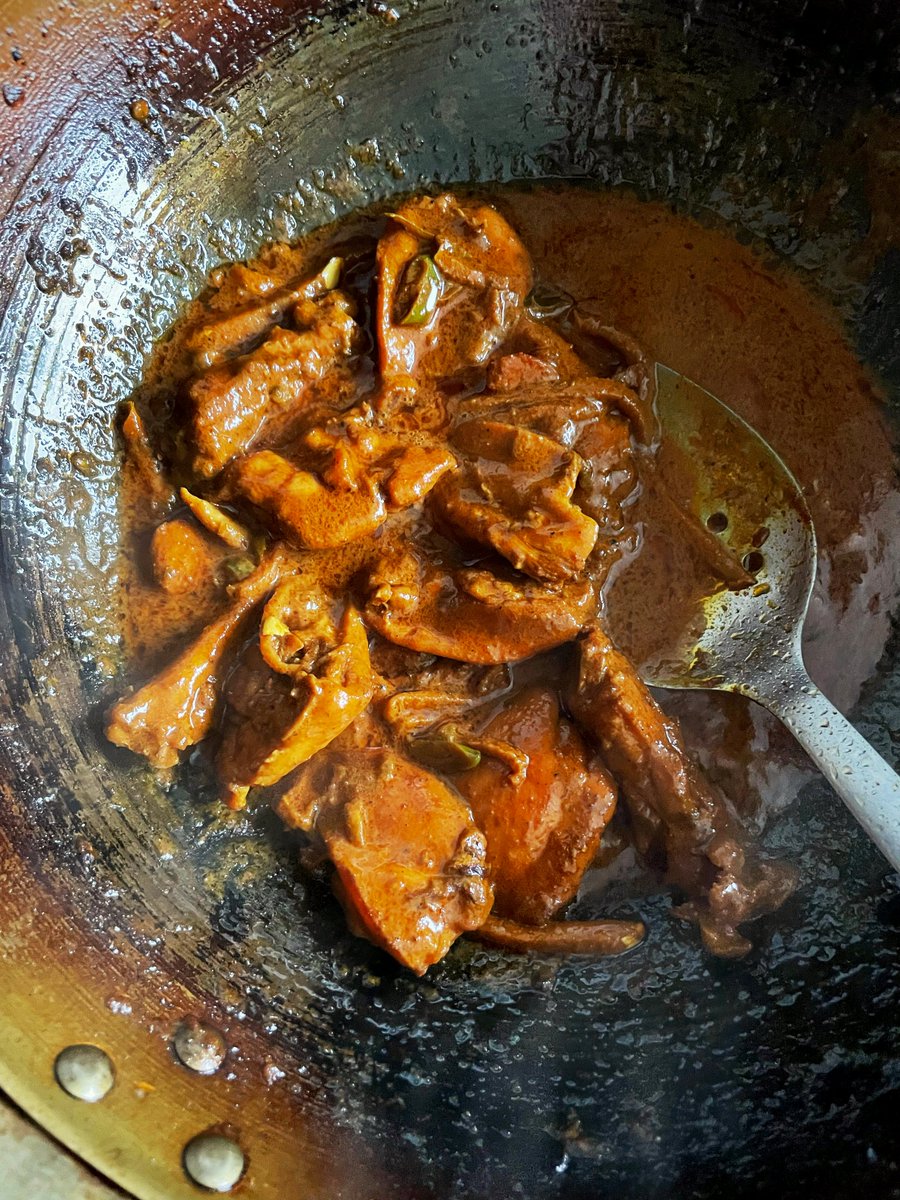
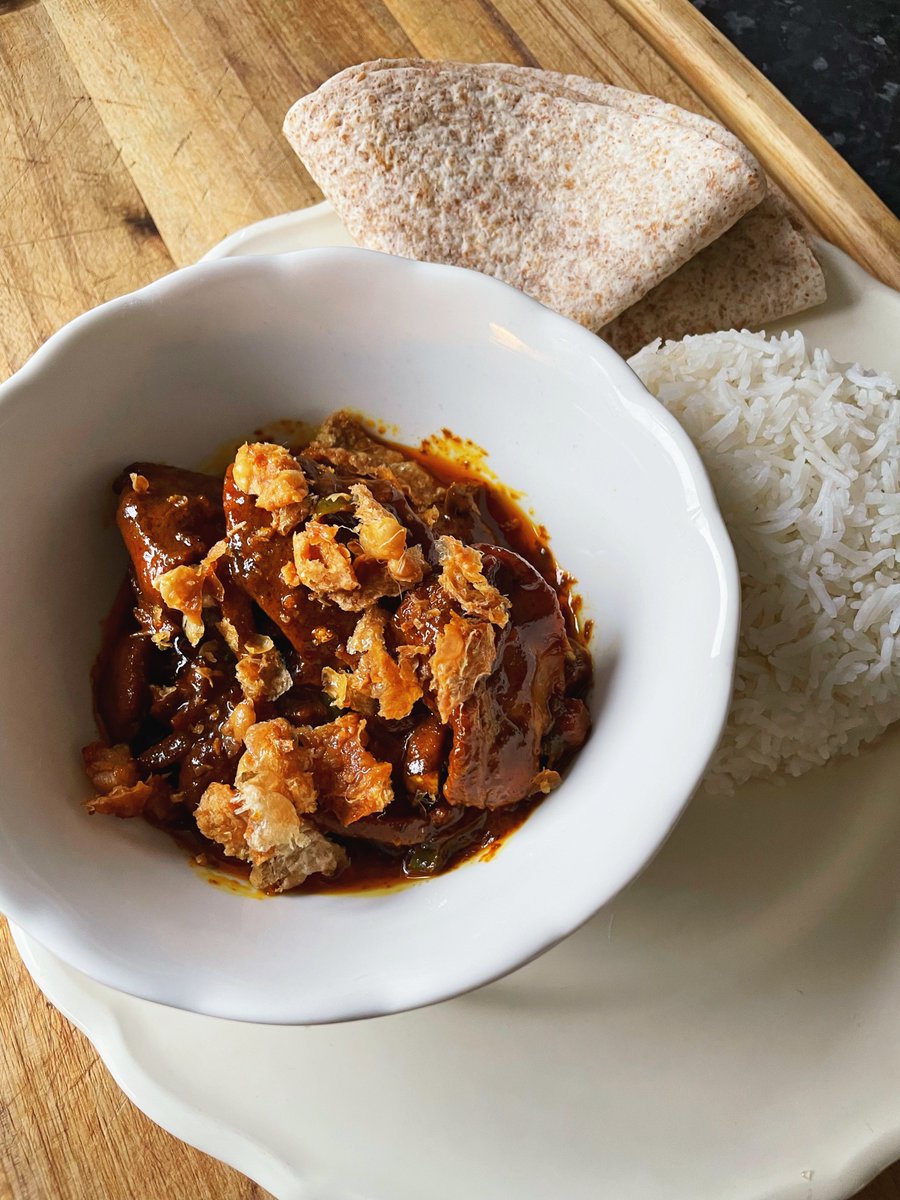 Before we get going, let me explain what 'karahi' means.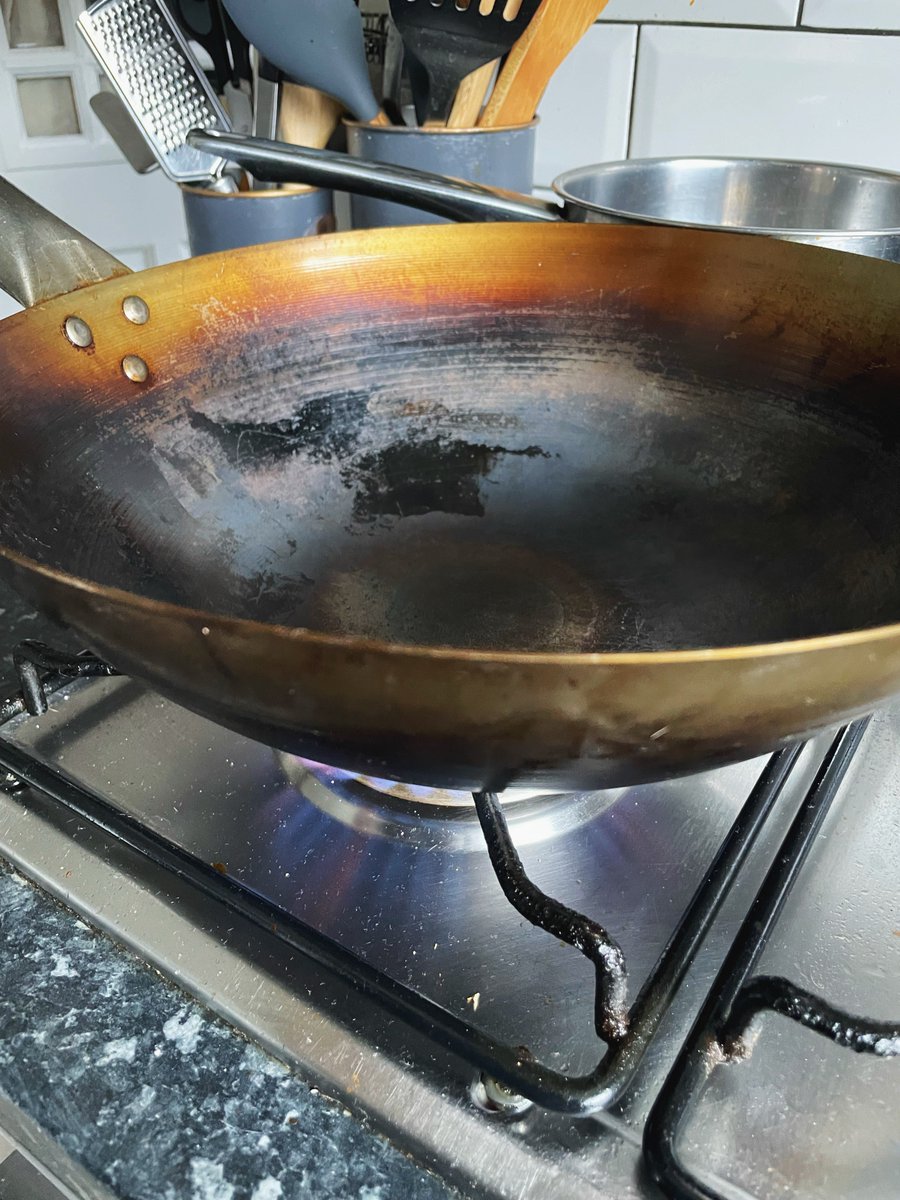
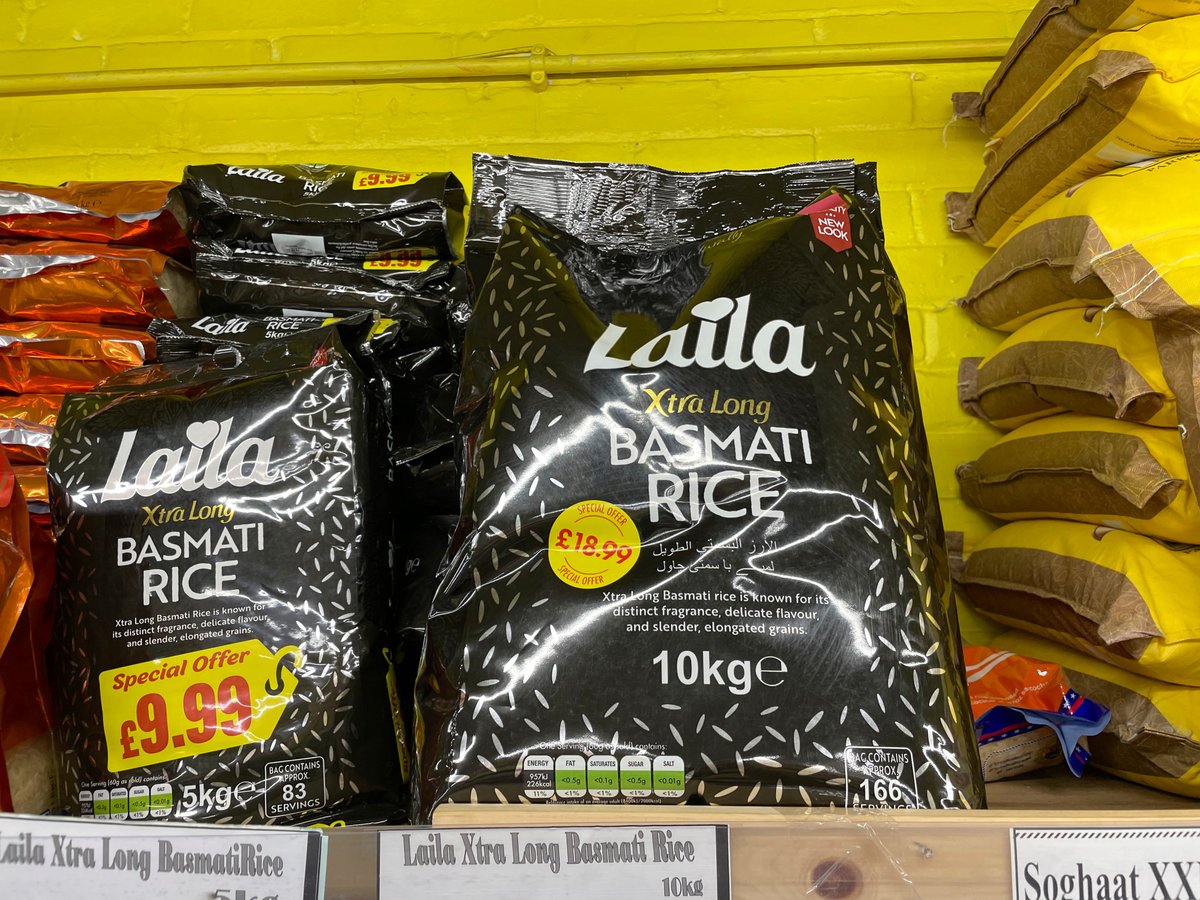
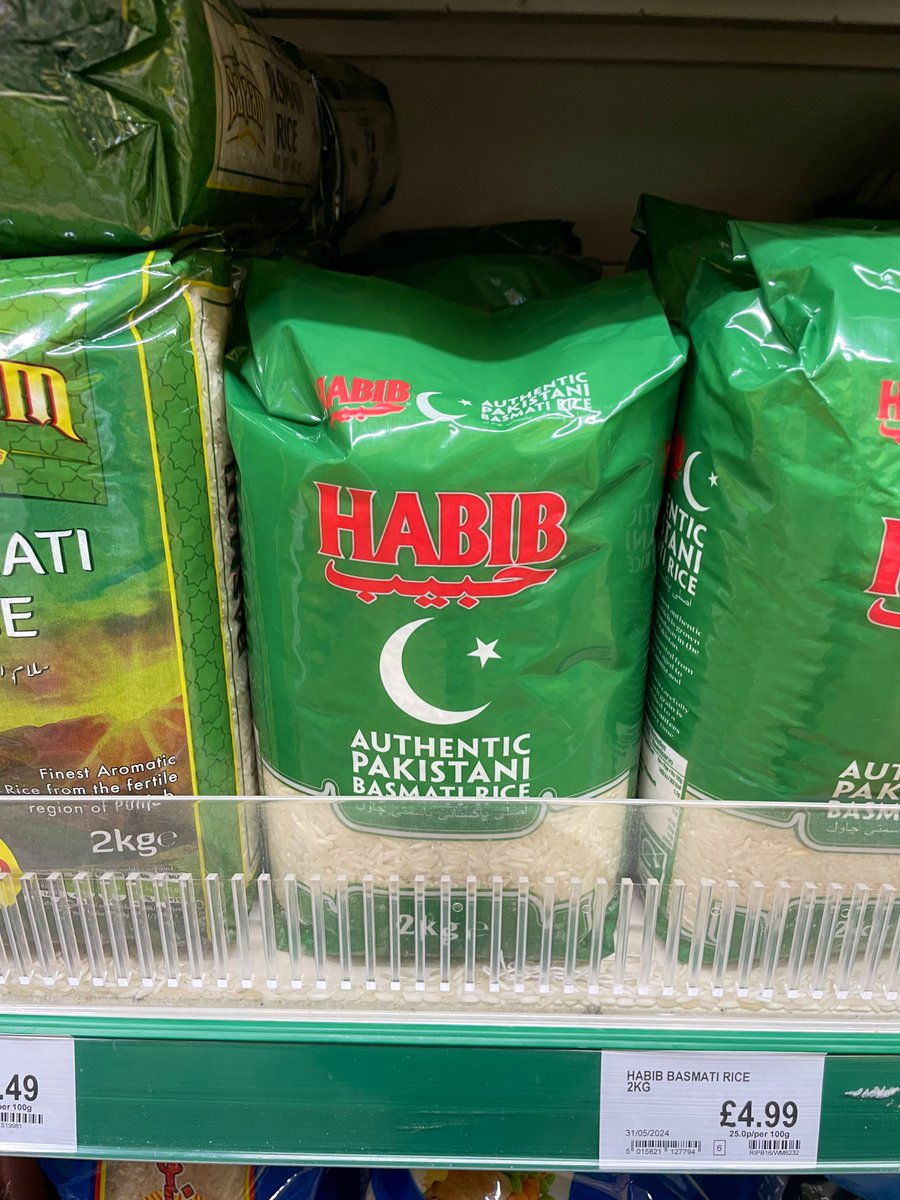
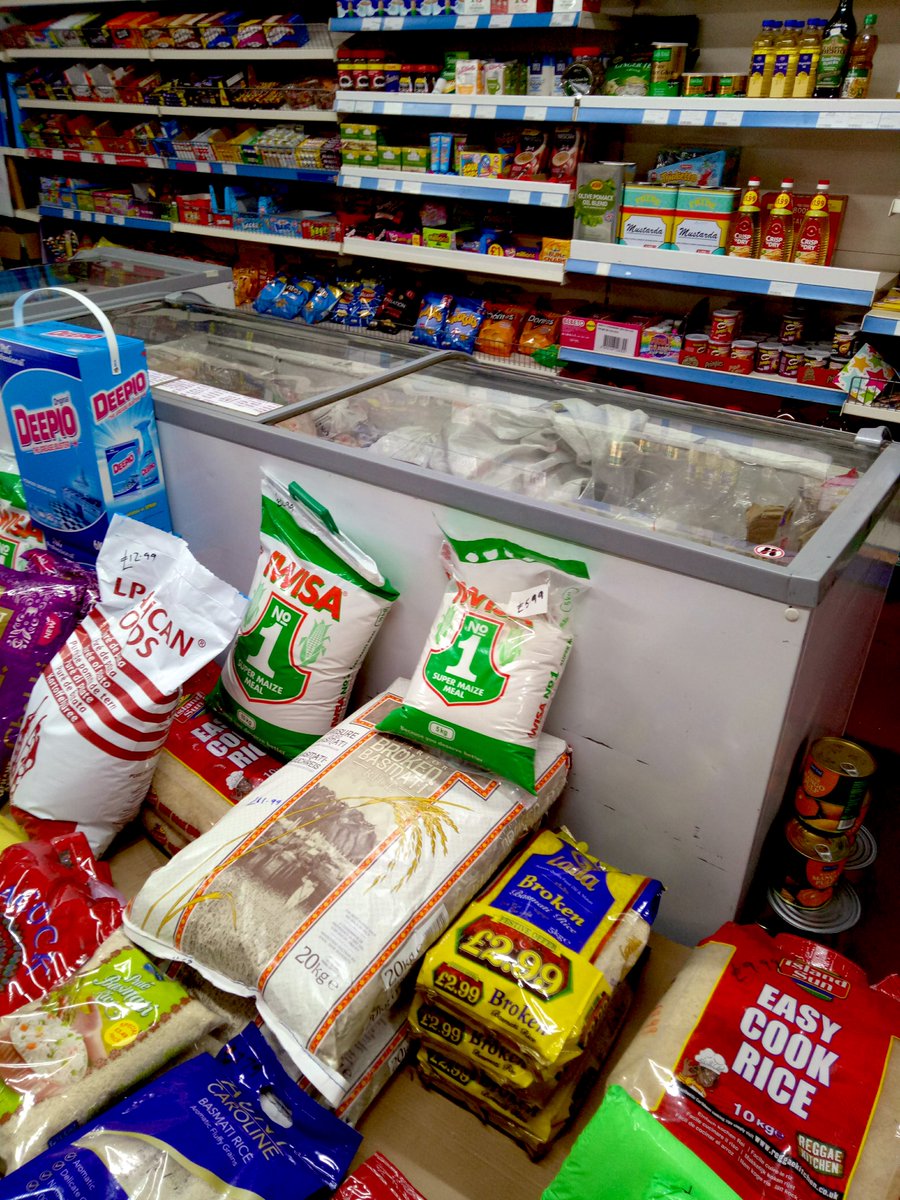 First of all, let’s talk RICE. Ditch the supermarket rice, buy it someplace where it’s being bought often. If you’re going for basmati rice, you’ll find many brands but South Asian families tend to be loyal to a particular brand. If you want to be showy, get the extra long rice, which is especially adored in Pakistan, Iran and Afghanistan. And not to worry, you can buy smaller quantity packs. If you go for one basmati rice, I personally recommend choosing a basmati rice that has ‘Pakistani’ anywhere on the bag. Generally, if there’s Arabic script on the bag, it’s likely Pakistani. Pakistani rice goes through an ageing process, which hardens the rice and develops an exquisite aroma. Because of the risk of pest contamination during ageing, you’ll pay more but it’s worth it. You’ll also see some bags of rice with the number ‘1121’ written proudly on the bag - this is a particular breed of basmati rice which is known for its superior quality.
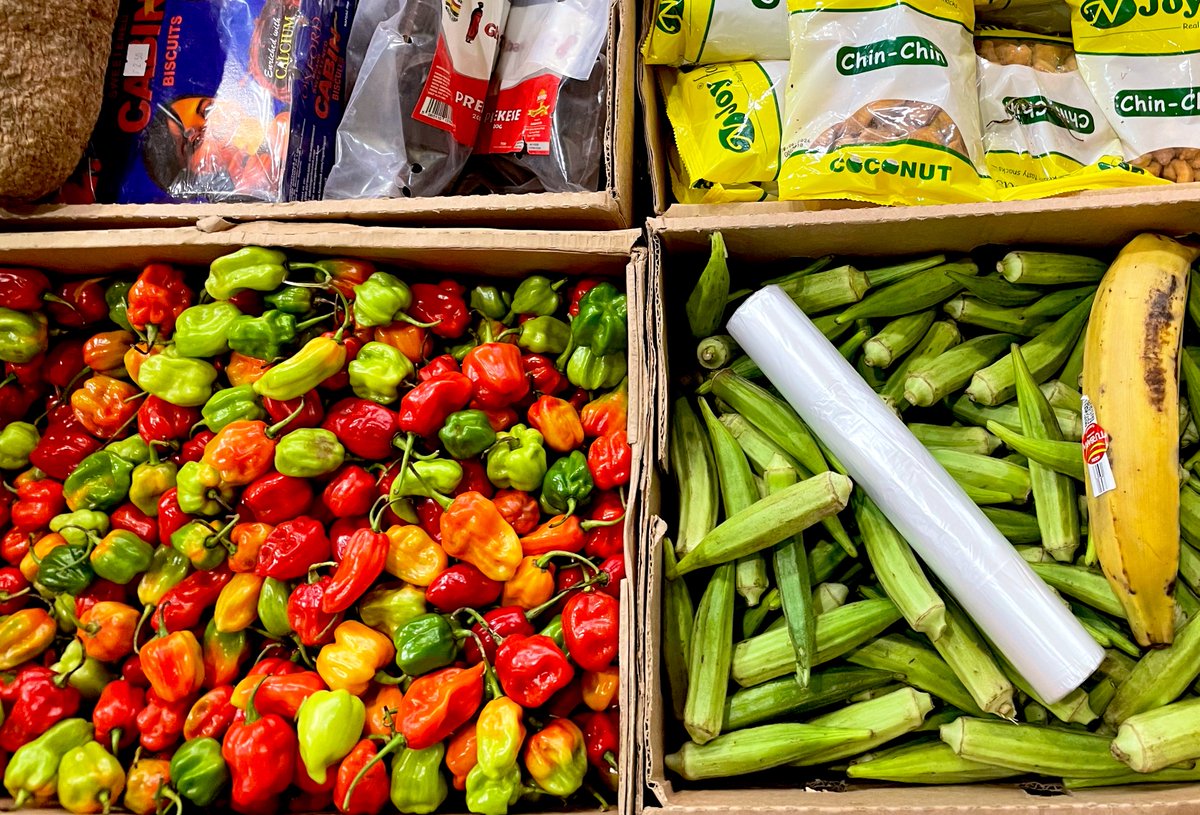 We’ll start with SEASONINGS. These are the cornerstone for many Caribbean dishes on many of the islands. Some dishes will usually deploy two or more pre-blended seasonings, like an All Purpose (AP) seasoning and a chicken or seafood seasoning. Jerk chicken or pork will often use an AP seasoning, a chicken seasoning and a jerk seasoning, which you can buy already blended. AP seasoning is your core seasoning for almost all dishes from the Caribbean islands. AP seasoning usually contains salt, MSG (what makes it taste so good), paprika, garlic, onion and dried oily herbs. Use it anywhere and everywhere. I like it on buttered corn and on fresh popcorn like a dry seasoning. Rubbed onto a chicken before roasting, it’s brilliant. The magic of AP seasoning is it doesn’t have a specific taste. It has the right blend so food just tastes great in a generic sense. A great seasoning which you don’t see used a whole lot outside of the Caribbean islands or the US is Lemon Pepper. This is granulated lemon zest and black pepper, and it’s more used in former Spanish/Portuguese colonies. It was originally used on seafood dishes, but now it’s used just as much for chicken and rice dishes. You’ll also find the odd Asian spice blend - five spice and curry, for which a lot of Caribbean islands fashioned their own curries (see. Curry Goat, Haitian Poul Nan Sos) . These ingredients were taken to the islands by Indian and Chinese labourers who were sent there to construct railroads and infrastructure during colonisation. You’ll even find seasonings like soy sauce (often called ‘liquid browning’) in many Caribbean dishes, especially jerk. A word of advice: ‘pimento’ is the same as ‘allspice’. Pimento is the proper name for allspice, which is actually native to Jamaica’s mountains.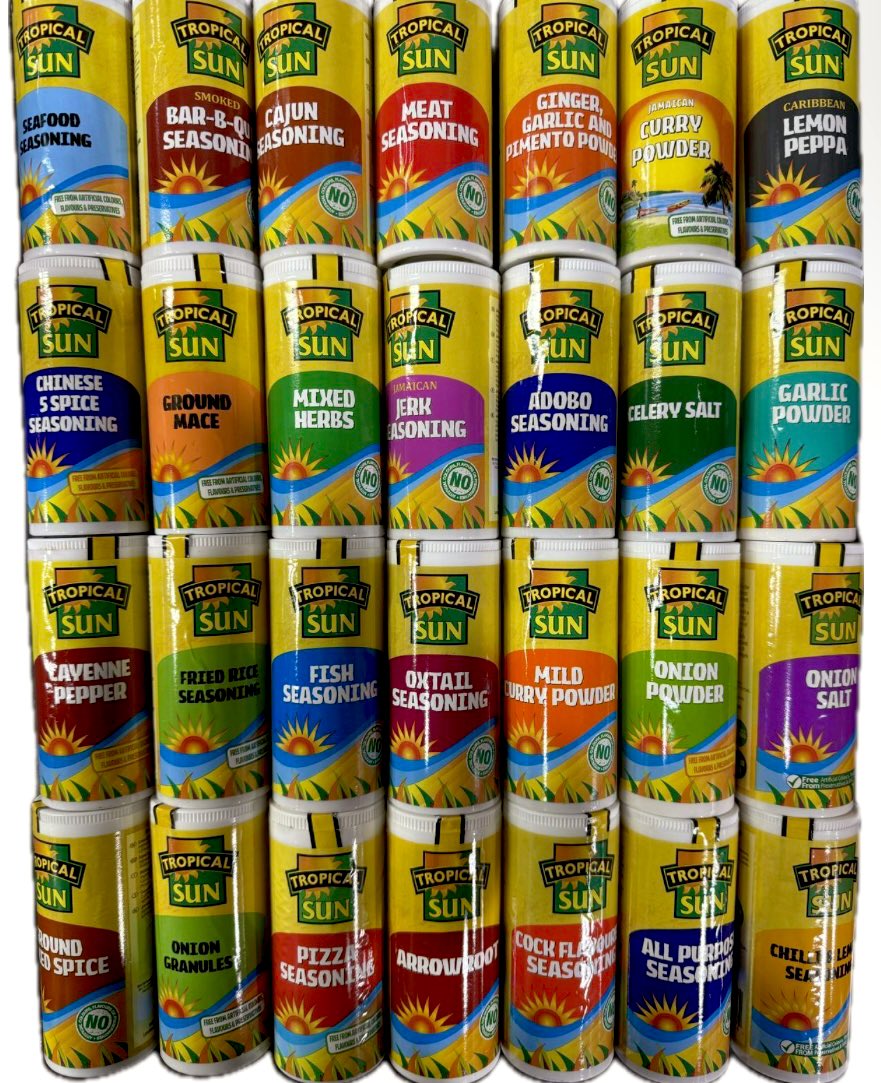
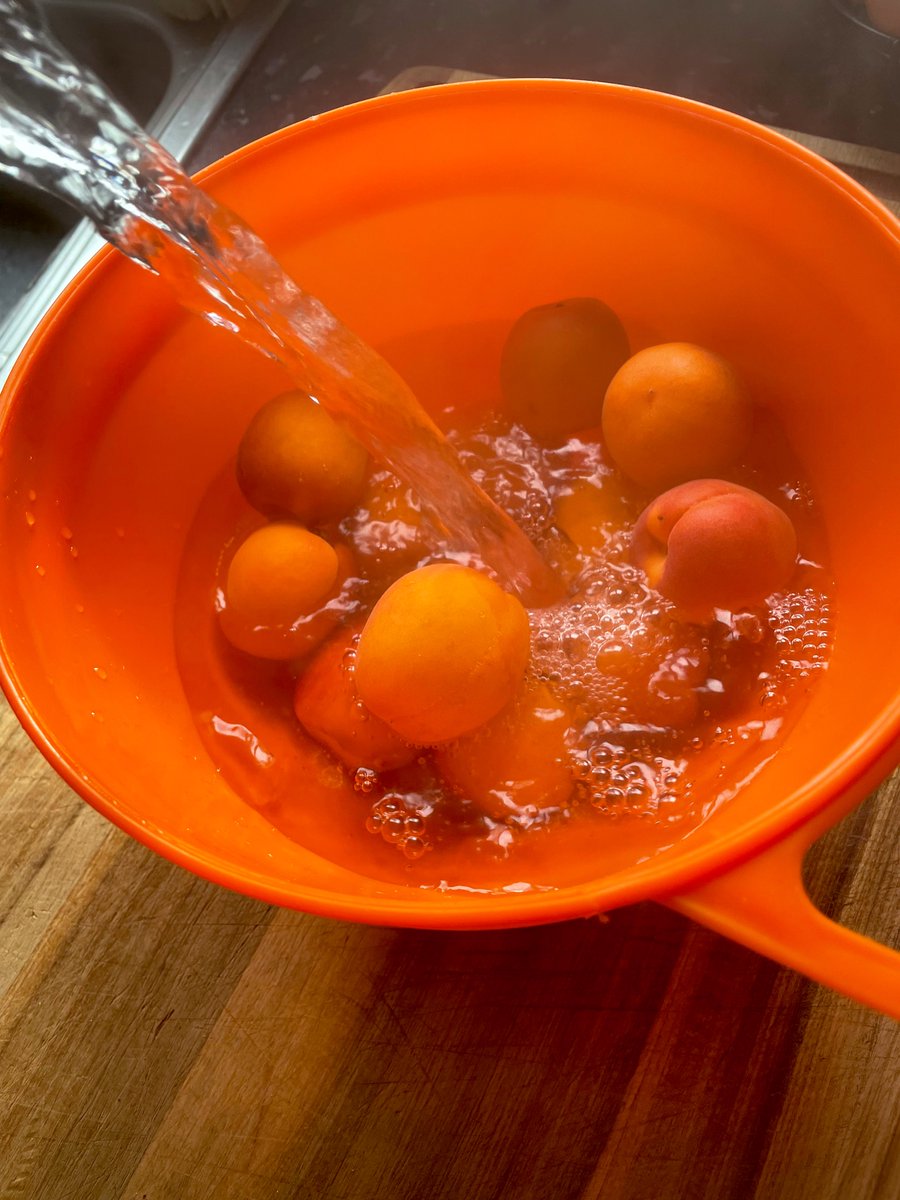
 I’m making two jams today. First up: apricot jam. Let’s revisit apricot jam because the usual storebought one always tastes shit. Let’s make it a good one. First, I’m blanching them in hot water for 30 seconds, then draining. This will soften the skins so they’re easier to peel.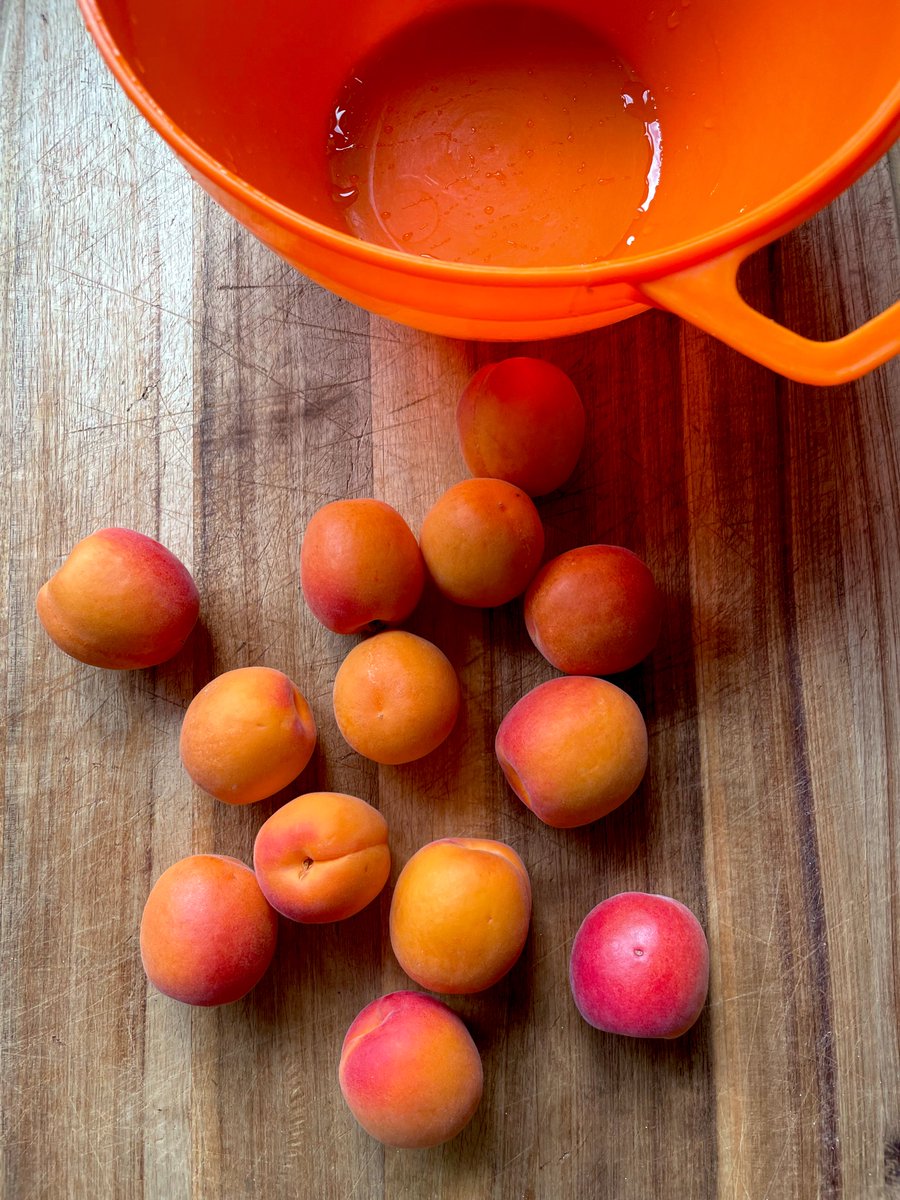
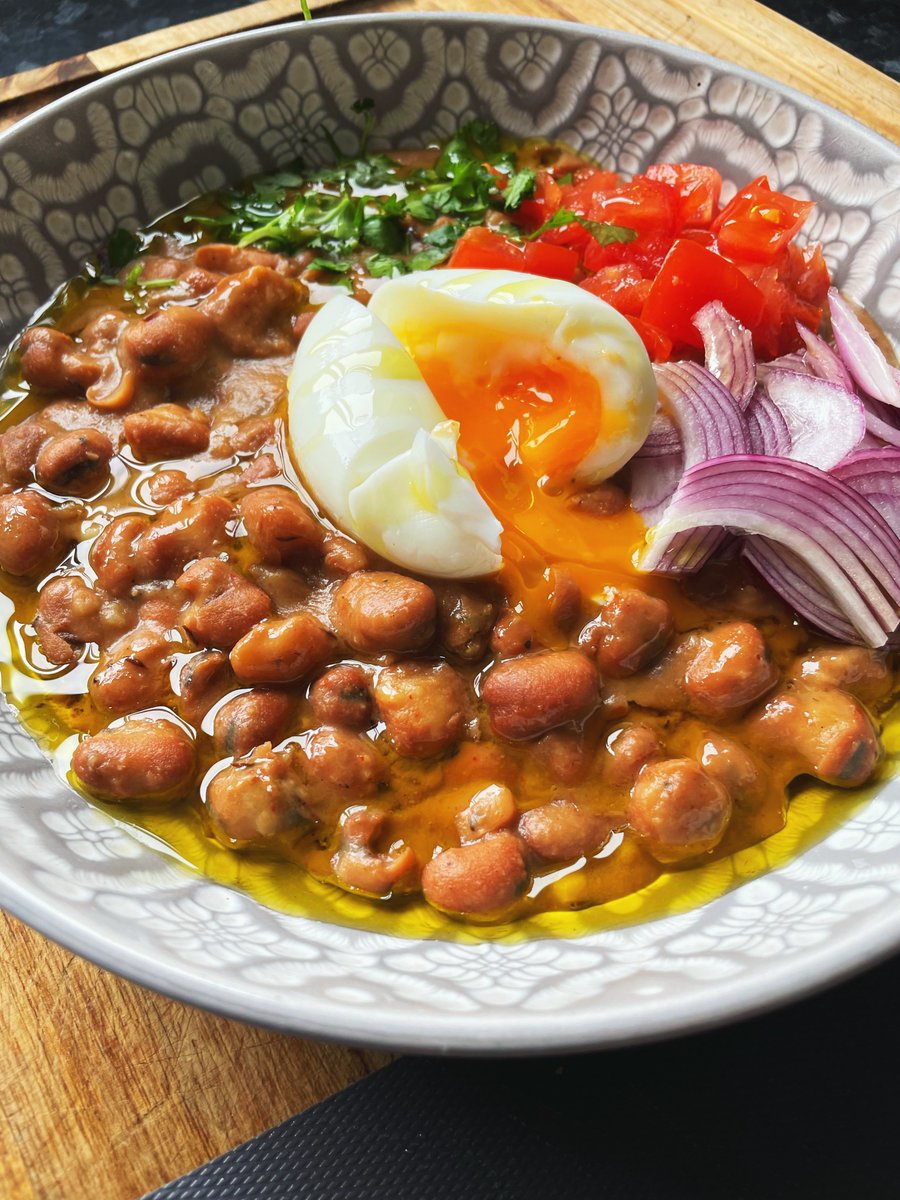 As soon as cumin seeds hit oil he’d shout ‘it smells like grandma’s house.’ This is the first step to ful. Heat some olive oil in a saucepan and flutter in some cumin seeds. Let them snap, crackle and pop until you can smell them. This is the hallmark spice of Egyptian-style ful madamas.
 These! These are kousa (courgettes). They make my favourite Lebanese dish: koosa mahshi (كوسا محشي). The courgettes/zucchini are hollowed out, filled with meat and/or vegetables and cooked in a tomato sauce. Eat them with yoghurt. Divine!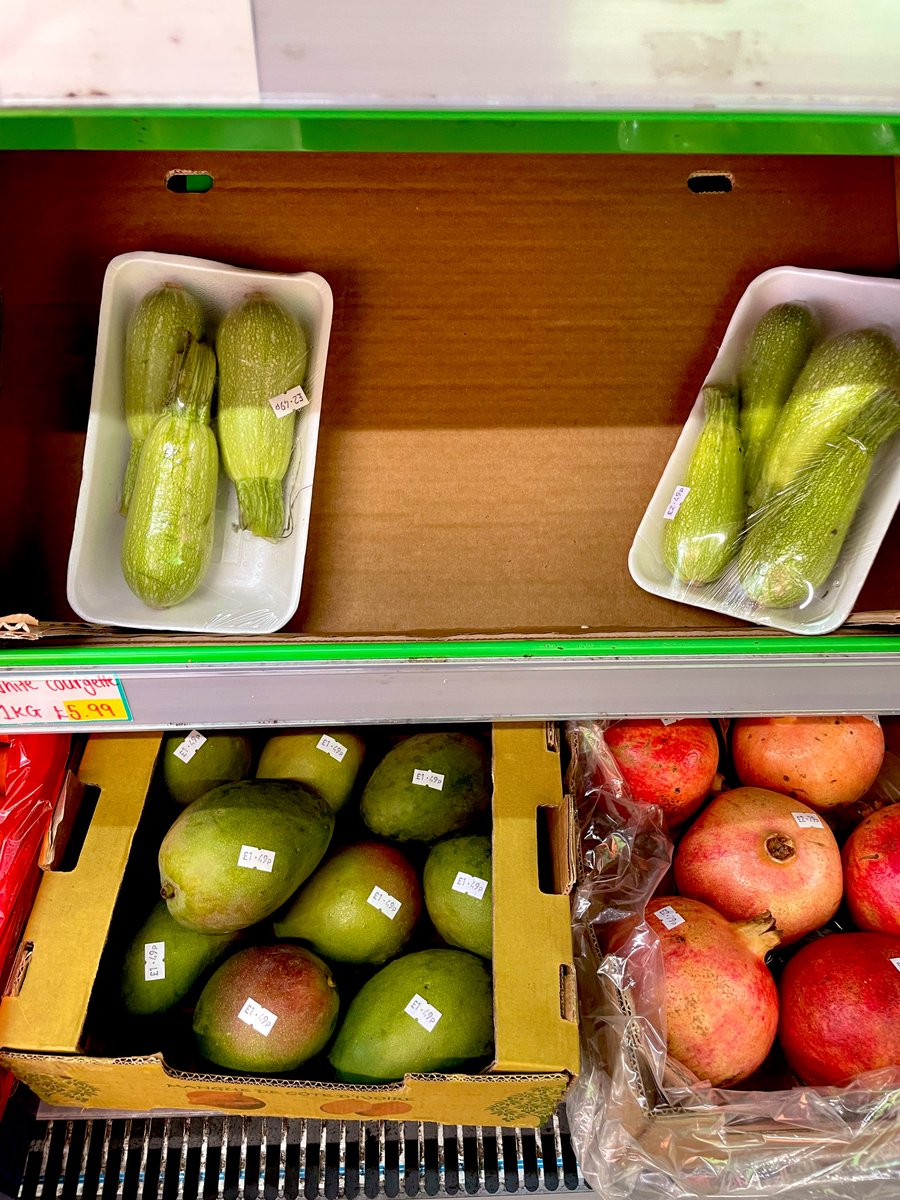
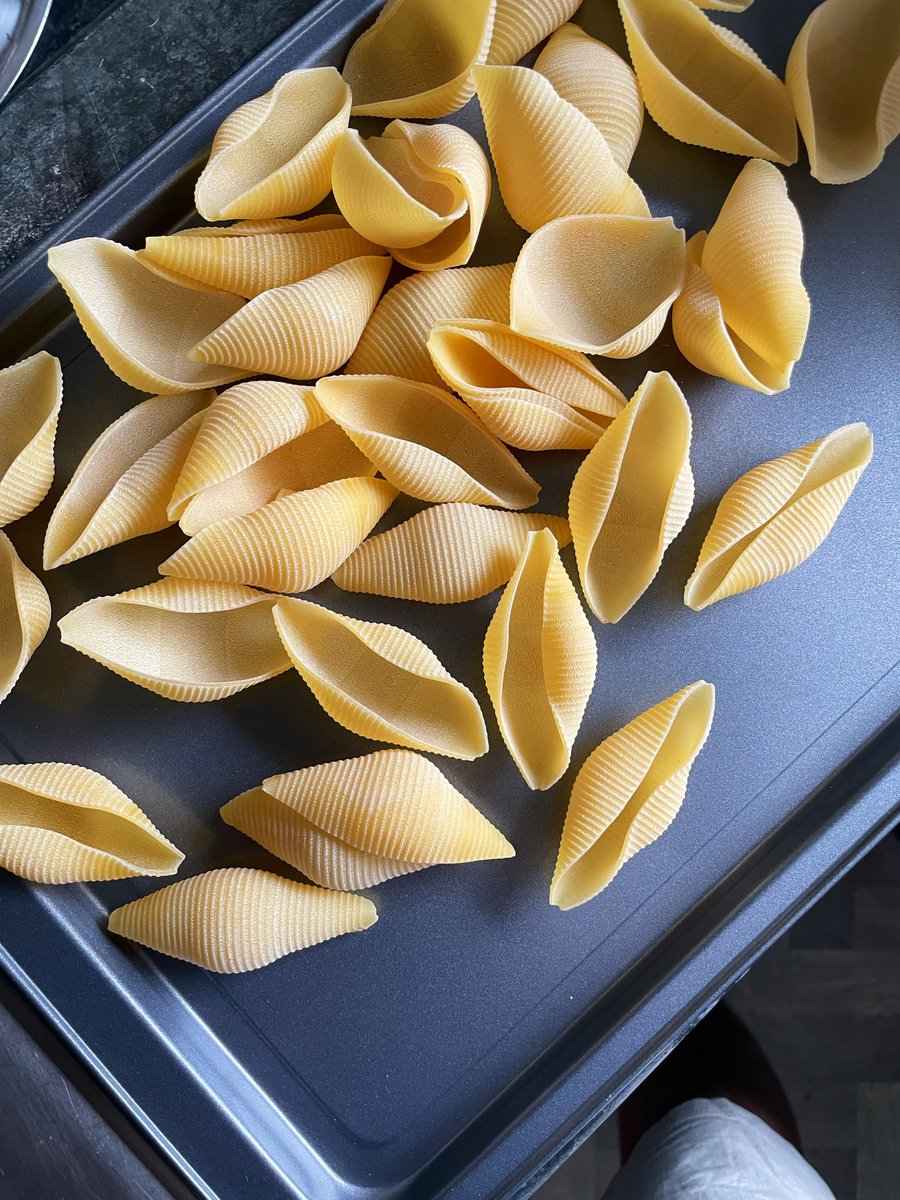 I’ll get the tomato sauce on first. A whole bottle of strained tomatoes (or passata). Get a nice one, with garlic in or something. Empty it into a casserole dish and chase it with half of the empty bottle filled with water. It’s tricky to season this right - the very watery sauce will cook the pasta, so you want preempt this to taste a bit more bland than you’d like. I added some crispy sandwich onions, which melt into the sauce without needing to fry them first - one of my favourite time-saving hacks and better than onion powder! A bit of sugar too - passata tends to be more acidic, so sugar and a 50g pad of butter will buff the sharpness. You could go for some olive oil too. Simmer it for 10 minutes, and once it’s slightly richer, but still watery, take half of it out and set aside into a jug. Leave half in the pan - providing you’re baking this in the same pan, if not, pour the remaining half into your oven dish and keep the other half aside still.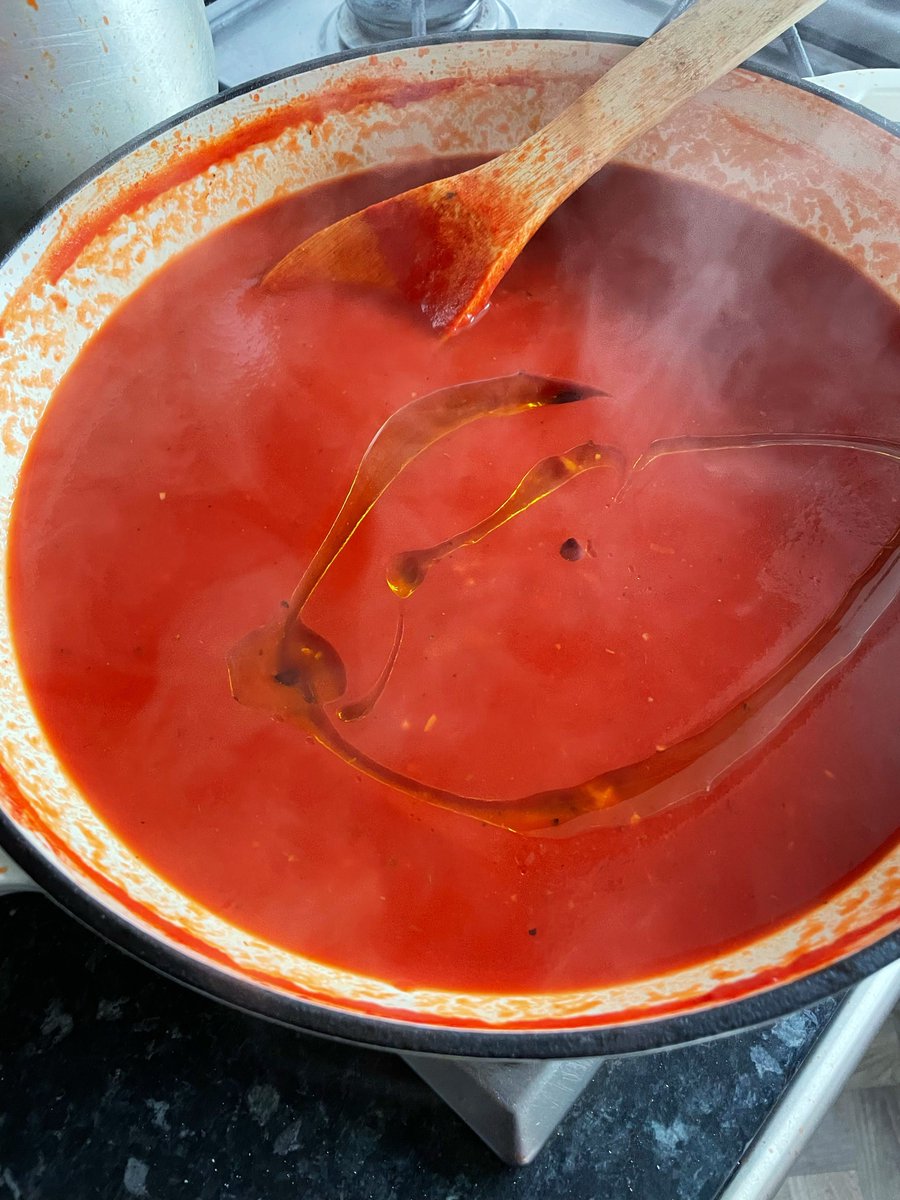
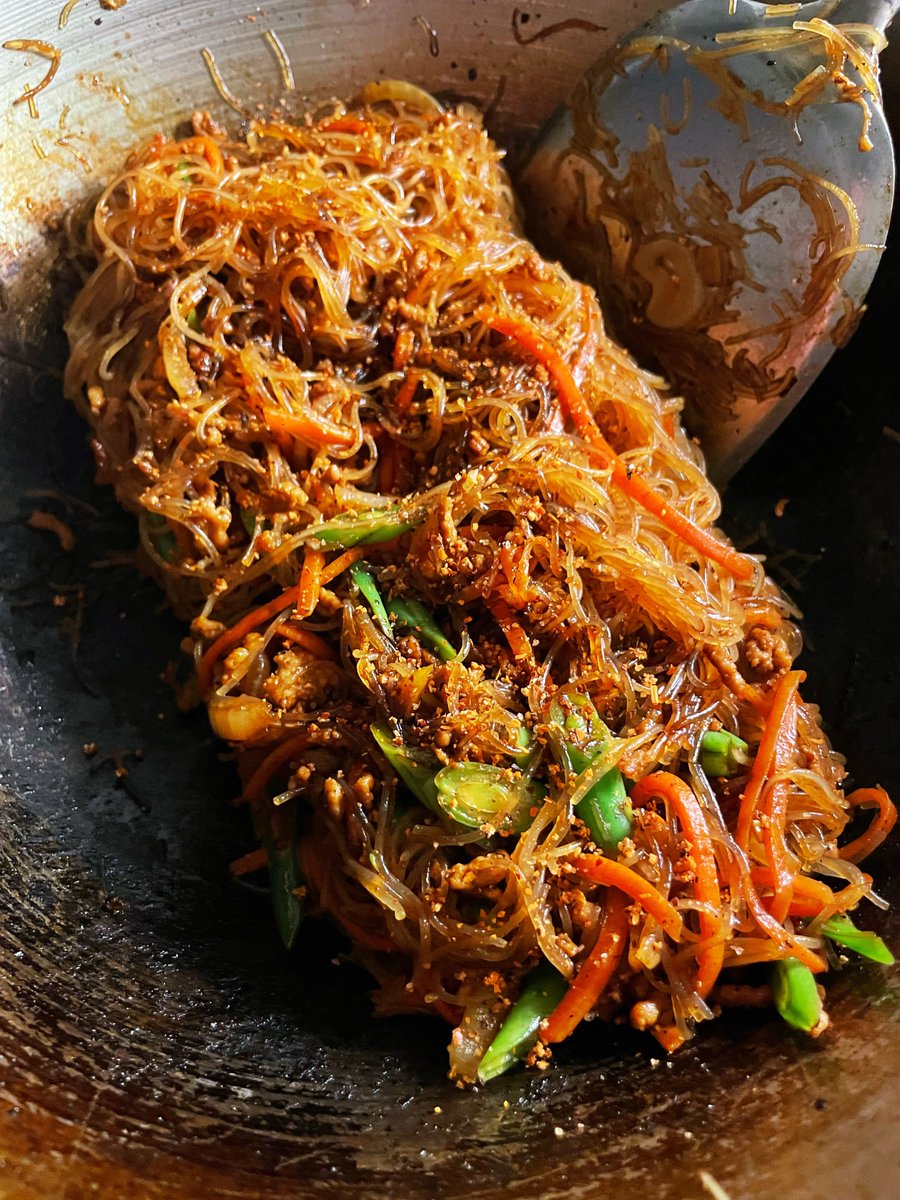 I need to say, there’s a lot of different versions of pancit bihon, but this method works really well. I start with the noodles - two portions of rice vermicelli noodles - popped into a jug and filled with hot water until just covered. Then I add 2 tablespoons of dark soy sauce. Then just leave them for about 5 minutes. The noodles will rehydrate, and they will absorb the salt from the soy and take on a deep stain. Now for the prep…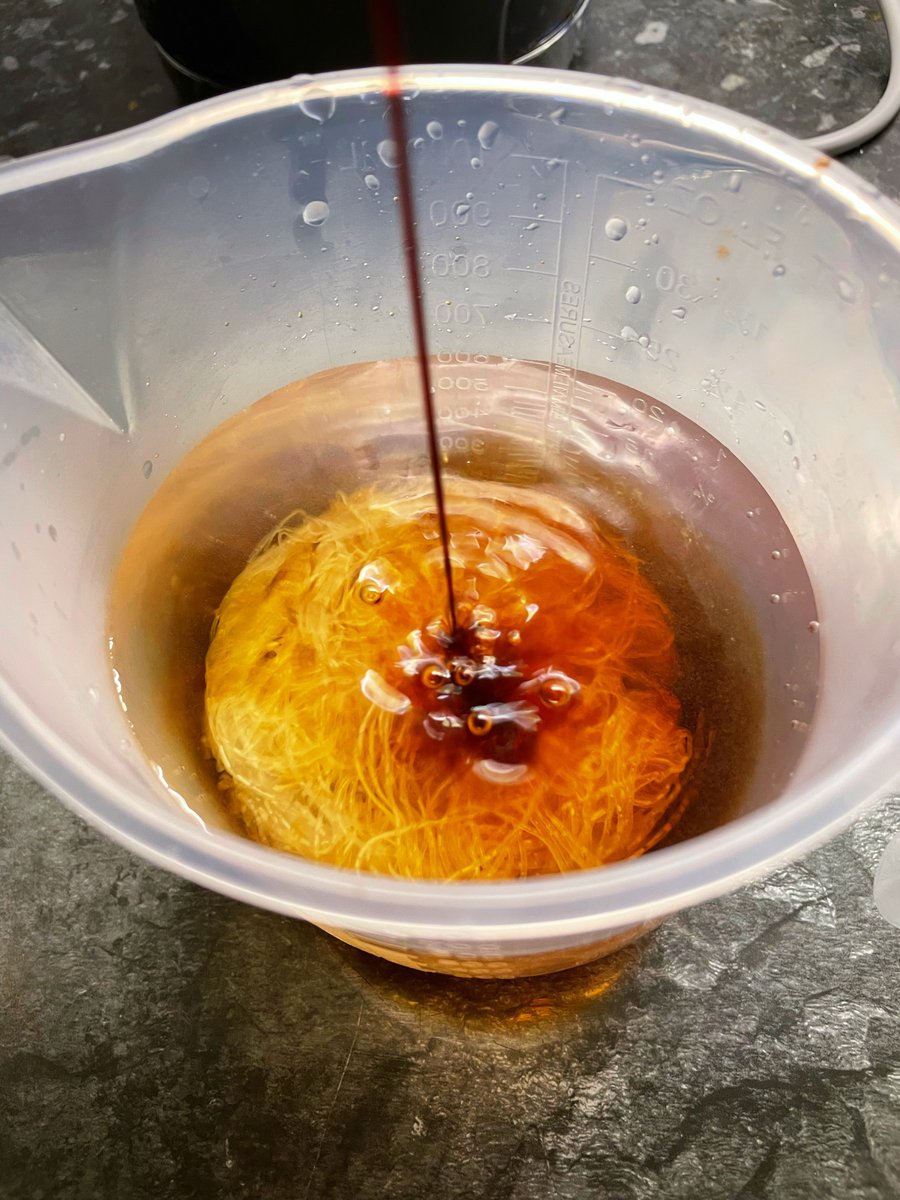
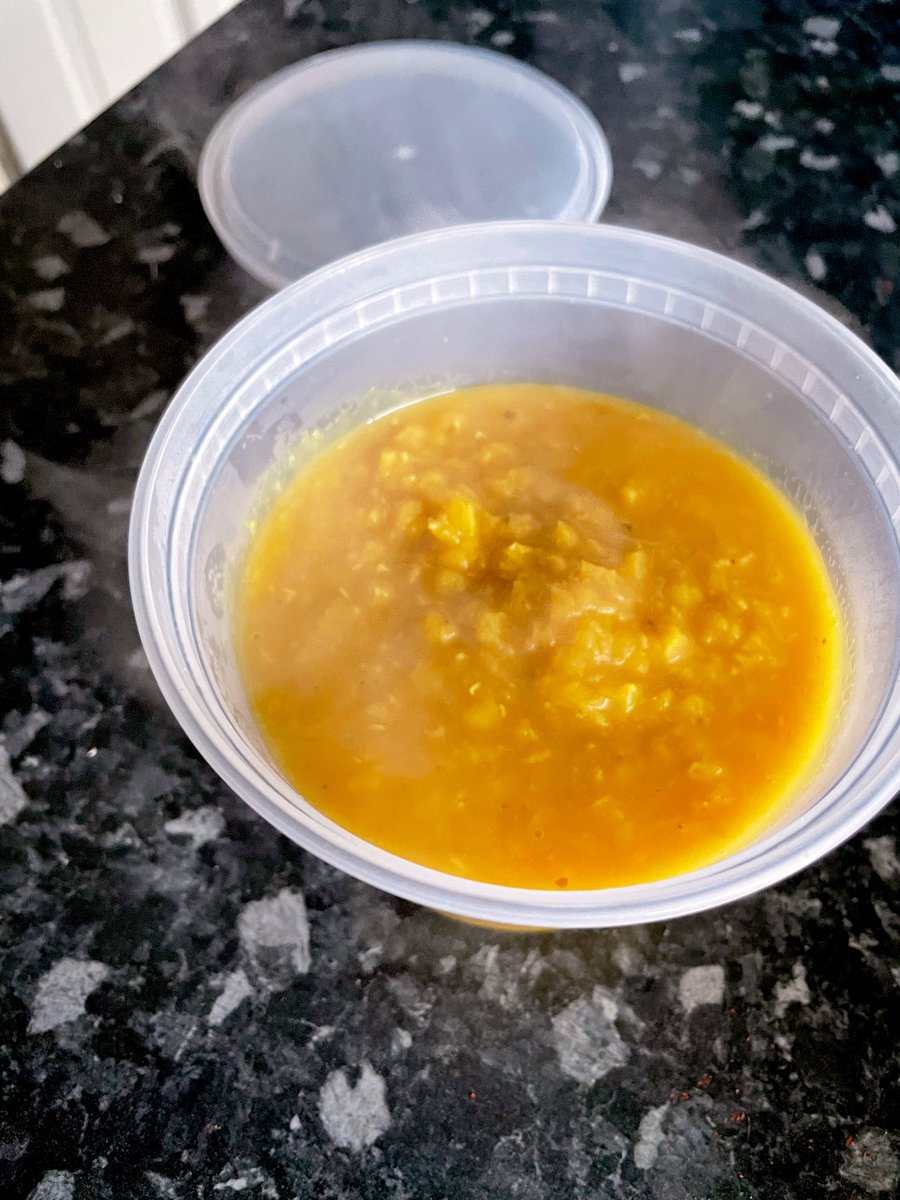
 It starts with lentils. Masoor daal is made with split red lentils. You can make daal with any lentils, but split red lentils are the fastest to cook and most nutritious of them all. Simply wash them then boil them in twice their volume of water until the lentils thicken to a creamy goop, with some texture remaining. This takes about 10-15 minutes. You can add aromatics here, such as chilli, tomato and turmeric. I just add a tinge of turmeric and a dab of tomato paste, which always gives you more flavour than a fresh tomato. You can use the boiled lentils right away, or portion it into tubs for lightning fast daal later in the week.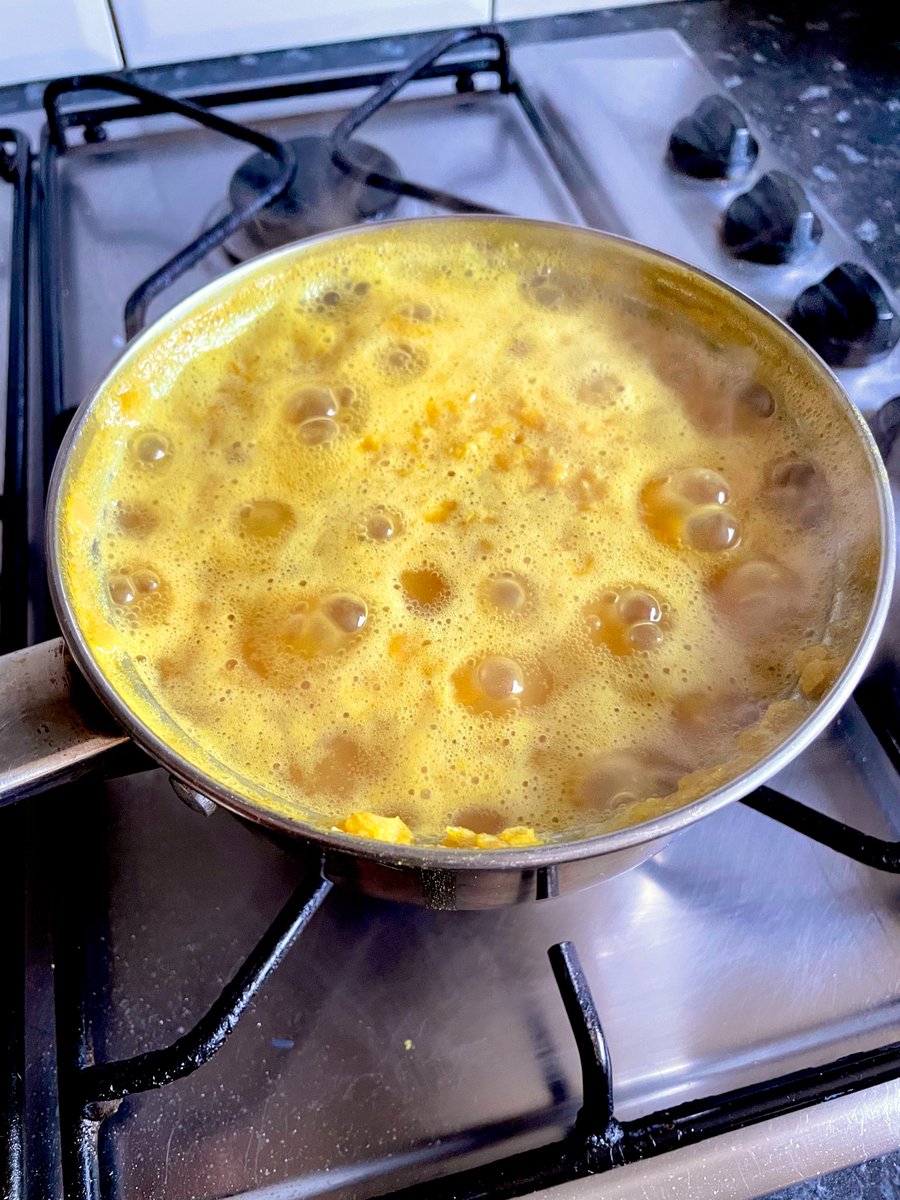
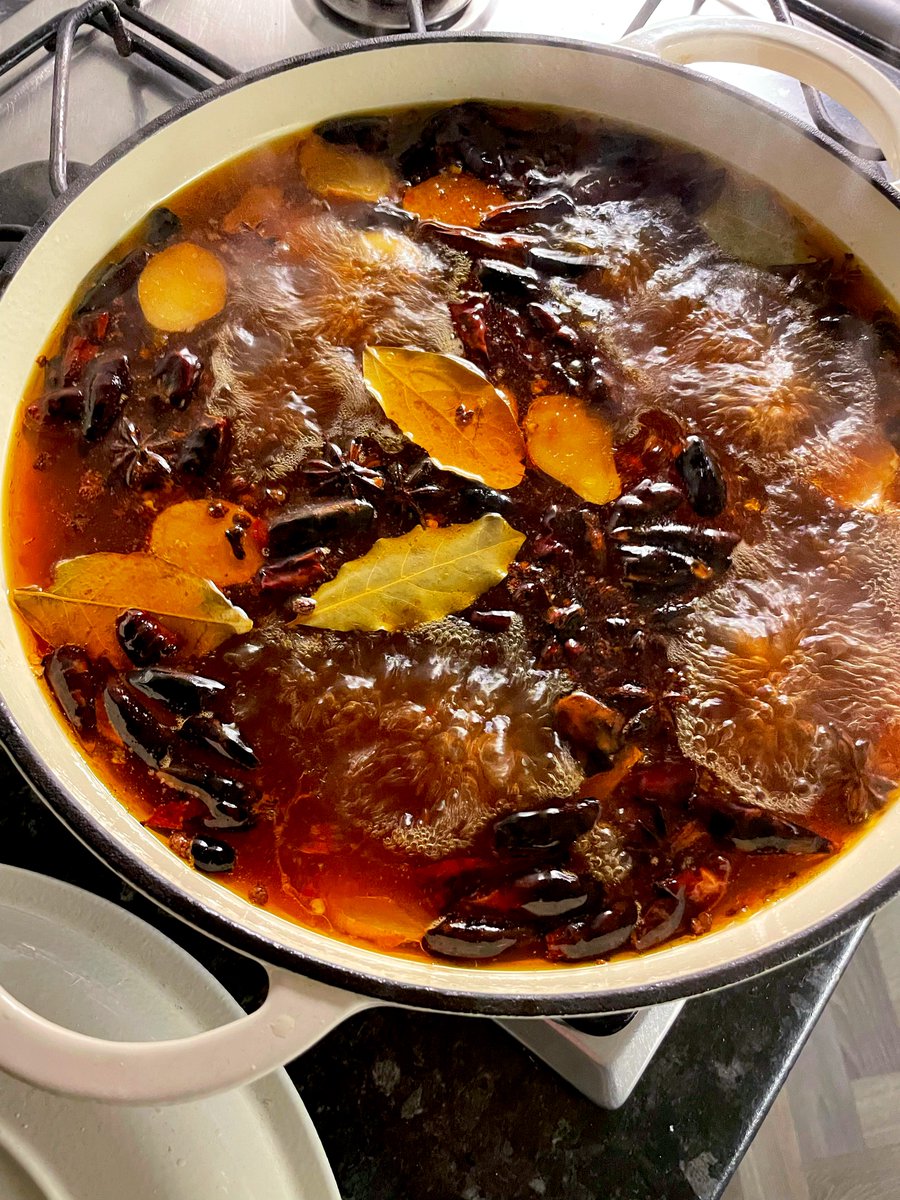 Let’s talk spice. The base of this broth is packed with spice as it’s diluted later on. Let me break it down.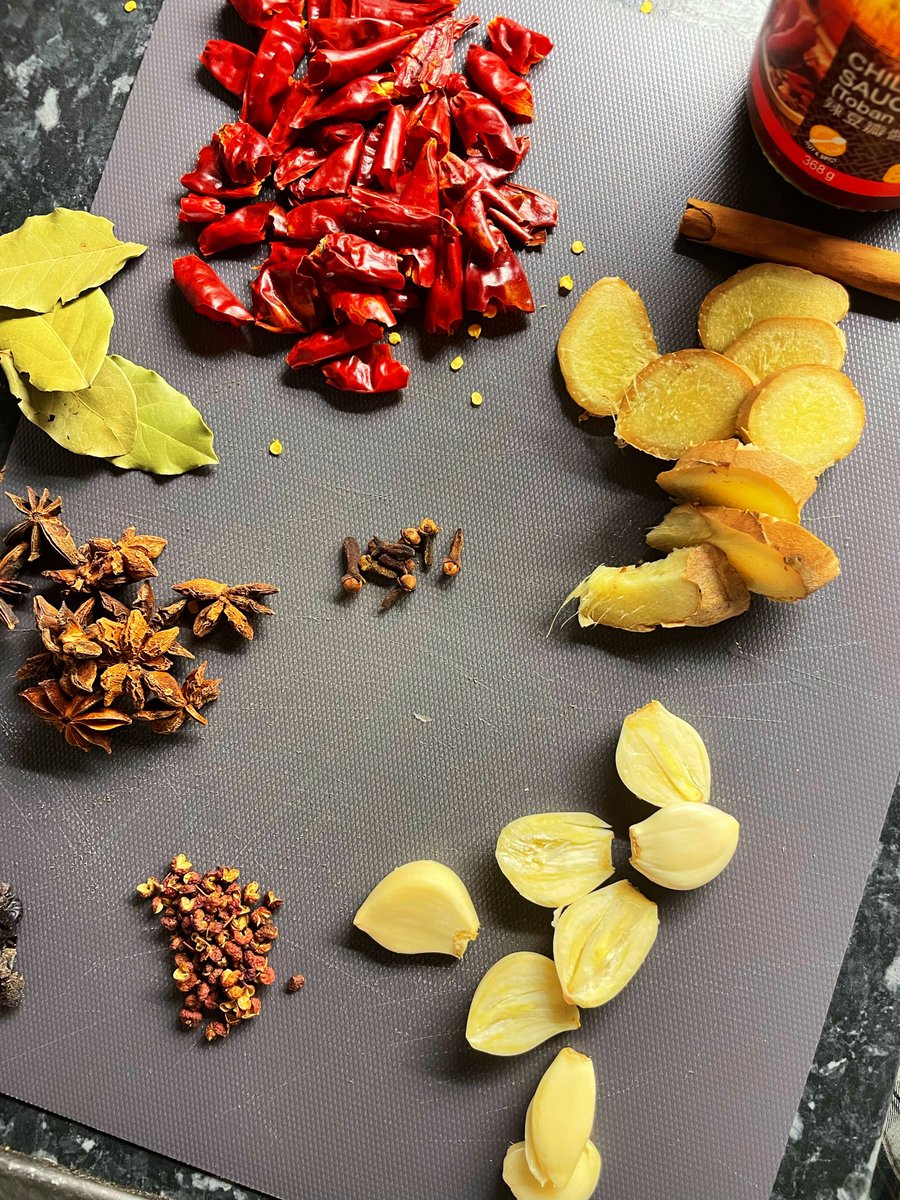
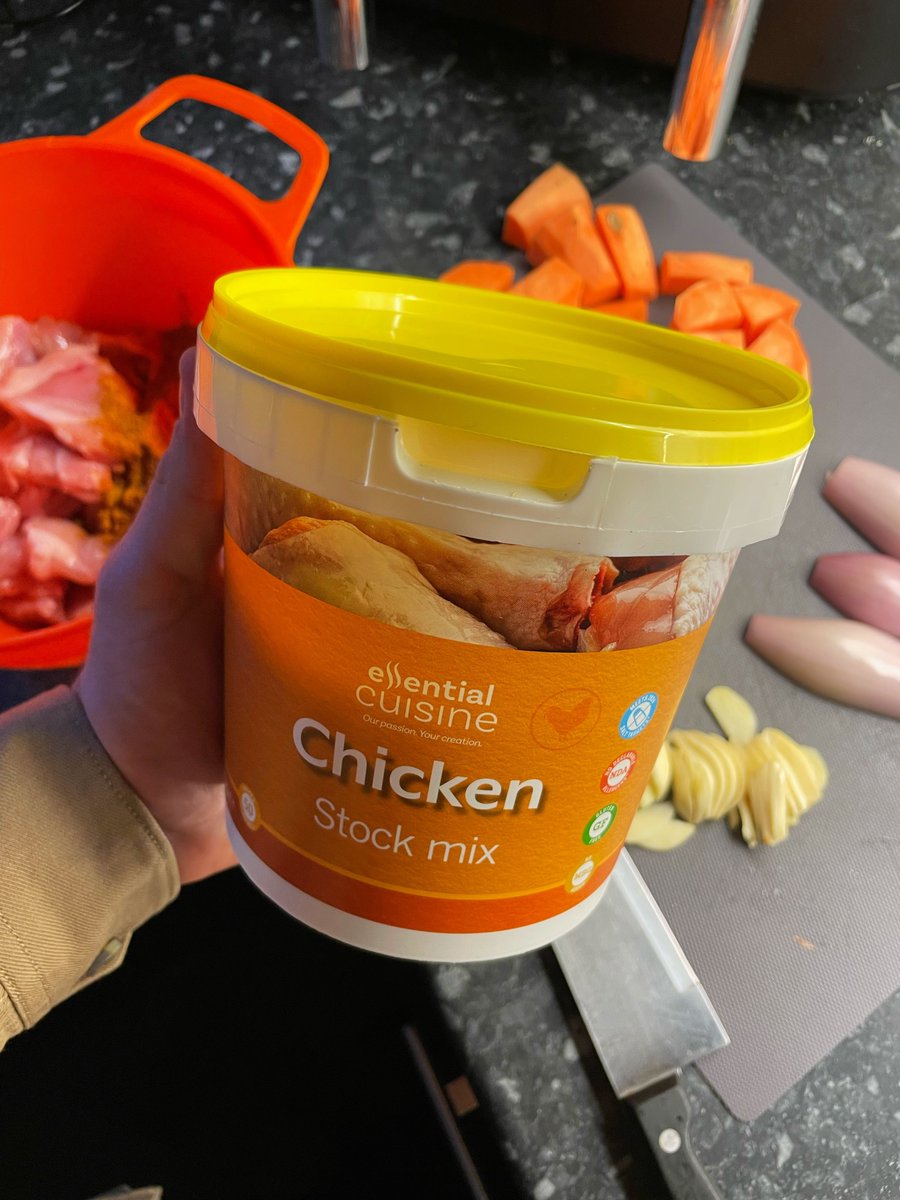
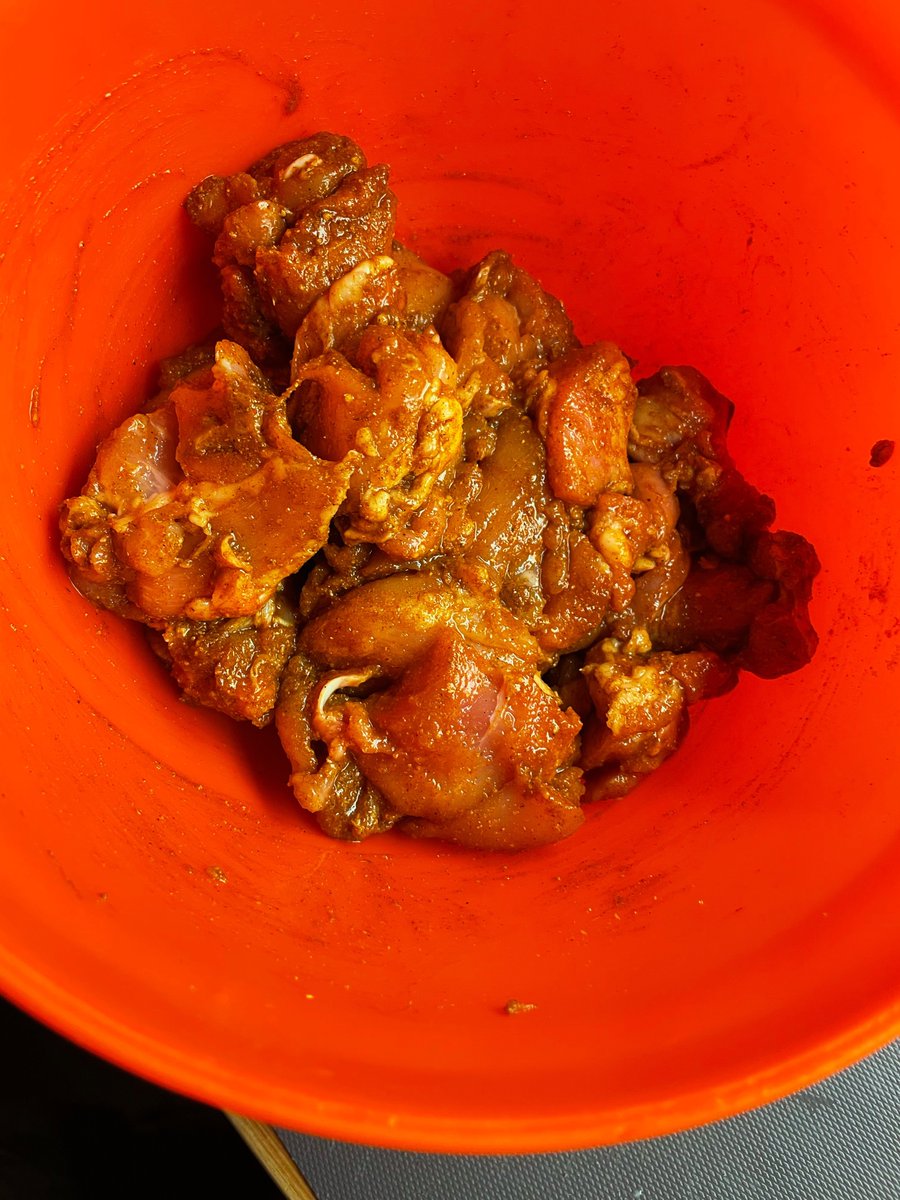
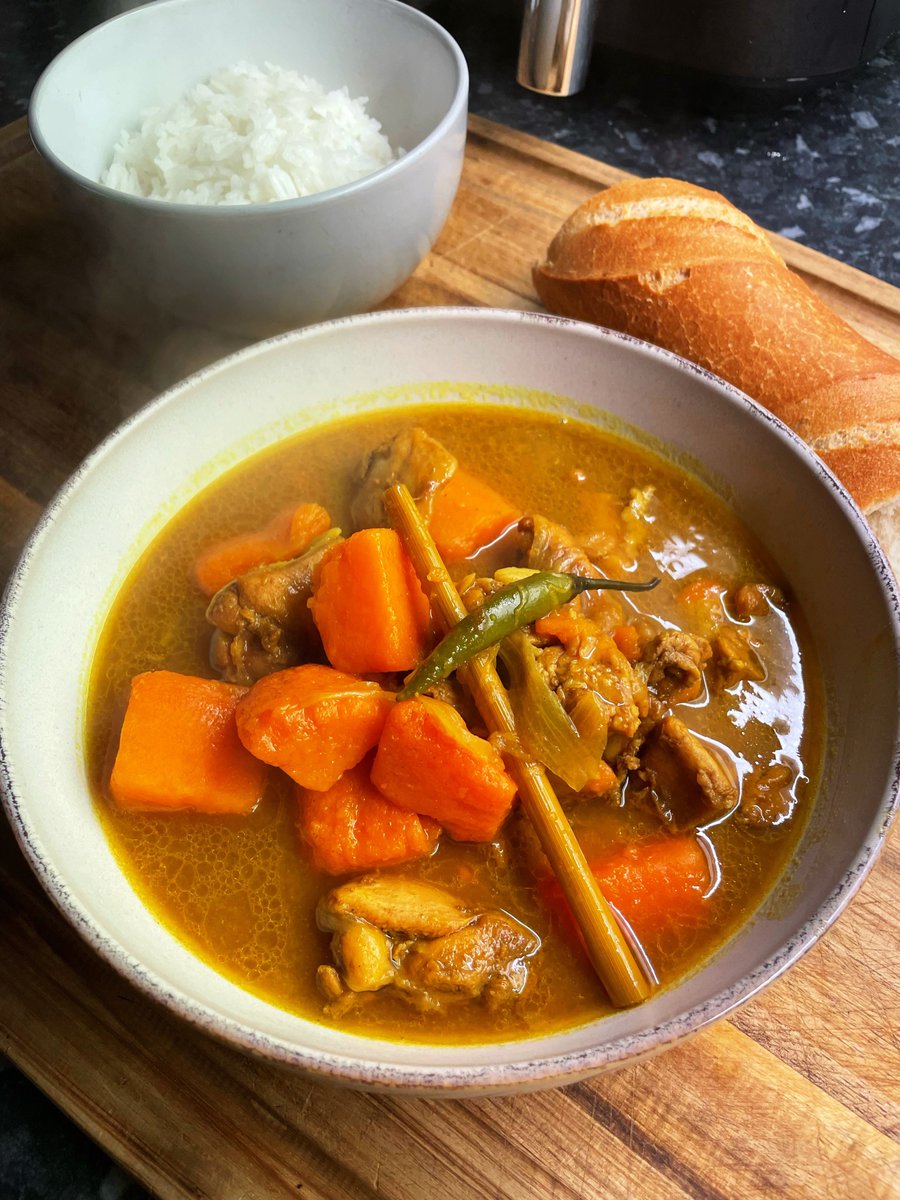 First. The chicken. I’m using boneless thighs. I’ve coated 4 of them in 2 tablespoons of cheap, shitty yellow curry powder (the cheaper the better), 1 tablespoon of fish sauce, 1 tablespoon of sugar and a tablespoon of chicken powder. You can use a crushed chicken stock cube, or the seasoning packet from chicken instant noodles. This is essential for Cà Ri Gà hard-hitting comforting taste. I use a restaurant-grade powdered stock which I use around work and I buy for myself at home. I’ll tell you all about it some other time. Mix together - we’re not marinating here, simply binding the spices and seasonings to the meat and its fat.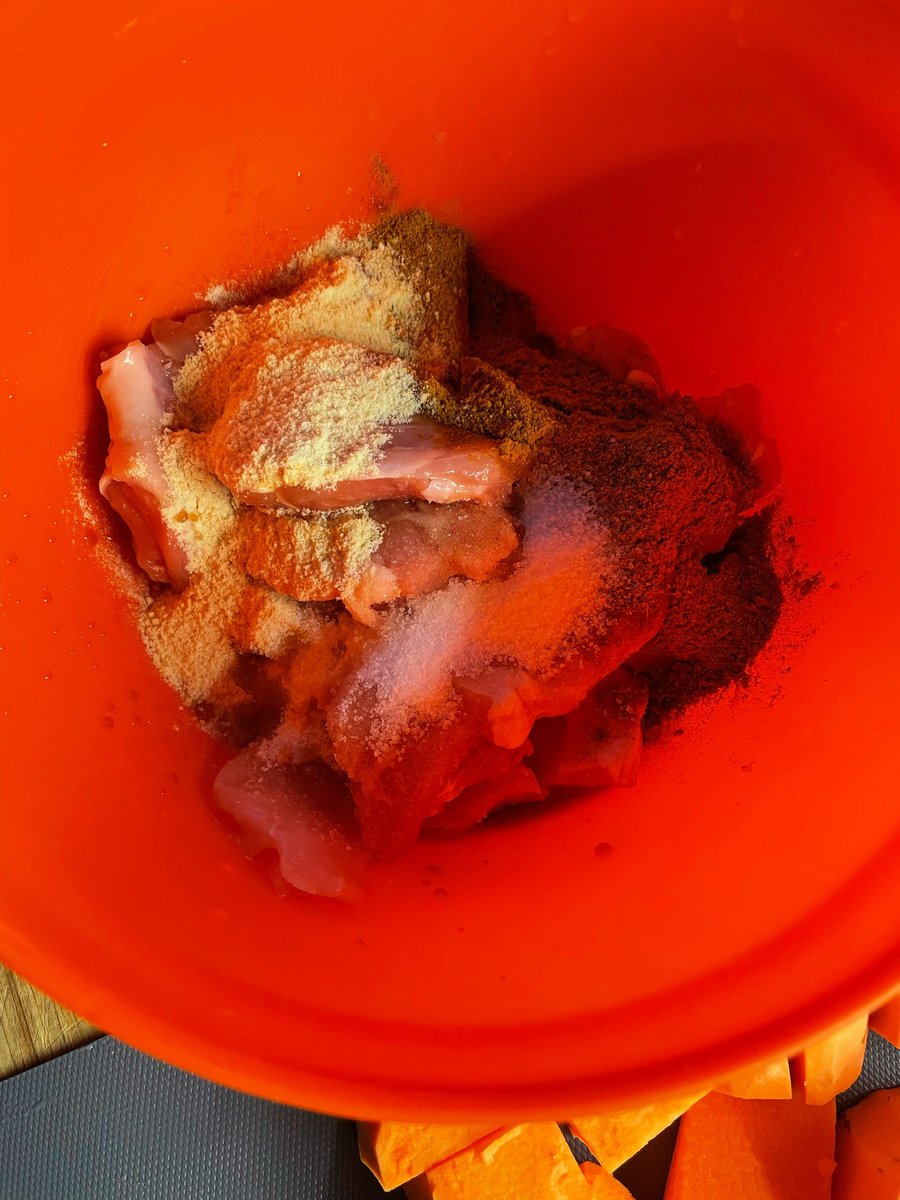
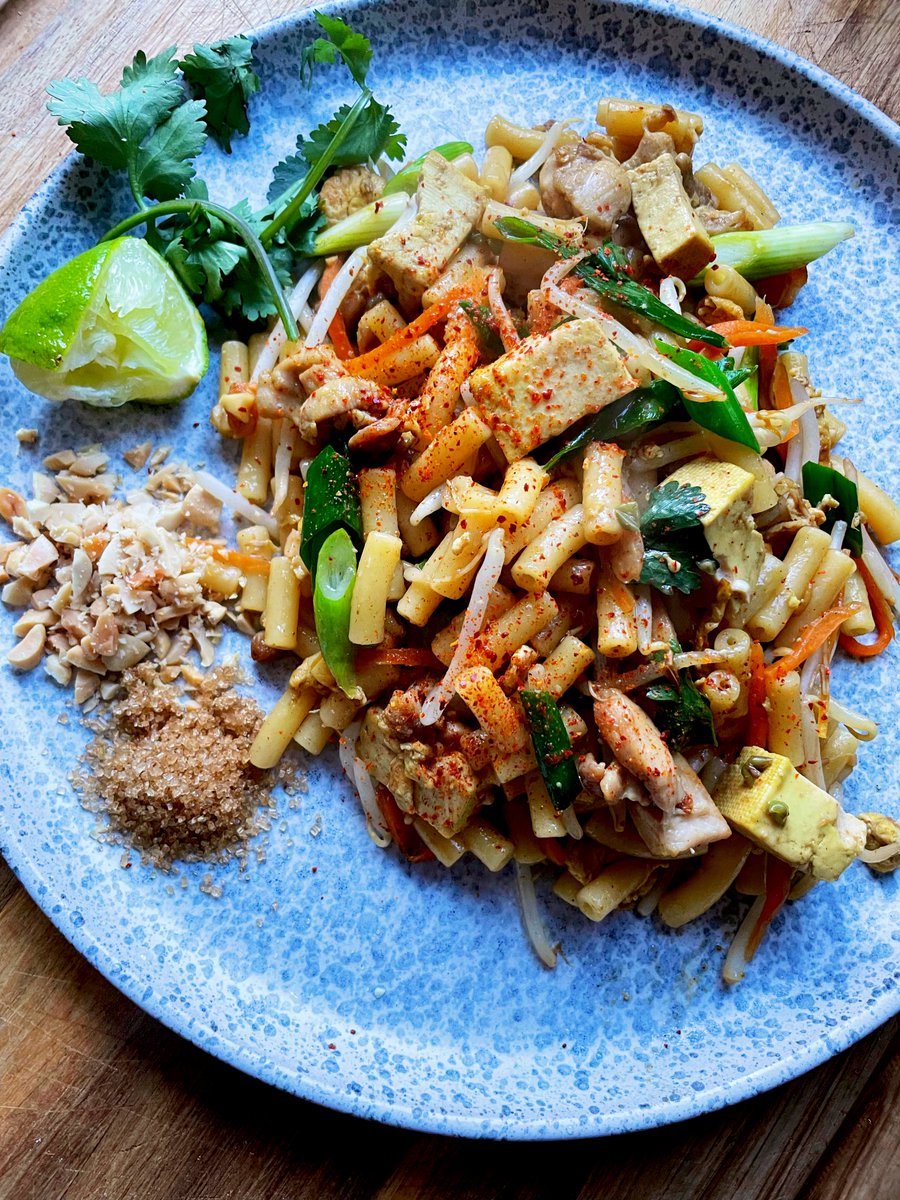 This follows the same process as making pad thai with rice noodles. There’s a good lesson here how to make a proper pad thai at home. Let’s start with a ‘sauce’. Pad thai doesn’t have a ‘sauce’ per se, but if you think of it as a sauce or a dressing, you can make this element in advance, scaling it up if desired. and fridge it so you can make Pad Thai lightning fast later in the week.
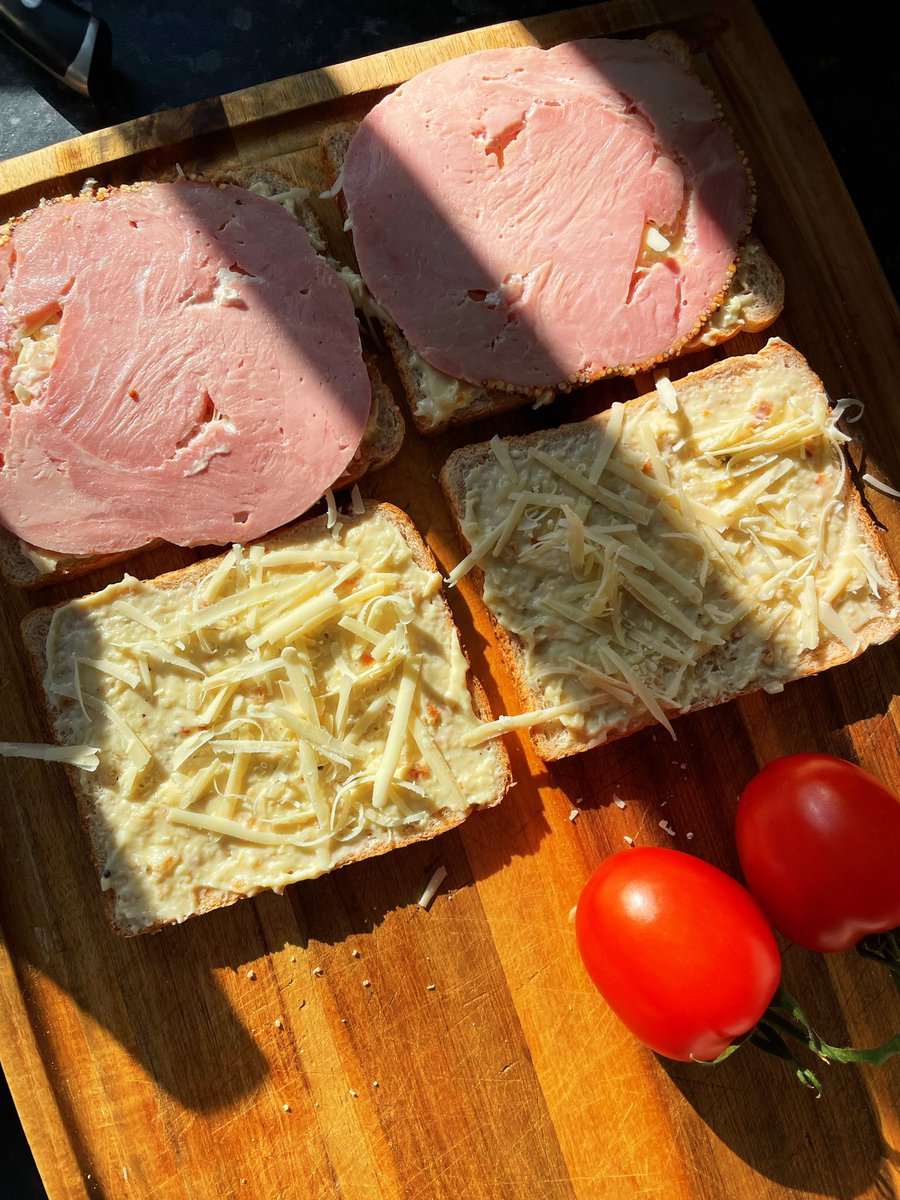
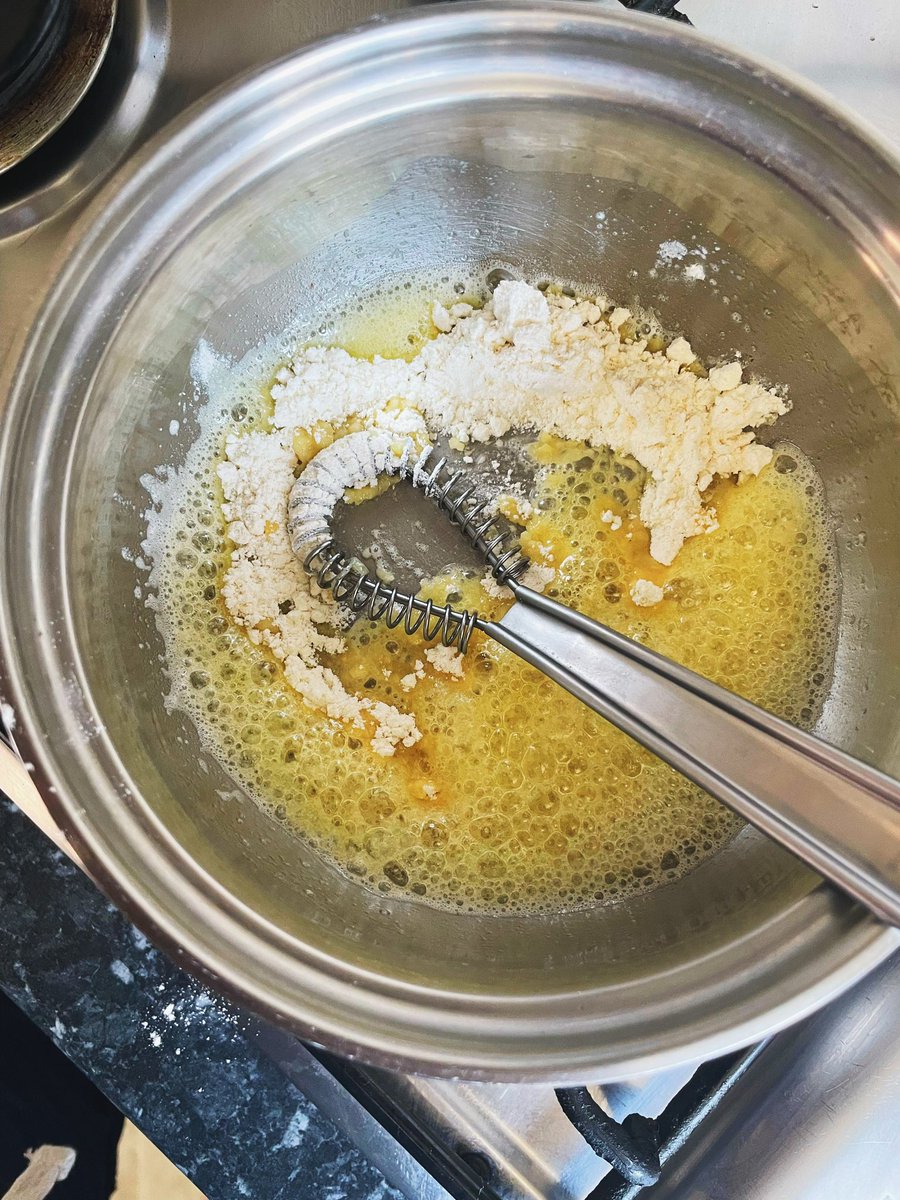 Just like the regular family members, a croque takes regular white sandwich bread and slathers it with bèchamel sauce, gruyère cheese and ham. Some add the cheese into the sauce to make a Mornay sauce, but I like distinct layers of cheese and milky bèch sauce.