Antonia Profile picture
RE Developer, doer, design & construction geek, owner @ MADDPROJECT, work from anywhere specialist, RA, NCARB. I build teams that design & build buildings.

Apr 8, 2025 6 tweets 1 min read
12 Rules of Development:

1 - Never underestimate anyone (in either direction).

2 - During construction, paying more to get a material faster is the right call 90% of the time. 3 - Your GC shouldn’t be your owners rep.

4 - You won’t always have 100% all the information you need to make decisions.
Apr 7, 2025 6 tweets 2 min read
For anyone outside of our industry, here's a quick primer explaining why real estate development is so expensive & why some developers make $0 on projects.

First, there are many different types of costs that go into development-- each category has its own set of complexities and nuances. Coordinating all of these cost buckets is complex and, on its own, is costly.

Thes are the main development cost categories, and below is a breakdown of each.

Cost of land acquisition
Cost of capital and financing
Jurisdictional requirements and fees
Soft costs (pre-construction)
Hard costs (construction) COST OF LAND:
Development starts with land acquisition, which is often the biggest cost.

In desirable areas, land values reflect not just current use but "highest and best use" potential, meaning developers pay premiums based on what MIGHT be buildable there.

Misunderstanding what might be the highest and best use, or miscalculating the price of what that is, is the biggest mistake a developer can make.
Mar 24, 2025 7 tweets 3 min read
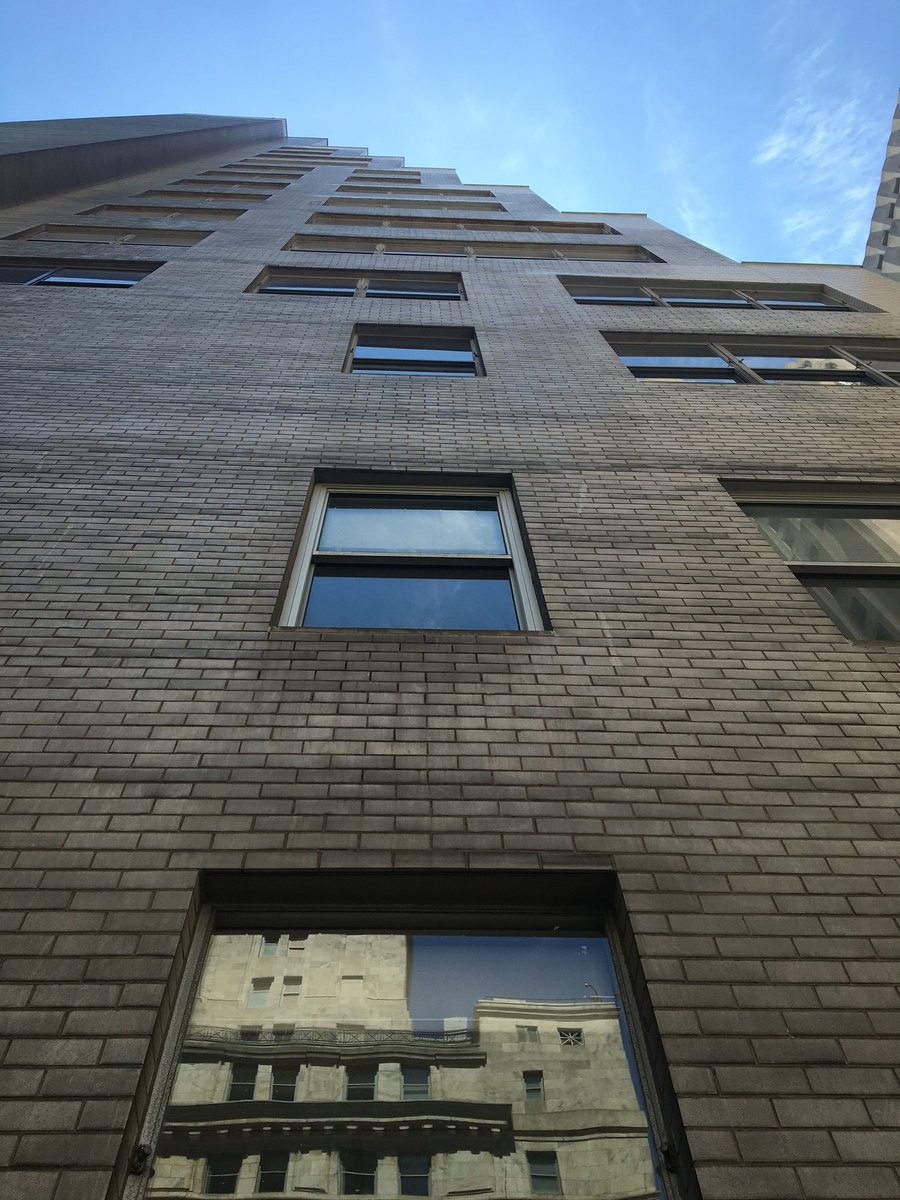
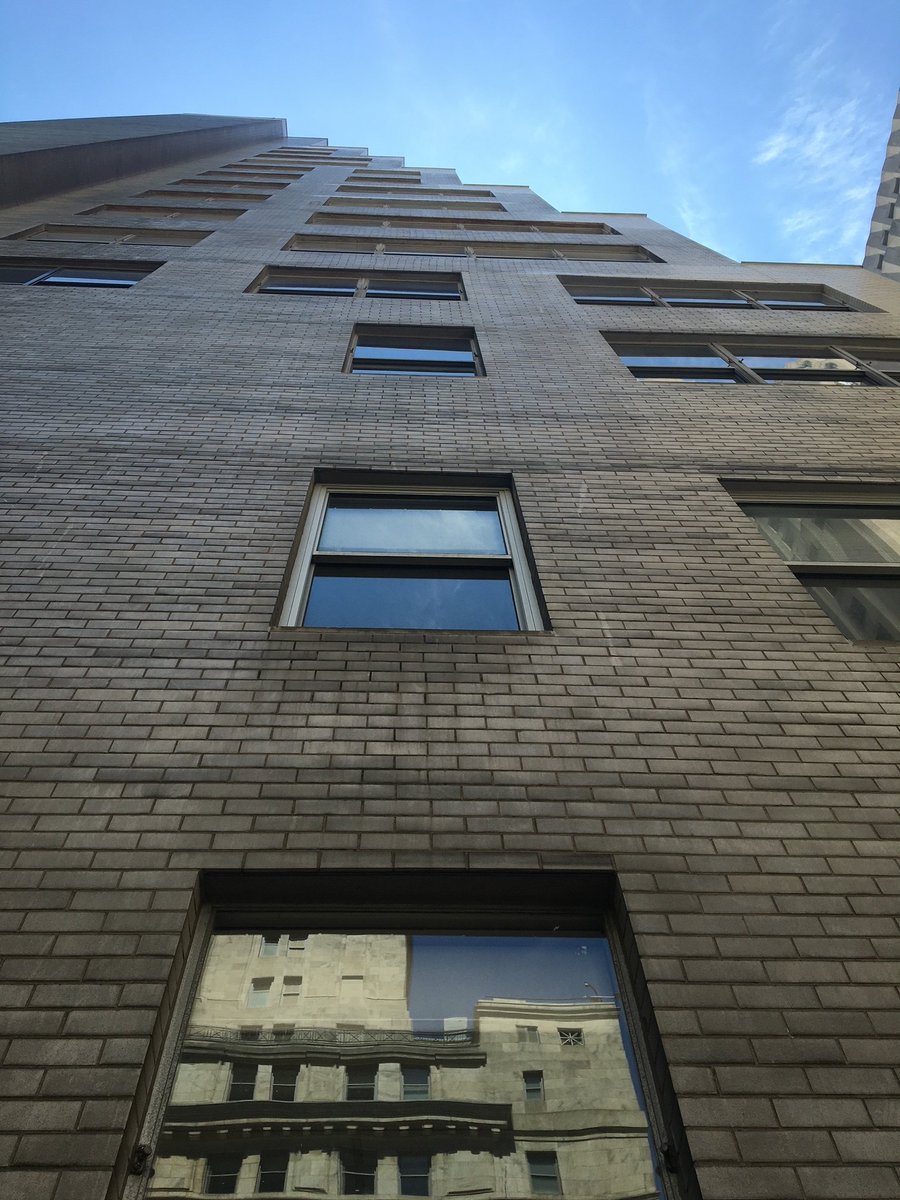
Whenever I hear someone talking about how easy it would be to convert an office building to residential, I think of the first repositioning project I ever worked on.

500K SF of semi-vacant office into 500+ luxury rental apts. 1958 vintage building with some asbestos & a complex structure.Image The entire building (30+ floors) transferred via plate girders at the 5th floor to accommodate a triple height space below. The floor plate also set back every 10 floors, then every 3 floors. Image
Feb 25, 2025 6 tweets 3 min read
This is how I approach construction contract negotiation.

While many people think that negotiating is always contentious, I see it as a very good way to understand how a new business partner thinks and as a great opportunity to strengthen the relationship (this is universally applicable).

These are some of the tactics I use to get the most positive outcome from a negotiation:

(#7 is a MUST) 1 - Start with:

"Walk me through how you developed this number."

Don't ask, "Can you do better?"

This puts the other party in teaching mode instead of defensive mode.

Good contractors can explain their math.

When they can't, follow up with:

"Let's break down the major cost drivers together."

This often reveals their competence and whether or not there are unnecessary extras.

2 - When discussing labor costs:

"What crew size and duration are you planning for this?"

This is another opportunity to learn and assess a contractor's competence.

Every now and then, we run into trades that haven't thought this through and instead submitted a number from a recent job, ignoring specific factors like access, logistics, or sequencing.

This can reveal either missing scope, or it can trim thousands in padding. It's better to discover either one **before** the scope is awarded and the job begins.
Feb 24, 2025 7 tweets 3 min read
This is a quick cheat sheet on where markups may happen in construction contracts.

As with most of what I share, this is typical of a large commercial job, but the principles are widely applicable to all project sizes.

The aim is to understand where to look for markups to gain a better understanding of how contracts work and identify in which areas you can negotiate more transparency. 1 - The "Overhead and Profit" line item is rarely where most markup lives.

Many contractors show market-specific percentages here because that's what owners expect to see.

When a project is open-book, it is likely that profit is truly broken out; however, that's not always the case.

For instances where the project is not open-book, additional markup is often buried in individual line items, which are harder to spot and negotiate.

2 - Labor burden calculations are a common hiding spot.

Standard labor burden (taxes, insurance, benefits) typically runs 35-45%. When you see 60%+ burden rates, that extra 15-25% is actually profit margin disguised as cost.

Ask for a detailed breakdown of burden calculations.

This is particularly relevant and easy to benchmark when using union labor, where rates are easily verifiable.
Feb 20, 2025 9 tweets 3 min read
7 Construction Contract Clauses That Protect **Everyone**

This is a quick list of contract clauses that have saved us many times. While these come from the commercial world, many can apply to smaller projects. 1 - A detailed Scope of Work with measurable deliverables.

Vague language like "renovate kitchen" invites disputes. Instead: "Install 36" maple cabinets per attached drawings, including hardware." The more specific, the fewer opportunities for "that wasn't included" arguments later. (Bonus if the material specs are defined down to the size, finish and manufacturer; see #5)
Feb 19, 2025 5 tweets 2 min read
Let's break down how a GMP (Guaranteed Maximum Price) actually works in construction.

There are many misconceptions here - and that's why some folks end up in costly disputes later.

First, let's be clear: The "Guaranteed" in GMP isn't as iron-clad as it sounds. This is fundamentally a "Cost Plus" structure with a ceiling.

Anyone telling you differently doesn't actually understand how these contracts work. So, let's start defining what a Cost-Plus contract is with this simple formula:

-Cost of the work (time + materials, including all your hard bid contracts with trades)
-Plus contractor's fee (depends on project size and complexity)
-Plus taxes (which vary by jurisdiction and type of work)
-Plus general conditions (site supervision, temp facilities, safety, cleanup)
-Plus insurance (GL, builder's risk, SDI if applicable)
Feb 18, 2025 9 tweets 2 min read
Red Flags in Contractor Pricing

This is a quick list of some of the most common issues I see people struggle with during pricing.

(This one is equally relevant for project owners and for contractors!) 1 - When a contractor drops their price by >10% without scope changes. They either don't know the scope well (scary) or they're desperate for work to the extent that they are bidding below their costs (scarier).

Neither situation is good.

When a price decreases significantly during the bid process, either a corresponding scope change or a cleared-up misunderstanding should be documented.
Jan 23, 2025 8 tweets 3 min read
When discussing our built environment, people often mention "the code."

However, there isn't really one "code," and most people have no reason to know exactly how codes affect our towns and cities.

When trying to illustrate the complexity of the rules that shape our built environment to someone new to the industry, I've found it helpful to start by explaining the different types of codes.

This is my cheat sheet:Image 1 - Zoning Code: The town's/city's overall vision.
Divides land into districts (residential, commercial, industrial, etc).

Sets rules for:
-Building height & size
-Lot coverage
-Density (units per acre)
-Parking requirements
-Permitted uses

Sometimes zoning is approved through an administrative process that simply reviews proposals vs. the code requirements.

Other times, new projects are reviewed by elected or appointed committees, which can make the process less straightforward and overall more costly.
Jan 20, 2025 9 tweets 2 min read
Quick primer for anyone in tech looking to 'disrupt' anything in the world of real estate or construction: Image 1- The industry isn’t complex b/c we don’t use software.

It’s complex because we rely on uniquely human skills that are impossible to replace.

This is why one software solution doesn’t serve everyone who interfaces with it.
Dec 18, 2024 7 tweets 3 min read
You know those 50-page documents with complicated charts that contractors issue (AKA schedules) and that nobody looks at?

You need to look at them & reviewing them is not that hard.

This is how I do it & the things I look for:

1-Procurement

2-Buy-outs

3-Submittals

4-Installation (trade overlap)

5-MilestonesImage 1-Procurement
This is the most important part of a schedule. Every trade should have a schedule for when they are planning to purchase materials.

It should be based on material lead times.

Not knowing when materials will be purchased can be a major issue on a project.

Reviewing the procurement section for each trade is key. This is the time to question long-lead times & plan accordingly.
Nov 25, 2024 5 tweets 1 min read
When building or renovating your own house, it's not always reasonable to have counsel review a contract.

Whenever my friends ask me for help ensuring they have good contracts for their home projects, these are the things I tell them to watch out for: On Business terms:
- Termination for convenience with notice.
- No 'breakup' fee.
- No nonrefundable deposits if the project doesn't go forward.
- Determine who is handling all permit requirements (if applicable)
- Establish a budget & a schedule as exhibits to the contract.
Sep 19, 2024 14 tweets 7 min read
From working on dozens of branded hotels, here are 12 design standards that boutique hospitality can borrow from their less ‘hip’ cousins.

(Hope you enjoy the "beautiful, magical, art deco" images h/t midjourney)

1 - Full-length mirror. Every room should have a full-length mirror, no exceptions. Bonus points for mirrors installed in the public areas/elevators that can provide a last glance before leaving the hotel.Image 2- Blackout option. The option to fully black out light is a must! This requires covering the window fully, at the top, the sides, and the middle.

Most brand standards require a 2-4" curtain overlap at the middle closure and a valence at the top that extends 6-8" beyond the sides of the window opening.

Bonus points if you can make all devices in the room have a 'night' or 'dark' mode so they do not emit light if undesired.Image
Sep 16, 2024 7 tweets 3 min read
Whenever I hear someone talking about how easy it would be to convert an office building to residential, I think of the first repositioning project I ever worked on.

500K SF of semi-vacant office into 500+ luxury rental apts. 1958 vintage building w/ some asbestos & a complex structure.Image The entire building (30+ floors) transferred via plate girders at the 5th floor to accommodate a triple height space below.

The floor plate also set back every 10 floors, then every 3 floors. Image

Sep 14, 2024 9 tweets 2 min read
Quick primer for anyone in tech looking to 'disrupt' anything in the world of real estate or construction: Image 1- The industry isn’t complex b/c we don’t use software.

It’s complex because we rely on uniquely human skills that are impossible to replace.

This is why one software solution doesn’t serve everyone who interfaces with it.
Jul 15, 2024 6 tweets 2 min read
As promised, this is #1 in the series of posts breaking down 6 Construction Management tactics every developer should know.

#1 How to review a pay application.
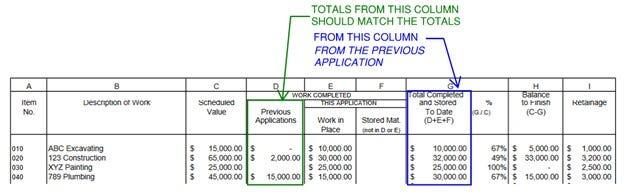
This is a fundamental responsibility of a GP, and it will require that you become familiar with the standard AIA G702 and G703 documents.

Ensuring the project accounting follows reality is critical. When reviewing a pay app, there are six things to check for: 1- Is it notarized? While this is not a legal requirement, many lenders require it.

2-That a lien waiver is provided. Lending agreements always require some type of waiver. Additionally, most states have construction lien waiver laws. Ensuring your waivers follow local law and lender requirements is crucial.

The best way to accomplish this is to review the waivers as part of the pay application review process.

The close-out of construction is not the time to begin collecting releases, especially when the lender requires subcontractor lien waivers since subs that finished their scope early in the project may no longer be easy to contact.
Jun 5, 2024 12 tweets 5 min read
People often ask me "what is the craziest thing you've ever worked on?"

The answer (until now) has been: turning a plane into a bar.

...and while the project was uniquely challenging on its own, it was the schedule that made it extra wild.

Start date April 12. Target opening May 15th.

This is a quick story of turning a plane into a bar.Image The plane is a 1958 Lockheed Constellation (dubbed Connie).

Connie's journey started many months before this story.

The story of the journey is for another time.

After she arrived in NY, a lot had to happen before we could get started on the interior work. Image
May 31, 2024 8 tweets 2 min read
Quick primer for anyone in tech looking to 'disrupt' anything in the world of real estate or construction: Image 1- The industry isn’t complex b/c we don’t use software.
It’s complex because we rely on uniquely human skills that are impossible to replace.

This is why one software solution doesn’t serve everyone who interfaces with it.
Nov 21, 2023 5 tweets 1 min read
When building or renovating your own house, it's not always reasonable to have counsel review a contract.

Whenever my friends ask me for help ensuring they have good contracts for their home projects, these are the things I tell them to watch out for: On Business terms:
Termination for convenience with notice.

No 'breakup' fee.

No nonrefundable deposits if the project doesn't go forward.

Determine who is handling all permit requirements (if applicable)

Establish a budget & a schedule as exhibits to the contract.
Oct 11, 2023 12 tweets 5 min read
It is only fitting that the most aggressive schedule I've worked on was also on one of the most unusual projects I've ever done.

Start date April 12. Target opening May 15th.

This is a quick story of turning a plane into a bar. Image The plane is a 1958 Lockheed Constellation (dubbed Connie).
Connie's journey started many months before this story.

The story of the journey is for another time.

After she arrived in NY, a lot had to happen before we could get started on the interior work. Image
Jul 27, 2023 5 tweets 1 min read
Have you ever wondered how your house works?

Here are 6 things most homeowners should know about their house (especially those who hope to DIY home projects). 1- Water shutoff valves & electrical panel locations. (Nobody likes to see their living room turned into a swimming pool)

2- Utility entry points & routing to the house for water, electrical, sewer, gas & cable. (That corner of the yard may not be the best spot for a new tree)