
 The first component, which is the simplest, involves enforcing the ADIZ. This would require several hundreds CAP fighters, such as the Tejas Mk1A, capable of scrambling within minutes of alert. It would also require radar systems such as HPRs and MPRs (Arudhra) to provide 24/7 surveillance of Indian airspace.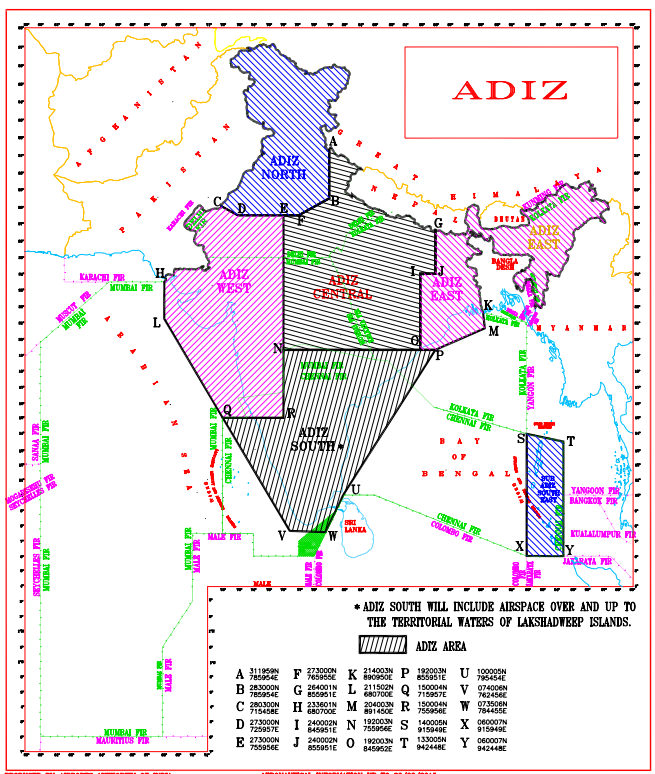

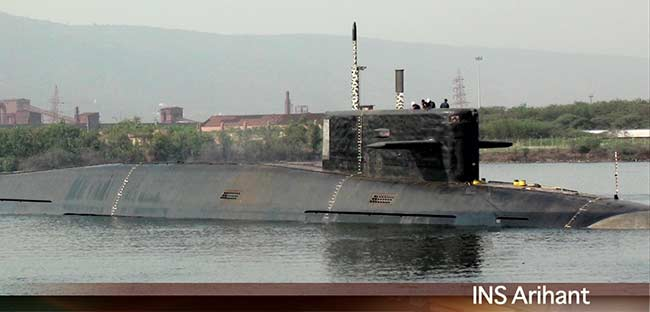 It is likely that uranium enrichment will be increased to 60–80%, up from the current 42.5% used in the CLWR-B1. This enhancement would extend the core life from the current 10–12 years to around 25–30 years, enabling longer deployments and higher operational tempos without reducing the core loading interval.
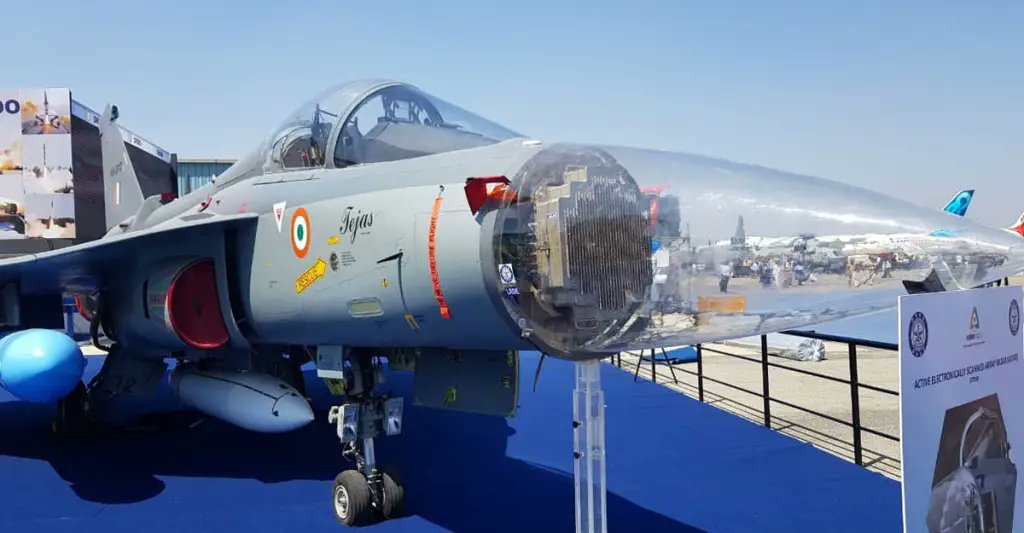 To begin with, calculating the peak power requires knowing the power handling capacity of each Transmit/Receive (T/R) module. According to the image I'm attaching, the X-band variant operates at 10 watts per module. If the information regarding the production variant of radar having 912 T/R modules is accurate, then the peak power can be estimated as: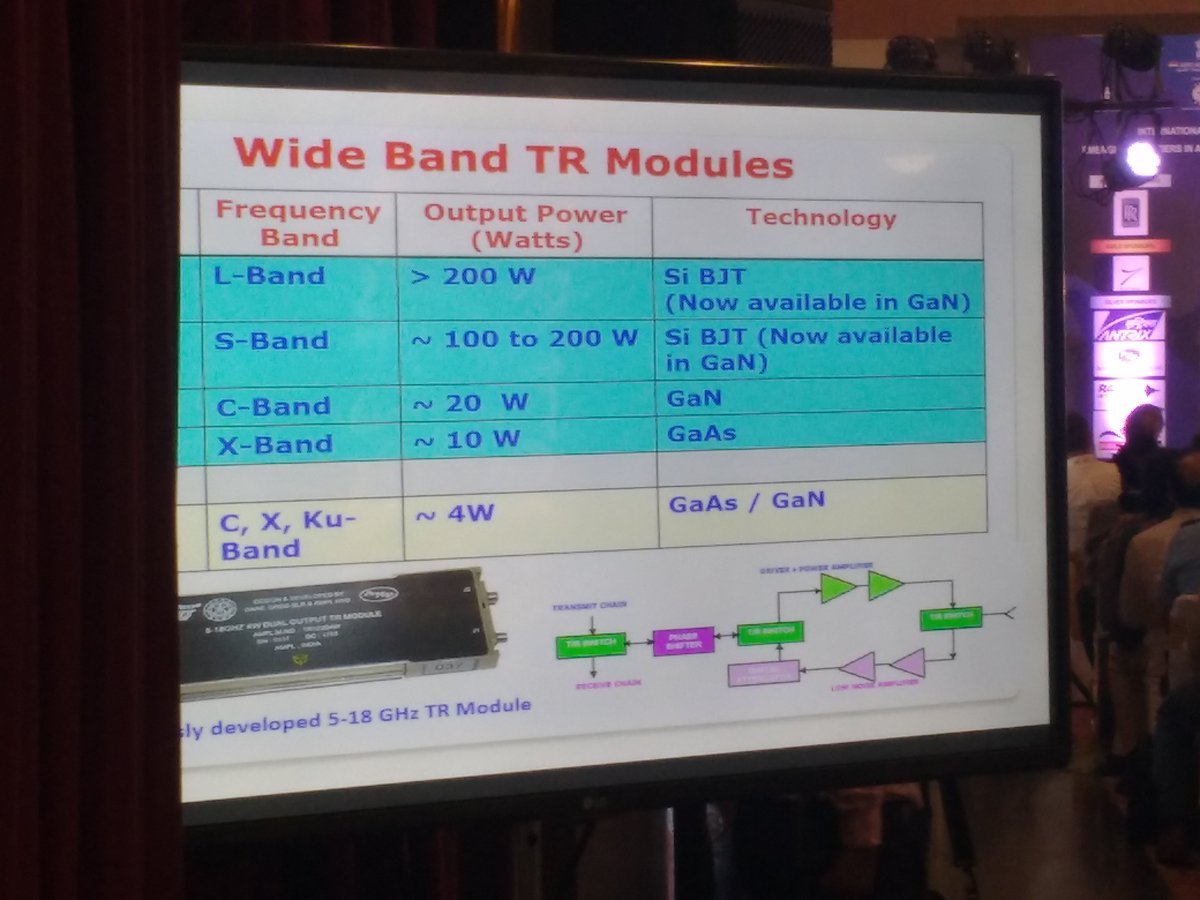
 In comparison, the Tejas Mk1A employs the 1553 databus across all systems. The upcoming Tejas Mk2, however, will feature an Ethernet-based databus for all major data transmissions, including radar, IRST, LDP, HMDS, and SDR-based datalinks—aligning it more closely with modern digital avionics architecture.