Bismarck Analysis Profile picture
We help companies, governments, philanthropists, and investors in their vital role of advancing civilization. Since 2017. Founded by @SamoBurja.
3 subscribers
Dec 30 35 tweets 11 min read
Four years ago, we launched Bismarck Brief.

Since then, our analysts have written over 1 million words on new technologies, global industry, and the world's key live players.

You know the drill. Here are the 7 most important things we learned about how the world works in 2025: Image #1 - The prime input for AI progress is elite math and computer talent.
The “scaling hypothesis" that only more data and compute are needed to make further AI advancements neglects the foundational input necessary before all others: top STEM talent, often from academia.
Dec 23, 2024 56 tweets 17 min read
Three years ago, we launched Bismarck Brief.

Since then, our analysts have written nearly 1 million words on emerging technologies, global industry, and the world's most influential individuals.

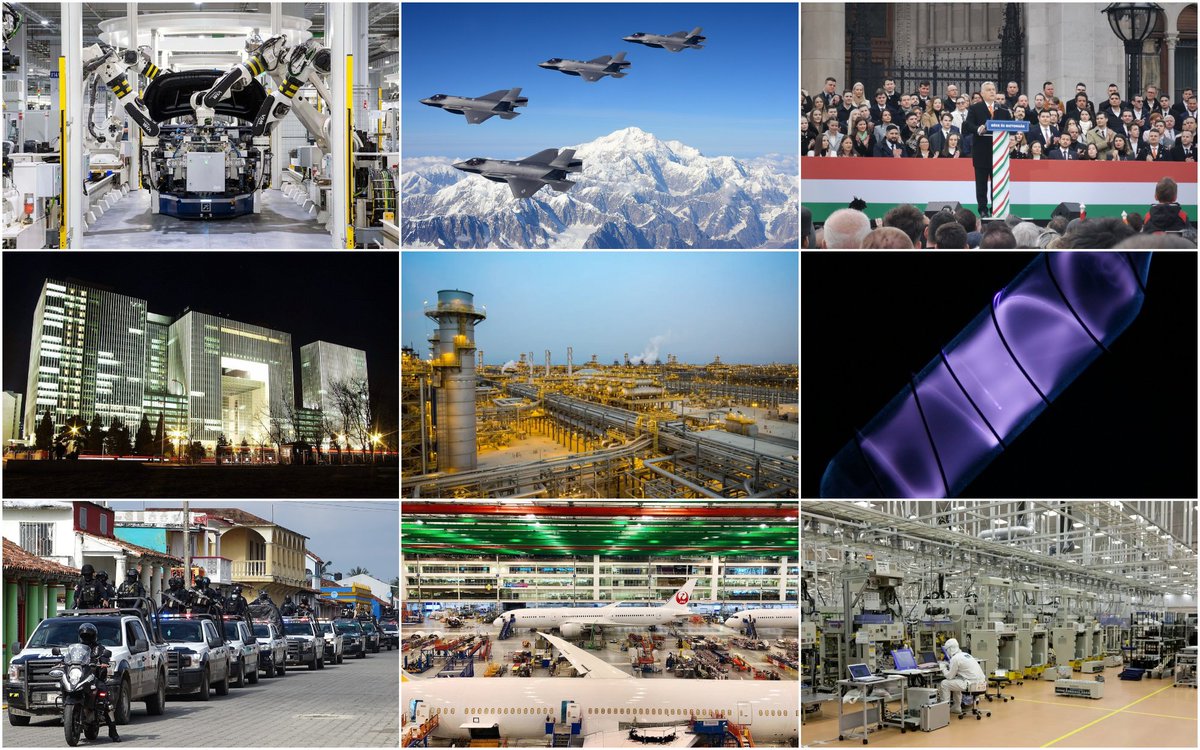
Here are the 7 most important things we learned about how the world works in 2024: Image #1

Most large companies are not mission-driven organizations designed and led to meet a technological or logistical goal and capture profit from the value they create.

Rather, they are designed, managed, and treated as financial products optimized to meet financial metrics.
Sep 30, 2024 23 tweets 6 min read
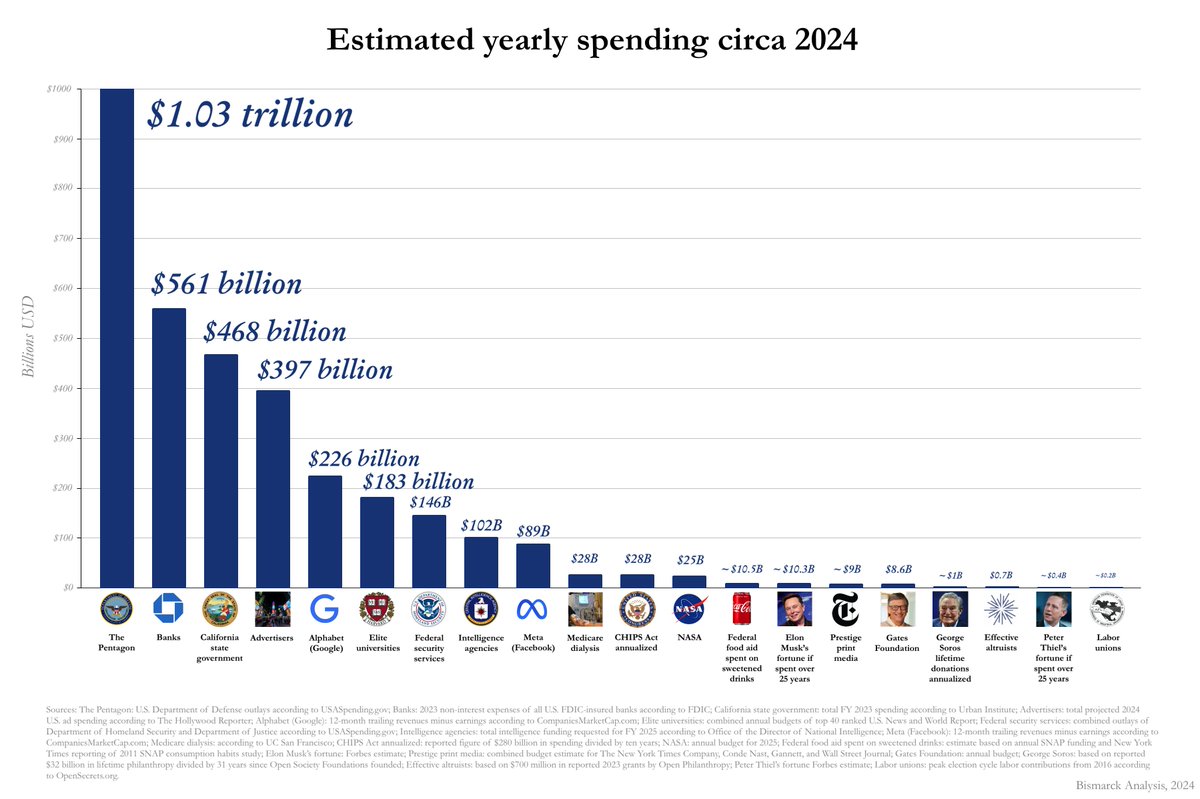
If billionaires are unduly influential by virtue of spending lots of money, then by the same metric the influence of bureaucracies or universities is a behemoth tidal wave.

The Pentagon alone spends 4 Elon Musks each year. Billionaire spending is a few drops in the bucket: 🧵 Image The U.S. government spends more on kidney dialysis in Medicare ($28B) than it allots to NASA ($25B).
More federal money is spent each year on soda and sweetened drinks (~$10.5B) than Elon Musk could spend if he wanted to spend his whole fortune to the last penny before he died.
Sep 26, 2024 12 tweets 4 min read
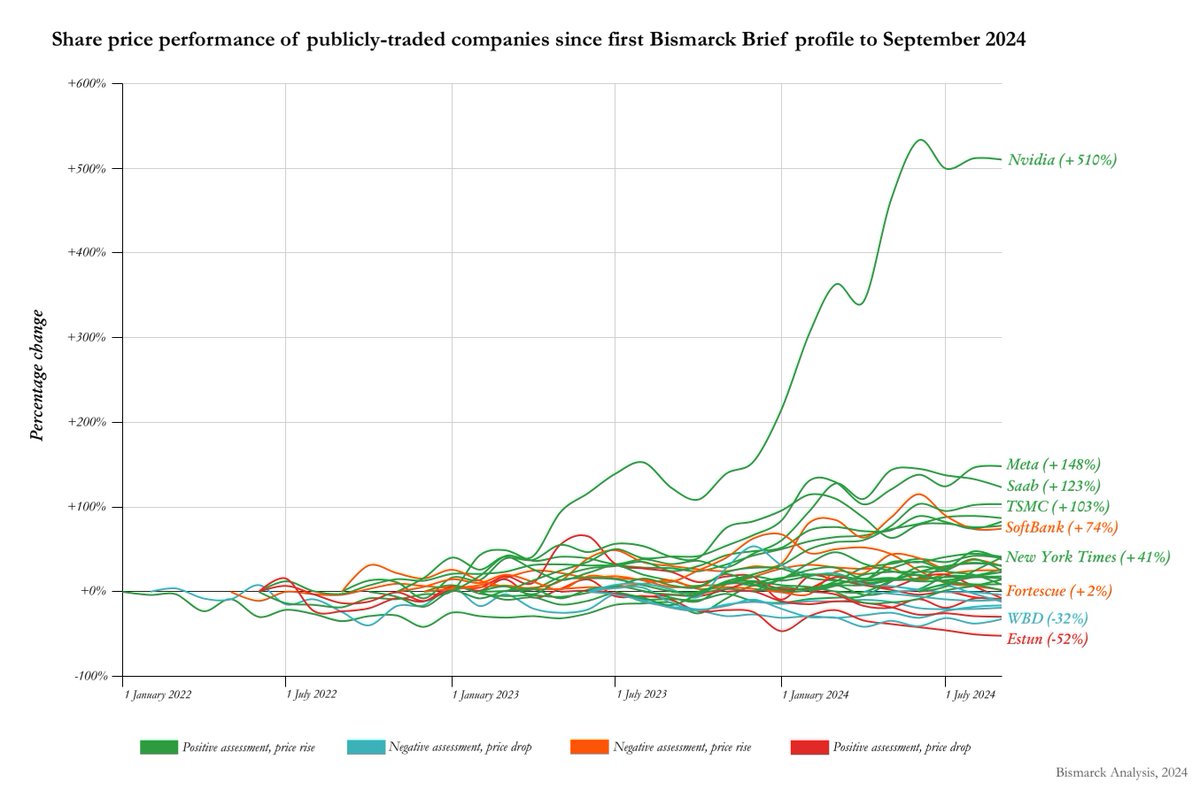
Bismarck Brief outperforms the stock market.

Three years of data show the share price performance of publicly-traded companies after they are profiled in Bismarck Brief.

Live player-led companies (+105%) outperformed the S&P 500 (+25%) by far. 🧵 Image Disclaimer: Bismarck Brief does not offer financial or investment advice. It is not intended to be, nor will it ever be. The Brief researches and analyzes the fundamentals of institutional structure and strategy across companies, governments, nonprofits, and more.
Sep 19, 2024 15 tweets 5 min read
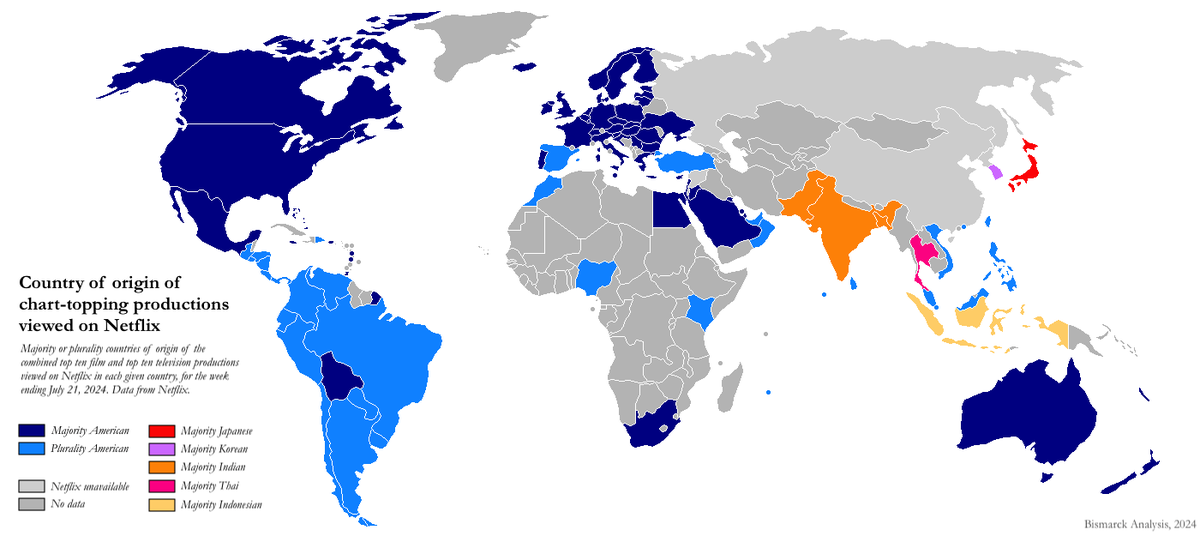
Breakout successes like Squid Game have created a false impression that Netflix is a platform for truly international cultural exchange.

In reality, the data shows cultural flow is overwhelmingly one-way: American films and shows broadcast to a mostly foreign audience.🧵 Image Netflix makes a surprisingly large amount of international viewing data public through its weekly Top 10 charts for films and TV shows for each country.
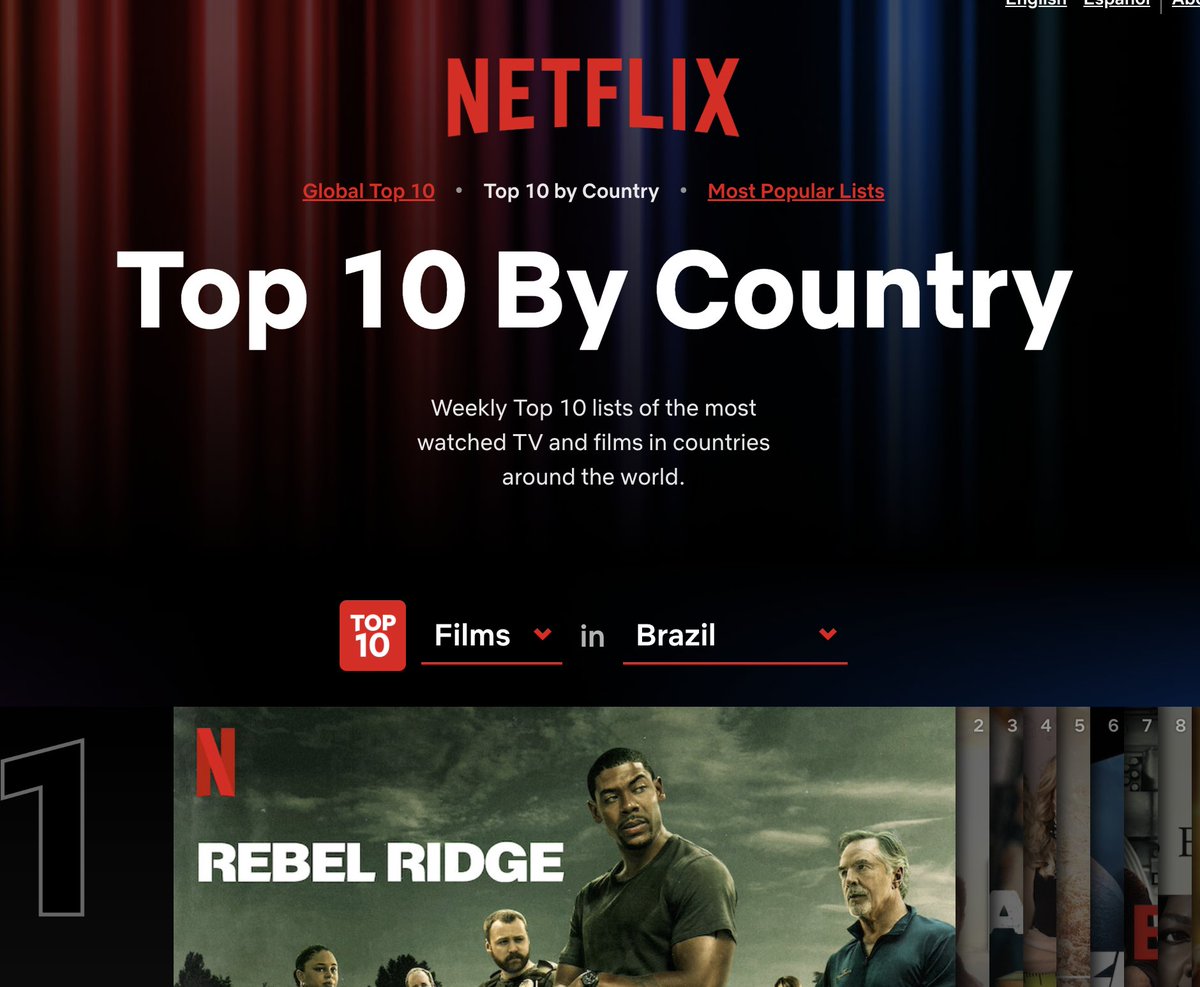
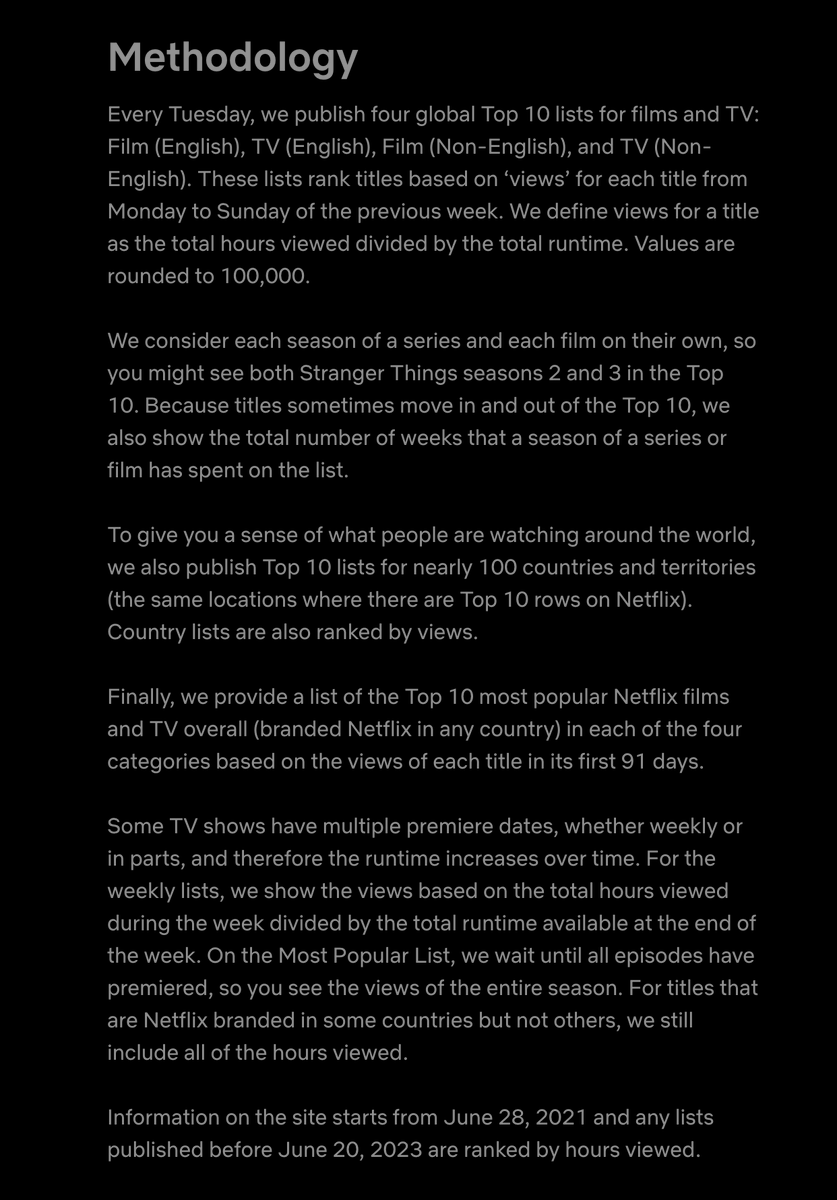
While it doesn't break down all content watched, the weekly Top 10s give a good indication of the flow of popular culture.Image
Image
Nov 27, 2023 54 tweets 19 min read
Two years ago, we launched Bismarck Brief.

Since then, our analysts have written half a million words on the state of technology, the U.S. government, Chinese industry, and the world.

Here are the 9 most important things we learned about how the world works in 2023.

🧵THREAD:


Image
Image
Image
Image
#1

Every feat of technological mastery has at least one unique, hard-to-replace tradition of knowledge behind it.

Breakthroughs are not inevitable results of societal progress, but pinnacles of perhaps decades of hard work by geniuses.

Artificial intelligence is no different.
Nov 26, 2023 16 tweets 6 min read
Are you considering becoming a subscriber to Bismarck Brief?

Before you decide, you can already read a number of Briefs we have made publicly available.

Here below are all 14 (and counting) Briefs you can read, listen to, and/or share immediately.

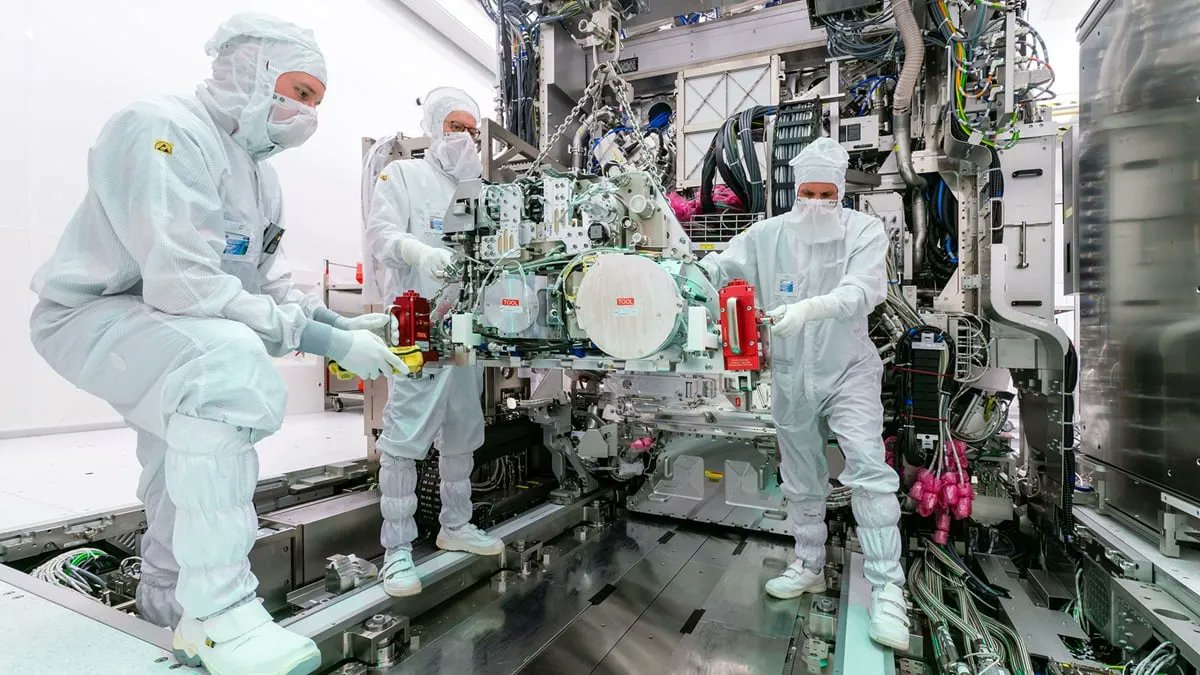
🧵Thread: Europe’s most valuable tech company is the only manufacturer of the machines needed to make advanced computer chips that AI hopes and fears rely on.

This market monopoly rests on a unique and old Dutch tradition of knowledge.

Read the Brief here: brief.bismarckanalysis.com/p/the-traditio…
Nov 25, 2022 57 tweets 17 min read
One year ago today, we launched Bismarck Brief.

Since then, our analysts have written over 250,000 words on the state of the world—from China to the U.S. and everything in between.

Here are the 11 most important things we learned about how the world works in 2022.

🧵THREAD: #1

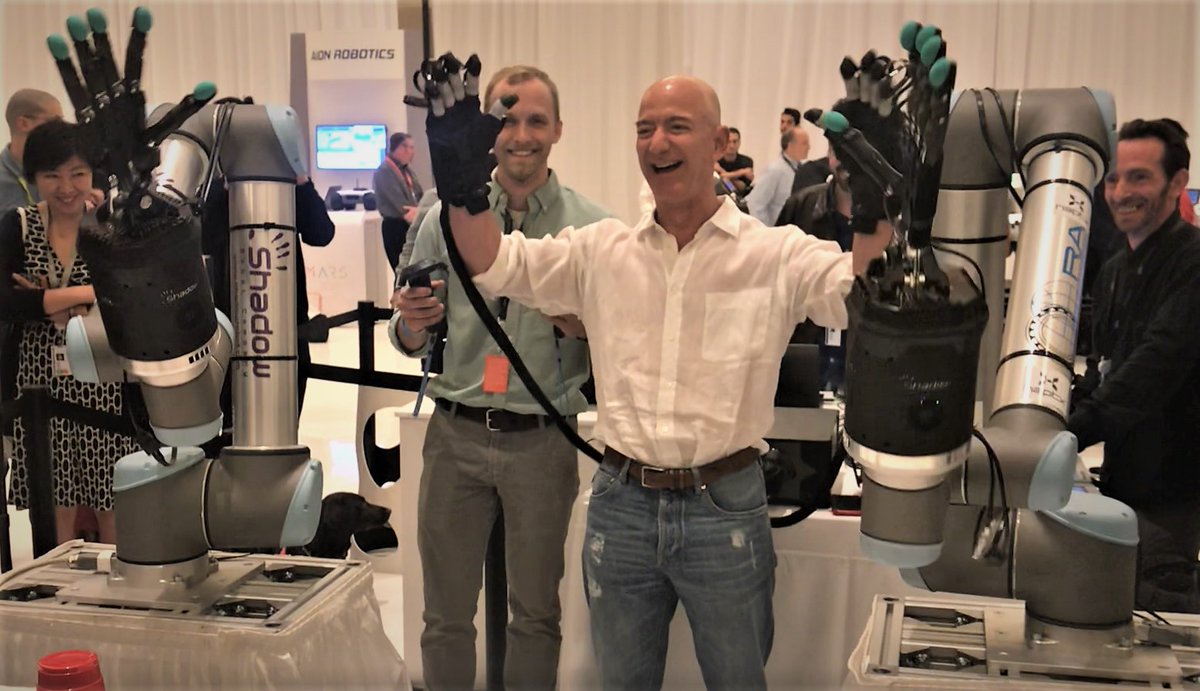
The wealthiest people in the world are not motivated by money.

They are motivated by idiosyncratic ideological, personal, and prestige goals. Often, they simply want to be the most powerful and important person in a field.

As a side effect, they become rich.
Oct 20, 2022 6 tweets 2 min read
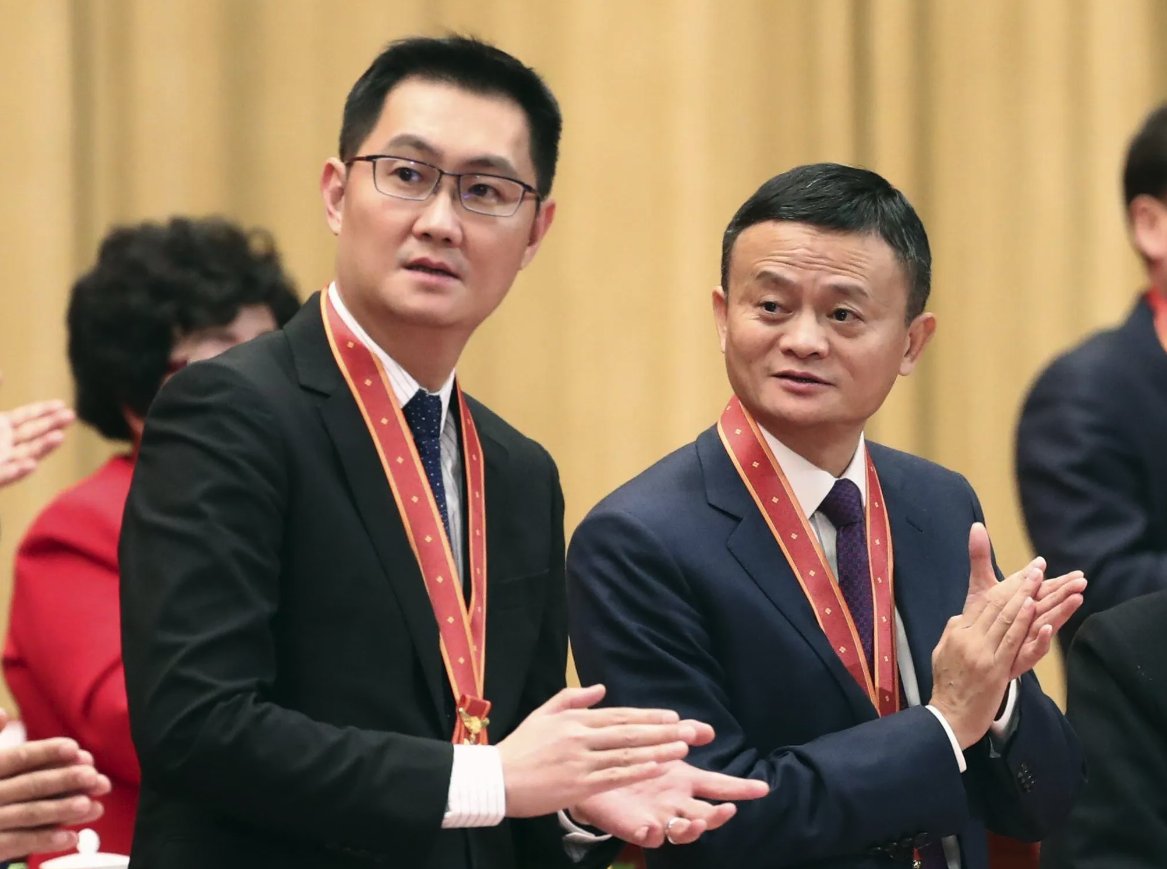
This week's Brief investigates Pony Ma, the founder and CEO of China's most valuable tech company.

Key takeaway: Pony Ma is what the CCP expects of a tech billionaire.

Subscribers can read here: brief.bismarckanalysis.com/p/tencents-pon… Pony Ma serves as a useful contrast to the more famous Jack Ma of Alibaba (no relation).

Both men founded natural monopolies in the Chinese consumer internet and became multibillionaires as a result.

But the similarities end there. Image
Oct 14, 2022 9 tweets 4 min read
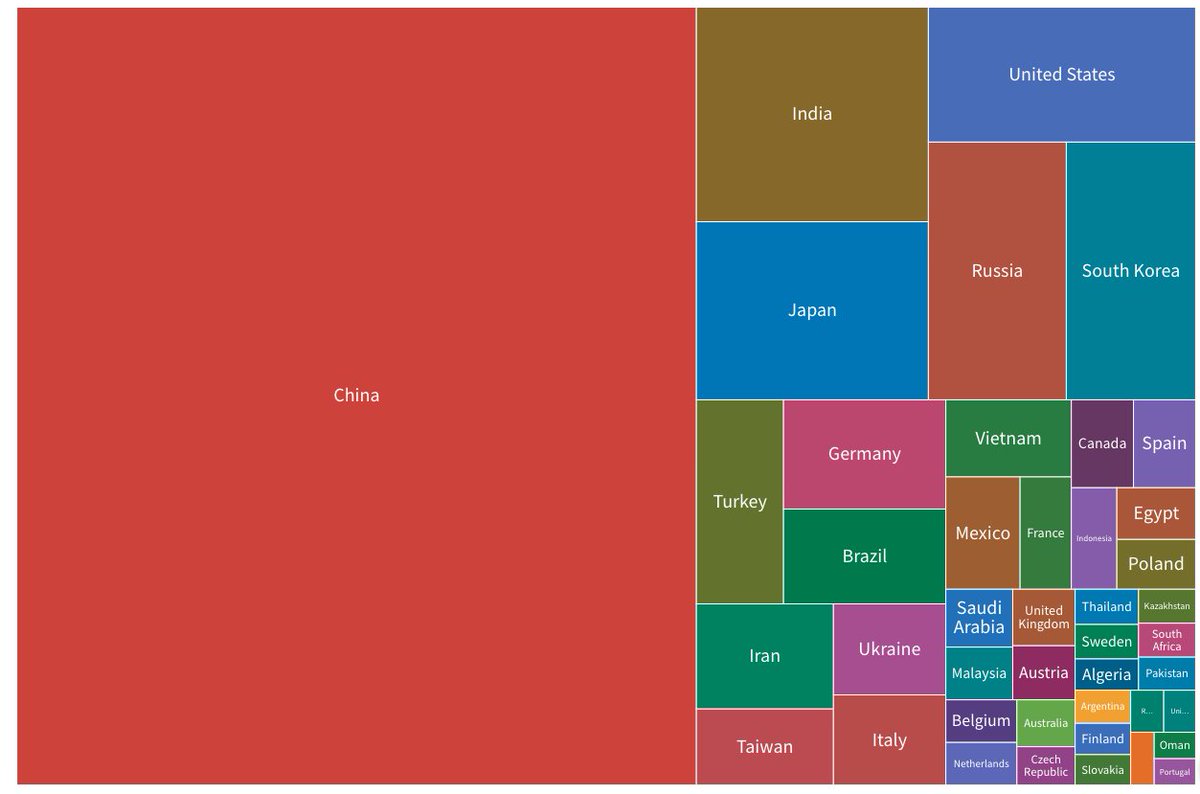
Steel is the alloy that underpins all industrial civilization. It's needed for skyscrapers, bridges, highways, appliances, tools, missiles, machine guns, tanks, airplanes—you name it.

No steel, no civilization.

China produces a full 57% of the world's steel.

Look it up. Image Wheat is a worldwide staple food. Humanity has cultivated wheat since 10,000 BC, or even earlier.
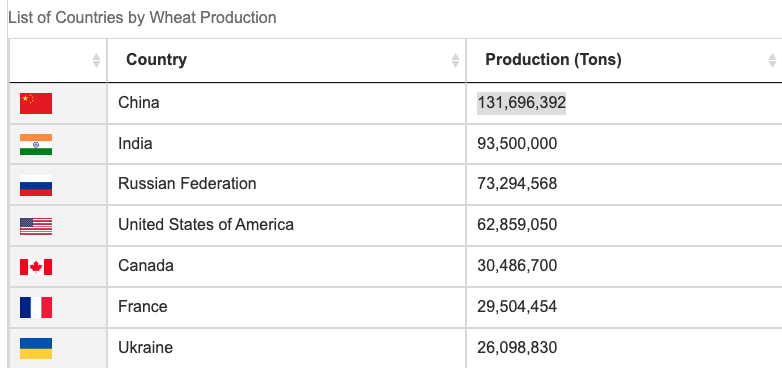

More of the Earth is used to grow wheat than any other crop.

The world's largest wheat producer is China. China produces 20% of the world's wheat. Image
Oct 14, 2022 4 tweets 2 min read
This week's Brief investigates China's agricultural base and food production.

Key takeaway: China is not facing a food crisis.

Subscribers can read here: brief.bismarckanalysis.com/p/china-can-al… China is not typically thought of as a breadbasket, for both good and bad reasons.

But the numbers speak for themselves. China produces over 90% of its wheat, rice, and corn as well as 85% of its meat.
Aug 24, 2022 9 tweets 2 min read
Almost every single genre of writing is systematically obfuscated by a labyrinth of buzzwords, jargon, and marketing-speak.

A reader's default stance should be heightened skepticism not just of claims and arguments, but also of concepts and terminology.

1/n This is more not less true the deeper you go into a field. Defense writing, foreign policy, finance, economics, etc. all have their own versions of impenetrable dialect.

The impenetrability is willfully sustained by experts, who depend on it to distinguish themselves.

2/n
May 25, 2022 7 tweets 2 min read
This week's Brief covers the potential of the eastern Mediterranean as an energy source for Europe.

Despite being by far the biggest bloc with a direct interest, Europe is coming behind Turkey, the U.S., and local players.

Subscribers can read here: brief.bismarckanalysis.com/p/europe-comes… The U.S., Europe, and China are the world's three continent-sized industrial economies.

Only the U.S. is also an energy supplier. China has coal and a good relationship with energy rich Russia. Comparatively, Europe has nothing.