

 First, consider how we're only ~5 days out from the possible storm, and there's still lots of uncertainty.

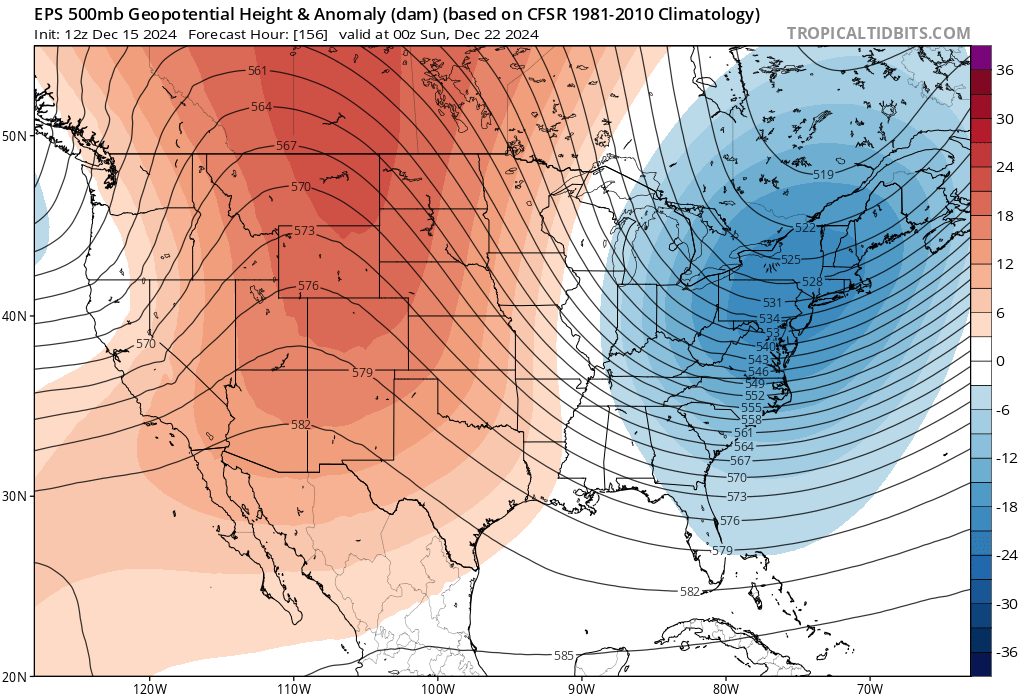
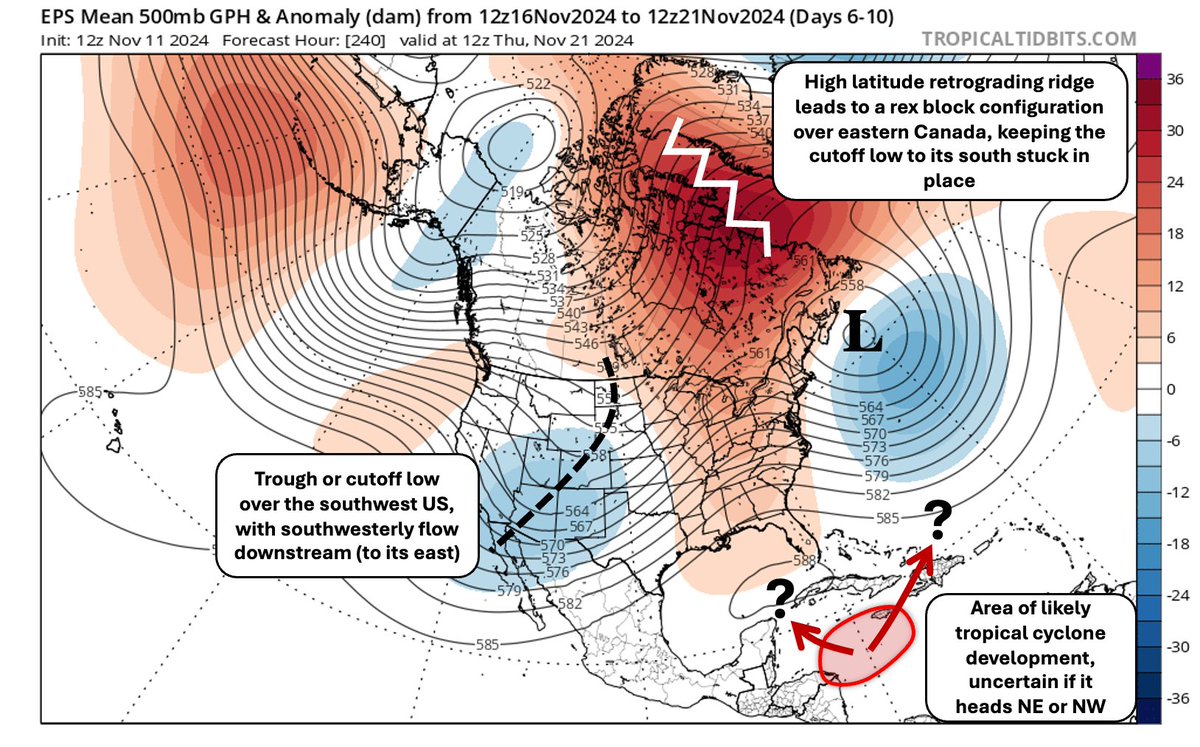 There is still the possibility a storm doesn't develop. But if one does, as is increasingly likely, how quickly it develops & where it forms will influence whether it quickly gets picked up by a trough and steered into the ocean, or keeps brewing in the western Caribbean: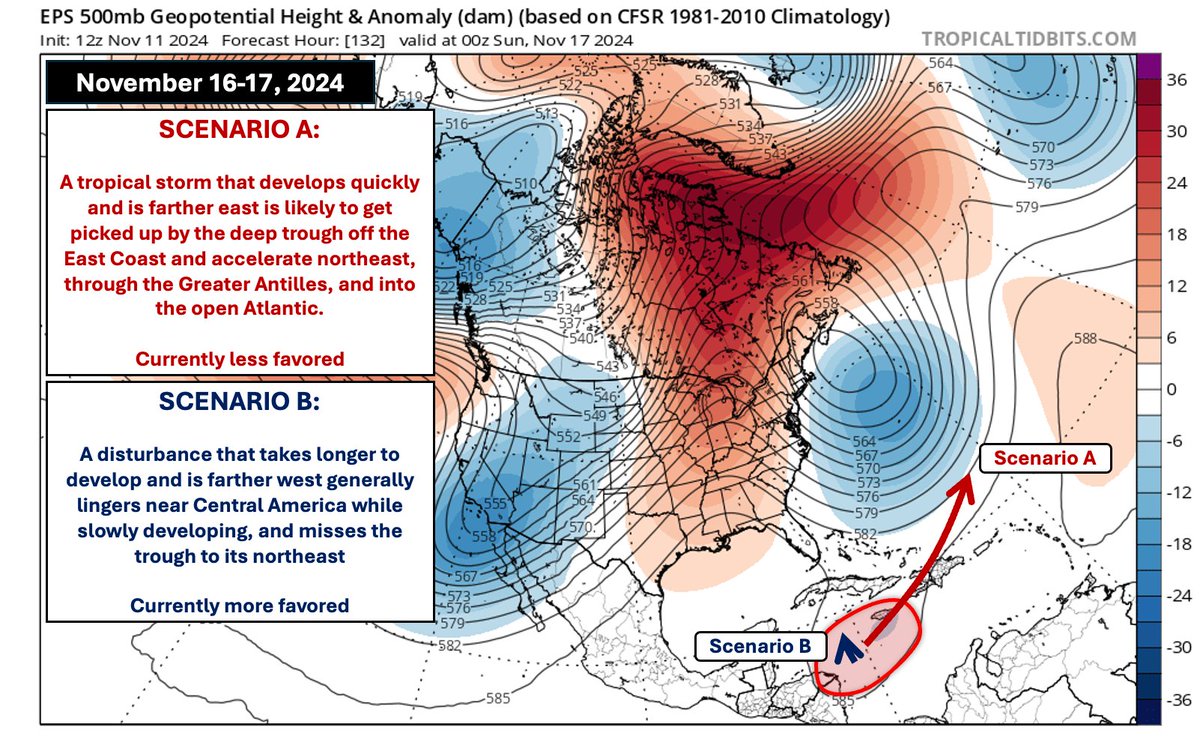
 To make a good forecast, we need to start off with a good analysis of the current conditions.
 From a science POV, I tend to focus on the technical aspects of the track & intensity forecasts, as this does matter for landfall locations.

 The result of this difference is a sensitivity to not just track, but timing — stronger members are faster and farther east, while weaker members are slower and farther west.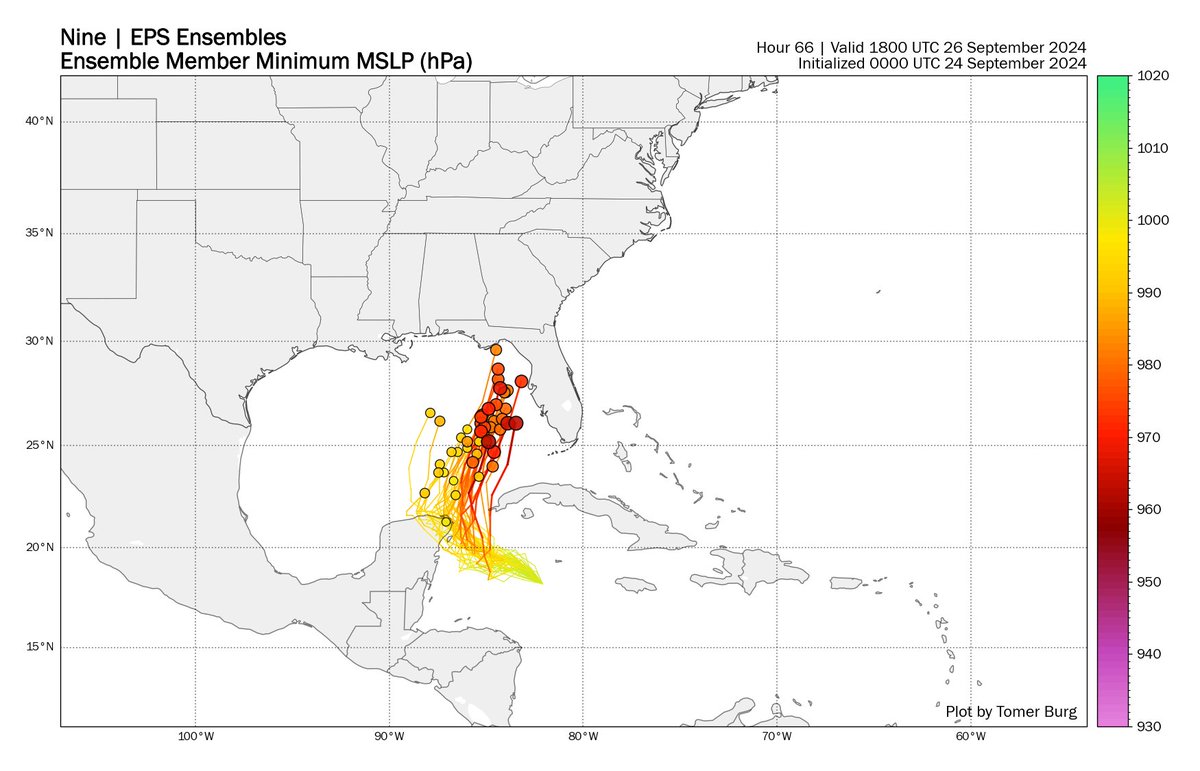
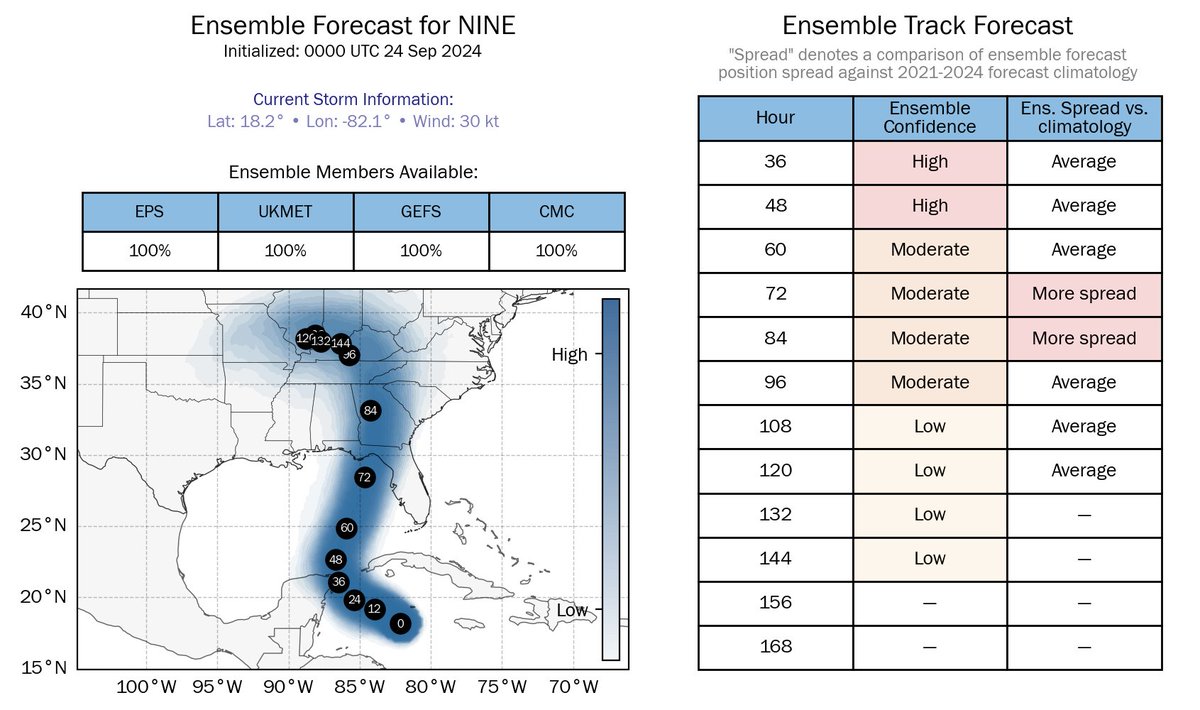
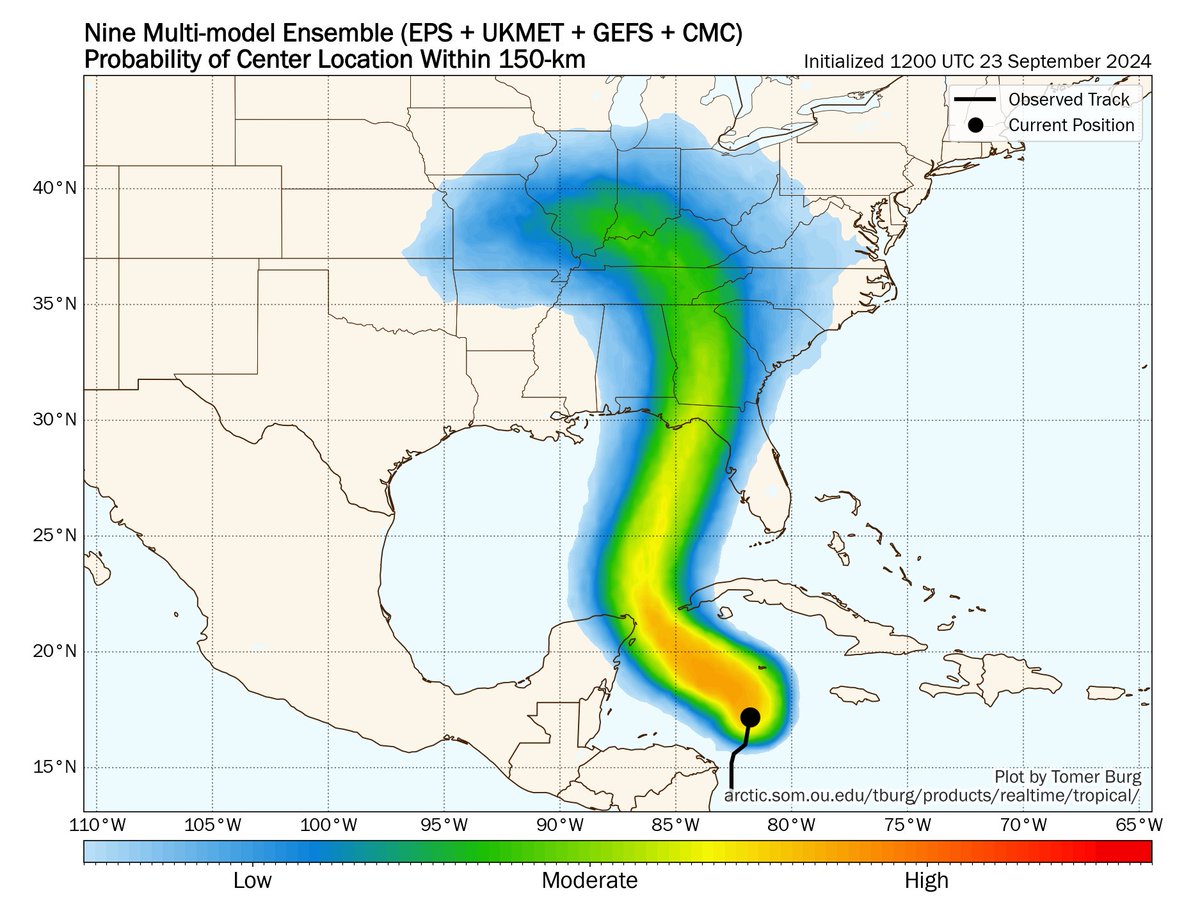 Model guidance gradually came into better focus regarding PTC 9's track, though there are some slight eastward shifts - the current consensus favors a track near Tallahassee.
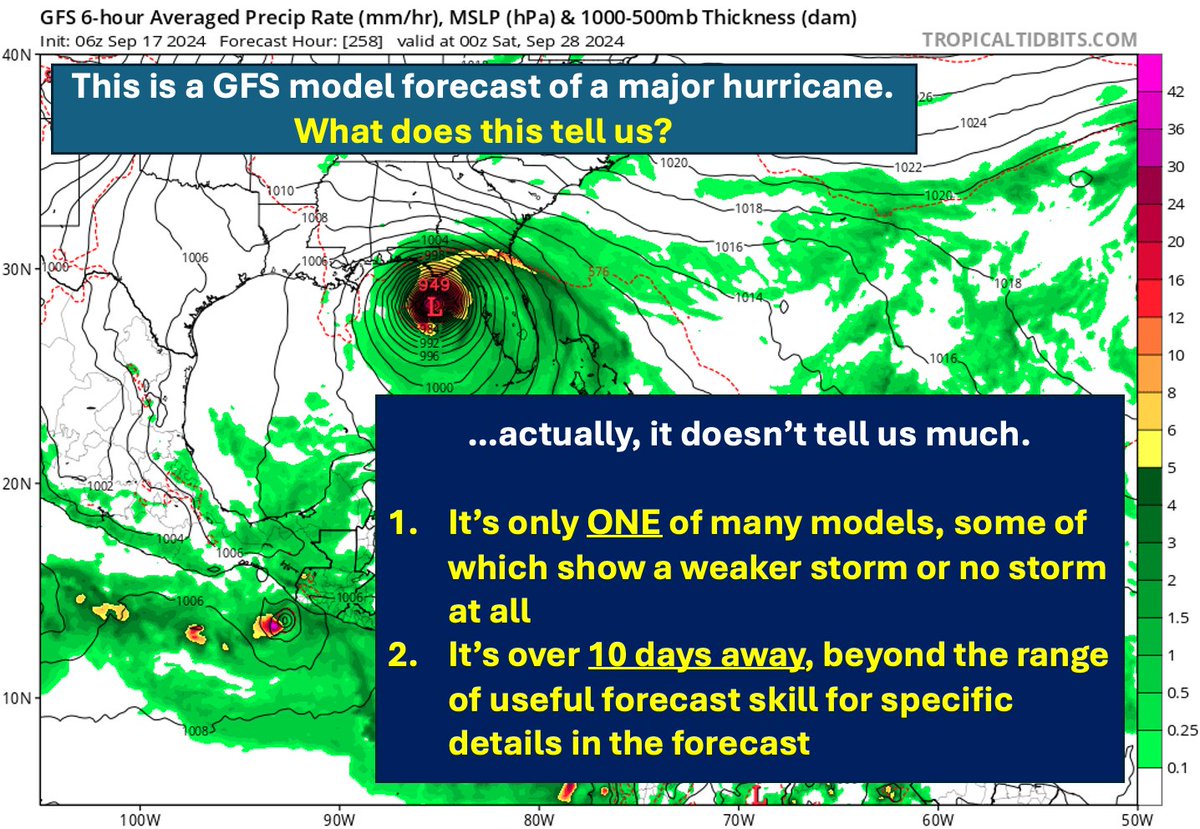 At extended ranges when deterministic models (like the GFS, ECMWF) can significantly change from run to run, we like to look at ensembles to give a better sense of the range of possibilities.
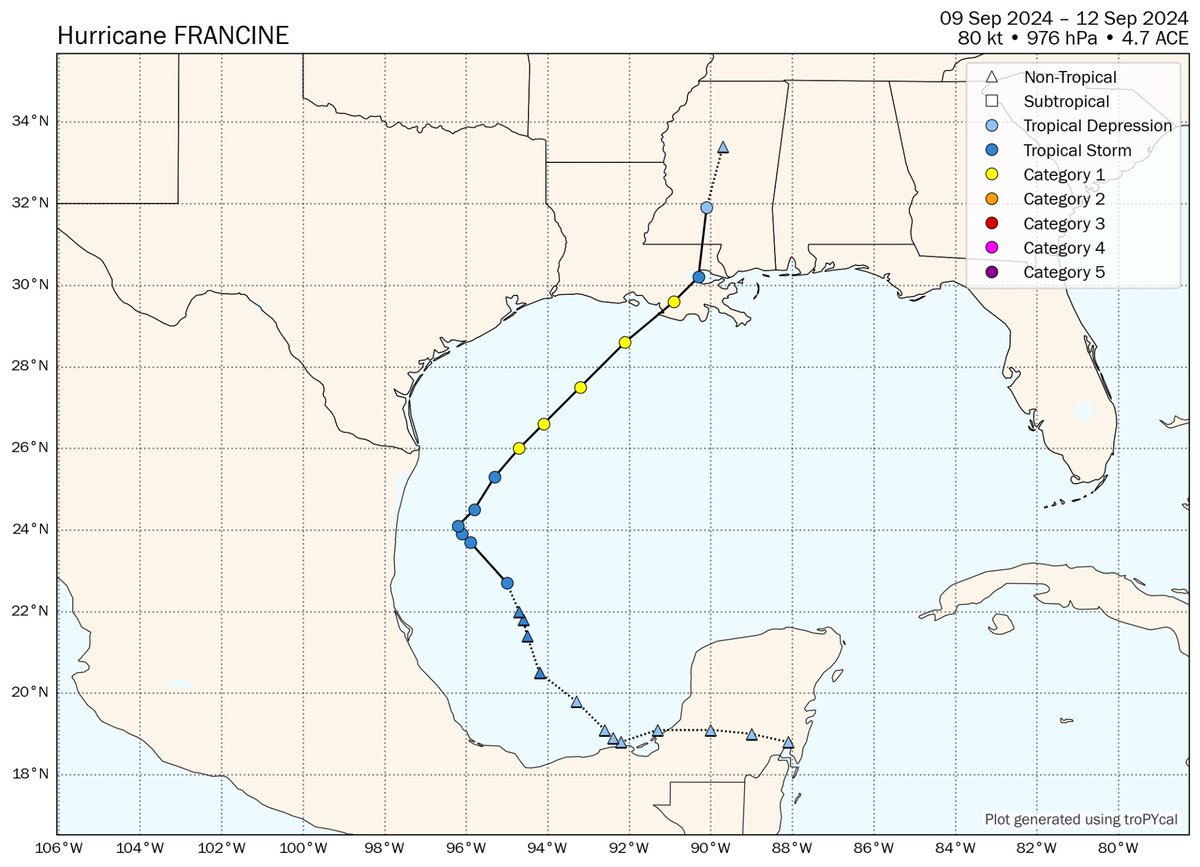
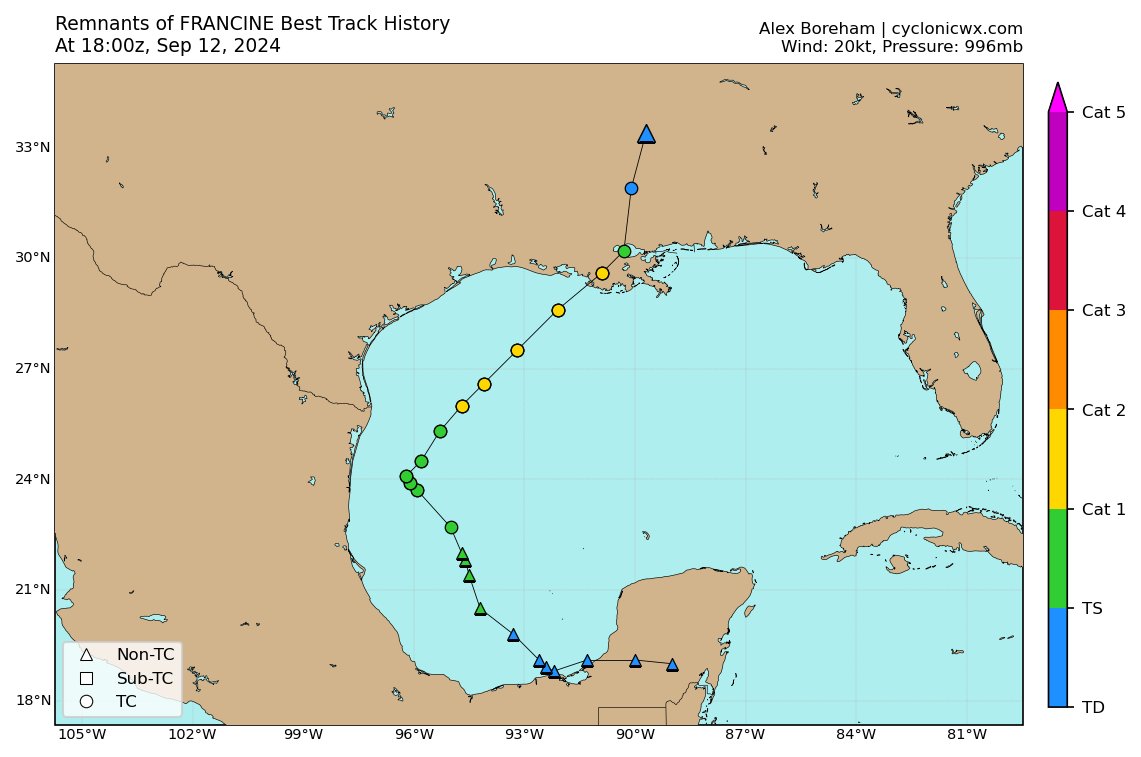 Hurricane data for the Atlantic & East Pacific basins is archived in the HURDATv2 dataset.

 First we'll start with the leading mode of variability (EOF1) in the forecast MSLP field.
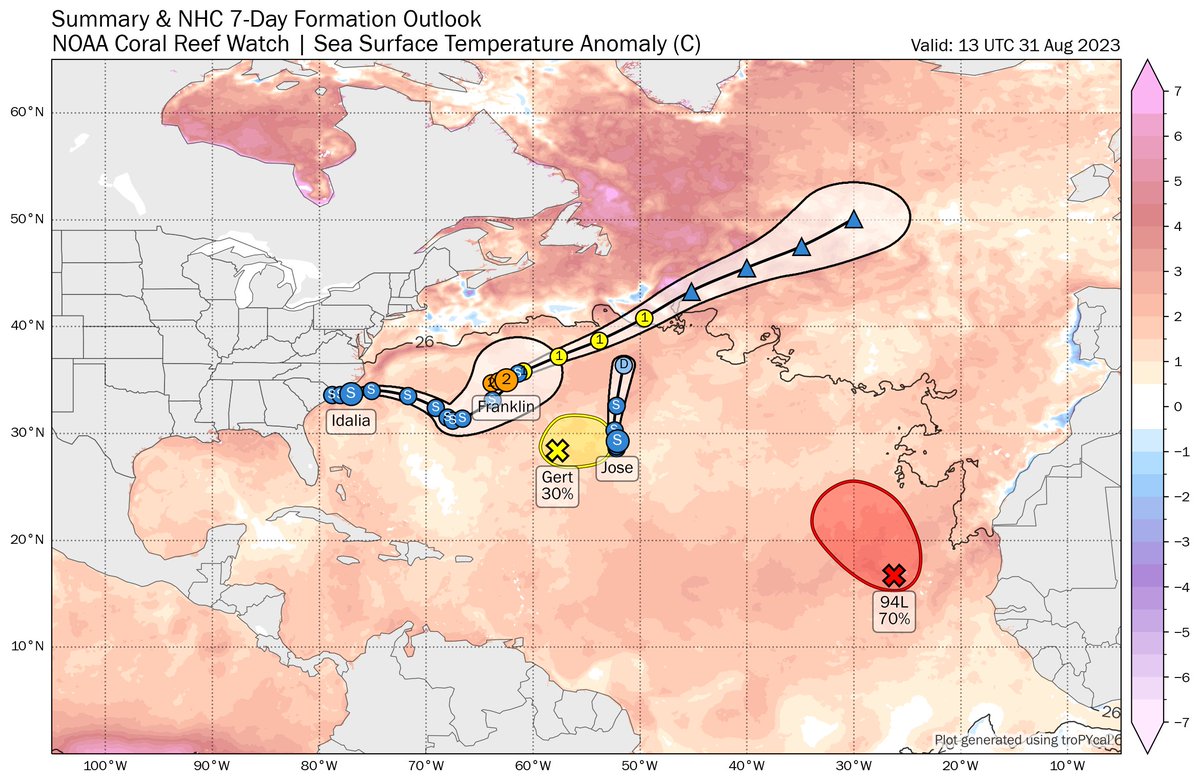 The biggest source of synoptic-scale uncertainty is where an anomalously deep upper-level low will track, as the farther west it cuts off and stalls off Spain/Portugal, the warmer sea surface temperatures are where an eventual surface cyclone will develop.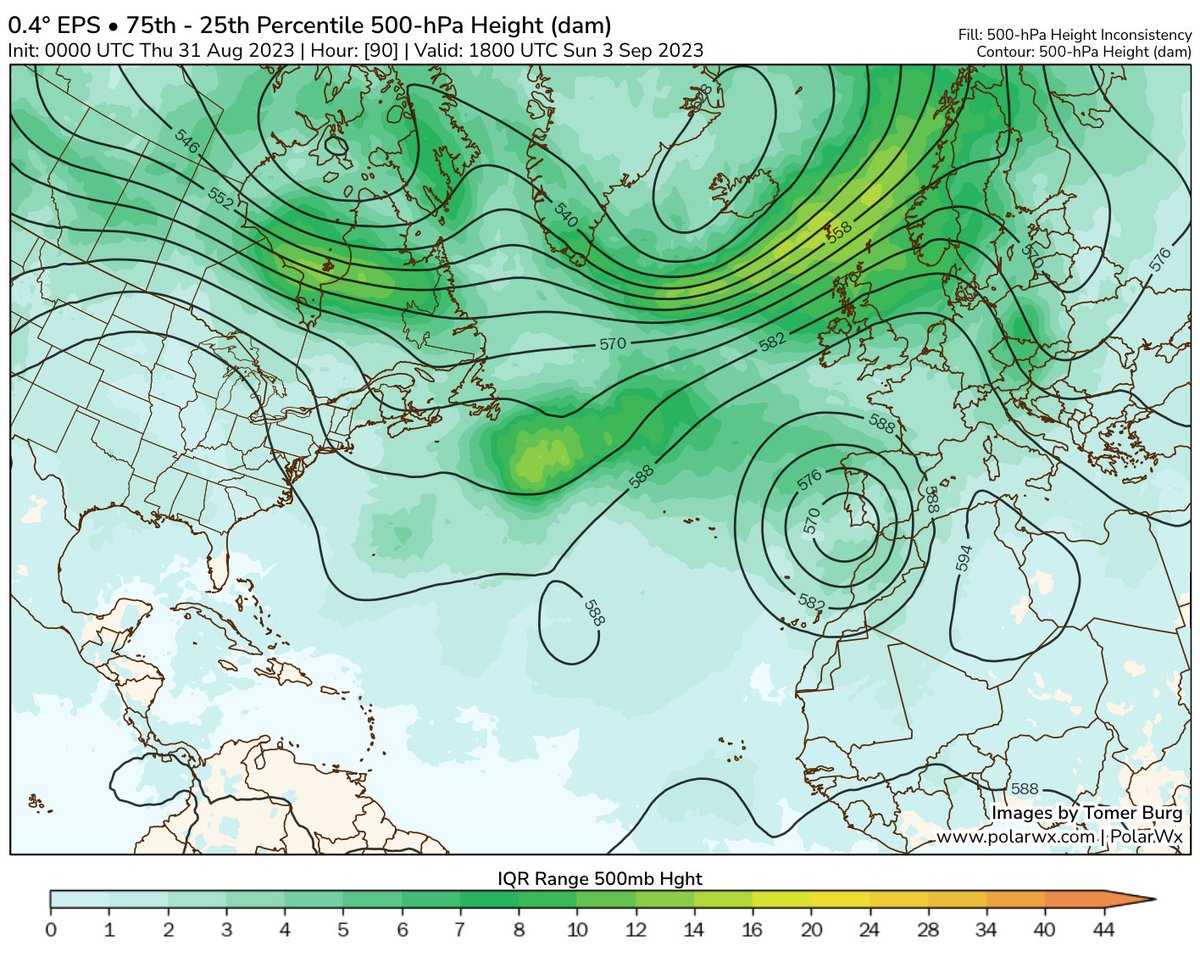
 Starting with the short-term, Hilary will spend the next 2-3 days in a warm, moist & low vertical wind shear environment, which is *very* conducive for rapid intensification (RI) as shown by the SHIPS statistical model. Hilary is likely to become a very powerful hurricane.
 A notable feature & a precursor to potential CA tropical cyclone impacts is a massive ridge over the Plains.
