Defense Tech for Ukraine (DTU) is a nonprofit initiative working to help speed Ukraine’s adoption of key defense tech
Sep 4, 2025 • 4 tweets • 5 min read
(Pt 1)
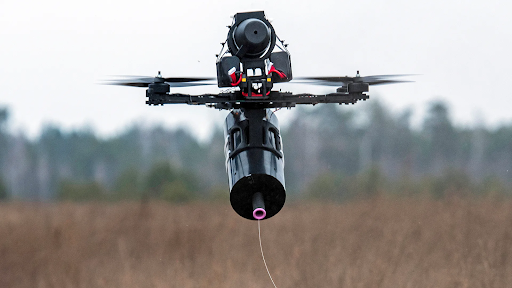
While the most widely known advantage of fiber optic drones is that they are immune to radio frequency (RF) detection and jamming, there are several other very important advantages as well that have hugely contributed to their use and impact growing extremely rapidly for and against Ukraine.
In some areas of the front, soldiers have told DTU that fiber drones make up 70% or more of the enemy’s FPV drone attacks and cause more than half of overall casualties. The tools for last-second use of small arms against them are improving, but are still far from reliable. There are currently no reliable defenses in widespread use against fiber drones beyond hiding.
Why are fiber drones so effective, beyond their immunity to RF detection and jamming?
Let’s discuss:
(Part 2) 1. Line of Sight: Non-fiber radio-controlled drones generally require an unimpeded line of sight from the transmitter to the drone. This means that any obstructions such as trees, hills, and buildings between the piloting team and the target are problematic.
One way to get around this can be by using drones in the sky with “retranslators” on them, which are receivers and transmitters that essentially relay the signal from the pilot and onward to the farthest drone via the much more elevated and better positioned location of the retranslator drone in between. But this means another flying team is required to be trained, equipped, and available, and requires additional coordination between the teams. The scale of Ukraine’s front line and enemy means resources are spread thin, and so fiber drones are a more efficient solution to this problem.
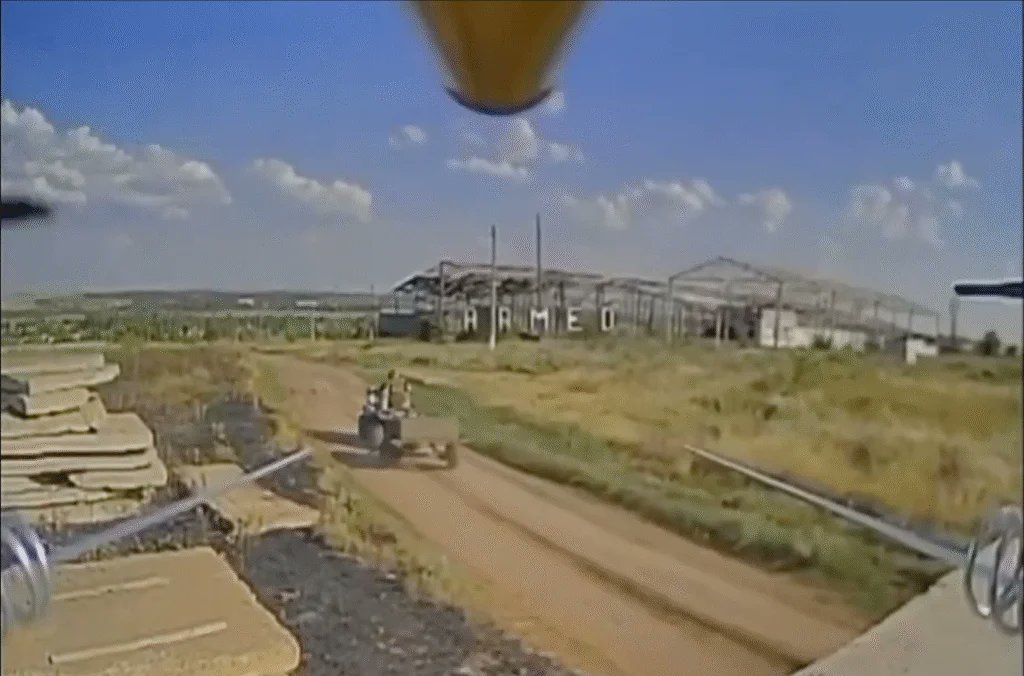
Even with a retranslator relay, the signal strength may be insufficient to carry inside buildings or underground. But with fiber, a good pilot can go deep inside a structure until it finds its target without any signal degradation.
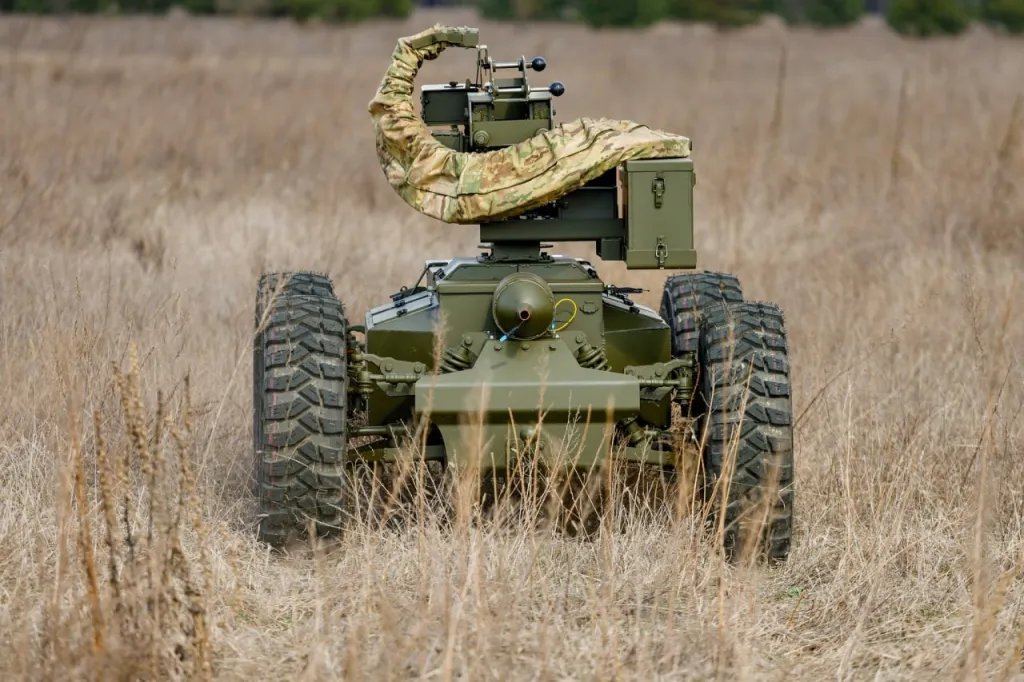
Ground drones (UGVs) as well as sea drones (USVs) can also benefit greatly from this fact, as they suffer more than aerial drones from radio line-of-sight issues.
2. Radar Evasion: Not only are fiber drones invisible to RF detection, but they are essentially invisible to radar when they are flying below the tree line, which is often the case. Radar at resolutions high enough to see small drones won’t see fiber drones through trees, since their high frequency waves don’t pass well through branches and leaves.

 (Part 2)