 Key to going big on Twitter? Turn excerpts from interesting books into interesting threads.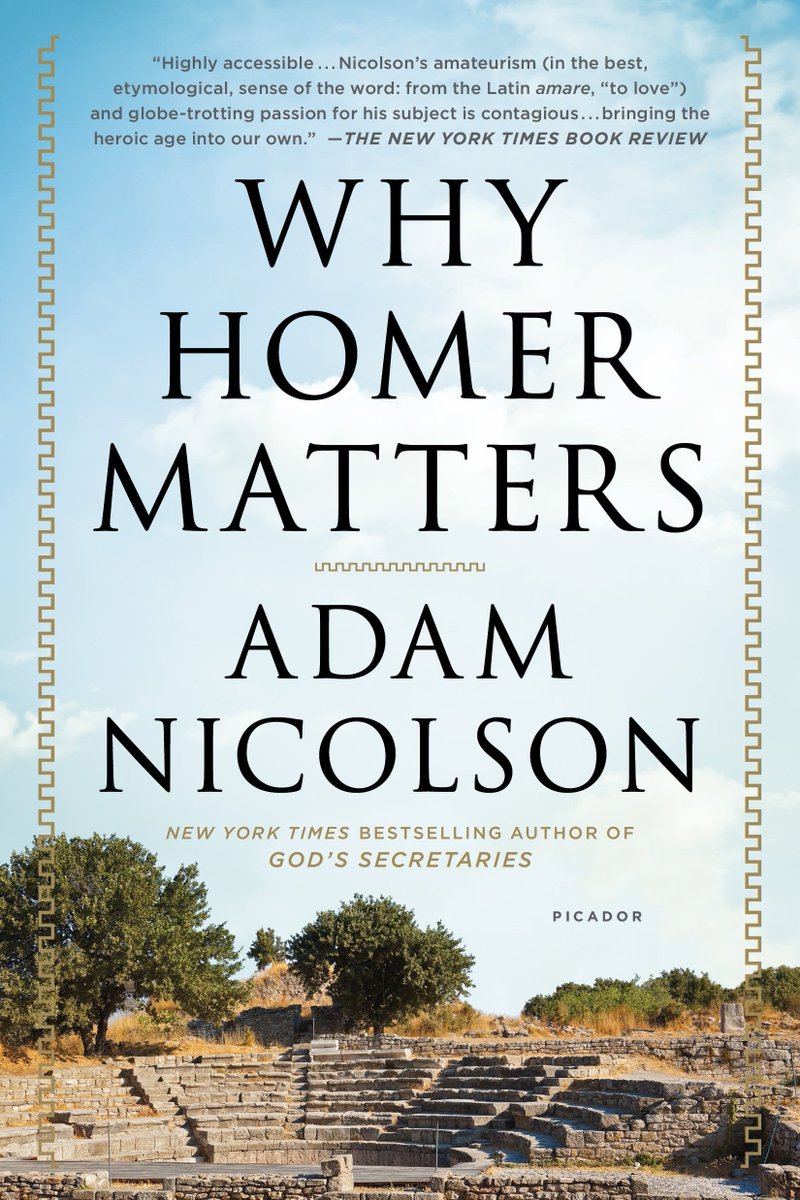
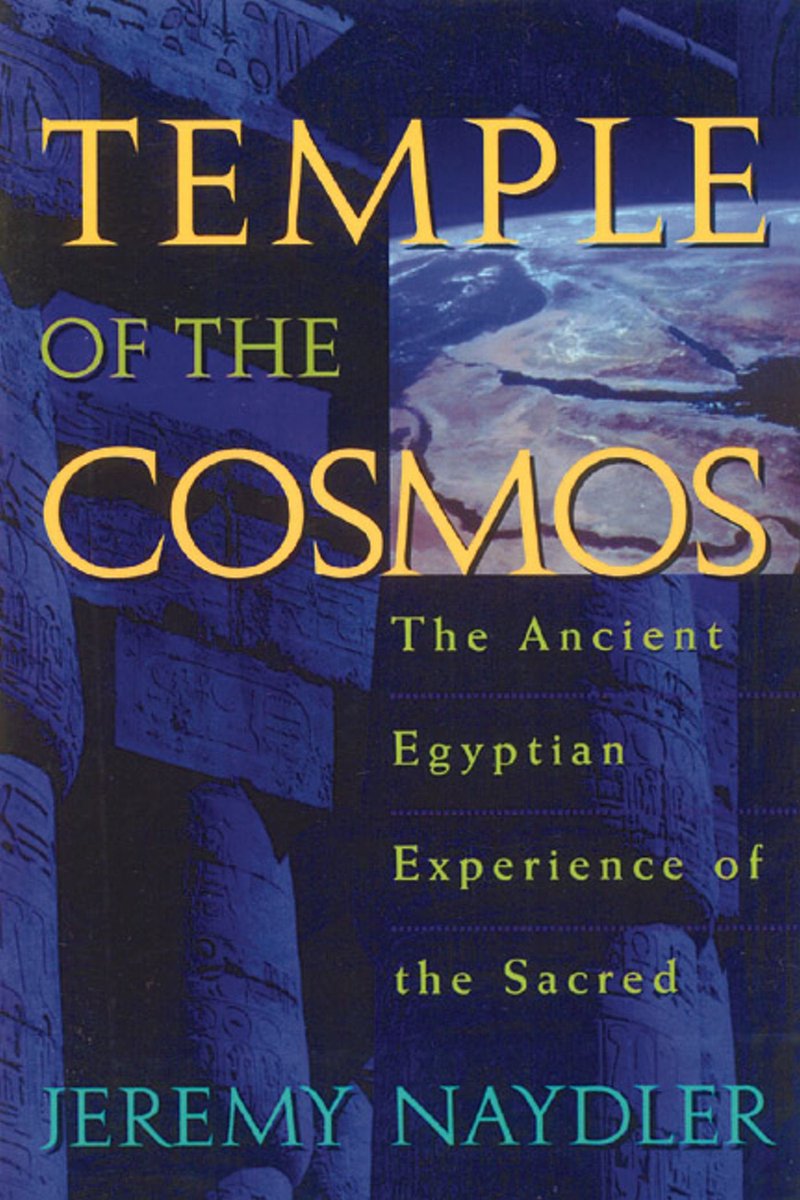
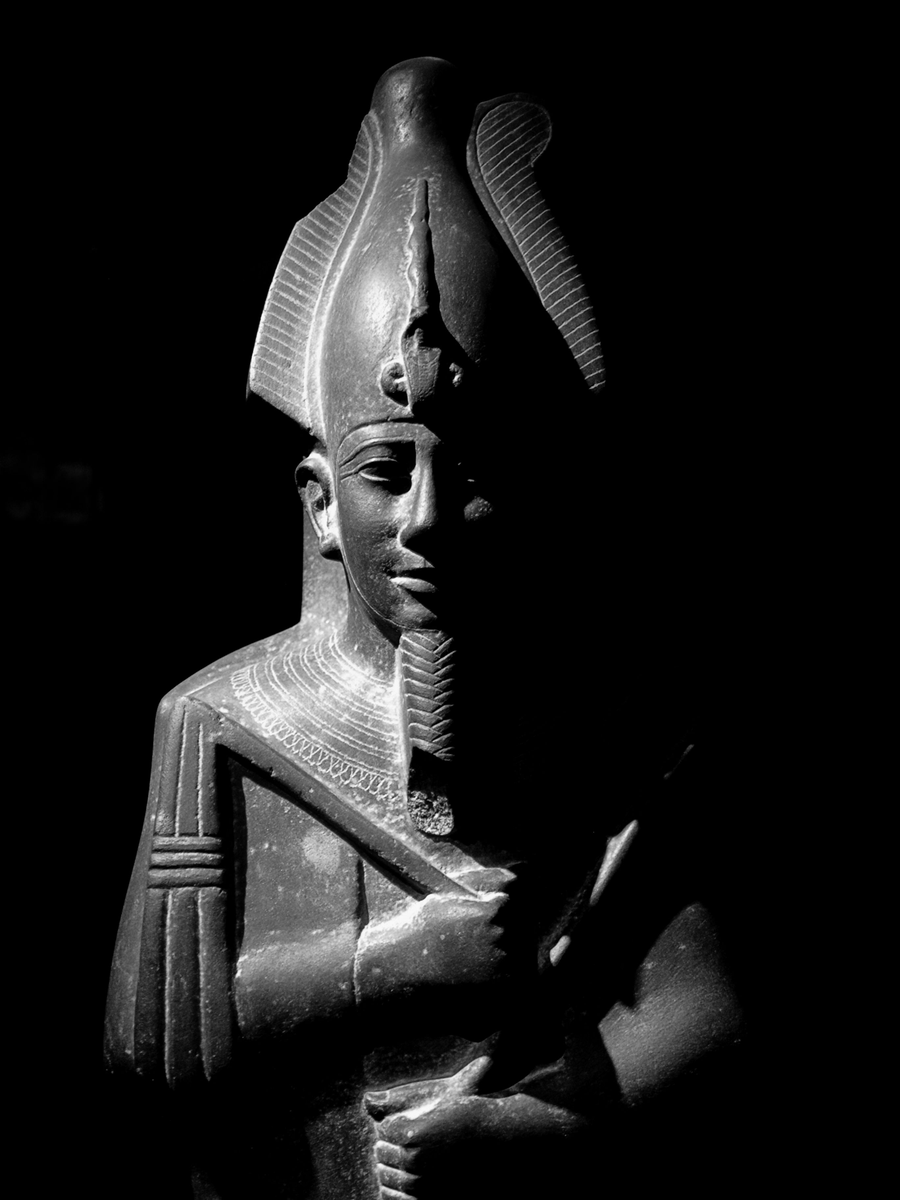
 And so the traveller reaches the destination of the long journey through the Underworld. Coming before Osiris at last, the following words may be addressed to the great god:
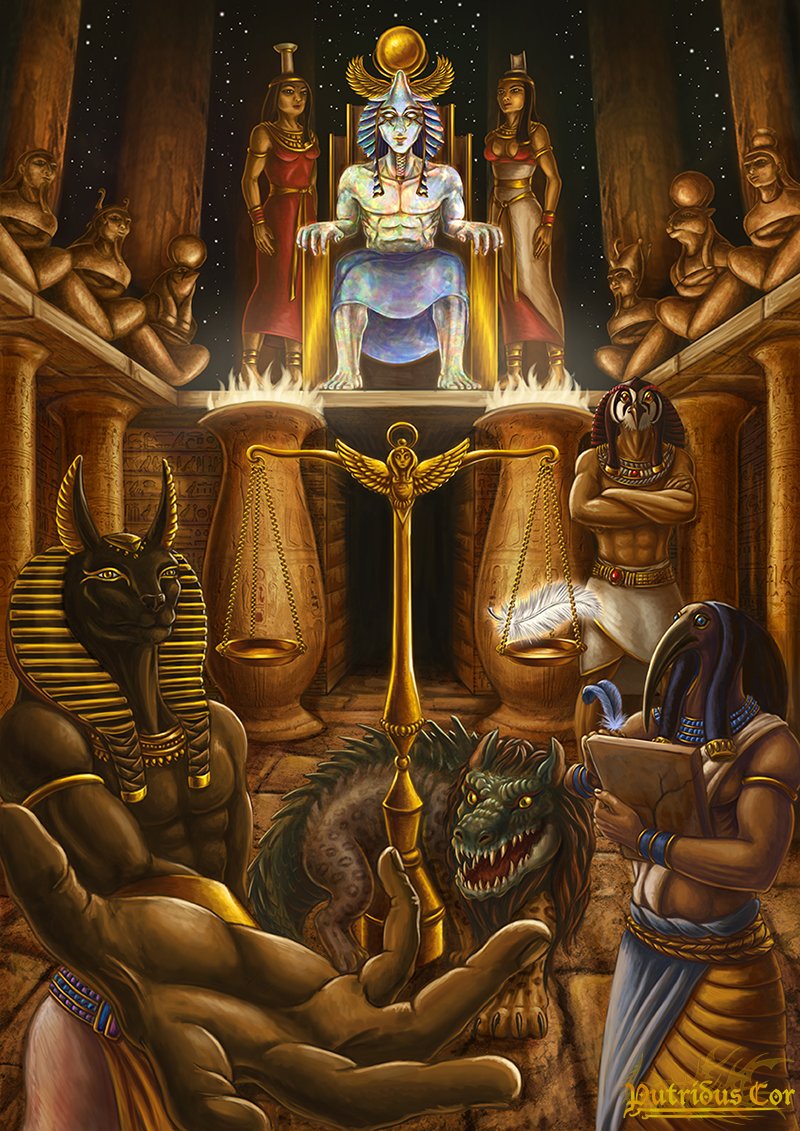 The reference at the end of the last quotation, from the papyrus of Nu, to “placing the balance on its support” brings us to the central episode of the whole Underworld journey.
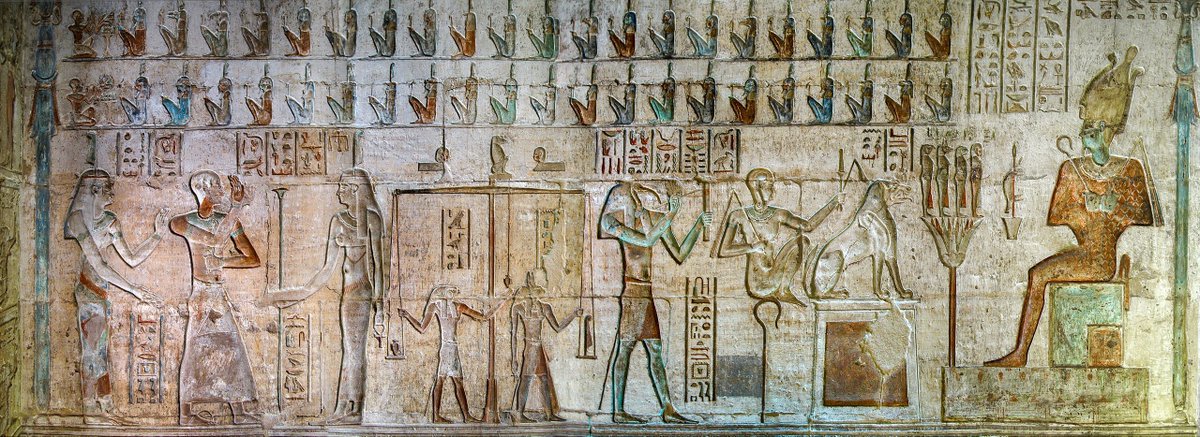 At last the traveller comes to a doorway guarded by none other than the god Anubis. It was him in his form of Upuat (the “Opener of the Ways”) who first acted as the guide to the entrance to the Underworld. Now the doorway facing the traveller is the entrance to the Hall of Maat.
 The images of the journey through the Underworld that we have been considering so far all presuppose the naturalistic environment of the Field of Rushes discussed.
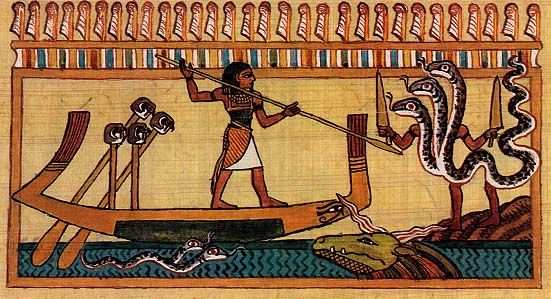 The meeting with the baboons is but the first of a series of encounters with various animal denizens of the Underworld. Sometimes the animal forms that rise up to meet the traveller are not recognizable.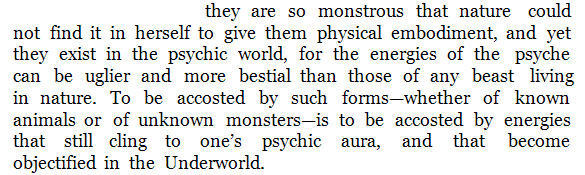
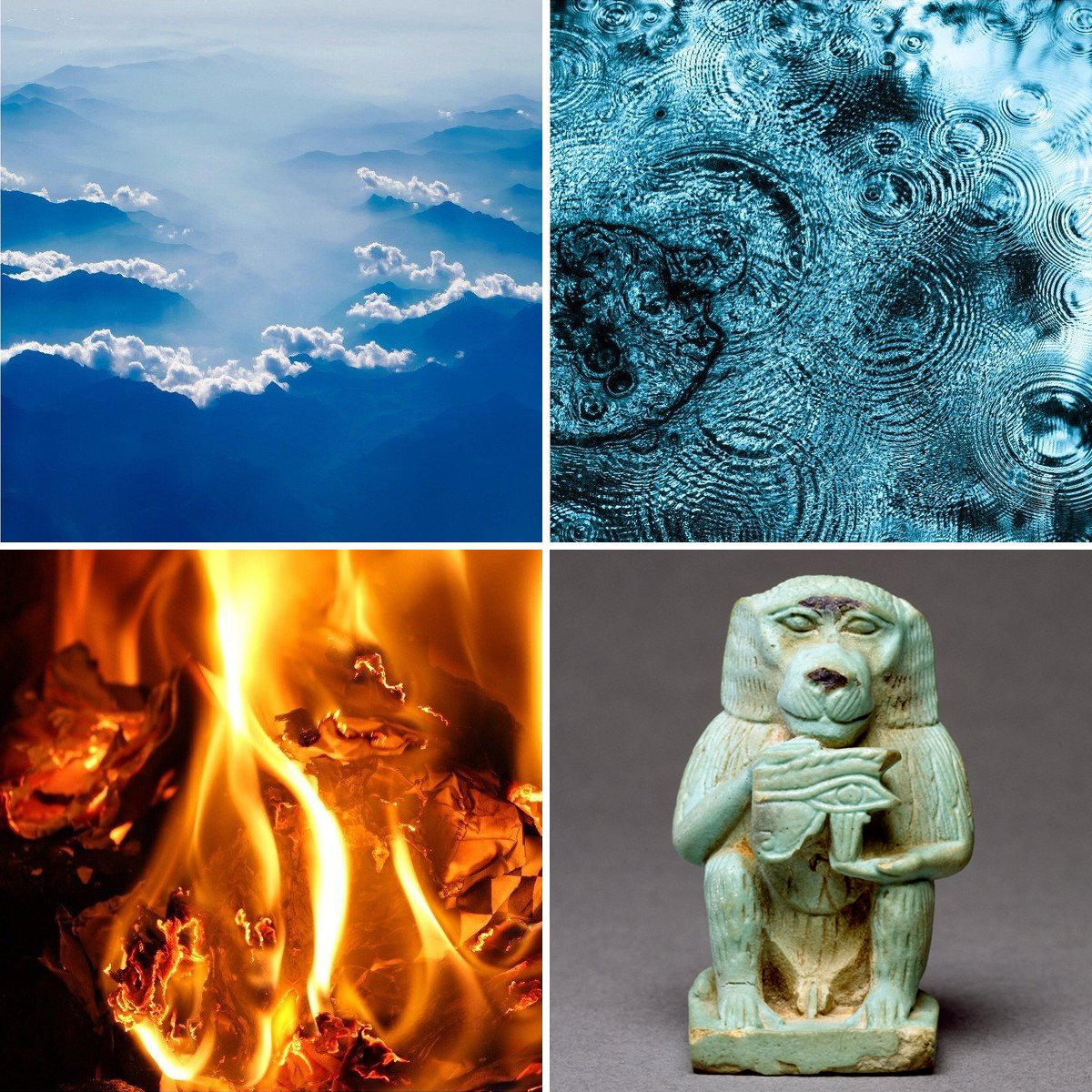 Each part of the boat has its symbolic meaning and can be understood as corresponding to specific inner qualities. This is especially clear in the case of the sail that, hieroglyphically, signifies air, wind, or breath.
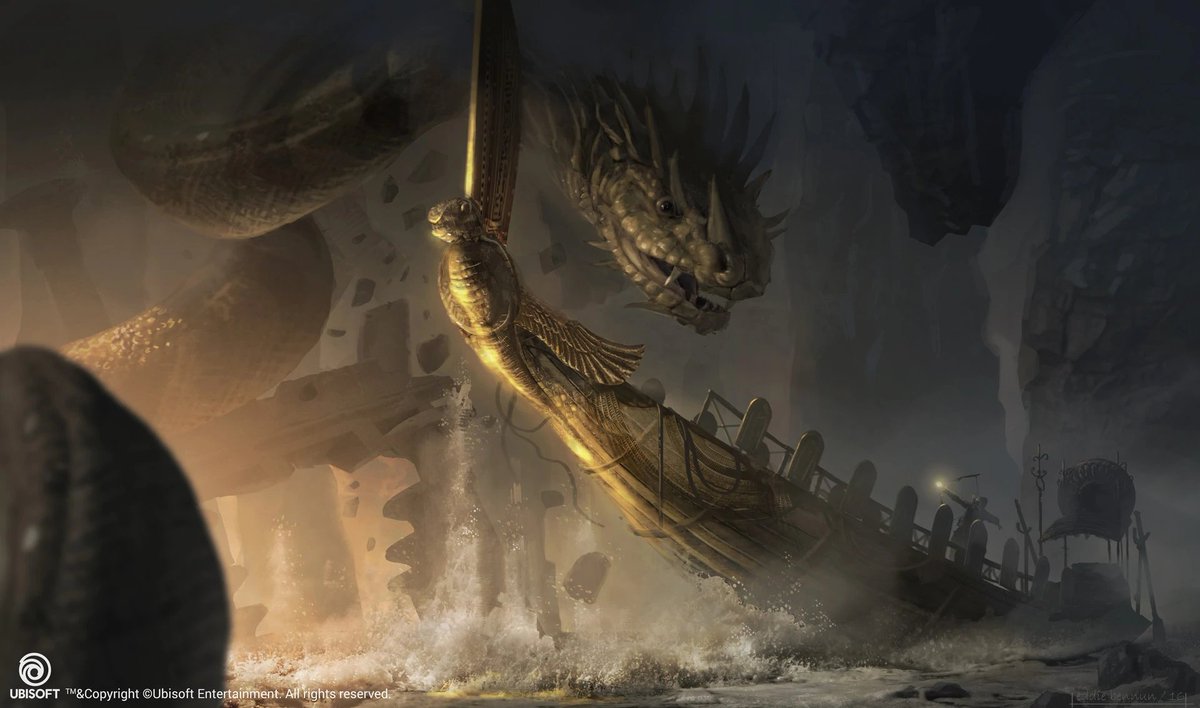 Having attained some impression of the range of possible Underworld environments from the foregoing maps, we can now investigate in more detail the kind of experiences that travellers have as they journey through the Underworld.
 One conception of the Underworld journey, which goes back at least as far as Old Kingdom times, is that it takes place to a large extent in a very boggy region, the predominant element being water. This region was referred to as the Field of Rushes (Sekhet Aaru).
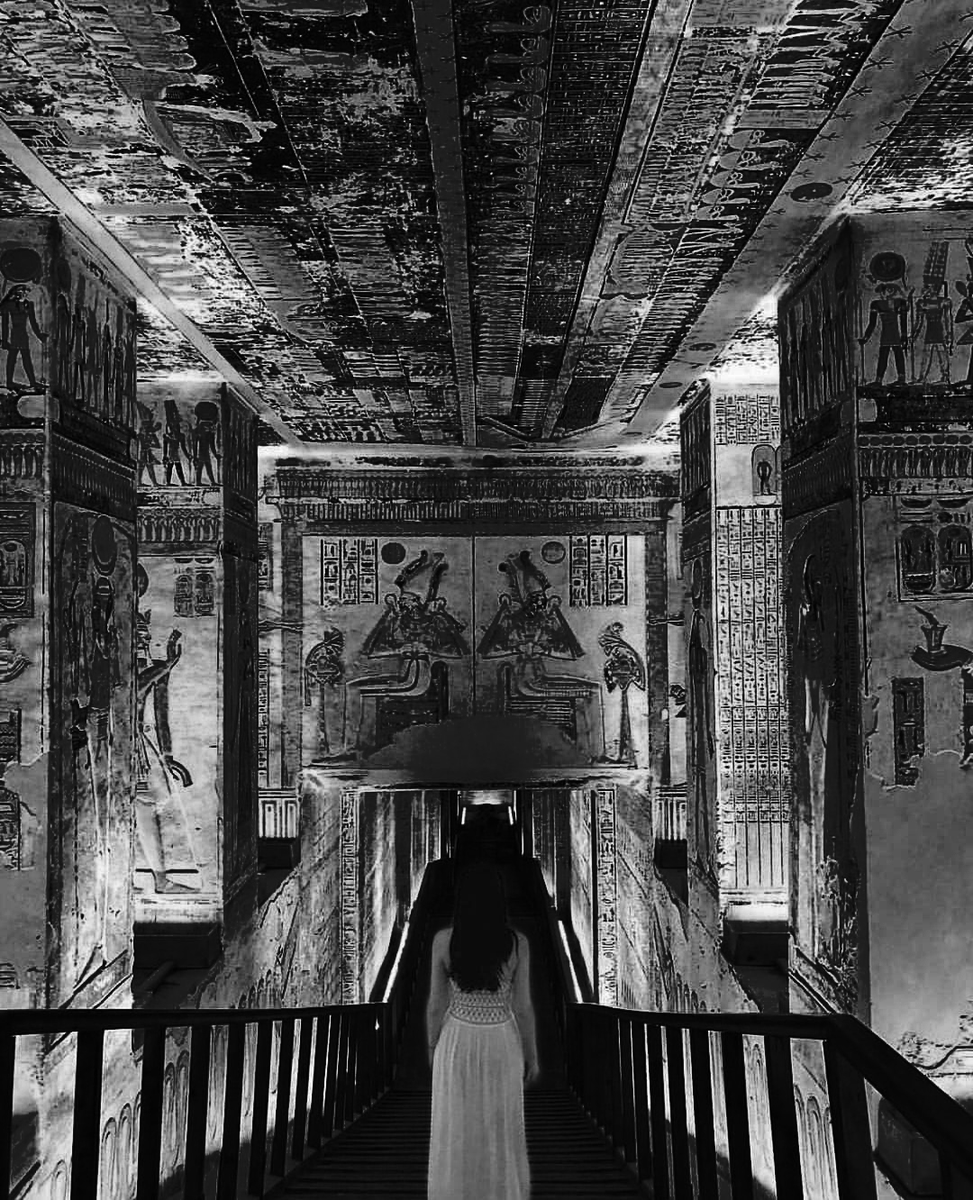 Before continuing, you should read the previous thread that explains what the Egyptian Underworld was.
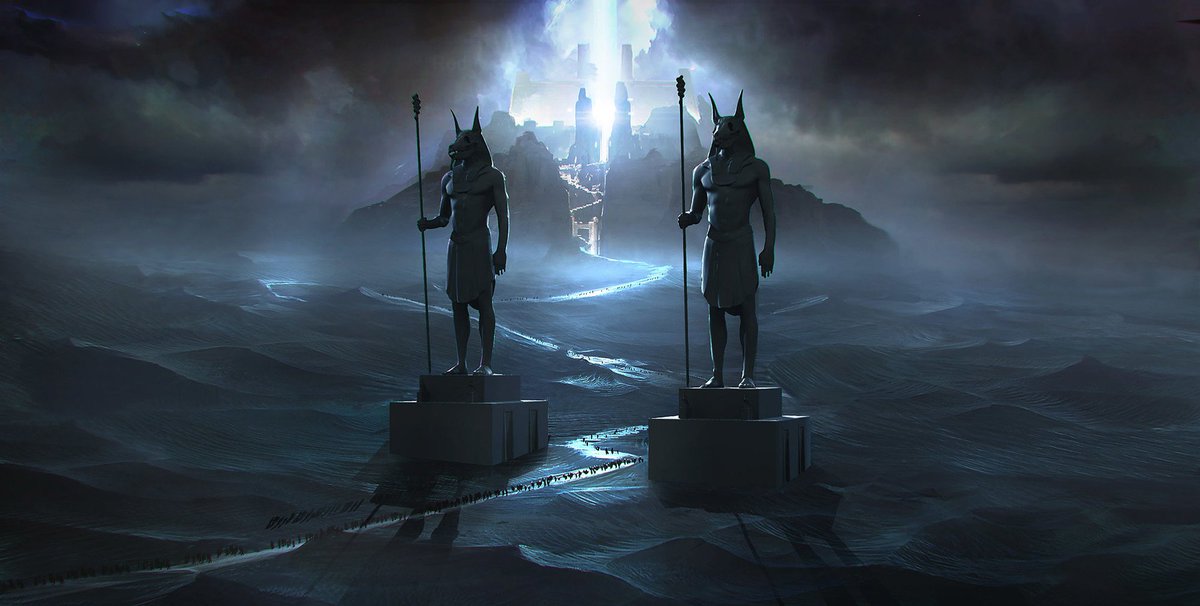 Dwat means “place of morning twilight,” the region through which one travels from the darkness into the light, or from the night into the day.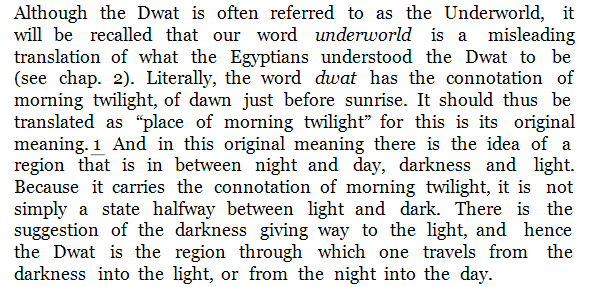
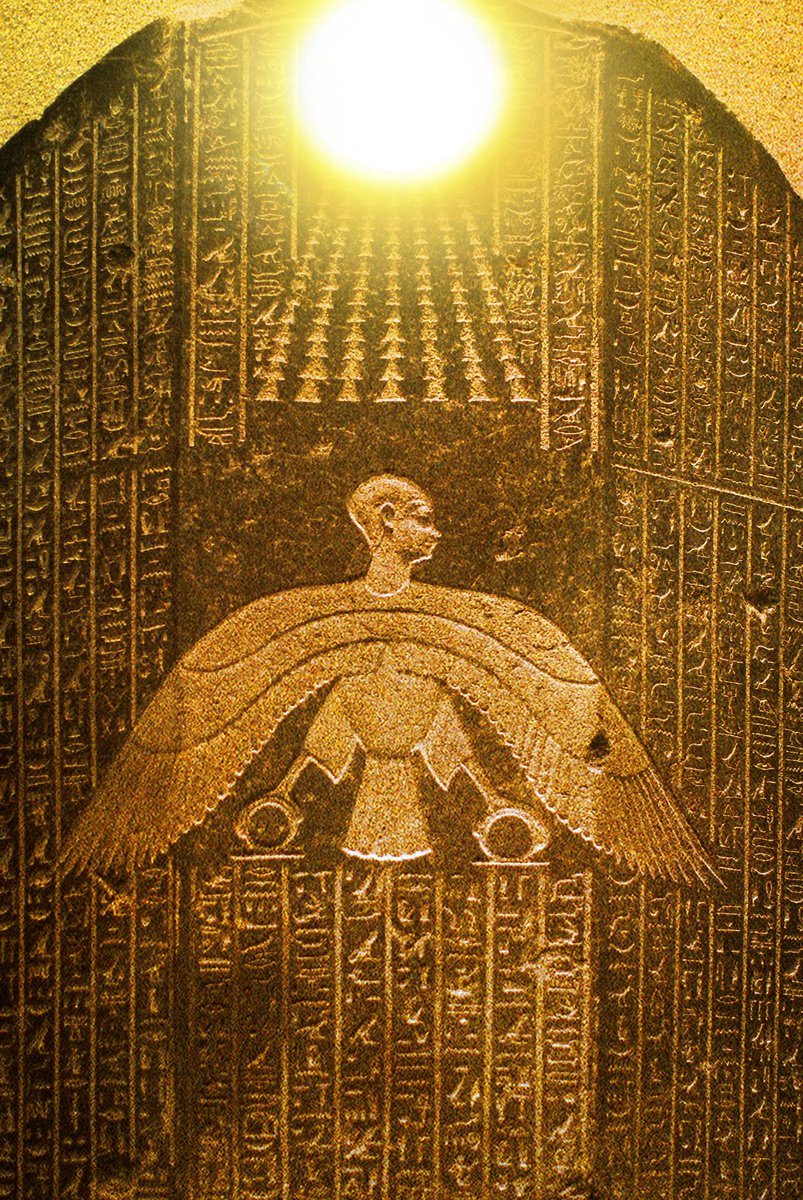 If the ba exists between worlds, the next level of psychospiritual existence has its natural home in the heavenly realm. The akh, sometimes translated as “intelligence,” comes into its own in regions of spiritual light.
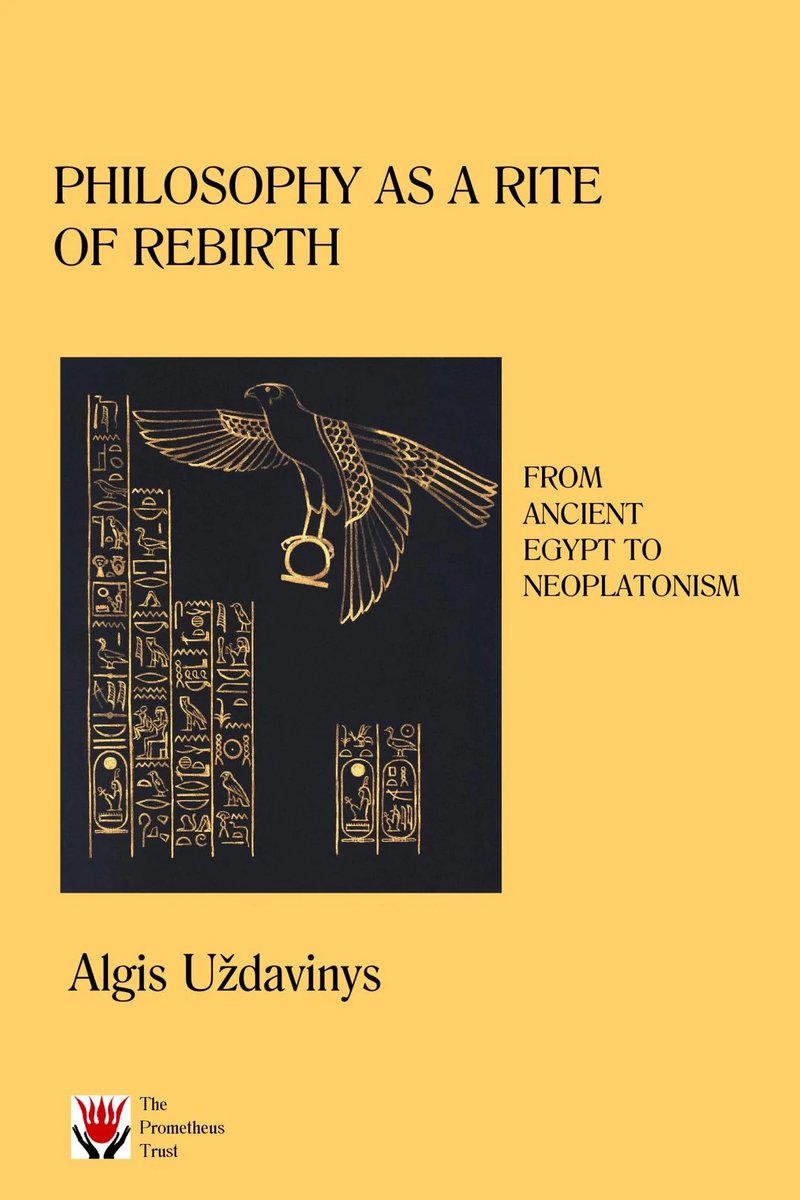
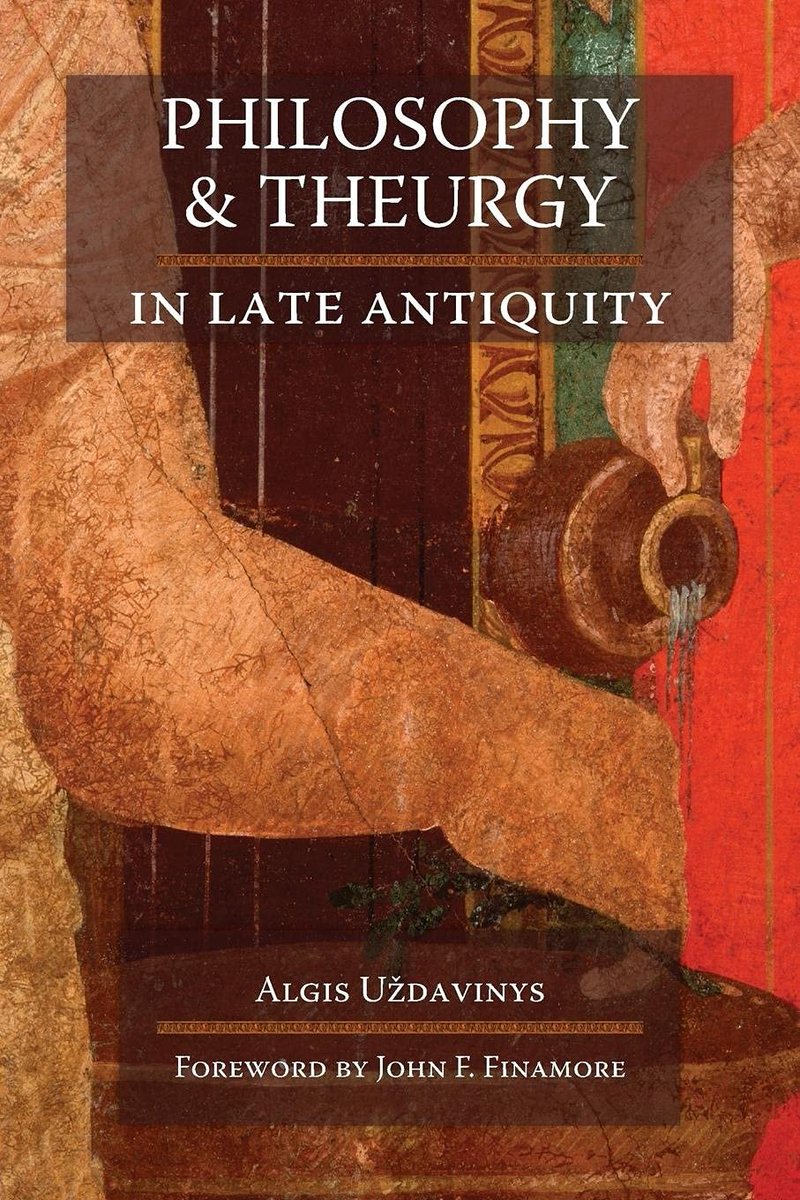
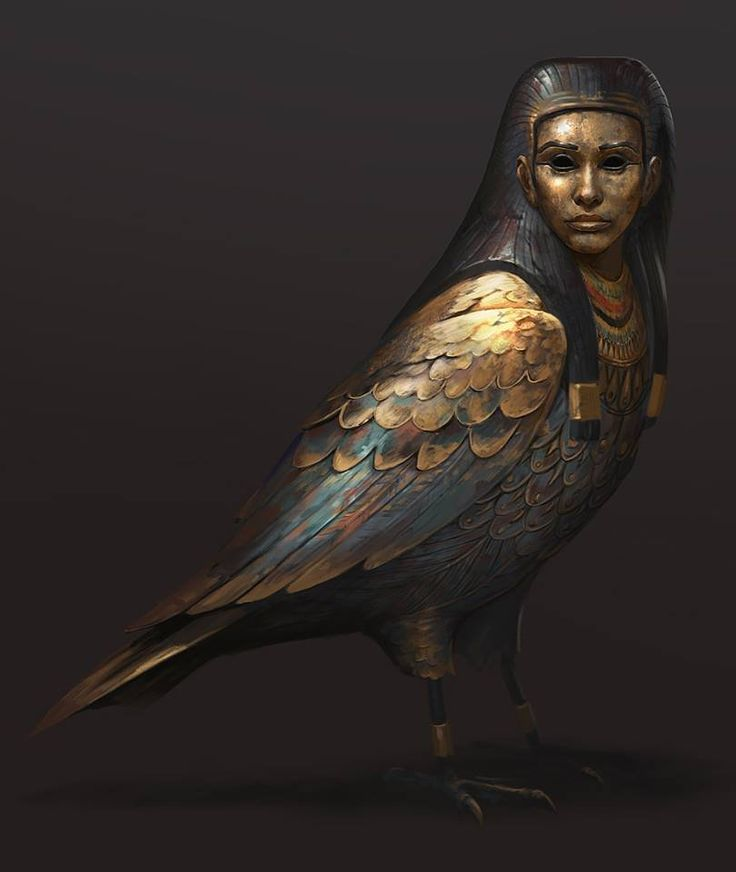 I made a thread on the ba few months ago, as explained by Algis Uždavinys' in his "Philosophy as a Rite of Rebirth," but this one will be more thorough.
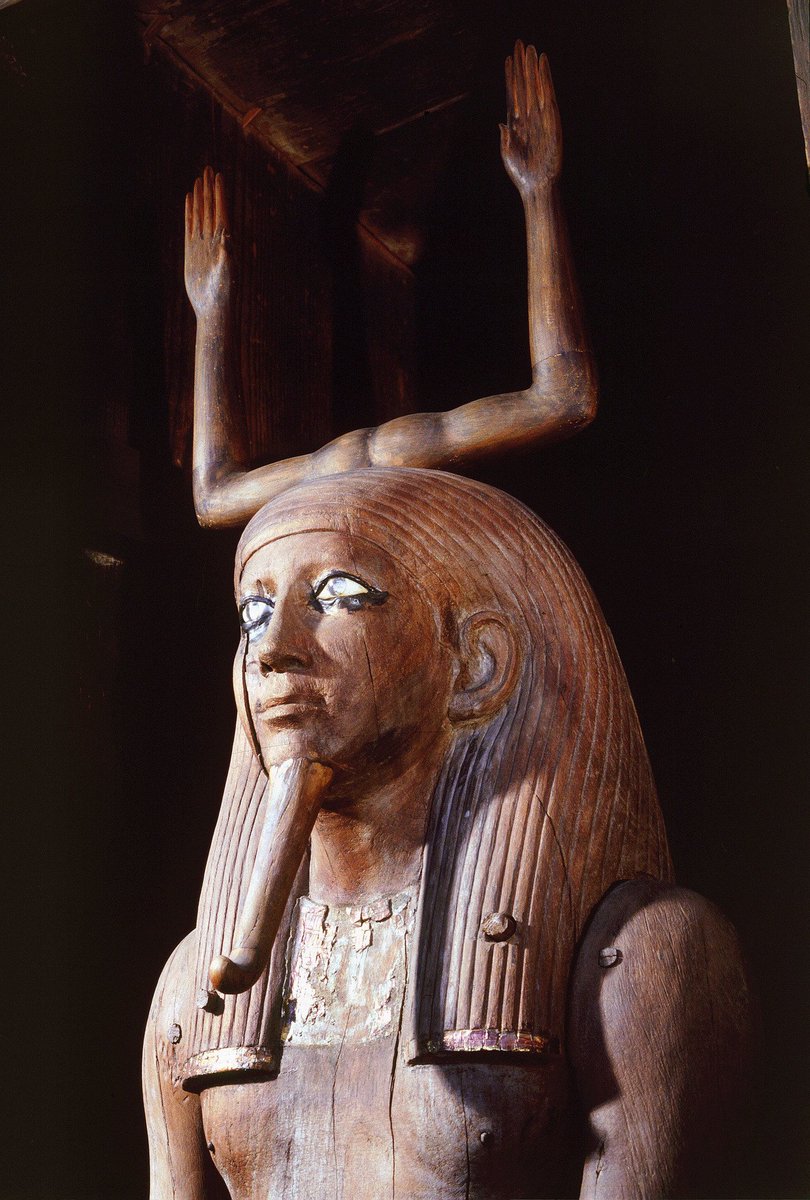 Ancient Egyptian religious literature describes states of awareness that in ancient Egyptian times were not usually attained in normal waking consciousness, but were experienced on a path of spiritual development toward self-integration and enlightenment.
 It is a striking feature of ancient Egyptian literature—both religious and nonreligious—that qualities of soul were very often located in parts of the body. Limbs, sense organs, internal organs, even teeth and bones, all seem to have been invested with psychic attributes.
 The nature that exists for the modern scientific consciousness is a nature that has no interior; it has no soul. Hence, all that occurs in nature has to be explained in terms of blind “obedience” to laws.
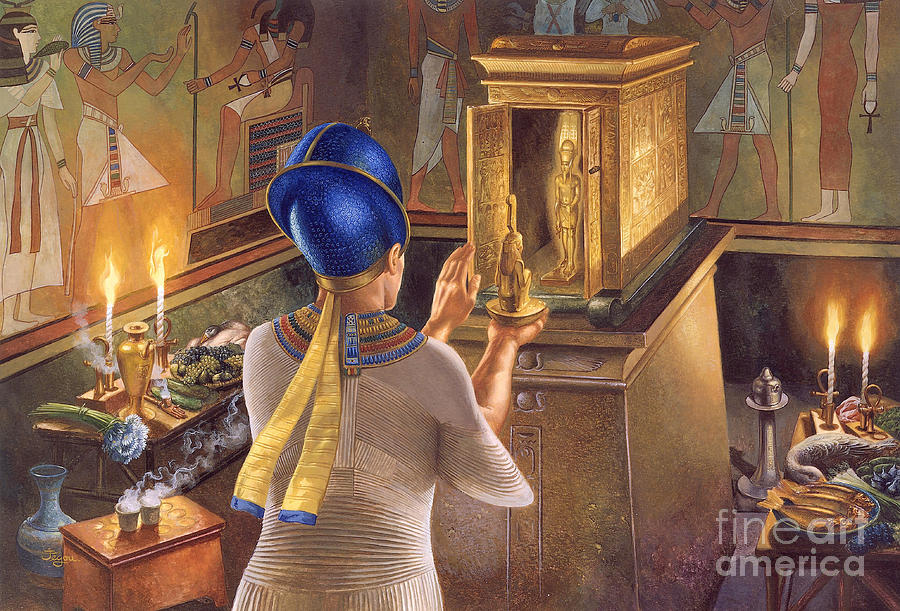 Magicians, who were totally familiar with, and expert at handling, divine energies, did not always have a supplicatory approach to the gods. Heka was prior to the gods and so a magician at one with heka was capable of exercising control over them.
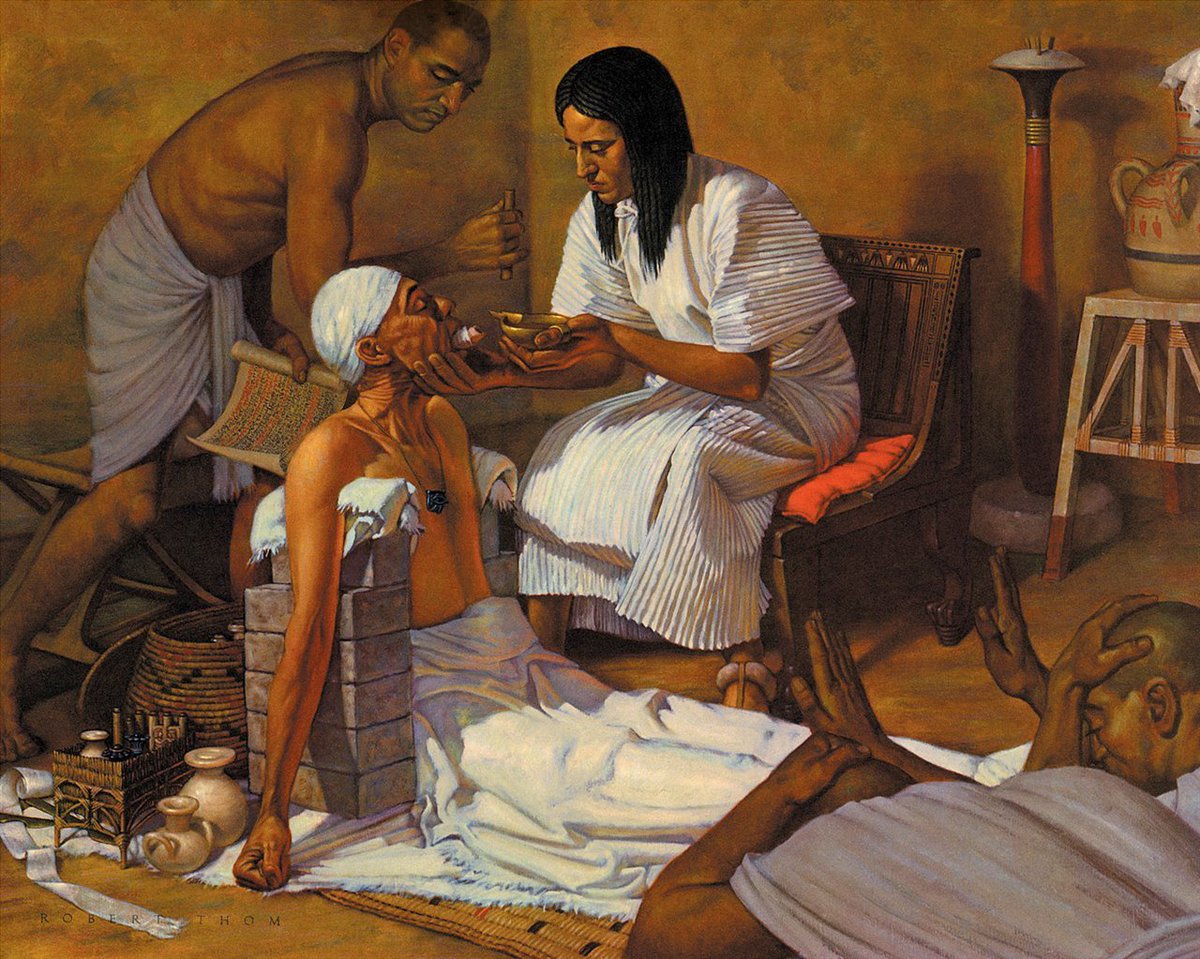 The psychic openness of the Egyptians to the spiritual influences that pervaded their world meant not only that a person could become possessed by a god, or absorb the specific qualities of theirs, but that there was also the possibility of becoming possessed by hostile spirits.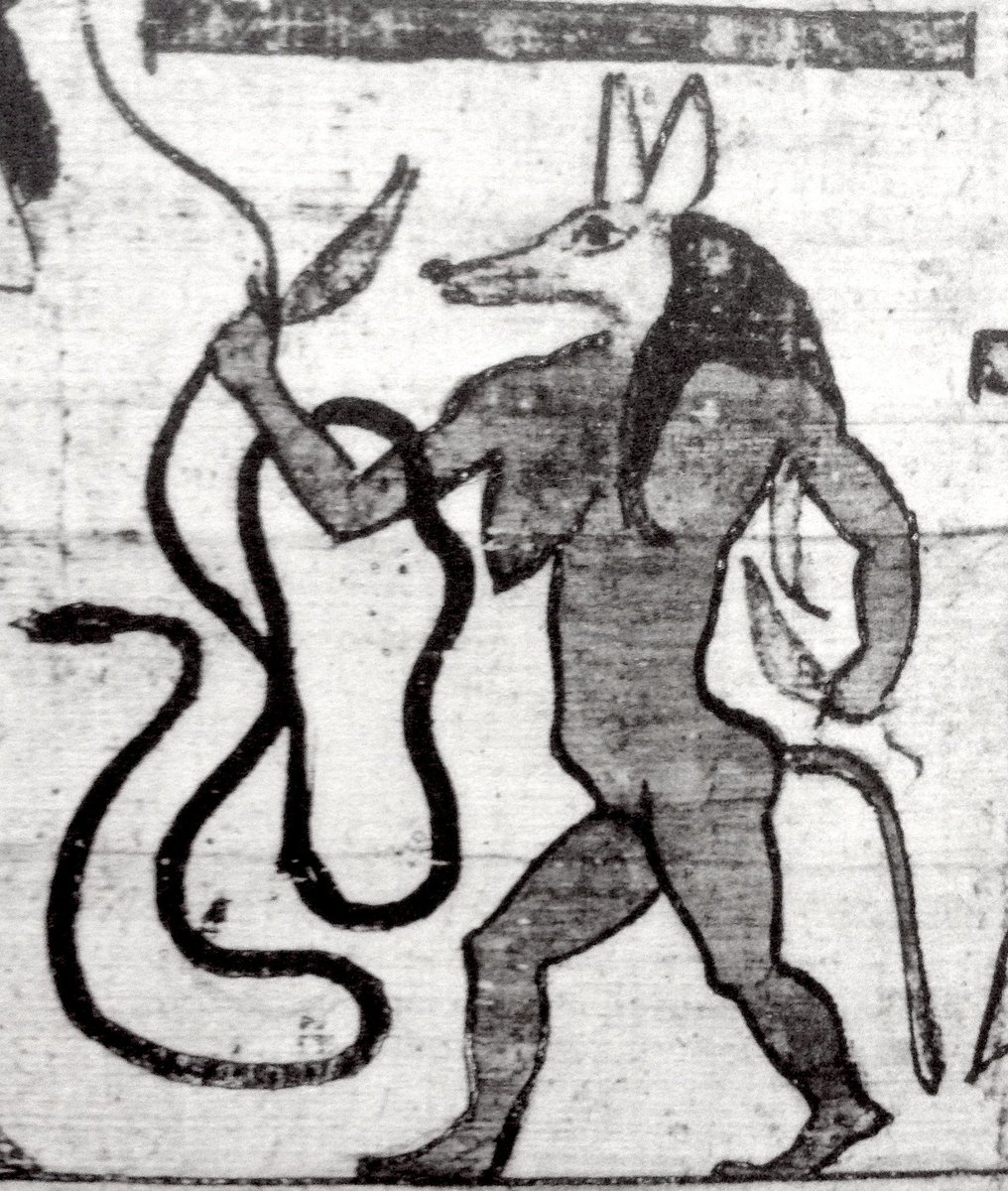
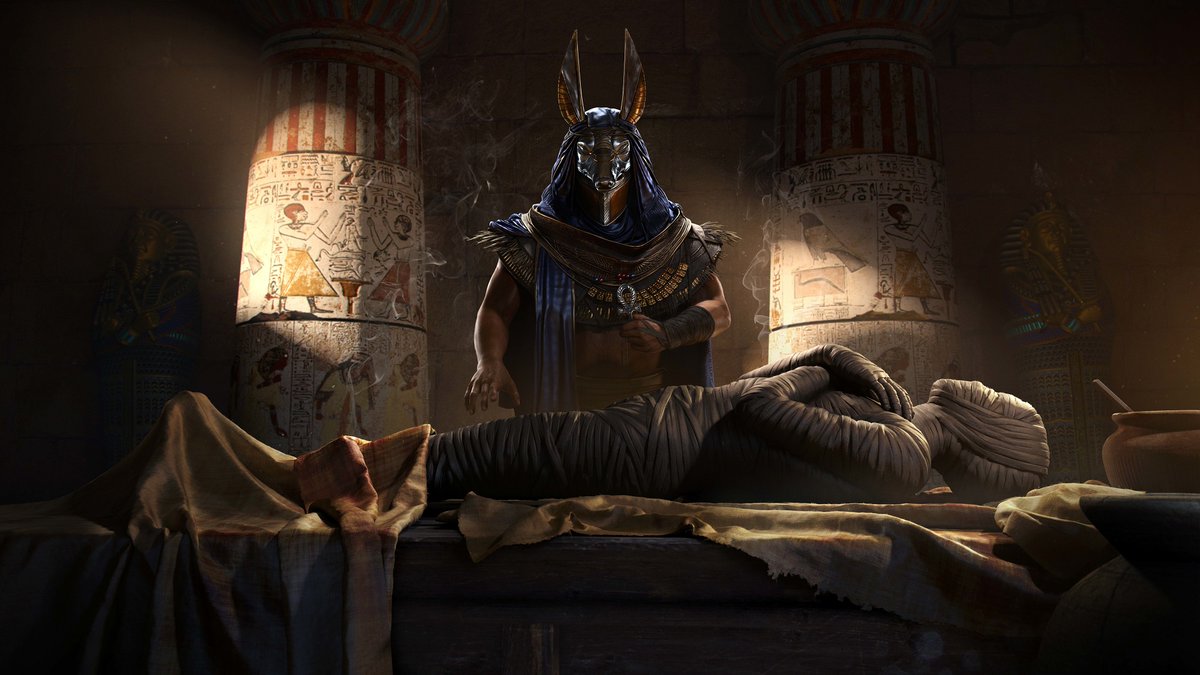 As we have seen, the defeat of the enemies of Egypt required the affirmation both that Apophis was manifesting in the guise of the enemy and that Ra was manifesting in the guise of the king.
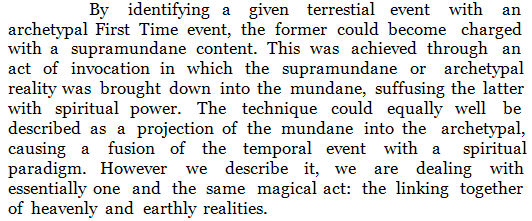
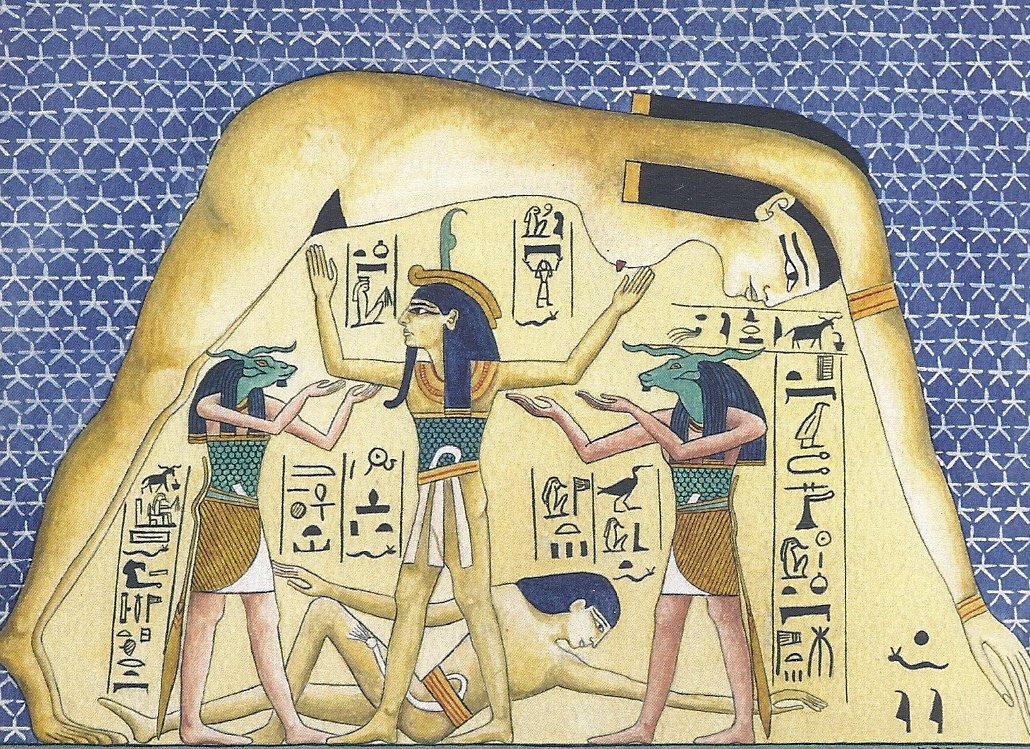 By the First Time, the Egyptians meant the nontemporal realm in which archetypal events enacted by the gods take place. The First Time is the realm of myth, and hence of spiritual realities more powerful than anything merely physical.