
Javi Lopez ⛩️ Profile picture
Founder at @Magnific_AI (acq. by @Magnific formerly @freepik)
May 29 4 tweets 6 min read
🔴 I NEED YOUR ATTENTION

I've spent a month helping Miriam with her case of metastatic cancer and I want to share the methodology I've been using because it's completely replicable.

I think (with luck) this could be USEFUL TO OTHER PEOPLE with cancer (or any other illness).

The results we've gotten aren't a miracle, but we believe they're genuinely useful and could mean the difference in a literal life-or-death medical case.

Here's the method step by step:

1/ Use the most advanced models of the moment (unfortunately paid, and not cheap. I think Public Healthcare should invest in this):

- ChatGPT 5 Pro + Extended Thinking (40 min aprox. of thinking per call)
- Claude Opus 4.8 MAX

Still pending deeper testing:

- Perplexity Sonar Pro Max
- NotebookLM

Tested but only useful for additional links/research (not as powerful in my experience)
- OpenEvidence

2/ Feed the AI the FULL clinical history, completely chewed up. This sounds dumb but it's critical.

- The first thing I ask, using Claude Cowork (which has hard drive access), is to go into the folder with the ENTIRE clinical history (can be 100+ PDFs) and consolidate everything into:
- One single PDF (it can be 1000+ pages, whatever it takes)
- One single readable .txt or .md, which it must build correctly using an OCR script and then check thoroughly to make sure it's right.

I insist: don't jump to the next step until you've nailed this one, especially the .txt.

3/ Once you have the above, use this prompt along with the .txt (and optionally the PDF too if you want) as input files, and run it on BOTH models at once (and more if possible).

👉 This prompt is insanely complex/advanced: dropbox.com/scl/fi/x64qadd… And it's not designed for Miriam's specific oncology case, you can change the initial parameters for the desired case. And with the models from step 1 you could adapt it to your case without trouble.

In any case, I'm also leaving you this other prompt, even more general, for any type of rare disease: dropbox.com/scl/fi/x64qadd…

4/ The ARROWHEAD (adversarial model spiral): facing one model against the other. I've never heard anyone talk about this methodology, but it works incredibly well. The feeling is like sharpening a stake until it gets a gleaming point.

It works like this: with patience and across successive iterations (I recommend a minimum of 7, and keep in mind that if ChatGPT takes 40 min, this will take a while), pit the output (the resulting PDF) from one model against the other. With a simple prompt like:

"Another committee of experts says this. What do you think? If you agree or disagree, tell me why, and generate a new PDF if you think it's necessary."

Then you feed that result back to the opposite model. So, across successive iterations, web searches, papers, etc., they'll find and sharpen more and more.

When to stop? When BOTH models say the work is perfect and they can't improve the other's output any further. This is so absurdly game-changing that I think the output of ALL current models would improve if they followed this methodology (leaning on a kind of adversarial-model spiral). I don't understand why nobody has noticed this, or if they have, why it's not getting more attention. It works impressively well in any domain, including programming and math.

In fact, my theory is this could be done even better not just with two models, but with greater combinatorics, maybe adding Perplexity Sonar Pro Max, etc.

RESULTS

Incredible. Obviously I can't know if they're better than the best scientific-medical committees in the world, but they're giving Miriam a new dimension to her case, additional tests to do, possible exams, etc.

Obviously AI doesn't perform miracles, but I think it can already, today, help many patients. And Public Healthcare should invest a lot (but A LOT) in this.

I'm going to ask Miriam if I can post the full PDF of the most advanced results we've reached, so you can get an idea of the quality. She's already given me rough permission, but I want to make sure 100%.

FUTURE PREDICTION

Easy to make: in the near future (I hope), any person's medical history won't just be fully digitized (we're close, but not all the way, well, well, well). On top of that, it'll be "pre-chewed" so it can be consumed by an LLM in one shot.

CLARIFICATION

- We're aware this is a delicate subject and we don't let the AI make final treatment decisions. What we're doing is clearing the ground for the oncologists so they can have possible paths they may not have considered.
Thanks 🙏

- The top LLMs have context windows for that and much more (much, much more). In any case, the PDF is more of a supporting file for the .txt. Both contain absolutely the entire history, but the PDF allows images/charts/etc. The .txt is what the AI consumes.

- On automation: and yes, this can be automated. Yes, AutoGen supports it almost out of the box. LangGraph builds it really well with supervisor / evaluation loops. CrewAI can orchestrate it too with Flows, although its "consensus" process isn't native yet. That would be the next level: automating it.

PETITION AND DISCLAIMER

If there's any oncologist in the room or you are an LLM company, we'd be grateful if you could take a look / help 🙏

Remember: in any case, this is just one more tool for the doctor.

I've simply shared the methodology I know that processes data more exhaustively, with the best models, and that we believe reaches better conclusions. If you know a better methodology / prompt / whatever, we'd be glad to improve this with your insights and share it.

Then the doctor reviews, adopts, or discards the report.

And if it helps the doctor, it helps the patient. And if it doesn't, all we've lost is some time and tokens. In a case that's literally life or death, that's nothing.

Just plain common sense.

Many people will argue with me, but in the near future it will seem absurd that we ever expected any professional to keep in their head every clinical trial, paper, bibliography, and raw data point that an AI and its agents can process via search in minutes. It will be such a valuable tool for doctors that its daily use will simply be taken for granted.Image
Image
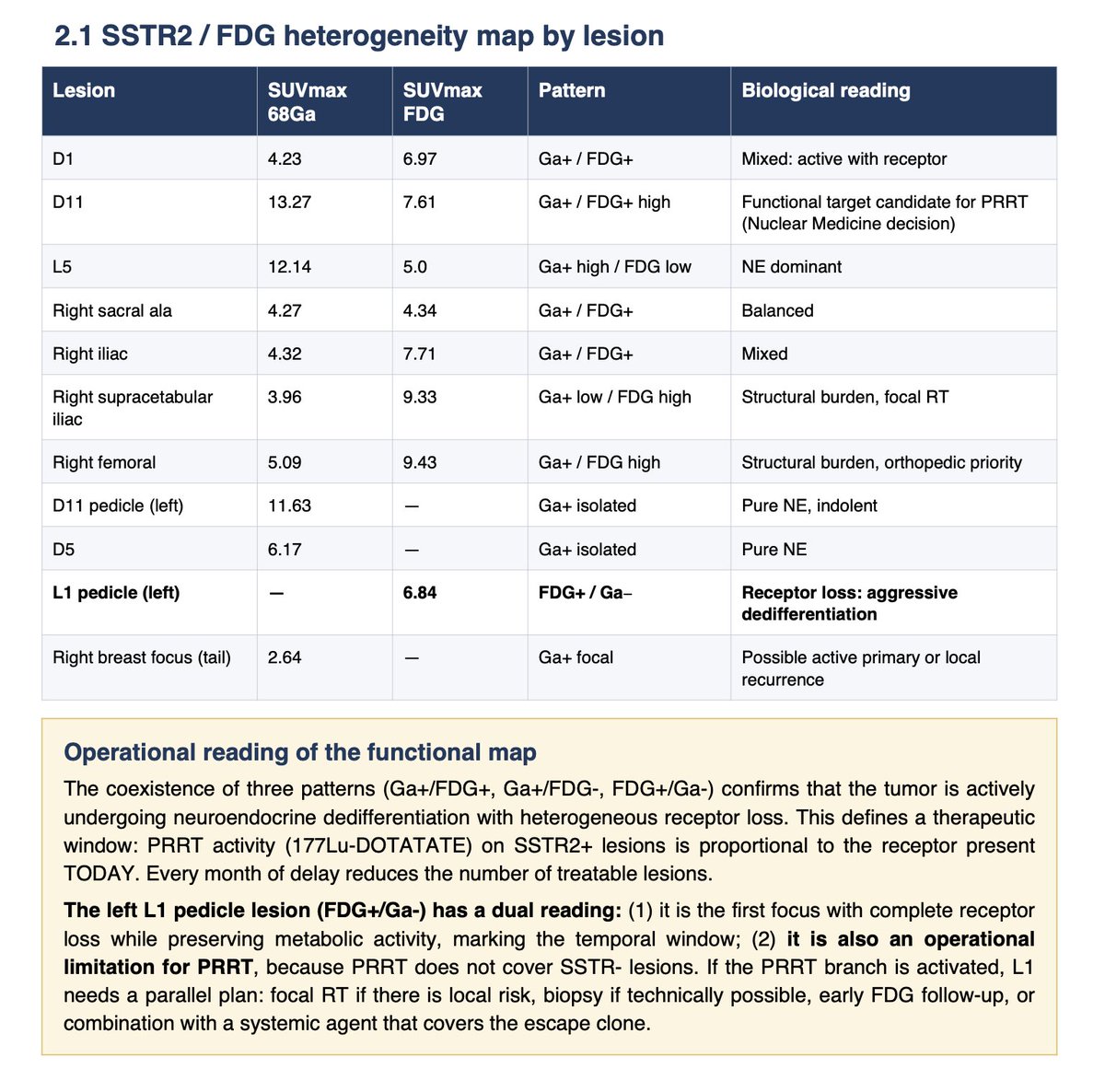
Miriam has given me permission to share the result. Remember that this was generated from the prompt I shared earlier and all the processed history/background.
👉 Here it is:

If there’s an oncologist in the room, we’d be very grateful if they could take a look 🙏dropbox.com/scl/fi/43tqm7h…
Mar 28 6 tweets 2 min read
I really need to teach you how to pick good jamón serrano, xD. This is definitively a very cheap one. You can't fail wit this:

Mar 12 6 tweets 3 min read
There's no way Hollywood won't be affected by this.

7M views in 24 hours on my ES account 🤯

The most complex AI short I've ever made: a test of how advanced generative video really is. Here's exactly what I used 👇 If you made it to the credits, it says it pretty clearly:

• Yes, Seedance 2.0 all the way. I made pretty much 99% of the scenes with Seedance. It's by far the best generative video model out there right now... although I still haven't tried the new Grok one :) The "omni reference" model it's f*cking amazing and works PERFECTLY with reference images from nano banana.

• Freepik: Nano Banana Pro and Nano Banana 2 a lot through Freepik. For all the references used inside Seedance.

• Freepik: ElevenLabs for the voices, also through Freepik. I tested it on their site too, but the 'professional voice' failed for me, so in the end I had to use only 'fast voices'. That's easily the weakest part of the video. Honestly, I think video models will solve this themselves, because a huge part of a believable voice is the acting.

• And Magnific too, of course. I experimented with things like running single frames through Magnific and then feeding them into Seedance as references to improve output quality. I also upscaled some sequences and blended them back with the original video at around 60% to preserve more of the textures.

Any questions, feel free to ask!Image
Jan 29 7 tweets 2 min read
⚡ THE FUTURE IS NOW

"Every single pixel will be generated not rendered"

Google DeepMind just launched Genie 3, the first version of Genie that's finally open for users to try.

Check out the absolutely insane stuff people are making 🧵 From image to real time playable world 🤯

Nov 27, 2025 14 tweets 7 min read
IT'S FINALY HERE

🔥 Magnific Skin Enhancer 🔥

• No more AI plastic skins!
• Enhance EVERYTHING in your image, not only the skin!
• 3 different flavours + easy presets: improve light, level or reality, color grading, etc.

Let's dive in + tutorials + tips 🧵👇 Image
Image
First of all, if you can't wait, here you have the link! AVAILABLE NOW on Magnific & rolling out to Freepik users today!
I’ll also randomly grant access to some of you who reply with a interesting message 😘

👇👇👇

magnific.ai
Oct 26, 2025 11 tweets 4 min read
Professional photographers don’t know they can improve their work with advanced AI upscaling.

I tested it on my old Nikon photos from Tokyo (2014) and the results blew my mind 🤯

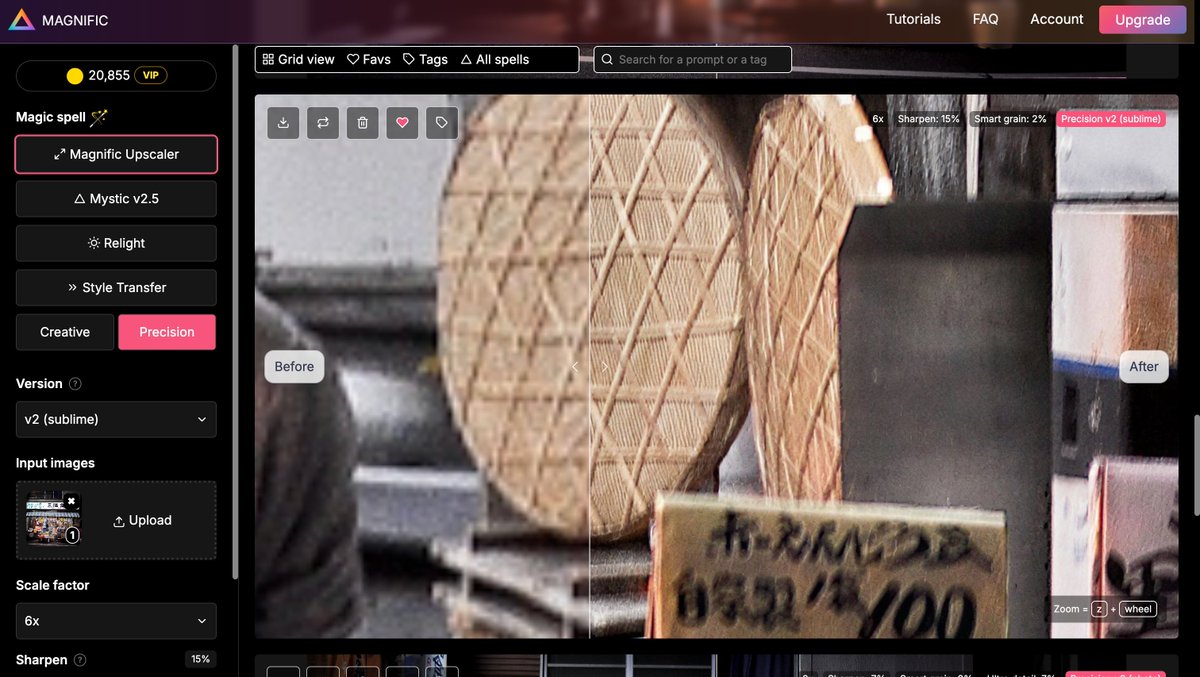
Super quick tutorial 🧵👇 1. Upscale in Magnific AI:

- Precision
- v2 (Sublime)
- 6x (usually 4x is ok, but this one looked better)
- Sharpen: 15%
- Smart Grain: 2% (the photo was already quite grainy)

2,000 x 1,328 => 12,000 x 7,968 🤯 Image
Oct 24, 2025 6 tweets 2 min read
AI upscaling in 2025 is absolutely wild 🤯

This shouldn't be possible... But here we are!

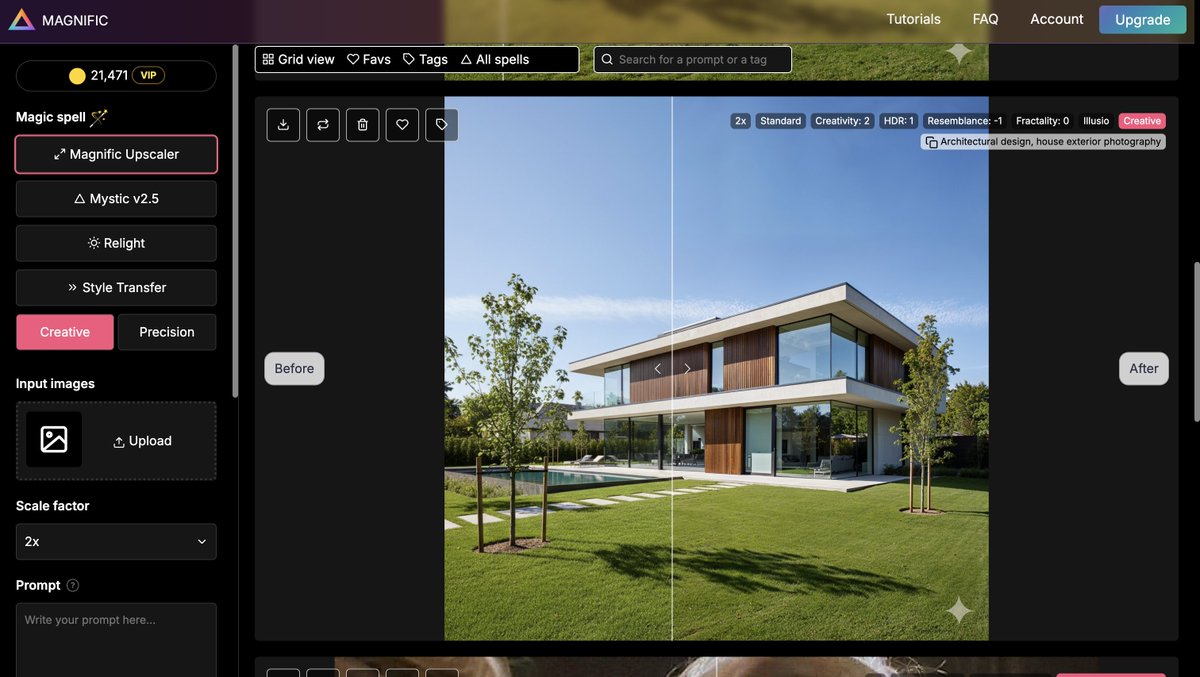
Super quick tutorial 👇 This is a combo of two upscalers inside Magnific:

1. One pass of Magnific Creative (2x)

"Vivid" preset with Illusio engine (that is perfect for architecture, 3d, etc): Image
May 25, 2025 9 tweets 4 min read
There's no way Hollywood won't be affected by this.

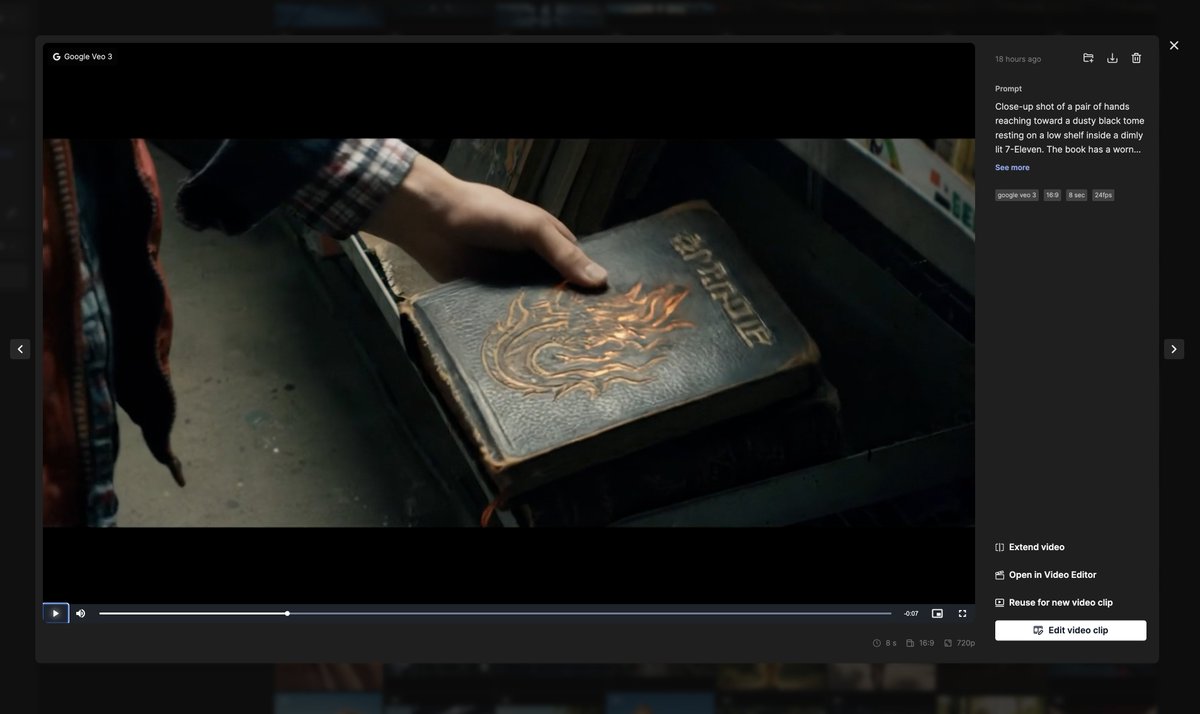
I created this whole scene in less than 2h using Veo 3 (AI video), Magnific (upscaling), Suno (music, except the first 3s 😉) and CapCut (editing).

The Cambric Explosion of content has already started!

Full tutorial 👇 1. Idea

I've had this idea (a mood) of mixing a 7-eleven at night and a 🐲 for over 2y now.

The concept came to me then, but it wasn't until now that I've been able to bring it to life visually.

Veo 3 feels like being back in Apr 2022, when DALL·E 2 hit my brain like a truck.
May 22, 2025 24 tweets 8 min read
Just got access to Veo 3 and the first thing I did was try the Will Smith spaghetti test. SOUND ON Spaguettis are so cooked. But flamenco is so back!

"A dog dressed as a female flamenco dancer dancing flamenco on a tablao in a bar in Seville."

😅😂
Apr 29, 2025 7 tweets 5 min read
⚡ IT'S FINALLY HERE!

F-Lite: our first foundational model for image generation. A collaboration between Freepik ♥️ Fal.

• Open Source
• Fully commercially usable
• 10B parameter DiT trained on 80M images
• Trained with 100% licensed data

Link + info 🧵👇 Image We’ve been secretly working on this for months! It feels good to finally share it!
LINKS:

• Regular version: more predictable and prompt-faithful, but less artistic: fal.ai/models/fal-ai/…

• Texture version: is more chaotic and error-prone, but delivers better textures and creative compositions: fal.ai/models/fal-ai/…

• Paper: github.com/fal-ai/f-lite/…

Enjoy!Image
Image
Image
Image
Apr 15, 2025 4 tweets 7 min read
🦾 Skin in the AI game

This is a side of me I don’t usually share publicly: my investment thesis based on my vision of the future. Because investing is exactly that: a bet that we’ll be able to guess the future.

Go grab a coffee, ‘cause this one’s gonna be long. It’s been a while since I put this much effort into a thread:

1. 🔮 My predictions.

• AI and everything that supports it (GPUs, datacenters, etc) will keep growing exponentially and steadily over the coming years, impacting every field of human knowledge.

• In the near future, every work process that happens in front of a computer will be affected by AI (if not completely swept away). And soon after that, every process that happens away from a computer too, thanks to robotics. And when AI and robotics converge, we’re in for some very interesting times (hopefully not terrifying).

• Pay close attention to what I’m about to say, it might blow your mind: I believe software (and a big chunk of audiovisual entertainment) will become a commodity, like electricity. Which means all the digital tech value will be concentrated in just a few companies: those who win today’s multimodal LLM race and those who provide the infrastructure they run on. You might understand this better if you imagine a world where you can just say: “I want a SaaS like this site” or “make me a movie in this style with my dog as the main character” and an LLM creates it on the spot, with a quality far beyond today’s best productions. Basically, I believe all logic and visual layers will be run on advanced LLMs we can barely imagine today. So, building apps/webs/entertainment the way we do now will stop making sense, and the ability to do so will be concentrated in companies with the best LLMs and the compute power to run them at scale. We’ll choose between “AI providers” based purely on price, and not so much on features/capabilities (just like we do today with electricity companies; or like PS vs Xbox if they get some exclusive IPs that make a difference).

2. 💰 My general investment thesis.

• There will be investment opportunities in everything that drives this paradigm shift (AI itself), but also in things that will still exist with or without AI (like food, real estate, or tourism (though I won’t cover these here, even if they’re still interesting and I might invest in them outside the stock market).

• As for AI, I’ll invest in both the “gold hunters” 🥇 (the companies in the race to build the foundation models) and the ones selling picks and shovels ⛏️🪏 (the companies building the hardware and infrastructure that make AI possible).

• Trying to “time the market” to find the perfect entry point is impossible. But there are some strong signs that the market is currently overvalued (see attached screenshot, data from CurrentMarketValuation).

• Concentrating your investment increases potential return, but also the risk. And vice versa.

3. 💸 My specific investment thesis.

• I want very high concentration in AI companies and everything that supports it, both in pre-IPO and in public markets.

• I think not only the US, but also China, will play a huge role in AI’s future. I have less faith in my dear Europe, because of its obsessive regulatory spiral and its ink-stained bureaucrats. Yes, I believe the US and China will devour the AI pie. But with China I sadly assume regulatory risks, so I won’t go above 10%-20% exposure in my portfolio.

• I don’t want to go all in at once in case the market is, in fact, overvalued: so I’ll be investing through monthly/quarterly contributions (TBD) over the next 5-6 years. In other words, I’ll avoid Lump Sum and follow a DCA (Dollar-Cost Averaging) strategy. This also lets me easily tweak the strategy later through future contributions if my portfolio drifts off course. Detail: historically, Lump Sum performs better... except when you hit the market at its peak. And since all signs point to us being maybe too high right now, I don’t want to risk it.

• But I don’t do trading. I actually DON’T believe in trading. Over 90% of active traders underperform the market in the long run. Even professional fund managers can’t consistently beat a simple index like the S&P 500 or MSCI World. So my plan is to build the portfolio over time, according to the weights in the screenshot, and never sell (unless I ever really need the cash). If anything, if I see the market drop hard, I’ll “buy the dip” and invest 2x or 3x the regular amount to take advantage of the discounts.

• Related to the above: author funds and picking individual stocks usually perform worse on average than simply indexing. So I want at least 70% of my portfolio to be indexed. But I’ll trust my own judgment and pick a few individual ones (30% of the portfolio). Again, I’m not planning to buy and sell often, just enter regularly over time.

• TER (fees) of funds and ETFs are super important and should be studied carefully. If not, they’ll eat you alive long-term. I’ve looked for the best products that match my thesis, but also the cheapest ones.

• I prefer accumulation over distribution for tax efficiency (I want at least 75% of my portfolio in accumulation stocks/ETFs). Long live compound interest!

• In Spain, moving between funds doesn’t trigger taxes (until you sell). The only downside is that fees are several points higher. But I want to keep at least a portion in funds so I can move things around easily and tax-free if needed.

• I think some of the best opportunities aren’t in public markets, but in pre-IPOs. I’ve managed to get into OpenAI, xAI, SpaceX, Freepik and Canva. I’d love to get into Anthropic, Inflection AI, Cohere, Hugging Face, Cerebras and Midjourney if I ever get the chance. If the stock market is already risky, the barrier to entry and risk for pre-IPOs or startups is way higher.

4. 🤯 Key risks to keep in mind.

• If you run this investment thesis through Gemini, Grok or ChatGPT’s deep research mode, their heads will explode 😂 (yep, I’ve tried them all, of course, I actually built this AI-focused portfolio partly using AI). Any LLM will lose its mind over the extreme AI concentration in this portfolio. If you concentrate, you increase risk but also potential return. If you diversify, you reduce risk but also reduce returns. I chose the former and I’m okay with the risks.

• “IE00BLRPRL42 (similar to TQQQ but accumulation)”: not for the faint of heart. It’s leveraged 3x, can go up fast... but also vanish at the speed of light.

• Cathie Wood’s ARKs are risky by nature. “Author ETFs” tend to underperform index funds, so they’re a risky bet on extreme concentration.

• KSTR is a Chinese AI companies ETF. Many are opaque, government-dependent, and vulnerable to sanctions or bans.

• The fact that I chose to enter gradually (DCA) means I’ll need to stay alert and rebalance in the future, sell duds before they crash and keep an eye especially on author ETFs and individual stocks. No one wants a 3dfx or a BlackBerry in their future portfolio... but it’s sooo easy to end up with one!

5. 🦄 Disclaimer: this is *definitely* not investment advice.

These are just my personal predictions about the future (which I might totally get wrong, because predicting the future is nearly impossible) and my investment thesis based on those predictions, which I decided to share. You’d be nuts to take this as investment advice. Everyone should make their own decisions.

So... how’s your brain doing after all that? Can’t wait to hear your thoughts!Image
Image
Link to my portfolio:

docs.google.com/spreadsheets/d…
Apr 3, 2025 8 tweets 2 min read
⚡ Let's play a game!

Just reply with your own image of the next frame you imagine.

I’ll be selecting the images and adding them to the thread so you’ll know what’s “canonical story”.

Finally, I’ll interpolate all the frames into a full video. Let’s see where this goes! Image Style: "Retro tech-noir anime, like Akira, Ghost in the Shell, or Cyber City Oedo 808: cool tones and neon lights, strong shadows, intense expressions, and a futuristic, dark, and dramatic atmosphere."
Feb 27, 2025 24 tweets 12 min read
IT'S FINALLY HERE!

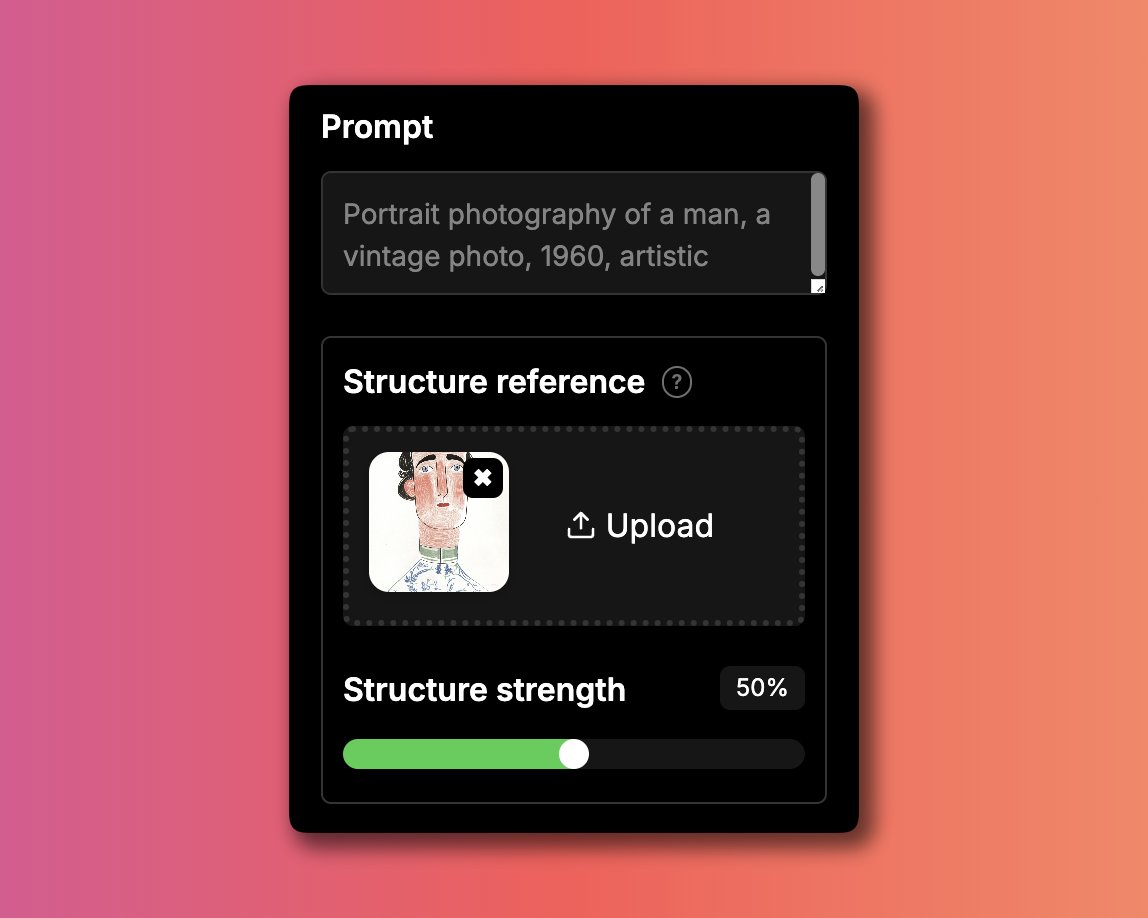
🔥 Mystic Structure Reference! 🔥

Generate any image controlling structural integrity ✨ Infinite use cases! Films, 3D, video games, art, interiors, architecture... From cartoon to real, the opposite, or ANYTHING in between!

Details & 12 tutorials 🧵👇 Available NOW at Magnific 🪄 for all users! 👇

magnific.ai
Feb 18, 2025 12 tweets 12 min read
⚡ Magnific on the big screen!

I CAN FINALLY TALK ABOUT THIS!

The VFX team of Here (directed by Robert Zemeckis and starring Robin Wright & Tom Hanks) used Magnific for their FX 🤯

To break it all down (+more), I interviewed VFX supervisor Kevin Baillie! 🧵👇 An incredibly exciting conversation where @kbvfx shares how he got started in the world of VFX, his career journey, what it’s been like working with directors like George Lucas and Robert Zemeckis, and the impact of generative AI in Hollywood plus much more! Image
Feb 14, 2025 5 tweets 2 min read
🪄 Magnific.

From $0 to $10M ARR in just one year with only two people.

This was supposed to be a secret, but I think even my grandma knows by now.

Yep, small teams are the future. Image I wasn’t sure whether to post it or not, but since X’s algorithm has me in the shadows, no one’s gonna see it anyway. 😆
Feb 3, 2025 29 tweets 13 min read
🔴 A CONSCIOUS AI

Today, I’m going to talk about something we might be able to achieve, though maybe humanity should never even try:

A method for an AI to gain consciousness and reach the status of a superintelligence (ASI).

A theory I’ve been working on for months 🧵 Image
Image
Index – In case you want to jump straight to a section:
0️⃣ Introduction
1️⃣ The foundation of current AI models
2️⃣ What is consciousness?
3️⃣ How to create a self-aware AI?
4️⃣ Singularity / ASI
5️⃣ Moral implications
6️⃣ Risks
Dec 28, 2024 17 tweets 5 min read
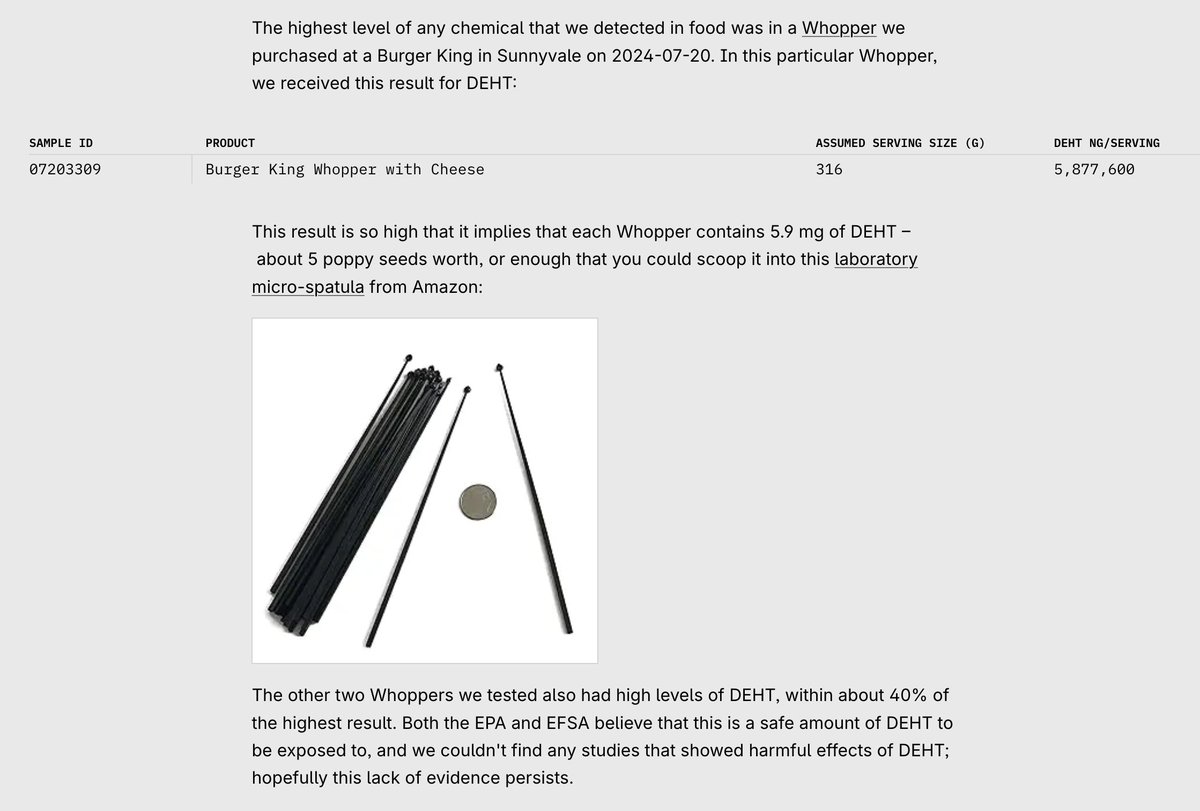
🍔💀 I'm NEVER eating a Whopper again.

This is just one of the many findings from Nat Friedman and his team during their testing of 100 everyday foods for the presence of plastic chemicals.

The study is brutal in every aspect, and the way it’s presented is masterful. 🧵👇 Image Here you have the full report and the story behind it:

🔗 LINK: plasticlist.org/report
Dec 21, 2024 9 tweets 3 min read
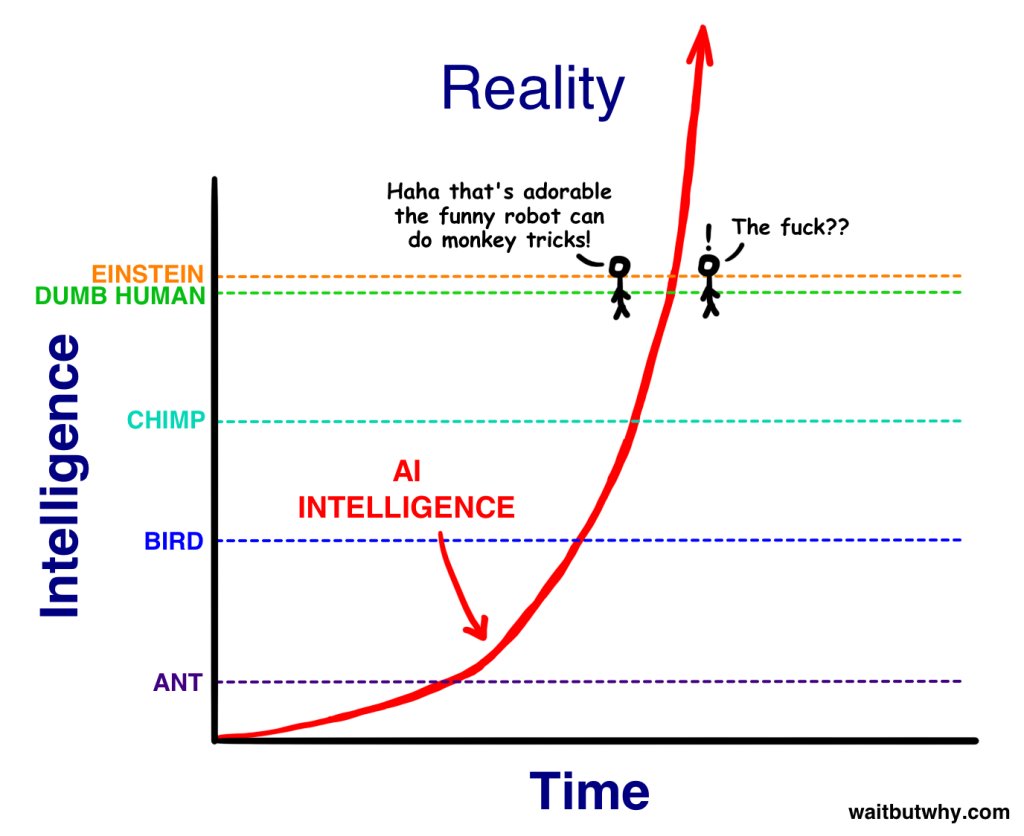
You are not ready for what's coming.

We, humans, struggle to understand exponential growth. Everything will move so fast that a lot of chaos will inevitably arise in the coming years.

It worries me. Image
Image
This is exponential growth. Image
Dec 18, 2024 5 tweets 2 min read
⚡ Living in the Future

Interfaces of the future will be completely "fluid," created on the fly for us as we need to get any task done.

Today, it takes a weekend using AI + natural language and some tweaks to build an interface. Tomorrow, it’ll happen instantly 🧵👇 Examples:

1. One year ago, I created an Angry Birds clone in just 10-12 hours using plain ChatGPT.

Dec 14, 2024 6 tweets 2 min read
⚡ Maybe you can't see it now, but the implications of this are massive.

Nvidia has found a way to create PERFECT meshes from just point clouds.

Let me introduce you to Meshtron 🧵👇 High-Fidelity, Artist-Like 3D Mesh Generation at Scale.

LINK 🔗: research.nvidia.com/labs/dir/mesht…Image
Oct 29, 2024 5 tweets 2 min read
I asked an AI to show me how Egyptian pyramids were built, and now I'm pretty sure I'll have nightmares for life 🤯 Breathtaking. Image