Jason Lyall Profile picture
Political scientist @Dartmouth. Director, FieldLab. Carnegie Fellow. Inequality, violence, aid. Author, DIVIDED ARMIES (2020, https://t.co/xfKQliT672). 🇨🇦 #FirstGen
Mar 1, 2022 4 tweets 2 min read
A few extra points on morale and military effectiveness:

1. Armies with low morale can still fight & win wars. They ramp up efforts to monitor their soldiers, slow info flows between units, & simplify tactics & operations to maintain cohesion, becoming blunt instruments 1/4 2. They can also become extremely coercive toward their own soldiers to force them to fight. There is a long history of violence by Soviet/Russian commanders against their own troops.

papers.ssrn.com/sol3/papers.cf…
Nov 20, 2020 10 tweets 4 min read
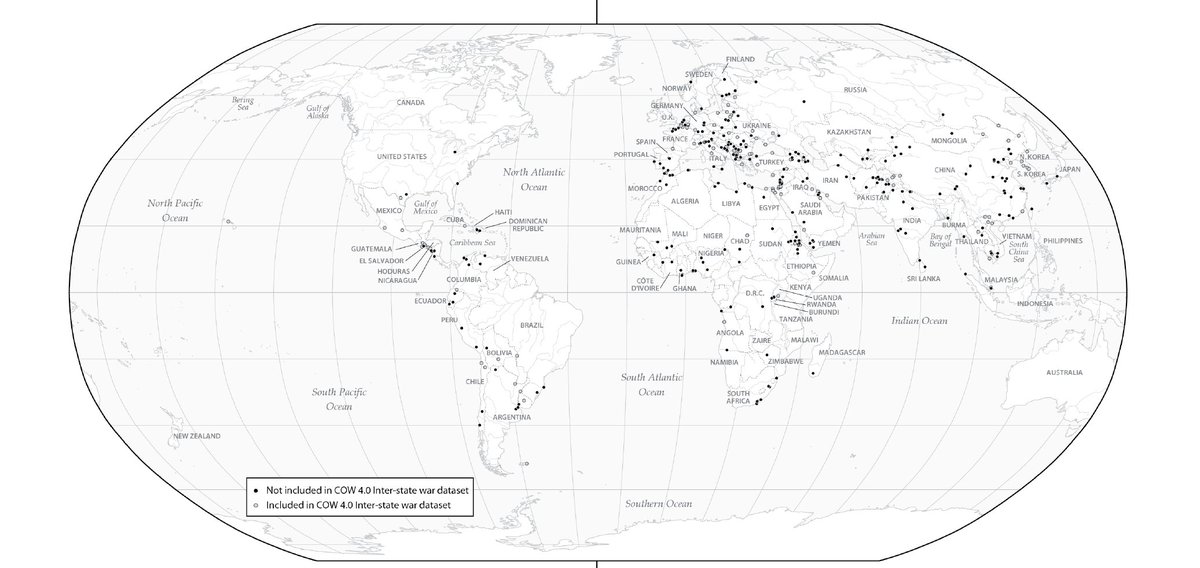
Recent scholarship has called attention to how Western-centric biases shape our understandings of war --- including which belligerents & wars matter for our studies.

A quick thread, drawing on data from my book, Divided Armies. 1/10 The exclusion of non-Western cases from our studies of war amounts to a wicked selection bias, as noted recently by @kelly_zvobgo & @meredithloken, @Prof_BearB, & @daveckang 2/10

foreignpolicy.com/2020/06/19/why…

washingtonpost.com/politics/2020/…

duckofminerva.com/2020/08/we-all…
Jun 13, 2020 12 tweets 3 min read
My new @PrincetonUPress book, "Divided Armies," examines how inequality within armies has decided their battlefield fate over the past 200 years.

I wrote a short piece for @ambassadorbrief that outlines the argument & the new data that underpins it

THREAD /1 Conventional wisdom has long held that victory has gone to armies with the most soldiers, the best technology, or the most productive economies.

I challenge these accounts in several ways:

/2
May 1, 2020 11 tweets 4 min read
In the spirit of bridge-building, I thought I'd offer a quick thread on six terrific new military histories that political scientists who study military effectiveness (and political violence more broadly) should add to their pandemic reading pile 1/10

THREAD (Also, we should heed Barry Posen's advice:

"Read, read, read. Read diplomatic and military history. It's good for your head and it gives you a lot of raw material for thinking about both policy questions and theoretical questions.")

mei.edu/events/middle-…
Feb 11, 2020 11 tweets 6 min read
It's here! It's really here! My new book, Divided Armies, is now available from @PrincetonUPress as an e-book, soft-cover, and hardback.

Let me tell you a bit about the book. THREAD 1/11

amazon.com/dp/0691192448/… What's it about? In a nutshell, I try to explain the battlefield performance of belligerents in modern wars since 1800. Lots of great work has focused on relative power, technology, regime type, or civil-military relations.

I take a different tack.
Sep 10, 2018 7 tweets 2 min read
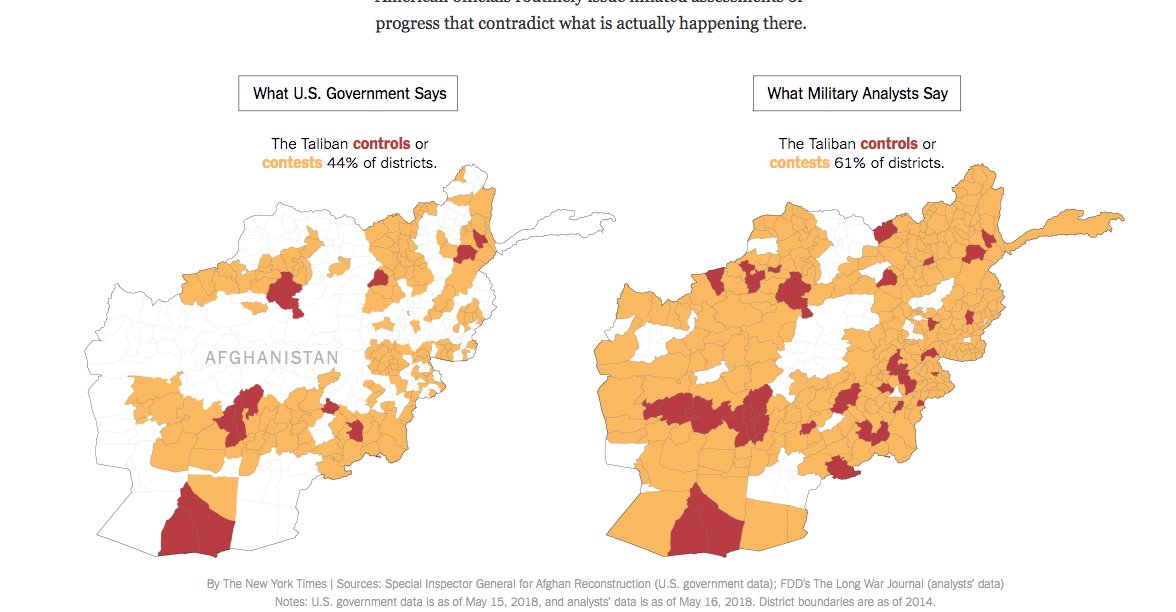
Wasn't going to comment on this story, but have been nudged by a friend. So, some thoughts on Afghan data, from someone who's spent the past 7-8 years measuring attitudes and control in Afghanistan (thread) nyti.ms/2NY0J2C (1) The mismatch between official and external estimates of control is not surprising. It's doubtful that ISAF/RS has had fidelity to estimate district level control since 2011-12. No serious researcher would place stock in ISAF/RS estimates (and hasn't for years)