
Akshay Jogani Profile picture
Identifying great businesses & operators | Cofounder - @XponentTribe (SEBI reg PMS), prior - Public Markets @WhiteOakCap, PE/VC @ Multiples PE | Alum @ISBedu
Apr 25 10 tweets 4 min read
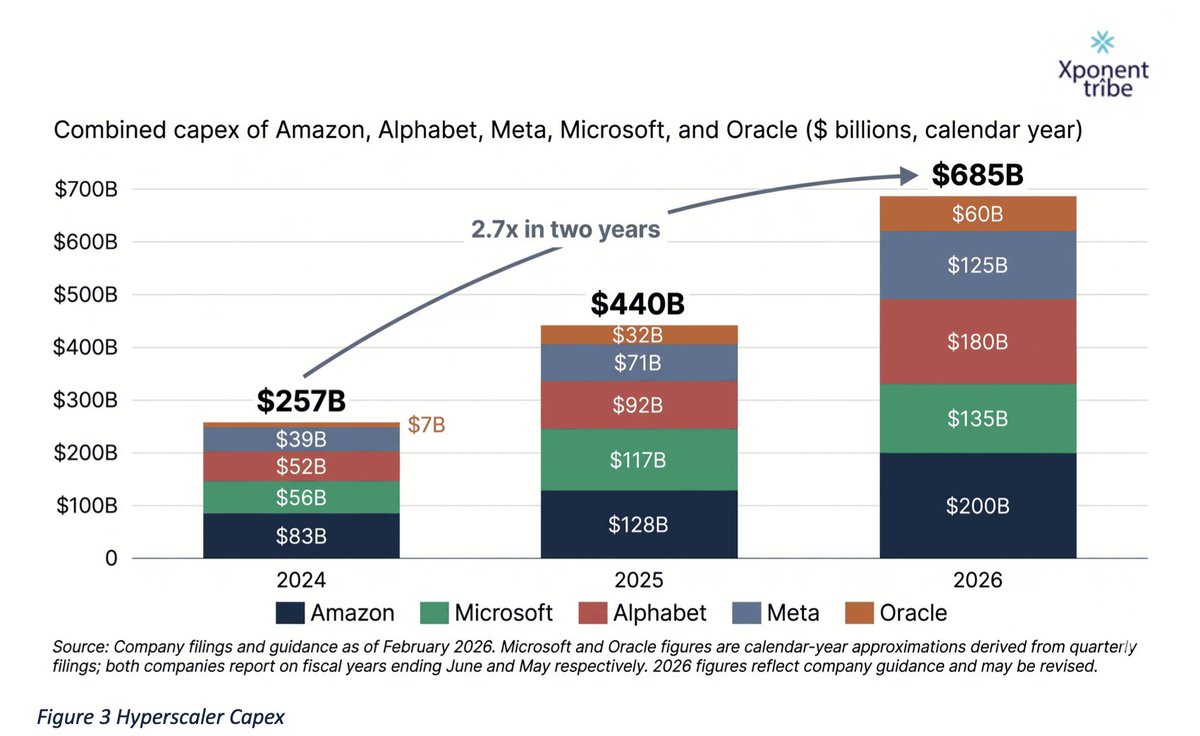
1/ Microsoft, Google, Amazon, Oracle, and Meta will spend over $685B on capex in 2026.

That is roughly 4x India's defence budget. From 5 companies.
On one category of asset.
Almost all of it is going into AI data centres.

Here is what we @XponentTribe found when we broke the buildout down, layer by layer 👇Image 2/ The capex itself

Capital intensity at these companies has reached 45 to 60% of revenue. Oracle is now spending 86 cents of every revenue dollar on capex.

These are utility-company ratios at companies that used to be asset-light.

In our letter, we explain why this looks irrational on paper but is actually a rational response to game theory.Image
Apr 2, 2023 22 tweets 4 min read
Nalanda Capital has compounded capital at 20.3% for more than 15 years.

Fund’s founder recently published his book about their investment framework and its link to evolution.

A thread about my learnings from the book > (Do RT+Like+Follow) I've put together a 6-page summary of the book. Follow +RT + drop me a DM with your email for a copy and let me know you've DM'ed in the comments.
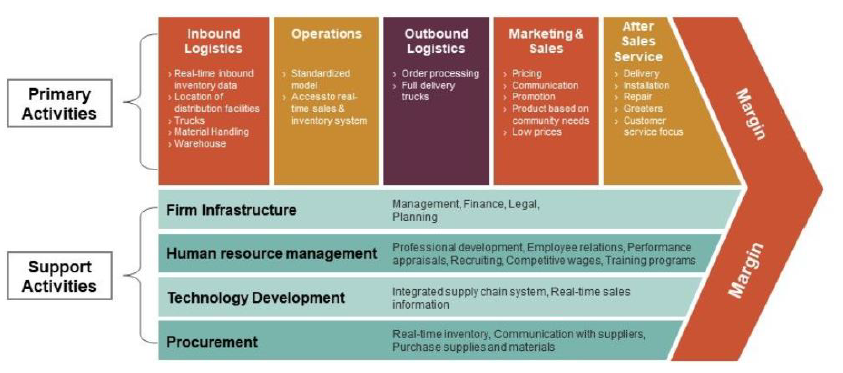
1/n.

The approach has 3 steps

Step 1 - Avoid Big Risks

Chapter 1

a.First & most important step is to learn how not to invest
Dec 25, 2022 48 tweets 8 min read
When investing in markets, we need to pick stocks that will compound at high rates over long periods

How does one pick stocks?
Motilal Oswal’s Wealth creation study has an exceptional section on their stock-picking checklist.

A detailed thread (Do RT/tag your friends/follow) >> Before we get into the report, a few basics

1. What does it take to compound capital at high rates over long periods?

One recipe is
a. Good business + sustainable competitive advantage
b. Runway for growth
c. Good management teams
d. Sensible price with an appreciation of risks
Dec 10, 2022 28 tweets 5 min read
Every year, I look forward to Motilal Oswal’s Wealth Creation Study, mainly for the thematic section. They do an excellent job of presenting a hypothesis and then running it past actual data to bring out some incredible insights.

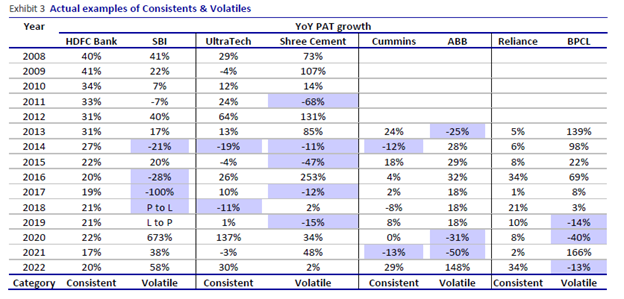
A thread on this year’s thematic >> (Pls RT) 1. This year’s theme is “Consistents & Volatiles”

Fundamental question is - Over the long run, do consistent businesses do better than volatile businesses?

To answer that, we need to first define what are Consistents and Volatiles