attorney | econ sanctions | @DAWNMENAorg | justice/liberty | US-Iran trade stan | HU Law | urbanist | bylines in @ForeignPolicy, @theHill, @MiddleEastEye
Jan 18 • 18 tweets • 12 min read
Nuance exists. 🧵🇮🇷
And over the past 1–2 weeks, engaging Iran with nuance has been brutal— especially for those who oppose another disastrous regime-change war.
Iran’s history has never been black and white.
The Shah committed real abuses, yet presided over long-term gains in state capacity, modernization, and national development.
The revolution was earned, but the people’s patience with the Shah would have provided them a better future. 1979 went wrong almost immediately. One repressive system replaced another.
But since then, Iran’s decisions (good and bad) have been made in Tehran— not London, Washington, or Moscow.
Iran’s past defies simple moral binaries. It is shaped by men of history— flawed, principled, compromised, radical, brave.
This thread🧵 profiles key figures to understand Iran as it is/was: not Pahlavi vs. Islam, not 𓃬 vs. ☫, and not the cartoonish dichotomy this rage-bait platform will have you believing.
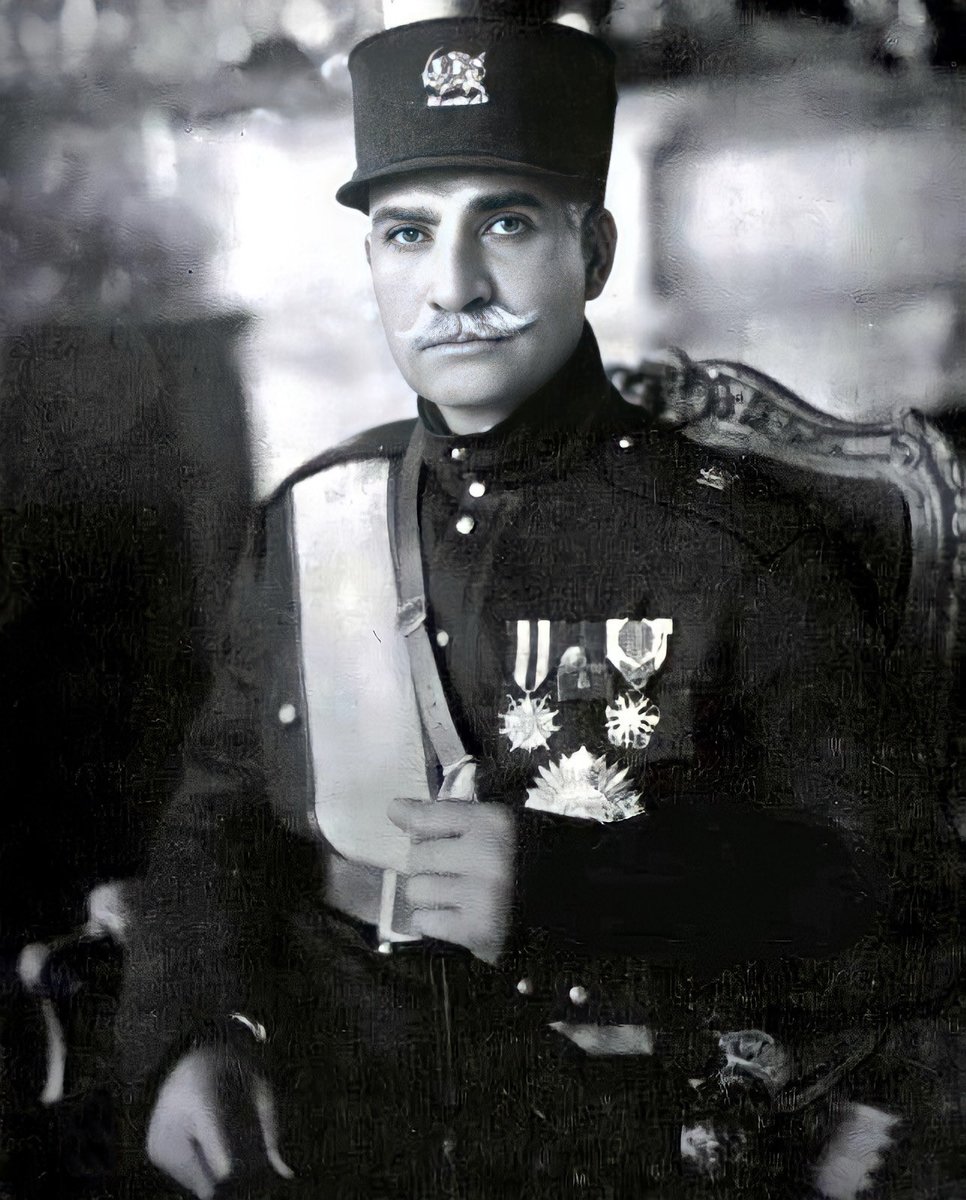
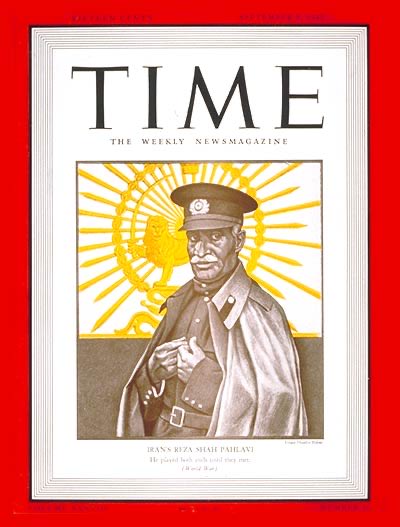
Reza Shah (Pahlavi I)
founder of modern Iran
A former military officer who ended the feckless Qajar dynasty in 1925 (with British blessings).
He centralized the state, built national institutions, and pushed rapid modernization. In the process, he imposed Kemalist-style secular reforms through authoritarian means.
He sought to establish true Iranian sovereignty by hedging Iran’s economic and political ties among world powers, but overplayed neutrality— leaning toward Germany during WWII.
In 1941, Britain and the Soviet Union marched into Tehran with ease, forcing his abdication. He stepped aside in favor of his son, Mohammad Reza Pahlavi, a choice he preferred to being replaced by a Qajar prince.


 Reza Shah (Pahlavi I)