Maps & Kings Profile picture
Passionate about Western History | Map Maker | Graphic Designer | 🇦🇷
Apr 24, 2025 12 tweets 5 min read
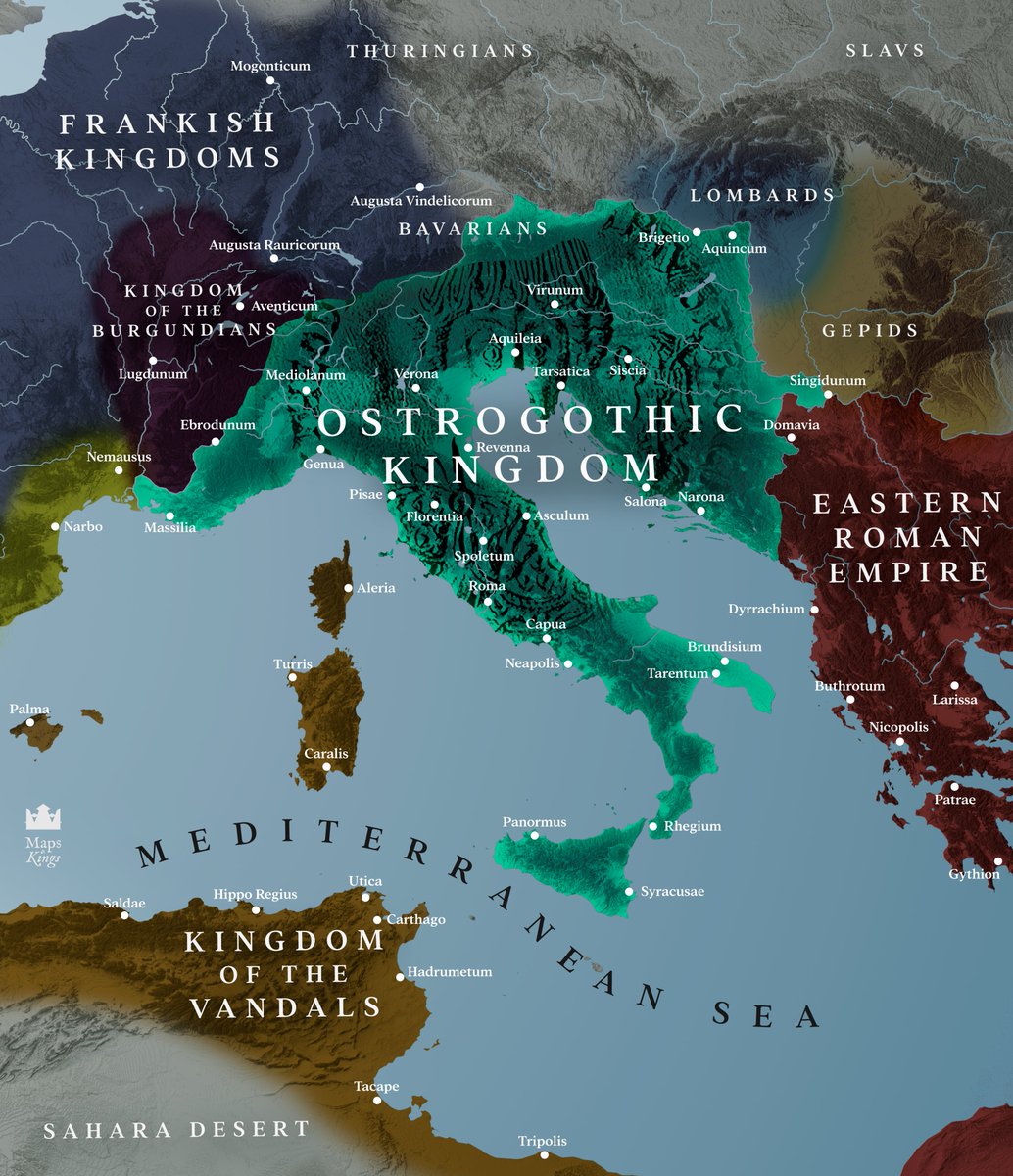
A Gothic prince, raised in Constantinople as a diplomatic hostage, educated in the ways of the Eastern Roman Empire.

A king who ruled Italy from Ravenna after the fall of the West.

This is a thread on Theodoric the Great, king of the Ostrogoths. 🧵 Image To understand Theodoric, we must look to the 4th–5th centuries, when Germanic peoples migrated across Europe amid Rome’s decline.
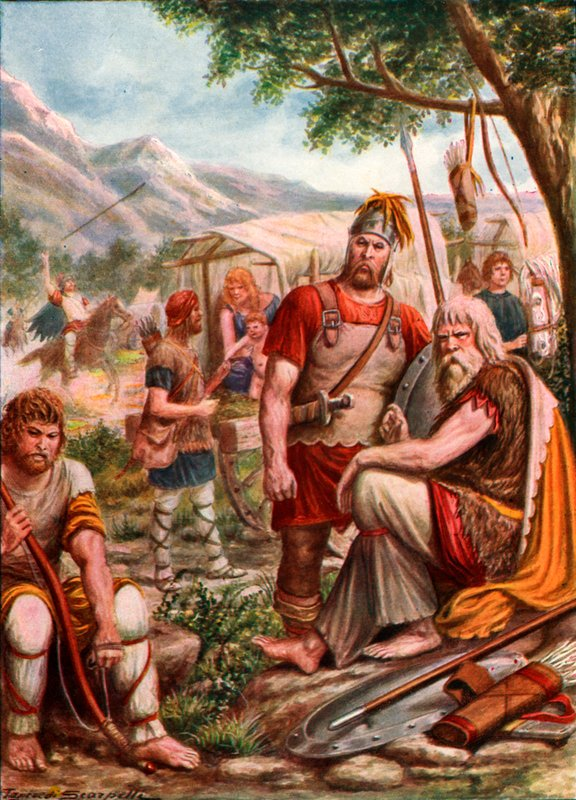
The Ostrogoths originated from Gothic tribes who settled in modern Ukraine before migrating westward under pressure from Hunnic expansion. Image
Apr 9, 2025 13 tweets 5 min read
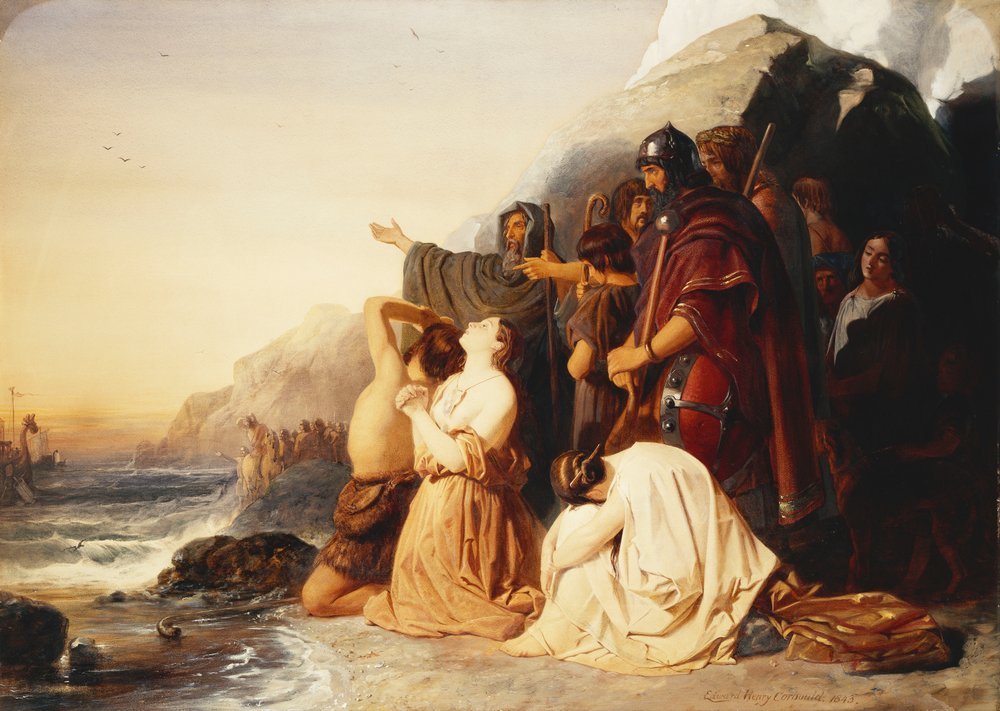
I’ve always found stories and paintings about the Roman legions’ withdrawal from Britain fascinating.

Some fell into fear. Others hoped for independence. Many believed Rome would return.

But Roman rule was gone for good—and things were about to get pretty Germanic.

A thread🧵 Image The departure had been unraveling since the late 4th century.

Troops were gradually siphoned off to prop up a faltering empire elsewhere.

With legions gone, Picts, Irish raiders, and Saxon pirates now threatened Britain's shores unchecked. Image
Apr 7, 2025 15 tweets 5 min read
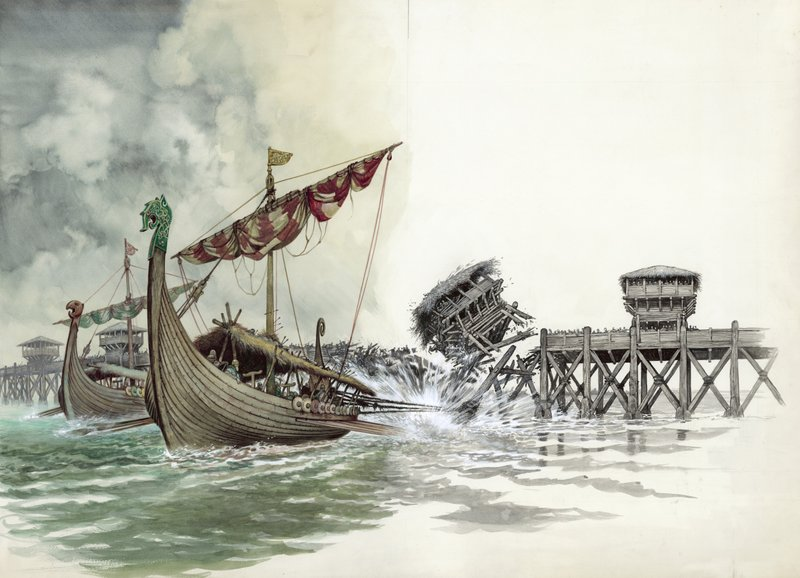
In 1014, Danish forces held London, their grip on London Bridge blocked the Thames.

Exiled King Æthelred II "the Unready" turned to Olaf Haraldsson, a Norwegian Viking, later Saint Olaf.

This is the story of how, in the sagas, Olaf brought down London Bridge. Image To understand this event, we need to set the scene:
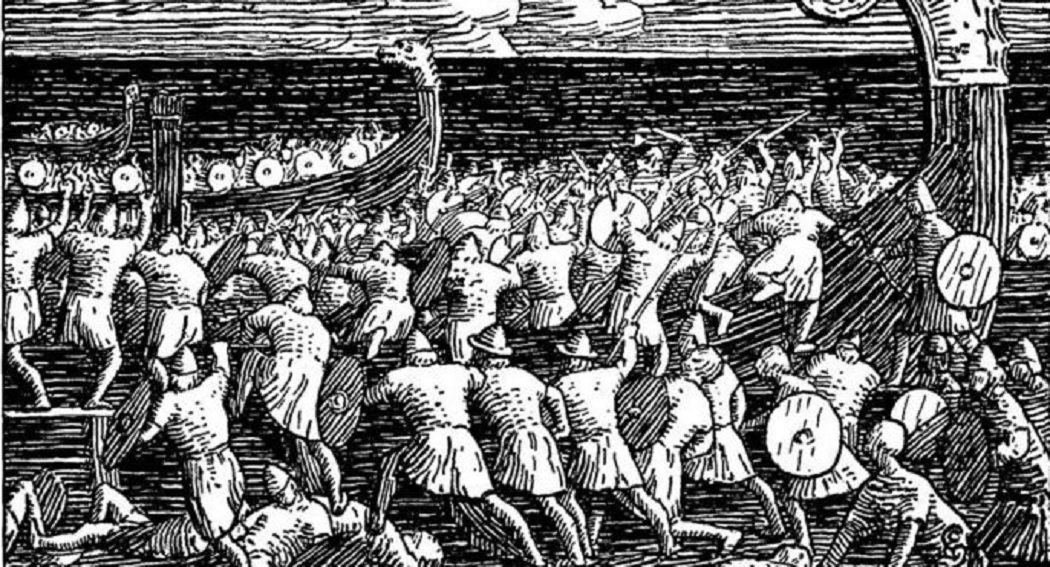
Early 11th century England was caught in the struggle between Anglo-Saxon rulers and Danish invaders.

King Æthelred II “the Unready” had been driven into exile by the Danish king Sweyn Forkbeard. Image
Apr 4, 2025 11 tweets 4 min read
In 845, the Danish chieftain Reginherus led one of the most significant Viking raids right into the heartland of West Francia, targeting Paris.

Reginherus, as he is called in Latin sources, is sometimes identified with the legendary Ragnar Lodbrok.
🧵 Image This was one of the first major Viking attacks on Paris, decades before the more famous 885–886 siege.
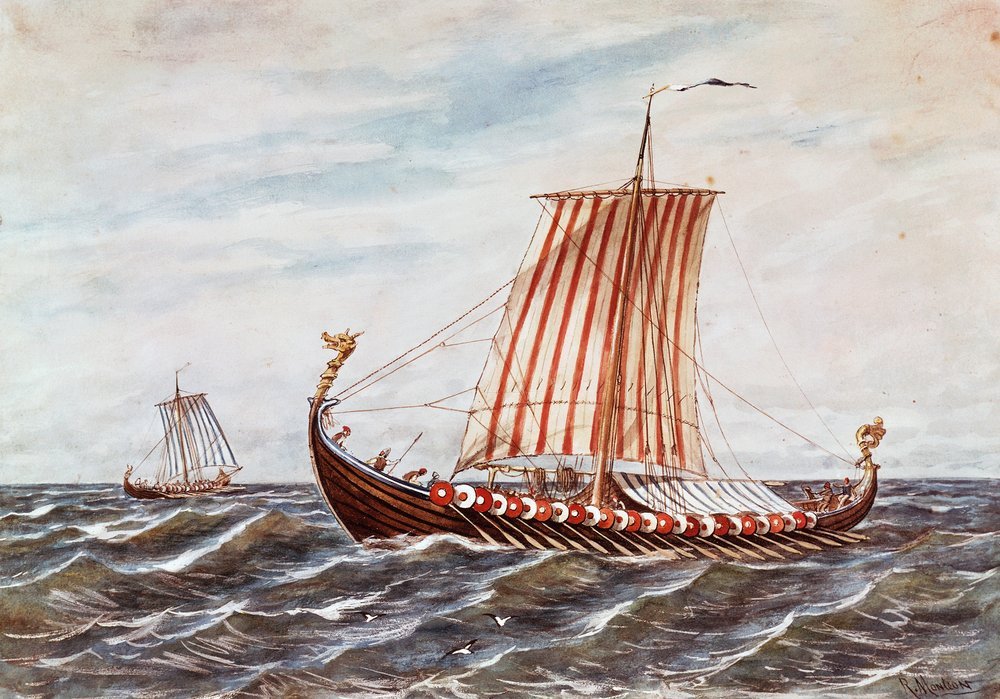
Like sharks smelling blood, the Vikings saw the fragmentation of Charlemagne’s empire among his grandsons (843) as the perfect opportunity—and they struck. Image
Apr 3, 2025 15 tweets 6 min read
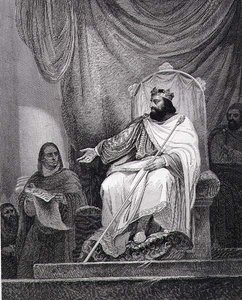
Kent, while less powerful than Wessex or Mercia, was one of the first Anglo-Saxon kingdoms.

Its early kings remain obscure, with even Bede and the Anglo-Saxon Chronicle saying little.

This is the story of Æthelberht, the first Anglo-Saxon king to convert to Christianity. 🧵 Image Born around c.560 AD, Æthelberht inherited the throne of Kent, a small but strategically important kingdom in southeast England.
Kent’s location near Gaul gave it unique access to continental trade, making it the most sophisticated Anglo-Saxon kingdom of its time. Image
Apr 1, 2025 9 tweets 4 min read
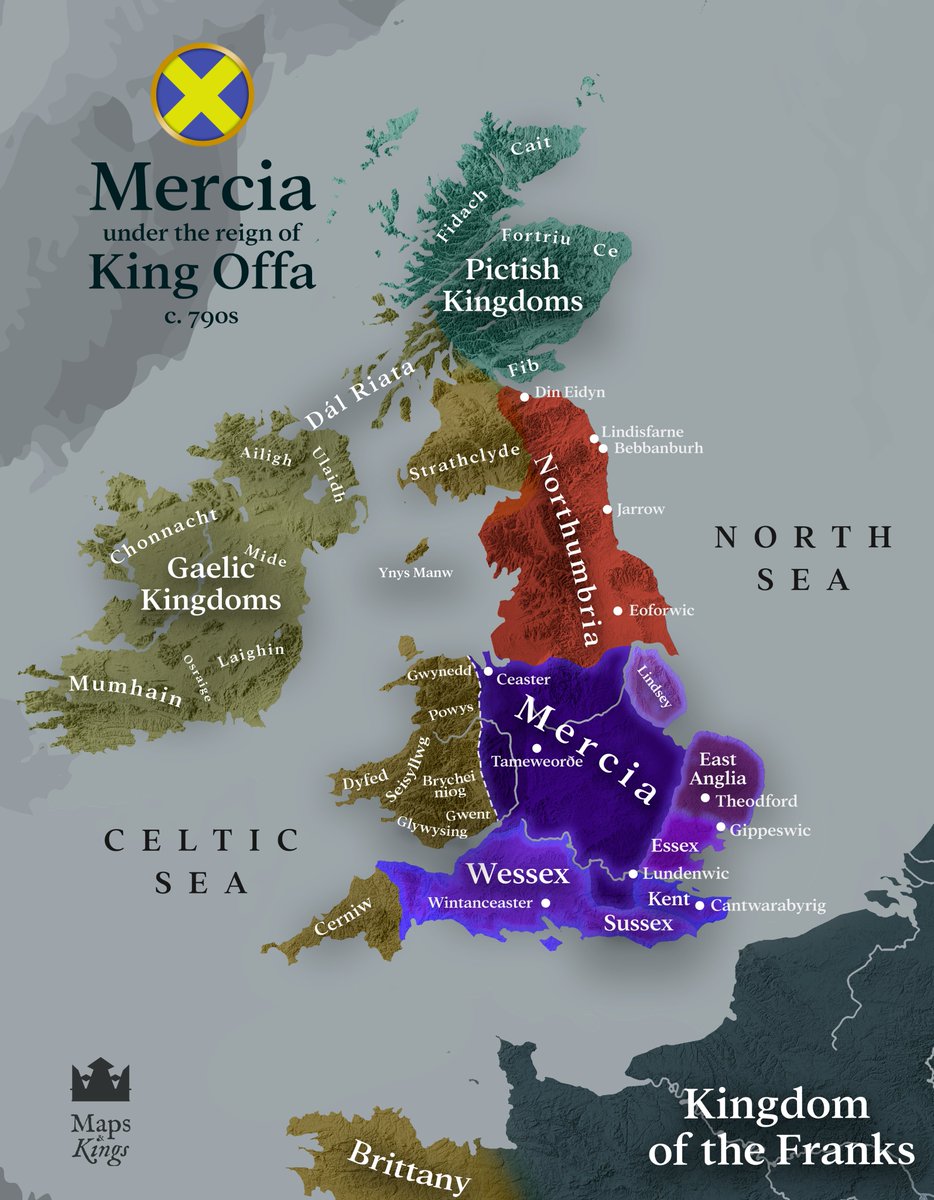
Before Alfred the Great, there was Offa—the most powerful king of Mercia.

He ruled half of England, crushed entire kingdoms, and built the greatest defensive structure in Britain since the Romans.

This is a short thread on King Offa of Mercia (r. 757–796) 🧵 Image In 757, King Æthelbald of Mercia was murdered by his bodyguards.

The kingdom descended into civil war as rival claimants fought for the throne.

Beornred, briefly seized power, but Offa raised an army and overthrew him. Image
Mar 28, 2025 11 tweets 4 min read
In the early 11th century, a Viking ruler managed to unite large parts of Scandinavia and England into a maritime power that would become known as the North Sea Empire.

This is a short thread on Cnut the Great, King of England, Denmark and Norway. 🧵 Image Cnut was the son of King Sweyn Forkbeard of Denmark.

In 1013, Sweyn invaded England and briefly became its king, forcing Æthelred the Unready into exile.

However, Sweyn died in 1014, and his son Cnut had to fight for his father’s legacy. Image
Mar 27, 2025 9 tweets 4 min read
We've all heard of the Saxons, Angles and the Jutes of Kent.

But on the Isle of Wight, Bede tells us a Jutish people settled and formed their own kingdom—the Wihtwara.

This is a thread on these forgotten settlers, who were brutally wiped out in 686 AD. 🧵 Image Their name means "the people of Wiht".
The Wihtwara were part of the wave of migrations that followed the collapse of Roman rule in Britain.

According to Bede, they were Jutes, distinct from Saxons & Angles, and shared ancestry with the Meonwara of Hampshire. Image
Mar 22, 2025 14 tweets 5 min read
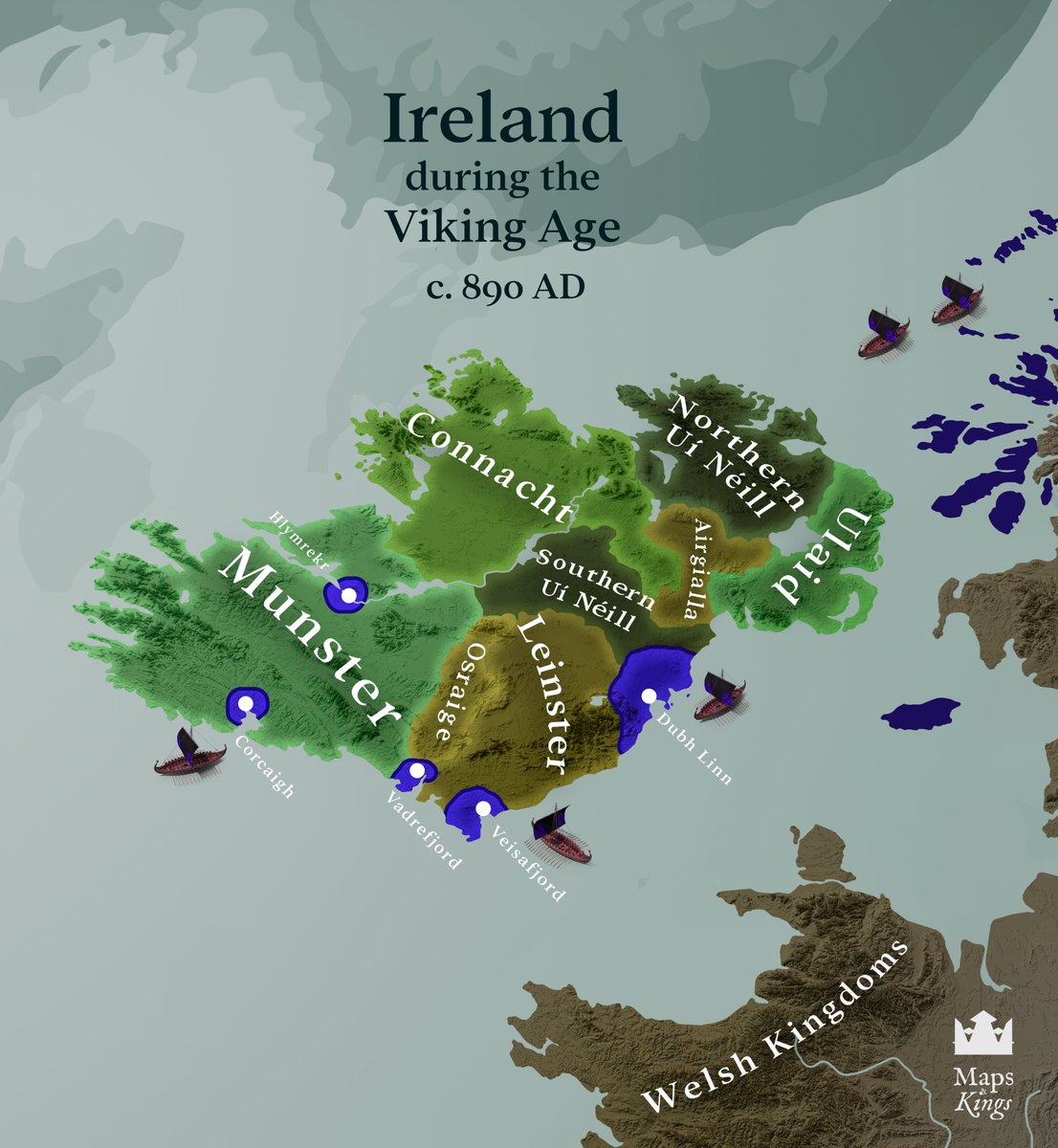
In the mid-9th century, the Vikings came to Ireland to stay.

One of them, Ímar, would be remembered as 'Rex Nordmannorum totius Hibernie et Brittanie'—king of all the Norse of Ireland and Britain.

This is the story of Ímar, Viking King of Dublin. 🧵 Image Viking presence in the British Isles developed gradually.

While some trading contact likely occurred earlier, the first documented Norse activities began in the late 8th century.

Permanent settlements wouldn't emerge until after the initial raiding phase. Image
Mar 20, 2025 16 tweets 5 min read
By 927 AD, Æthelstan, the grandson of Alfred the Great, defeated the Viking Kingdom of Jórvík (York) and became the first King to unify all the Anglo-Saxon kingdoms into a single English realm.

This is a thread on Æthelstan, the first king of a unified England. 🧵 Image Born to King Edward the Elder and his first wife Ecgwynn, Æthelstan was raised and educated at the court of his aunt, Æthelflæd, Lady of the Mercians.
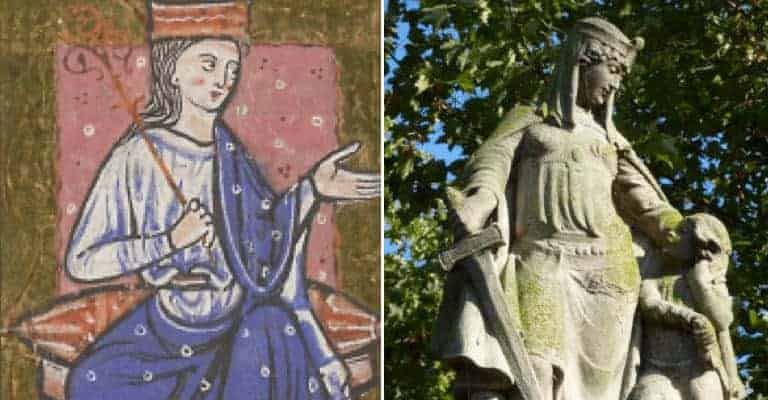
This upbringing in Mercia rather than Wessex would significantly influence his later political outlook. Image
Mar 14, 2025 13 tweets 5 min read
At the end of the 9th century, Rollo the Walker came as a Viking to raid and plunder West Francia.

Years later, he would switch sides, settle and become the forefather of some of the greatest warriors in European history: the Normans.

This is a thread on Rollo...🧵 Image Born around c. 842/860, Rollo (Latinized) was a Norse leader of either Norwegian or Danish origin.

He was known by many variations of his name, such as Hrólfr in Old Norse, Rollon in French, and Robert after his baptism.
Mar 13, 2025 10 tweets 4 min read
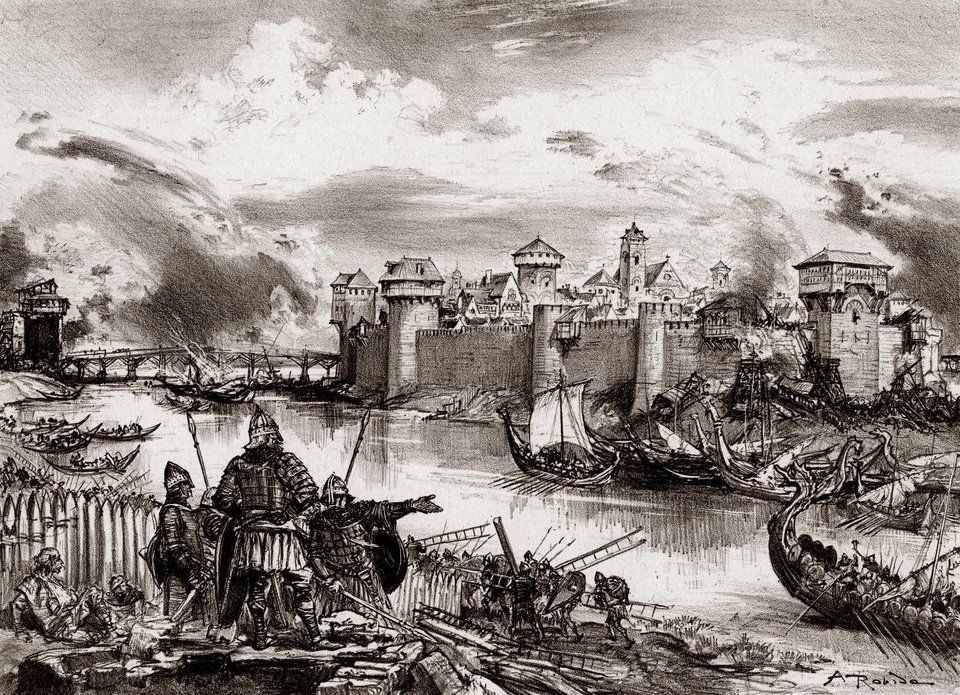
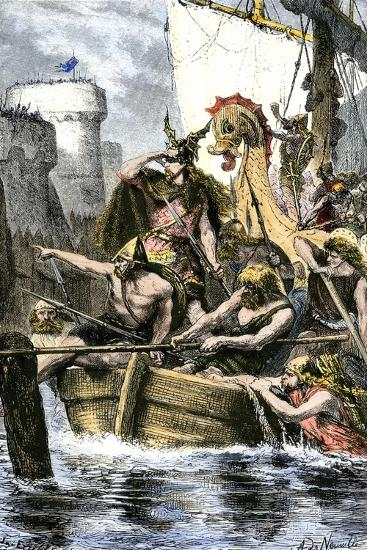
In 885, a massive Viking fleet sailed up the Seine River in West Francia.

Soon, they were at the gates of Paris to begin one of the longest and most dramatic sieges of the Viking Age.

A thread 🧵 Image By the late 9th century, Viking raids had become a constant threat to the Frankish kingdom.

The Seine River gave them easy access to the heart of West Francia.

Paris, a wealthy and strategically important city, had already been sacked by Vikings in 845 and 856. Image
Mar 12, 2025 15 tweets 5 min read
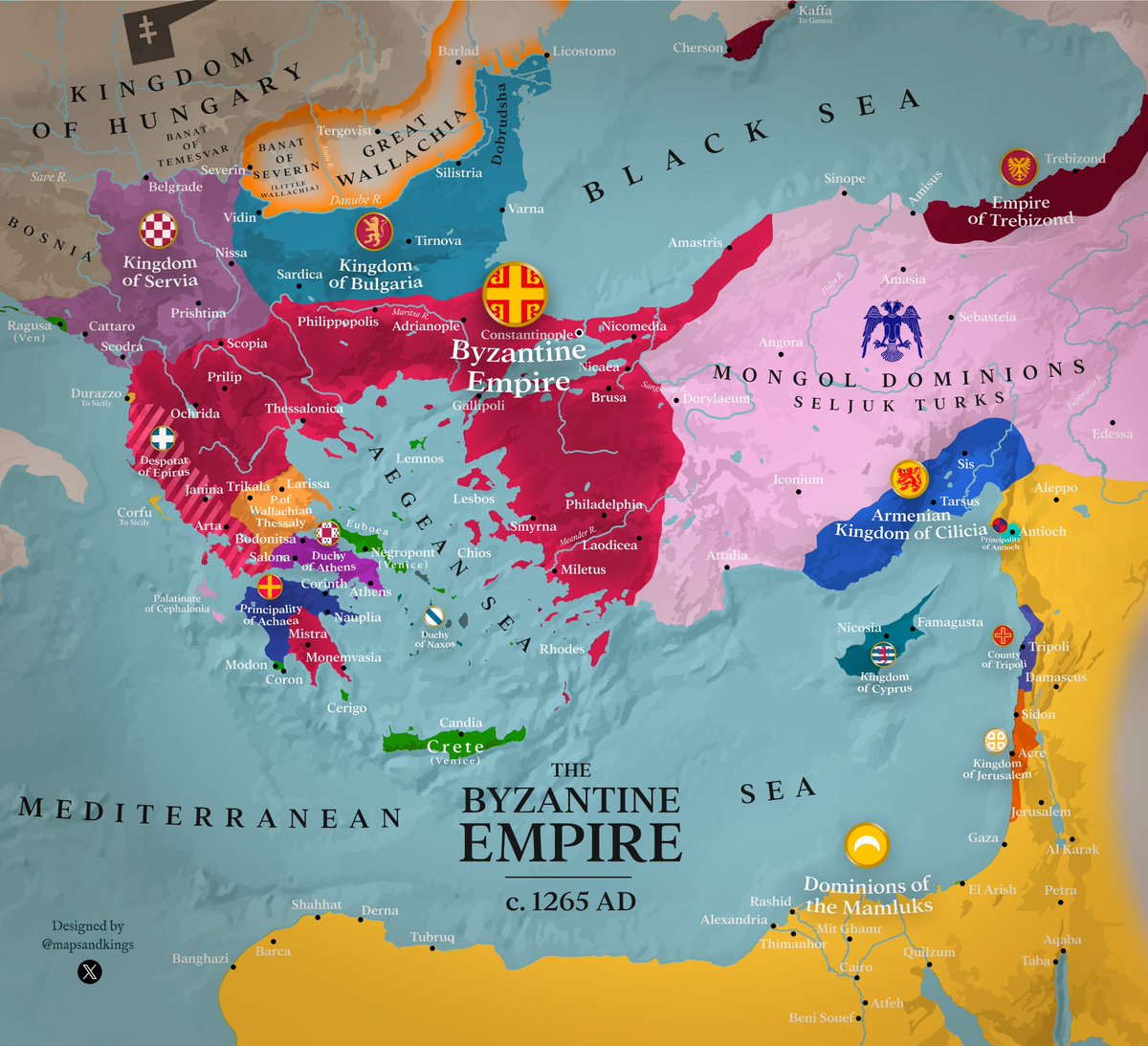
New 4K map!

The Byzantine Empire around 1265.

A reacreation of W. R. Shepherd's Historical Atlas map from 1911 (w/ some additions).

I will post the original map at the end of the thread.

Now, let's dive into this area of the world and explore what was going on there.

🧵 Image The Byzantine Empire, once dominant, was significantly reduced after its capital fell to Crusaders in 1204.

By 1265, the Palaiologos dynasty had recaptured Constantinople (1261) but controlled only Thrace, parts of Macedonia, and portions of western Asia Minor.
Mar 11, 2025 10 tweets 4 min read
The Norman conquest of England is legendary.

But did you know they also invaded Ireland?

This is a thread about the time the Normans turned their gaze upon Ireland.

🧵 Tom Lovell, “Stand fast! Stand fast!” The Battle of Hastings, 1966, oil on canvas. Illustration for the article titled “The Norman Conquest” by Kenneth M. Setton, National Geographic, August 1966, Vol. 130, No. 2, pages 246-247. Unlike England’s swift conquest, Ireland’s was gradual.
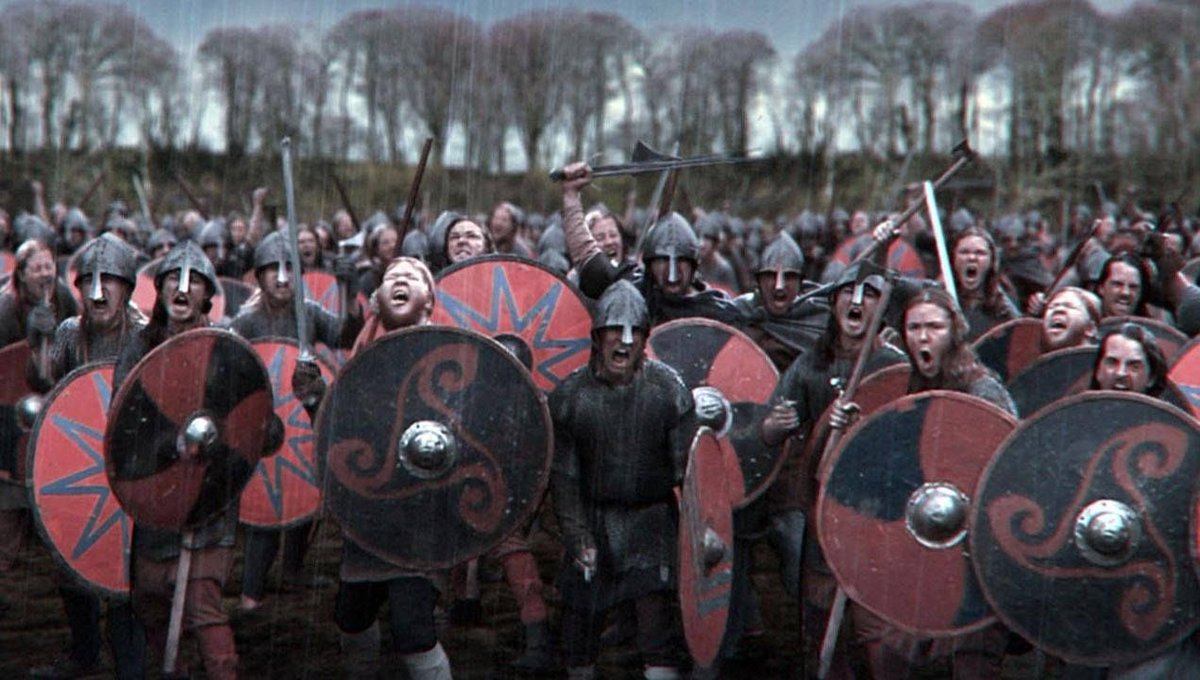
In the 12th century, Ireland was comprised many small kingdoms (tuatha) grouped under four or five larger provinces: Ulster, Munster, Leinster, Connacht and Meath.

The High Kingship was contested and had limited authority.Image
Mar 10, 2025 10 tweets 4 min read
You’ve probably heard about the “Great Heathen Army” of Vikings that invaded England in the 860s

It wasn’t a raiding force anymore.

They toppled East Anglia, Mercia, Northumbria and established the Danelaw.

But you’d be surprised to know how many there probably were.

🧵 Image The size of this Viking force has been hotly debated by historians for centuries, with estimates ranging from hundreds to many thousands of warriors.
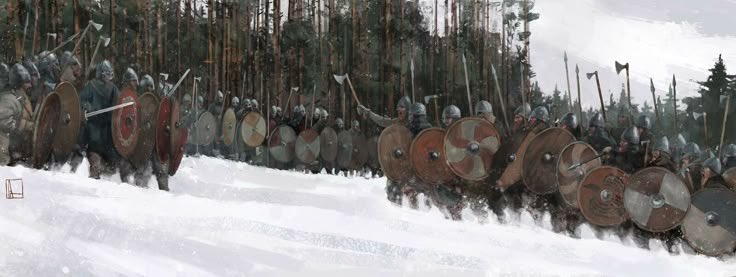
Contemporary sources like the Anglo-Saxon Chronicle call it a "great army" but provide no specific numbers. Alexander Groznov
Mar 8, 2025 13 tweets 5 min read
A thread on one of the most powerful women of the Middle Ages!

Eleanor of Aquitaine

Duchess, Queen Consort of France, then England, and Mother of Kings.

🧵…. Image Born to William X, Duke of Aquitaine and Count of Poitiers, Eleanor became the sole heir to vast territories in southwestern France—larger than the French royal domain—when her father died in 1137.

At a young age, she became the most eligible heiress in Europe. Image
Mar 6, 2025 14 tweets 5 min read
New map!

Henry II: The English King Who Ruled Half of France

I adapted my previous map of France to recreate a 1911 map by William R. Shepard with his borders & spellings.

In this map, we are going to focus on the lands Henry II controlled in France.

A thread 🧵 Image By 1180, France was effectively divided between the lands of the Capetian king and those controlled by Henry II.

But how did an English king come to dominate so much of France?

And was he still a vassal to the French throne? Image
Mar 3, 2025 12 tweets 6 min read
Map of Medieval France c. 1032!

A recreation of a 1907 map by Earle W. Dow from Atlas of European History.

We’ll discuss the map at the end.

But first, what was going on in France around this time?

A thread ….🧵 Image As you saw in the map before, around 1032, France was a kingdom in name, but in reality, power was quite fragmented among mighty vassals.

The Capetian king, Henry I, ruled little beyond the Île-de-France, while dukes and counts acted as semi-independent rulers.

(Blue: Royal Domain)
(Violet: ecclesiastical lands)Image
Feb 22, 2025 12 tweets 4 min read
Anglo-Saxon History Series #3!

Today: The Rise and Fall of King Oswald of Northumbria

A short thread…🧵 Image In 634, Northumbria lay in ruin. King Edwin was dead, slain at Hatfield Chase.
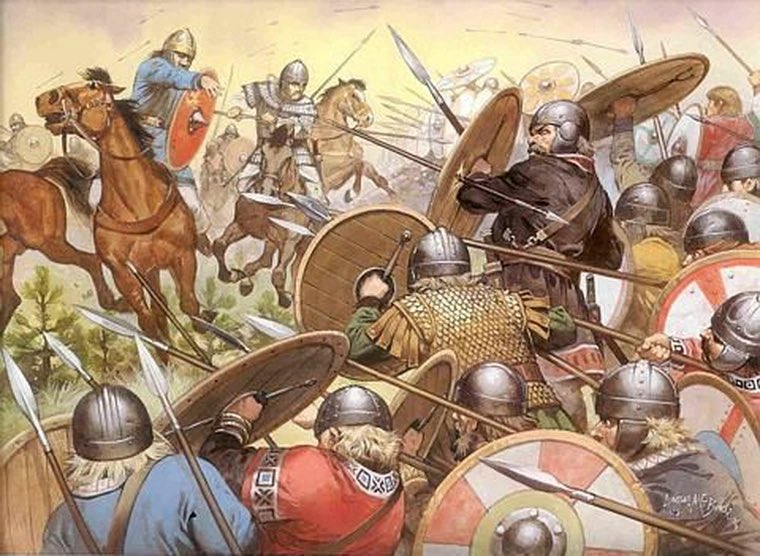
Cadwallon of Gwynedd ravaged the land, sparing no one.

But from exile in Dal Riata, a warrior-king emerged.

Oswald, son of Æthelfrith, king of Northumbria before Edwin. Image
Feb 20, 2025 8 tweets 3 min read
Anglo-Saxon History Series #3

The battle of the Three Kings and the death of Edwin of Northumbria

A short thread…🧵 Image Edwin had become king and survived an assassination attempt by the West Saxons.

His rule brought so much stability that Bede tells us that “a woman could carry her newborn babe across the island from sea to sea without fear.”

But peace didn’t lasts. Image
Feb 17, 2025 11 tweets 5 min read
Anglosaxon History Series!

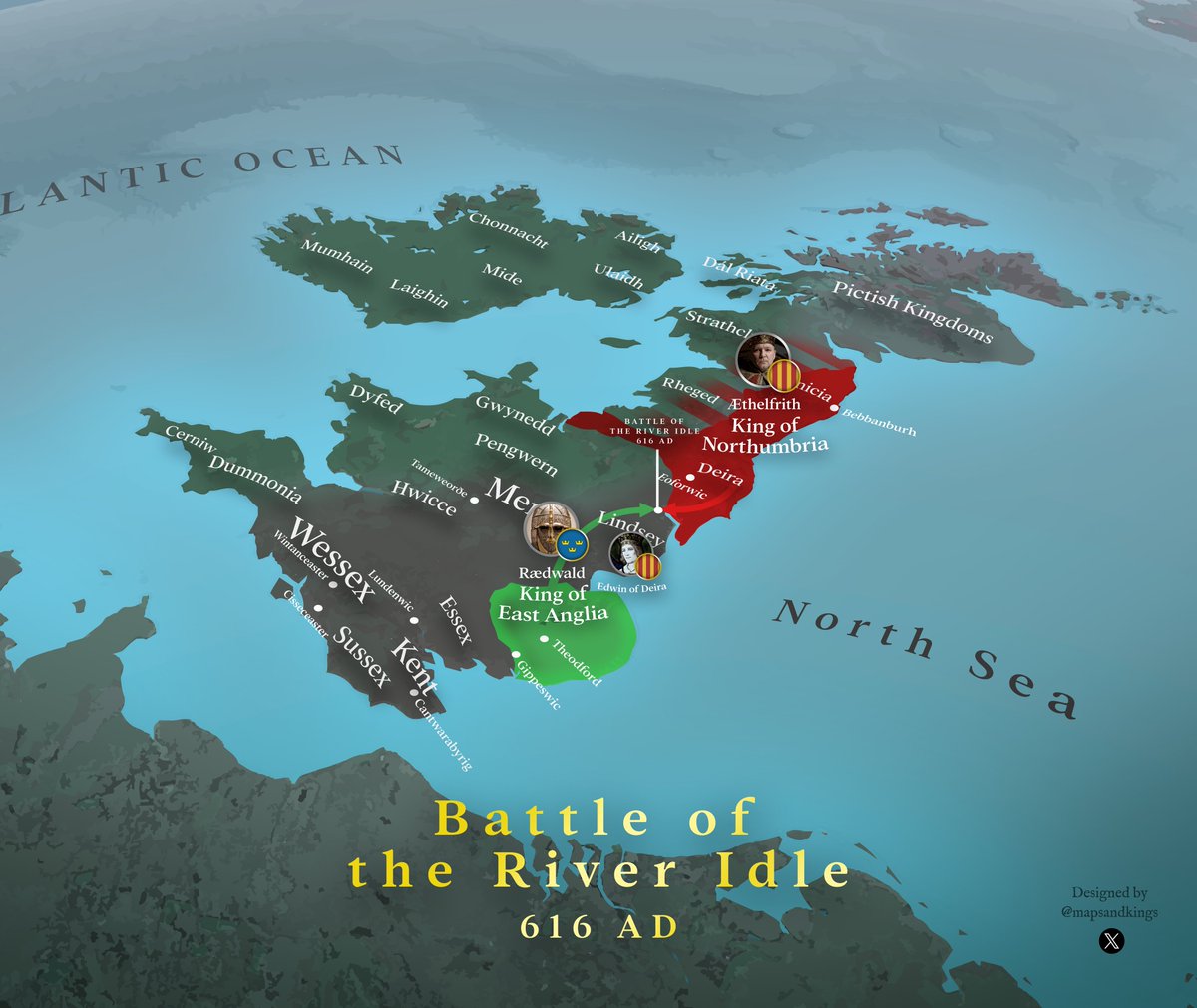
When King Rædwald of East Anglia said “No” to the most powerful king in Anglo-Saxon England.

The Battle of the River Idle (616 AD)

A thread….🧵 Image In the early 7th century, Northumbria dominated much of England.

Its king, Æthelfrith, was a warlord who had seized power through conquest and war.

But one man threatened his rule—Edwin of Deira. Painting by Pat Nicolle