CTO at @Databricks and CS prof at @UCBerkeley. Working on data+AI, including @ApacheSpark, @DeltaLakeOSS, @MLflow, https://t.co/94gROE5Xa0. https://t.co/nmRYAKG0LZ
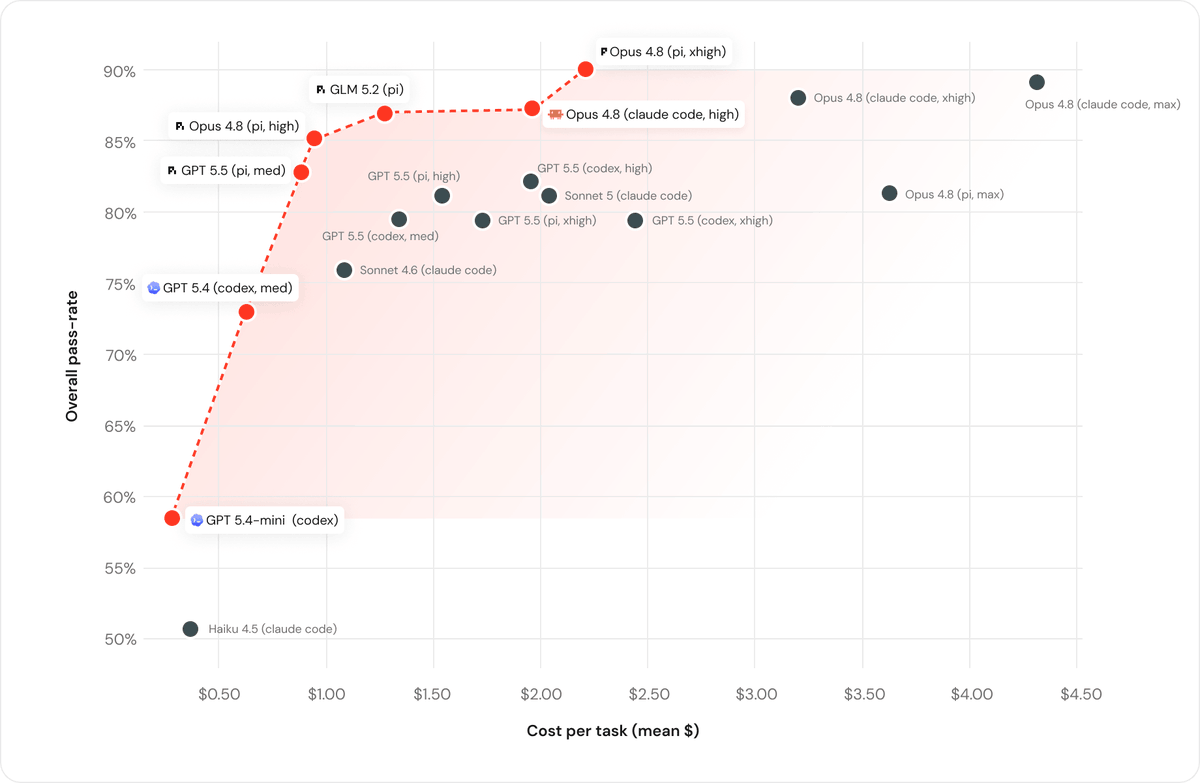 Why did we build an internal coding benchmark? Public benchmarks like SWE-Bench are often over-tuned for, so we took real tasks our engineers did and curated test suites for them to see which agents can solve them end-to-end. databricks.com/blog/benchmark…
 Omnigent is based on the trend we saw with AI usage at Databricks and Neon: engineers were combining multiple agents into loops and workflows, and this was difficult above the harness layer. We add a uniform API above any harness that enables rich features on top.
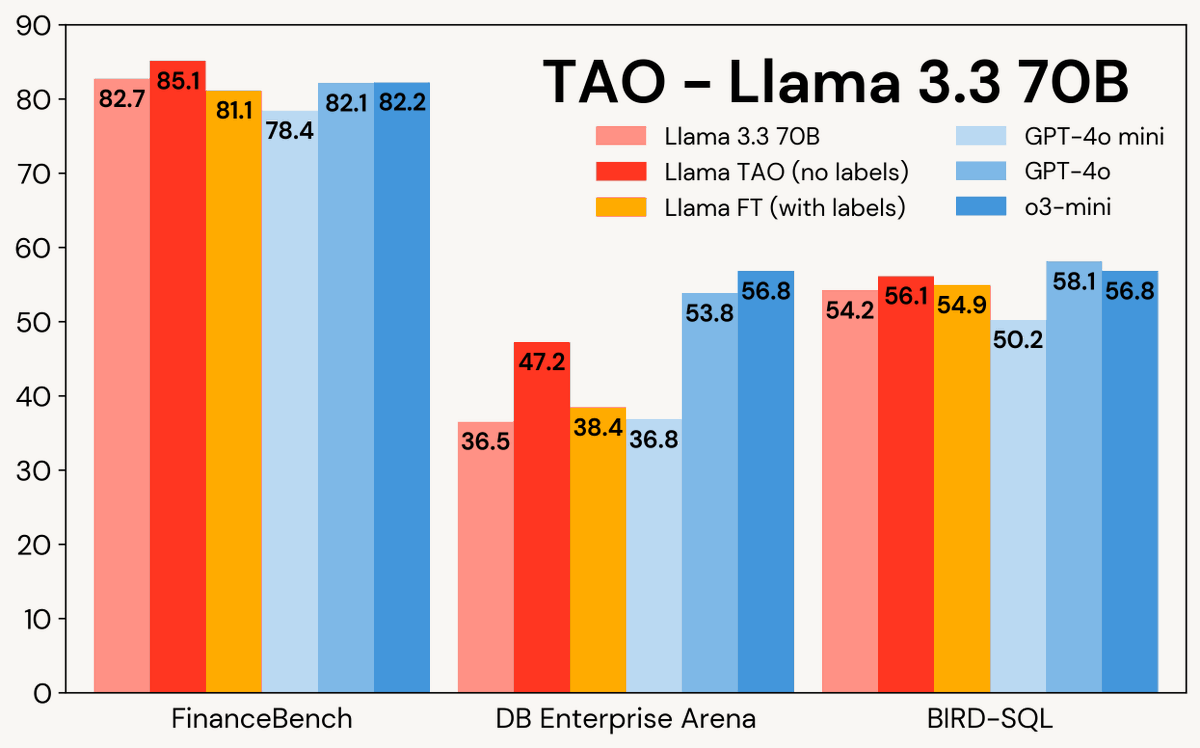
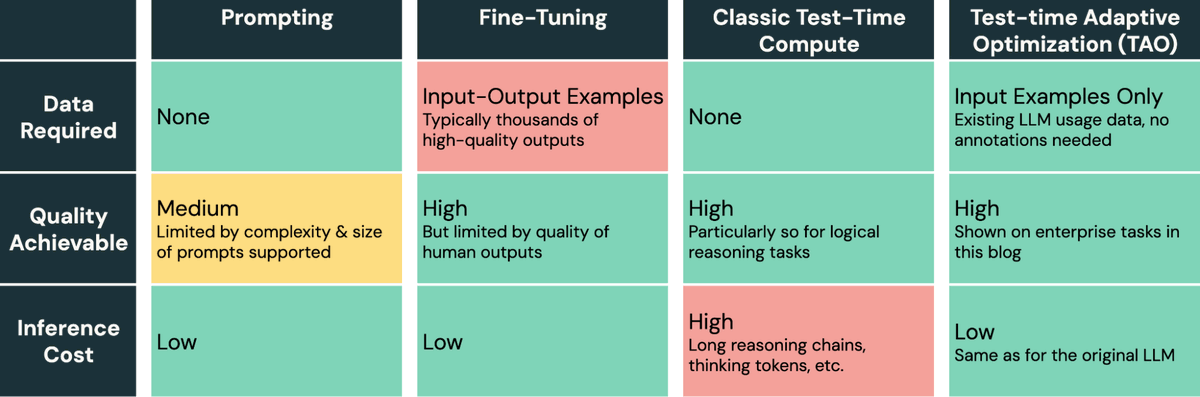 Our new method, Test-time Adaptive Optimization (TAO), only needs input examples of a task and can outperform supervised fine-tuning on thousands of human-labeled examples. It brings OSS models like Llama to the quality of expensive larger models.