
law student & mohammedan | islam, public finance, history, & philosophy | afram of black, british, balkan, and romani ancestry.
 But that usage drains the concept of analytical force and collapses precisely the distinction the original articulation was trying to draw.
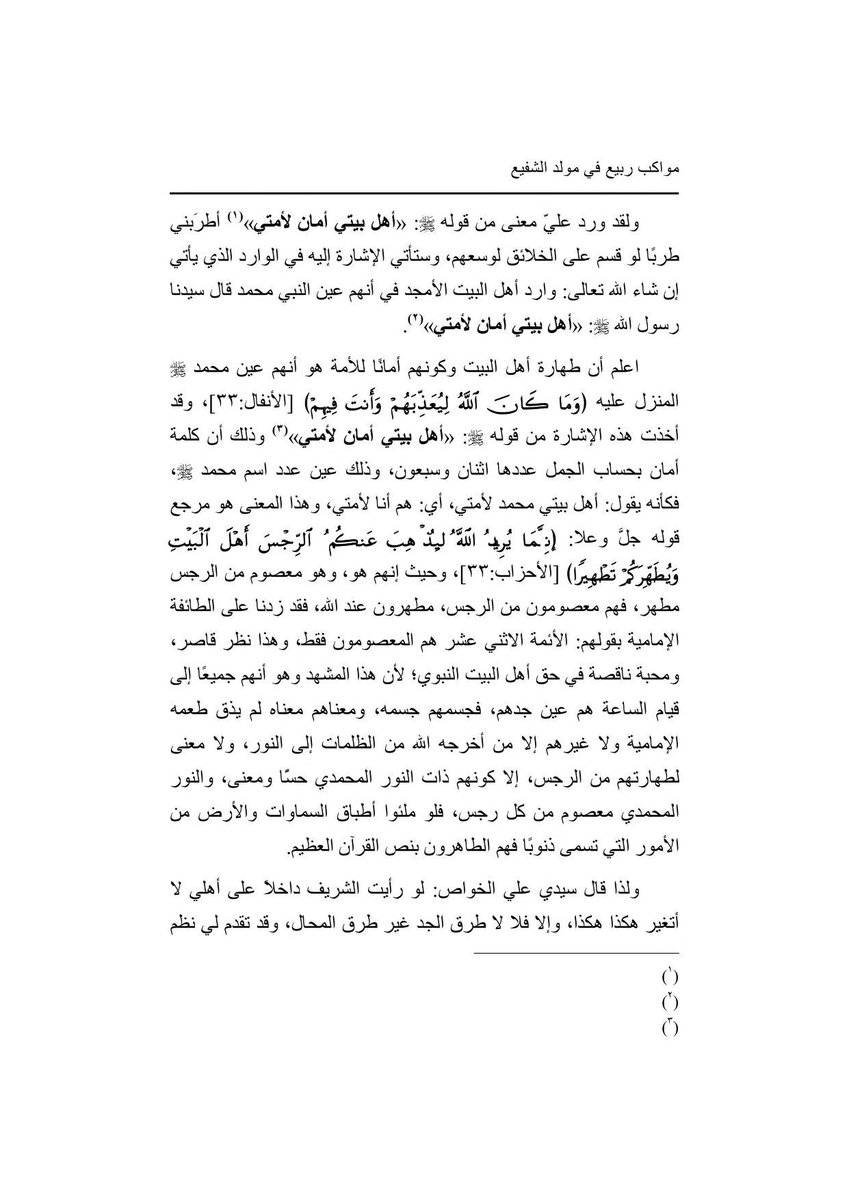
 The Messenger of God ﷺ said: ‘My Ahl al-Bayt are a source of safety for my Ummah.’
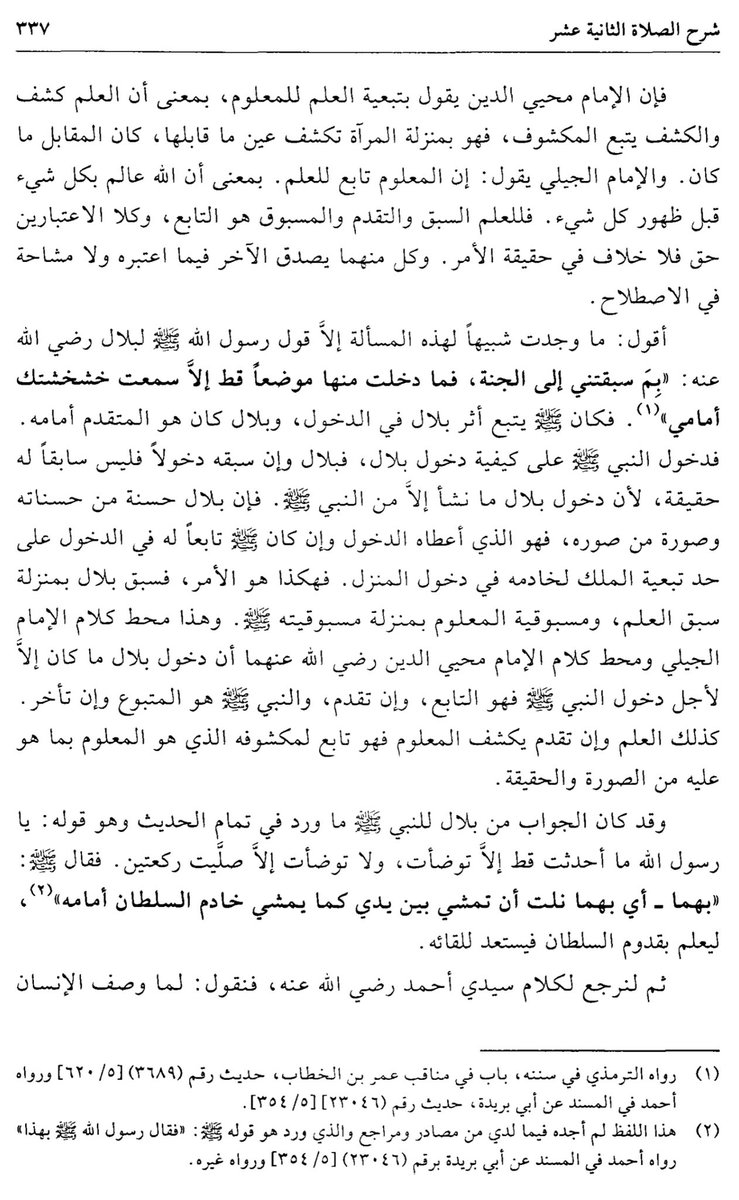 “Imam Muhyi al-Din [Ibn Arabi] speaks of the subordination of knowledge to the known object, meaning that knowledge is an unveiling, and unveiling follows what is unveiled. It is like a mirror that reveals the very thing placed before it, whatever that thing may be.

 Thus that existence is ascribed to the thing insofar as the determination of that existence occurs within it. The thing itself has no existence other than this attributed existence; rather, it exists as the eternal divine existence.
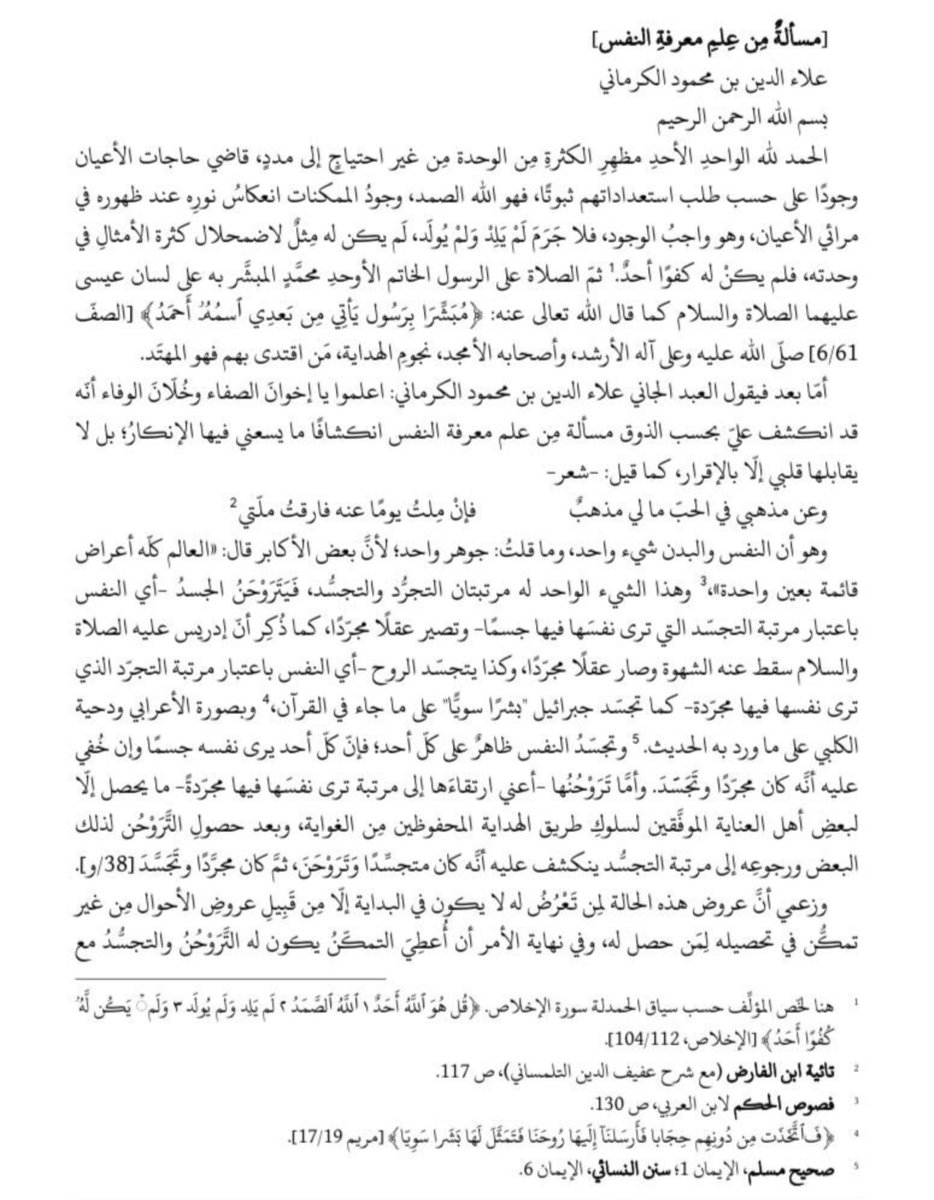

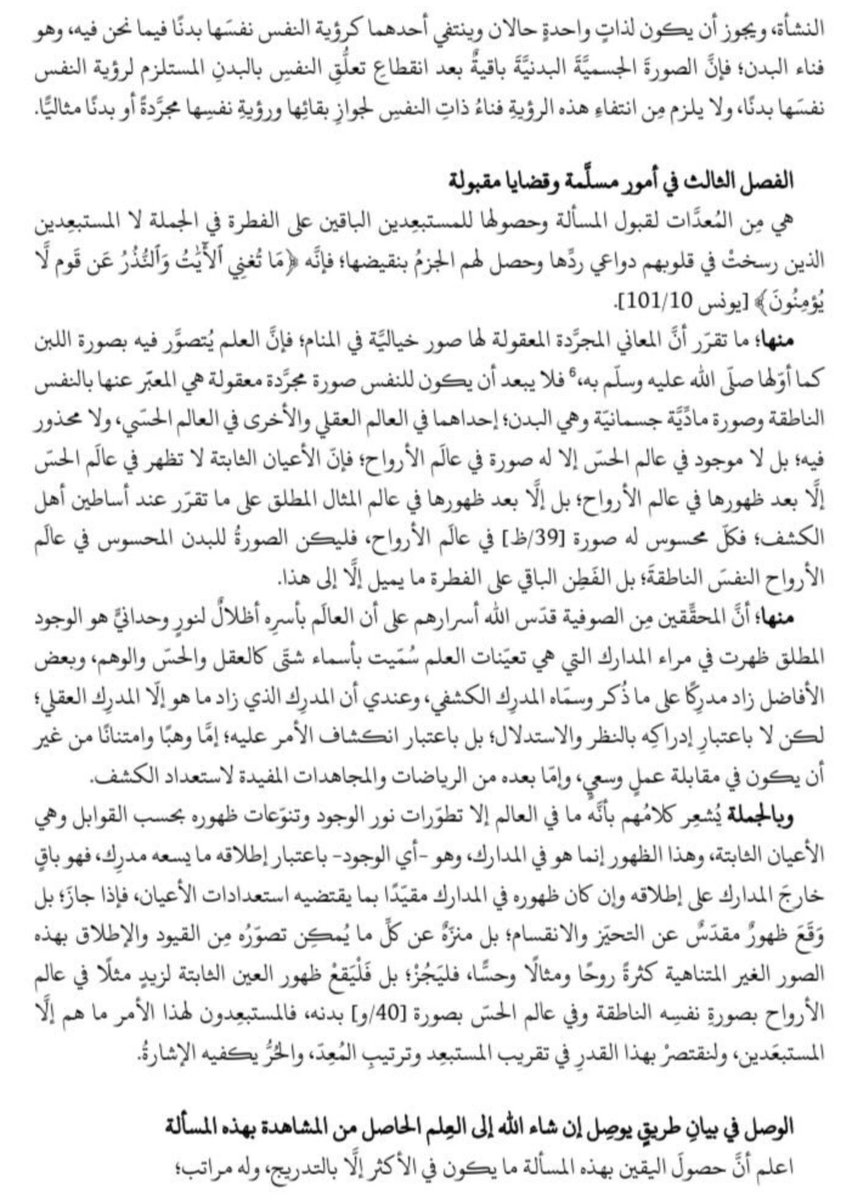
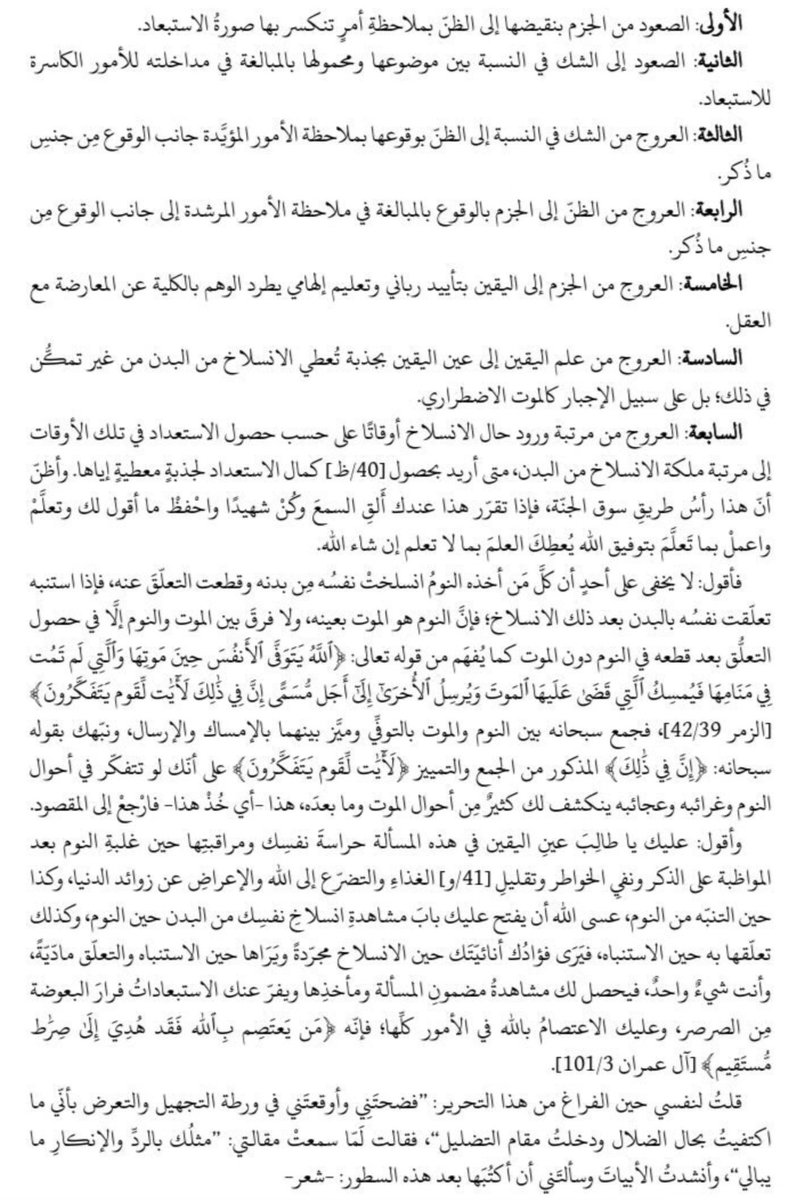 He avoids calling this unity a “substance” in the philosophical sense, because that would preserve the dualism he seeks to overcome. Instead, he speaks of the human self as one reality that appears as embodied (tajassud) in one respect and as abstract (tajarrud) in another.
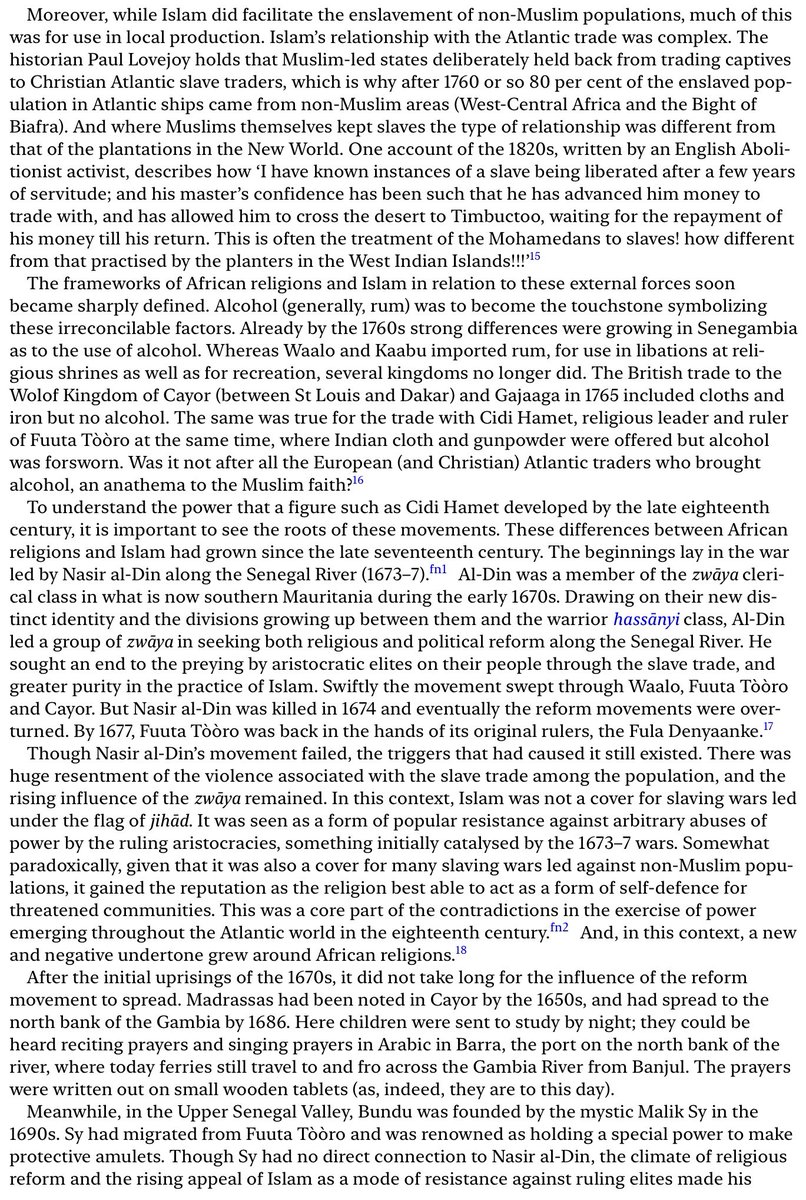
 leading to 80% of enslaved peoples originating from non-Muslim regions in West-Central Africa. This resistance was rooted in earlier reform movements, beginning with the Mauritanian Nasir al-Din’s 1673-1677 revolt against Senegambian elites who profited from the slave trade.