
Naboth's Vineyard (Kerem Navot) is an Israeli NGO established in 2012, which monitors and carries out research on Israeli land policy in the West Bank.
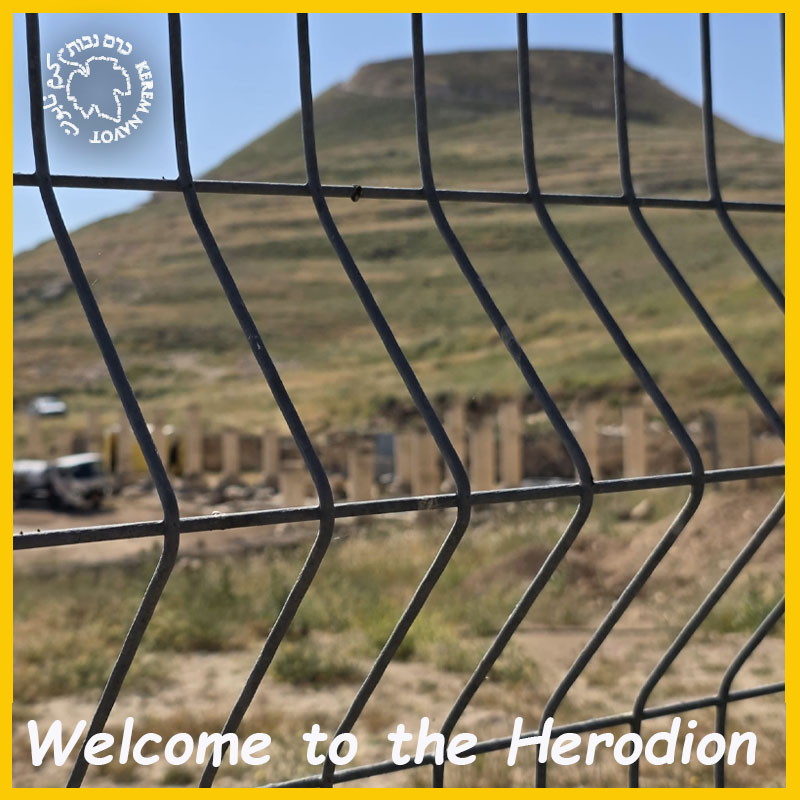 1/ On May 26, 2026, Hillel Roth, the ultra-extremist settler appointed by Smotrich to effectively run the Civil Administration, signed yet another expropriation order for an archaeological site. >>
 1/ Yesterday (19.5.2026), an interesting hearing was scheduled before Judge Naama Keren Aharon at the Jerusalem Appeals Tribunal. has become internationally known. >>
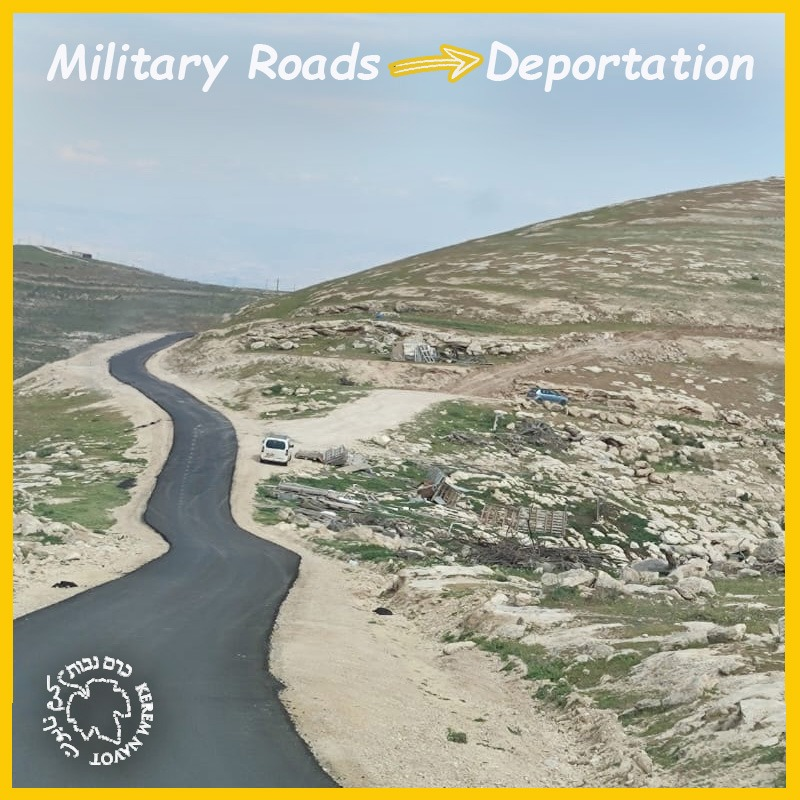 1/ On Thursday (7.5.26), the newspaper’s environmental correspondent, Zafrir Rinat, published an op-ed describing how the army and settlers are carving roads and establishing outposts inside nature reserves across the West Bank. >>
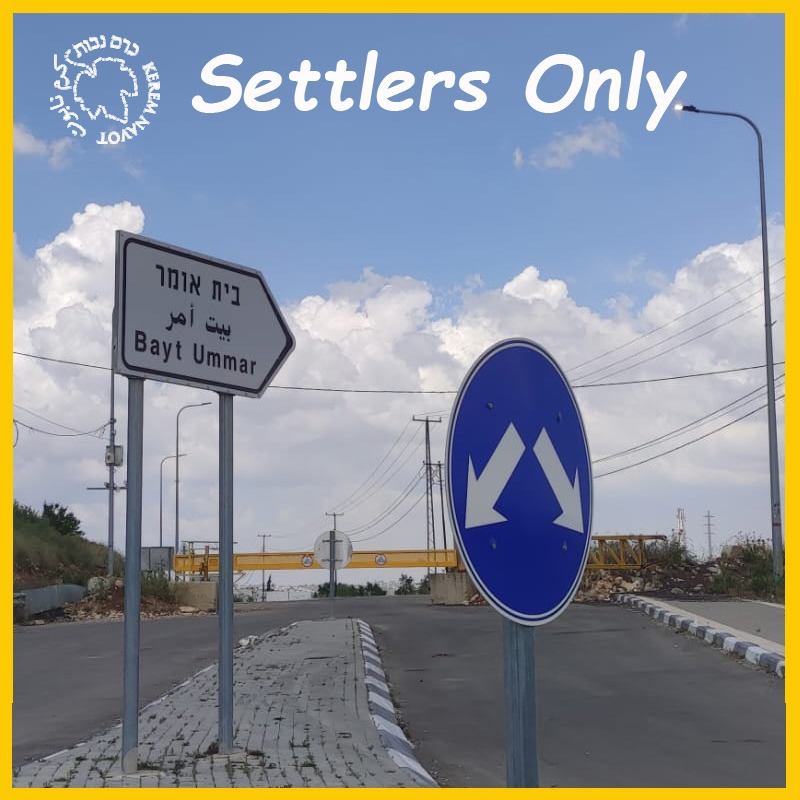 1/ In late 2025, a new outpost was established inside the al-Qarn Forest Nature Reserve. The forest stretches across a hill located between the village of Beit Ummar and the al-Arroub refugee camp. >>
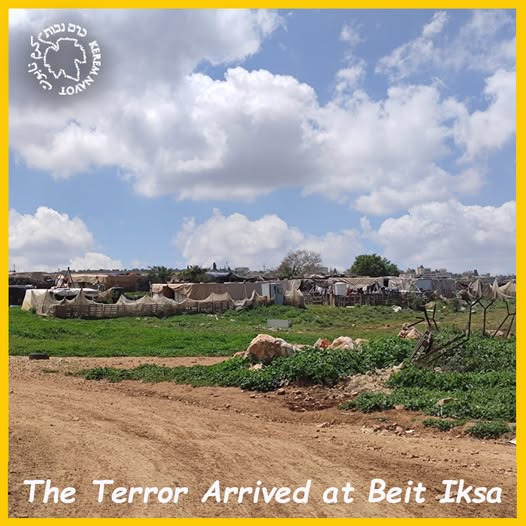 1/ During the 40 days of war waged by Israel and the United States against Iran, settlers continued their work in the West Bank. Pirate roads were carved out, new outposts were established, and Palestinian communities were brutally attacked under the protection of the army. >>
 2/ The fundamentalist criminal government, together with the Iranian Ayatollah regime and murderous fundamentalist organizations in Lebanon, Yemen, and Gaza, is busy fueling violence and spreading chaos throughout the region. Birds of a feather flock together. >>
 1/ Wadi Qana is the main stream draining the southwestern Nablus region. Most of it runs through the lands of the Palestinian village of Deir Istiya. >>
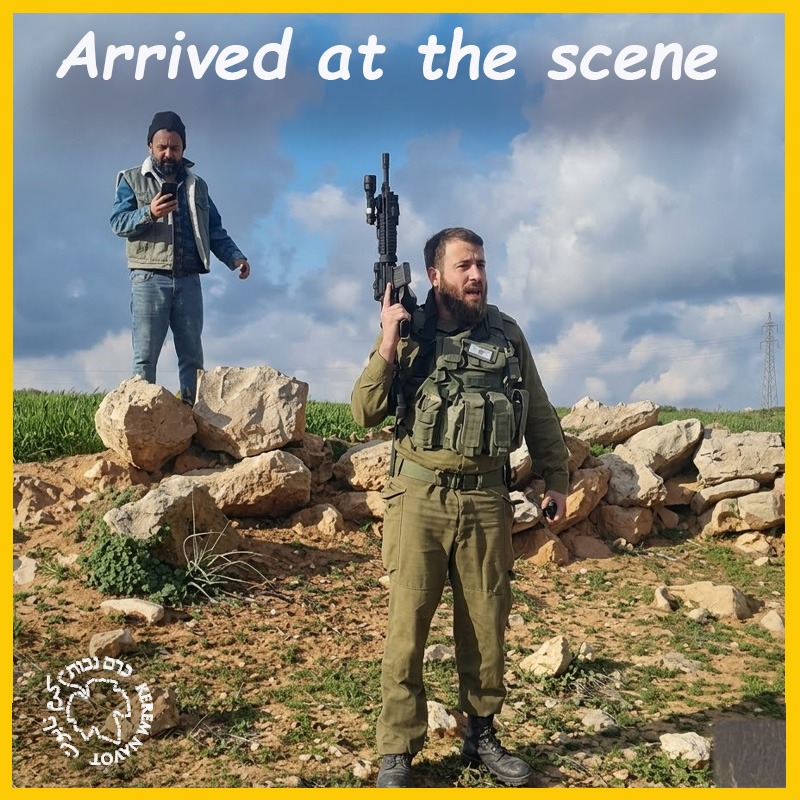 1/ An Israeli man in uniform stands holding a weapon with its barrel pointed upward. Behind him stands another man—perhaps his younger brother—wearing civilian clothes and filming the event on his phone. >>
 1/ About a week ago (8.2.2026), the cabinet approved a series of decisions whose implications, if implemented, will profoundly and negatively reshape reality in the West Bank. >>
 1/ In November 2025, Lt. Col. Ravit Niv of the Civil Administration issued a letter titled “Notice of Intent to Expropriate Land for the Sebastia Archaeological Site”. >>
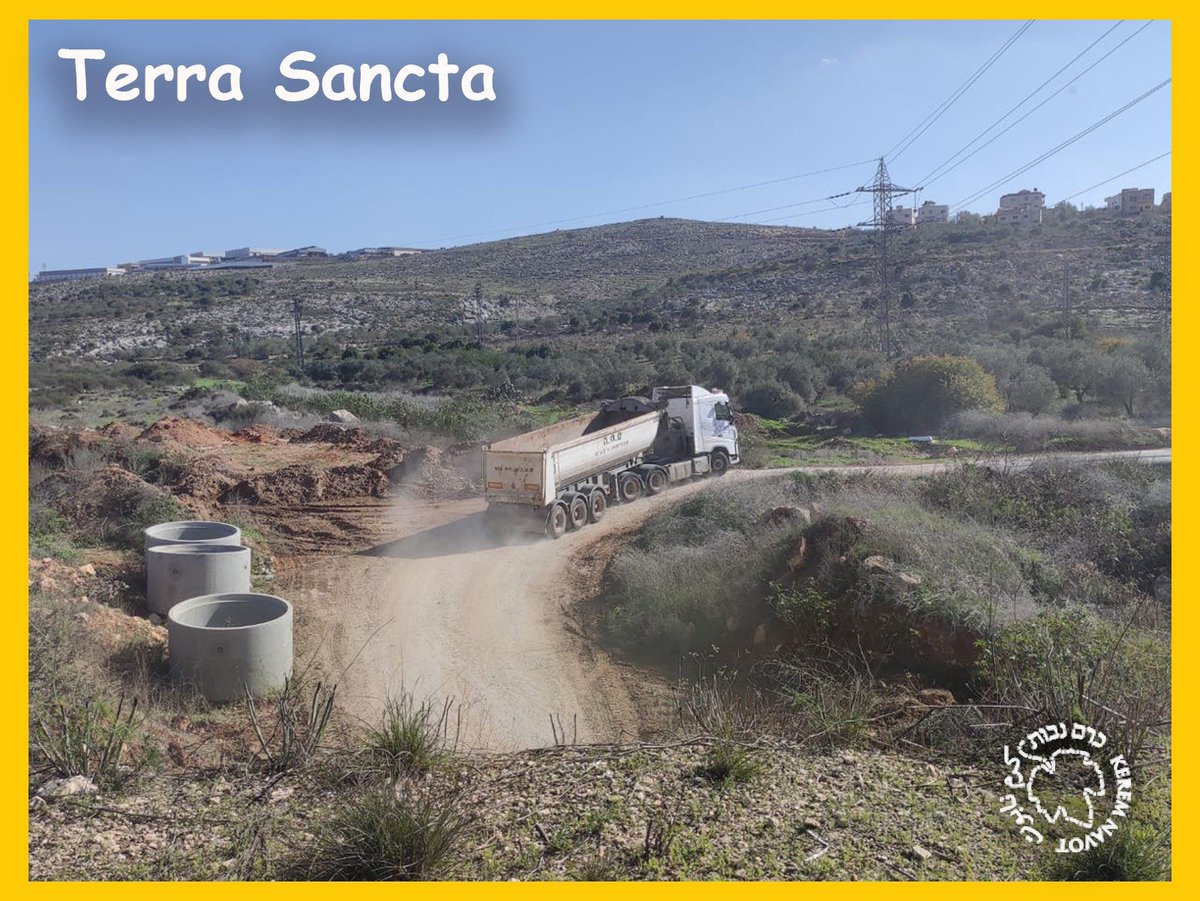 1/Over the past weeks, dozens of trucks have been entering daily a dirt road that begins at the interchange where Route 5 (“Trans-Samaria”) meets Route 446. >>
 2/ * The police unleashed terror on the Bedouin village of Tarabin, killing a civilian inside his home, in front of his family. But don’t worry—Internal Affairs is “investigating.”
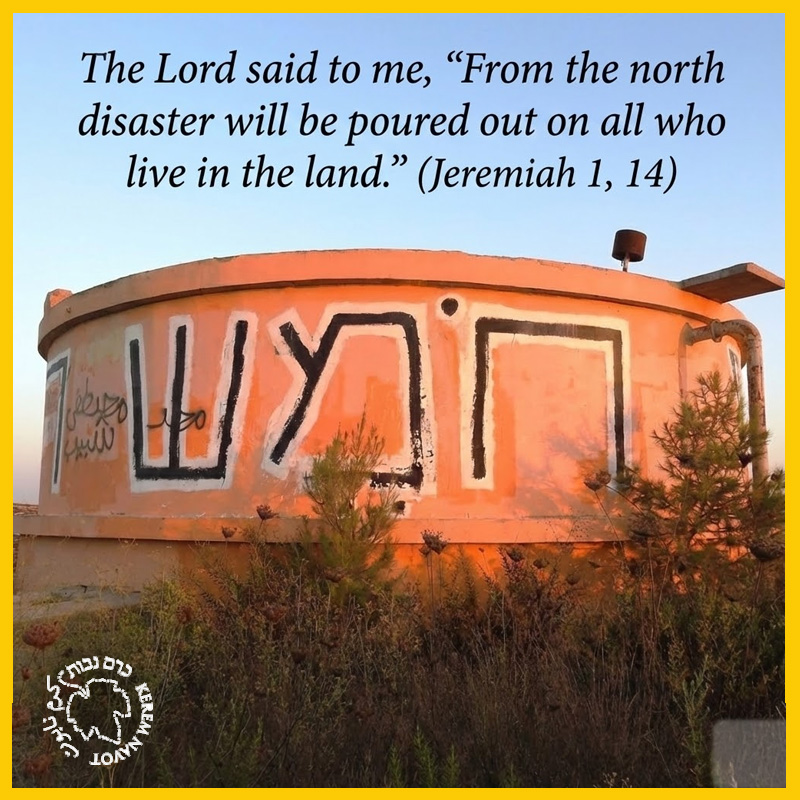 1/ In the late 1970s and early 1980s, Israel established four settlements in the area between Jenin and Nablus: Homesh, Sa-Nur, Ganim, and Kadim. These were framed at the time as so-called “quality of life settlements.” >>
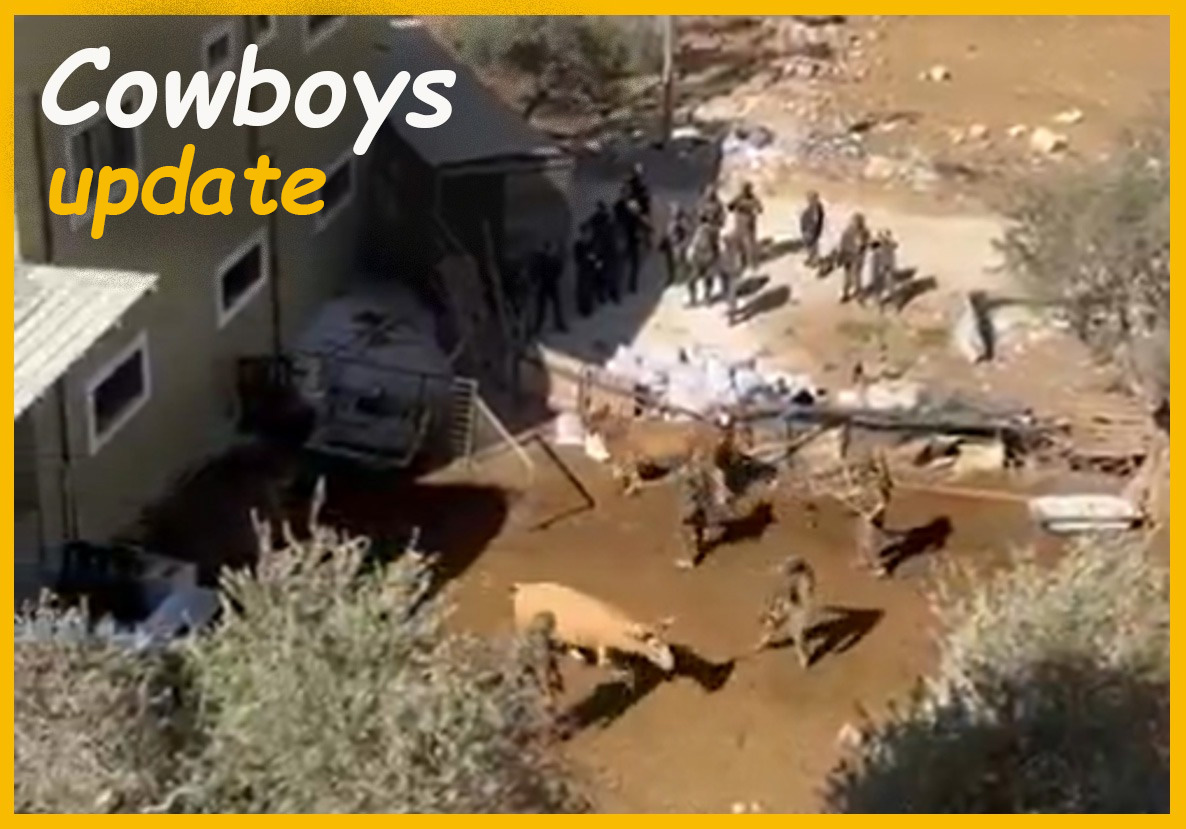 2/ After the initial publication in late November, we also wrote about this case, which in our view exposes a deep-seated pathology eating away at Israeli society. >>
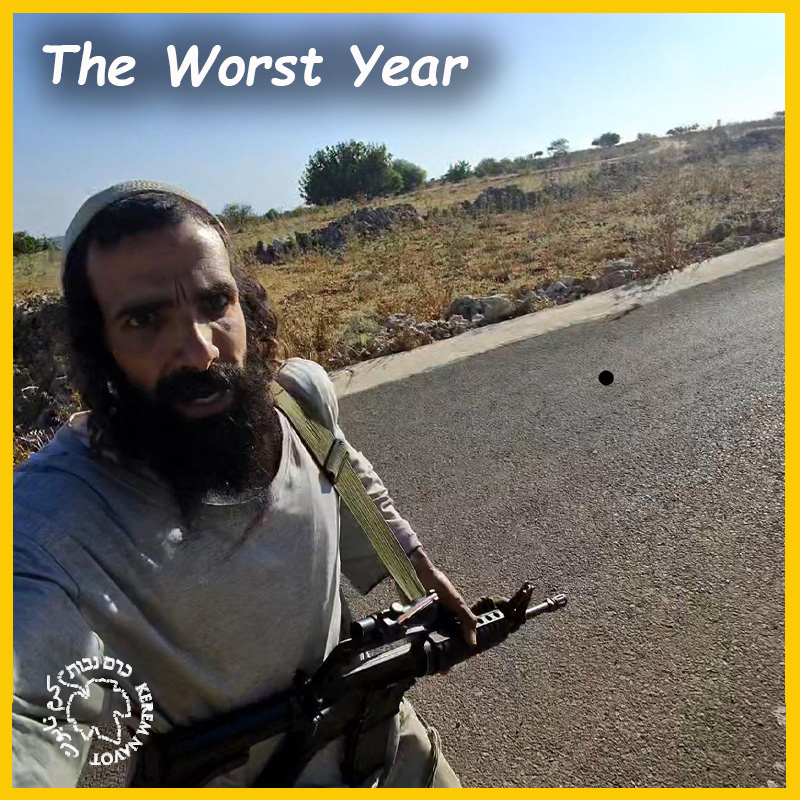 2/ The article, published yesterday (Dec 29, 2025) by “Shomrim”, describes the current phase of the expulsion and violence campaign waged by the State of Israel against the Palestinian population in the West Bank. >>shomrim.news/hebrew/settler…
 1/ In recent months, the Apartheid General, Avi Bluth, has signed dozens of new military seizure orders. Most of these orders are meant to open new roads or “legalize” older ones that settlers had previously carved out illegally. >>
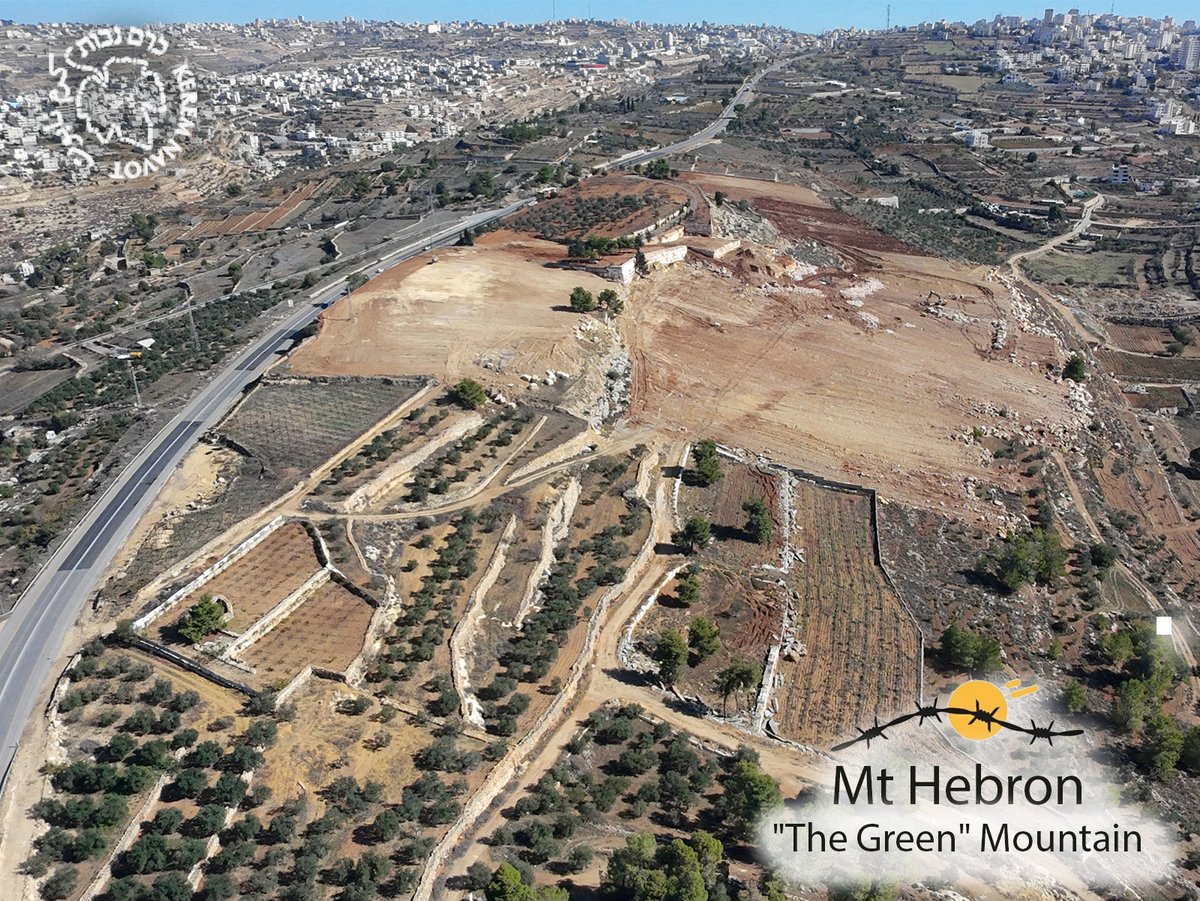 1/ About a month ago, several vehicles showed up, along with a massive bulldozer bearing the name “Michael Pinhas Levy,” at a plot of land right off Route 35, the road that climbs from the Tarqumiya checkpoint toward Hebron. >>
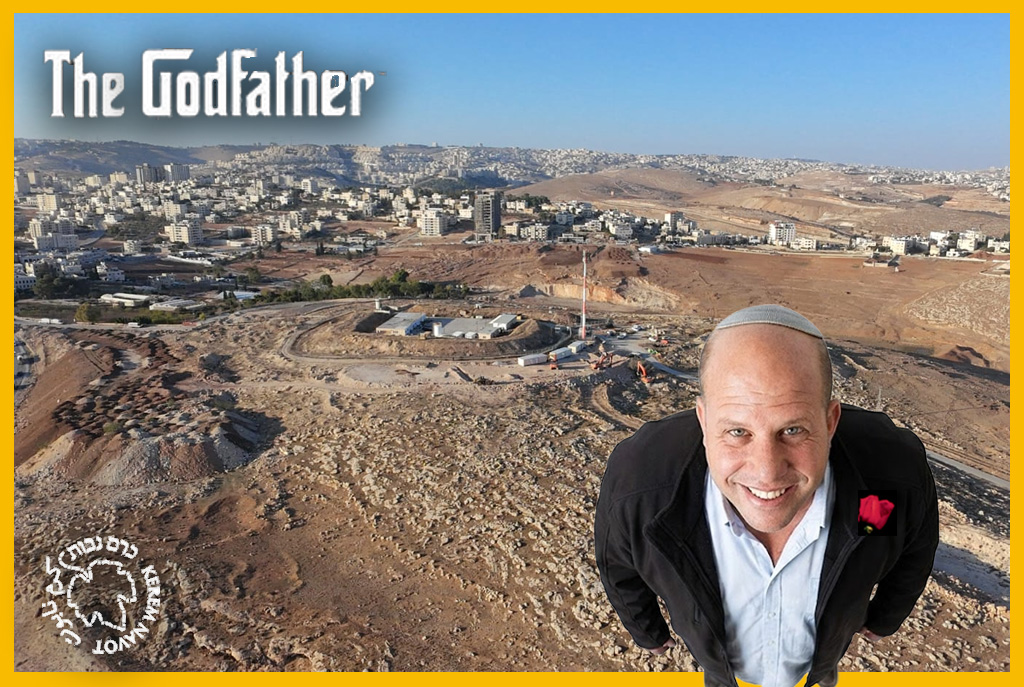 1/ The past few days have offered a rare glimpse into how Israel’s apartheid regime truly works.
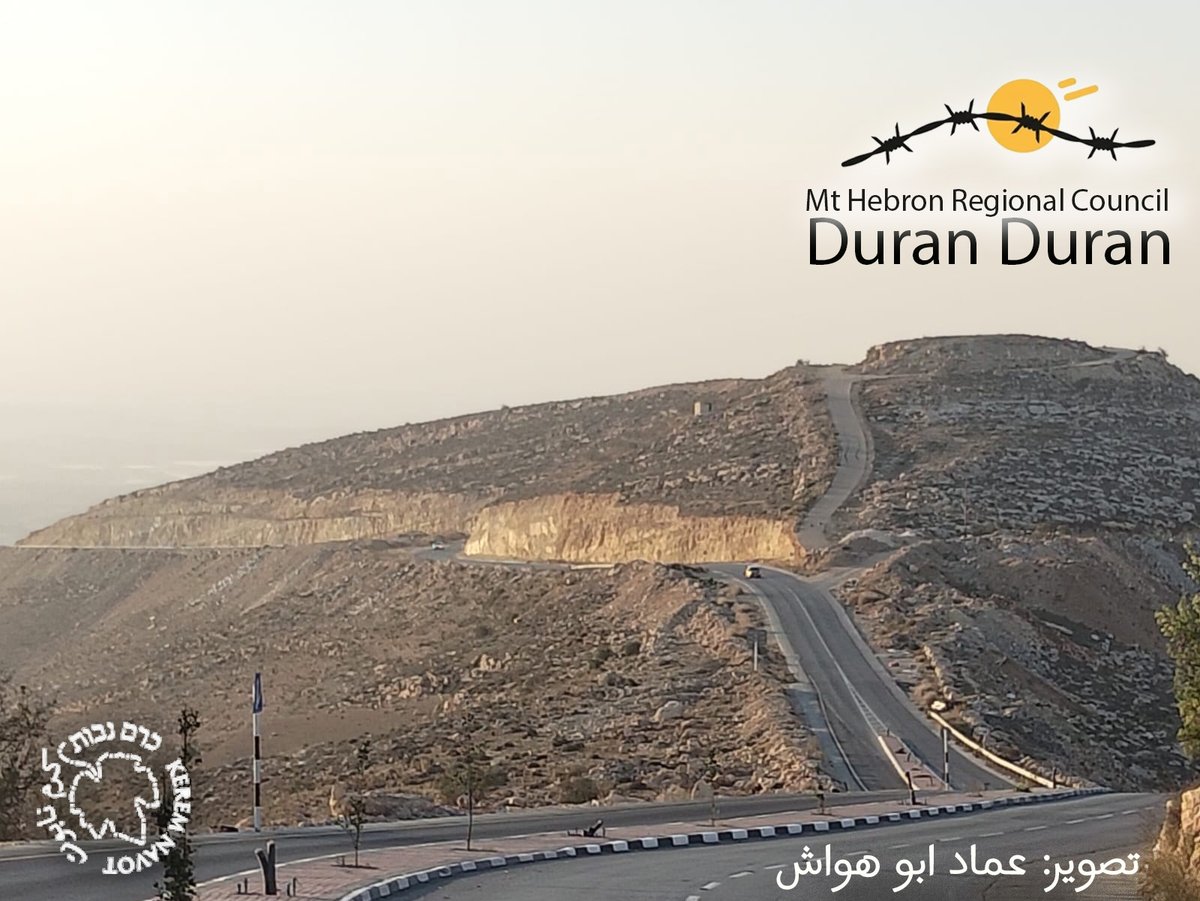 1/ On January 13, 1981, the Israeli military commander of the West Bank signed Seizure Order No. 29/81, under which roughly 70 dunams of land were “temporarily” confiscated for so-called “security needs.” >>
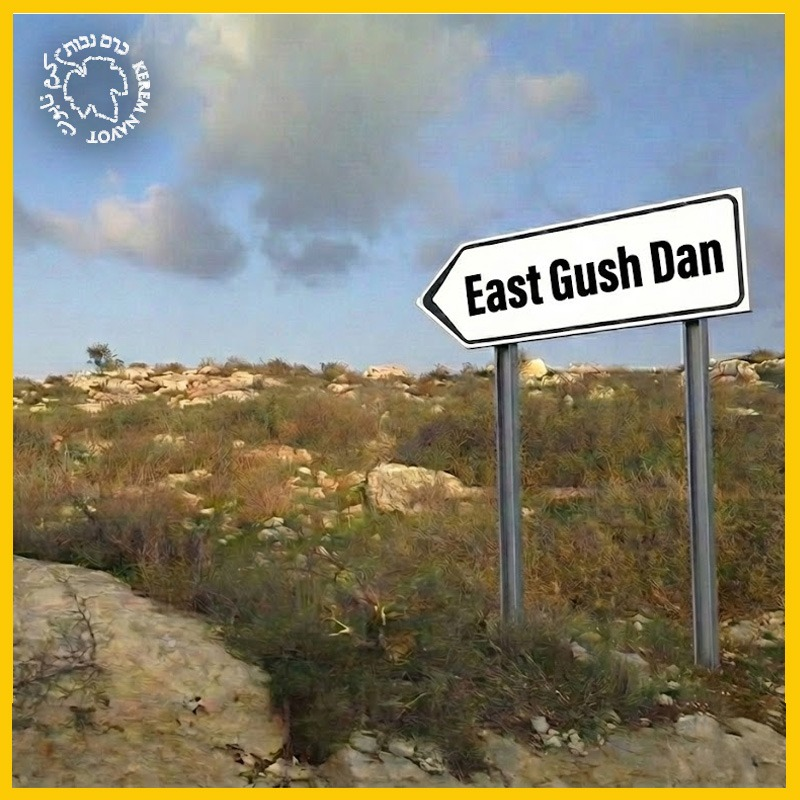
 1/ A few days ago, Ariel Schwartz posted of Facebook a short post that received wide attention and shares. In his post, Schwartz recounts a conversation with a hitchhiker he picked up — a settler from a community in what he called “East Gush Etzion.” >>
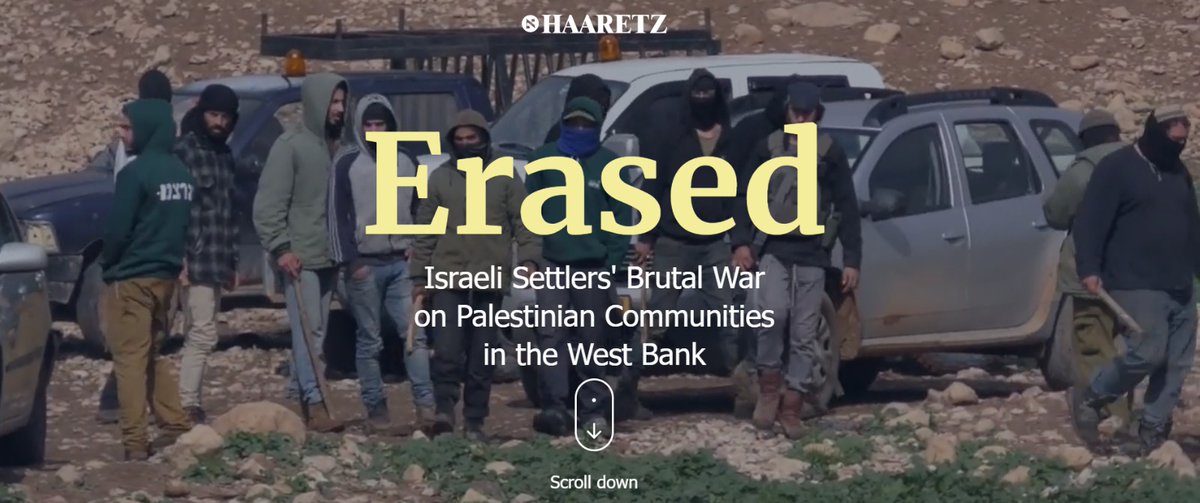 2/ In these two years, not a single day has passed without an attack or pogrom carried out by one or more settler militias, accompanied by soldiers, against a Palestinian community somewhere in the West Bank. >>