Noah Igler Profile picture
"Local SEO Guy" I help local service businesses get more phone calls by showing up at the top of Google & ChatGPT. $6.4M generated for clients in 2025.
May 21 7 tweets 4 min read
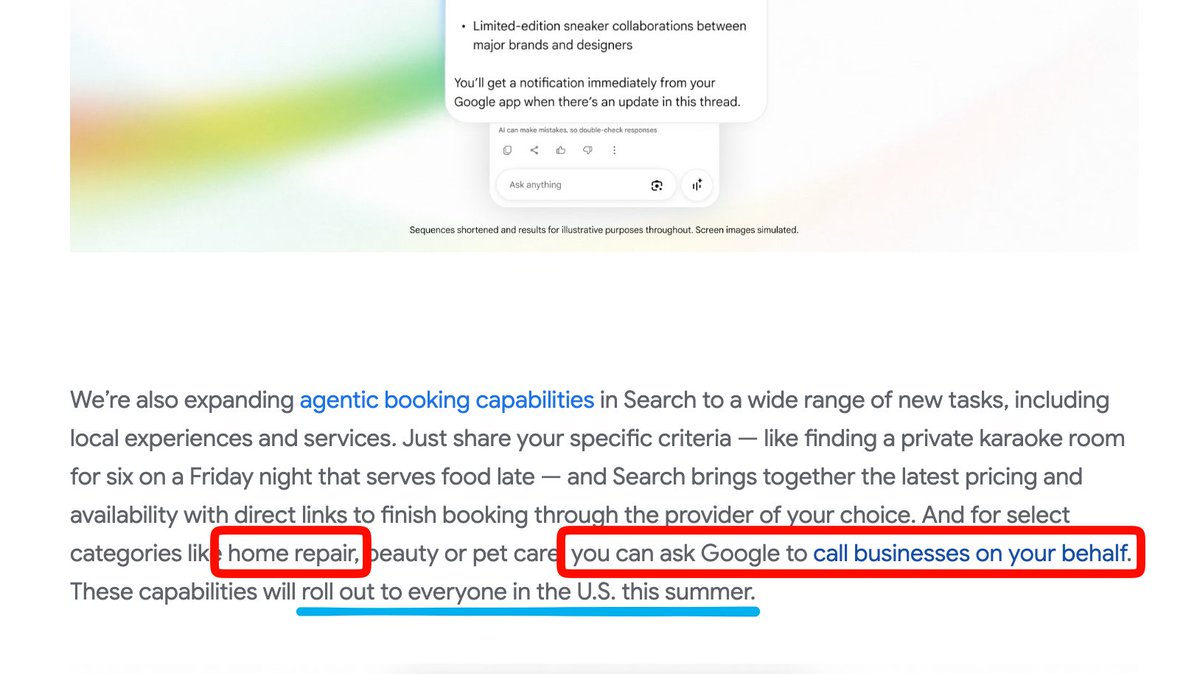
Google just announced that for home service searches, AI agents will start calling businesses on the customer's behalf this summer.

Your CSR is about to start answering calls from Google before any homeowner ever picks up the phone.

Here's what was actually announced and what to do about it:

(Bookmark this)Image Quick timeline so you understand what actually changed.
> January 2025: Google launches "Ask for Me" in Search Labs for nail salons and auto shops
> November 2025: Expands to product searches like toys, electronics, and health & beauty with "near me" added
> May 2026 (I/O): Home repair, beauty, and pet care added. Rolling out to everyone in the U.S. this summer.

The calling itself isn't new. What's new is home services being one of the three categories Google specifically called out, and the feature moving from limited Labs testing to full U.S. rollout.

Home repair covers a huge chunk of our world.

Plumbing, HVAC, electrical, roofing, garage doors, handyman, appliance repair, restoration, pest control, etc.

If a homeowner searches for any of it this summer, Google's agent can place the call instead of them.
Apr 13 6 tweets 3 min read
We built a Google Business Profile from scratch for a company that had never done residential marketing.

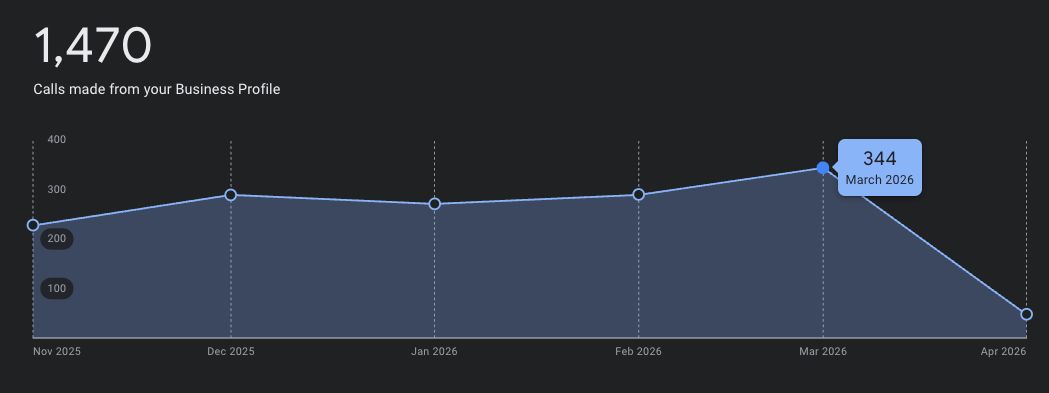
16 months later it got 344 calls in a month and has produced over 7 figures in revenue.

Here's what we did: Image When this company came to us, their entire business was built on commercial contracts and referrals. They didn't have a Google Business Profile set up for residential work at all.

That meant literally ZERO map visibility for the services homeowners actually search for. They were invisible to an entire segment of their market while competitors with half their experience were getting all the calls.

We started from scratch.
Apr 6 7 tweets 3 min read
An HVAC company was averaging about 10 calls a month from Google.

9 months later, they're pulling in over 60.

Here's the local signal stacking strategy we used: When they came to us, their online presence had some serious gaps.

Their GBP primary category was set to "HVAC contractor" while their main competitor was using "air conditioning repair service." That one difference alone was costing them visibility on every AC-related search in their area.

Their website had a single services page that listed everything they do in bullet points. No individual pages, no location pages, nothing for Google to actually index.

Most of their leads were coming from Modernize and Angi. Shared leads where 3 or 4 other companies got the same customer's info at the same time.
Mar 18 5 tweets 3 min read
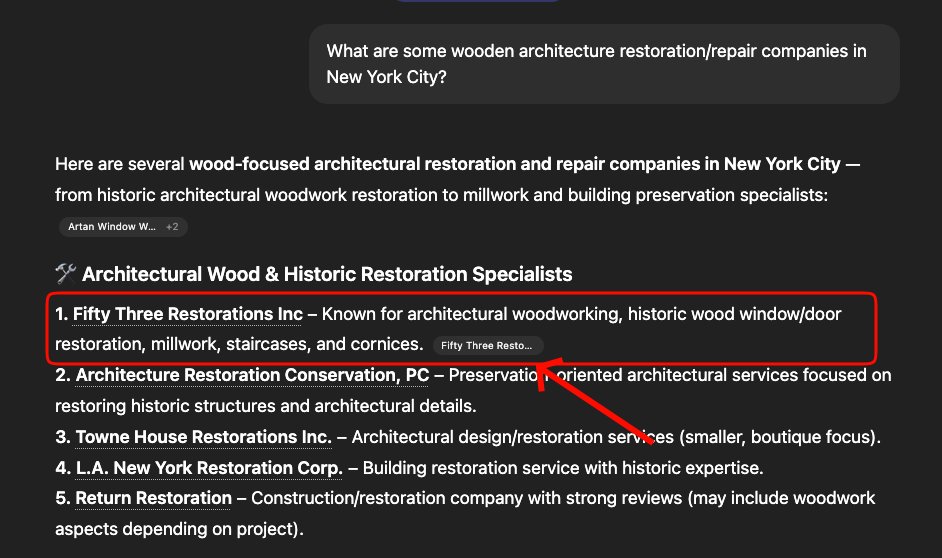
This is the EASIEST way to get recommended locally by ChatGPT and AI Overviews...

Listicle articles.

I've published hundreds over the past few months to get our clients cited.

Here's how to abuse listicles to rank your local business in AI search: Image 1. Why this works

When someone asks ChatGPT "who's the best plumber in Dallas," the model needs a source to pull from.

The most common source it cites? Articles titled "Best Plumbers in Dallas" or "Top 10 Plumbing Companies in Dallas (2026)."

AI models love listicles because they're structured, they compare multiple businesses, and they directly answer the question being asked. If your business shows up across multiple listicle articles for your service and city, the AI is going to recommend you. If you're on none of them, you basically don't exist to AI search for that query.

But it's not just AI.

Every listicle placement also gives you a backlink from a page that's already ranking on Google for a high-intent keyword AND a citation with your business name, address, and website confirming to Google that you're real and active in that market.
Mar 16 8 tweets 4 min read
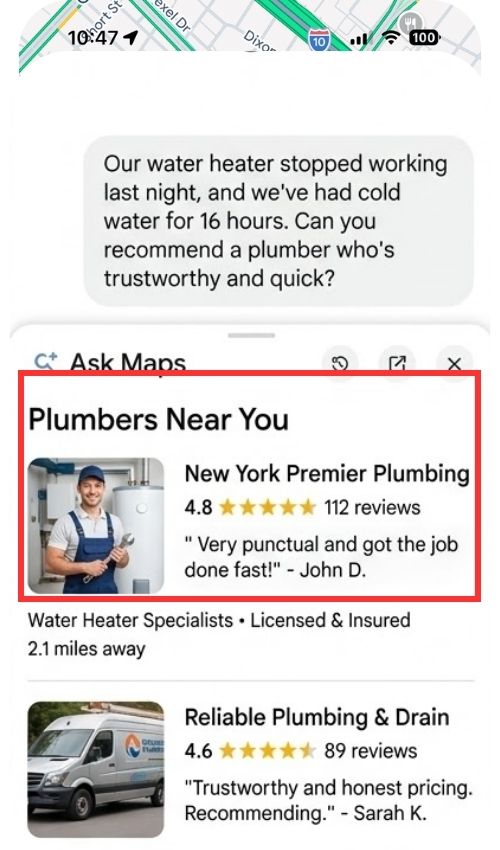
Google just launched a new AI feature that could BURY small plumbers, HVAC contractors, remodelers, etc.

"Ask Maps" is literally an AI chatbot built directly into Google Maps.

Here's EXACTLY how to get your business recommended: Image "Ask Maps" is basically AI Mode inside of Google Maps. There's a new button underneath the search bar in the Maps app. Tap it and you can have a full conversation with Google about local businesses.

Instead of typing "plumber near me" and scrolling through the Map Pack, homeowners can now ask things like:

"My water heater just stopped working. Who can come fix it today in my area?"

"I need a roofer who handles insurance claims. Who's the best rated near me?"

"I'm looking for a landscaper who does full backyard redesigns. Show me options with photos of their work."

Google Maps then returns an AI-generated response with business recommendations, links to reviews, website links, photos, directions, and booking options all in one conversational thread. And it supports follow-up questions so you can keep narrowing down.

This is not some beta feature that might roll out someday. It's live right now in the US on Android and iOS.

Here's why this matters for your business:
Feb 25 5 tweets 3 min read
Google follows your internal links to understand what you do and where you do it.

Most blue collar websites have ZERO internal linking strategy.

Here's how to fix yours in ~ 30 minutes: Image First, let's talk about why this matters.
Google sends crawlers through your website by following links from one page to another.

If your service pages don't link to your location pages and vice versa, Google has no way to connect them.

You might have a great page about "AC repair" and a great page about "HVAC services in Plano." But if they don't link to each other, Google treats them like two unrelated pages on two unrelated topics.

Internal links are how you tell Google "this business does AC repair AND they serve Plano."

Without that connection, you're relying on Google to figure it out on its own. It usually won't.
Feb 18 6 tweets 3 min read
This is the EXACT internal SEO process we use to rank our home services clients #1 on Google Maps and AI search.

It's helped dozens of service businesses grow from ~$1.5M in revenue to $3-5M.

(Broken down month by month) 1. Month 1 is foundation.

Nothing exciting happens externally but this is the most important month.

> Keyword research and local market analysis: search volume, competitor strengths, ranking difficulty for your area
> Full technical SEO audit: site speed, mobile optimization, crawl errors, indexing issues and a few schema tricks
> On-page audit: title tags, meta descriptions, H1s, internal linking gaps, content gaps
> Google Business Profile fully optimized: primary category set, every service added with keyword rich descriptions, attributes filled out, photos uploaded
> Tracking set up: GA4, Search Console, call tracking, rank tracking, heatmaps
> First batch of citations submitted to 45 big name directories
> First press release published for brand signals and backlinks
> Content strategy mapped out based on keyword research and competitor analysis
> New site structure reworked with all service and location pages outlined
> Implement our review strategy with the business's team
Feb 11 5 tweets 3 min read
Most home service websites convert under 1%.

Our client's sites convert around 3-4%.

Here's how we fix conversion rate: Image 1/ Your hero section is the #1 priority.
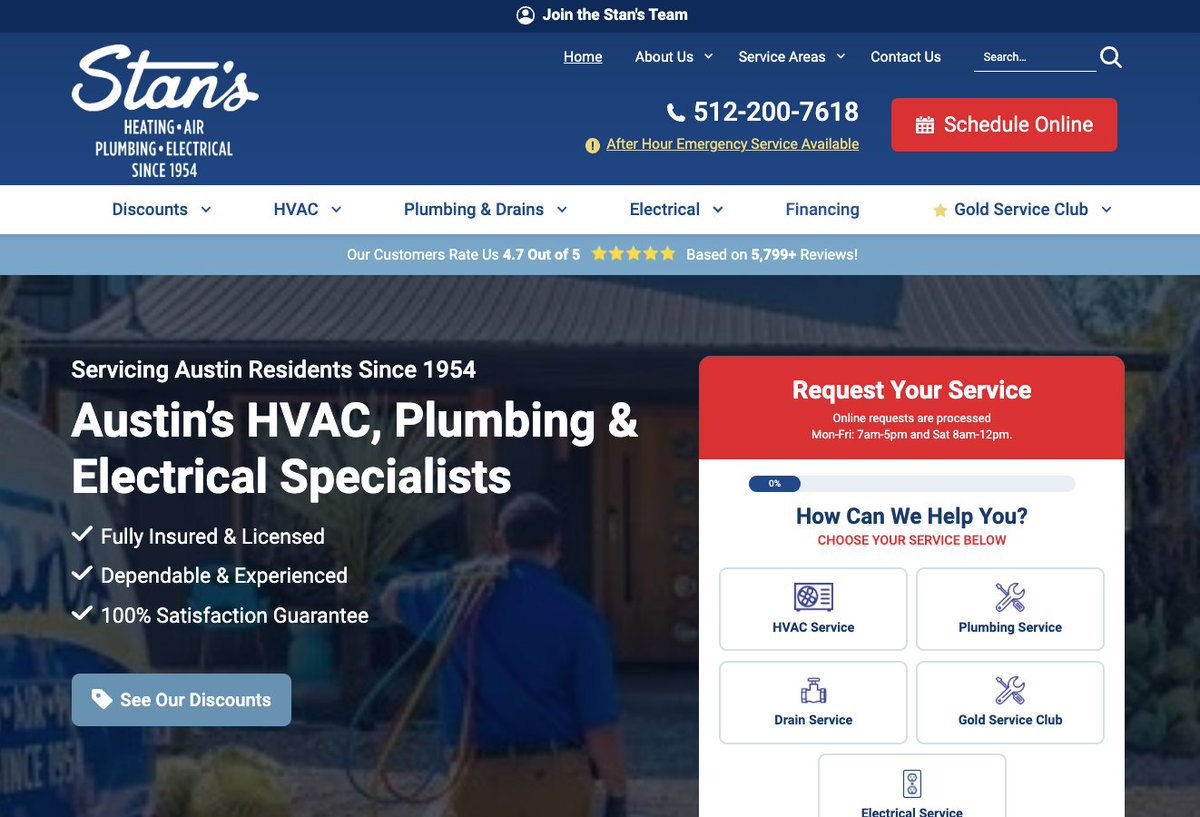
Most contractor websites waste this space with a stock photo of a guy in a hard hat and a headline that says "Quality Service You Can Trust." That tells the visitor absolutely nothing.

Your hero section needs four things.
> Your primary service and city in the headline.
> A massive tap to call button.
> Your star rating and review count with the Google logo next to it.
> Two or three trust signals like licensed, insured, or same day service.

That's it.

No paragraph about your company history.

No slider with five different images.

The entire job of your hero section is to make someone call you within 3 seconds of landing on the page.
Feb 10 6 tweets 3 min read
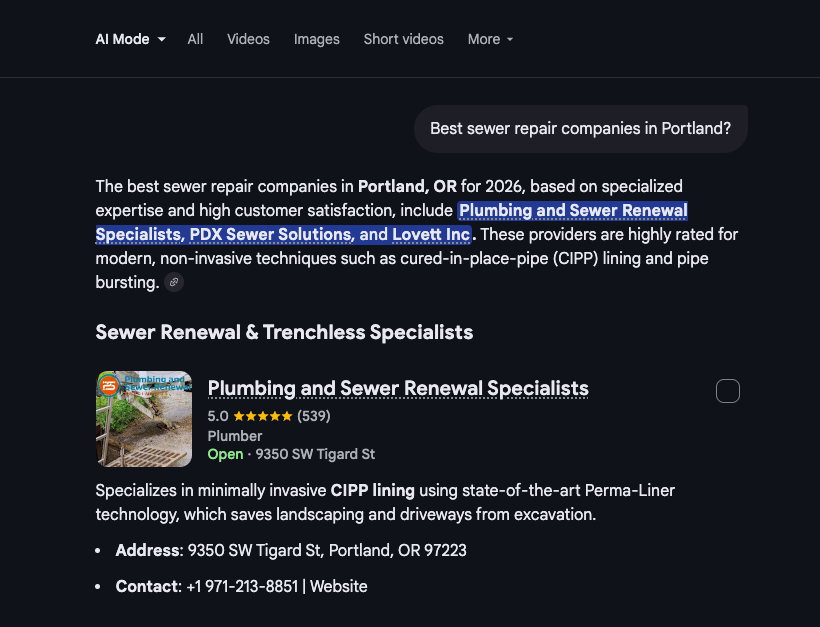
I helped a plumbing company rank #1 on ChatGPT and Google AI Mode.

Here's the exact process we used: Image 1/ First thing we did was start building reviews on platforms outside of Google.
Most contractors only care about Google reviews. Makes sense because that's where the leads come from. But ChatGPT, Perplexity, and other LLMs don't JUST pull from Google. They pull from Yelp, TrustPilot, and other review sites when deciding who to recommend.

Once they started getting more Yelp reviews (as well as Google), we began showing up in AI results.

Most of their competitors had zero Yelp presence so there was almost no competition on that platform.
Feb 4 6 tweets 2 min read
This is the single biggest trick to rank in the Map Pack and it only costs $500.

I'm talking about having a physical location GBP.

Here's why (and how to get one): Image Spoke with two business owners this week who have the same problem.

Both run service area profiles on Google.

Both are getting outranked in competitive markets by companies with a fraction of their reviews.

One of them has the most reviews in his entire market and still can't crack the top 3.

The issue isn't reviews, content, or citations. It's the profile TYPE itself.
Jan 29 9 tweets 4 min read
An interior remodeling company invested $18,500 with us.

They've made back multi-six figures from SEO in the past 8 months.

Here's the exact strategy we used to rank them #1 on Maps and LLMs: When they came to us they were sitting around position 11 in Map results.

Obviously this meant they were getting ZERO leads from Google search.

Why?
> 35 reviews
> Generic business name
> GBP linked to a unoptimized homepage that mentioned 6 different cities
> 7 indexed citations

Their top competitor had over 160 reviews and had been ranking #1 for years.

Here's what we changed:
Jan 26 7 tweets 2 min read
If I was starting a home service business tomorrow with $0 marketing budget.

Here's the exact strategy I'd follow to get more phone calls: First thing I'm doing is claiming my Google Business Profile.

This is your entire marketing strategy for the first 90 days.

Forget everything else.

> use an exact match business name (get a DBA for your main LLC)
> fill out every field completely
> primary category matches your main service
> add every service you offer with keyword rich descriptions
> upload 10 photos from actual jobs before you even think about anything else
Jan 23 5 tweets 2 min read
Your agency has written you 50 blog posts in the past year.

How many leads did those bring you?

Probably zero, and I'll explain why: Image Agencies love selling blog content because it's easy to package and charge for, but the ROI math doesn't work for most home service businesses.
Nobody reads "5 signs your water heater is failing" and then picks up the phone to call you. That person is researching, not buying, and they might not need a plumber for another 6 months.

Oh, and there's probably a less than .01% change they are in YOUR market.

The person searching "emergency plumber Austin" at 10pm with a flooded bathroom is the one with their credit card ready.

Those are two completely different people at completely different stages, and your blog content doesn't reach the second one at all.
Jan 19 5 tweets 2 min read
Most home service businesses compete on price because they have no other choice.

Not because the market is tough... but because they're invisible online.

Here's how to fix that: When a homeowner finds you through Angi or Thumbtack, you're one of 4 or 5 quotes.

They don't know you nor do they trust you yet.

So, they compare the only thing they can.

Price.

You're starting from zero every single time.
Jan 19 6 tweets 3 min read
A roofing company came to us 13 months ago doing 100% storm chasing and D2D sales.

They had zero predictable INBOUND lead flow and their revenue depended entirely on weather patterns and how many doors their guys could knock.

Here's how we helped them build a business that doesn't rely on chasing storms:Image 1. The decision to settle down.

This company had been chasing storms across 3 states for years, which meant unpredictable income, constant travel, and a team of door knockers who were always on the road.

Storm season actually started to settle down in their markets more recently.

They decided they wanted to build something more sustainable, so they chose a strategic home base: a group of suburbs about 10 miles outside a major city center.

The location mattered because:
> Close enough to a metro area with high search volume
> Far enough that competition wasn't insane
> Surrounded by middle-class neighborhoods with homes that actually need roof work
> Central to multiple suburbs they could serve without driving an hour

Once they got their office, we got to work building their Google presence from scratch.
Jan 16 5 tweets 2 min read
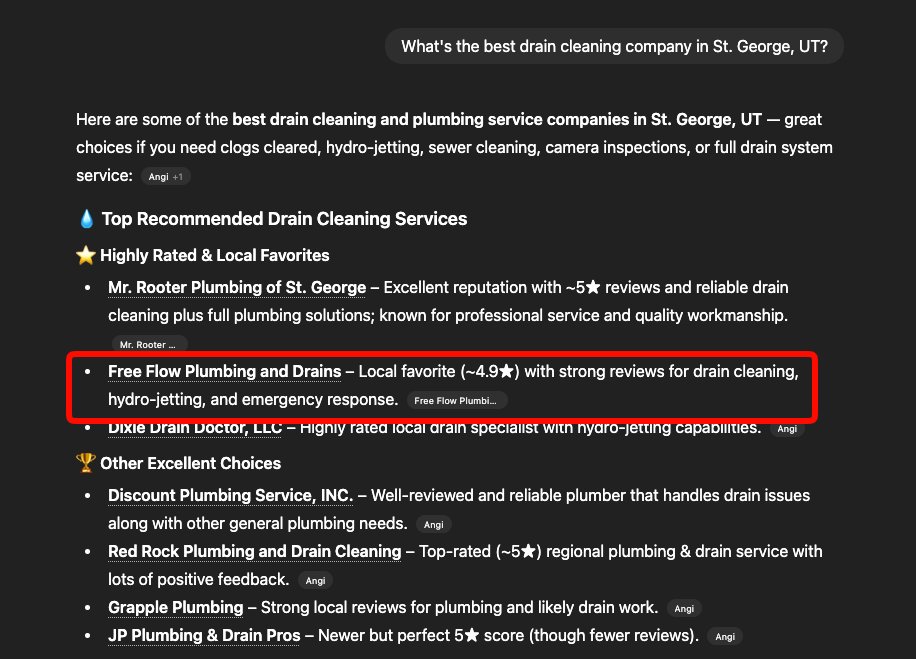
I ranked a plumber #1 on ChatGPT.

Here's the exact playbook we used:

(Bookmark for later) Image 1. Started with their website.

Most plumbing sites talk about "quality service" and "trusted professionals."

LLMs don't care about that fluff.

They want answer to the specific questions people search AND helpful content.

We rewrote their pages to answer specific questions people actually ask.

> "How much does drain cleaning cost in St. George?"
> "What causes slow drains in Southern Utah?"
> "Emergency vs scheduled drain service"

Each service page became a mini knowledge hub.

LLMs pull from pages that directly answer questions. So we gave them exactly that.
Jan 7 7 tweets 4 min read
People are asking ChatGPT, Grok, and other LLMs for contractor recommendations now.

"Who's the best plumber in Phoenix?"

If your business shows up nowhere online, you don't get recommended.

Here's how to fix that: LLMs work slightly differently than Google.

Google Maps ranks websites based on proximity, relevance, and authority.

ChatGPT, Gemini, and Google's AI Overviews use the same ranking criteria, BUT they pull from different sources.

They look at:
> News articles
> Press releases
> Brand mentions across the web
> Authoritative local sources
> Public social content

A business with 50 blog posts about "signs you need a new roof" probably won't show up.

A business mentioned in the local newspaper for sponsoring a charity event probably will.

Here's the playbook to get your business recommended by AI.
Dec 30, 2025 4 tweets 1 min read
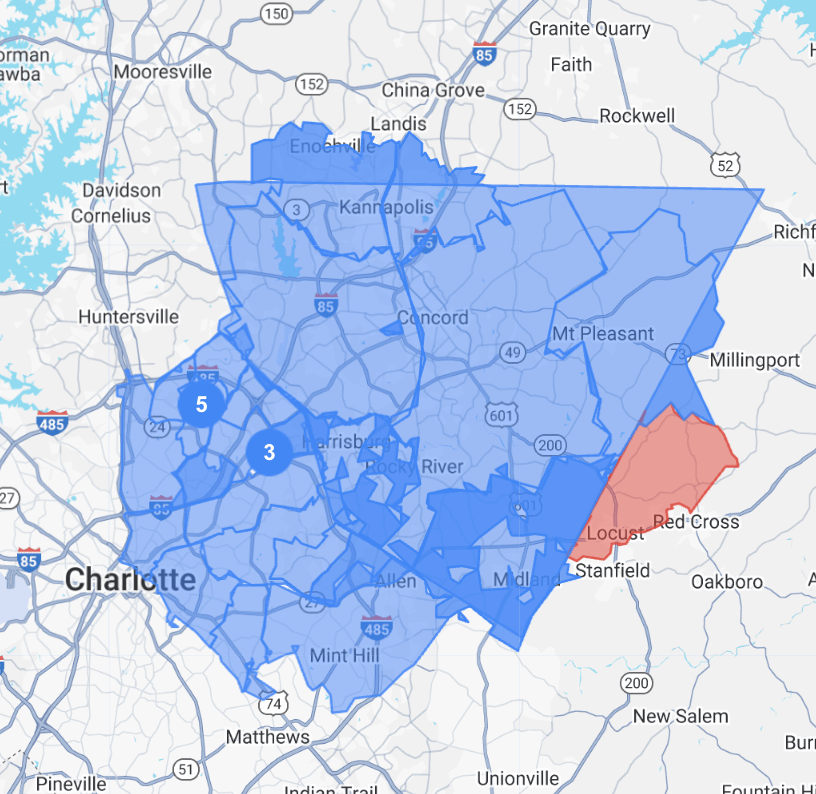
Most contractors set their GBP service area to 50+ miles.

They think bigger coverage means more leads...

But it actually tanking their rankings.

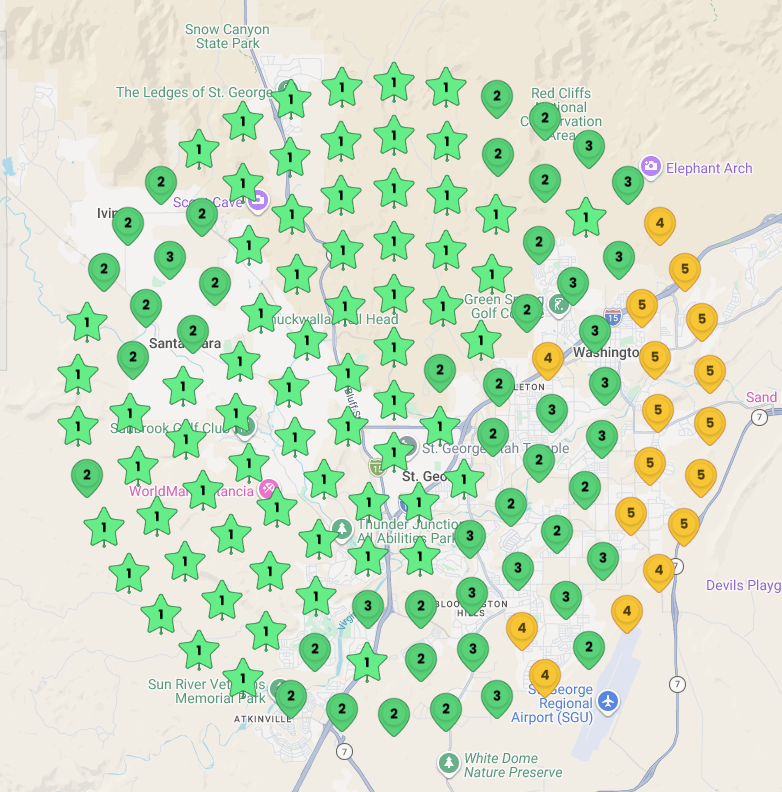
Here's how to fix it: Image Google uses proximity as a major ranking factor.
When someone searches "AC repair near me," Google wants to show businesses closest to them.

If your service area covers half the state, Google doesn't know where you're actually located.

So it ranks you lower everywhere instead of higher somewhere.

Here's what's happening in the algorithm.
Dec 23, 2025 5 tweets 2 min read
This link building strategy helps you rank you in the Map Pack AND AI search results.

No more high DA links from random blogs.

Here's how to do digital PR to rank your local business #1: Digital PR works differently than traditional link building.

High DA backlinks from random sites tell Google you exist.

Digital PR tells Google (and AI) that you're a trusted local business worth recommending.

Here's the difference:

Traditional link building gets you a link from a DR 60 site nobody visits.

Digital PR gets you mentioned in news, community sites, and industry publications.

Google weighs relevance MUCH heavier than raw domain authority for Map Pack rankings.

A link from your city's news site beats a link from a generic finance blog with high DA.
Dec 19, 2025 6 tweets 2 min read
Google just released a new AI feature on Business Profiles that could lose you customers.

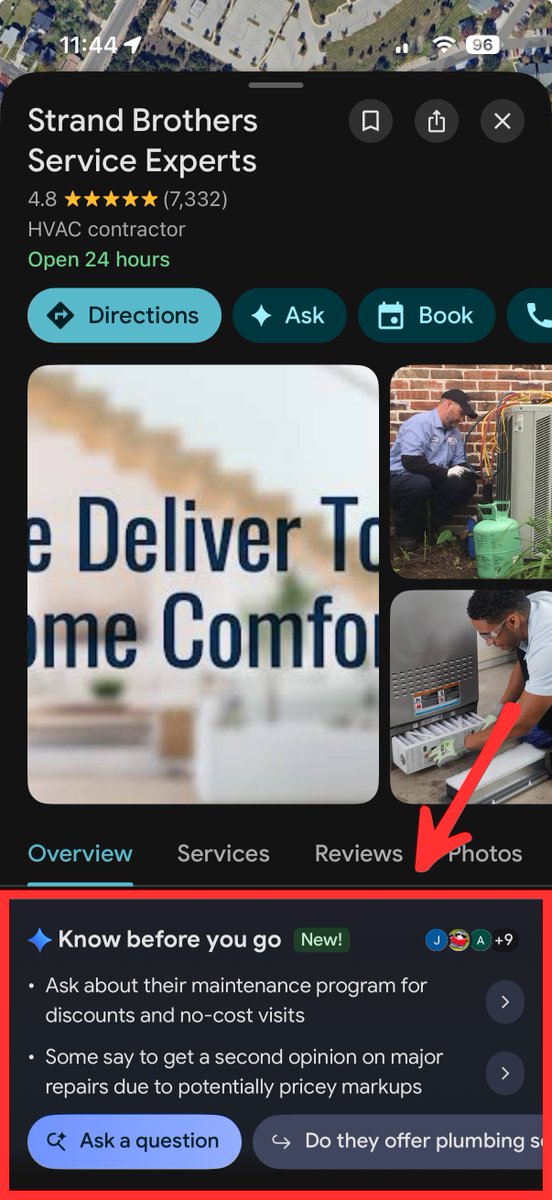
"Know before you go"

It answers questions like "Do they offer AC repair?" before customers even call you.

Here's how you can control what Google says about your business: Image The feature pulls from your reviews, services, and website to answer customer questions.

Things like:
> "Do they offer 24/7 service?"
> "Do they offer plumbing services?"
> "Are they expensive?"

If your GBP and website's content isn't optimized around these searches, Google has no clue what to tell leads.

And it often guesses wrong.

Here's how to make sure Google gets it right.
Dec 18, 2025 7 tweets 3 min read
Google reviews are 30% of ranking on Google Maps.

But catching up to competitors can take years.

Here's how I use local signal stacking to OUTRANK businesses with 10x our reviews:

(Bookmark this) Image 1. File a DBA with an exact match business name.

Your competitor is "Johnson's HVAC Services."

You register "[Brand] AC Repair [City]."

Google gives a ranking boost when your business name matches what people actually search.

This is completely within Google's guidelines as long as it's your legal DBA.

Go to your state's business registration site and file it. Takes 15 minutes and costs under $50 in most states.

Rebuild your citations with the new name, then update your GBP name.

This alone can jump you 5-10 spots without touching anything else.