“Everything flows, and nothing abides; everything gives way, and nothing stays fixed.” – Heraclitus
2 subscribers
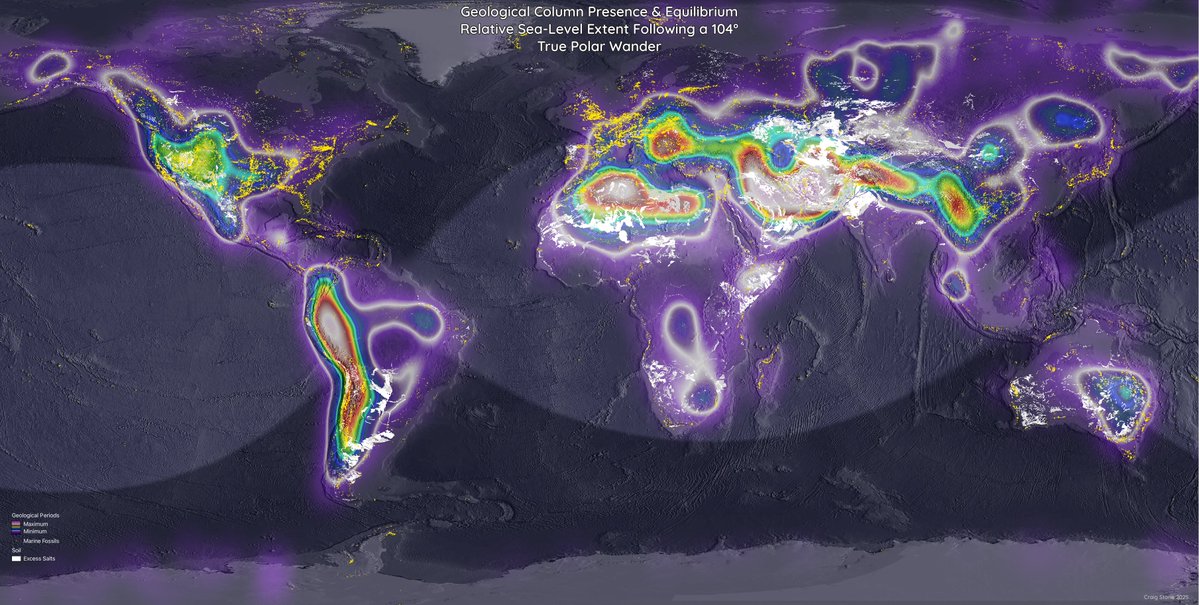
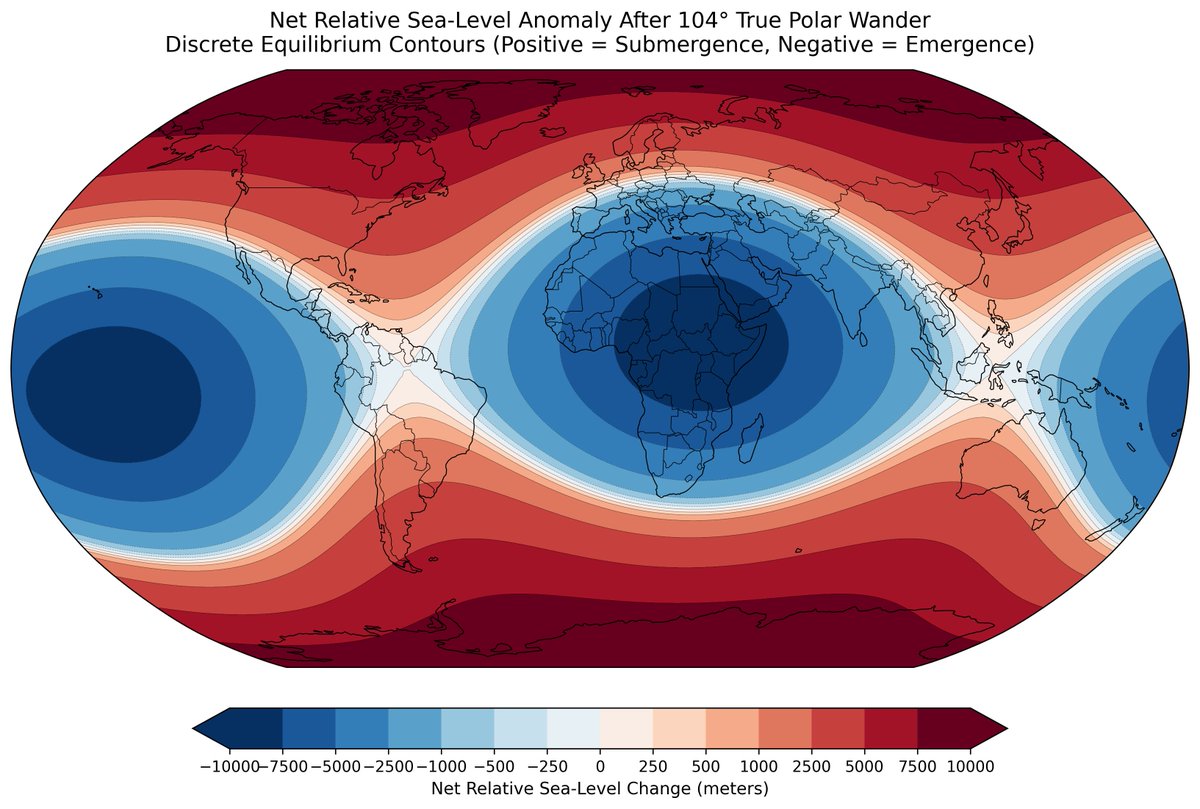 These two maps compare the purely physical prediction of equilibrium sea-level redistribution with independent geological and soil-based observations. The contoured anomaly map shows where long-term submergence and emergence are expected solely from changes in rotational geometry, while the overlaid proxy maps show where the Earth’s surface appears to have recorded prolonged or repeated marine influence. Regions predicted to lie near or within the equilibrium inundation zone also show high concentrations of marine fossils, greater preservation of stratigraphic sequences, elevated soil salts, and extensive development of black soils. These features are not controlled by modern coastlines or short-term climate, but reflect long residence times under conditions that alternate between marine, waterlogged, and terrestrial environments. [2/3]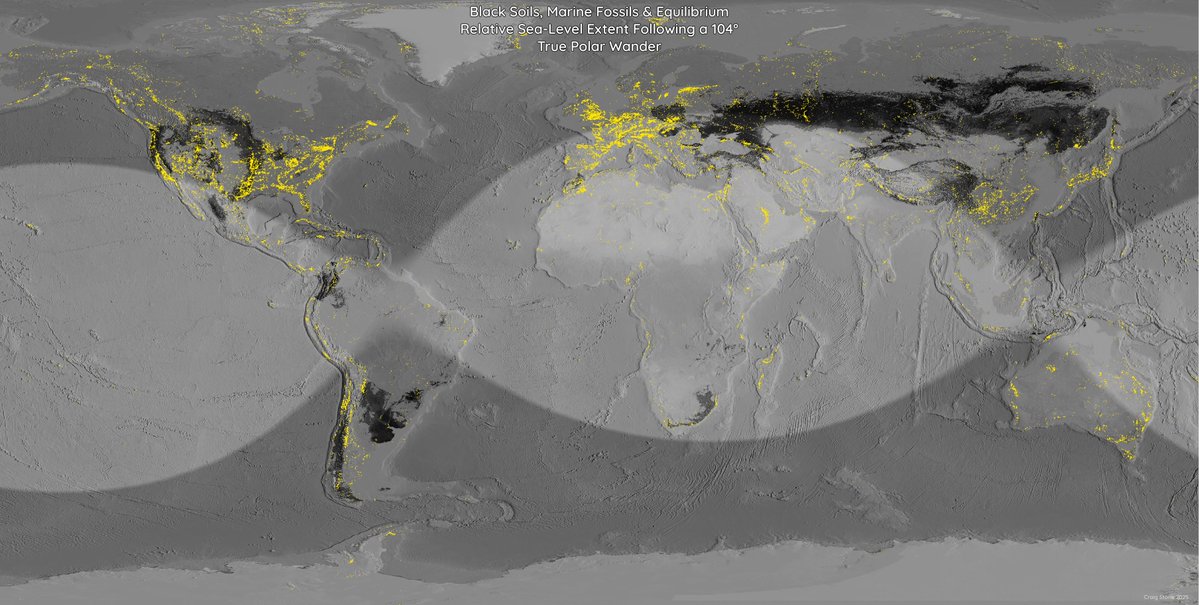

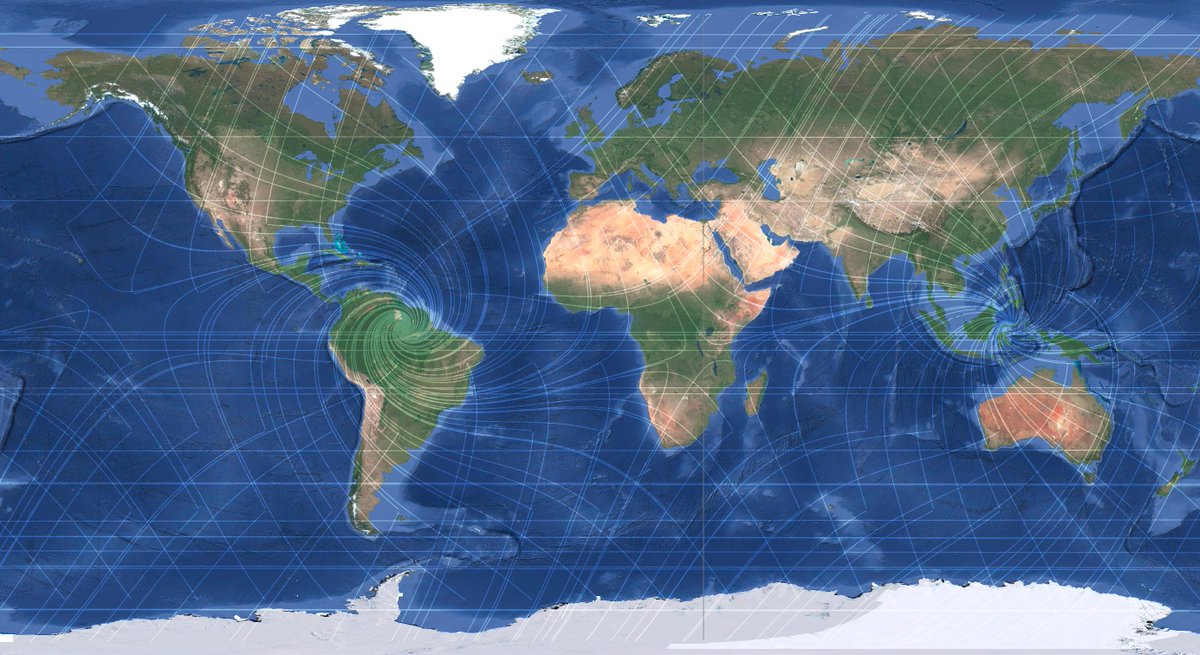
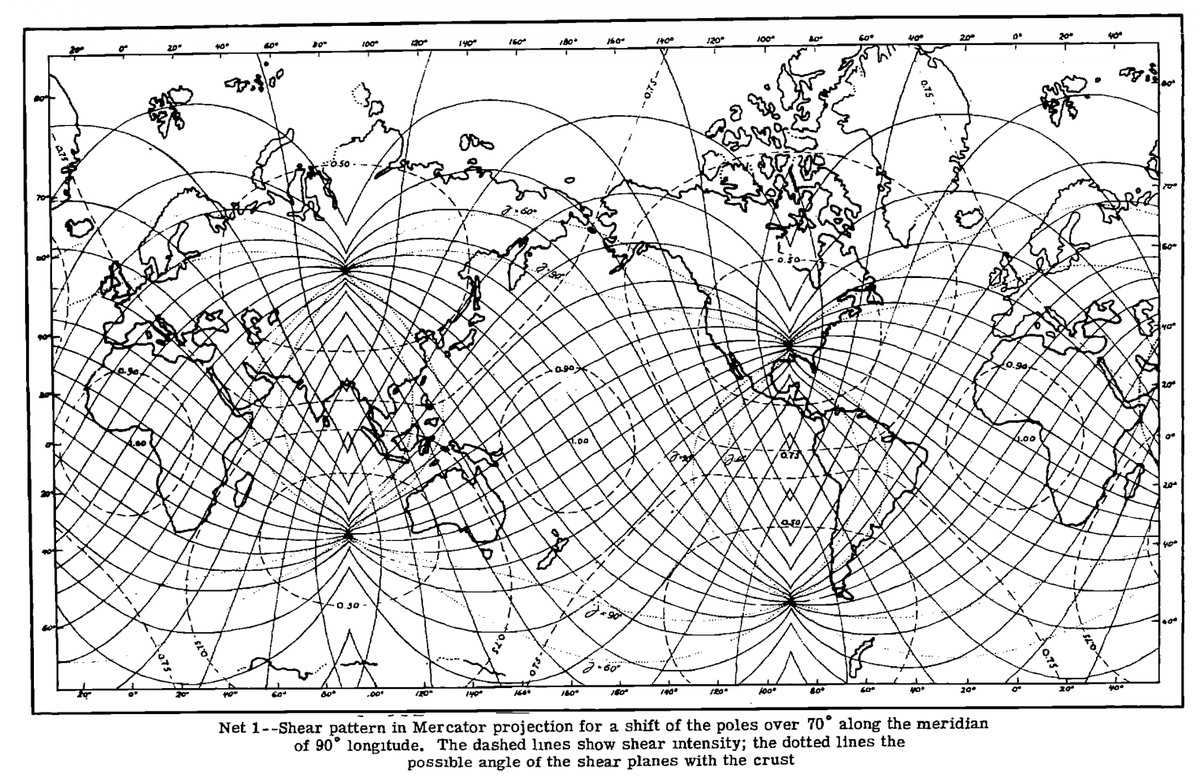 [2/7] In the southeastern United States, surface clay forms a near-perfect arc with a ~250km radius. The arc crosses multiple geological provinces and rock types, which makes local explanations difficult. Carbonate enrichment (CaCO₃) appears along the same arc, while sand does not. The geometry matches the predicted shear contours almost exactly. When a single, smooth arc cuts cleanly across multiple provinces, with no obvious structural boundary. How does a feature like this maintain a precise geometry unless it reflects a large-scale, organizing stress field?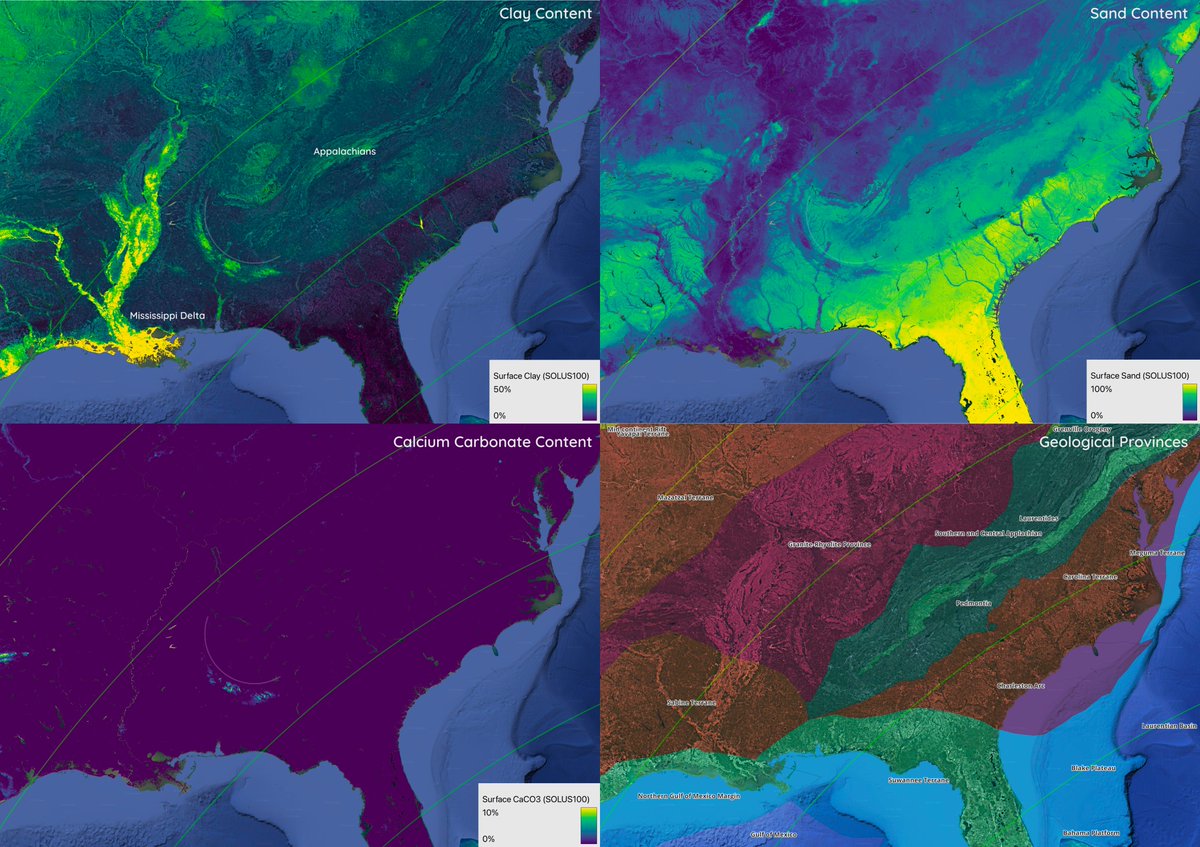
 25-year polar motion and Grok's analysis of the source data [2]: Based on the analysis of the provided JPL Earth Orientation Parameter 2 (EOP2) file, which contains data up to July 16, 2025, with predictions extending to October 12, 2025, an anomaly is evident in the recent data, particularly over the last few days up to July 16, 2025.
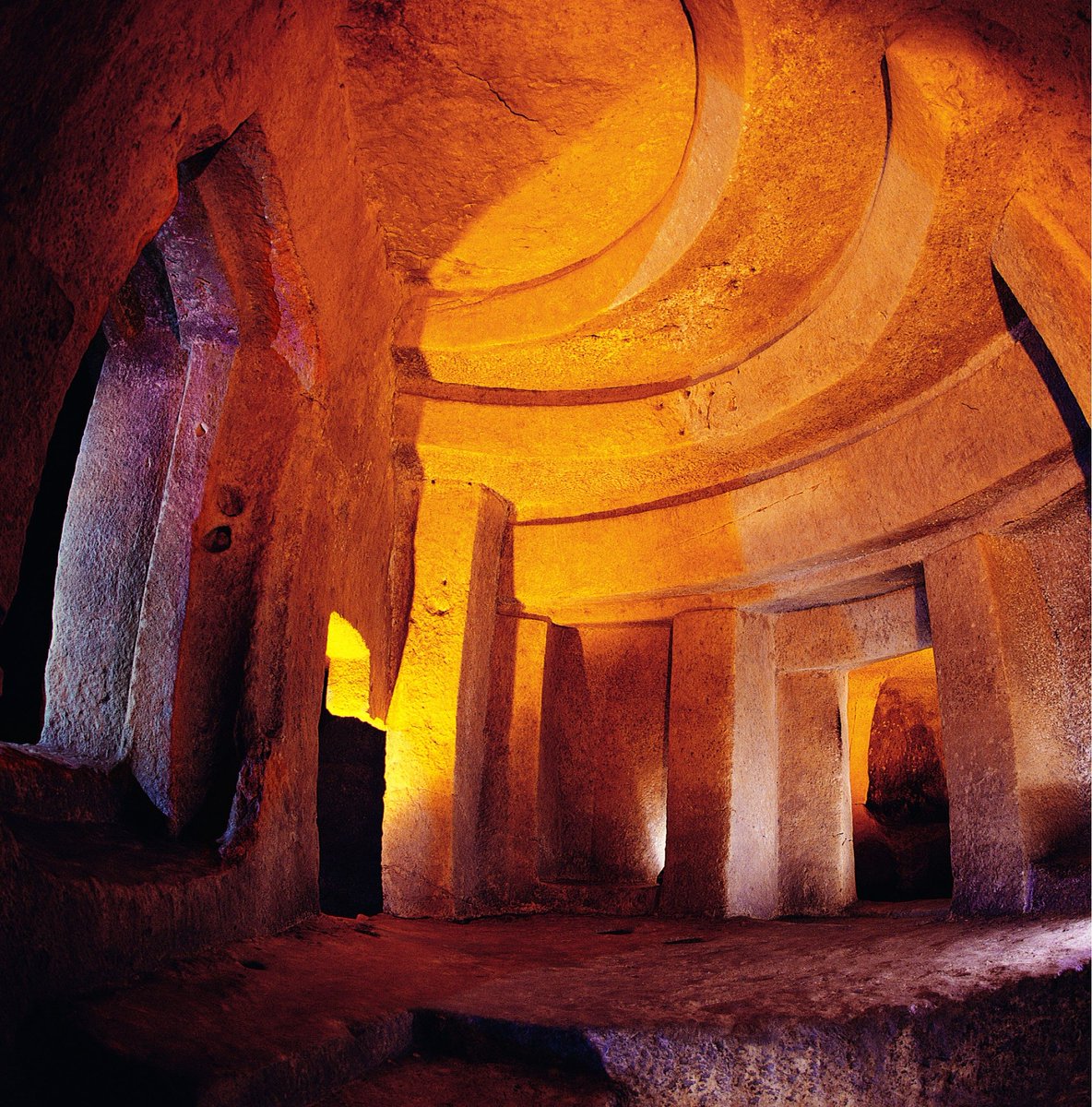
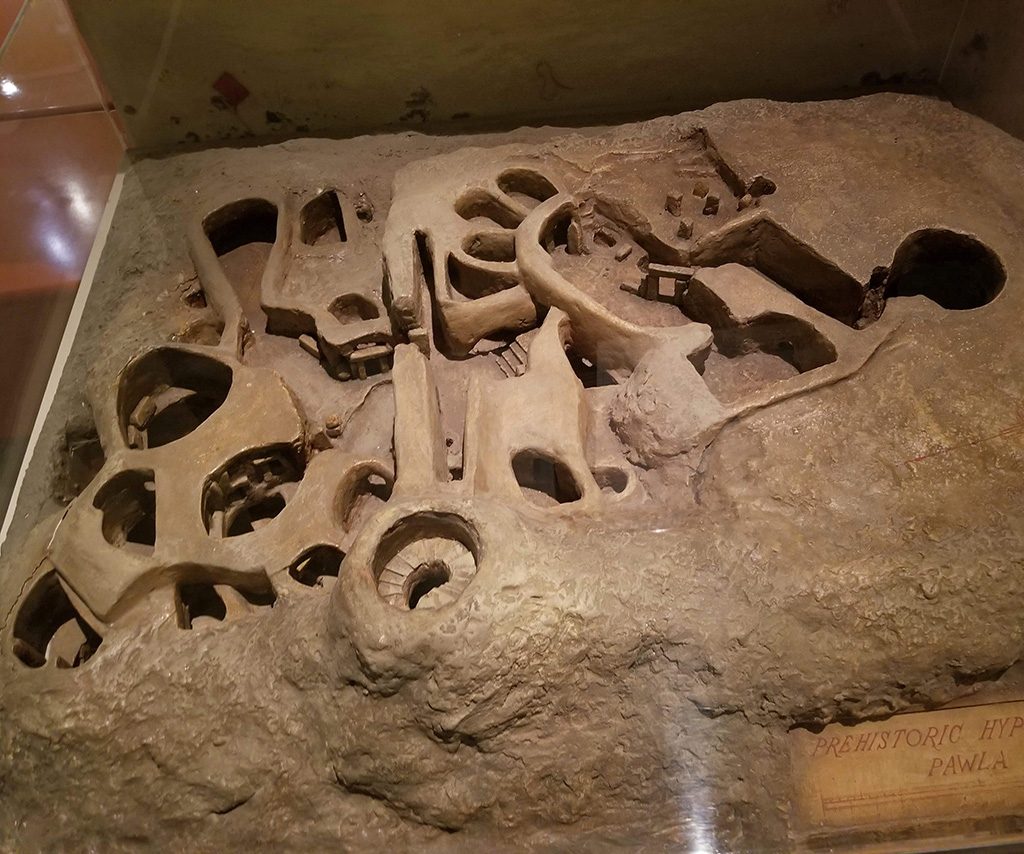
 "The absence of refuse heaps (rifiuti di pasto) of hearths, cinders, charcoal etc. within the hypogeum, seems to exclude the fact that these artificial caves were used for human dwellings. The lack of proper ventilation in the deep caves is also a strong argument against the belief that the hypogeum was used as a dwelling place. It is much more probable that the people who dug out the Halsaflieni hypogeum dwelt on the top of the hill in huts , of which the remains were met with, and that the hypogeum was in part used as a sanctuary in which religious ceremonies were conducted, and in part as a burial place in which the bones of the dead were deposited after being deprived of the flesh (scarnitura ).
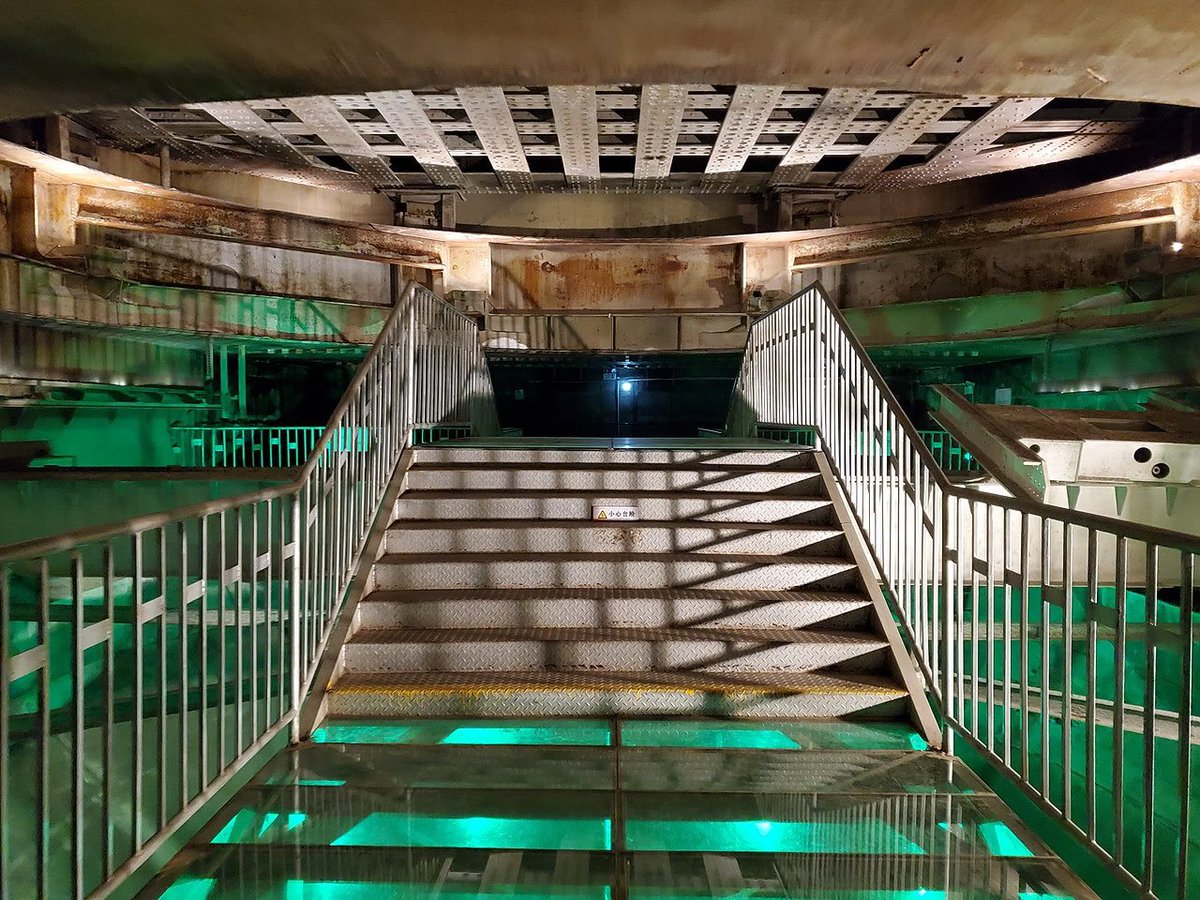 Underground Megastructures [2/5]: "Beijing's Underground City. The tunnels, built from 1969 to 1979 by more than 300,000 local citizens and even school children, wind for over 30 kilometers and cover an area of 85 square kilometers eight to eighteen meters under the surface. It includes around a thousand anti-air raid structures. In the event of attack, the plan was to house forty percent of the capital’s population underground and for the remainder to move to neighboring hills.