Breakout Trading Academy Profile picture
Formerly Better Trader Academy. The home of "Mr Breakouts". Algo Breakout Trading Specialists. Follow for tips and strategies on algorithmic breakout trading.
Dec 8 5 tweets 3 min read
I didn’t expect AI to beat my own moving-average knowledge.

But then I tested Grok3’s EMA slope idea…

And the results were honestly insane.

The base strategy came from my Breakout Trading Formula.

It worked, but it wasn’t good enough for Nasdaq.

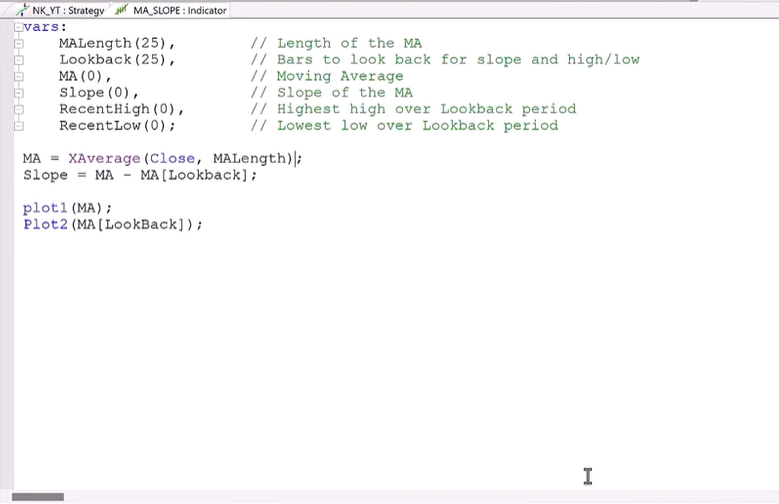
AI suggested a slope filter using EMA(25) and its value 25 bars ago.

On the main timeframe it looked weak.

So I switched to daily data, instantly better.

Then I ran every scenario:

> Positive slope
> Negative slope
> Rest mode

Positive slope barely helped.

Negative slope made things worse.

Rest mode showed signs of life.

But the daily filter removed too many trades.

So I dropped from daily - 240-min.
Still needed tuning.

Then I expanded the slope range.

And suddenly the whole strategy came to life:

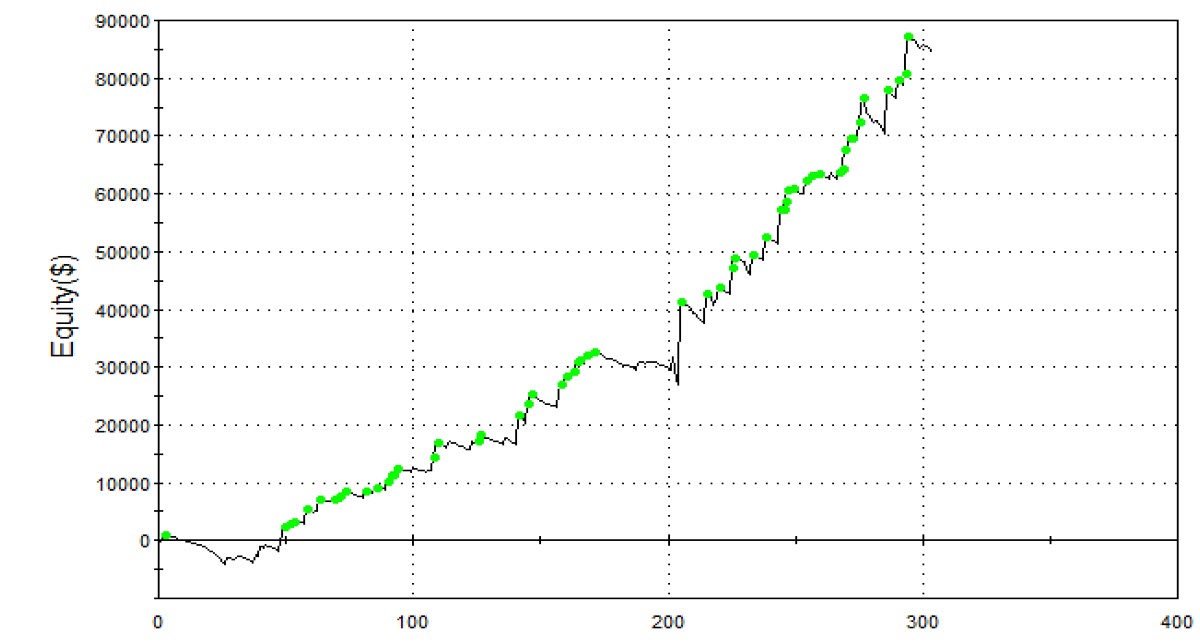
Slope between –15 and +15 delivered:

> $59,000 net profit
> $4–5k drawdown
> 12:1 profit/drawdown ratio
> $255 average trade

Neighbor values like 10 and 20 also worked - a sign of robustness.

AI gave the seed… but trading experience finished the job.

Watch the video and get the free resource in the comments.Image Full demo of how I turned the slope filter into a real Nasdaq weapon.
Jul 23 5 tweets 2 min read
They told us to avoid low ADX.

Turns out... that's exactly where the real edge hides.

📉 SHORTS → ADX > 30 = confirmation
📈 LONGS → low ADX = real edge

Low ADX signals coiled volatility.

It’s not chop. It's a buildup.

So we built our model breakout strategy using:

• Volatility = open–low difference
• Breakout level = low + (3.3 × volatility)
• Stop entries only
• Entry filter: 8am–3pm
• Exit: when ADX > 40 or after time limit

This flip gave us a consistent edge in markets most traders avoid.

Full breakdown + free resource in the commentsImage This video walks you through our ADX research.
May 14 4 tweets 2 min read
I’ve tested hundreds of indicators across thousands of strategies.

But one tool keeps showing up in my best-performing systems:

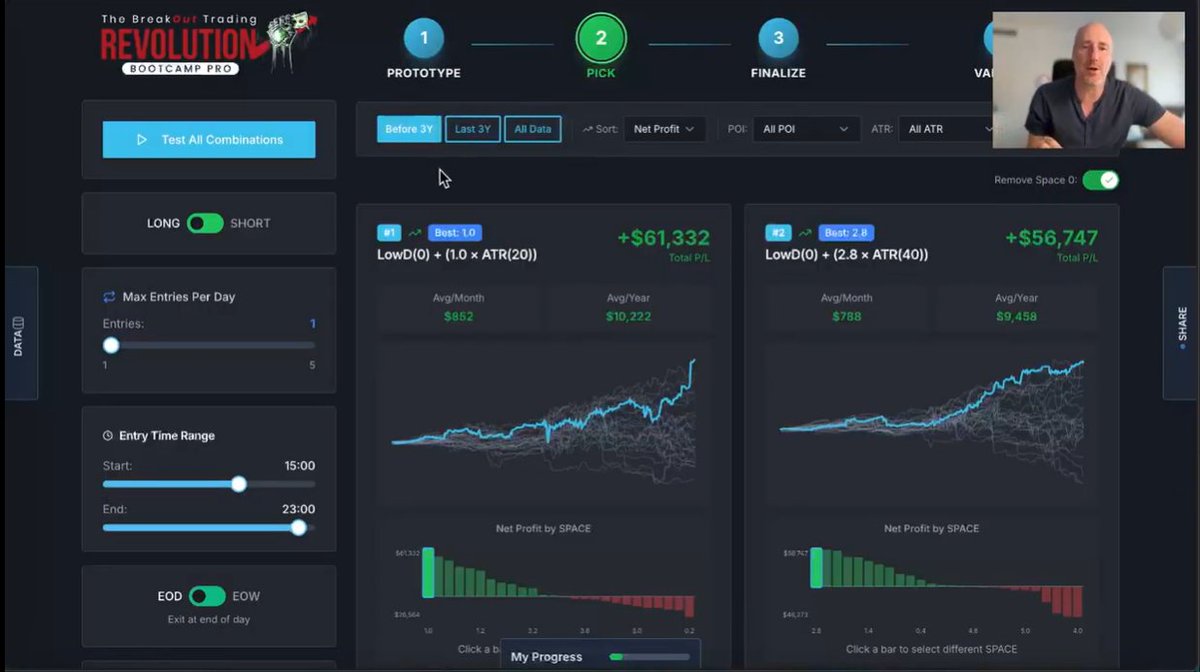
✅ Average True Range (ATR)

It’s simple.
It’s powerful.
And it’s one of the most versatile indicators I use in my hedge fund.

Here are 3 ways to unlock its full potential:

ATR for Entries

✔️Pick a POI (Point of Initiation).
✔️Multiply ATR by 2.5 (or your own factor).
✔️That’s your breakout entry - precise, adaptive, and fast to implement.

ATR as a Filter

✔️Compare two ATR periods to detect volatility shifts.
✔️Filter out weak setups.
✔️This small tweak can radically improve your equity curve.

ATR for Exits

✔️Flip the logic you used for entry.
✔️Use ATR to calculate dynamic stop loss levels.
✔️Simple math that protects real capital.

With ONE indicator, you can build entry logic, risk filters, and exit rules.
That’s a complete strategy driven by volatility, built to scale.

No clutter. No guessing. Just process.

Watch the video in the comments.

Free resource also linked below.Image Here’s the video where I break everything down how we use ATR to structure entries, filter out noise, and manage exits with real volatility logic.