GP @shadowventures - investing in frontier technology for the built world.
Mar 11 • 8 tweets • 5 min read
Last year, we invested in @Monumental_Labs.
They use AI and robotics to reduce the cost of stone fabrication by 90%.
Construction tech is our game and while I think what they are doing with art and sculpture fab is amazing, the bull case for ML imo was doing building scale construction with stone. Essentially, reviving a dormant material type for type I construction to compete directly with steel and concrete.
Before investing, I had to answer a question that's been nagging me for years: exactly when and why did we stop building with natural materials like stone? Where did beauty in our built environment go to die?
It's mostly always been an economic story.1/ Beauty = Depth
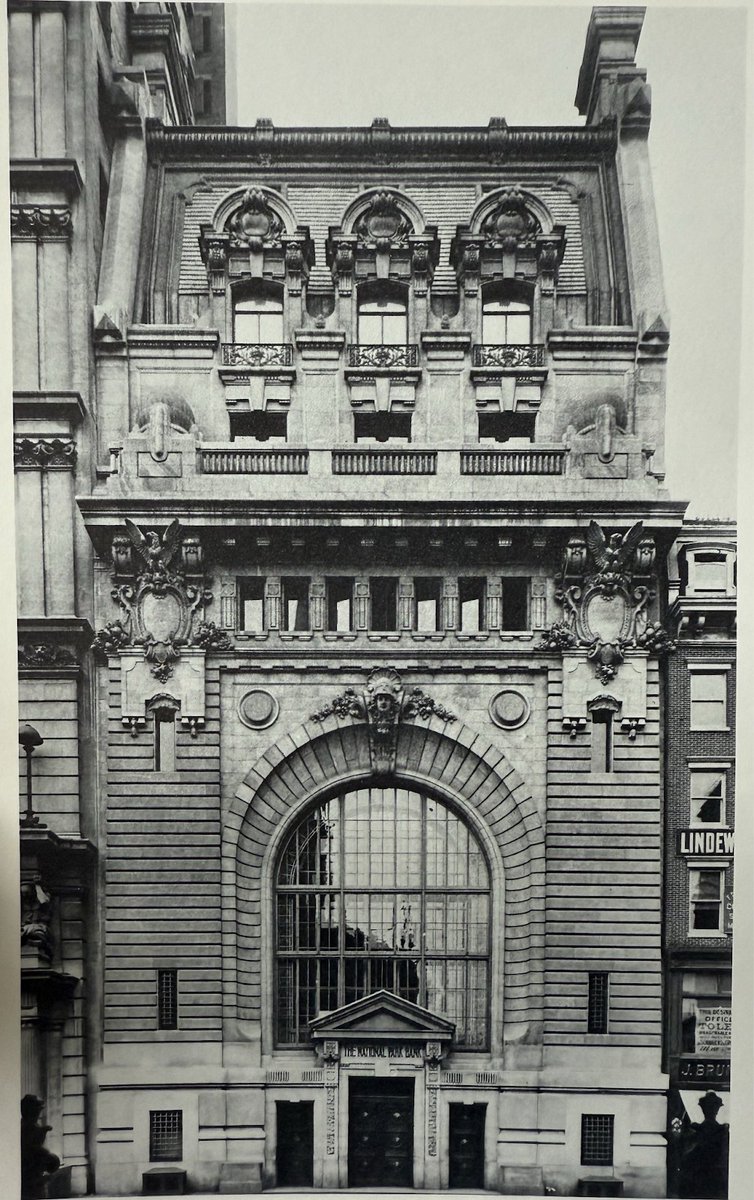
In Celtic tradition, “thin places” describe landscapes that feel spiritually charged or unusually present. Buildings can feel that way, too, but paradoxically, only when their edges have thickness. Today, that’s increasingly rare.
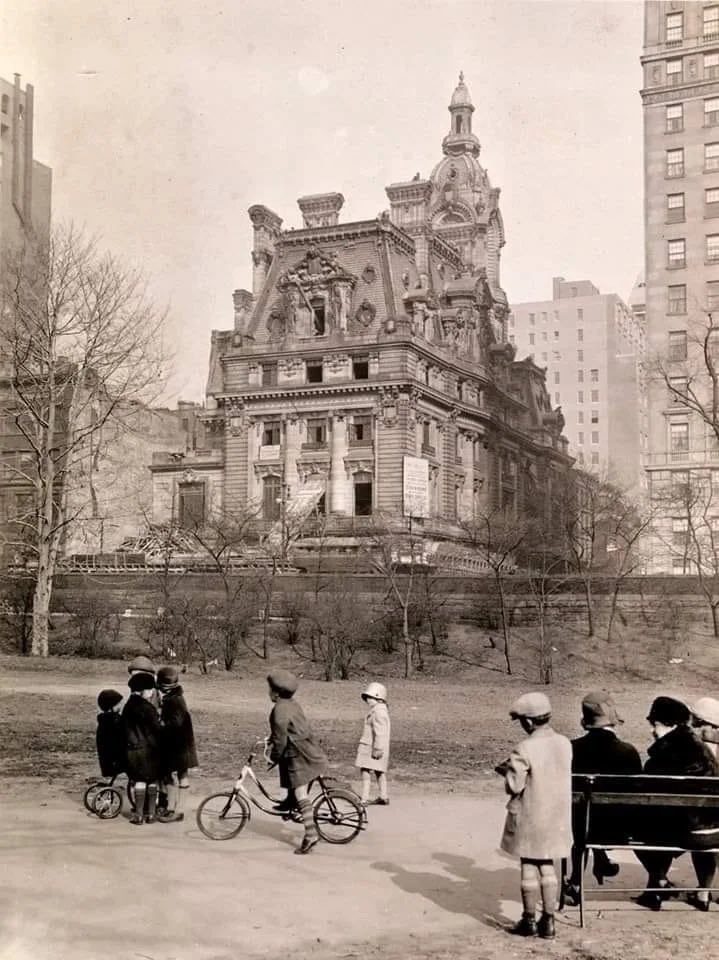
Picture any civil building in NYC from 1910, even a working-class tenement, it had more depth and 'presence' than most luxury towers going up today.
John Ruskin said no building is truly great without "mighty masses” and added that any young architect should learn to “think in shadow."
It wasn't expensive to build this way by the standards of its time. So what happened?
Nov 16, 2020 • 5 tweets • 1 min read
Rather than beat a dead horse around 1) the future of work, 2) the death of retail, or 3) when America will return to the office, I found it more interesting to dig into the CRE asset class that has born more societal weight than any other since March: Multifamily Housing.
Multifamily has served as a safe-haven bunker during a pandemic, office space in the midst of the largest unemployment crisis in the last decade, a digital retail center, a makeshift gym, our go-to restaurant, a Friday night movie theatre, and dozens of other crucial roles!