Ray Wang Profile picture
Analyst @SemiAnalysis_ / Doing investment research on semis. *no investment advice, dyodd. "be an accelerating topline"
Dec 14 9 tweets 6 min read
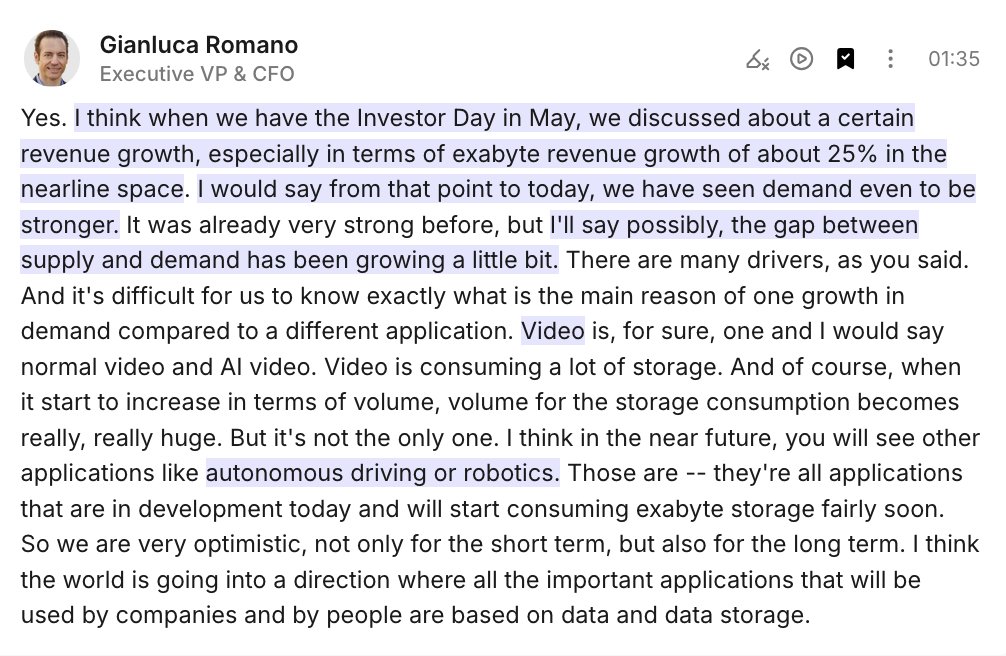
1) $STX at 53rd Nasdaq Investor Conference: "I think when we have the Investor Day in May, we discussed about a certain revenue growth, especially in terms of exabyte revenue growth of about 25% in the nearline space.

I would say from that point to today, we have seen demand even to be stronger."Image 2) On capacity expansion, $STX does not see any reasons to do it, citing "the industry will generate enough exabyte capacity without increasing the unit to serve the short-term need of the data center."
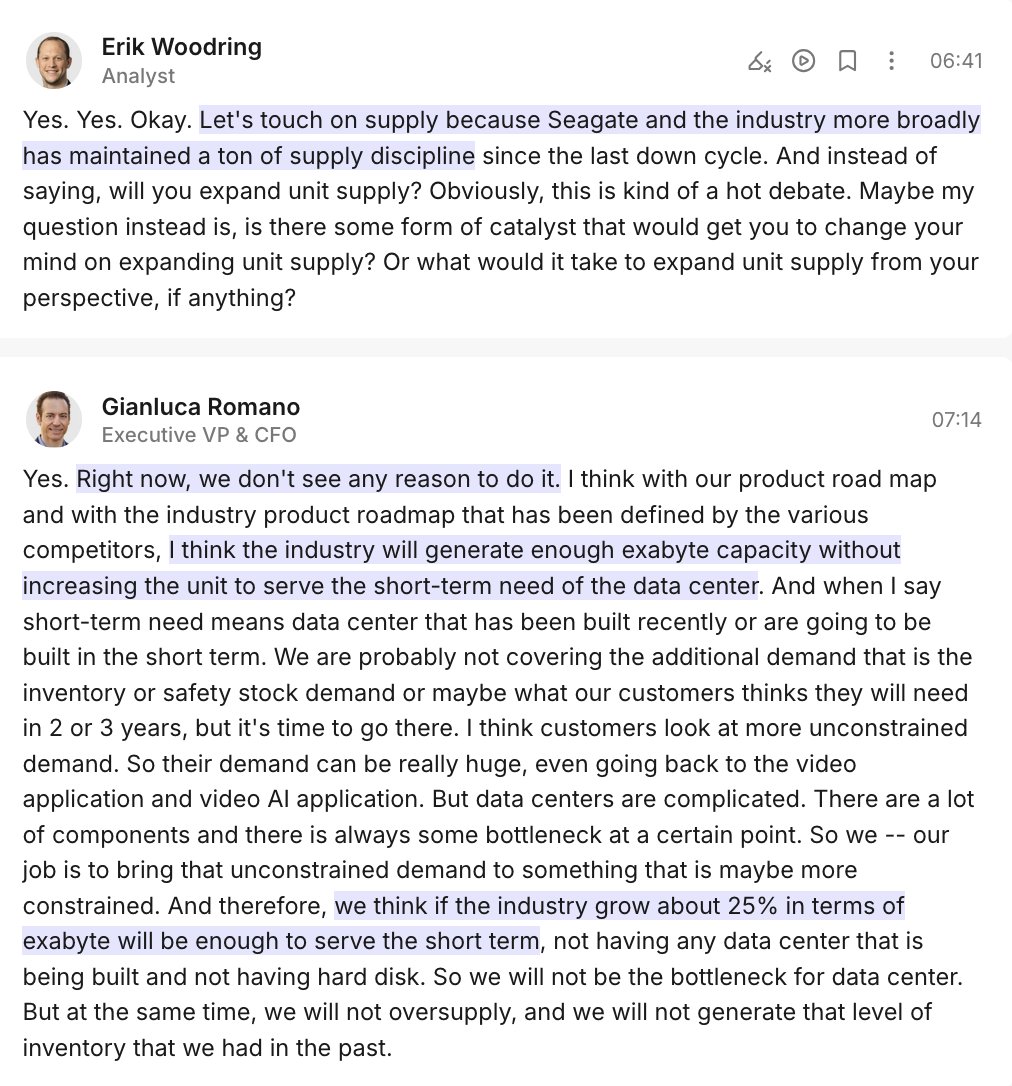
"So we will not be the bottleneck for data center. But at the same time, we will not oversupply, and we will not generate that level of inventory that we had in the past."Image
Nov 7 13 tweets 7 min read
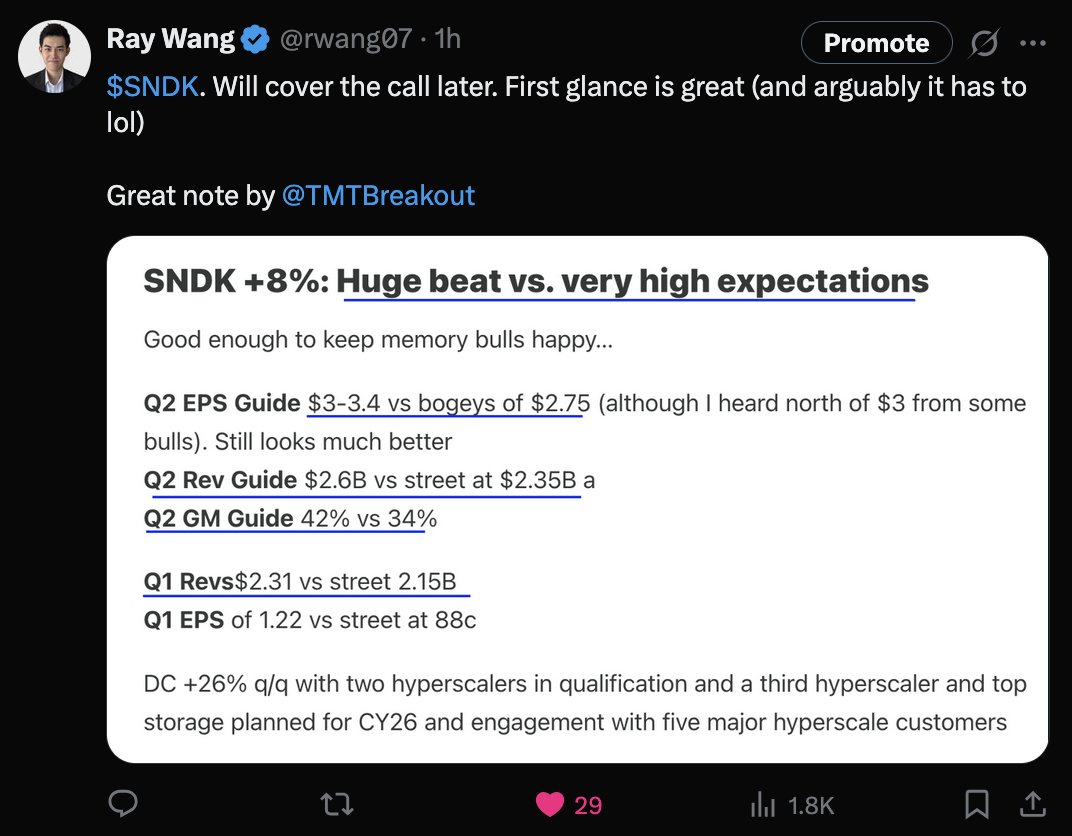
1) $SNDK (+ 7% AH) has a great quarter, but even outlined a better '26 and arguably some bullish signs in '26 and '27. Comments in the call are generally very opposite and worth coverage.

Fundamental first. SNDK beats basically all metrics and consensus (see note below).

One key metric not mentioned in the quick note below by @TMTBreakout is gross margin, which management guided to ~41–43% for Q2 — which is roughly a 900 bps sequential increase (33.1% this Q) at the midpoint of the range.

That's significant (and will drive rev for coming Qs). It's mainly driven by an expectedly favorable pricing environment and ramp of BiCS 8 technology.Image 2) At a high level, it is increasingly a consensus that the NAND market is having imbalanced supply-demand dynamics. But not just this year, but also '26 (and potentially '27).
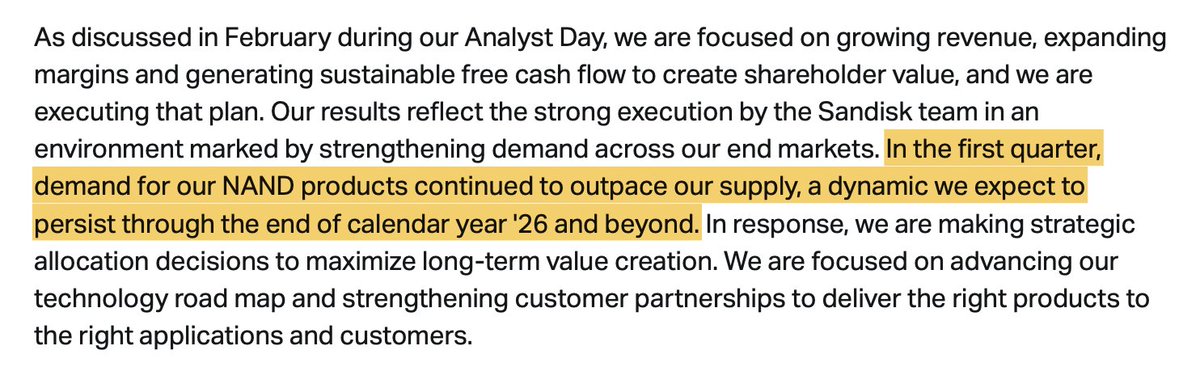
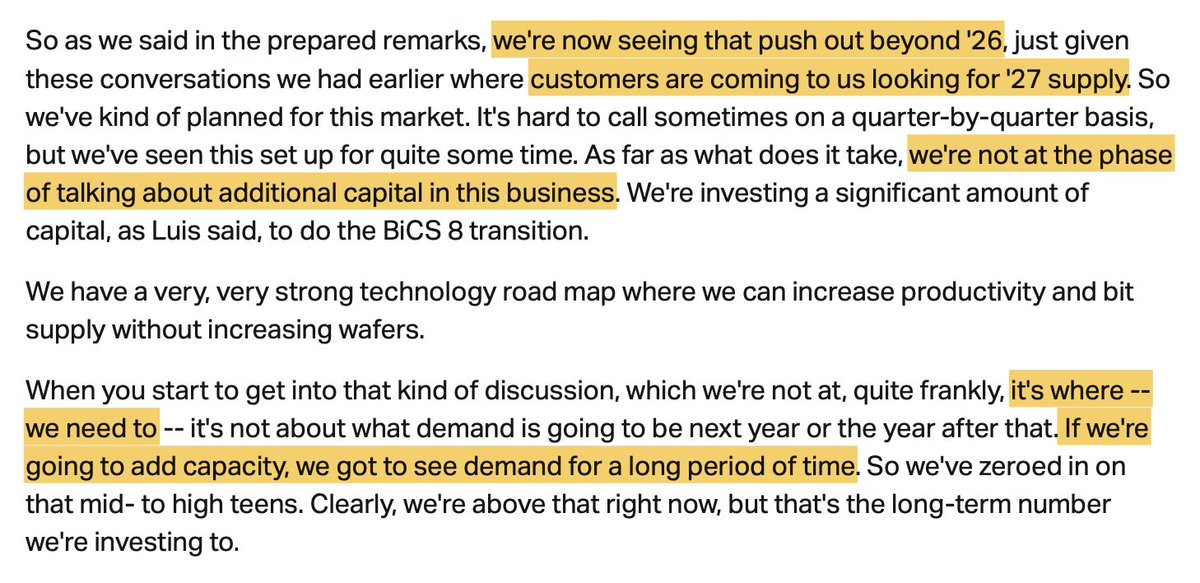
$SNDK: "In the first quarter, demand for our NAND products continued to outpace our supply, a dynamic we expect to persist through the end of calendar year '26 and beyond."

"...we're now seeing that push out beyond '26, just given
these conversations we had earlier where customers are coming to us looking for '27 supply"Image
Image
Oct 30 12 tweets 9 min read
1) Late on this. But been thinking of posting this after Hynix's earnings call. Recommend EVERYONE to read the transcript, a lot of good details to note and will cover below.

Fundamental first (check attached thread). SK Hynix reported ANOTHER amazing quarter. One has been following Hynix should notice that the company's comment earlier this year is optimistic with some cautiousness.

"Earlier in the year, we expected more moderate demand conditions in Q3 due to external uncertainties and impacts of some preemptive purchases and deferred tax. However, we ended up witnessing a highly favorable market environment with a spike in demand for memory products for servers, including HBM, driven by surging AI infrastructure investments by big tech companies."Image 2) VP & Head of Finance Woo-Hyun Kim: "Third quarter revenue again recorded record quarterly revenue of KRW 24.4 trillion, up 10% QoQ and 39% YoY.
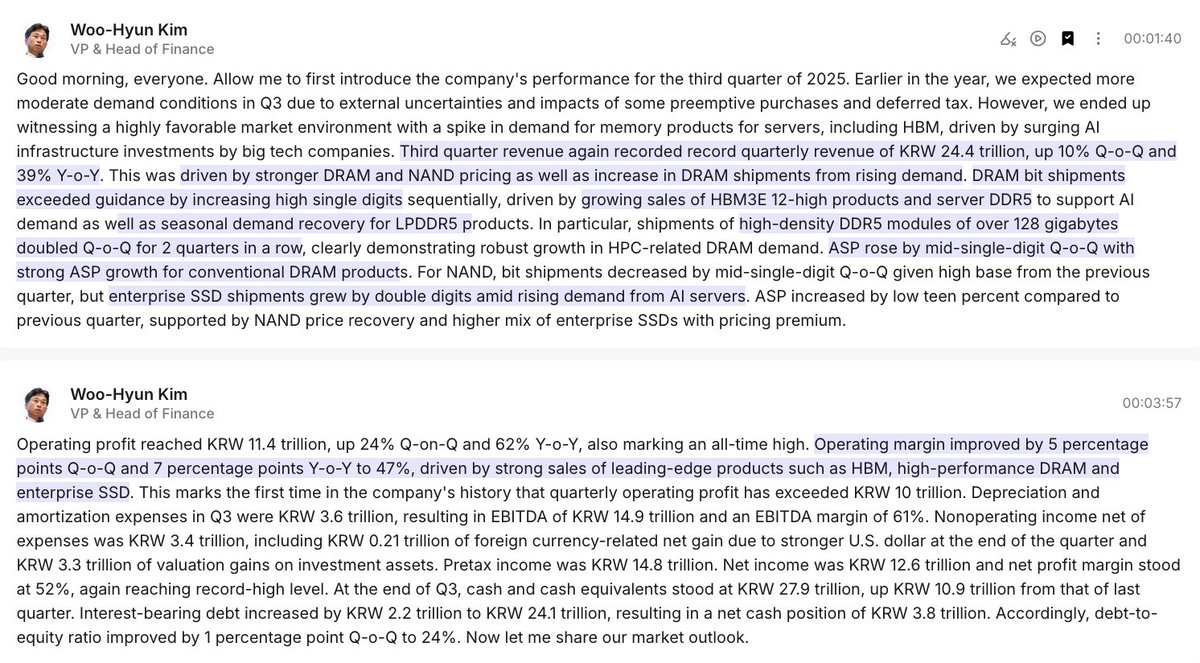
This was driven by stronger DRAM and NAND pricing as well as increase in DRAM shipments from rising demand.

DRAM bit shipments exceeded guidance by increasing high single digits sequentially, driven by growing sales of HBM3E 12-high products and server DDR5 to support AI demand as well as seasonal demand recovery for LPDDR5 products."Image
Oct 28 5 tweets 3 min read
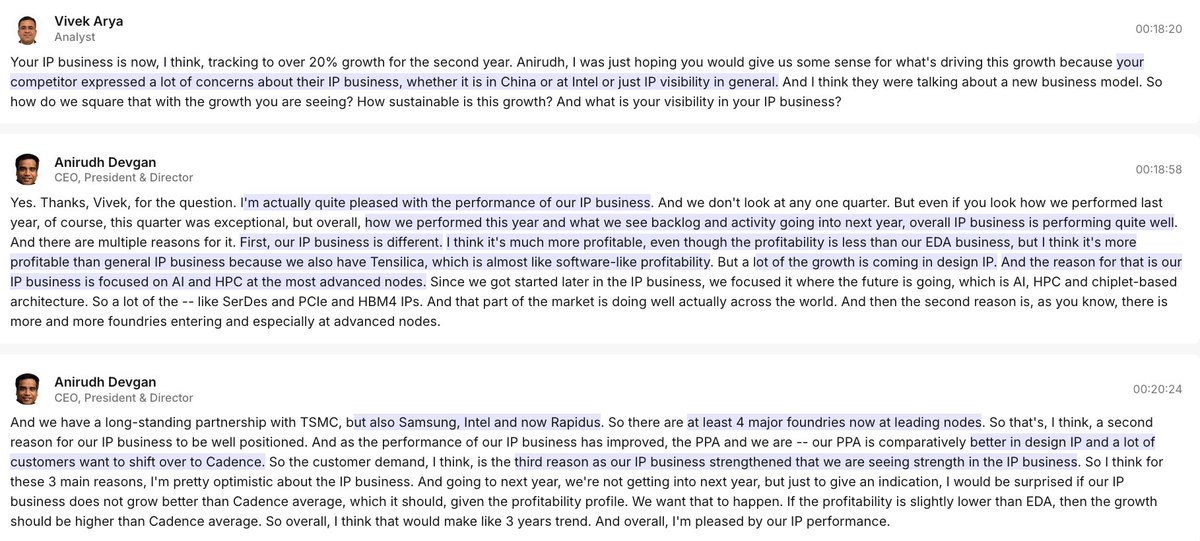
1) There wasn't much discussion here bout $CDNS's call yesterday. But I think the call itself is very interesting and worth a post. $SNPS.

To start, $ SNPS's last earnings call faces challenges in its IP business, particularly associated with two reasons: #1 Its major foundry customer, #2 China and EDA export control, and #3 IP business "reform."Image 2) Yet, on the other hand, $CDNS management seem quite confident on its IP business, and in someway implying their IP business is in fact strengthened.
$CDNS CEO Devgan: "I'm actually quite pleased with the performance of our IP business....how we performed this year and what we see backlog and activity going into next year, overall IP business is performing quite well"
Sep 26 7 tweets 2 min read
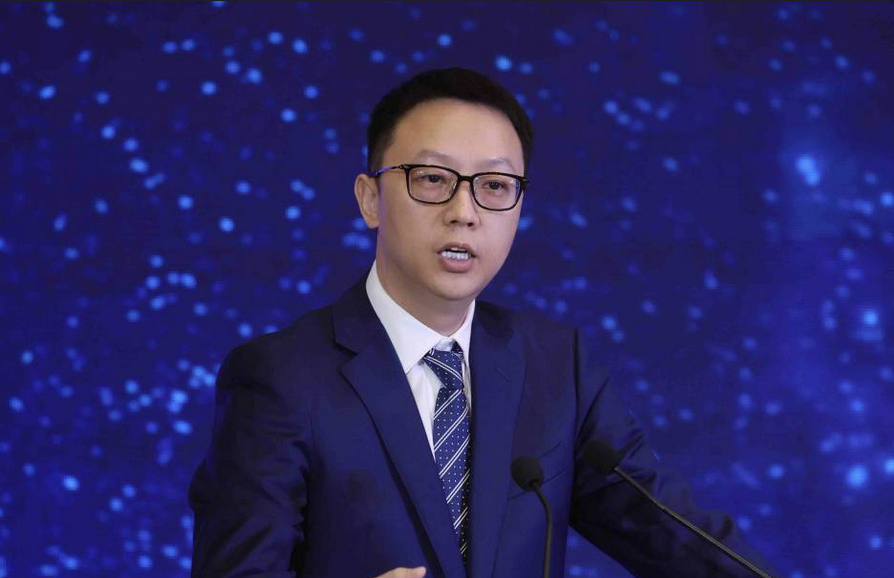
1) I went back to review Alibaba $BABA CEO Eddie Wu’s comments, which are very significant statements with major investment implications (opportunity alert).

Three things quickly (opps can be found easily by targeting three things below):

1) Tokens: Token usage DOUBLES every 2-3 months

2) Power: AliCloud's global datacenter power usage will increase by 10x in 2032 vs 2022

3) Investment: Billions of additional investment on top of the 3-year Rmb380bn CAPEX plan (Feb 2025)Image 2) The token generation will be even further accelerate in Alibaba for a couple of reasons:
a. Qwen model family (with multi-model capabilities), including: Qwen-NEXT, Qwen3-VL, Qwen3-Coder, Qwen3-Omni, Tongyi Wan 2.5 (Preview), etc.

b. Large adoption across fields (e.g, > 90% of CN automotive (BMW also collab with Alibaba), smartphone, > 50% of CN AI models).

c. Two points above, with increasing adoption and usage, now imaging how big of token generation will be.
Jul 25 7 tweets 4 min read
1) U.S.-China negotiation continues, but what agenda emerge on the table of Stockholm talk might be quite different from previous London talk, and of course vary from Geneva talk in May.

First, recap of London talk (June 11): China want lift of export control (EDA, H20, Jet engine, Ethane), and U.S. wants lift of REE controls—both things are on track as various news and data points suggest.Image
Image
2) It is also later reported that two countries have "reach the deal" while did not disclose any details.

Clearly, in my view, two thing have been well conducting over the past two months: 1) Removing various negotiation barrier and ones undermining further talk. 2) Rebuilding diplomatic momentum for upcoming leadership dialogue by pushing U.S.-China interaction at various levels and across agencies (e.g.Rubio-Wang Yi on the "sideline" in Malaysia.)Image
Jul 15 8 tweets 2 min read
Few points on $NVDA, lift of H20 ban, H20 and B30 upside, and policy implications 🧵

1) The surging AI inference and compute demand from China: Much of Chinese compute and inference has yet to be reflected in $NVDA ’s reported numbers.

I believe given the pace of Chinese AI development, I think the compute and inference demand in 2H25 and Q1 2026 will be even greater than late 2024 and Q1 2025 (we see how compute growth plays out in 1H25 globally) 2) H20 Upside (rough estimate): If we assume $NVDA ships 500K units (fair estimate I think) in the coming quarter at an average ASP of $10K–$12K, that translates to 5-6 billion in potential revenue.
Jul 11 4 tweets 2 min read
Couple signals and development you should aware of regarding U.S.-China tension and negotiation.

1) Chinese state media CCTV reportedly that U.S. and China agree to boost challenges for talks at ALL LEVELS—likely the first time of such wording during Trump 2.0.

2) Secretary Rubio's meeting with Wang Yi in Kuala Lumpur, Malaysia is described as "very constructive and POSITIVE," and further suggested that the Trump-Xi summit is likely and stated "there's a strong desire on both sides to do it."

3) Just not long time ago, Bloomberg also reportedly that Commerce Department is exploring CEO's interest in accompanying Trump to visit China in September (this is, to my understanding, TRUE).

4) All of these development come right after: a) U.S. lift control on EDA software, ethane, jet engine and b) China reportedly lift rare earth control, as well as c) U.S. and China reach trade agreement without disclosing specific details few weeks ago.

5) Taken together, while structural and high level landscape between U.S and China remained unchanged, aka strategic competition, there are enough signals that a) U.S. and China are working closely to address trade tension and b) there is a real intention here to path way for potential Trump-Xi summit in 2H25.

Lastly, few key events to watch beside possibility of Trump's visit in China. APEC Summit (October 28-31 in South Korea) and G20 Summit (November 22-23 in South Africa).

That being said, we still need to monitor what's coming in the next few months, particularly on whether China has fulfill its pledge (reportedly) on rare earth control and whether there is new control measure (adjusted diffusion rule, chipmaking equipment control, etc) coming from U.S., which both could derail the "atmosphere/momentum building" so far.Image Some reference below

bloomberg.com/news/articles/…
Jun 23 5 tweets 2 min read
Wow. According to WSJ, Mark Zuckerberg is spending his days firing off emails and WhatsApp messages to recruit to best AI talent, and reportedly reach out to HUNDREDS of researchers, scientist, and infrastructure engineers, etc to recruit them to new Superintelligence team. /1 Image "Some of the people who have received the messages were so surprised they didn’t believe it was really Zuckerberg. One person assumed it was a hoax and didn’t respond for several days." /2
Jun 4 6 tweets 4 min read
🧵Note on TSMC 2025 Technology Symposium /1

1) TSMC views AI’s progression in three stages: Generative AI (text/image), Agentic AI (task automation), and Embodied AI (humanoid robots, autonomous driving). This evolution signifies a deepening integration of AI into daily life and physical systems.

2) Core driver for Advanced Silicon: The need for AI proliferation across edge devices (vehicles, smartphones) necessitates high volumes of smaller chips, stronger computational power, and significantly more power-efficient transistors. This directly translates into an intensifying demand for TSMC's advanced process nodes (5nm, 3nm, 2nm, and beyond) and sophisticated packaging technologies.

3) 6 Challenges to Data Center: AI data centers face six critical pain points:

1) Power source
2) Power architecture
3) Power distribution
4) Backup power
5) Power quality
6) Cooling.

TSMC's solutions, particularly in power efficiency and integration, are crucial for mitigating these operational challenges. $TSM Advanced Process Technology Roadmap (1/2)

1) A14 Process: A newly developed process node, projected for mass production in 2028
Compared to N2, A14 is expected to deliver a 10% performance increase, 30% energy efficiency improvement, and over 20% increase in logic density.

2) A16 Process: Scheduled for mass production in the second half of 2026, A16 will be the first node to implement backside power delivery (Super Power Rail or SPR)

This innovation relocates power lines to the back of the chip, freeing up significant front-side space for logic circuits, leading to (compared to N2):

a. 7-10% increased in chip density
b. 15-20% power reduction at the same speed
c. 8-10% speed increase at the same operating voltage
d. Reduced IR drop (voltage drop) and higher operating speeds due to shorter power paths

3) N2 Process: Below 3nm, traditional FinFET structures face physical limitations, particularly concerning leakage current control. Therefore, N2 is GAA FinFET.

Key points of N2:
a. Stronger gate control and thus lower leakage
b. Improved power efficiency and area utilization (by stacking nanosheets)
c. Mass production is expected in the second half of 2025, with impressive yields already reaching 90%
d. N2P (Performance) vs. N3E: 18% performance increase at the same power, 36% power reduction at the same speed, and >15% chip density increase

/2
Jun 3 22 tweets 14 min read
🧵 @MooreMorrisSemi and I just published a 4,000‑word technical deep dive on HBM. A MUST READ—I can confidently say.

We break down: 1) Bonding technologies behind HBM 2) Why and how  SK  Hynix has taken the lead. 3) China’s evolved HBM capabilities. /1

Link: nomadsemi.com/p/deep-dive-on…Image So before we dive in, let's start with a simple HBM 101 class—What is HBM?

HBM stands for High Bandwidth Memory. It’s a special kind of DRAM, stacked vertically and connected to processors through tiny wires inside the silicon called TSVs (through-silicon vias). TSV allows the direct connection of multiple HBM DRAM dies to increase overall memory bandwidth. /2Image
Apr 17 14 tweets 11 min read
🧵My Latest Analysis: "Mapping China’s HBM Advancement amid U.S. Export Controls" — CXMT Now Just 3-4 Years Behind (1/N).

Link: chinatalk.media/p/mapping-chin…

Key Takeaways:

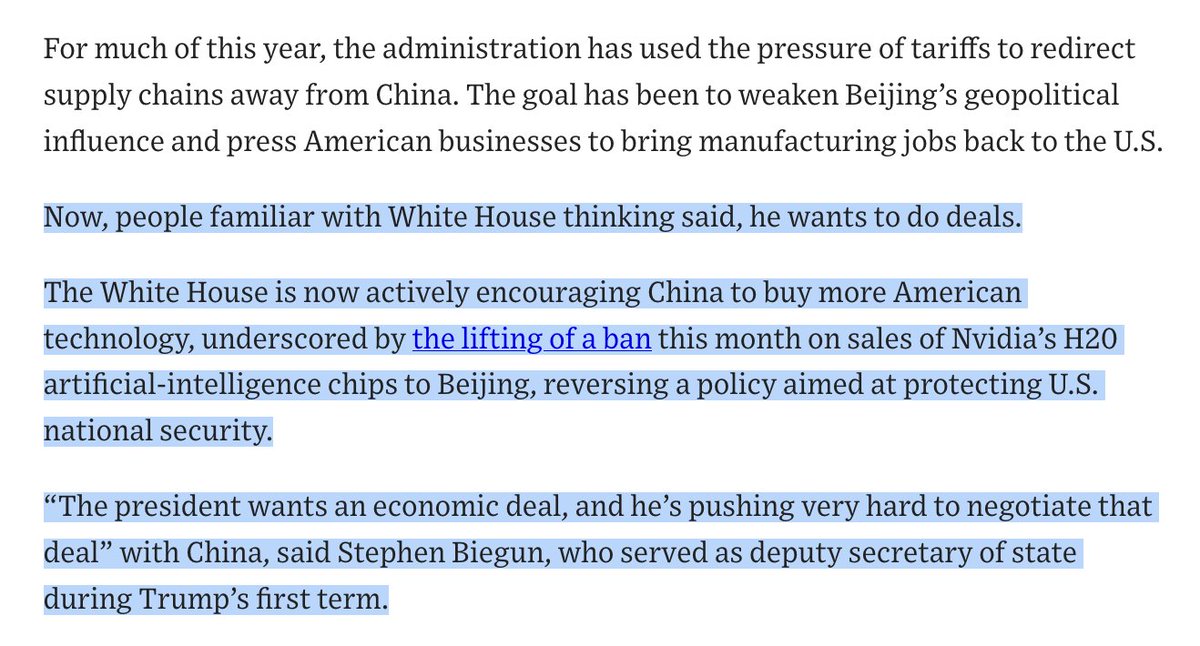
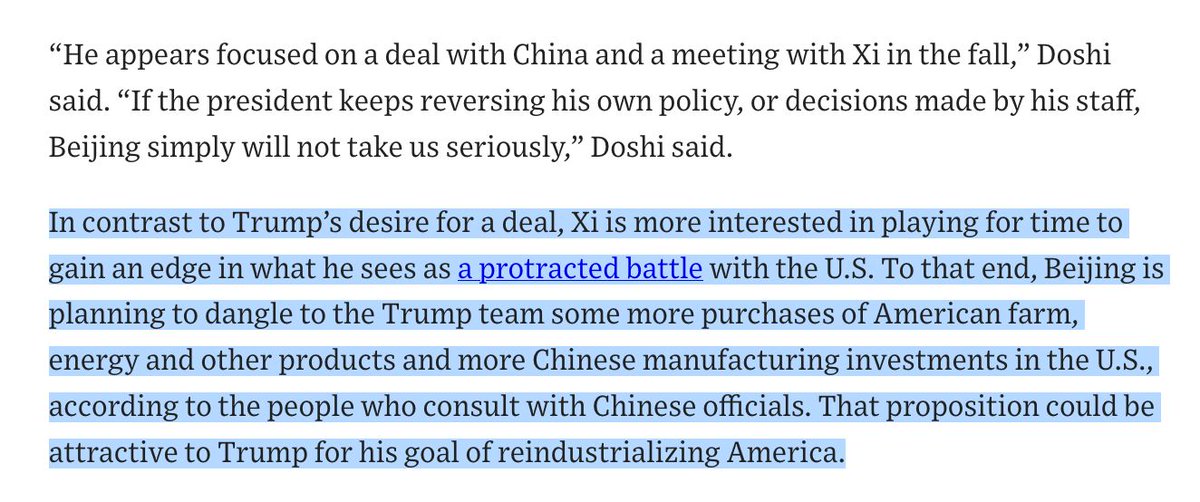
1) Nvidia’s H20 GPU with HBM3 had become the most sought-after accelerator in China amid rapidly increasing inference and computing demand. Prior to the new restrictions, shipments were projected to reach 1.4 million units in 2025.

2) CXMT is now only 3-4 years behind global leaders in high-bandwidth memory (HBM) development, aiming to produce HBM3 in 2026 and HBM3E in 2027 amid notable technological improvements in DRAM.

3) CXMT still faces major roadblocks — these include U.S. export controls on lithography and other equipment, a volatile geopolitical environment, limited access to global markets, and the uncertain pace of technological development against market leaders.

*Thanks for the edits by @jordanschnyc and Lily Ottinger

*The author would like to express sincere appreciation to those who provided valuable feedback on this piece, including @ohlennart (RAND), @SKundojjala (SemiAnalysis), @kyleichan (Princeton University), and @Huang_Sihao (Oxford University).

@Samsung @SKhynix @MicronPolicy @SamsungUS @nvidiaImage RECAP on Dec 2024 HBM rule and HBM Market:
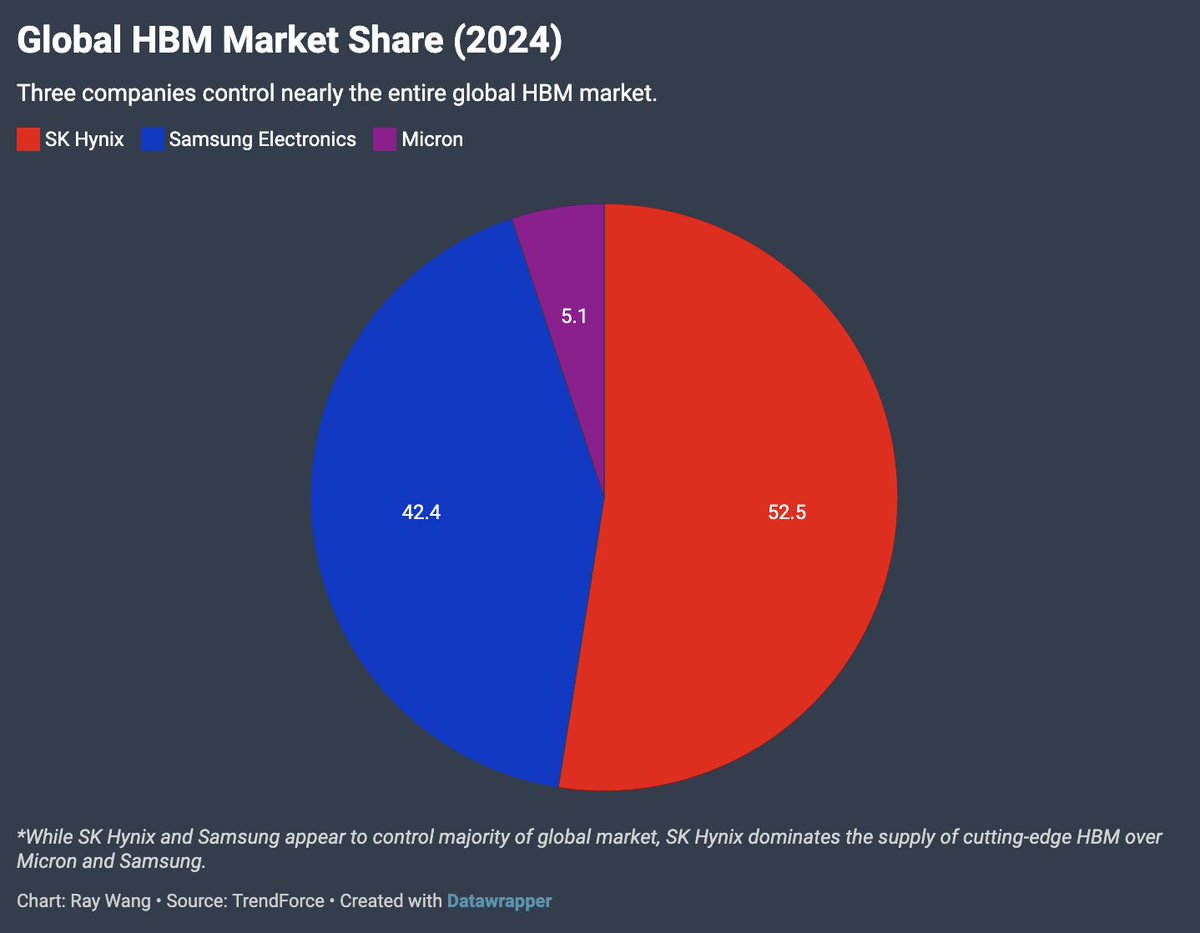
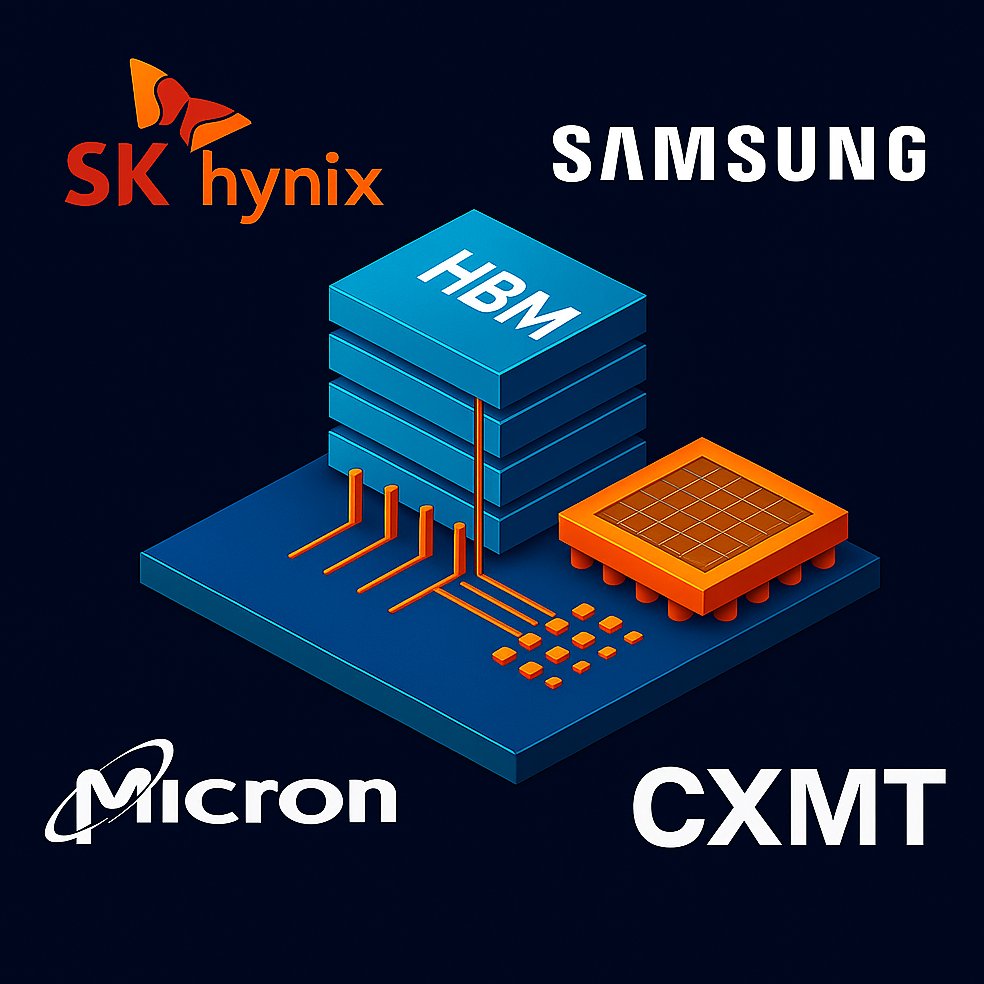
In December 2024, the U.S. released new export control packages targeting Chinese access to high-bandwidth memory, or HBM, and various types of semiconductor manufacturing equipment, including tools essential for HBM manufacturing and packing. The new rule also added over 140 Chinese chip manufacturers and chip toolmakers to the Commerce Department’s Entity List.

The new rule was designed to further constrain China’s AI development by leveraging the chokepoint on HBM, ultimately controlled by three companies around the world — SK Hynix, Samsung, and Micron. The restriction around SMEs, on the other hand, aims to limit China’s ability to develop its own HBM.Image
Mar 21 4 tweets 2 min read
Morgan Stanley: "China's DeepSeek Moment" (March 2025). (1/3) — Quite Objective, Concise, and Insightful Observation.

"DeepSeek’s emergence is more than just an artificial intelligence (AI) milestone – it’s a timely symbol of China’s ambition to claim a leadership role in the tech revolution."Image Morgan Stanley: "China's DeepSeek Moment" (March 2025). (2/3)

"Beyond financial markets, DeepSeek’s emergence comes at a moment of national pride. The box-office triumph of “Ne Zha 2” and video game “Black Myth: WuKong” have given rise to a grassroots confidence, rather than a top-down directive from Beijing, reinforcing newfound belief in national identity and tradition."Image
Mar 14 4 tweets 1 min read
Moody's, Chinese Economy, Deflation, and Export. /1 Image Deflation and Consumption. /2 Image
Jan 28 23 tweets 3 min read
🧵 DeepSeek Founder and CEO Liang Wenfeng's Remark Reflecting on DeepSeek’s Original Vision on New Year’s Eve /1 Image Dear young friends, I’m Liang Wenfeng from DeepSeek. I just answered a question earlier, and now, on New Year’s Eve, I can’t help but respond to this one as well. /1