Ancient history curiosities. WH40K, Gunpla, 2A. My views are mine, unless they're yours also. Small business owner... well, more like tiny business owner.
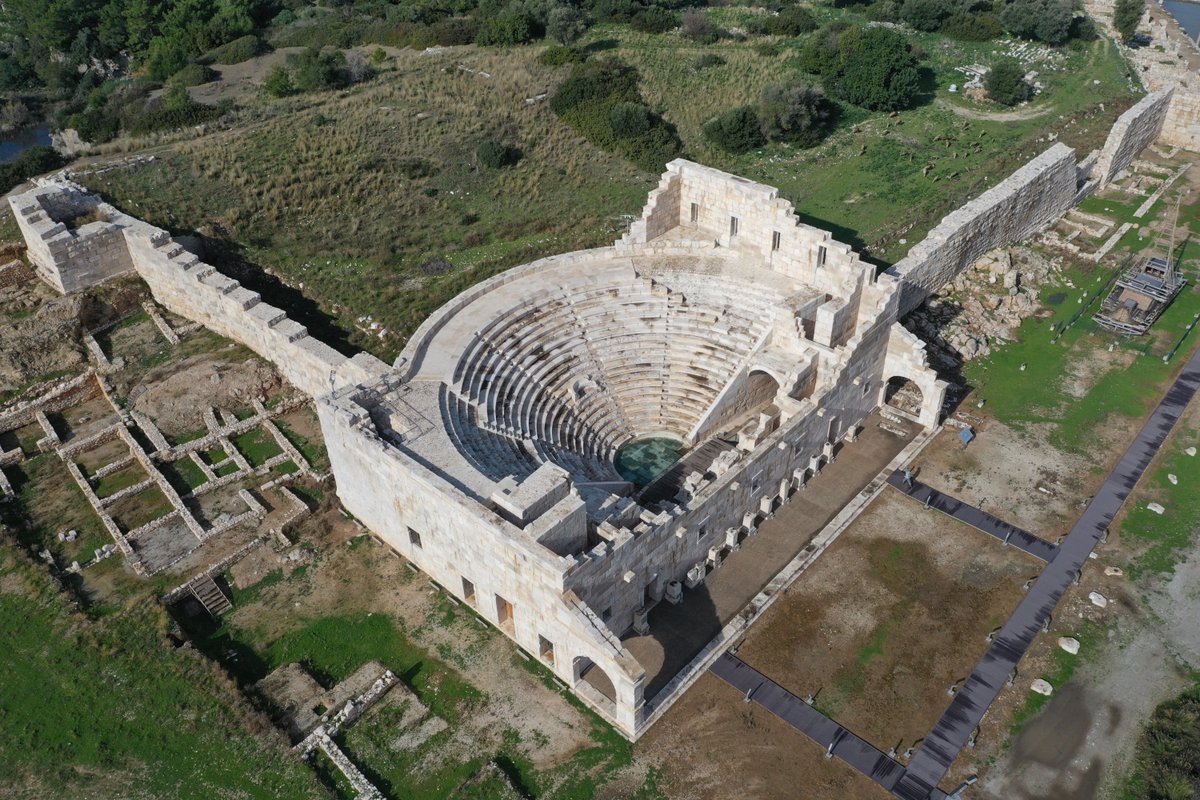
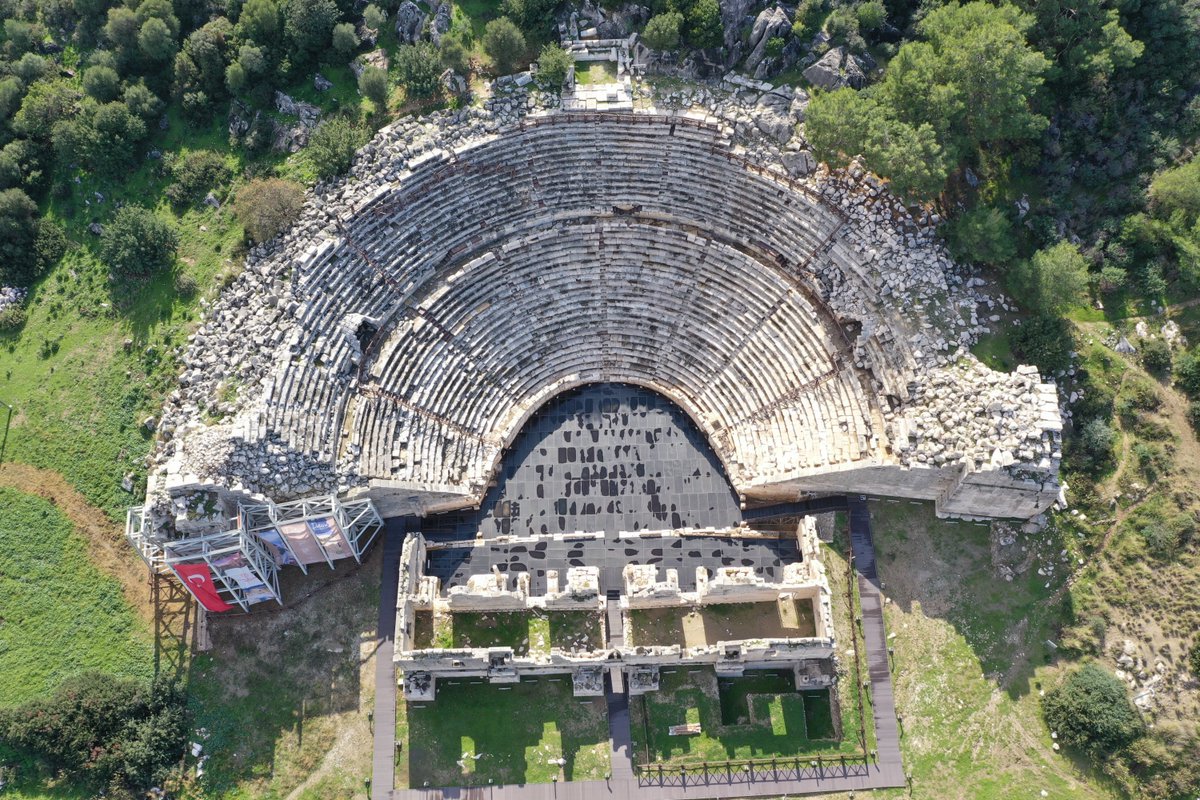
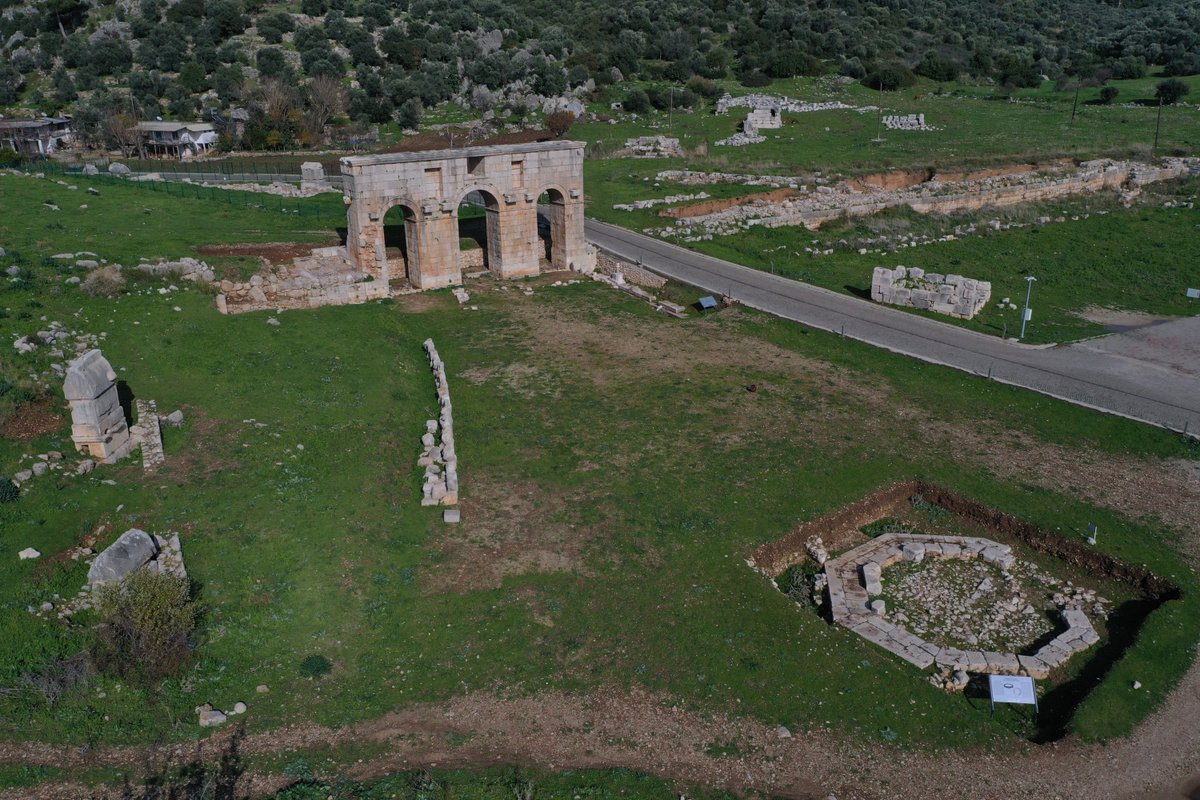
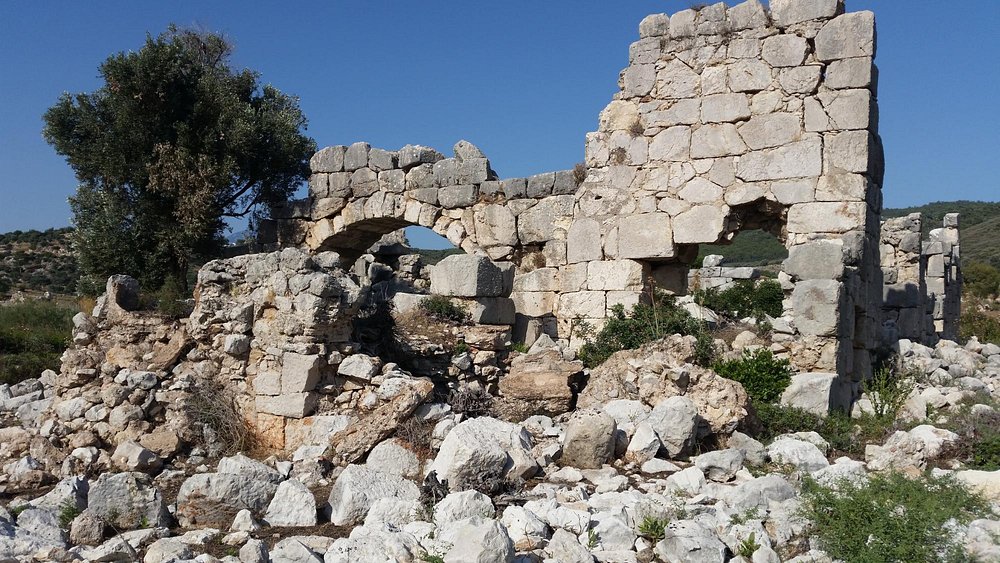
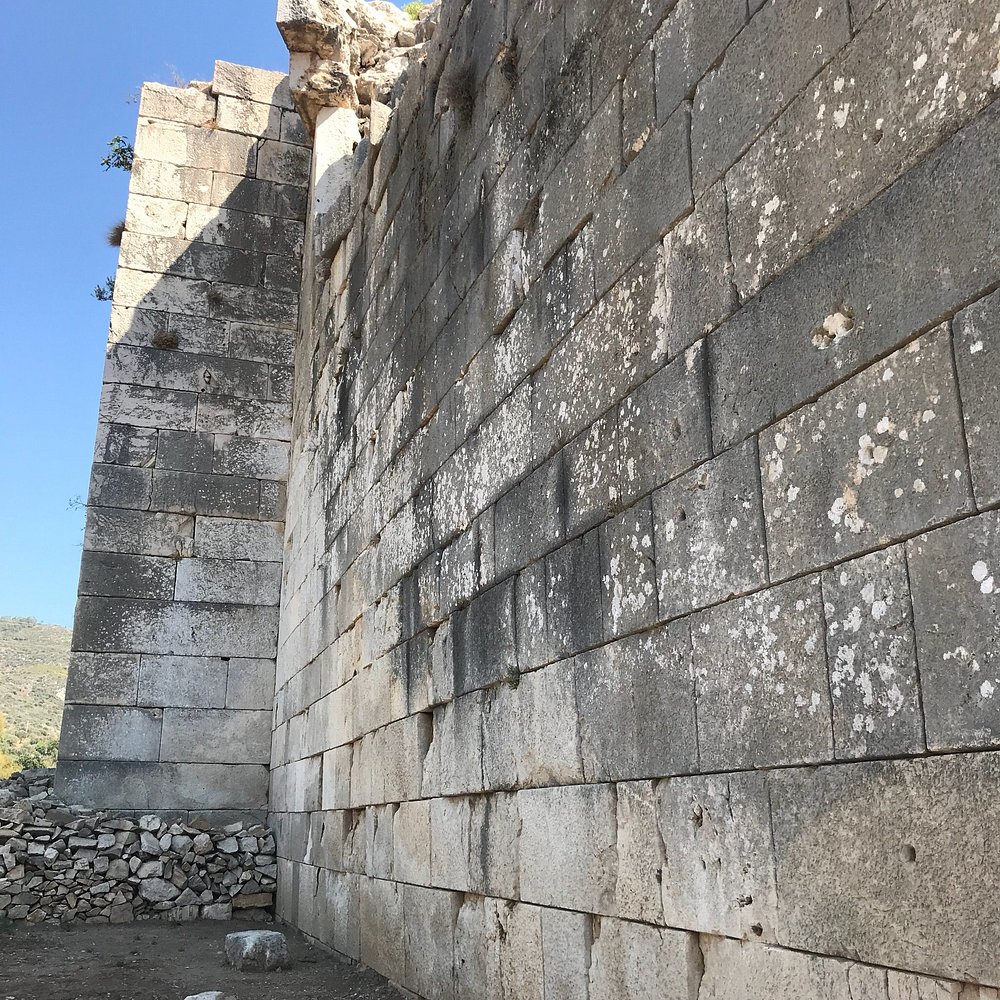
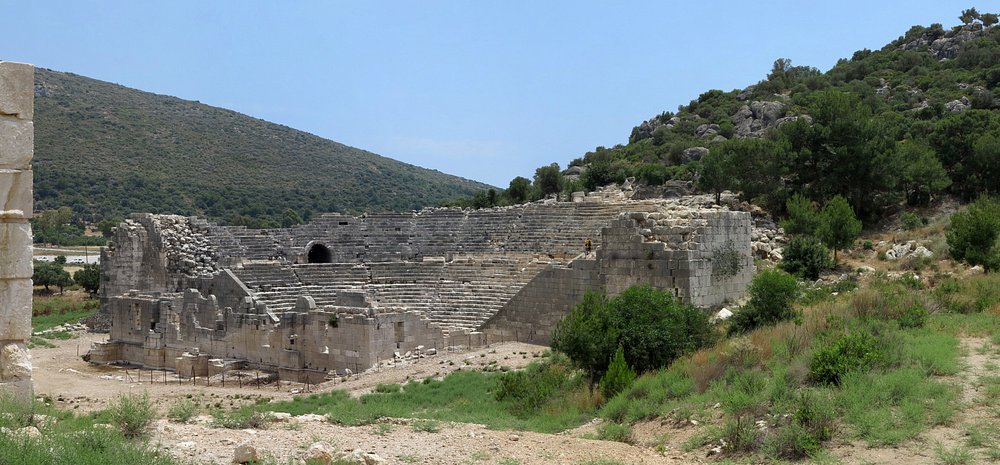
 2/ The earliest mention of Patara comes from the Hittites Yalburt inscription where it was called Patar (sometimes Pattar) ~1200s BC where King Tudhaliya IV brags about subduing the Lukka peoples of coastal Anatolia which is considered to be Lycia. With the collapse of the Hittites in ~1100s led to rise of Lycia in the iron age.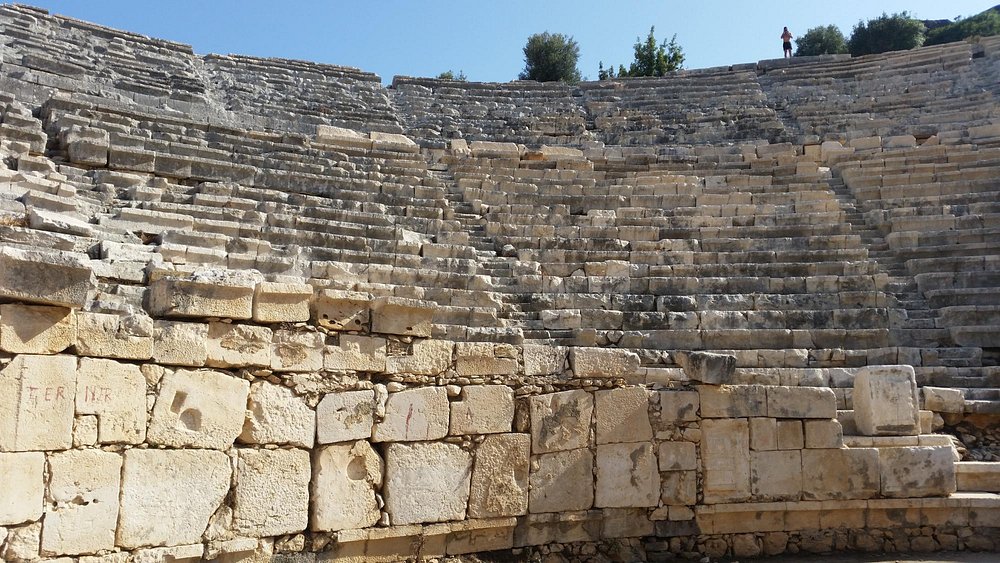
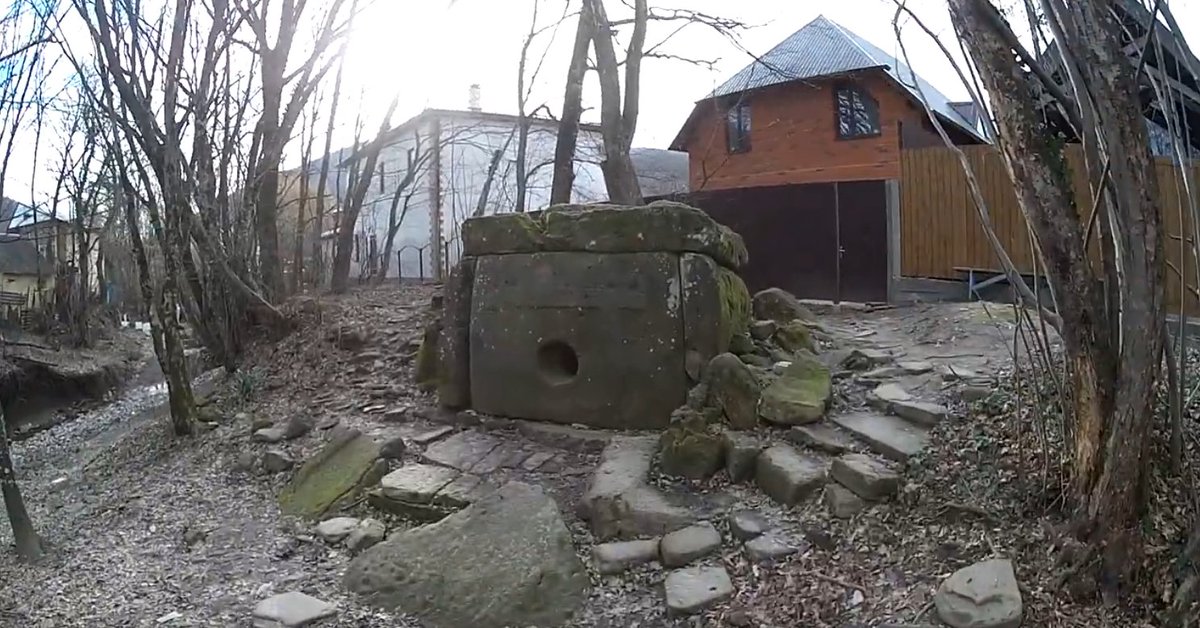
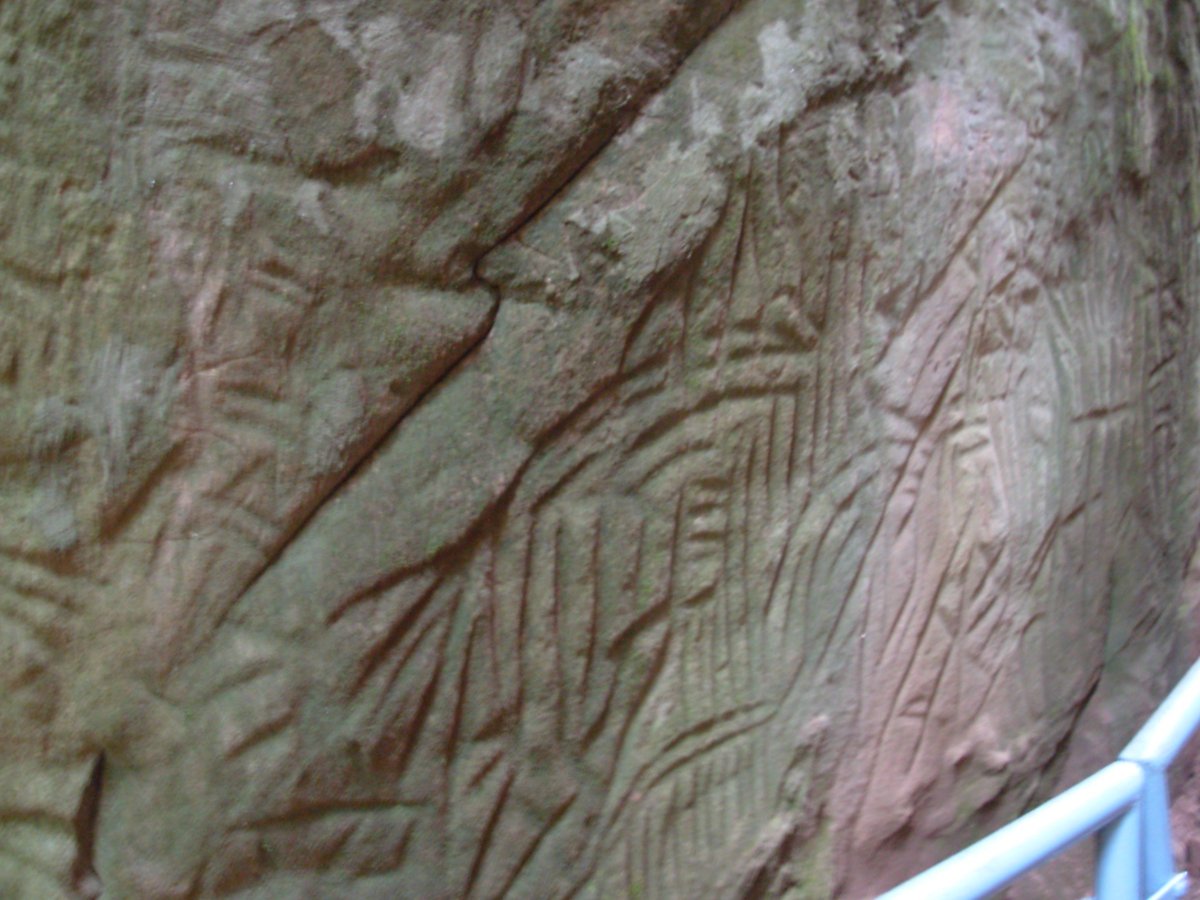
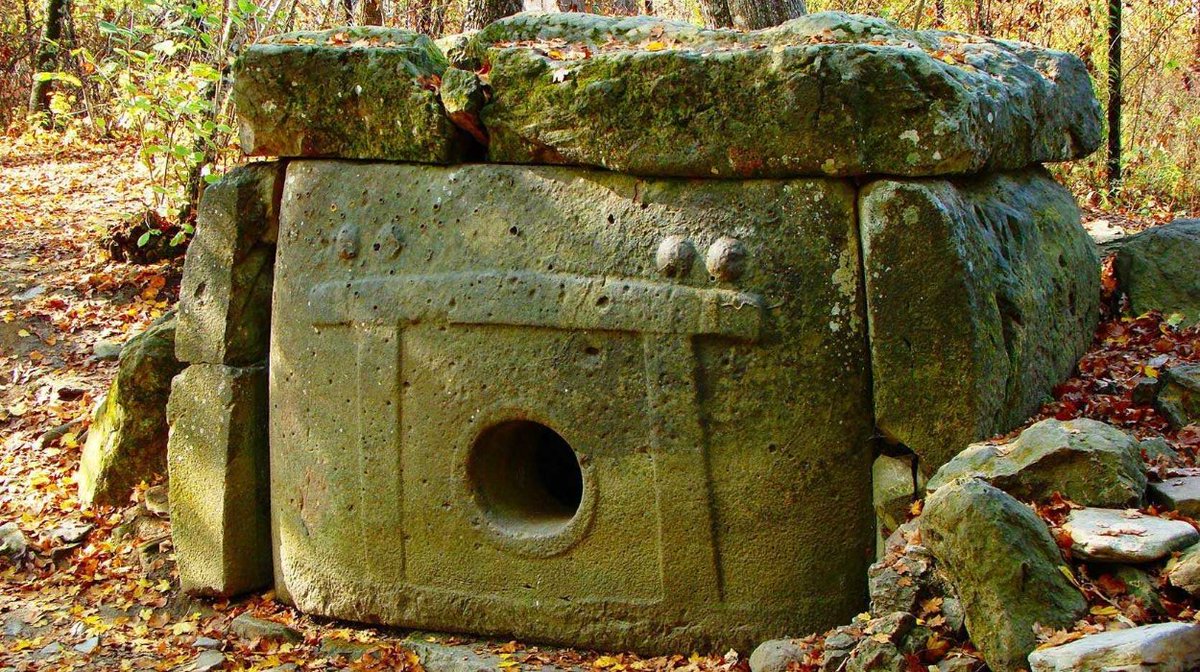 2/ This dolmen is located near Gelendzhik, in a village named Shiroka Shchel (Широкая Щель). Its situated in a small park behind a few stores. In a region with literally thousands of dolmens, this one is a rarity. Very few have the embossed decorative elements. Its said to be roughly dated around ~3000BC to ~2700BC.



 2/ Teishebaini (Karmir Blur) was an ancient Urartian capital said to be founded by King Rusa II (685-645 BC) near modern Yerevan, Armenia. Named after one of the three major gods, Teisheba, it was destroyed ~590BC by Scythians.


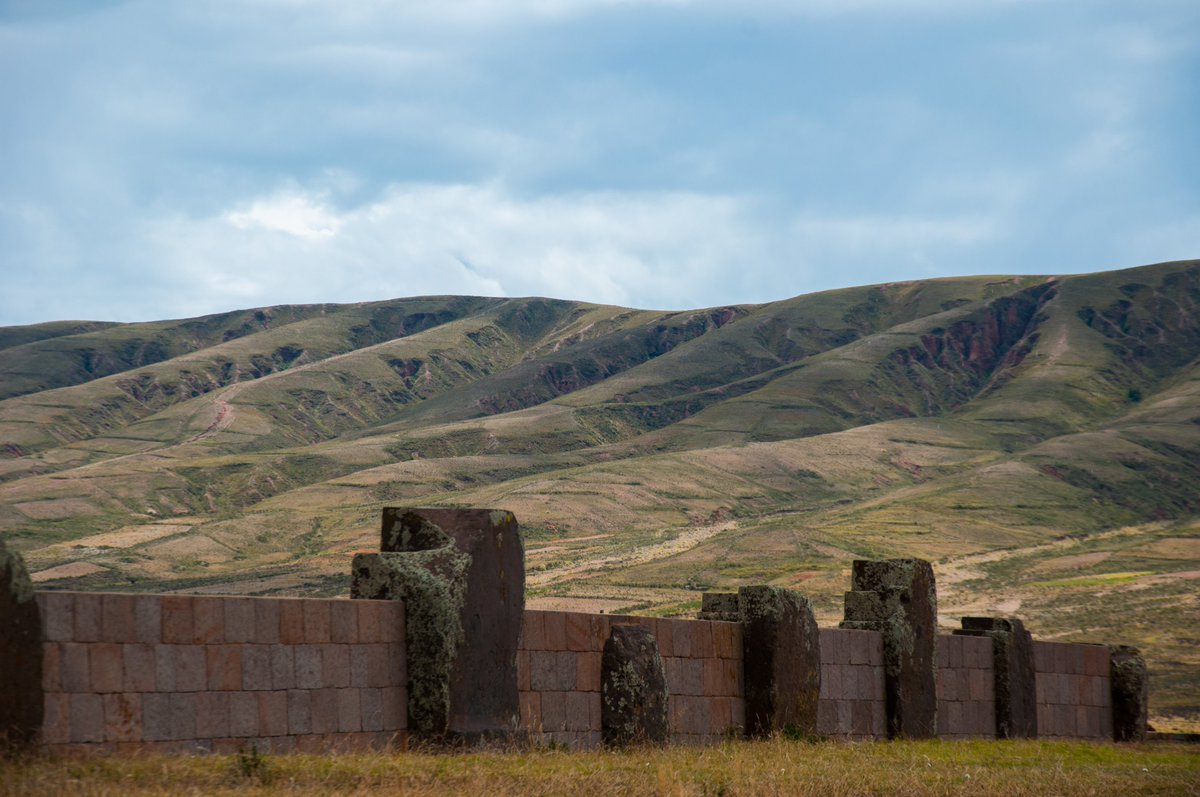

 2/ Tiwanaku (Tiahuanaco) in Bolivia near Lake Titicaca is one of the most puzzling ruins in the world. Its understanding is hindered by looting, quarrying, questionable reconstruction and whatever disaster caused its abandonment. Ignore dating of site, its a subject on its own.


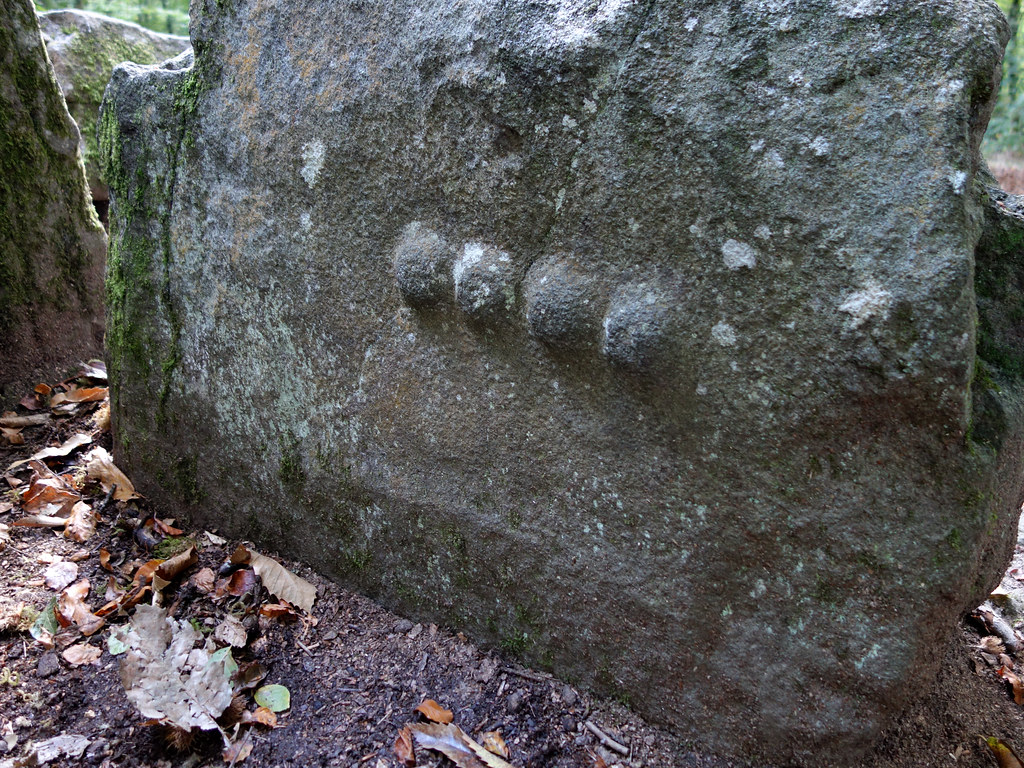 2/ Dolmens with nubs or "breasts" as they're locally called are uncommon (at least to my understanding). La Maison des Fées is a passage tomb or "covered alley" dolmen first described in 15C AD. Its roughly 12m long, and ~1.3m wide with 8 capstones up to 40t in weight.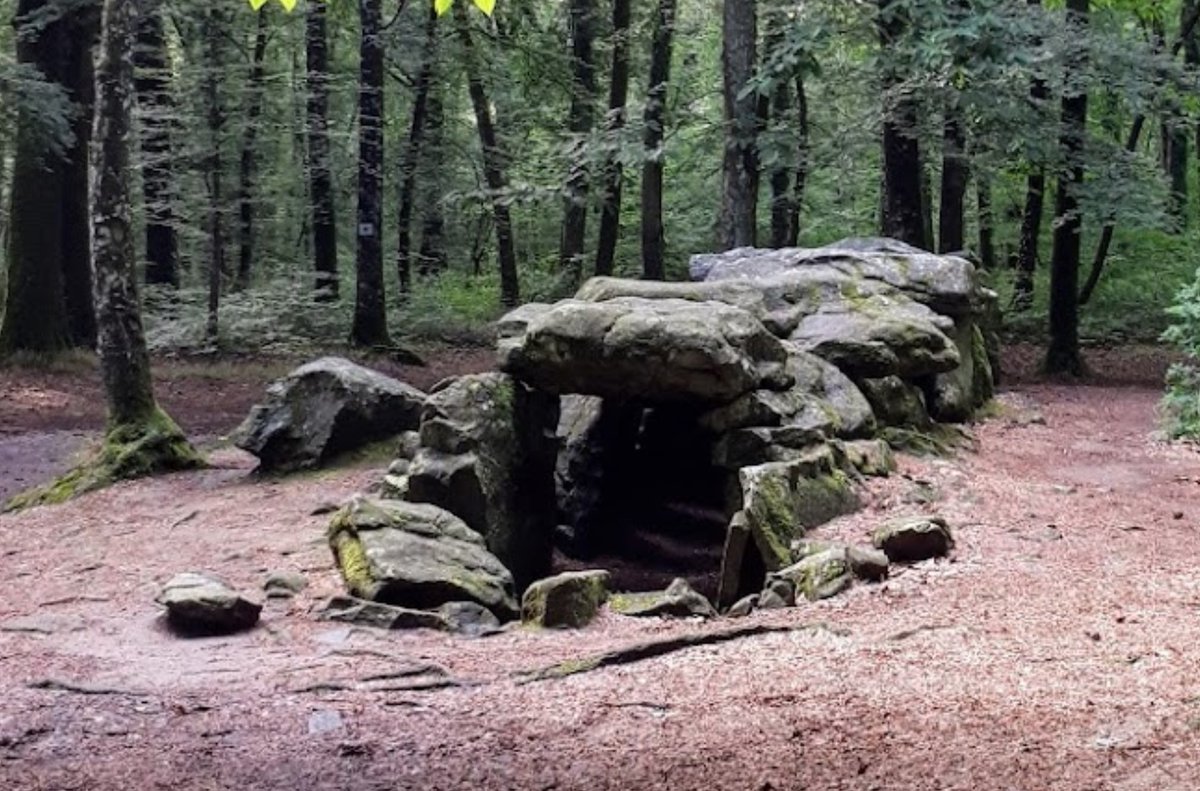


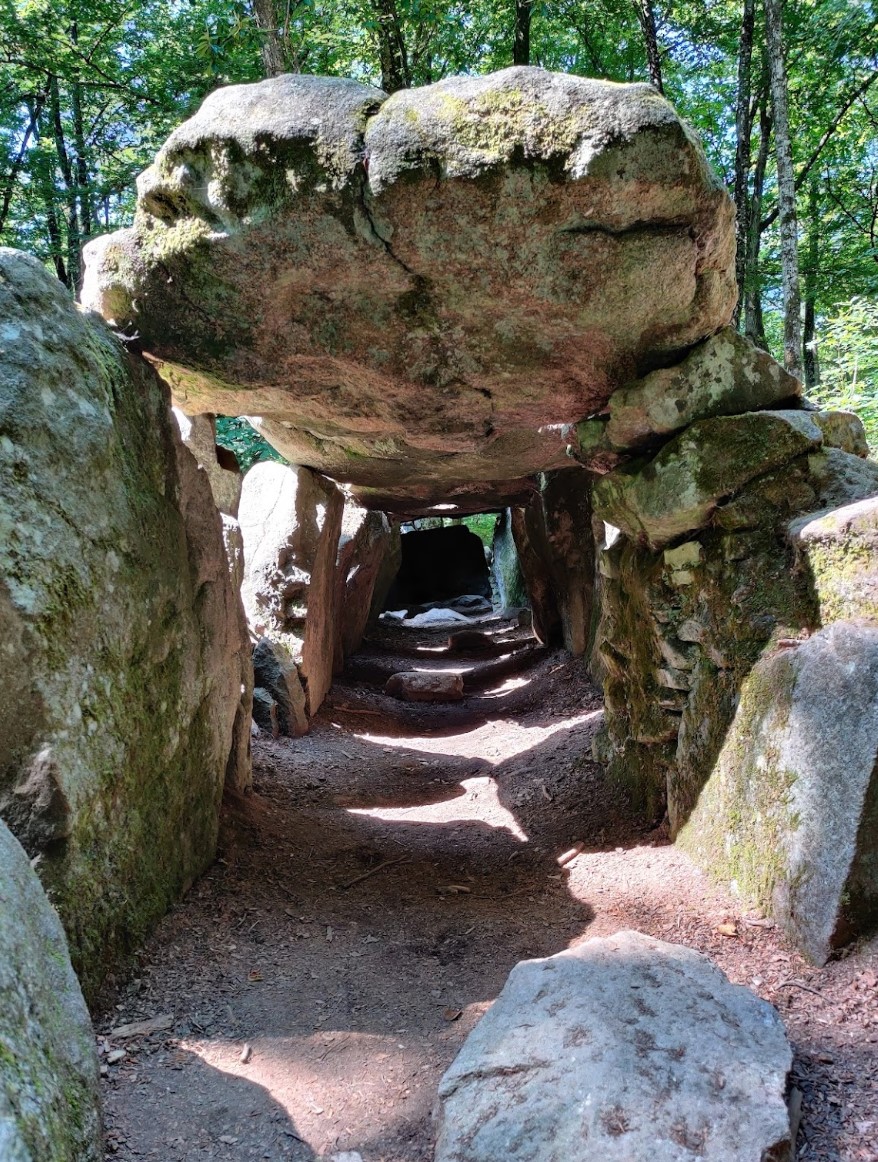
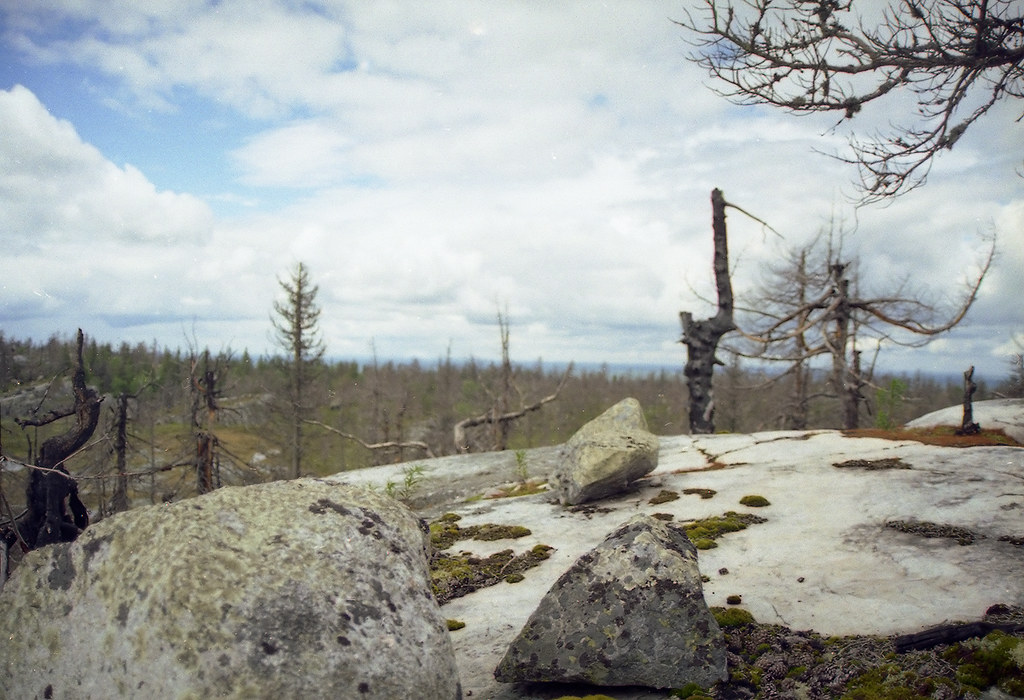
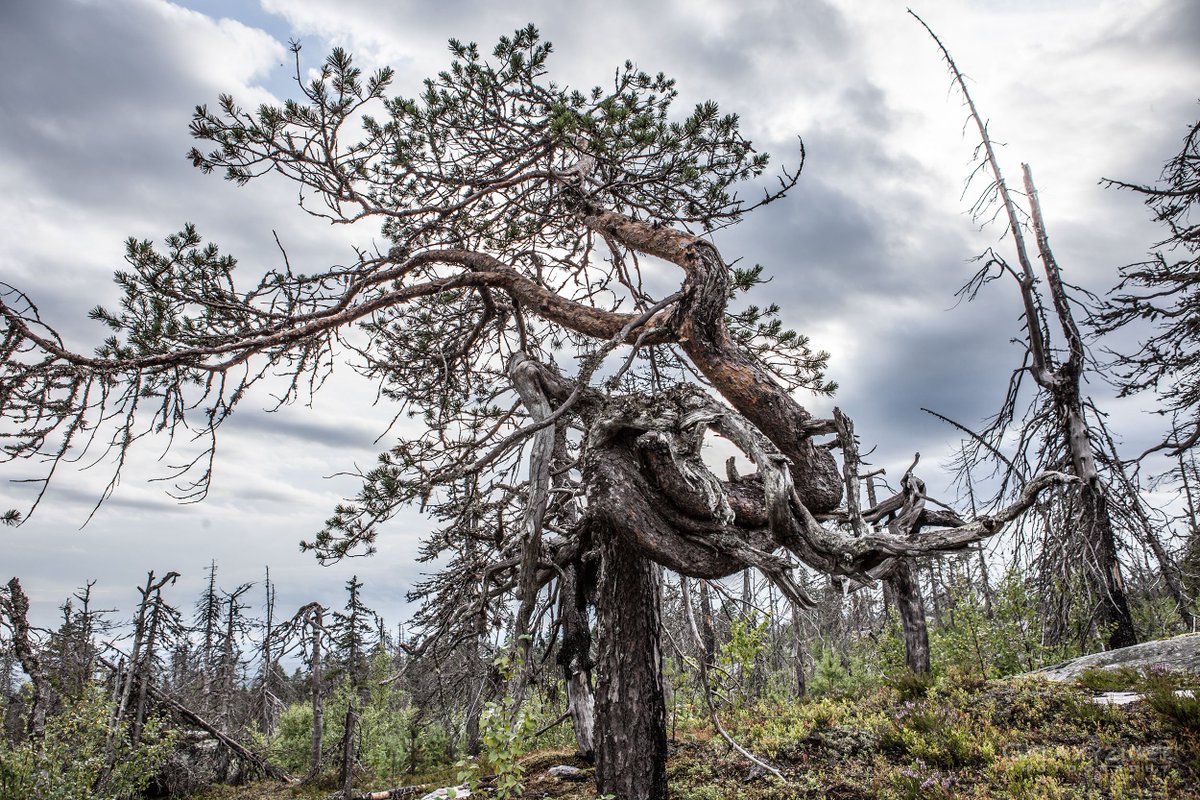
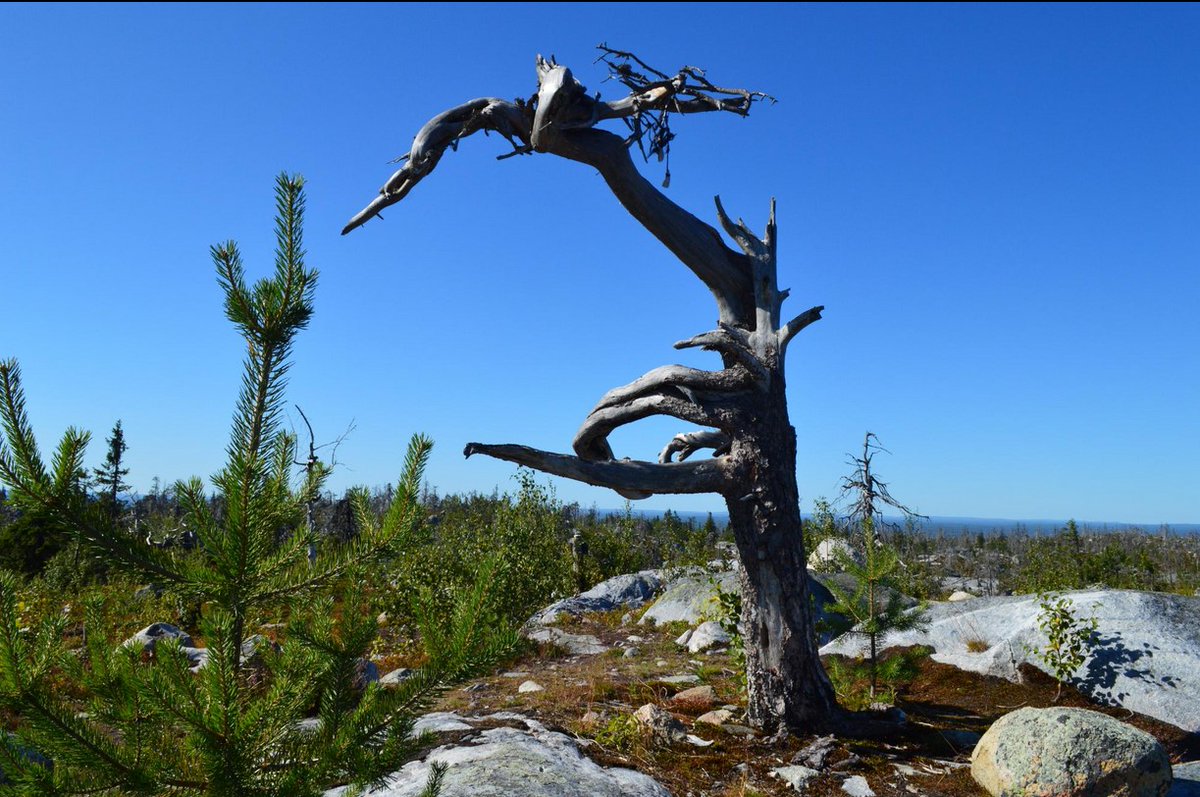
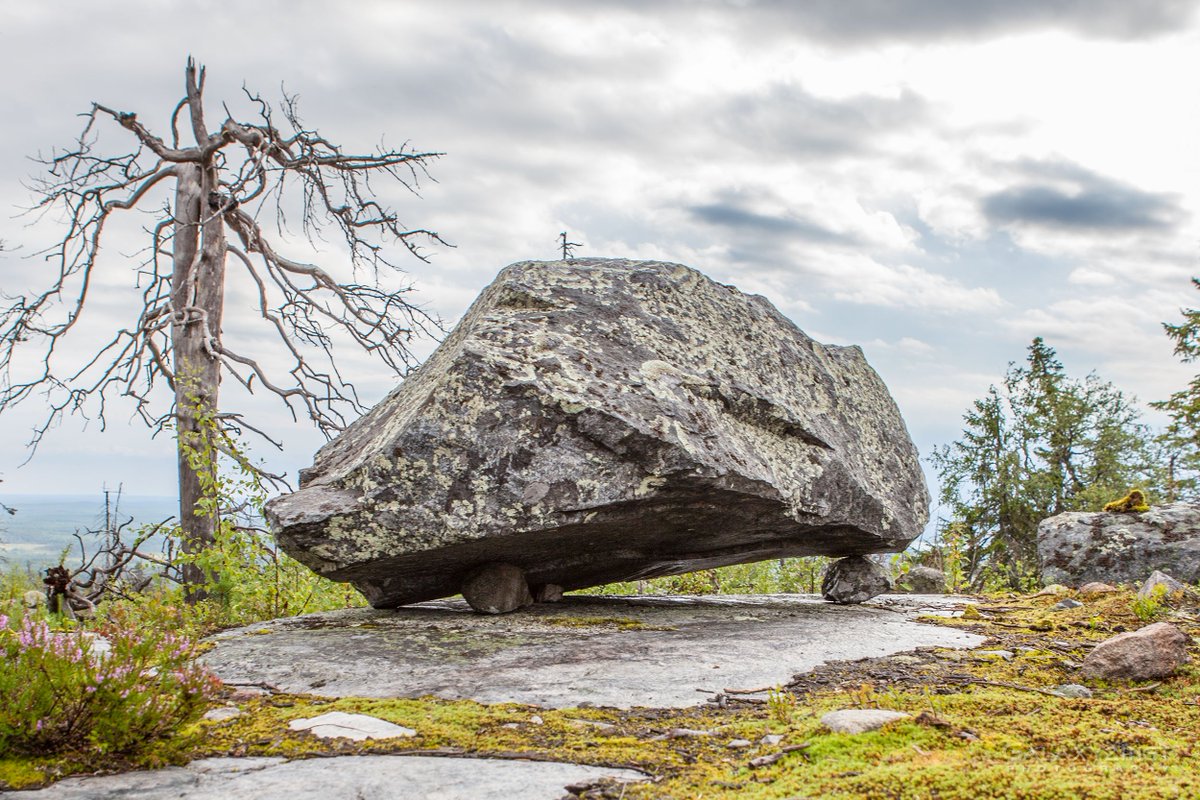
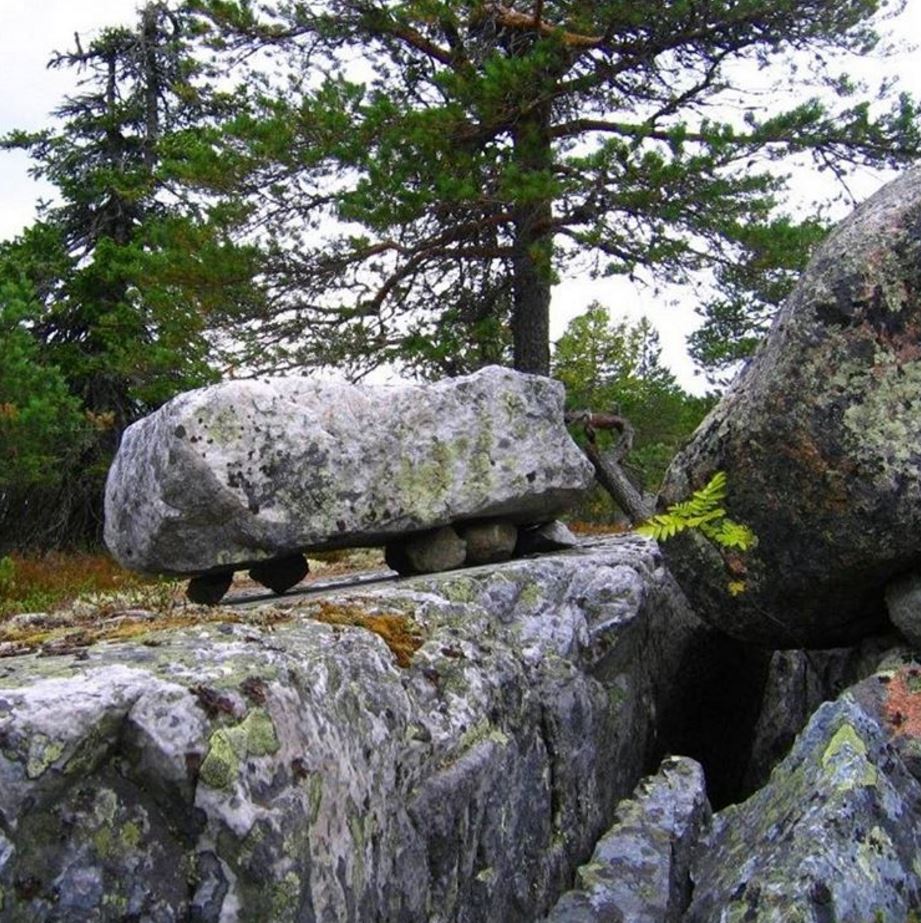
 2/ I've covered this magical land before but while searching for more photos for my archive I found a few that I hadn't seen before and really made my mind spin. I'll save them for last. Lets review the many unusual massive stones balanced on much smaller ones.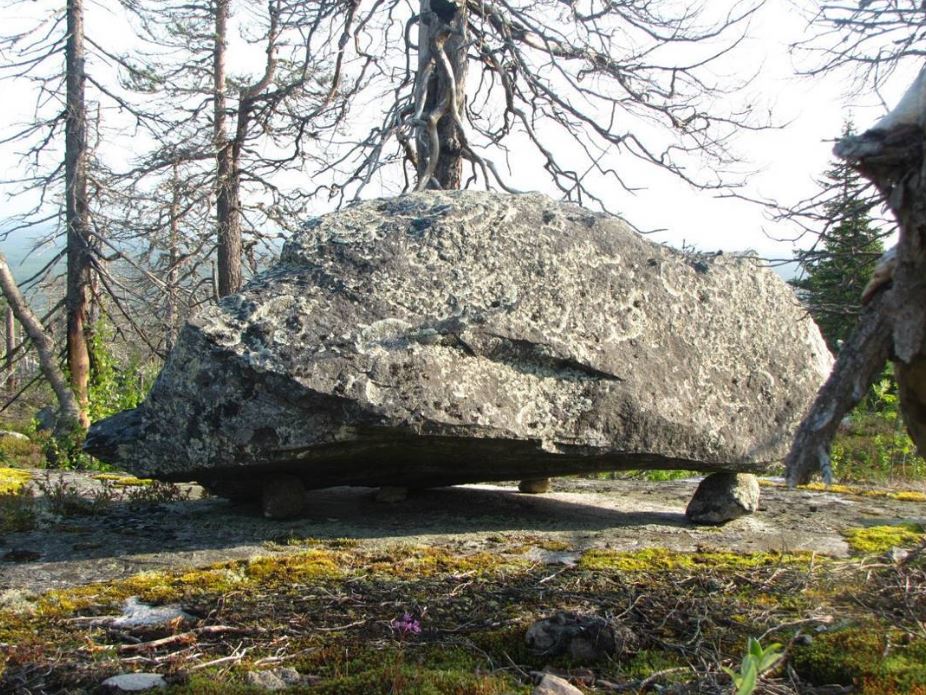



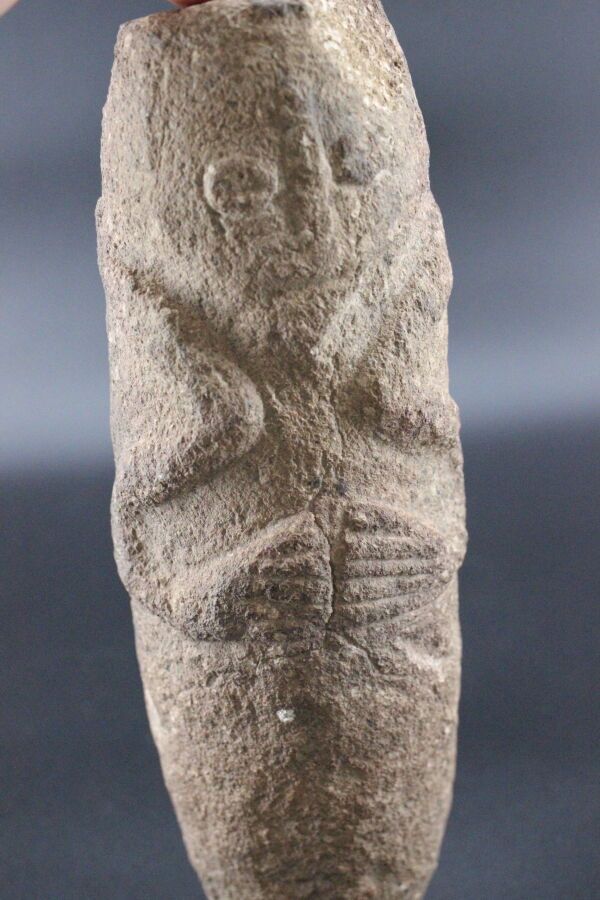
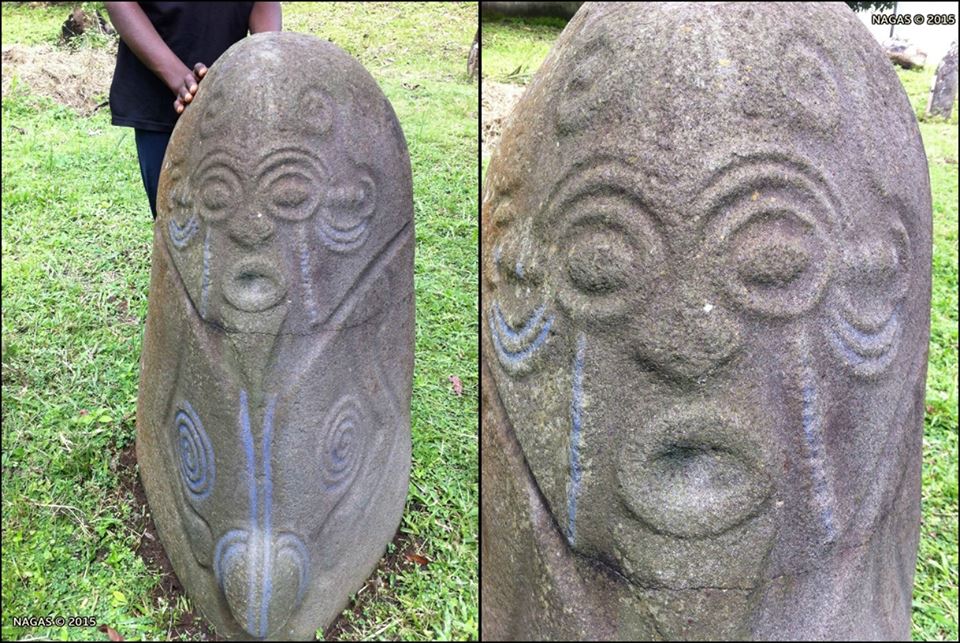
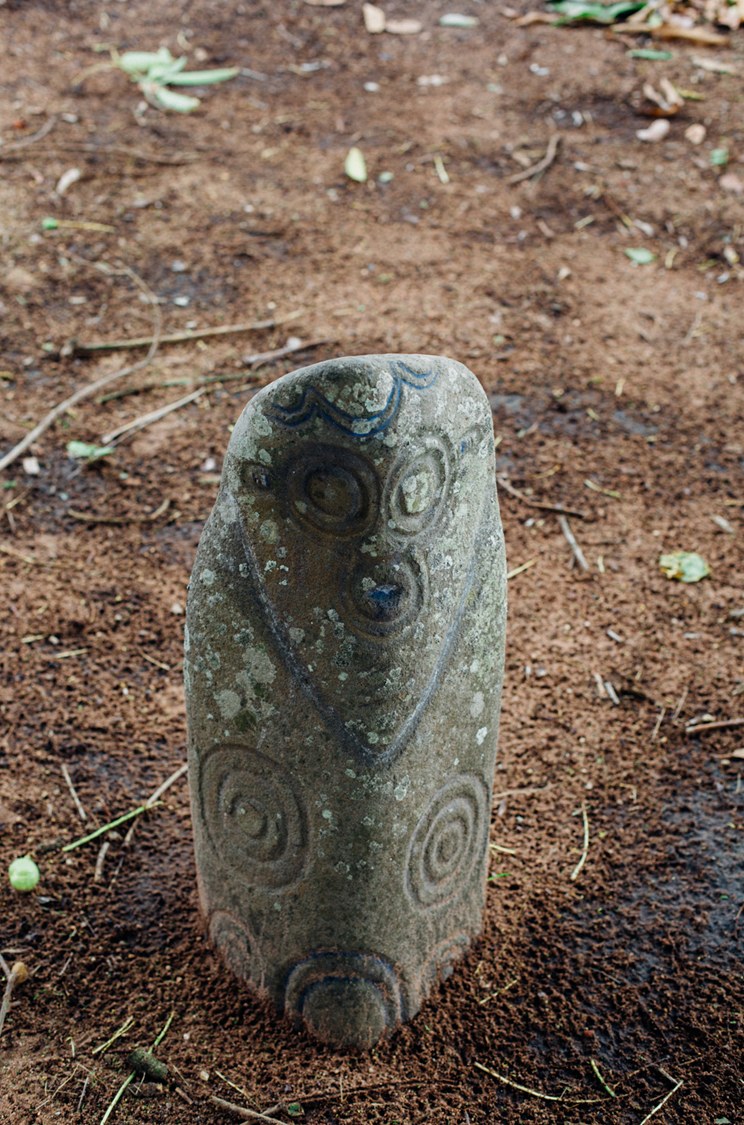 2/ First described in the early 1900s the dating for these monuments says they're dated from perhaps as early as 200AD to 16C AD. I wont get into my issues with dating & instead focus on the art and stone themselves. Sizes range from ~ .5m to 2m stones depicting faces & patterns.

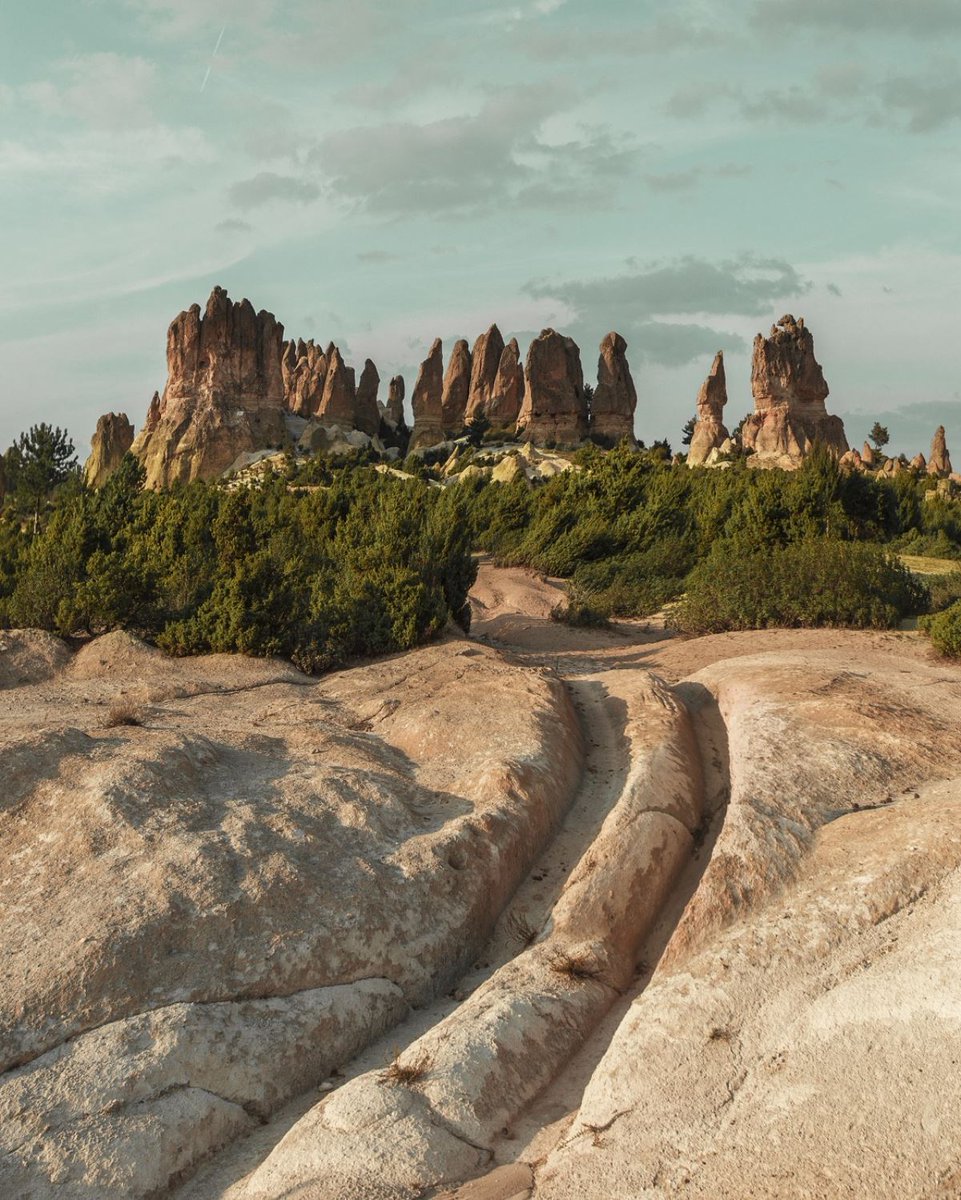


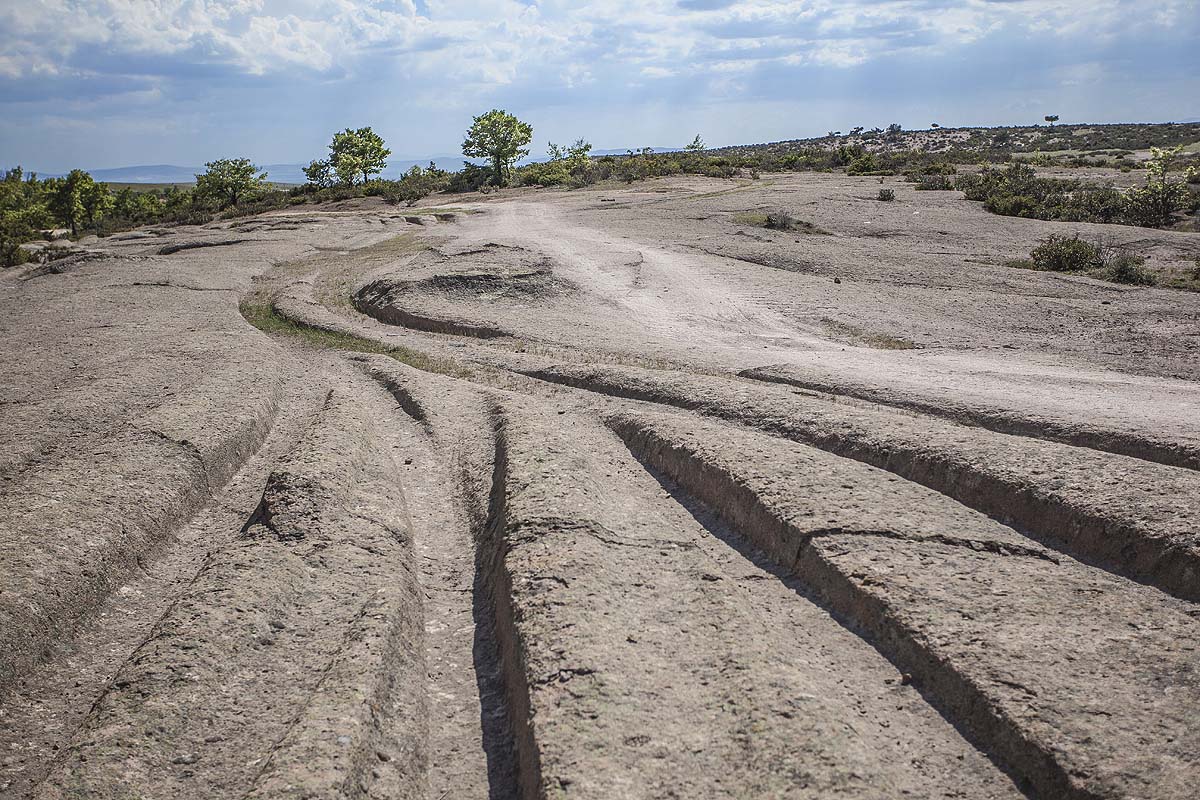
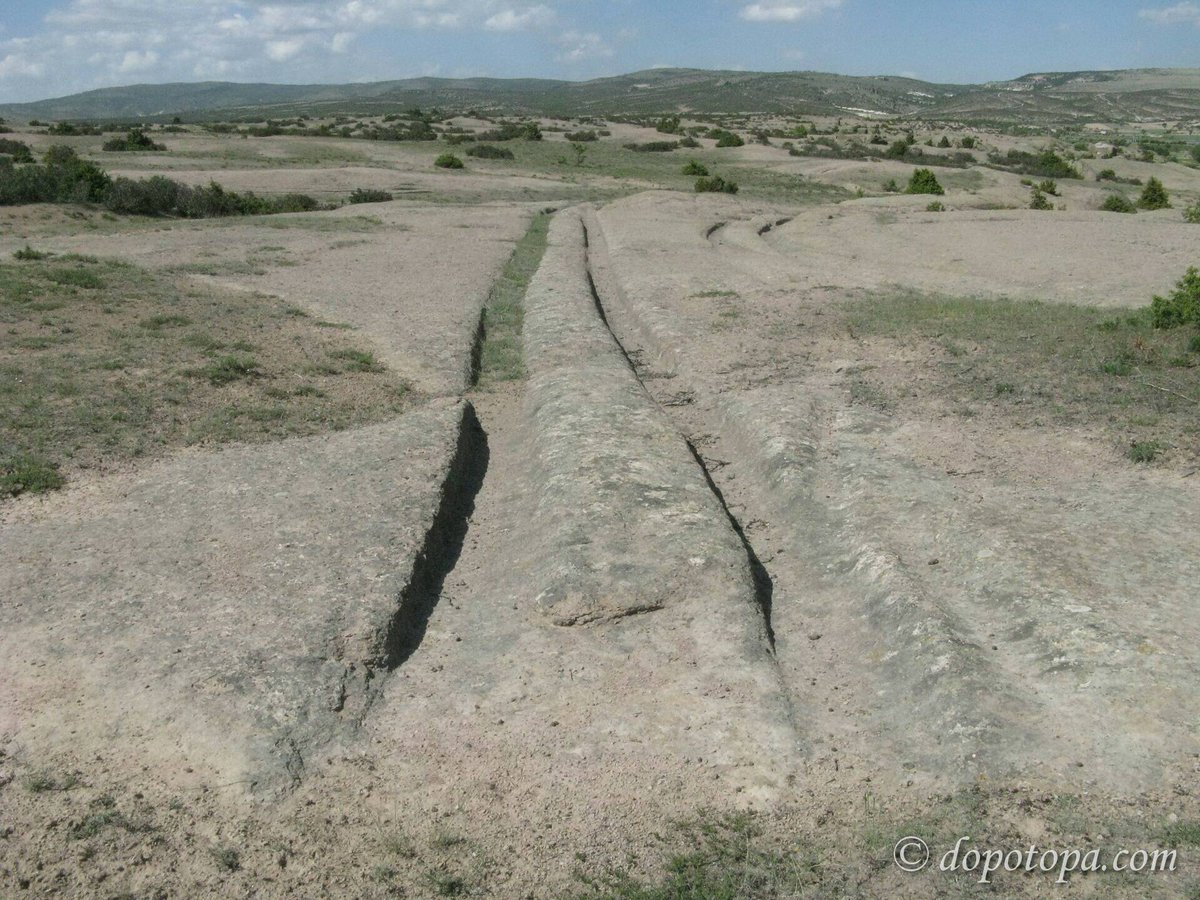
 2/ The Phrygian valley is home to some truly spectacular monuments stretch back thousands of years showing how important this area was multiple cultures each leaving their own mark literally in the stone. These tracks are no different in that regard.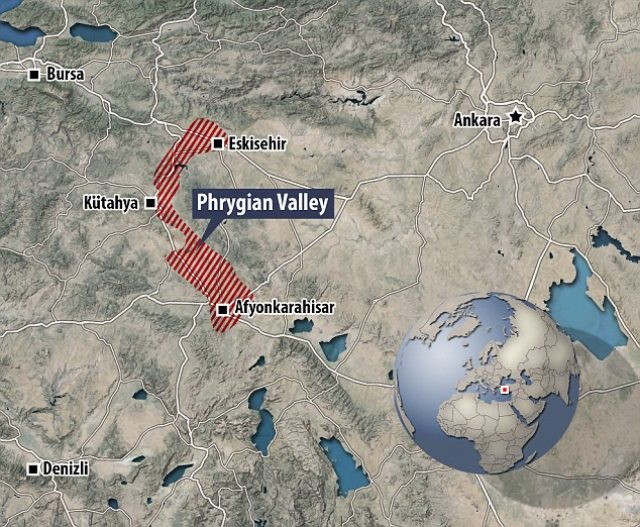



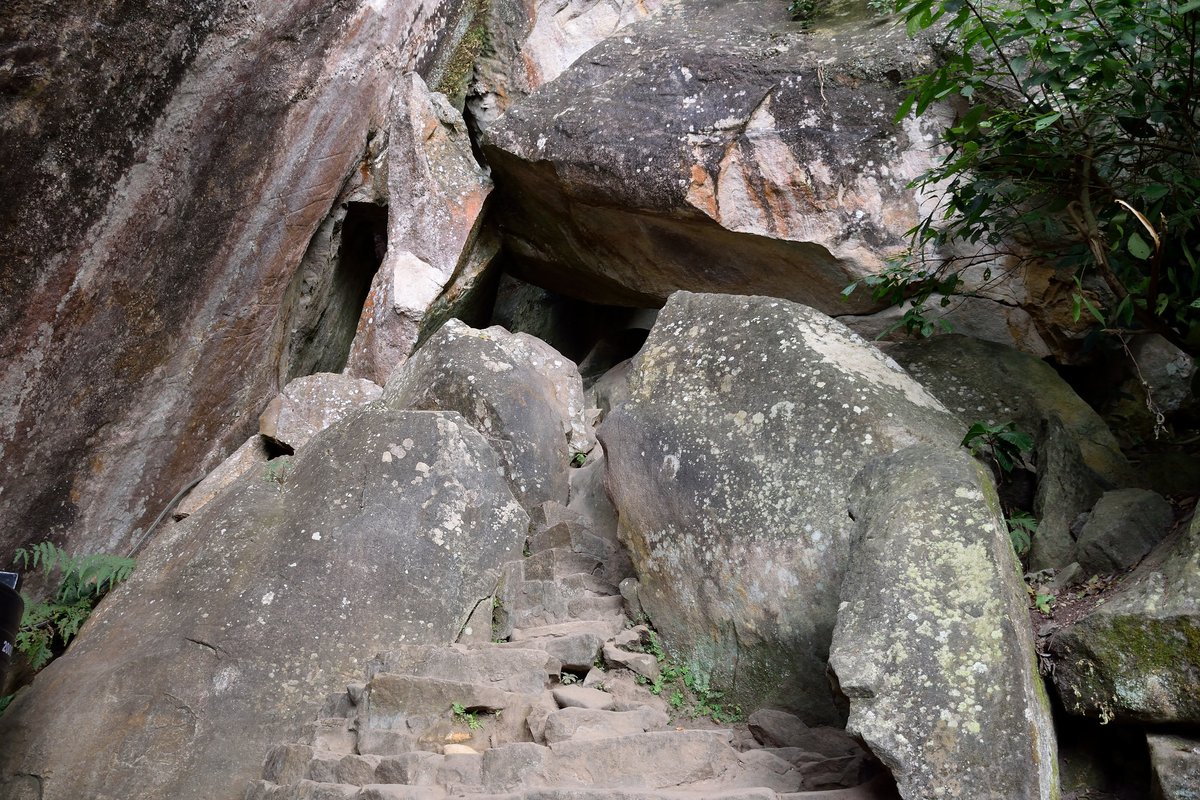
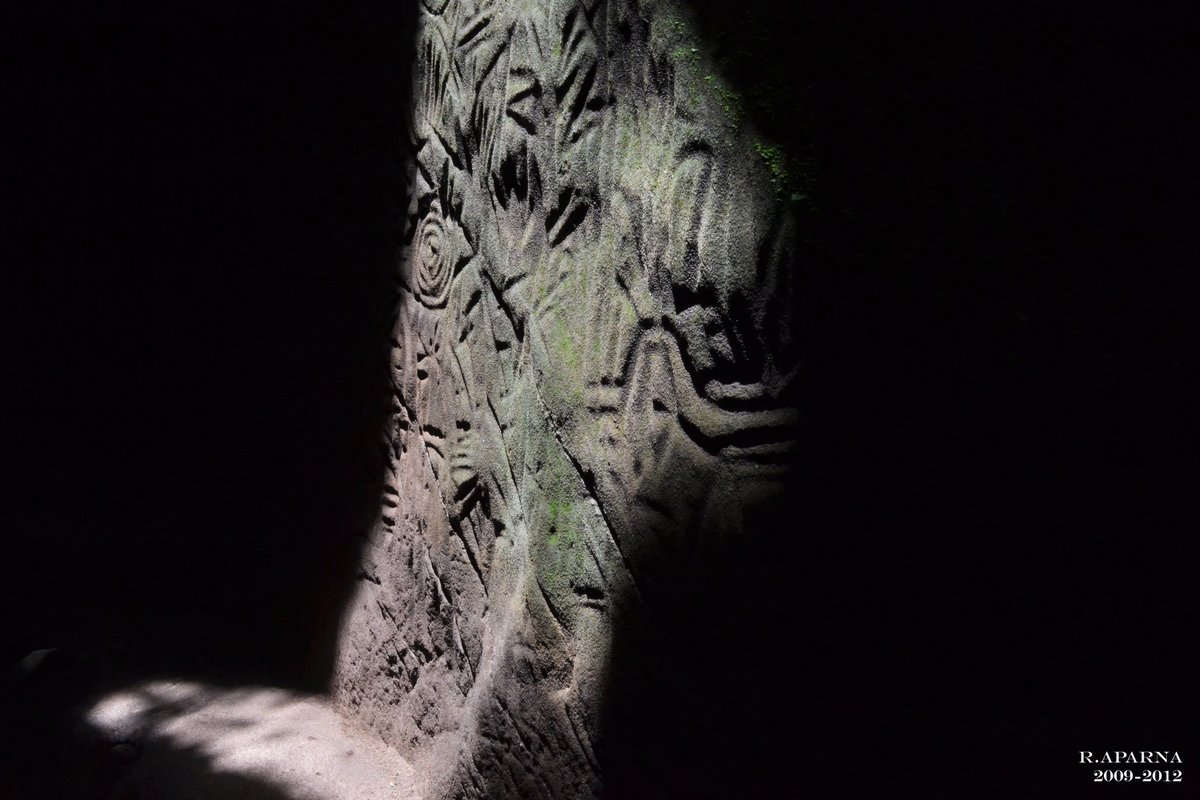 2/ Fawcett's would return again in 1894-1895 and would hire locals to help clear a path to the "cave" and began documenting the carvings. Fawcett was keenly aware of their significance. In 1901 he would go on to publish a detailed article on the cave & carvings.


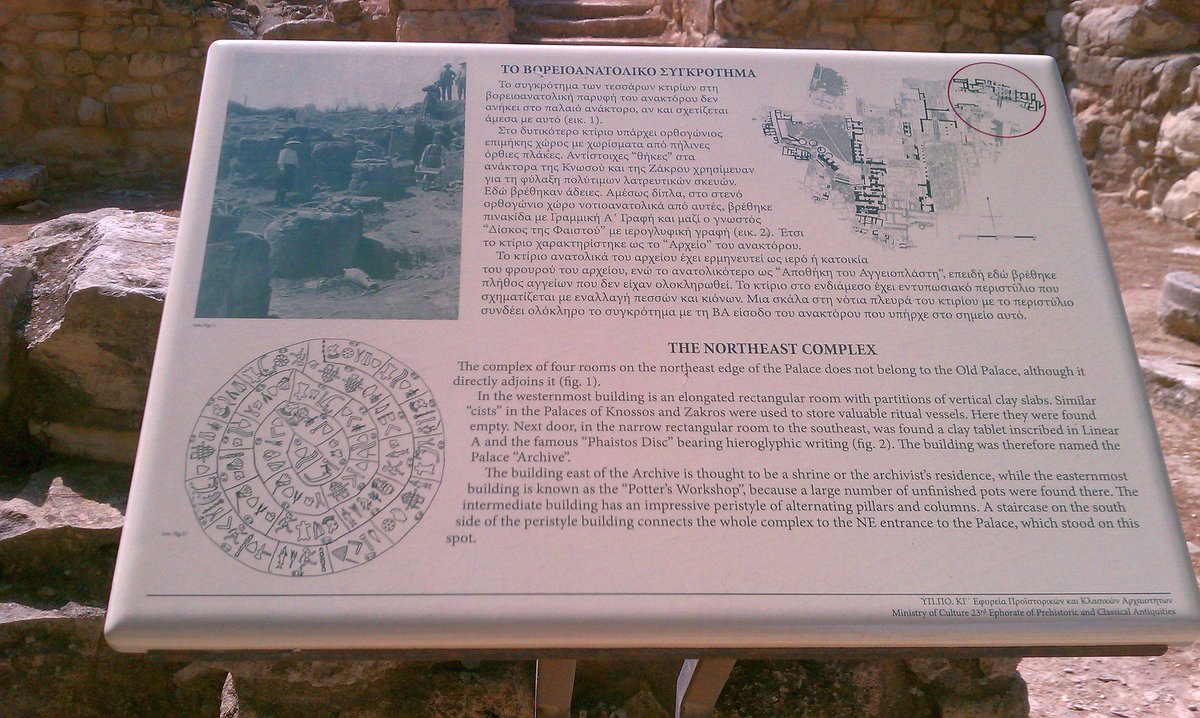
 2/ Its uncertain the disc was even made in Phaistos. Its symbology is a mix of Linear A, Linear B and other glyphs found in Anatolia. In 2022 an archaeologist Gareth Owens claimed to have deciphered it as hymn to Astartes/Venus - that claim has been disputed.
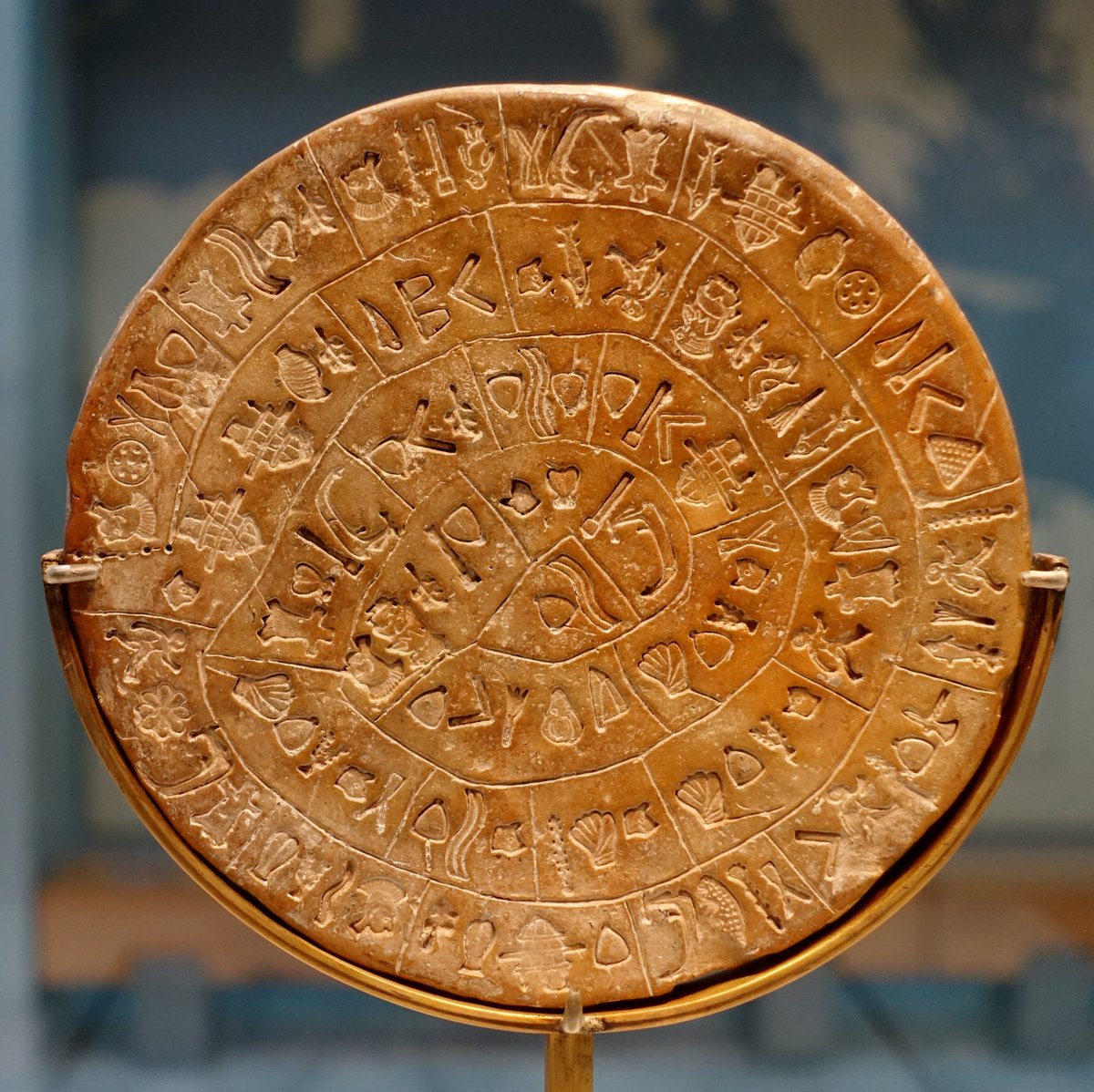
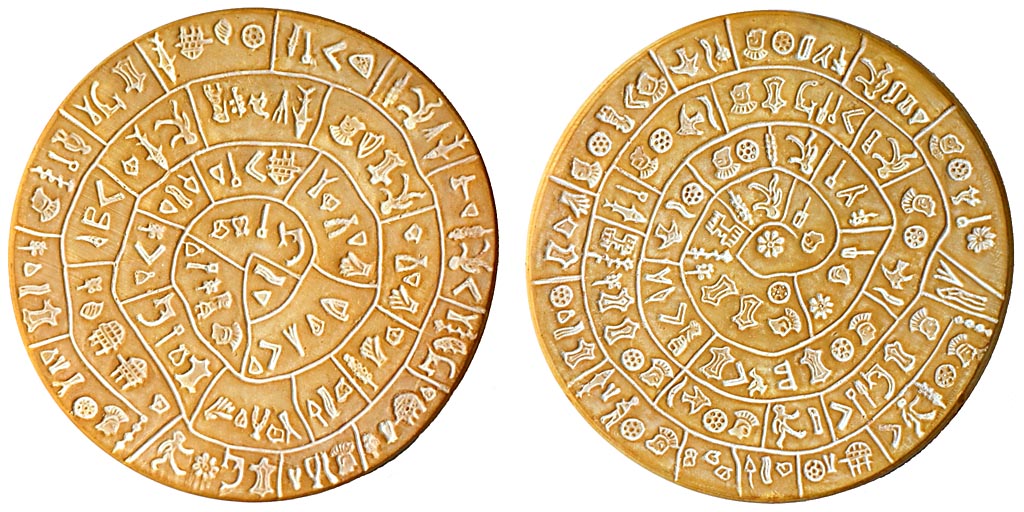
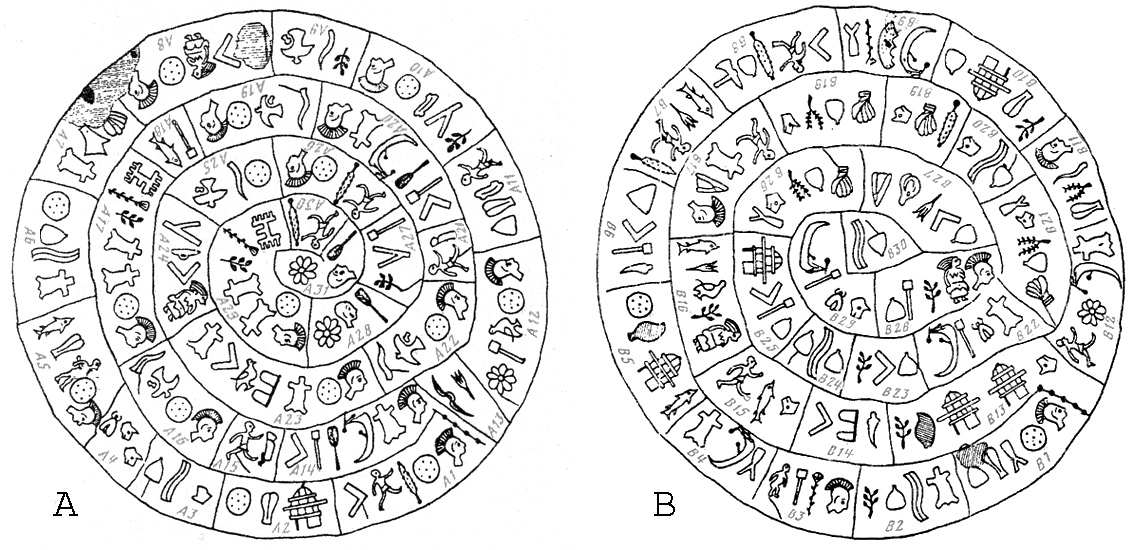
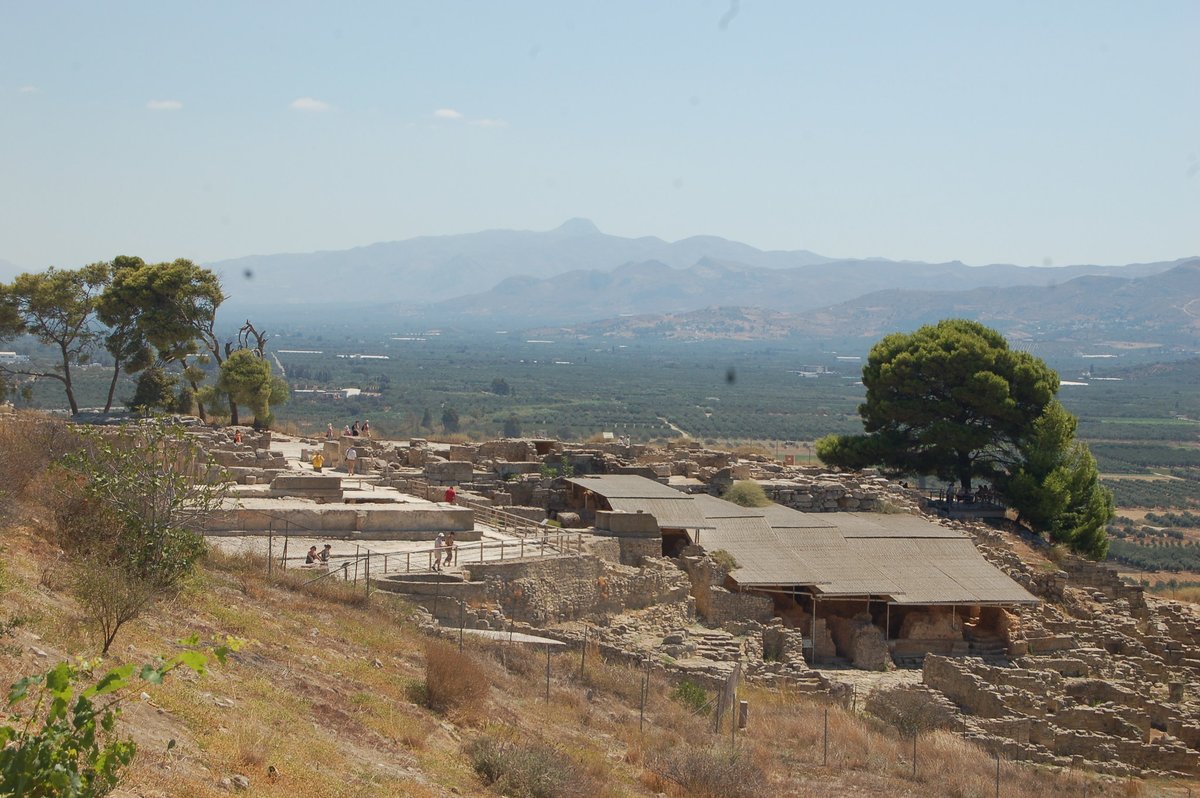
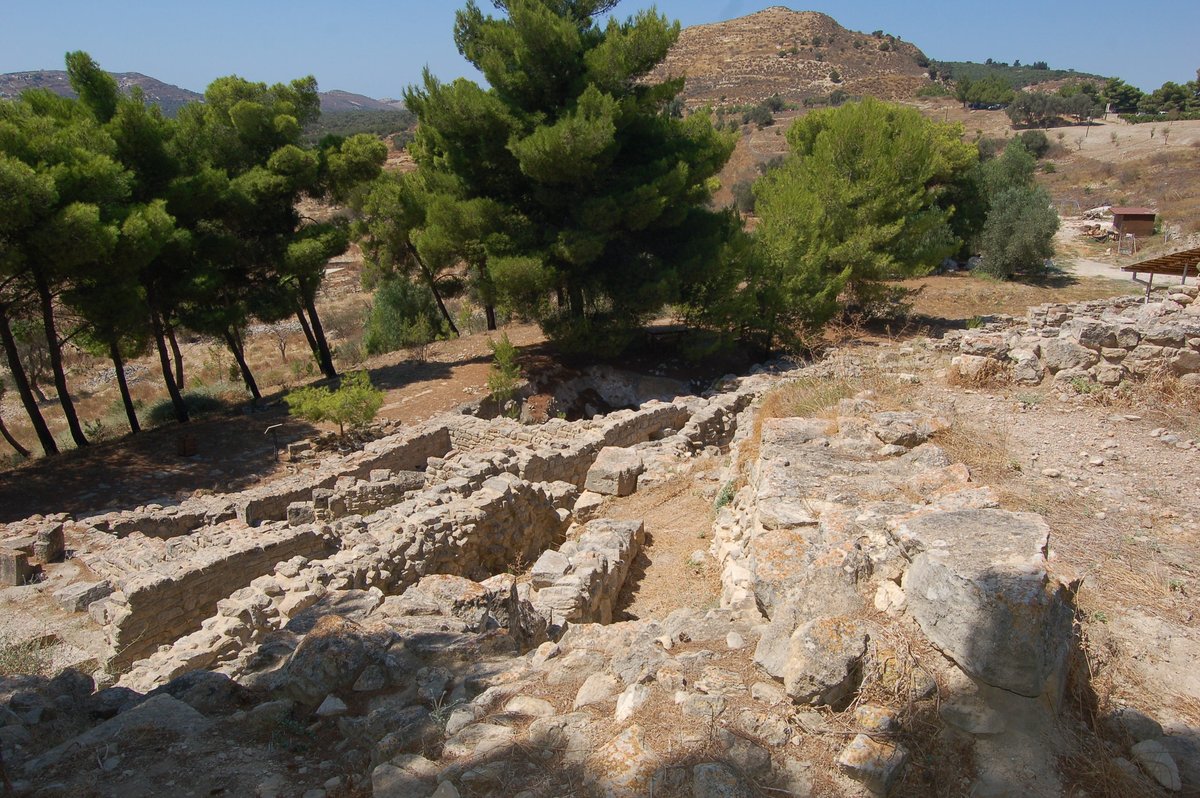
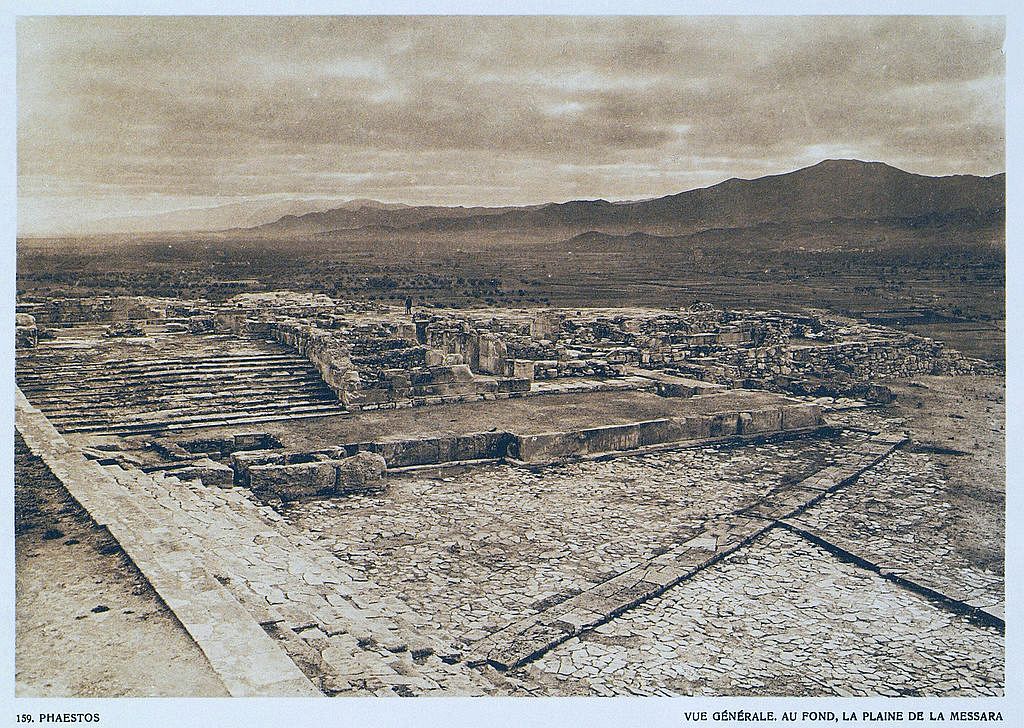
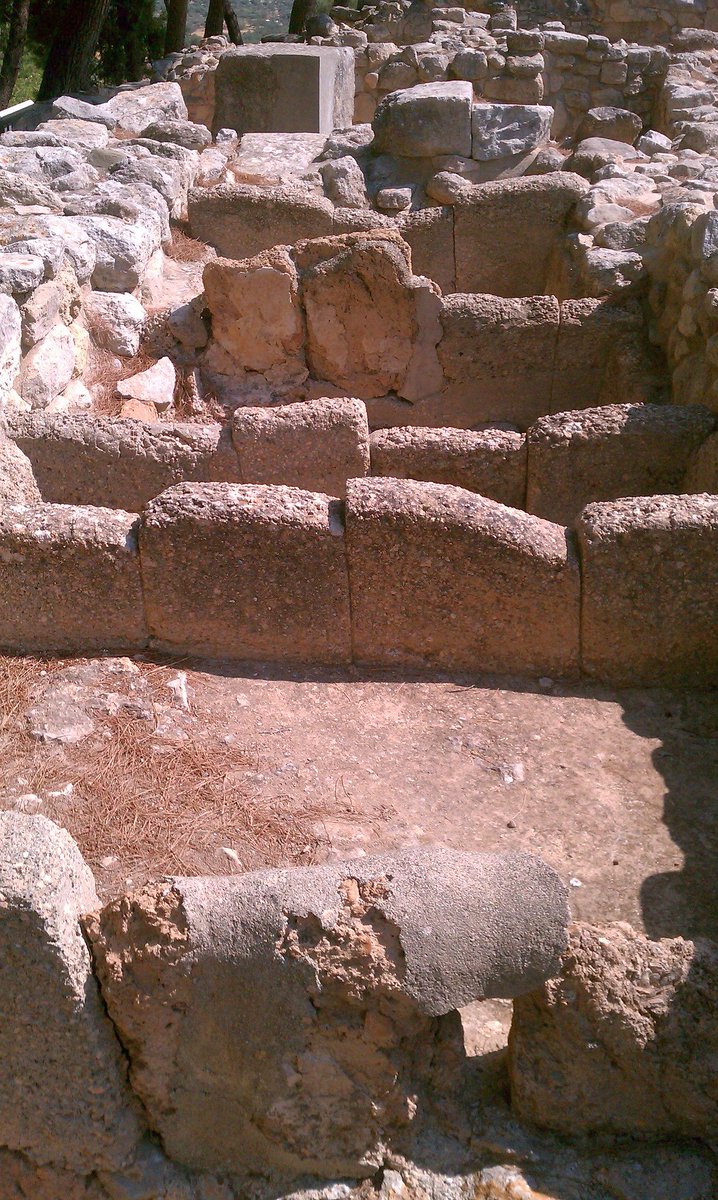
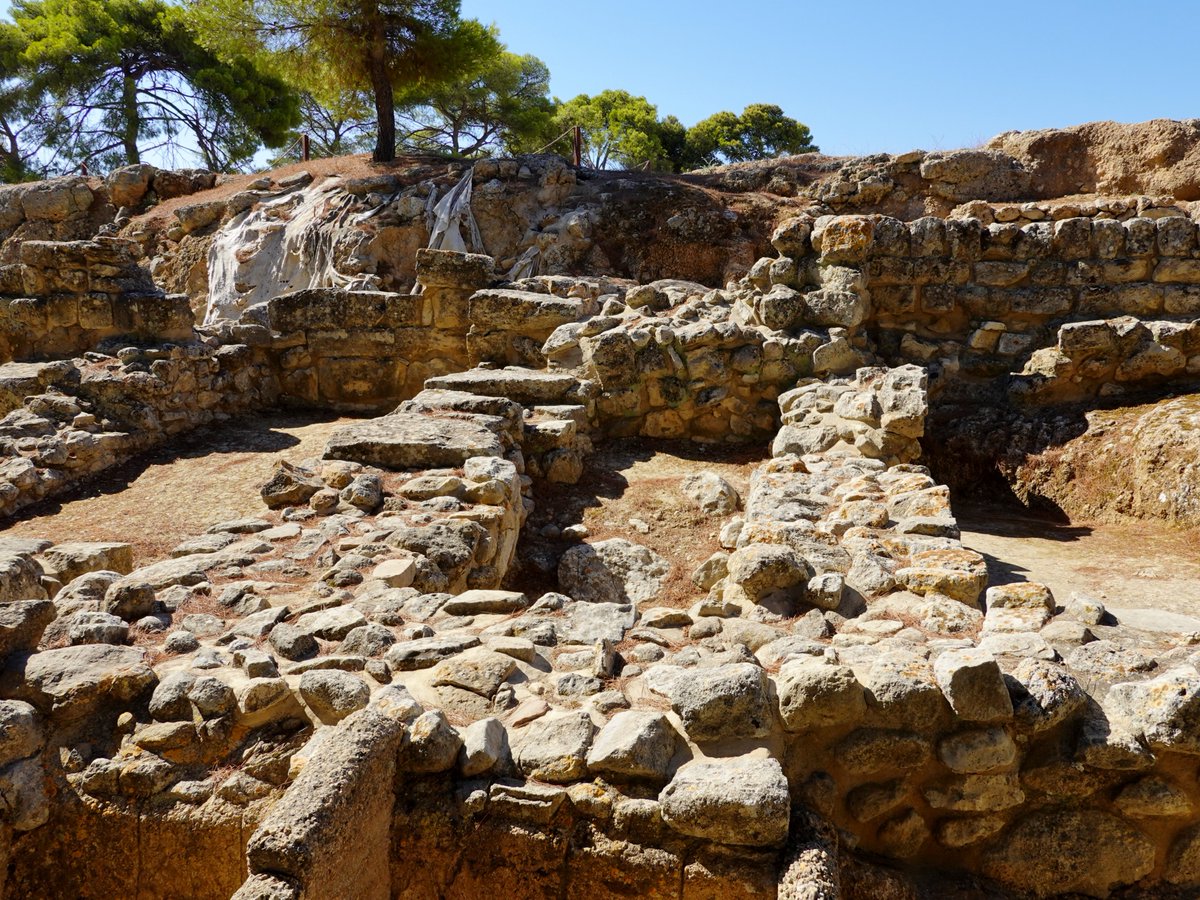
 2/ Located on a ridge near the Mesara plain in southern central Crete, not much remains today of Phaistos because of similar reasons to Hagia Triada - building material choice, earthquakes and conquest. What is left though tantalizes the mind.
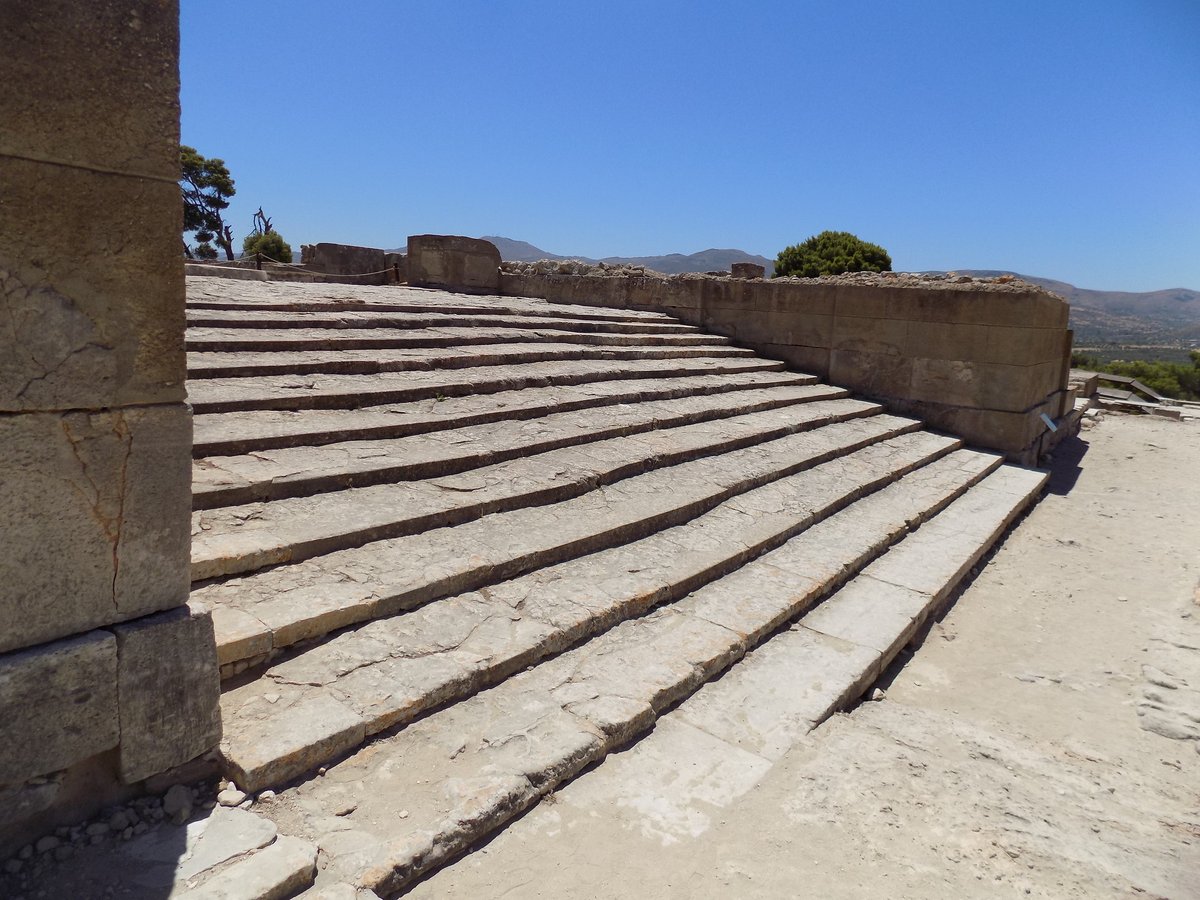

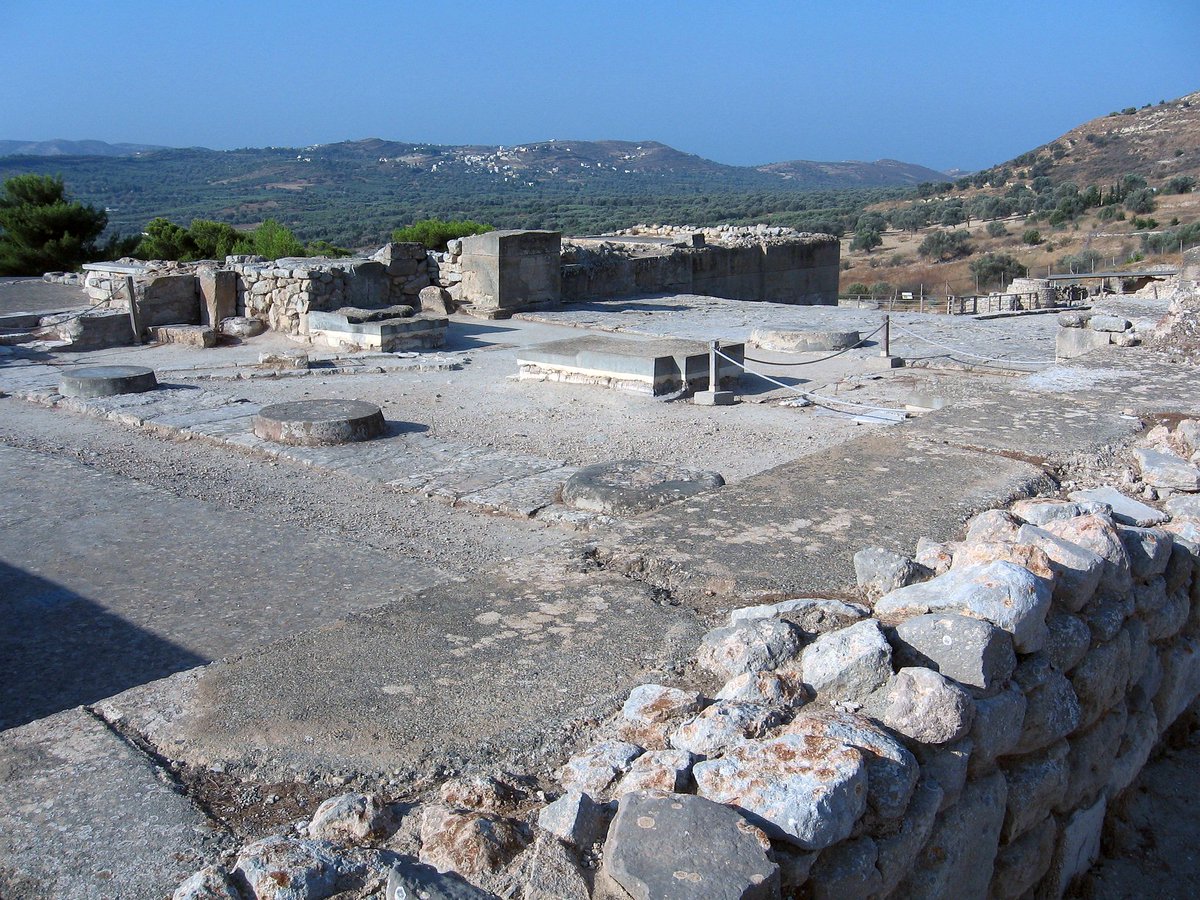

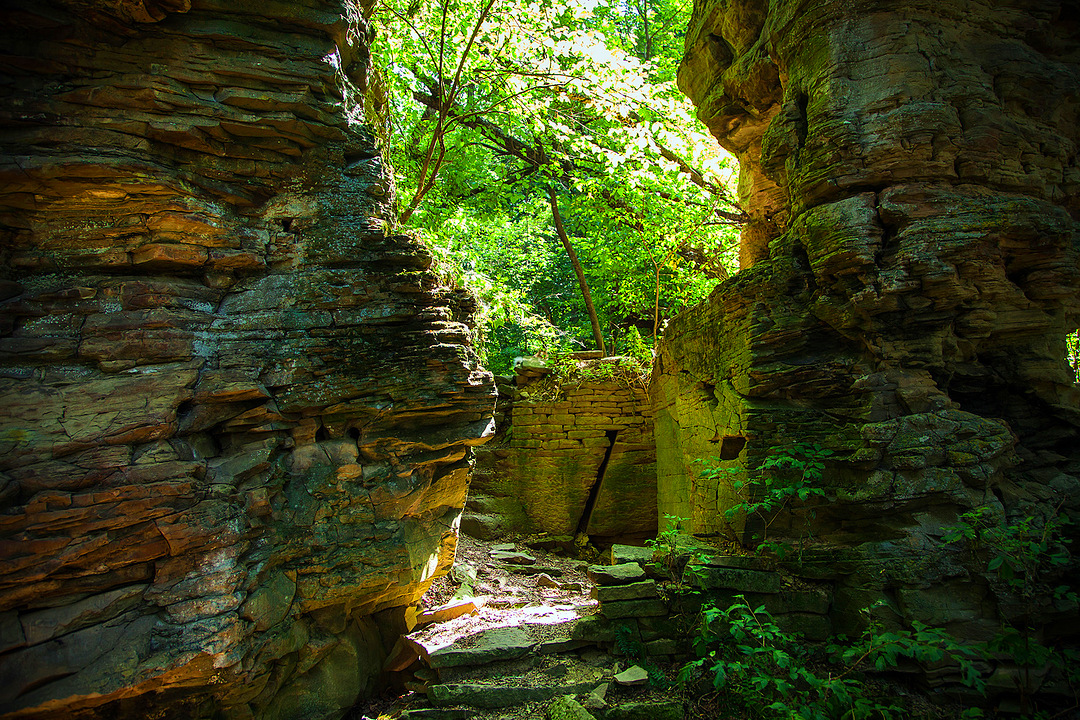
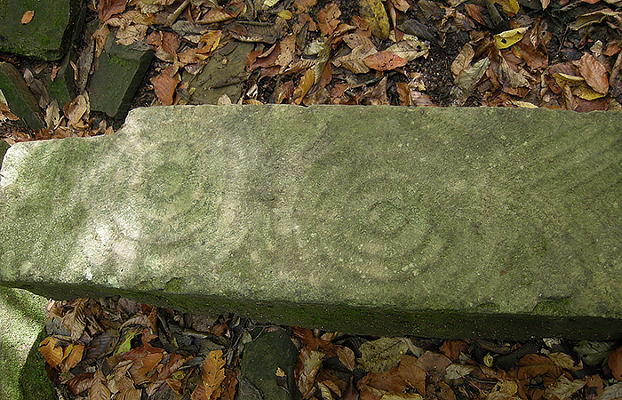
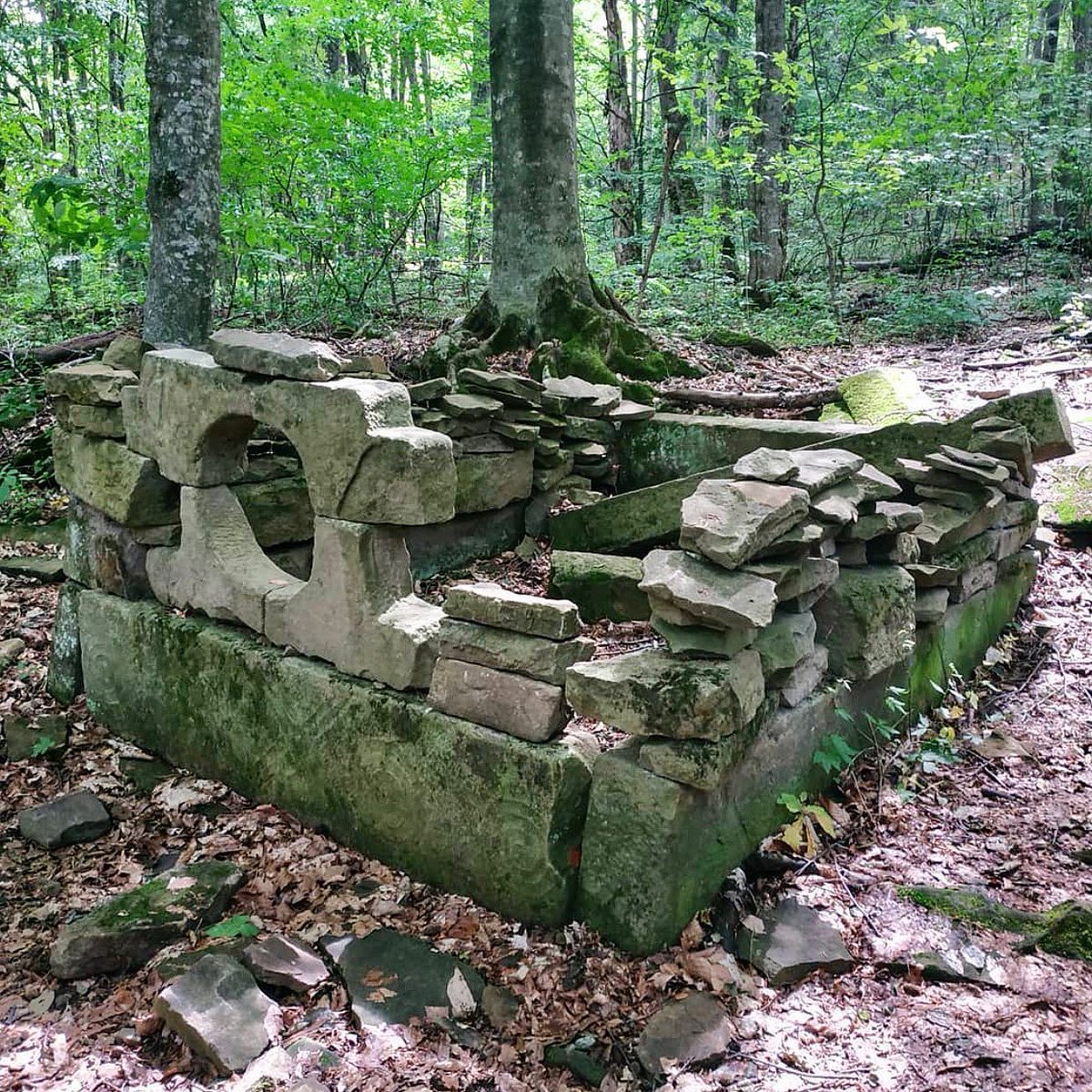 2/ Leso-Kefar is considered an Alani site dated to perhaps 1000AD. There are iron age dated dolmens carved with various runes, christian crosses and modern graffiti. Multiple cultures spanning multiple epochs have left their mark.


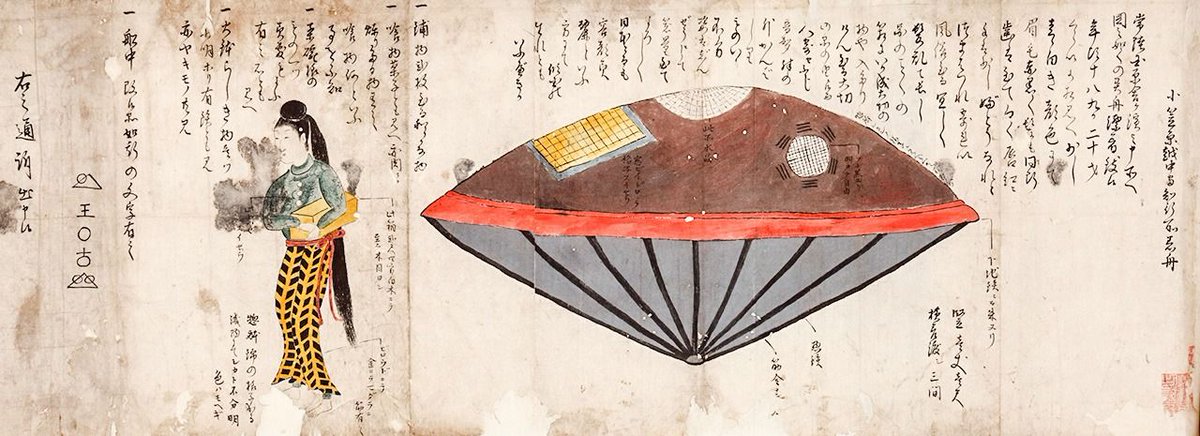 2/ There are many versions of this story but the gist is that around 1803 towards the end of the Edo period & isolation period a strange "boat" was spotted by fishermen floating in the sea near modern-day Ibaraki Prefecture. The fisherman sailed out & towed the boat to shore.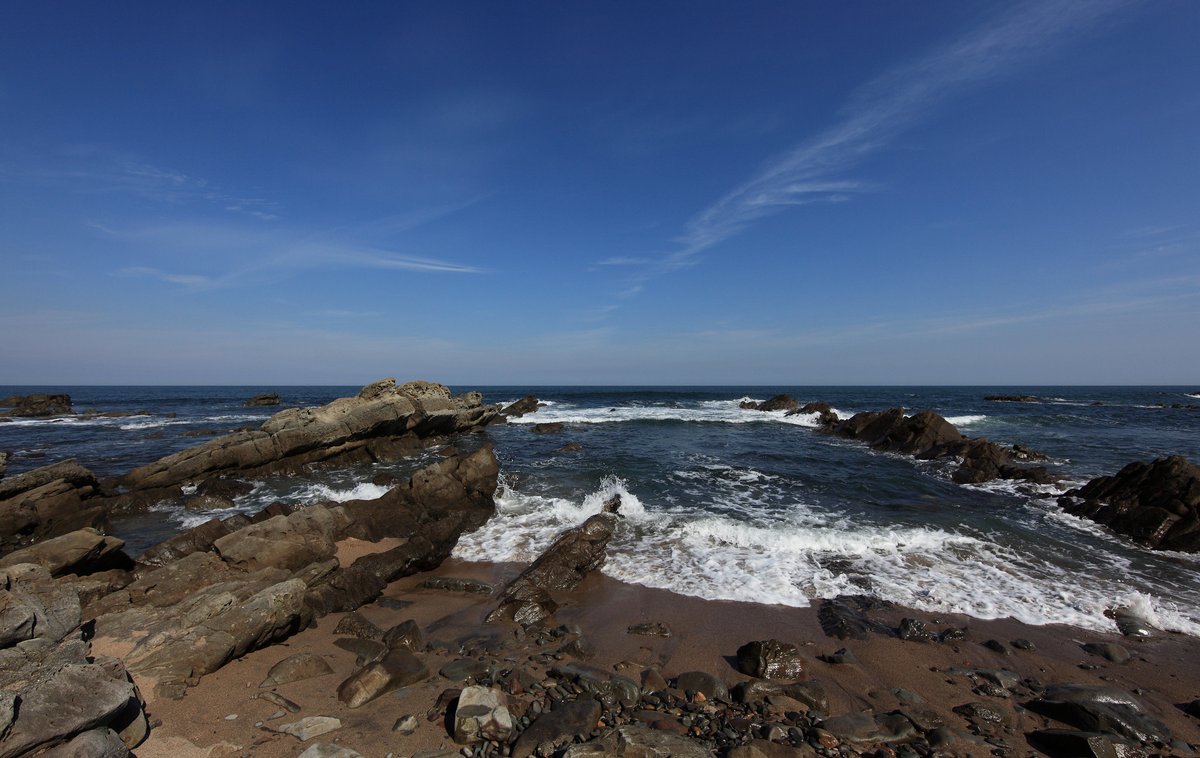
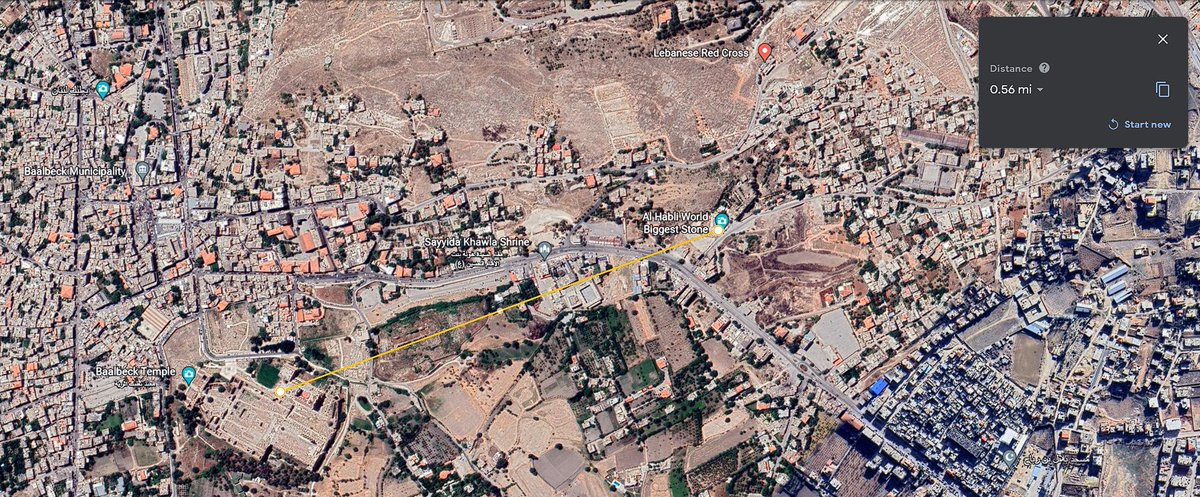
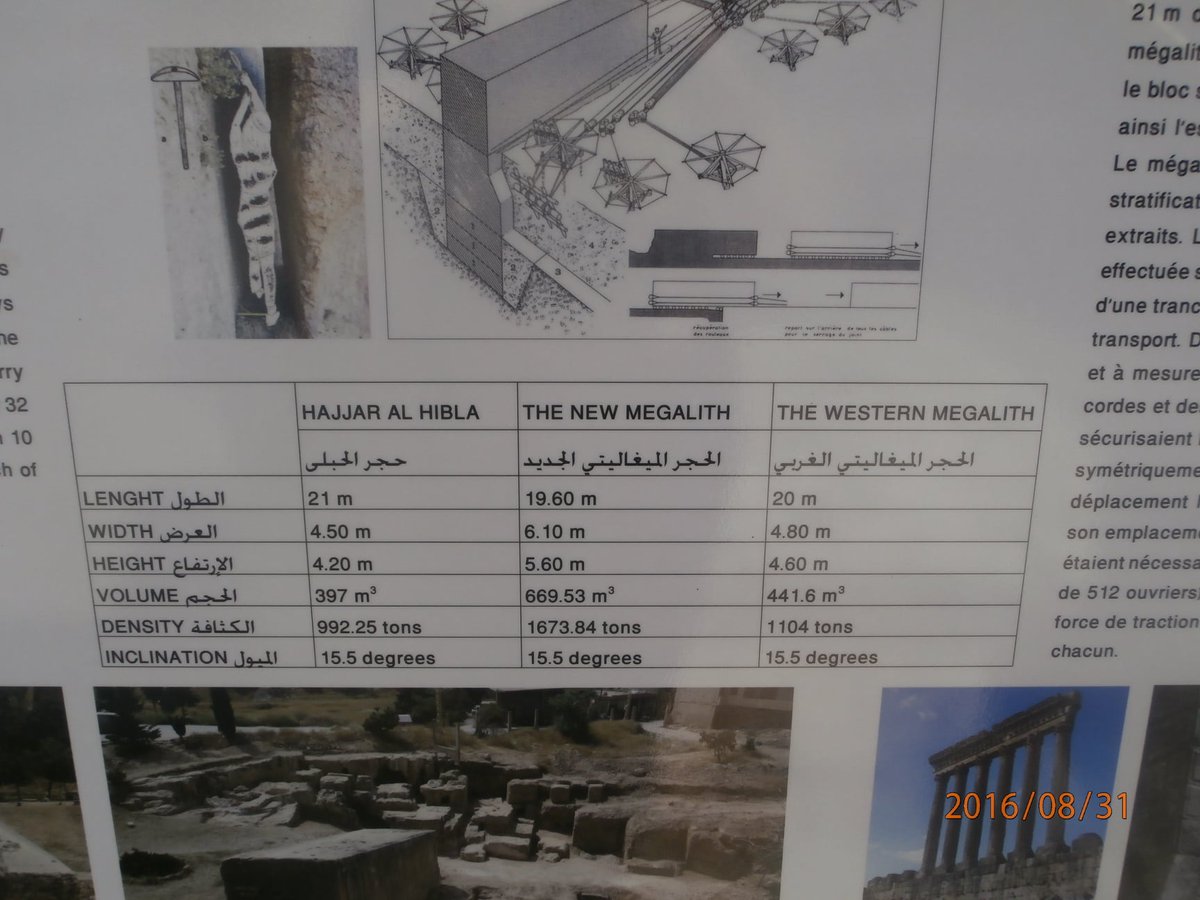
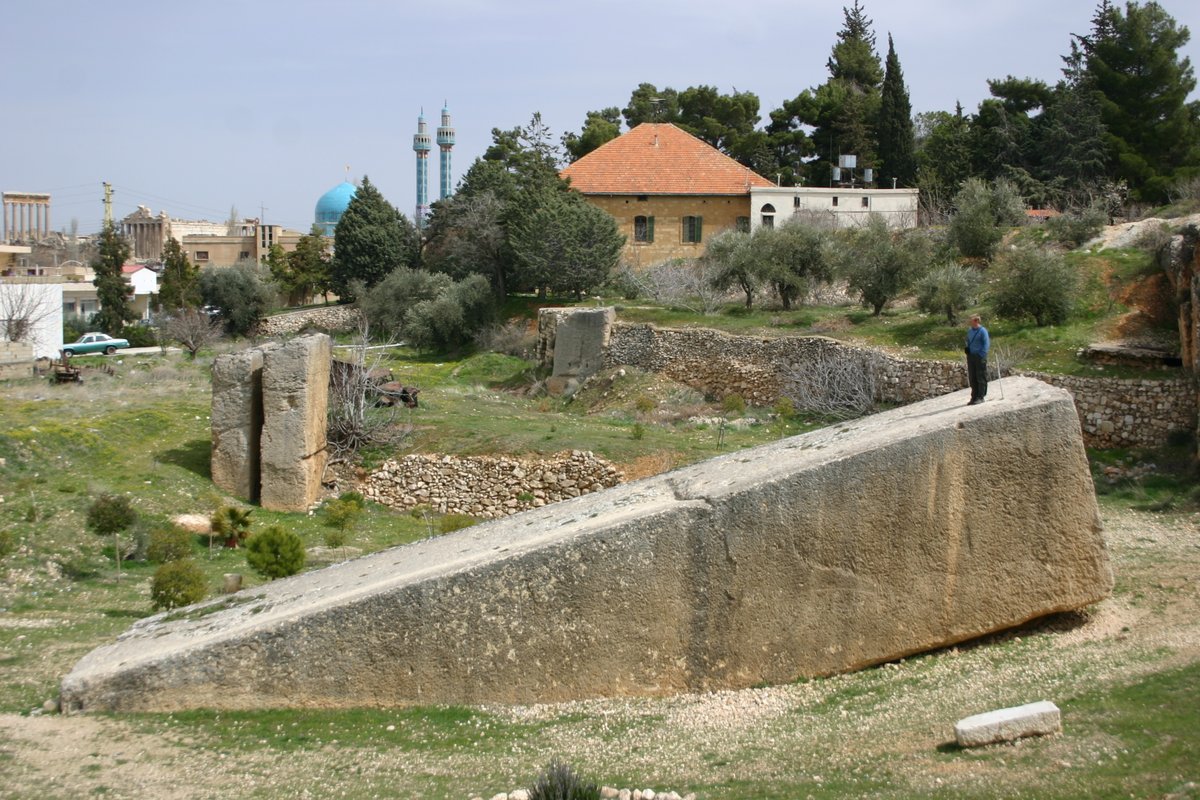 2/ The "quarry" is located less than 1km (.6miles) from the temple complex in Baalbek Lebanon. The Hajjar al-Hibla being the most prominent feature jutting out at a 15.5 deg angle. The quarry is actually much larger with a modern road cutting it in two both with large megaliths.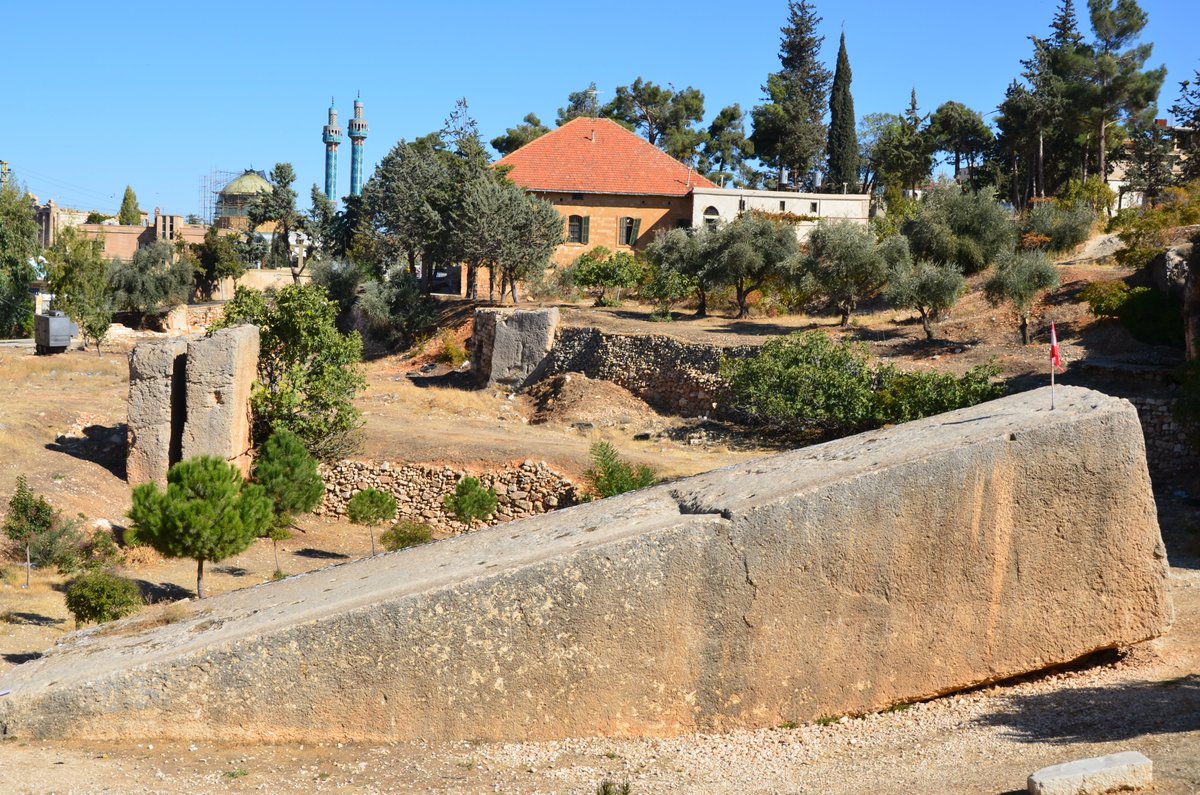

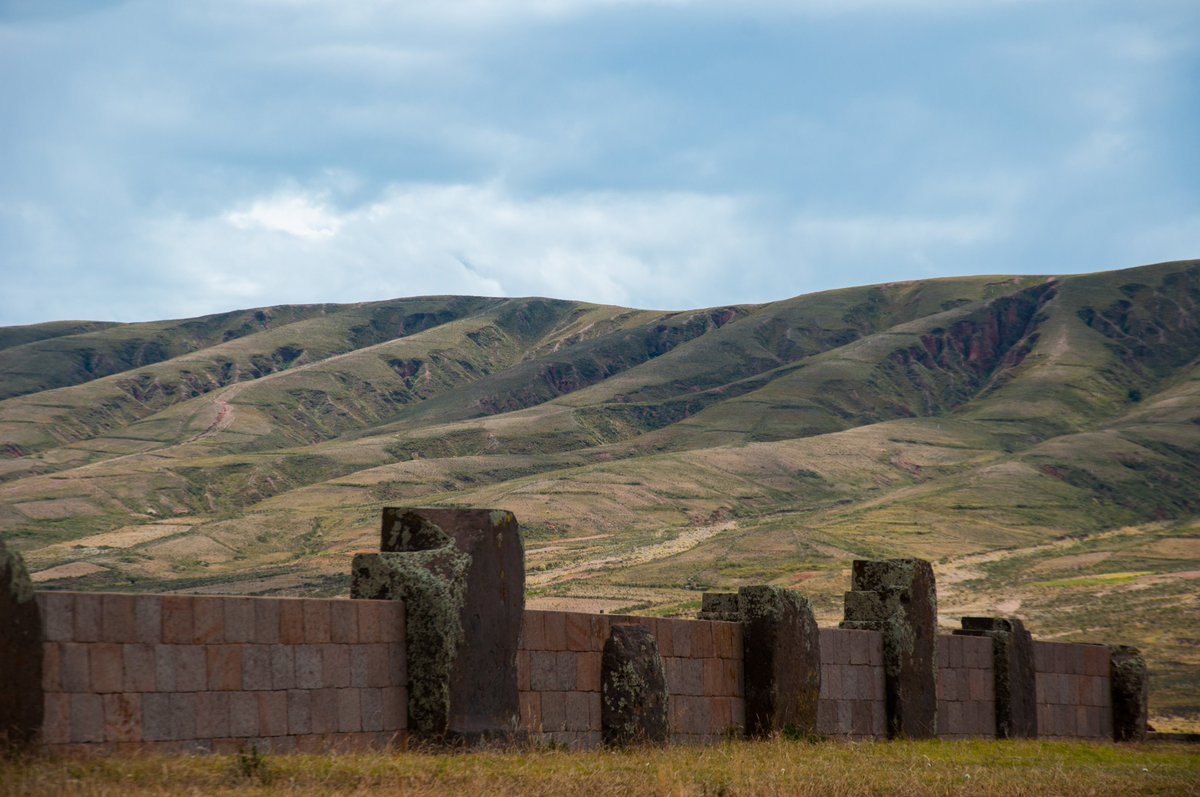
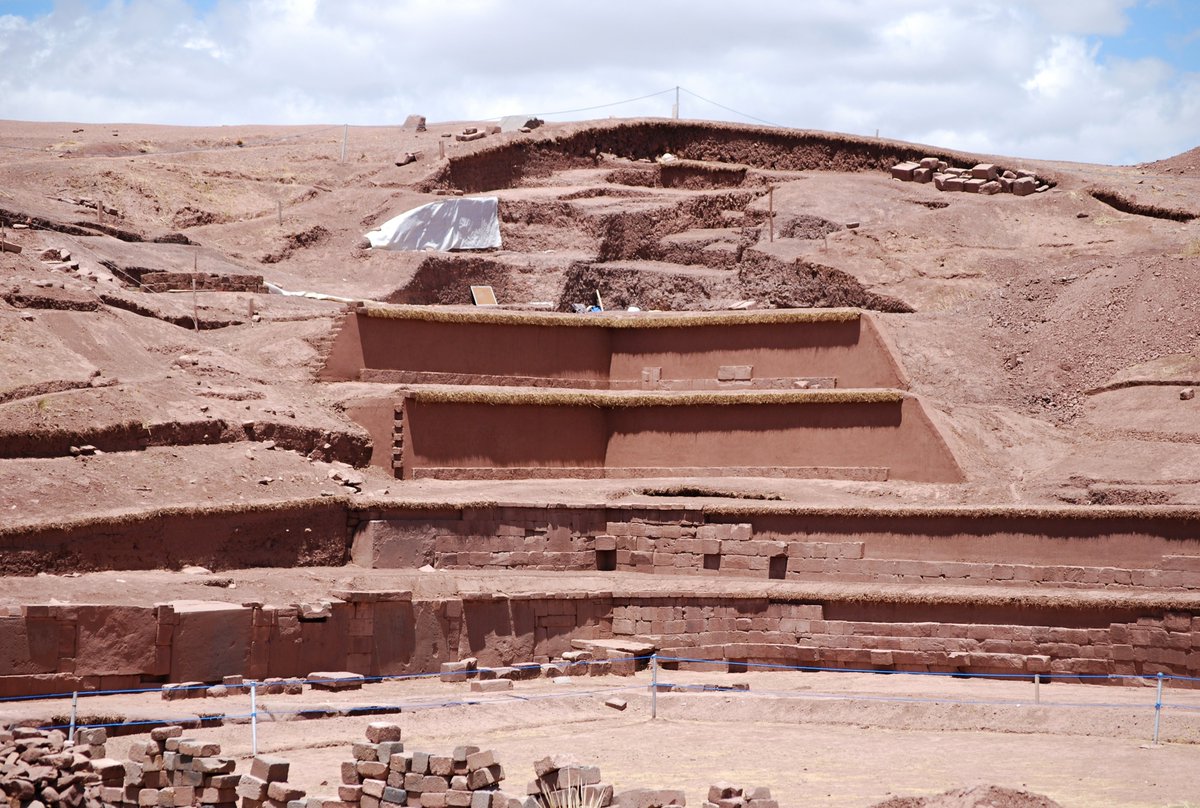

 2/ For this thread I just want to focus on a few observations that float in my head regarding this place. First is the variety of clamps that were used. Looking at the indention left behind, there wasn't a standard clamp used, the ends could be round, or slim or T-shaped.


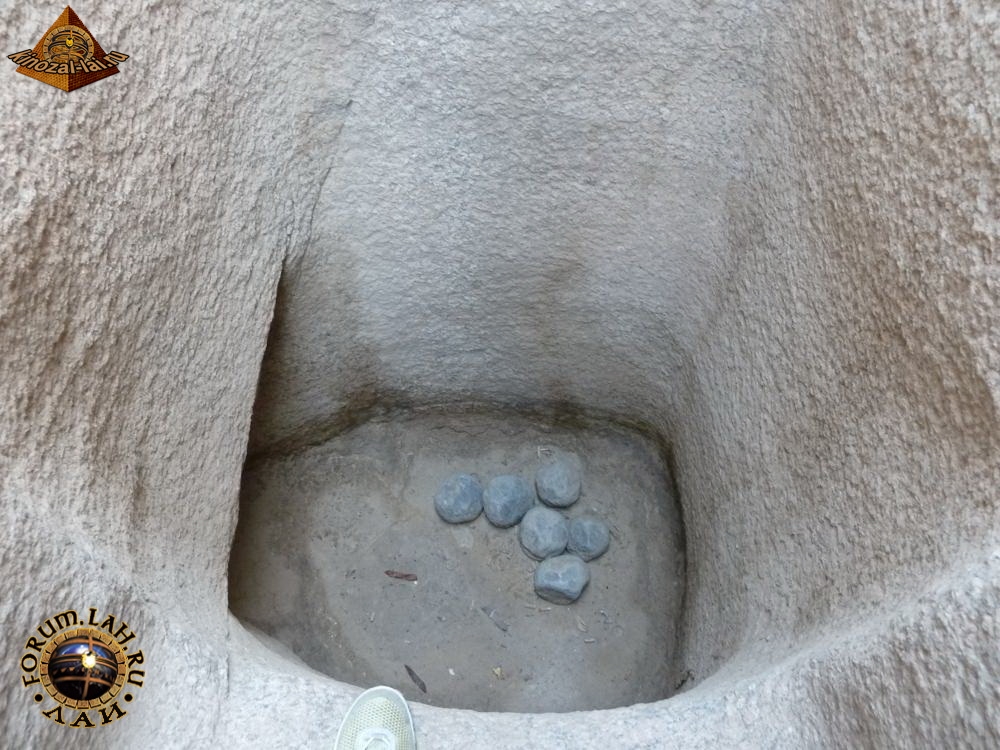
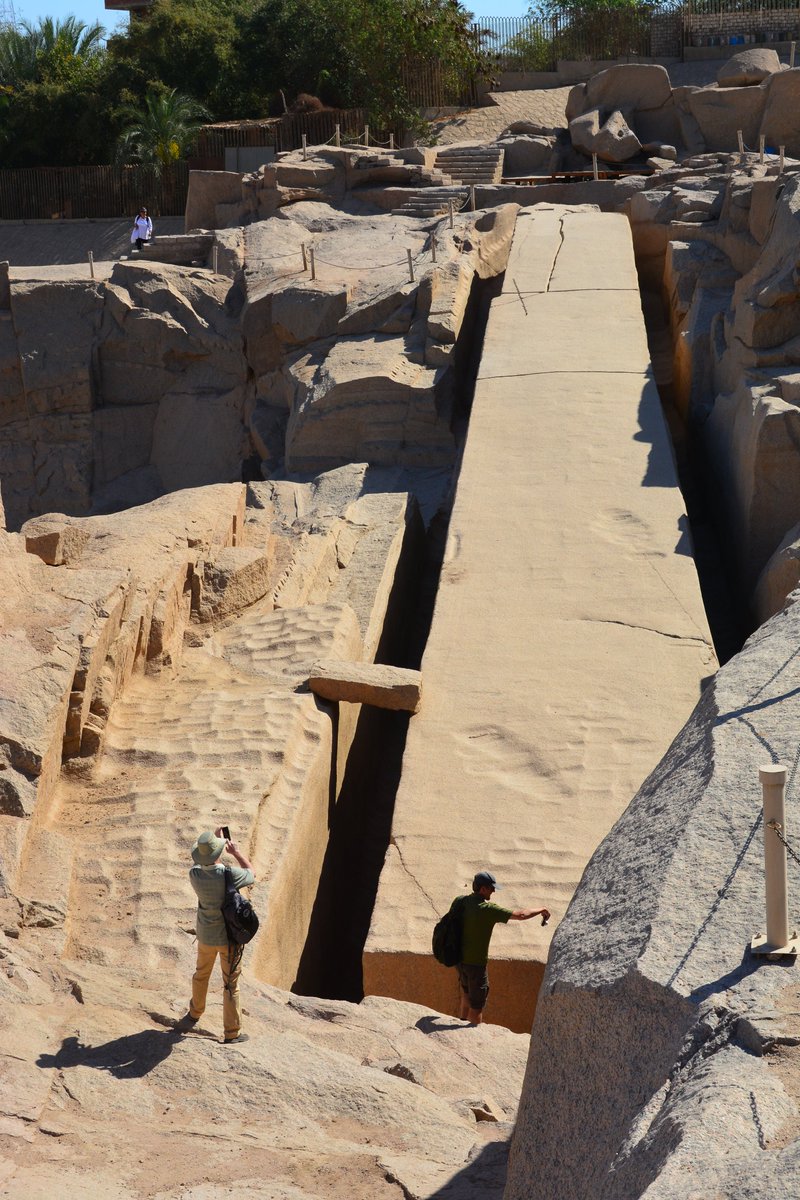 2/ As previously mentioned the drill holes and pits around the obelisk itself and other parts of the quarry are a real mystery. The pounding stones do not explain these holes. Drilling large diameter holes into granite is an impressive accomplishment on its own.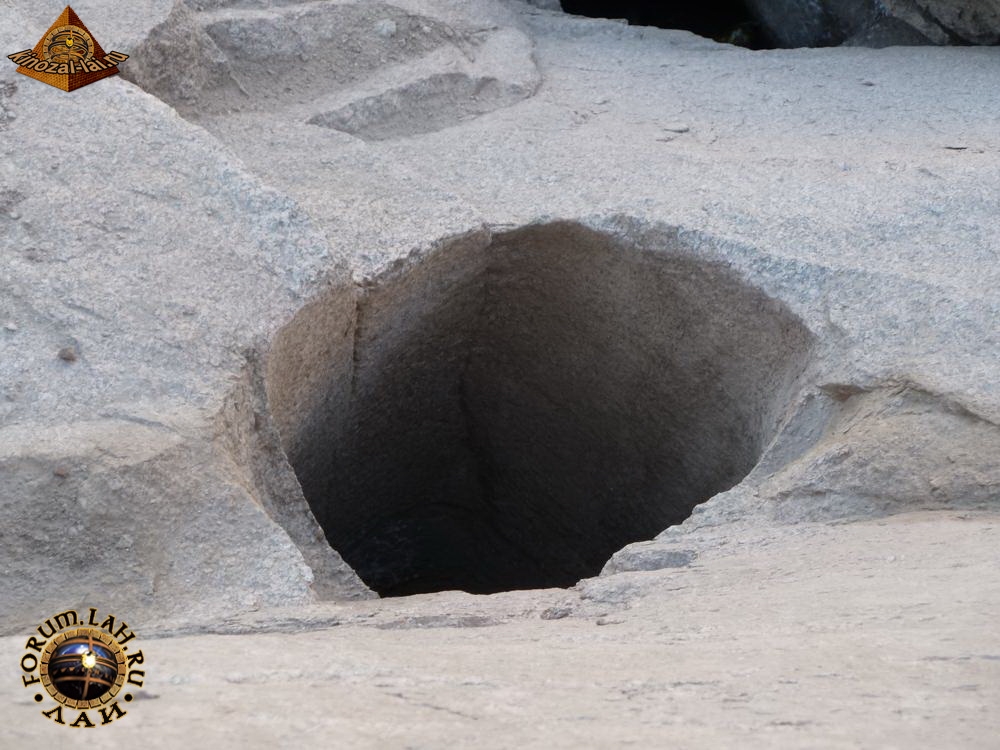

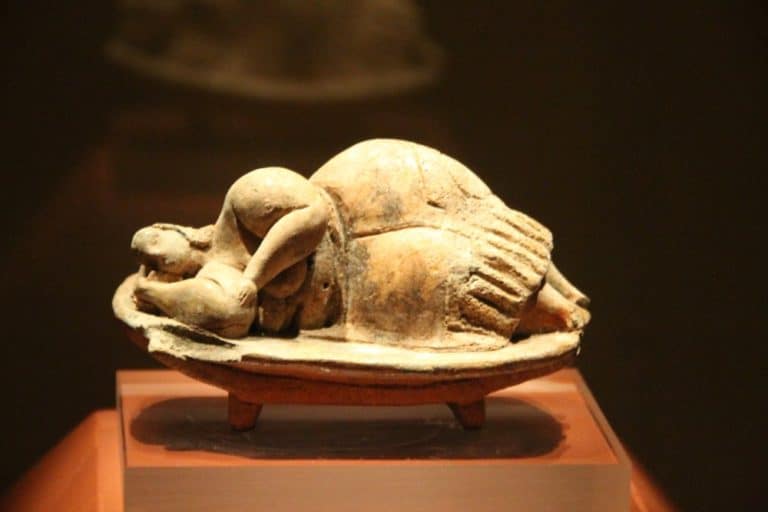
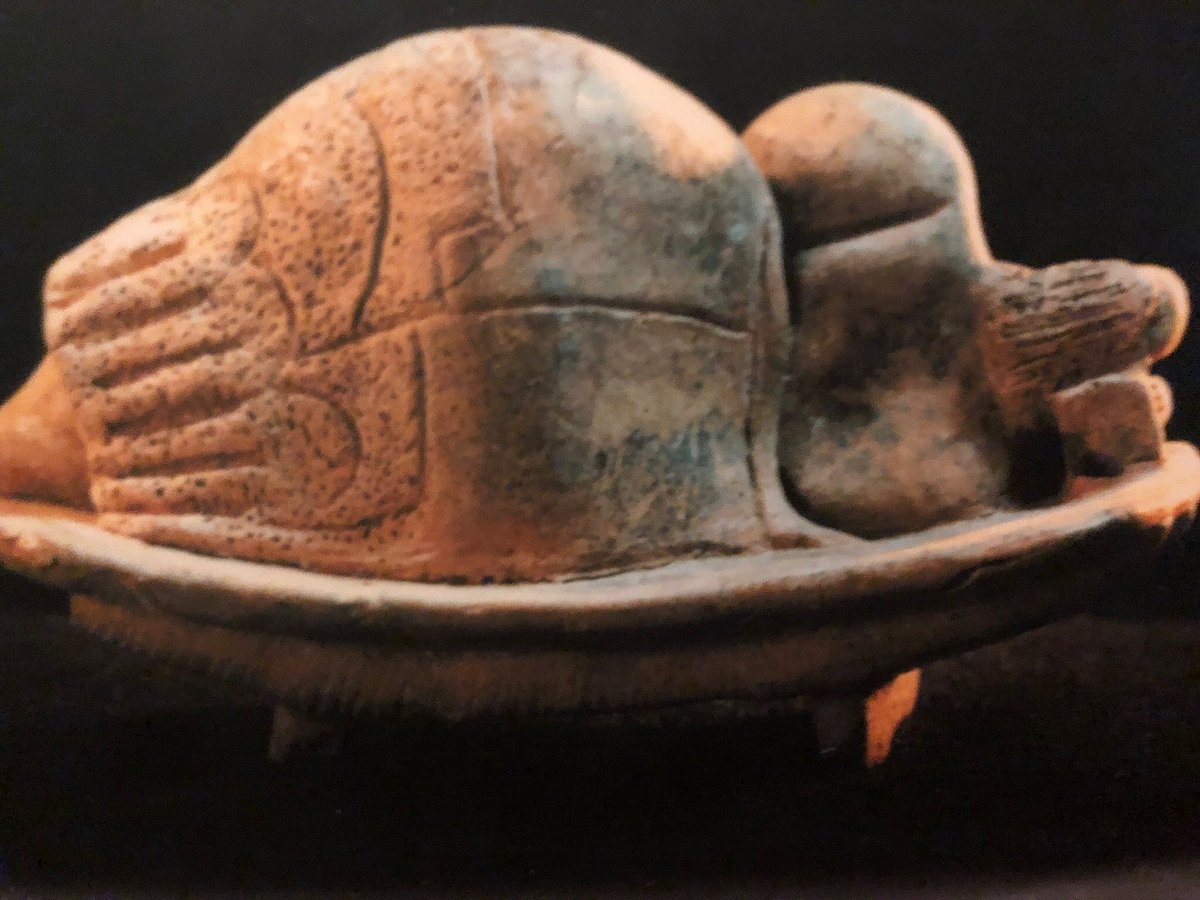
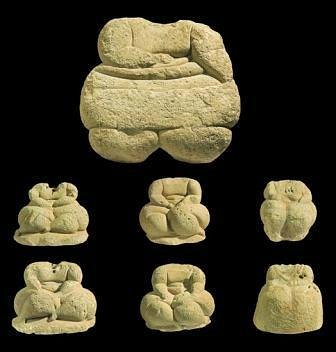
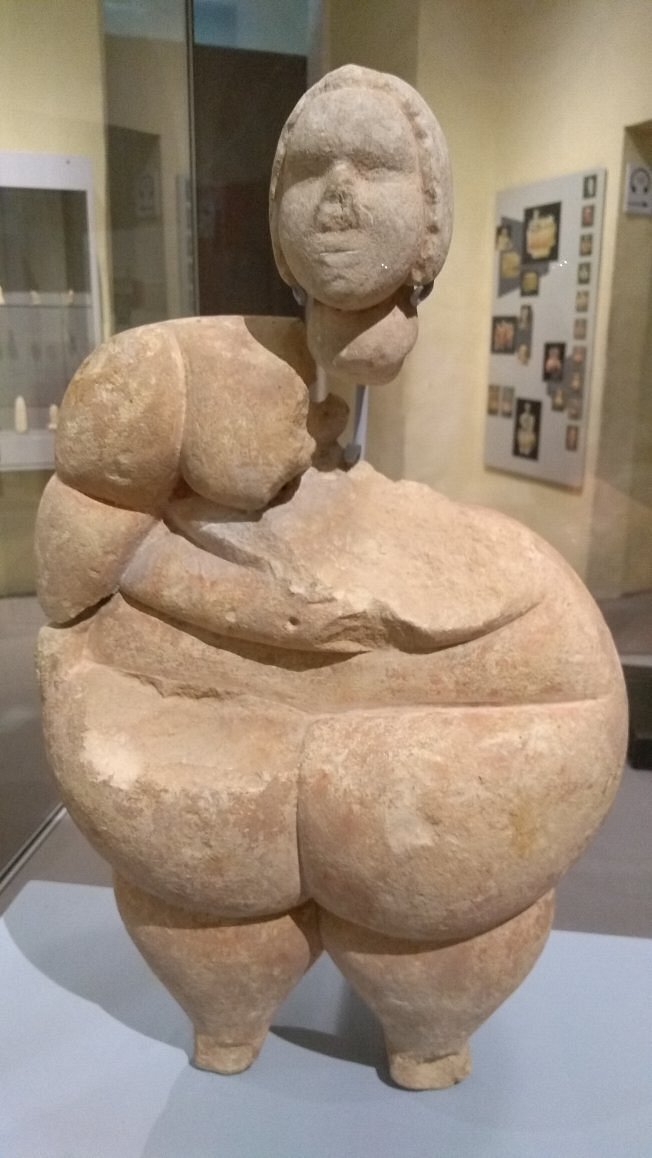
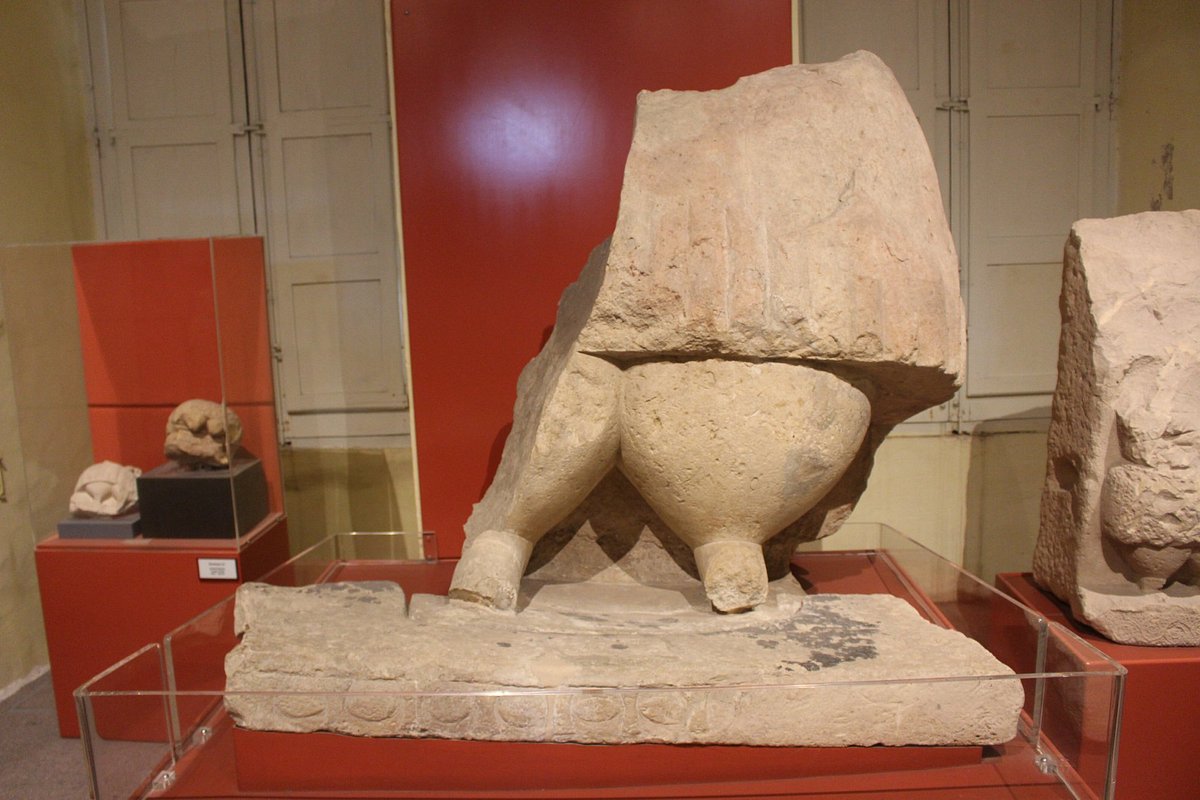
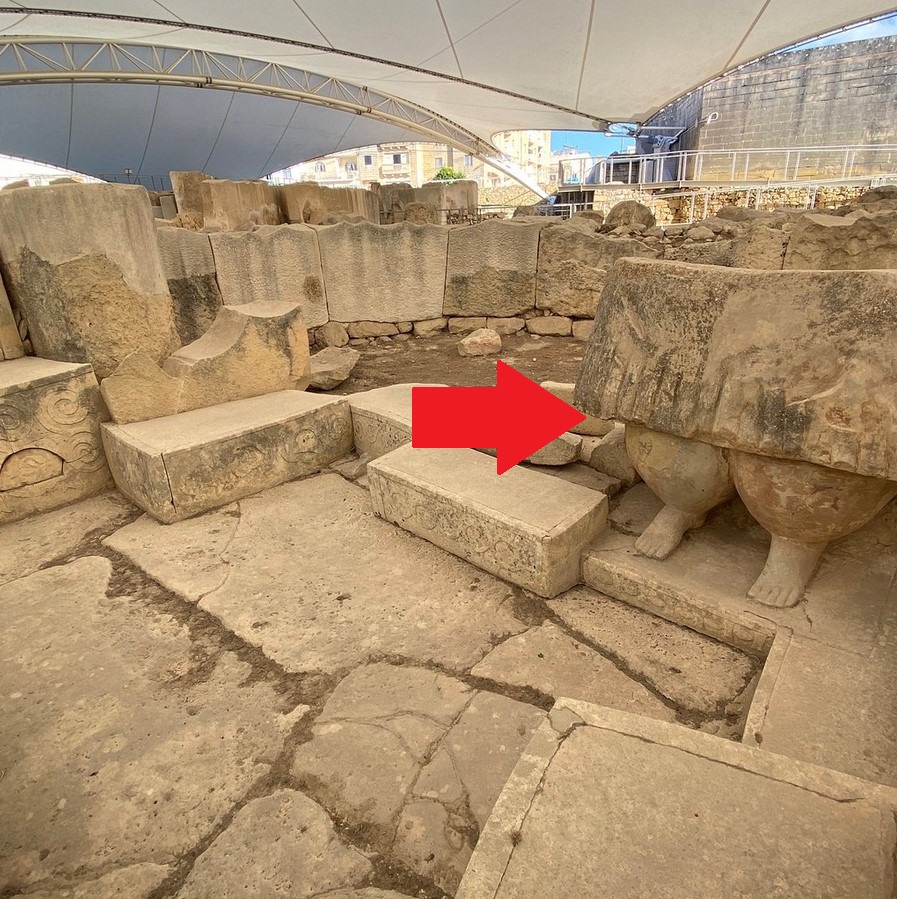
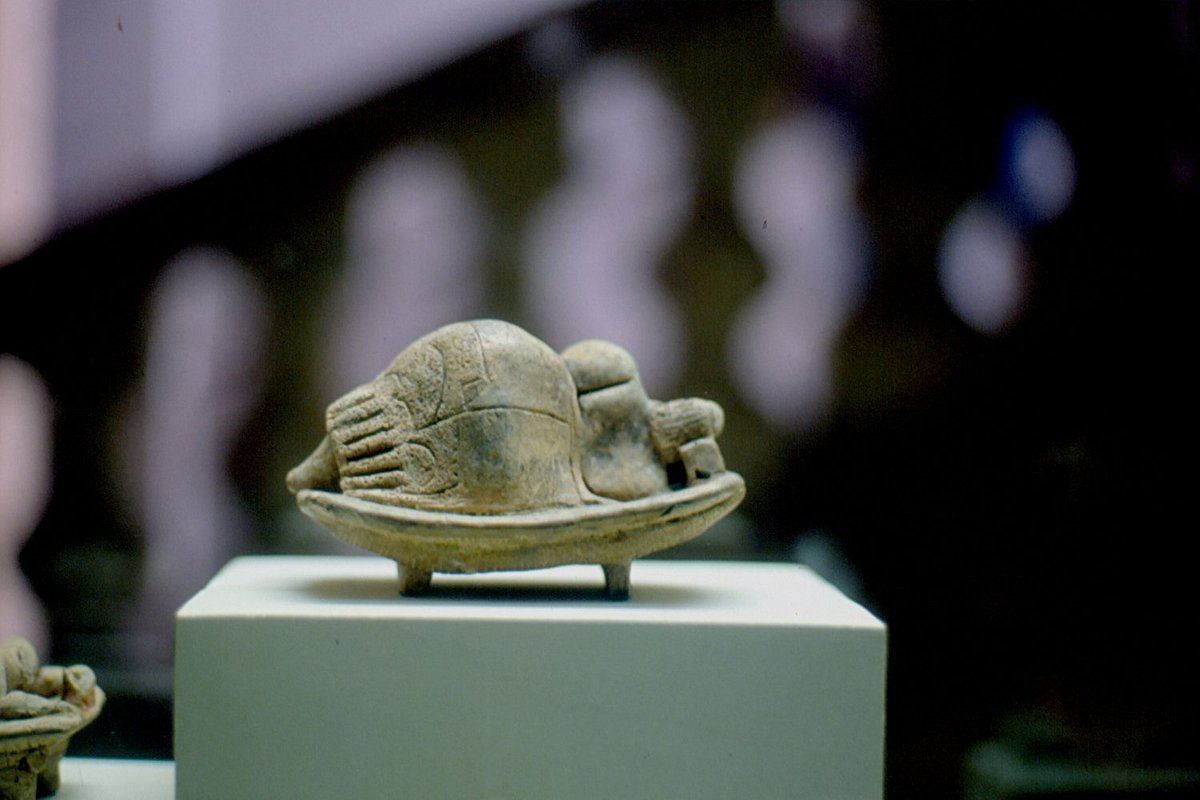 2/ From around 5000BC up to 2000BC multiple figures both large & small were created with very similar themes - pleated skirt, extremely large buttocks & thighs, tiny feet & and similar hair style. These were originally thought to portray a "Mother Goddess" cult.