Shahryar Pasandideh Profile picture
Military and technology assessment @SPASconsulting PhD from @GWtweets. Previously @BelferCenter @UofT I cover the Indo-Pacific, Middle East, & Europe. Media: DM
Mar 17 4 tweets 3 min read
🇧🇭🇮🇷🇰🇼🇶🇦🇸🇦🇦🇪🇺🇸 There are multiple explanations for the Gulf Arab states' observed hesitancy to join the American and Israeli war against Iran, even as they have become the targets of sustained Iranian attacks as part of Iran's deliberate horizontal and vertical escalation of the war to the Persian Gulf and, in so doing, taking the world economy hostage.

I have addressed such issues, including the vulnerabilities of oil and gas infrastructure as well as critical national infrastructure, such as desalination plants, in a series of prior posts and threads. This IISS piece makes for a good read, but I would like to offer a reminder that the challenge(s) that Trump and the United States is facing in its war against Iran are not rooted in a defecit of combat aircraft and missiles/fundametnally bombs, but a fundamental failure of setting realistic policy goals, having a sound war termination strategy, and, not least, a failure to control one's nominally junior alliance partner (Israel, or so one would think) on the part of Trump and the United States. Gulf Arab military offensive/strike capabilities, however potent, are, all things considered, essentially irrelevant in this current war.

Yes, the Gulf Arab states can attack targets in Iran. Even if Iran does not retaliate and further escalate the war at the expense of the Gulf Arab states (and the world economy), what exactly is left for the Gulf Arabs to target? If not Iran's oil and gas infrastructure, what are the Gulf Arab states going to target? Basij checkpoints in Shiraz and Isfahan? Are they going to target senior regime figures and do a better job of it than Israel? Are they going to sink Iran's now non-existent surface fleet? Target Iran's militarily irrelevant airbases? The underground missile bases that Israel and the United States and Israel are struggling to truly destroy/render permanently inoperable? Occupy Iran's islands and coastline? What exactly is there to do beyond what will amount to symbolic and gratuitous violence against a neighbour that will still remain there once this war ends and the foreign military tourists depart? And this is all assuming that Iran does not retaliate or escalate against the Gulf Arab states, which is an unlikely eventuality. 1/Image The role of the Gulf Arab states in setting up, enabling, and abetting the American and Israeli war against Iran does not receive enough attention:
Mar 7 12 tweets 5 min read
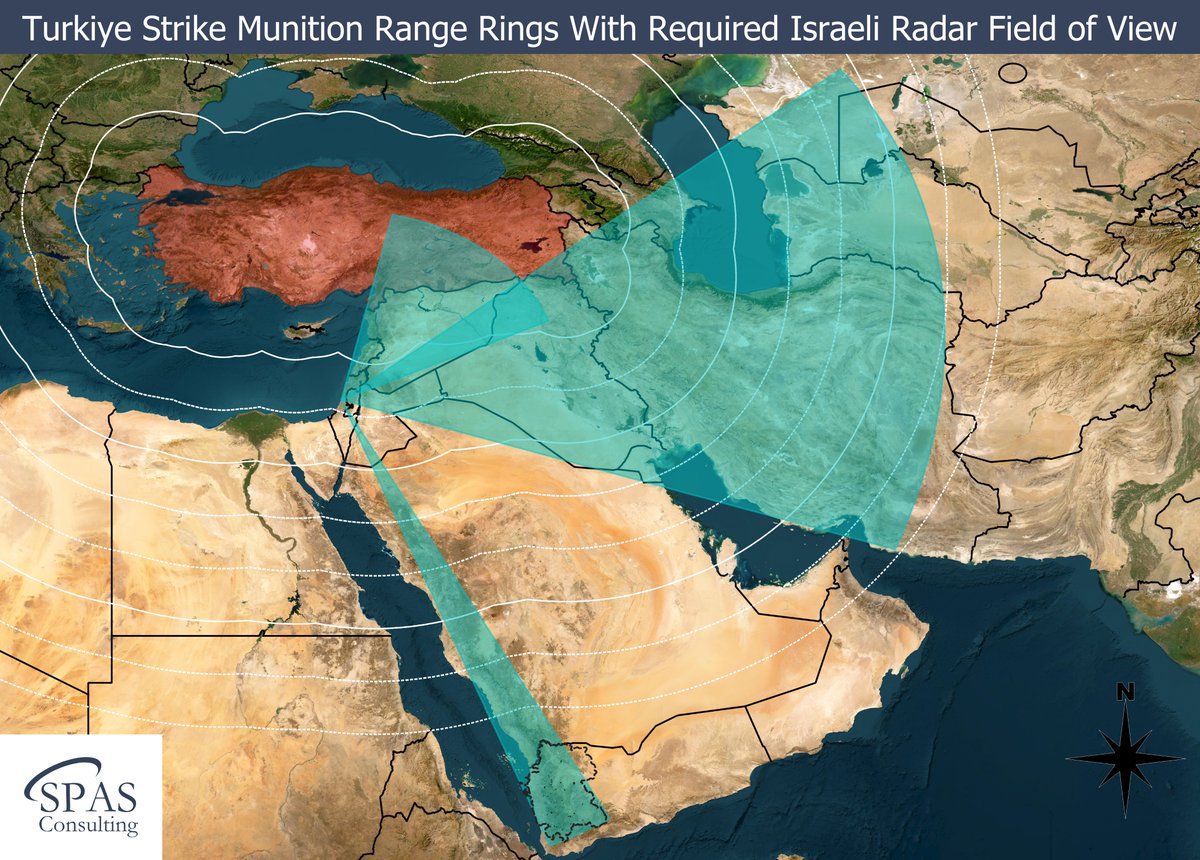
🇮🇷🇮🇱🇸🇦🇦🇪🇺🇸 The key issue to understand about the implications of the apparent neutralization of multiple AN/TPY-2 ballistic missile early warning radars is that no individual radar antenna has a 360° field of view. A maximum field of view of 120° is the norm, and early warning and acquisition/search radars often constantly rotate as a result. The AN/TYP-2 does not rotate (at all) and therefore offers highly sectored coverage. The AN/TPY-2 radar in Jordan was oriented toward ballistic missiles launched from Iran, not ballistic missiles launched by Ansarallah in Yemen. The AN/TPY-2 radars in Saudi Arabia and the UAE can similarly either be oriented toward Iran or toward Yemen.

Given the above, the implications of Iran's apparent neutralization of multiple AN/TPY-2—not exclusively owned and operated by the American military—radars can be quite profound. Uncertainty about the number of remaining Iranian long-range (~1000+ km range) ballistic missiles and associated launchers notwithstanding, the Gulf Arab states may now be far more vulnerable to ballistic missiles of this range and performance class. Moreover, Ansarallah's arsenal of Iranian-supplied ballistic missiles of this range and performance class has not yet been committed to this war, which means that the Gulf Arab states face major risks going forward, even if the number of surviving ballistic missiles and associated launchers within Iran drops to zero.

As I said in a post on 3 March discussing early reports of Iranian strikes on AN/TYP-2 radars, we are witnessing multiple simultaneous "campaigns" within a war. There are many non-independent dynamics underway. American and Israeli strikes are undoubtedly taking a very high toll on Iran, but war is an endurance race, and the Iranian war effort appears to be far from over, not least with the shadow of Ansarallah's potential activation and intervention hanging over the Gulf Arab states.

The attached map is from a post I wrote on the implications of Turkish ballistic missile development for Israel. It depicts the sectors/bearings that a ballistic missile defence radar based in Tel Aviv must cover to intercept ballistic missiles launched from Syria (a now historical threat), from Iran, and by Ansarallah in Yemen. I have spent a lot of time highlighting how profoundly the emergence of Ansarallah-controlled territory as a de facto forward-deployment area for Iranian strike munitions has reshaped regional military dynamics. This is primarily the result of the real estate/geography that Ansarallah occupies, and the implications that munitions launched from Yemen have for Gulf Arab and, to a lesser degree, Israeli air defences and ballistic missile defences. 1/Image The above map was originally included in this post on developments in Turkish ballistic missile technology:
Feb 23 23 tweets 9 min read
🇮🇷🇮🇱🇺🇸 It is always amusing to observe how wholly knowable facts and factors are belatedly "discovered" by those commenting on a given issue. The US extended a critically important backstop to Israeli ballistic missile defence (BMD) capabilities during the June 2025 war.

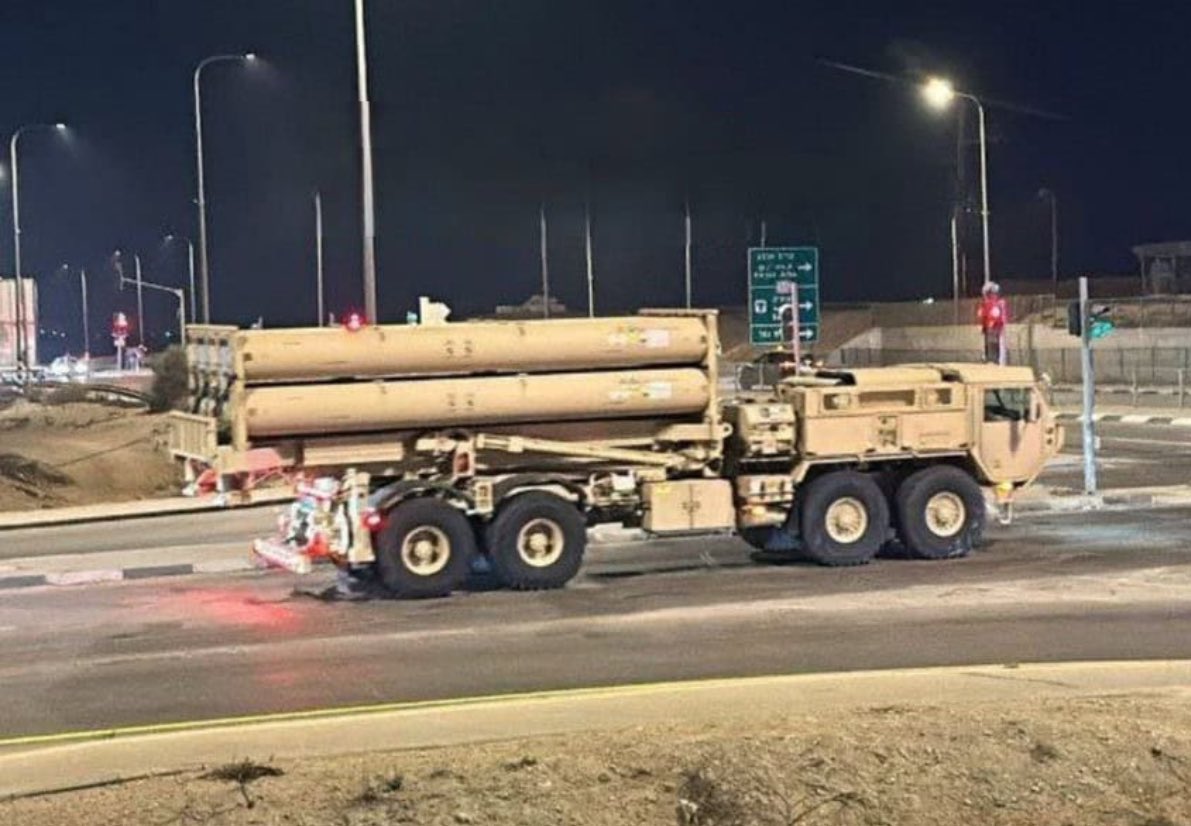
Then as now—I contend that the American BMD backstop, which Biden initiated with the deployment of a THAAD battery in Oct 2024, was one of the key immediate—not underlying—causes of the Iran-Israel War. The reported expenditure of over 200 American MIM-401 Talon—for THAAD—and RIM-161 (i.e., SM-3)—BMD interceptors—on top of whatever number of Israeli Arrow-2 and Arrow-3 BMD interceptors—expended in the defence of Israel since late 2023 (when Ansarallah in Yemen began launching Iranian-supplied ballistic missiles against Israel) resulted in a very significant depletion of the United States' slow to replenish BMD interceptor stockpile.

Others and I have been writing about the near-term and medium-term implications of the depletion of the United States' BMD interceptor stockpile since the June 2024 Iran-Israel War. Simply stated, the American BMD backstop to Israel has, for the time being, generated constraints with respect to what the United States can do vis-a-vis China, Russia, North Korea, and, of course, vis-a-vis Iran.

The current Iran-United States crisis is taking place in a context in which the United States can ill-afford another large-scale depletion of its slow-to-replenish BMD interceptor stockpile. American and Iranian leaders, among others, are likely to know this. It is, however, important to note that the United States is moving toward a dramatic expansion of its BMD interceptor manufacturing capacity. The fruits of these efforts will not materialize for several years, but nevertheless do leave the United States in a position to assume much more post-war risk, especially vis-a-vis China, should the current crisis with Iran turn into an open conflict.

This thread will provide links to various threads that have addressed this oft-overlooked BMD dynamic. 1/Image
Image
The American BMD backstop to Israel's own BMD capabilities played a critically important role during the June 2025 Iran-Israel War.
Jul 20, 2025 25 tweets 9 min read
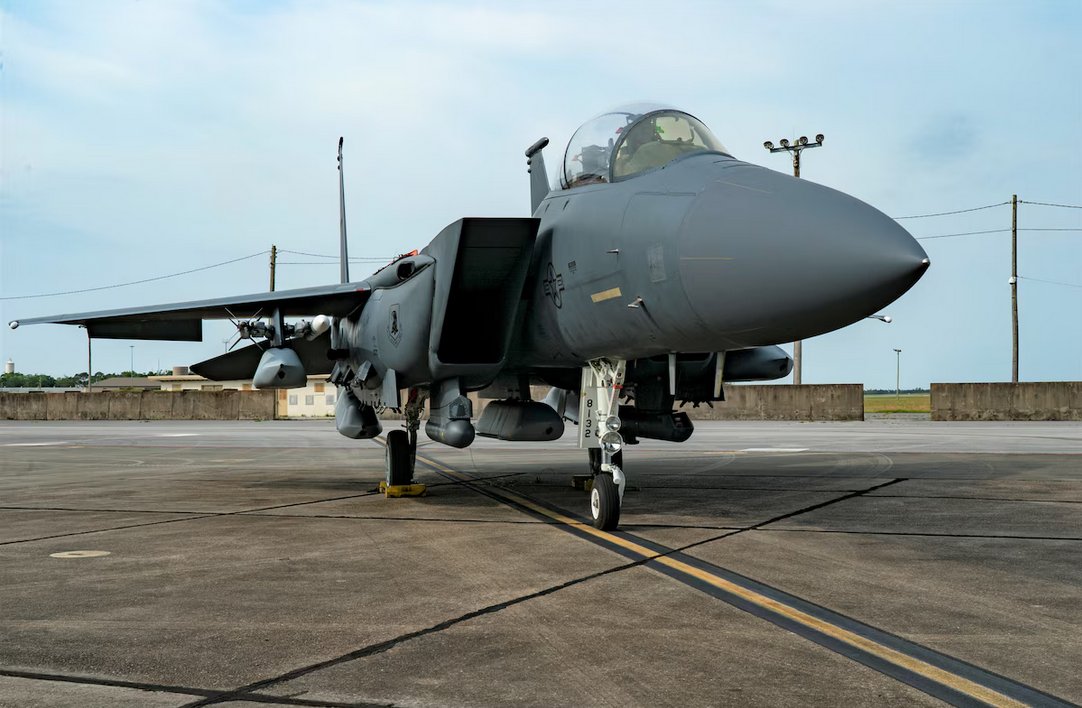
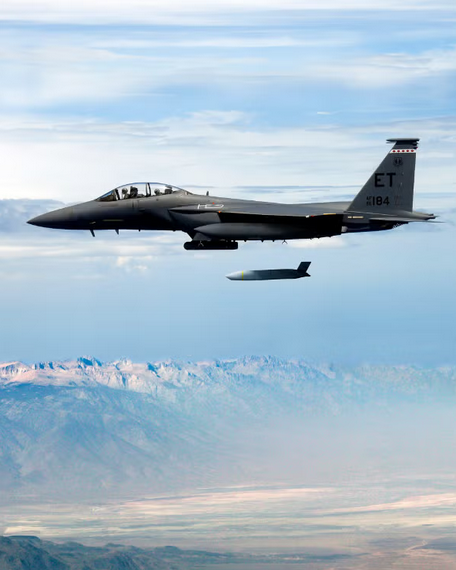
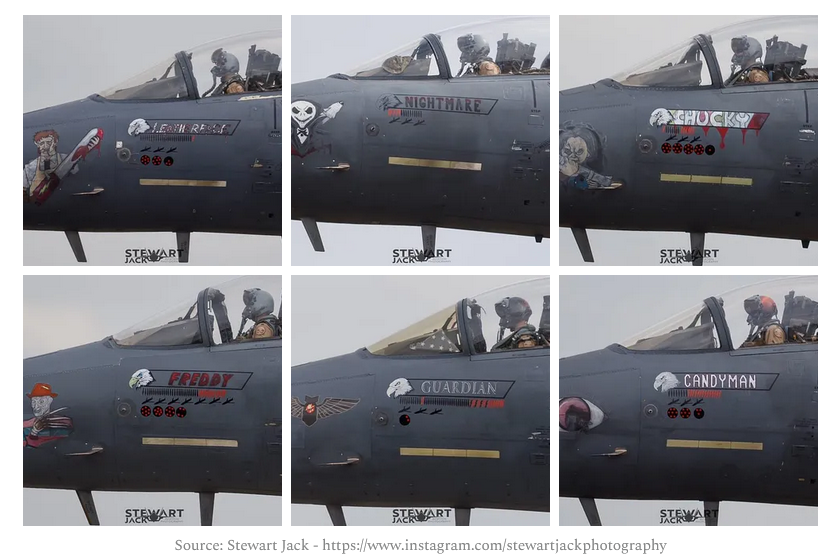
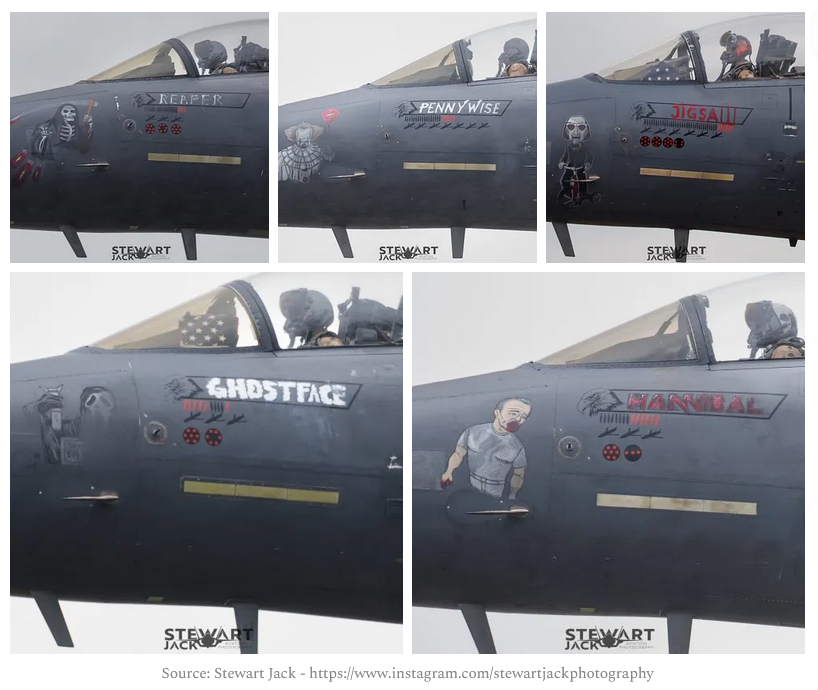
🧵🇺🇸🇮🇱🇮🇷🇾🇪🇯🇴 @TheAviationist has released very interesting images of USAF F-15E aircraft from the 366th Fighter Wing returning to the continental United States by way of RAF Mildenhall. These F-15E fighters were deployed to the CENTCOM area of responsibility, during which they are understood to have been based at Jordan's Muwaffaq as-Salti Air Base. The images indicate the large-scale expenditure of various munitions during this nine-month-long deployment. This includes AGR-20 (APKWS) semi-active laser homing guided rockets, presumably in an air-to-air role against the likes of Iranian Shahed-136 propeller-driven strike drones and similar. Moreover, the images indicate that just 11x USAF F-15E aircraft from the 366th Fighter Wing launched no fewer than 44x AGM-158 JASSM family air-launched cruise missiles during this deployment.Image
Image
Image
Image
This set of six images indicates the employment of 22x AGM-158 JASSM air-launched land-attack cruise missiles.
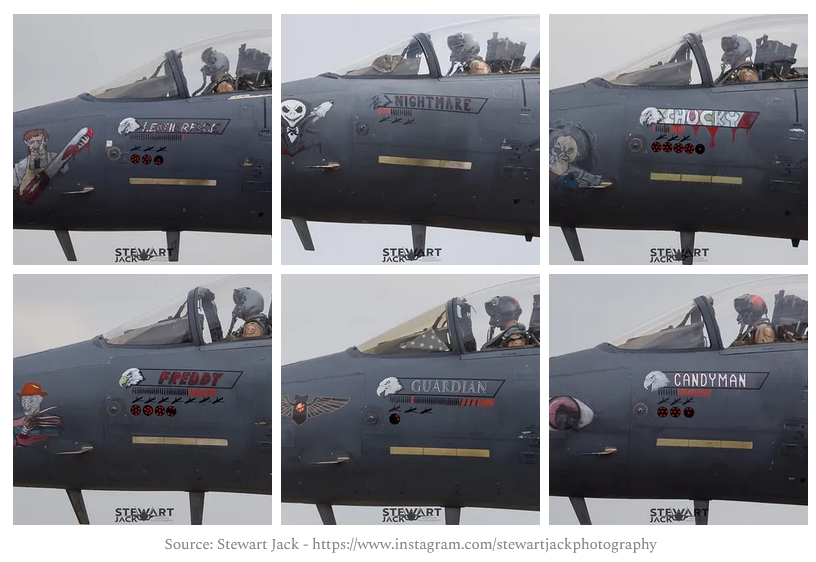
See the following three links:
theaviationist.com/2025/07/18/f-1…
theaviationist.com/2025/07/20/fin…
instagram.com/stewartjackpho… Image
Jun 23, 2025 11 tweets 4 min read
🇮🇷🇮🇱🇺🇸 The @washingtonpost is attesting to the veracity of this recording. The WP translation from Persian is accurate. There are clearly explicit threats to not only kill this apparent senior IRGC officer **but also his wife and children.** This dynamic
washingtonpost.com/national-secur…Image
Image
Image
is not new - by all accounts, this has been Israel's playbook for years in Gaza, the West Bank, and Lebanon. It is also implicit/unstated in how Israel communicates with civilians, including in Iran:
Jun 19, 2025 17 tweets 4 min read
🇮🇷🇮🇱 A regular reminder that the penetration rate for Iran's ballistic missile, which is simply another way of expressing the interception rate of Israeli (+ American) ballistic missile defences and vice versa, is not of intrinsic importance. The exchange rate & arsenal size are. Image Wars are not highly regulated/scripted competitions in the manner of professional sports. There is no pre-determined conflict duration through which to game the rules/system. Wars can be, and often are, more about endurance than initial speed/performance.
May 11, 2025 56 tweets 20 min read
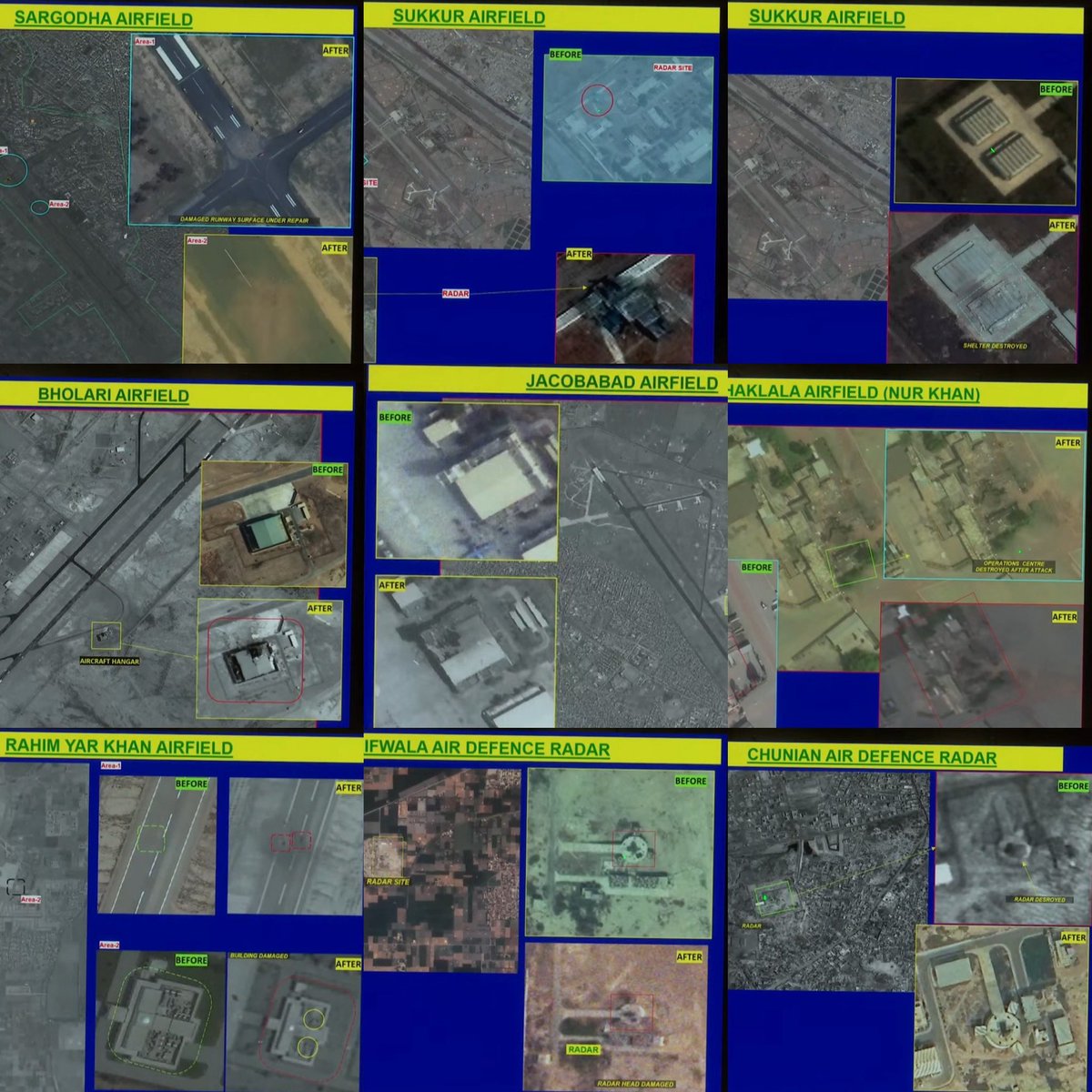
Some observations about the satellite images of targeted sites in Pakistan that have been disclosed by the Indian military. Image There are two runways at Pakistan Air Force (PAF) base Mushaf (which is near Sargodha). Yesterday I noted that there were two apparent craters on one of the two runways. Runway 14/32 was cratered in two areas while Runway 06/24 appeared to be undamaged. Image
May 6, 2025 12 tweets 5 min read
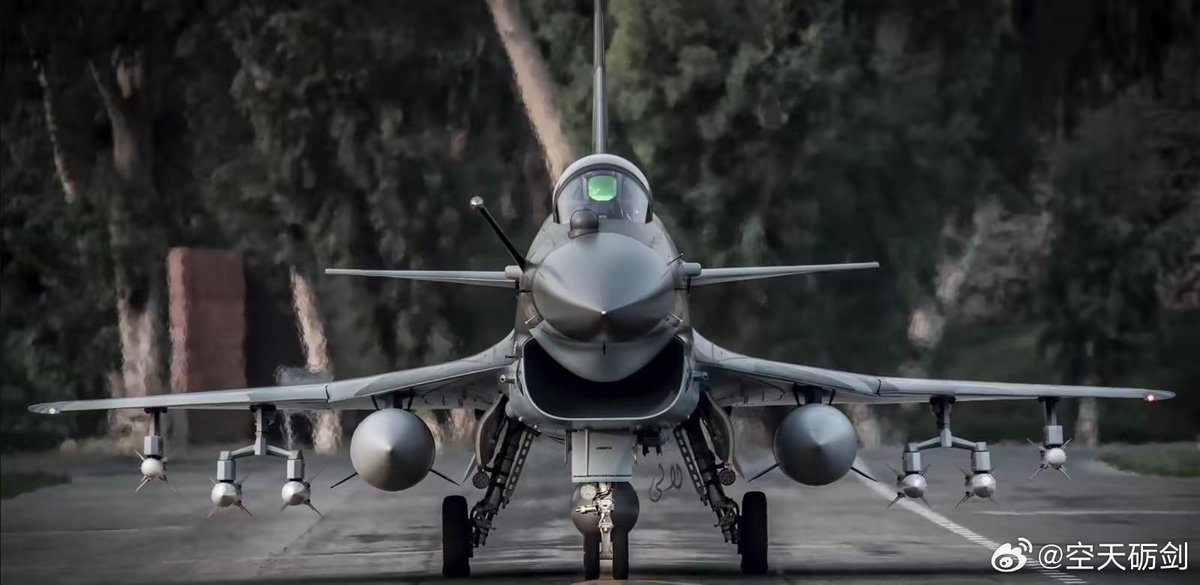
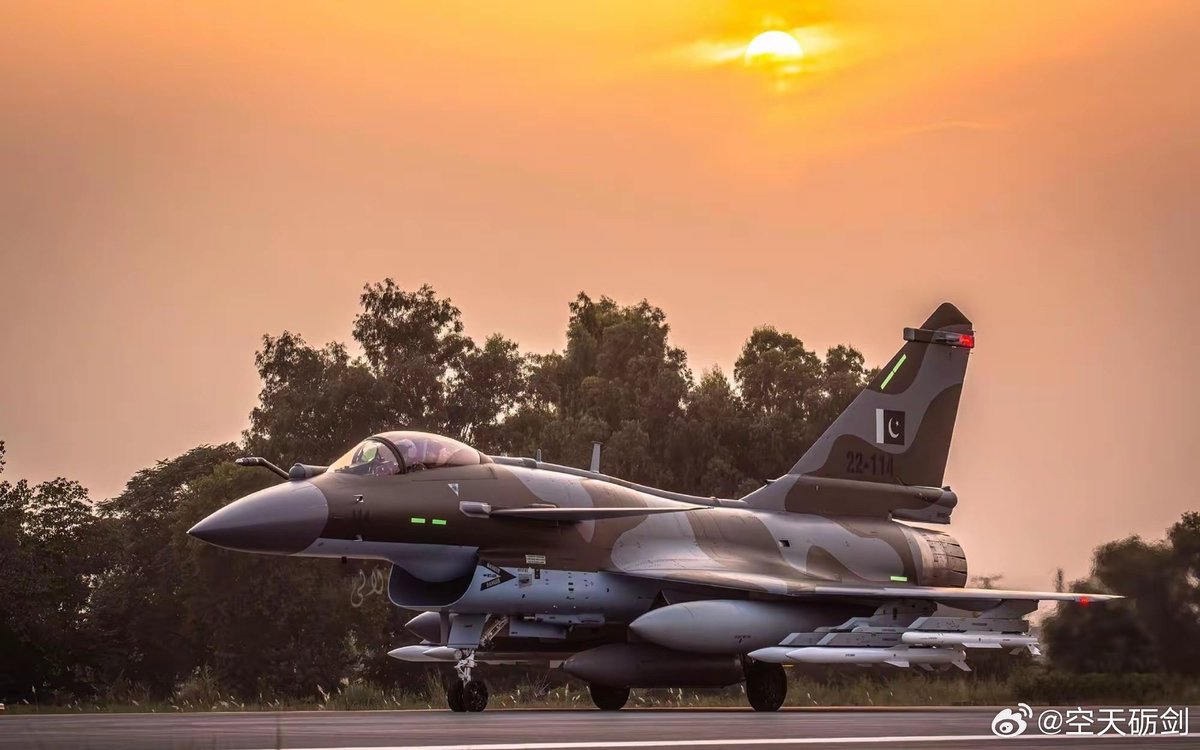
The J-10C (as well as the J-10A and J-10S) have a limited practical payload due to the combination of a low internal fuel fraction, the attendant imperative to use external fuel tanks, and the absence of wingtip weapons stations. Given this, twin launch racks for long-range AAMs Image
Image
such as the PL-12 and PL-15 are very important. The two pictures posted above show a Pakistan Air Force (PAF) J-10CE with a pair of twin racks loaded with the PL-15. The J-10CE at the 2024 Zhuhai Airshow was on static display with a previously unseen centerline twin rack loaded
Apr 16, 2025 15 tweets 10 min read
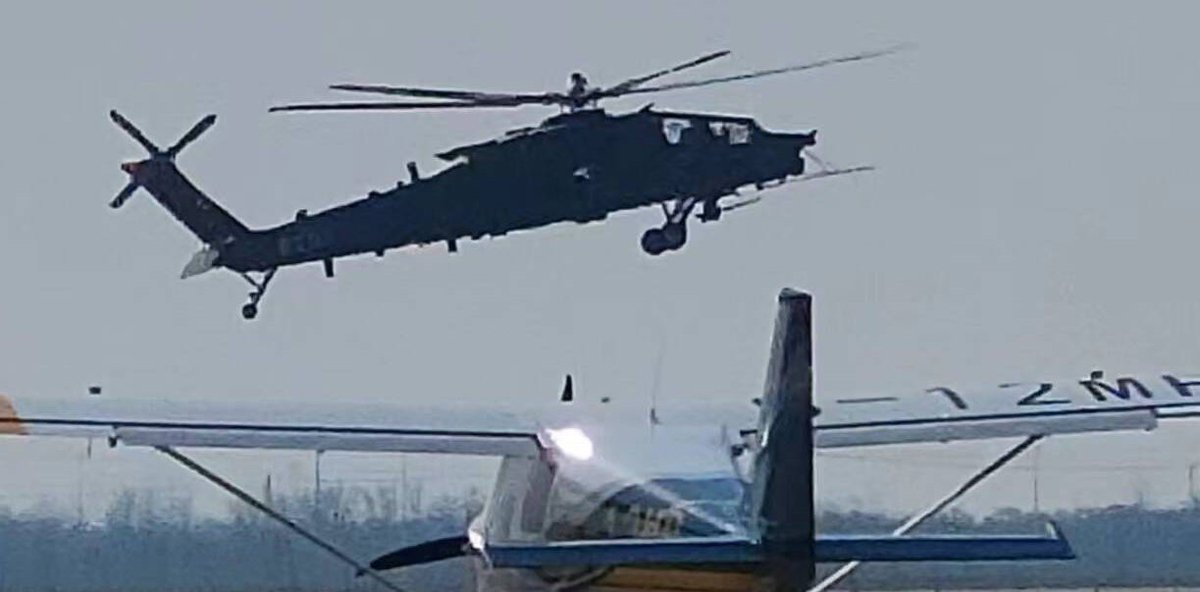
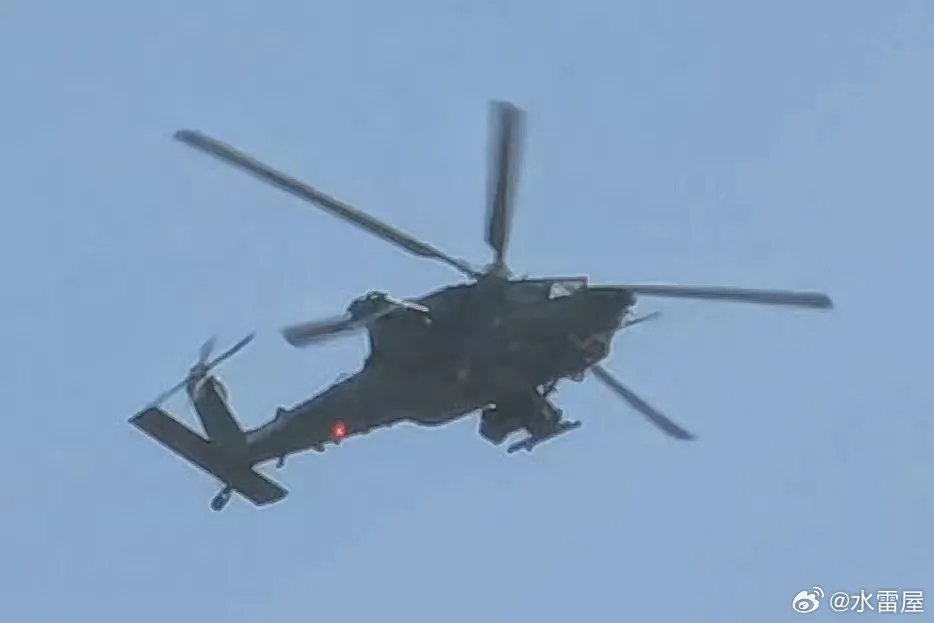
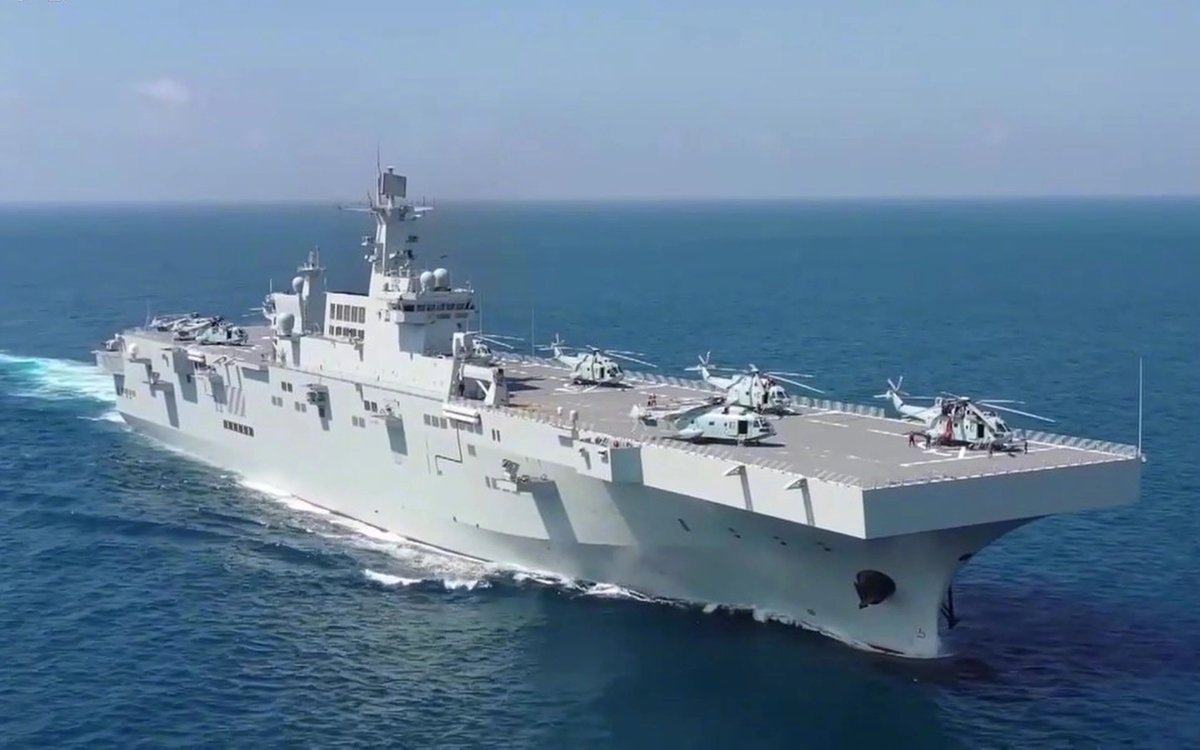
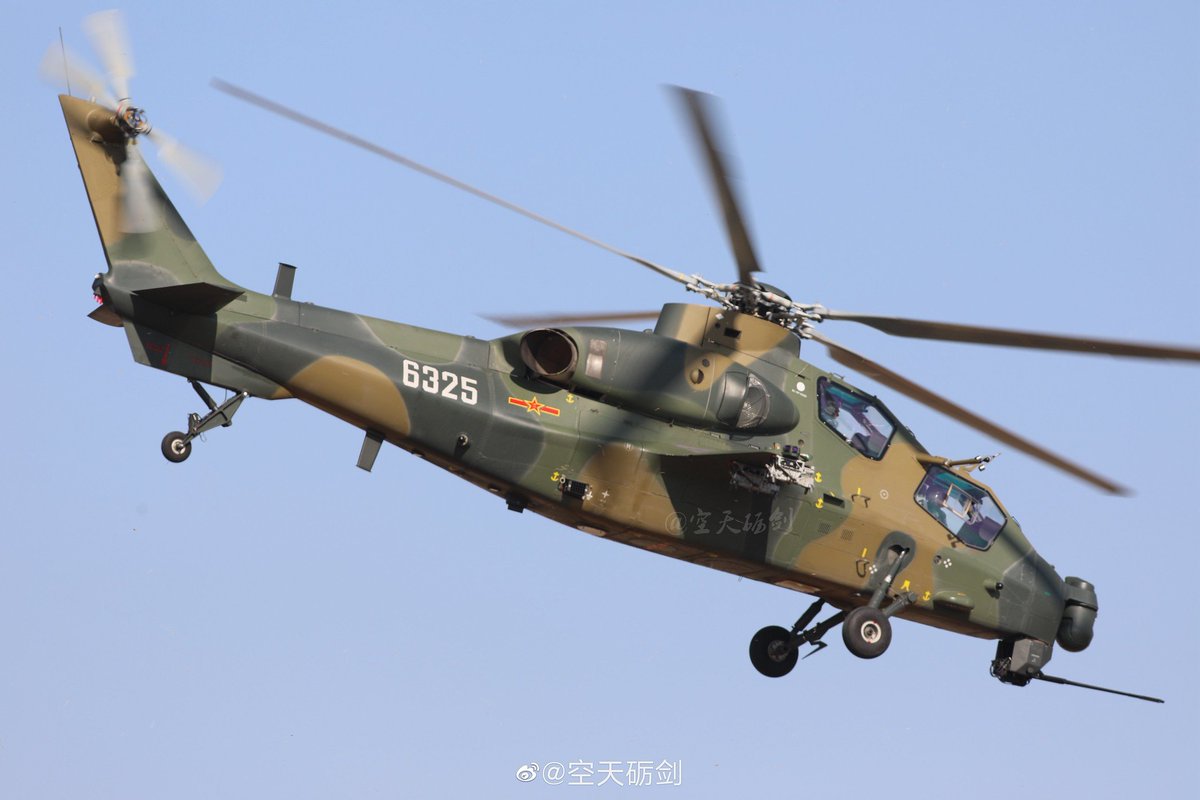
This video appears to show a PLAGF Z-10 attack helicopter practicing the approach and landing sequence involved in using merchant ships as a forward arming and refuelling point. The PLAGF operates most of the PLA's attack helicopters. Note that the PLAAF's Airborne Corps also... ...operates some attack helicopters (the Z-10K - pic 1), and a shipborne version of either the Z-10 or the new larger Z-21 (pics 2-3) is expected to eventually operate from the PLAN's large Type 075-class amphibious landing dock ships (pic 4). Image
Image
Image
Image