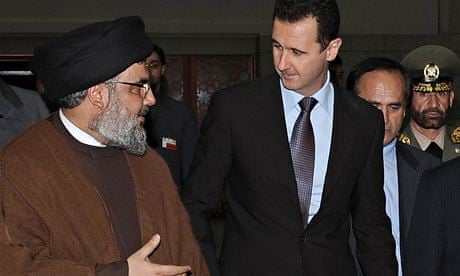
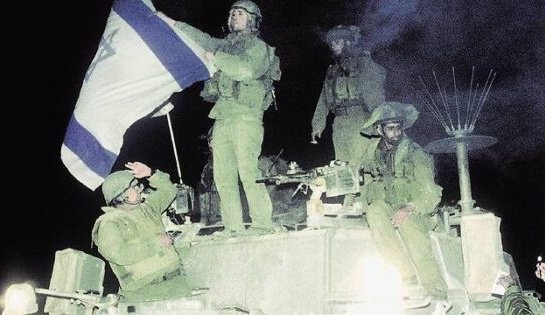
 At the same time, Hezbollah supported the Syrian occupation of the rest of Lebanon. That occupation controlled political life, reshaped laws and elections, appointed presidents, and extended their terms. A movement that backs such control cannot credibly claim to be a force of liberation.